"When G-d will return the captivity of Zion, we will be like dreamers. Then our mouths will be filled with laughter and our tongues with glad song." Psalm 126
Our continued heat wave broke last night. Temporarily. It finally feels like autumn, at least for the time being. The thermometer is supposed to climb back up later this week, which is such a metaphor for life here. Despite talks of peace, rockets are still being fired from Gaza into Israel; Hamas is completely refusing to disarm; a giant U.S. military base is being built here on Israeli soil just outside the Gaza Envelope; Hizbulla will not disarm, but seems to be doubling down in its attempt to stage a Northern October 7; and Iran is planning to send over 2000 missiles in its next attack. The heat never seems to abate.
Things are always on simmer at best here. And in my own kitchen, I’m always cooking something. Trying to use the freshest seasonal produce here, I think I’ve developed a California-Israeli fusion. So what was being prepared over the past week here?
Cucumber Radish Citrus Salad serves 4
Ingredients:
1 large English cucumber
6 large radishes
1 Cara Cara (or Valencia) Orange
1 tbsp olive oil
2 Tbsp fresh mint, chopped
Wash, trim ends off and slice the radishes and the cucumber. Peel and segment the orange, trying to avoid the pith or seeds. Squeeze as much orange juice onto the salad. Add the olive oil and chopped mint. Mix and serve cold as an appetizer or side, for breakfast, lunch or dinner.
Mediterranean Torta serves 6. Dairy
A friend of mine just came home from the hospital this week, so I made her (and myself) this fantastic dish that can be served hot or cold for any meal. It’s absolutely delicious!
Ingredients :
1 pre-made pie crust dough
1 large zucchini
1/2 cup roasted red bell pepper (can use from a jar)
1/2 cup sun dried tomato pieces in oil
1 can artichoke hearts
1 cup fresh mushrooms
2 cups fresh spinach, chopped
4 eggs
1/2 cup cream (9-15%)
1 cup shredded mozzarella cheese
Italian seasoning: oregano, rosemary, parsley, basil, chile flakes(optional)
Trader Joe’s Pizza Season blend (optional)
Heat oven to 350*/170*. Place pie crust dough into a greased, deep dish pie dish. Bake crust until golden brown, about 16-20 minutes. Remove from oven and let cool. Slice zucchini and mushrooms into thin slices. Drain can of artichoke hearts and slice the artichokes fairly thin. Arrange a layer of zucchini in concentric circles on the bottom of the pie crust. Next add strips of roasted red pepper. Now sprinkle the mushrooms across the top. Dot with chunks of sun-dried tomato in olive oil. Sprinkle the Italian herbs (dried) over the top of this layer. Now layer the artichokes on top. And sprinkle the spinach evenly over the top of the pie. In a mixing bowl, combine the eggs and cream until thoroughly incorporated. Pour over the pie. Sprinkle with more Italian herbs and last, the grated mozzarella. Sprinkle liberally with the Trader Joe’s pizza seasoning, if you have access to this fantastic product. Bake in 350*/170* oven for 45-55 minutes, or until fragrant and golden brown on top. Test with a toothpick or cake tester to see if inside comes out clean.
Swiss Chard in Bechamel Sauce. serves 6. Dairy
We visited my daughter in the UK and she made this for us. It was so delicious, that I had to go home and try it. It gets better after a day or two, so reheats well. This is just so tasty! True comfort food and that kick of Stilton just puts it way over the creamy top!
This was the photo I snapped just before it went into the oven….
Ingredients:
2 large bunches/ 6 packed cups Swiss Chard (mangold)
1 white onion
1/2 stick butter
1/2 cup flour (50 grams)
1 cup milk
1/3 cup Stilton (or blue) cheese
Salt, pepper
Freshly grated nutmeg
Fried onions (Durkee, IKEA, etc.)
Preheat oven to 350*/170*. Wash and chop the chard or mangold and set aside to drain. Rough chop the onion. In a large skillet melt the butter and sauté the onion until soft. Add the flour and stir until thickened. Pour in the milk, stirring continually. Mix in salt and pepper to taste. In a greased casserole dish, place the chopped chard. Pour the bechamel sauce over the top. Mix together with crumbled Stilton or Blue Cheese. Grate fresh nutmeg very liberally over the top of the casserole and bake for about 30-40 minutes, until nice and bubbly on top. Remove from oven and sprinkle fried onions over the top.
Corn and Romano Bean Salad. serves 4. Pareve (vegetarian)
So I had end of the season sweet corn and fresh Romano beans (the really flat, wide, buttery green beans) from our local produce delivery. Along with so many other tasty veg…. That I had to use it all up before it went off. So…..this salad is out of this world amazing! One of the best recipes to date! John and I could just east this by the bowls full all day long, it’s that great. If you try no other recipe, do this one. You won’t regret it.
Ingredients:
2 ears of super sweet white corn, fresh
3 cups fresh cut up Roman beans
Olive oil
Balsamic vinegar
Sea salt, pepper
1 can white beans, drained and rinsed
Preheat oven to 400*F/200*C. Using a sharp knife, strip the raw corn off of the cob and reserve to a bowl. On a foil-lined baking sheet, lay flat the washed and trimmed Romano beans, cut into 2 inch pieces. Toss with olive oil, sea salt and freshly ground black pepper. Drizzle about 2 TBSP balsamic vinegar over top. Roast in oven about 5 minutes, then shake the pan or stir the beans and roast again another 5-10 minutes keeping an eye on them so they do not burn. Remove from oven and let cool. Drain the can of white beans and add to the bowl with the corn. Toss in the cooled Romano beans. Dress with the vinaigrette -recipe below – mix well to incorporate and serve cold.
Vinaigrette ingredients:
1 egg yolk
2 TBSP strong Dijon mustard
1 clove garlic
1/4 cup white wine vinegar
1/4 cup honey
1/3 cup avocado (or seed/canola) oil
Pinch sea salt, pepper
With an immersion blender, blend together all the above ingredients until smooth. If it seems too thick, add 1/4 cup water to thin out a bit. It should be the consistency of regular salad dressing.
First: a HUGE thank you to all my readers who have sent in notes of comfort and support to the grieving Aviv family. (See last post). Please keep them coming, as I will present the letters along with the JNF memorial certificates and FIDF donation certificates to them on Memorial Day next Monday. So you have through the weekend. Please don’t delay.
John and I just returned from a few days in Jerusalem and Tel Aviv. He had a doctor’s appointment and we really needed a change of scenery. I hadn’t been down to Jerusalem since the pandemic, and once again there are no tourists.All the streets, holy sites, and tourist spots are completely empty. It’s a totally different vibe than when there are thousands of tourist groups, lines to enter a building, crowds jostling. It’s lonely, but also beautiful. To be able to enjoy sacred silence.
We visited King David’s tomb. We went to the Cenacle just upstairs in the same building. We walked the empty cardo, the excavated Roman Main Street that ran the width of the Old City through the marketplace and to the second Holy Temple. There was only the chiseling and hammering sounds of archaeology in progress. The stalls of the vendors were open despite the few customers. The cries in Hebrew, English, Russian, Arabic for tourists to come and buy. Only now there were few visitors. Still, the fragrance of nard and sandalwood hung heavy in the air. The colors of the fabric hanging and the brass and silver gleaming were just as vibrant. John and I went to the Sepulchre. The Orthodox Christians had just celebrated their Easter the day before. The miracle of the Holy Flame, the oldest continual miracle, had occurred the Saturday night previous. And of course, we made our stop at the Kotel, the Western Wall.
It’s rare to get such a clear day. You can see for miles. Beyond the Arab sector, the Judaean Desert, Dead Sea and Jordan (Edom)The ramparts of the Old City WallsThin slit in wall to shoot arrowsDefensive hole in the Old City Wall. Lookout and arrow/ stone launchingHow many battles were fought? How many invading armies? How many victories? Defeats?Scenes from Jerusalem
Flags were flying half mast for the five soldiers who were killed by missile fire as they unloaded humanitarian aid at the Kerem Shalom crossing on Sunday. It was quiet. Very quiet there. No groups singing, dancing, praying at the Kotel Plaza. No bands of soldiers. Only a few seminary girls in their long skirts and mothers with young children. A few men praying at the wall. It was easy to get a chair and bring it right up against the cold stones.
I really thought the floodgates of my tears would open up. I told John I might be a couple hours. I had a whole pack of tissue and my Scriptures. I’ve been holding space for so many people and so much over the past six months, there is barely enough room to hold any more. Every time I go to the Wall, unexpectedly, I sob until I cannot cry any more. Sometimes, it’s for certain people; other times it’s because I feel such connection with my past (family, ancestors who either visited or long to come to this very spot); sometimes it’s for the state of the world. This time, fully expecting…. again the unexpected. For the first time, I just could not cry. Nothing would come up – or out.
I prayed. I prayed a lot. But I could not grieve. Not yet at least. I gave thanks for the new lives in our family and our circle of friends. For. G-d’s protection. For all the blessings we’ve received just in this past year alone. But I could not cry.
Jerusalem in the spring is a place of incredible beauty. The wisteria is in full bloom and just climbs over the old buildings. The fresh mountain air is still crisp and cold and the surrounding Judaean hills are still green.
Huge fan of the old architecture of JerusalemThe Judaean Hills outside the city – see the vineyard?The view across the mountains to the Mediterranean was breathtaking!Even at night, it is a place of beautyNew high rises are popping up everywhereJerusalem side street, night timeOld building with lots of charm at nightTin shutters and laceThe Mechane Yehuda Market at nightSunset descends on the city
We really needed this breath of fresh air. In the morning, we headed out for breakfast at a sabich place. Oh my goodness!!!! If you have never had a sabich, are you in for a taste explosion when you come here. I’d never had one of these Middle Eastern delights until I came here, and this place was the absolute best. So what is a sabich (pronounced sah bikh with that gargling sound at the end)? You take a big fluffy as a cloud pita, smear the inside with humus; put in some hot fried potato slices; a sliced hard boiled egg; some pickles, fried eddplant; amba (the most incredible pickled mango sauce); some schkoog (hot!!!!!!) for the adventurous; more eggplant -crispy outside, soft inside- techineh, cucumber, tomato, onions, more amba and humus. It sounds wild and IS WILD!!!! Fairly healthy, incredibly filling. All together delicious and wholly satisfying.
Which brings me to a recipe: When we were in England, our daughter made a deconstructed sabich salad for dinner one night. She served it with leftover roasted chicken and it was quite marvellous! So much so, I took pictures, asked her for permission and voila!
Elizabeth’s Sabich Salad
Serves 4. Pareve. (Vegetarian/neither dairy nor meat)
Ingredients:
1 head romaine lettuce, cut up
1 small English cucumber, sliced
4 hard boiled eggs, sliced
1/3 cup sweet pickles (gerkinns), chopped
1 small purple eggplant, sliced
1 small sweet potato, peeled & sliced
1/2 tsp paprika
1/4 cup pomegranate arils
Dressing: 1/4 cup olive oil, juice of 1/2 lemon, salt & pepper
Sauté the sliced eggplant and sweet potato in very hot olive oil until soft and golden brown on outside. Let cool. Arrange rest of salad…lettuce, cucumber, pickles, eggs. Add in eggplant and sweet potato. Sprinkle with paprika and pomegranate. Dress with lemon/oil.
After breakfast, we went to Machaneh Yehuda Market, an entire covered square block of vendors and stalls selling produce, fish, meats, candy, baked goods, fresh squeezed juices, teas, spices, flowers, eggs, cheese, halvah, nuts, sweets, herbs, coffees, and everything else edible, gourmet and mundane. I did my shopping for the week, getting fresh figs!!!!! among other great things. (At night the stalls close up and the nightclubs and restaurants take their place… it becomes quite the hopping place for the younger crowd). But this morning, there were the usual rabbis, old ladies and beggars asking for spare change to feed the hungry; the guys playing guitar and hand drum and the Rastafarian dude with the steel marimba and the mime. The beautiful mime with her handmade outfit and props. She was standing there at one of the entrance on her little box platform, with her bird in its cage. Just standing, parasol in hand. Just standing.
Halvah, chocolate halvah, coffee halvah, chile halvah, pecan halvah….Herbs, roots, spices, rice spice, blends, fish spice, chicken spice, Indian curry, shawarma spice…Teas, herbal infusions, fruit infusions, medicinal teas, chaiGreens and red plums, grapes, nectarines, cherries just coming into seasonPastries… all dairy… with cheese, chocolate, poppy seed, nuts, fruits, sweet and savory as wellAll kinds of olives and pickled veg and spicy pepperThe desert guy selling knaffeh… my favorite The mime!!!Can you even believe the detail in her handmade outfit???
On to Tel Aviv. Take in a couple museums. Feel the vibrancy of this bustling city. Marvel at all the gorgeous and innovative high rises continually being constructed. Yet the city, as is typical of most Israeli cities, never loses its greenways and parks. Urban gardens and jungles. Children’s play places. Tree-lined promenades. Delivery guys on motorbikes. Crazy drivers (everywhere here) with horns honking. High fashion alongside black denim and black tee shirts. Lots and lots of people walking dogs. Gun-carrying soldiers. Moms with strollers. Lots of moms. More pregnant women than I could count….and the gorgeous beach with the bikini clad, sunkissed babes and the men playing motkot (paddle ball) on the hard sand.
We met my son and a good friend we hadn’t seen in like forever for dinner. we had planned to spend about two hours, but it quickly turned into five hours. I love so much about Israel, one of which is the restaurant service. You are not expected to vacate your table right after you eat. They expect you to take your time, to sit and talk and enjoy the company. We had decided upon an outdoor table at a Sarona Market restaurant.
The Sarona area of Tel Aviv, like the community in Jerusalem and Haifa, was first settled in the early 1900s by Germans. They were a resurrected Templar group. Messianic Lutherans…. expecting that if they settled the Holy Land it would hasten the coming of the Messiah. It turned out they were Nazis..Really. They became Nazis in league with Hitler and were expelled from the country by the British in the early 1940s. But they built the cutest, quaintest neighborhoods. The houses are all intact, now turned into posh and artsy shops and cafes – surrounded oh all sides by skyscrapers. I love the juxtaposition.
Yet, despite the respite, everywhere were posters of the abducted. Banners and displays to bring home the hostages. Pictures of the faces of young girls, elderly men, and little children. Young concertgoers in their prime. It reminded me of New York after 9/11. All in all, it was a wonderful getaway. Hopefully, it won’t be another three years before we return.
Stonework and geraniums on balconyOur hotel room had a ritual handwashing stationSculpture at Mamilla Mall In the Womb I Formed YouMontefiore WindmillVibrant corner marketBeautiful banner in a churchShelter of Peace StreetPrayer books and jelly at ur restaurant Inside the empty Holy Sepulchre
We survived a bit of a scare attack over the weekend. Psy-ops? I don’t know? Grounded in some reality? Perhaps…
Last week there were several ‘direct hits’ in Gaza, Lebanon, Syria and Iran. Several key players, masterminds of the Islamic terror world were eliminated by direct drone and missile attacks. Even this morning there was a huge explosion at a missile launching site in Iran.
We do not know who is taking out these key members. Some say it’s Israel and Mossad. Others the US. There have been many retaliatory attacks on US bases throughout the Middle East lately. There are rumors that in Iran it’s an internal job. Whatever the case there is more and more pressure on Israel, especially in the North.
On Friday, we received news that the mayor of a Haifa suburb had told all his residents to invest in a generator and to have enough food, water and necessities to last at least a week. The military would be so overwhelmed it might be more expedient to rely on yourself. This, after two Hizbulla missiles were shot down over Haifa on Friday. It turned out to be ‘misinformation.’
In the meantime Israel has set a deadline of the end of January for an agreement being led by a multinational group to try to force Hizbulla to move away from the Israeli border. The agreement seems less likely as the days go by and it looks more threatening because Hizbulla forces refuse to move back.
The Lebanese Patriarch of the Maronite Catholic Church, Beshsra Al-Rahi, called for the removal of every rocket launchpad between every home; the removal of all missiles from homes and schools; UNFIL to enforce resolution 1701 pushing all Hizbulla troops off the Israeli border fence, back 2 km (no man’s land) and away from the Lebanese border. Nasralla has said no such. So it looks like there might be a showdown starting next week. The thought of 150,000 missiles pointed directly at us is a wee bit daunting-
At present 72,000 Israelis have been displaced from their homes in the North alone. Since there are no tourists, many citizens who lack family or friends who will shelter them, have been put up in hotels along the Sea of Galilee. Makeshift schools have been set up for the children. Some are being squeezed into the schools in Tiberias and the local communities.
Hizbulla in the North is a proxy for Iran, just as the Houthis in Yemen South Red Sea and Hamas in Gaza. Of the three, Hizbulla is much more greatly funded, trained, weaponized and numerous. Last week, in his latest trip to Israel, US Secretary of State, Antony Blinken, was assured that “ Israel would not surprise the United States by an attack on Hizbulla without prior notification.”
So we are now waiting…. You would never know as people go on with their daily lives here as best as possible. Stores and schools and services are open. There is plenty of traffic and people seem busy.
Yesterday we went to visit an Arab Christian friend who lives in the Galilee. She has two Maronite Christian families from Metulla living in the two apartments underneath hers. They were empty apartments and the landlord let the displaced famI lied live there temporarily. Claudia is a tour guide. She has so much knowledge and understanding of the history of Israel from many different perspectives. We have gone so many places with her. As during COVID, she again has no business.
Claudia also teaches classes on Israeli cooking, Biblical cooking and culture. We took a long walk with her into the fields adjacent to her apartment.
Look closely at the pictures above. What do you see? A field? Yes. What else? Grasses and weeds? Perhaps. But they hold a hidden treasure, for now that the rains have come everything had begun to sprout and turn green. All of these ‘weeds’ are edible!!!! The wild asparagus and celery. The dandelions and lettuces. The loof. And most have medicinal properties known by people in Biblical times and passed down through the generations to today.
Wild celery
When we returned to Claudia’s, she gave us a little class on how to prepare each. Some were sautéed. Some would be dried (hyssop) to make zataar, the herb that is used in many foods here. Other plants would be boiled first, then wrung out (to remove any bitterness) and then sautéed.
Claudia seasons the hot pan with garlicSome of our leaves, sorted, washed and driedAsparagus and wild celeryNo longer just weedsKhobezeh looks like a wild geranium but much larger leaves. Ayilt. A type of wild romaine lettuce stir fried with onion
During the winter months, you see older women…Bedouin and Druze, mostly, out in the fields foraging. The women are everywhere along the country roads, stooped over with their aprons and plastic bags. Wild mustards are prevalent and are a special delicacy. Some leaves (loof) are large. These are destemmed, steamed and then stuffed with rice, onions, lentils and herbs, rolled up and then steamed again.
Loof grows in rocky places. It has a huge purple Jack-in-the-pulpit type flower. Claudia in her kitchenFresh labanehBiblical brunch!!!Slicing pita
We feasted on homemade labaneh, a cultured dairy product made with the goat milk Claudia got from a lady down the street. She had made pita bread in her tabun (outdoor metal oven) the day before. We had a type of feta cheese. The greens and dairy were drizzled with fresh Galilee olive oil. We had olives and homemade humus from her store of dried chickpeas. On some of the greens, Claudia cracked eggs and let them steam- a green shakshuka. On top of this she put a dollop of Zhug, a very very spicy hot pepper and herb mixture. It was all quite delicious. All homemade with fresh, local ingredients.
If you come to Israel in the winter months, not only could Claudia give an amazing tour, but you could also take a cooking class from her. Hopefully you won’t have to dodge missiles.
We survived a bit of a scare attack over the weekend. Psy-ops? I don’t know? Grounded in some reality? Perhaps…
Last week there were several ‘direct hits’ in Gaza, Lebanon, Syria and Iran. Several key players, masterminds of the Islamic terror world were eliminated by direct drone and missile attacks. Even this morning there was a huge explosion at a missile launching site in Iran.
We do not know who is taking out these key members. Some say it’s Israel and Mossad. Others the US. There have been many retaliatory attacks on US bases throughout the Middle East lately. There are rumors that in Iran it’s an internal job. Whatever the case there is more and more pressure on Israel, especially in the North.
On Friday, we received news that the mayor of a Haifa suburb had told all his residents to invest in a generator and to have enough food, water and necessities to last at least a week. The military would be so overwhelmed it might be more expedient to rely on yourself. This, after two Hizbulla missiles were shot down over Haifa on Friday. It turned out to be ‘misinformation.’
In the meantime Israel has set a deadline of the end of January for an agreement being led by a multinational group to try to force Hizbulla to move away from the Israeli border. The agreement seems less likely as the days go by and it looks more threatening because Hizbulla forces refuse to move back.
The Lebanese Patriarch of the Maronite Catholic Church, Beshsra Al-Rahi, called for the removal of every rocket launchpad between every home; the removal of all missiles from homes and schools; UNFIL to enforce resolution 1701 pushing all Hizbulla troops off the Israeli border fence, back 2 km (no man’s land) and away from the Lebanese border. Nasralla has said no such. So it looks like there might be a showdown starting next week. The thought of 150,000 missiles pointed directly at us is a wee bit daunting-
At present 72,000 Israelis have been displaced from their homes in the North alone. Since there are no tourists, many citizens who lack family or friends who will shelter them, have been put up in hotels along the Sea of Galilee. Makeshift schools have been set up for the children. Some are being squeezed into the schools in Tiberias and the local communities.
Hizbulla in the North is a proxy for Iran, just as the Houthis in Yemen South Red Sea and Hamas in Gaza. Of the three, Hizbulla is much more greatly funded, trained, weaponized and numerous. Last week, in his latest trip to Israel, US Secretary of State, Antony Blinken, was assured that “ Israel would not surprise the United States by an attack on Hizbulla without prior notification.”
So we are now waiting…. You would never know as people go on with their daily lives here as best as possible. Stores and schools and services are open. There is plenty of traffic and people seem busy.
Yesterday we went to visit an Arab Christian friend who lives in the Galilee. She has two Maronite Christian families from Metulla living in the two apartments underneath hers. They were empty apartments and the landlord let the displaced famI lied live there temporarily. Claudia is a tour guide. She has so much knowledge and understanding of the history of Israel from many different perspectives. We have gone so many places with her. As during COVID, she again has no business.
Claudia also teaches classes on Israeli cooking, Biblical cooking and culture. We took a long walk with her into the fields adjacent to her apartment.
Look closely at the pictures above. What do you see? A field? Yes. What else? Grasses and weeds? Perhaps. But they hold a hidden treasure, for now that the rains have come everything had begun to sprout and turn green. All of these ‘weeds’ are edible!!!! The wild asparagus and celery. The dandelions and lettuces. The loof. And most have medicinal properties known by people in Biblical times and passed down through the generations to today.
Wild celery
When we returned to Claudia’s, she gave us a little class on how to prepare each. Some were sautéed. Some would be dried (hyssop) to make zataar, the herb that is used in many foods here. Other plants would be boiled first, then wrung out (to remove any bitterness) and then sautéed.
Claudia seasons the hot pan with garlicSome of our leaves, sorted, washed and driedAsparagus and wild celeryNo longer just weedsKhobezeh looks like a wild geranium but much larger leaves. Ayilt. A type of wild romaine lettuce stir fried with onion
During the winter months, you see older women…Bedouin and Druze, mostly, out in the fields foraging. The women are everywhere along the country roads, stooped over with their aprons and plastic bags. Wild mustards are prevalent and are a special delicacy. Some leaves (loof) are large. These are destemmed, steamed and then stuffed with rice, onions, lentils and herbs, rolled up and then steamed again.
Loof grows in rocky places. It has a huge purple Jack-in-the-pulpit type flower. Claudia in her kitchenFresh labanehBiblical brunch!!!Slicing pita
We feasted on homemade labaneh, a cultured dairy product made with the goat milk Claudia got from a lady down the street. She had made pita bread in her tabun (outdoor metal oven) the day before. We had a type of feta cheese. The greens and dairy were drizzled with fresh Galilee olive oil. We had olives and homemade humus from her store of dried chickpeas. On some of the greens, Claudia cracked eggs and let them steam- a green shakshuka. On top of this she put a dollop of Zhug, a very very spicy hot pepper and herb mixture. It was all quite delicious. All homemade with fresh, local ingredients.
If you come to Israel in the winter months, not only could Claudia give an amazing tour, but you could also take a cooking class from her. Hopefully you won’t have to dodge missiles.
We survived a bit of a scare attack over the weekend. Psy-ops? I don’t know? Grounded in some reality? Perhaps…
Last week there were several ‘direct hits’ in Gaza, Lebanon, Syria and Iran. Several key players, masterminds of the Islamic terror world were eliminated by direct drone and missile attacks. Even this morning there was a huge explosion at a missile launching site in Iran.
We do not know who is taking out these key members. Some say it’s Israel and Mossad. Others the US. There have been many retaliatory attacks on US bases throughout the Middle East lately. There are rumors that in Iran it’s an internal job. Whatever the case there is more and more pressure on Israel, especially in the North.
On Friday, we received news that the mayor of a Haifa suburb had told all his residents to invest in a generator and to have enough food, water and necessities to last at least a week. The military would be so overwhelmed it might be more expedient to rely on yourself. This, after two Hizbulla missiles were shot down over Haifa on Friday. It turned out to be ‘misinformation.’
In the meantime Israel has set a deadline of the end of January for an agreement being led by a multinational group to try to force Hizbulla to move away from the Israeli border. The agreement seems less likely as the days go by and it looks more threatening because Hizbulla forces refuse to move back.
The Lebanese Patriarch of the Maronite Catholic Church, Beshsra Al-Rahi, called for the removal of every rocket launchpad between every home; the removal of all missiles from homes and schools; UNFIL to enforce resolution 1701 pushing all Hizbulla troops off the Israeli border fence, back 2 km (no man’s land) and away from the Lebanese border. Nasralla has said no such. So it looks like there might be a showdown starting next week. The thought of 150,000 missiles pointed directly at us is a wee bit daunting-
At present 72,000 Israelis have been displaced from their homes in the North alone. Since there are no tourists, many citizens who lack family or friends who will shelter them, have been put up in hotels along the Sea of Galilee. Makeshift schools have been set up for the children. Some are being squeezed into the schools in Tiberias and the local communities.
Hizbulla in the North is a proxy for Iran, just as the Houthis in Yemen South Red Sea and Hamas in Gaza. Of the three, Hizbulla is much more greatly funded, trained, weaponized and numerous. Last week, in his latest trip to Israel, US Secretary of State, Antony Blinken, was assured that “ Israel would not surprise the United States by an attack on Hizbulla without prior notification.”
So we are now waiting…. You would never know as people go on with their daily lives here as best as possible. Stores and schools and services are open. There is plenty of traffic and people seem busy.
Yesterday we went to visit an Arab Christian friend who lives in the Galilee. She has two Maronite Christian families from Metulla living in the two apartments underneath hers. They were empty apartments and the landlord let the displaced famI lied live there temporarily. Claudia is a tour guide. She has so much knowledge and understanding of the history of Israel from many different perspectives. We have gone so many places with her. As during COVID, she again has no business.
Claudia also teaches classes on Israeli cooking, Biblical cooking and culture. We took a long walk with her into the fields adjacent to her apartment.
Look closely at the pictures above. What do you see? A field? Yes. What else? Grasses and weeds? Perhaps. But they hold a hidden treasure, for now that the rains have come everything had begun to sprout and turn green. All of these ‘weeds’ are edible!!!! The wild asparagus and celery. The dandelions and lettuces. The loof. And most have medicinal properties known by people in Biblical times and passed down through the generations to today.
Wild celery
When we returned to Claudia’s, she gave us a little class on how to prepare each. Some were sautéed. Some would be dried (hyssop) to make zataar, the herb that is used in many foods here. Other plants would be boiled first, then wrung out (to remove any bitterness) and then sautéed.
Claudia seasons the hot pan with garlicSome of our leaves, sorted, washed and driedAsparagus and wild celeryNo longer just weedsKhobezeh looks like a wild geranium but much larger leaves. Ayilt. A type of wild romaine lettuce stir fried with onion
During the winter months, you see older women…Bedouin and Druze, mostly, out in the fields foraging. The women are everywhere along the country roads, stooped over with their aprons and plastic bags. Wild mustards are prevalent and are a special delicacy. Some leaves (loof) are large. These are destemmed, steamed and then stuffed with rice, onions, lentils and herbs, rolled up and then steamed again.
Loof grows in rocky places. It has a huge purple Jack-in-the-pulpit type flower. Claudia in her kitchenFresh labanehBiblical brunch!!!Slicing pita
We feasted on homemade labaneh, a cultured dairy product made with the goat milk Claudia got from a lady down the street. She had made pita bread in her tabun (outdoor metal oven) the day before. We had a type of feta cheese. The greens and dairy were drizzled with fresh Galilee olive oil. We had olives and homemade humus from her store of dried chickpeas. On some of the greens, Claudia cracked eggs and let them steam- a green shakshuka. On top of this she put a dollop of Zhug, a very very spicy hot pepper and herb mixture. It was all quite delicious. All homemade with fresh, local ingredients.
If you come to Israel in the winter months, not only could Claudia give an amazing tour, but you could also take a cooking class from her. Hopefully you won’t have to dodge missiles.
First, a huge thank you to all my loyal readers and a welcome to the ones who have recently joined me on this wild, mid-life adventure. To backtrack a bit, my husband, teenage son and I moved from a beautiful, sunny suburb of Los Angeles (not the Valley), California for many reasons…. to a beautiful, sunny suburb of Haifa (not the kryot) in Northern Israel. In many ways it was the same: rolling mountains of scrub brush; hot dry summers where the ground scorches to brown/black by the sun followed by cold, windy, wet winters. The houses in both place are mostly white stucco with Mediterranean tile roofs, same as SoCA. Both have gorgeous views from the mountaintops of the Pacific or Mediterranean. Looking out the winter it is all very similar. But once we step outside…..
There were new people to meet – a diversity of cultures from all over the world. We have native Israeli neighbors on one side and Russians on the other. Across the street are South Africans, Moroccans, a few native Israelis and Ethiopians. Two doors down are Arab Christians, and we are soon to be joined by three Arab Muslim families who have bought properties on our street. Add to that two more American families and it is diverse indeed! So there is a lot to absorb: different languages, foods, music and religions all manage to coexist on our street. The driving here is absolutely insane. Even the Los Angeles freeways could not prepare us for Israeli craziness. And my dear husband has become “one of them”. The shopping experience is different. Just about everything has changed for us. Even measurements, weights, temperature and currency. We have had to have a large sense of adventure and a mighty sense of humor.
Israel has proven to be a great launching pad for low-cost flights to Europe. We have been able to travel to Italy, Switzerland, France, Czech Republic, Hungary, the Netherlands and the UK. Something we were never able to do with 5 children. We have so many more trips planned. And we really want to visit Petra in Jordan as well as Egypt. It’s the Indiana Jones in us.
Since moving to Israel, we have loved exploring the archaeological sites, which are everywhere. Biblical, Greek, Roman, Crusader, Ottoman – layers and layers of history are all here! And the little villages, each one with their own vibe. Artsy villages. Goat-herding or cow-raising villages with their own dairies, serving up artisanal cheeses and specialty products. Villages that are high-tech centered. Religious villages. We have Jewish people of all different sects – from the numerous Ultra Orthodox groups to the Reform and Secular-Humanist Jews. Druze, Circassian, Christian (Roman Catholic, Eastern Orthodox, Maronite, Russian Orthodox, Protestant), Muslim. It’s been a tremendous learning experience. Then there’s the language. Modern Hebrew, resurrected from an ancient holy tongue used for liturgy, worship, and study. The language of the Bible. Only consonants. No vowels. You have to know the context- or make potshot guesses as to how words are pronounced. A modern language now filled with its own idioms and sayings that it seems like only the ‘natives’ understand. I can hold my own on the street, but still have a long way to go to achieve fluency.
Since moving here – it’s been 8 years now- we’ve unfortunately had more than our fair share of medical issues, the biggest being my husband’s cancer diagnosis 4 years ago. Add navigating a whole new medical system in a whole new language to our list of new experiences. We’re pretty much pros now, and know the ropes and much medical vocabulary in Hebrew. John underwent another huuuuuge surgery this past January, and was still in recovery mode when we got the okay from the doc to travel back to the States.
We just returned last week from a no-frills, quick visit for our daughter’s wedding. It was beautiful. A meaningful, fun, restful, immediate family celebration. John and I so enjoyed spending time with our 4 grandkids. My! How they grow! It was wonderful. From there, we spent a few days in Florida with John’s family before the internal infection took over and we had to fly back to Israel and right to Sheba Medical Center.
I have decided not to use this platform to discuss or debate religious or political issues, but I will say when we were in California things were a lot more heated (in the US) than I’ve ever experienced. It wasn’t just the summer weather that has caused deep divisions, shortages, homelessness like we’ve never seen – and skyrocketing prices (although I did manage to shlep home a suitcase full of American bargains and specialty food items). We returned home last week to Israeli protests and demonstrations against (and for) the government and the judicial reforms happening here. Because of the disruptions, John, awaiting another major surgery, has been sent home partially because of major strikes by the labor and service unions.
So now we are home for awhile, and it must be summer. It’s ‘take down the decorative plates and pictures from the walls’ season; ‘store the breakable items…. just in case of missile strikes’ season. Restock the safe room timeIt has become my summer ritual. As the temperatures rise, so does the rhetoric coming from Hizbulla and Hamas. Once again the North is on extra alert and public bomb shelters are being updated and opened in the Northernmost communities. All in all, despite political and religious differences, we remain a united country: when it comes down to it, and our country stands ready to face any external threats.
It’s the intermediate days of summer. We’ve passed the national days of mourning (Tisha b’Av); we just celebrated Tu b’Av, our Biblically-based rendition of Lover’s Day(traditionally a day for proposals of marriage and the fruits and veggies are ripening on the vine. I managed to salvage a smaller-than-anticipated harvest of tomatillos I planted on the balcony garden upstairs. We don’t get authentic Mexican foods, so I bring back Salsa Verde from the States and make my own. This year the tomatillos supplied me with a mere quart and a pint bottle for enchiladas – I also shlepped back 4 packs of corn tortillas!
Tomatillo Salsa Verde for Enchiladas
We have a neighbor who recently moved with her family from Mexico. Lily came over for a few seconds last week to drop off a pot of Mexican Jewish Chicken Soup. She made it “for his digestion. It is good and will heat out the infection.” It was tomato based, with lots and lots of veg- onions, garlic, carrots, celery, squash and about 8 chicken legs falling off the bone. Lots of cumin and Mexican spice like dried peppers and epazote…and noodles. The smell brought me back to Southern California/Arizona. Nice!
When John was in the hospital they served him a typical Israeli carrot salad: grated carrots with vinegar, salt and a pinch of chili peppers. There are so many versions of carrot salad here. It seems everyone has there own favorite recipe dependent upon their country of origin. Those from Sephardic (Spain, Portugal, North Africa) grate their carrots with added lemon or red wine vinegar, cumin, dried chili peppers, olive oil, salt and chopped cilantro. Immigrants from the MidEast countries and Turkey, the Mizrachi Jews enjoy things spicy. So to their shredded carrots they mix in olive oil, lemon juice, and schug, a very spicy red pepper paste, and garnish with chopped parsley or cilantro. Ashkenaz from Northern Europe like things sweet. They shred the carrots with a little lemon juice, but add raisins and honey or a sugar, sometimes nut pieces like pecans, walnuts or cashews. I’ve even had it with canned pineapple thrown in. This is what came over to America and is a more familiar taste there. I have a recipe I enjoy, given to me by a French lady from Tunisia.
Hospital carrot salad
French Tunisian Carrot Salad
Ingredients:
3 large orange carrots, peeled & grated
1/4 cup olive oil
2 TBSP red wine vinegar
1/2 tsp Dijon mustard
1/2 tsp ground cumin
1/4 cup each, chopped fresh mint & cilantro
Pinch salt
Mix all ingredients together and enjoy,
The Israelis really take their salads, salatim,seriously. And Americans: food is quite different here. Do NOT think a bowl of lettuce, some assorted toppings and dressing. NO!! Here in Israel a salat is any combination of roasted or raw cut up vegetables. Most are dressed with olive oil and lemon or vinegar and any combination of fresh herbs. The salatim are served for breakfast, lunch and dinner and at all times in between, usually before a meal, sometimes with pita.
Our really good friend Gabi dropped off his version of Israeli salad. It is actually his mother’s recipe. Fresh, bright, and bursting with flavor, we even had it for breakfast with cottage. (In Israel the Israelis love cottage cheese. There was once even a national strike against high cottage prices! which revolutionized the dairy industry and caused prices to come back down. It is pronounced kot’ij and is served at breakfast and for cooking.)
Gabi’s Israeli Salad (serves 4)
The key here, Gabi says, is to cut the veggies very very small.
Ingredients:
1 large carrot, peeled, diced small
1 slicing cucumber chopped small (leave peel on)
3 radishes, chopped small
2 tomatoes, seeded & chopped small
1 scallion/green onion chopped with white and some green
1 small yellow pepper, chopped small
1 small/medium red onion, peeled, diced
1/2 cup chick peas/garbanzo beans
The juice of 1 lemon, squeezed, pips removed
Generous Drizzle olive oil
Maldon salt sprinkled lightly on top
Mix all ingredients together and place in fridge for about an hour to serve really cold. It doesn’t get any more summery and fresh than this.
When we were in Florida, my sister-in-law served a broccoli salad. I hadn’t had it in years. You know, the quintessential American broccoli with raisins, sunflower seeds, red onion, and lots of sweet slaw dressing. It was fabulous and I hadn’t realized how much I missed it. So when we got home from the hospital, I made a bowl.
Just as I had finished the salad, our Moroccan newborn, Lilach rang the bell. She had heard about John from our next door neighbor, and came laden with a huge pot of Moroccan Jewish Chucken Soup “to heat de way eeenfectsia. It will keeeel all de bugs inside heeem.” Wow. The smell was heady and strong, filling the kitchen with cinnamon, clove, pepper, ginger, anise, cumin, tumeric, and other strong spice. It had shredded chicken and chickpea balls. She gave me 2 lemons to squeeze on top before serving. Lilach was also bearing another Moroccan specialty, a Lentil Salad that looked absolutely gorgeous!!
Since I was the hostess, I offered her a small bowl of my ‘delicious’ broccoli salad. I thought she was going to choke!!!! Her face!!!!!! She spit it out in a napkin. “Eeeeeeewww!!!!! Wot eeeez dis? Eet eeez disgustink!! Eeet eez so sweeeeeeeet! You put cream on de broccoli??? You mishuggeh?” And so it ended. Israelis have a completely different palette than us Westerners. They like their things a lot different. All is can say is that salad she brought over. Wow wow wee wow! As we say! It was seriously out of this world! An umami in my mouth of chewy, crucnchy. A little bit bitter. A little sweet. A little salty. A little minty. A little earthy. I had to get the recipe. Totally protein packed! Totally to die for delicious!
Moroccan Lentil Salad
Ingredients:
1 can (15 oz) lentils, drained
1 can garbanzo beans/chick peas, drained
1 medium sweet potato, peeled and cubed to bite sizes
1 red onion, peeled, diced
1 cup halved cherry tomatoes
1/3 cup dried cranberries
1/3 cup roasted pecans
1/2 cup Kalamata olives
1/2 cup fresh mint, chopped
Dressing:
1/3 cup olive oil
1 lemon, squeezed, pips removed
1 tsp cinnamon
1 tsp paprika (smoked)
1 tsp cumin
1 tsp tumeric
1 tsp each, sea salt & freshly ground pepper
1/4 cup silan(date syrup) or brown sugar
1/4 cup water
Preheat oven to 200*C/400*F. Place sweet potato cubes in foil. Drizzle with olive oil, salt, pepper. Toss to coat. Seal foil. Place in oven to roast 20 minutes. When done remove from oven and set aside to cool. In large bowl, place lentils, garbanzo beans, chopped veg, cranberries, nuts and olives. Toss to incorporate all ingredients. Add in cooled potatoes and mint. Gently fold in. In a blender or shaker, add in all the dressing ingredients and blend or shake well to create a thick emulsion. Pour over salad. Toss gently but well to mix in all the flavors. Serve as is, or cold. This gets even better the next day!
A favorite Ashkenaz salad that is cooling and delicious is my cucumber salad, that I’ve adapted from my mother’s recipe. It’s good as a side for a dairy meal, or even with breakfast. I slather it on potato, corn or salmon fritters. It’s quite lovely.
Cucumbers in Sour Cream
Ingredients:
1 large slicing cucumber, peel left on, sliced very thin
Small red onion, shaved thin into rings
1 cup sour cream (ski in Israel)
Drizzle olive oil (1/4 cup)
Juice of 1/2 freshly squeezed lemon juice
1/4 tsp pepper
1/2 tsp sea salt
Pinch sugar
4 sprigs fresh dill, chopped
Using a mandoline or food processor, or by hand, slice the cucumber and onion very, very, thinly a medium sized bowl. Add sour cream, lemon juice, and spices. Mix in chopped herbs. Serve cold from fridge on a hot day!
Two more of my favorite Israeli salads that are quite tasty and easy to make. I cut the halloumi cheese into slices and fry it up to use later in salads. It adds a bit of protein and a chewiness.
Hopefully this post will turn out. I’ve had to rewrite it a few times using a different server. I’m praying the photos will turn out large and clear enough. We are still at home. I shall update you on John. We are believing G-d for complete healing so he doesn’t’t need another surgery. It will be his third this year. And who wants that???
Still, he’s doing great. I’m planning on getting up early tomorrow to go wild berry picking on the next mountain over. It’s now fig season, as well as the height of tomato season. That means more yummy recipes to come and a lot of putting up spaghetti sauces, Mexican sauces, pizza sauce, etc.
Until then, keep cool and have a grand rest of the summer. I’ll see you next time-
To update all you loyal readers: this is the eighth attempt at publishing this blog, as I’ve had nothing but glitches with this WordPress site. So let’s hope all goes well this time. My husband, John, underwent an extensive surgery last month and was set to be transferred to a convalescent hospital almost two weeks ago. Our health care group would only pay for four hospitals in the North (the periphery). All were overcrowded, understaffed and not as clean as I’d like. So we petitioned the doctor to let John do shikum at home. We’ve had a nurse come to show me how to do wound care and apply dressings and give medications; a physical therapist who gave exercises (that turned out to be way to advanced at this time); a social worker and a dietician.
Together with the dietician, we worked out a specific meal plan with foods that are low in acid and fiber, are easily digestible, high in protein and soluble fats, red meat free, grain and seed free, salt free, cruciferous veg free…. Plus I wanted to serve him a diet high in probiotics and prebiotics to replace his gut flora. He lost 22 pounds, so they wanted to put him on Ensure and other highly processed drinks and shakes. I wanted to keep the diet as natural as possible. Yes! Challenge accepted!
Healthy recipes here we come! As soon as we got home, I made a 48-hour bone broth in the crockpot. I took beef bones with the marrow, onions, carrots, celery, parsley, bay leaves, ginger, peppercorn, garlic and cooked it until the marrow was completely melted into the soup. High in protein, probiotics and collagen, super delicious, it would be a base for other soups once strained and frozen. There was zucchini mushroom soup, chicken soup with matzah balls, potato leek soup and two varieties of the quintessential Israeli Marok Katom orange soup, so named for its bright orange color. Every household has their own version of orange soup which uses any of an assortment of orange veggies and spices. I made one of a large bag of peeled carrots, a peeled sweet potato and water with some cloves and nutmeg. My favorite (I’ve given the recipes in past blogs) uses a sautéed onion and peeled apple slices with roasted sweet potato, butternut squash and carrots. This gets a can of coconut milk, grated orange peel, a hefty tablespoon of curry powder and water. All the soups are well blended with an immersion blender until creamy.
For breakfast John I make a smoothie. I like to buy as local and as fresh as possible… from our local farmers. We are so blessed to have free-range goats and goatherds throughout the Galilee. Fresh goat milk products are amazing- not at all ‘goaty’ or ‘wild’ tasting. The milk is very mild, sweet, and easily digestible. We have more than a few artisanal goat dairies in the vicinity, so I eat a cup of goat yogurt every day and use it in smoothies. Recently, I found a new superfood called fonio. It’s high in protein and minerals and low glycemic. The closest I can describe it is that it is a bit like cream of wheat when cooked as a breakfast food. I add a scoop of PB (peanut butter) protein powder that I order from the States, goat yogurt, cinnamon, honey and banana. It’s very tasty!
Roasted, peeled beets are extremely high in antioxidants and iron. Another superfood. You can find them prepackaged in the supermarkets (and in the US, at Trader Joe’s). I developed this recipe with a couple Israeli/ Mediterranean twists. I use a goat feta that is very very low in salt and very firm and mild. It comes in a block submerged in water, and can be cut into smaller cubes. Hopefully you will be able to find something quite similar. Fresh dill is found in many recipes here, as is mint. The two together make this salad really fresh and the dressing is a twist on the Israeli lemon juice and olive oil.
Mediterranean Beet Salad
Ingredients:
3-4 medium beets, roasted & peeled, or 1 pack pre-cooked beets
1/2 cup goat feta, as fresh as possible
2 TBSP freshly chopped dill leaves
1 TBSP freshly chopped mint leaves
Vinaigrette , recipe below
In a large bowl cut the roasted beets into bite sized cubes. Add the fresh feta, cubed. Add mint and dill. In a small bowl mix together the vinaigrette until it forms a creamy emulsion. Pour over salad and mix thoroughly.
Vinaigrette ingredients:
Juice of 1/2 freshly squeezed lemon
1/4 cup extra virgin olive oil
2 TBSP Dijon mustard
1 clove garlic, crushed
I’ve made a big casserole of Mac and Cheese from scratch, and several egg dishes including this one quiche. Usually coming up with new recipes is successful, but there are occasional flops. The tuna quiche was one of those disasters. It was crustless with a sliced potato base. I loaded it up with spinach, peeled finely grated carrots, cheese, and a lovely custard. Coming out of the oven it looked absolutely glorious, but it smelled and tasted like cat food. It was pretty gross, and the neighborhood felines had quite a treat. So much so, that I believe I’ve made a new friend. She comes around to my kitchen window every morning now.
Eggs have become a really important part of John’s diet. After all these years, I just found out he hates hard boiled eggs by themselves. Who knew? I love that after over 40 years together, we are still discovering new things about each other. He loves fluffy scrambled eggs, in Hebrew – mitgushgeshet. It reminds me of the Netflix “Somebody Feed Phil” episode where his father insists on fluffy eggs. It’s even on Max’s tombstone: But are they fluffy? I’ve come to love the Israeli chavitah pronounced kha-vee-TAH. Its origins are from kibbutz days. They were made in the main kitchen en masse for the agricultural workers. The scrambled eggs are cooked very flat and very crispy then folded into a rectangle. That way they could be quickly put between pieces of bread, wrapped up and taken into the field. The IDF soldiers are still fed this way in the field. Add an Israeli salad of chopped cucumber and tomato with a drizzle of olive oil and a spritz of lemon juice and you’re good to go.
Fluffy and loose for JohnFlat & crispy for me
Israeli Chavitah
Ingredients:
1 TBSP butter
2 eggs
splash of milk
3 TBSP assorted fresh herbs, chopped finely. I used parsley, cilantro, dill and chives
2 TBSP finely chopped red onion, optional
1/4 cup feta cheese cubes or crumbles
Melt butter on medium high flame in medium sized pan. Scramble the eggs with a splash of milk. Finely chop all the herbs and the onions. The onions should be a teeny, tiny, mince. Put the eggs into the pan and let sit. The edges should brown slightly. As bubbles for they can be popped. Sprinkle half the herbs on the eggs, which should be undisturbed and completely flat. Flip the eggs and let brown slightly on the other side. As they are cooking, sprinkle the feta and remaining herbs and onions over top. Fold the edges over so the eggs look like a rectangle or fold blanket. Slide onto the plate. It can also be put into a sandwich with a sh ear of cream cheese and mustard. Really!!!! Try it. The combo is surprisingly good!
The next recipe is a variation of my mother’s salmon loaf recipe. So it’s a real comfort food to me as well as being protein rich and high in Omega fatty acids. I used canned salmon, which is easy to find here and much cheaper than fresh. It’s boneless and skinless, so there is little waste. The dish can be served hot or cold and makes the best sandwiches the next day. In the photo below are my Mrs. Meyer’s products. I order them from the States because they are my favorites. They do a fantastic job, are ecologically friendly, and the scents are heavenly… it’s a bit of a comfort of home for me.The loaf pan was made by my son, Max, when he was 14 and took a ceramics class. It’s one of my favorites. My dill is in a little earthenware crock from England. That’s how fresh cream used to be delivered in the late 1800s….it’s just so sweet! I’d been looking for one for decades and found it in Scotland for £6 at an antiques store.
Salmon Loaf
Ingredients:
3 200g cans boneless, skinless salmon, drained
1 medium onion, chopped finely
1 large carrot, peeled and grated finely
1 egg
1/3 cup ketchup
1 TBSP Worcestershire sauce
1 tsp garlic powder
3/4 cups panko breadcrumbs
2 TBSP chopped fresh dill
Preheat oven to 170*C/350*F. Line a loaf pan with parchment/baking paper. In a large bowl combine all the above ingredients, mixing with your hands, until it quickly comes together. The mixture should be moist and malleable, but not overly wet. If it seems too loose, add a bit more panko breadcrumbs. Place in the loaf pan and form into loaf. Make a deep well down the center and fill with ketchup. Bake for about 40 minutes and salmon is gently browned on top. Garnish with extra dill sprigs. Enjoy!
My pour neighbors have been totally helpful and understanding. My next door neighbor went and bought a little chair for the shower. Other Friday of Shabbat, he brought over a full dinner. Complete with challah, wine and candles! It was the sweetest thing ever.
Our other neighbor, a Ukrainian refugee who is living with her host family, brought over a wonderful Apple Charlottka, which was kind of like a pancake, but different. She serves it with a dollop of sour cream. Amazing! I got the recipe and made one after this was rapidly devoured. It’s really easy to make, and the ingredients were on John’s diet list.
Ukrainian Apple Charlottka
Ingredients:
3 green cooking apples
3 red cooking apples
1/freshly squeezed juice from 1/2 lemon
1 tsp cinnamon
2 TBSP sugar (I use coconut sugar)
4 cup yogurt
3 eggs
1 cup flour (I use Bob’s Red Mill 1:1 gluten free baking flour)
1 tsp baking powder
1/2 cup coconut sugar (you can use regular, but this is low glycemic)
1 tsp almond extract
1/4 cup melted butter
3 TBSP white or sanding sugar
Preheat oven to 200*C/400*F. Line a springform pan with baking/parchment paper. Peel the apples and slice thinly. In a medium bowl, toss apples with lemon juice, cinnamon and sugar. In a large bowl, mix the eggs and sugar until thick and lemony yellow. Mix in the yogurt and almond extract. In separate bowl, combine the flour and baking powder. Whisk to incorporate the air and make light and fluffy. Add the dry mixture to the wet mixture. Stir until smooth. Fold in the apples. Pour into the pan and bake for 25 minutes until the top is golden. Remove from oven. Pour the melted butter over top and sprinkle the sugar evenly over the cake. Bake for 10 more minutes. Remove from oven. Loosen the pan. Remove ring after 10 minutes. Let rest until transferring to plate.
I love Israel for its absolute randomness. There are just so many amazingly unexpected places to discover here. I had first heard of the old Dolphin House Hotel years ago, but it wasn’t until a few months ago that I had the opportunity to visit the site and learn about its history. A friend of ours took us to brunch at The Breakfast House in the little village of Shave Zion (pronounced SHAH-vay Tsee-YONE in Hebrew).
Shave Zion (Return to Zion) population 1209, is located exactly 2 miles between Akko (Acre) and Nahariyya, 5.5 miles south of the Lebanese border. It sits right on the Mediterranean Sea and is one of the most beautiful places to relax and enjoy the sun and sea breezes. It was established in 1938 by a small group of German Jews who were escaping the Nazis. In its early days, the moshav was primarily an agricultural one, growing carrots, wheat, dates and citrus fruits. Fighting off armed bands of Bedouin raiders was not uncommon in the days of the British Palestinian Mandate.
Joshua Malka (1920-2005), was born in Egypt, one of seven children born into an upper-class Jewish family. Speaking Arabic, French, English and Hebrew, he served in the hospitality sector as a manager at the Luxor Hotel in Alexandria waiting on the elites of Egypt including King Farouk. Egypt, however, was becoming increasingly hostile to its Jewish population. Joshua and three of his brothers escaped persecution, immigrating to Israel in 1948, just in time to serve in the IDF during the War of Independence. He was 28 years old.
Afte the war, Joshua, now known as ”Shua,” returned to the hotel industry. He became head of reception at the famous King David Hotel in Jerusalem. At the time, it was Israel’s only luxury hotel serving foreign dignitaries, businessmen and celebrities of the highest order. In the late 1940s, immediately after World War II, Israel saw a huge wave of new immigrants: they were Jewish refugees rising like Lazarus from the concentration camps of Europe, arriving on the shores of the newly-reborn nation with nothing but the clothes on their backs. It was an interesting time for Israel, impoverished from the war with few resources, food rationing and in most places, third world living conditions. Despite all the hardships, the people came with hopes and dreams. It was around this time that the South African movie producer, Norman Lurie started to build a beachfront hotel in Shave Zion.
The new Beit Dolfin, The Dolphin House Resort Hotel and Country Club needed a manager. Someone used to working with VIPs, serving them and catering to their unique needs. None other was more suited for this job than Shua Malka. Shua and his gorgeous wife Eva (Chava), herself a Czech refugee who had survived Auschwitz, moved to Shave Zion in 1951. They lived a charmed life. In the winter they would travel to Europe with their young daughter. At night they would scout the hottest Parisian clubs and Berlin coffeehouses for singers and dancers to entertain at Beit Dolfin. While Shua made business connections, Chava would shop for high fashion in London and Milan. They brought back the highest quality furnishings for the new hotel as well as European chefs and entertainers.
By the mid-1950s, Dolphin House had earned a reputation among royalty, diplomats and Hollywood movie stars. With ”unbeatable scenery and impeccable service,” the luxury hotel had an Olympic-size swimming pool, tennis courts, shuffleboard, library, theatre, synagogue, and activities center. Tsimmerim, private suite cabins on the beach were always in high demand year round. Besides a Kosher dining room, there was a cafe and five-star gourmet chef restaurant. There was a house orchestra, jazz band, and celebrity entertainment. It was not unusual for there to be ballroom dancing one evening, jitterbugging on the terrace the next and Israeli folk-dancing around a huge bonfire on the beach another night. Peter Sellars, Danny Kaye, Elizabeth Taylor, Frank Sinatra and Sofia Lauren were among the most prominent regular guests. Leon Uris wrote his novel, Exodus, from a beach chair on the sand there. Later, during the filming of the major motion picture by the same name, Pat Boone, Eva Saint Marie, Paul Newman and Joanne Woodward would stay at Dolphin House. Kirk Douglas first stayed at the hotel while filming ”The Juggler,” the first full-length Hollywood movie to be filmed in Israel. It was there that he ‘discovered’ the young Dalia Lavie who lived on the moshav. She told him she wanted to be a dancer, and Douglas convinced her parents to let her study ballet in Sweden. Dalia Lavie would go on to become a top model and Hollywood starlet, often playing the role of femme fatale. She is best known for her performance in the James Bond film, Casino Royale.
Model, actress, singer Dalia LaviePaul Newman during the filming of ExodusSofia LaurenDanny Kaye was a regular here
Beit Dolfin didn’t just bring Beverly Hills style living to Shave Zion, it raised the entire quality of life of the moshav. The resort complex employed round-the clock workers from chefs, waiters and waitresses, cleaning crews, entertainers, valets and chauffeurs, activities leaders, lifeguards, tennis instructors and managerial staff. Private tour guides would escort the guests on hikes and to historical sites throughout the land. The Malkas built a waterfront villa and were the first in Shave Zion (outside the hotel) to own a telephone, television and private car. By the mid-1960s, Shave Zion had one of the highest standards of living in Israel.
I heard the stories over what is arguably, the best brunch in Israel…The Breakfast Club cafe. We sipped mimosas on the patio – the place is always packed and reservations are an absolute must! It’s a bit out-of- the-way, but easy to find as the village only has one main street, lined with shade trees, boutiques, cafes and pubs. Their scrambled eggs on brioche served with creme fraiche and lox was to die for. My husband ordered the chavita, an omelette topped with asparagus, basil, Mediterranean vegetables and feta, equally delicious.
After brunch, we were in desperate need of a walk, so we made our way down the street to see the hotel I had heard so much about. Unfortunate is not the word. Today it is completely abandoned, fenced off, and in absolute disrepair. Sad. Sad. Sad. The bones oof the building are still there, but it is hard to imagine the glory days. We pray someone will buy and restore it to its former self, abuzz with VIPs and alive with activity. Until then, ghosts of the past haunt it halls and memories of music and laughter waft from the balconies of Beit Dolfin.
It amazes me how schizophrenic this place can be. Just last week, people were living in bomb shelters, glued to the news, and praying that the shelling would cease. The next week, everyone is back to business, schools are open, the stores and cafes are full, and it seems life is mostly back to normal, whatever that is anymore. Israelis are a resilient bunch. I can attest to this by the video clip a friend sent me of young Israelis on a Tel Aviv Beach last Sunday morning. The beach was packed. When the sirens went off, they grabbed their towels and ran for the shelters. Ten minutes later, they’re back on the beach until the next siren. Un-be-leeeeeve-able!
I had planned to write this article a few weeks ago before war got in the way. We were just about to celebrate the extremely joyous holiday of Shavuot, the Feast of Weeks for the Jews and Pentecost for the Christians. Along with Pesach(Passover/the Feast of Unleavened Bread) and Sukkot (the Feast of Tabernacles) it is one of three pilgrimage festivals. This holiday has its roots in the Bible and can be found in the first five books, the Torah. Starting after Pesach, a counting of the days is made… fifty days (hence the Greek word Pentecost) of the wheat and barley harvest. It marks the time when the Jewish people were obligated to go up to the Temple in Jerusalem to offer thanks for their harvest. In Christian tradition, it commemorates the day when the Holy Spirit descended upon the disciples of Jesus (who were also in Jerusalem for Shavuot) and marked the birth of the Church.
Today in Israel the fields are harvested much as they were millennia ago, except with modern farm equipment. Everywhere we travel, we see the fields being reaped and the bundles laying in the fields ready to go to the granaries and mills.
Shavuot goes by several names. Besides being the official beginning of the summer season, it is the Biblical Feast of Firstfruits. At the time of the Temple, besides the grain offerings being brought, the firstborn of the animals were brought, and the firstborn children of that year were brought for a special blessing by the priests. Today, in Israel, the Temple Mount has been replaced by the Al Aqsa Mosque, but the mostly agricultural holiday is still celebrated in grand fashion. People stay up all night reading and studying the Torah, as it also marks the giving of the Law to Moses by G-d on Mount Sinai. It is also a tradition to read the book of Ruth, as that story takes place during the barley harvest.
On the farms and kibbutzim, people dress in white and wear floral wreaths on their heads, men and women alike. There is much singing and dancing, and dads dance around holding their little babies high above their heads. There are parades throughout the towns with tractors and floats piled high with fruits and veggies and fresh flowers and with children holding the baby farm animals they helped raise. It has the feeling of a rural American county fair.
This year, however, things were a bit different. I’d like to share with you a wonderful video clip from Hananya Naftali:
Because the mother sheep, cows and goats have an abundance of milk at this time, Shavuot is also a huge celebration of the dairy industry here. Also, from a Biblical viewpoint, the Torah is compared to mother’s milk, and Israel is the Land of Milk and Honey, so it is a custom to visit local dairies and to eat plenty of dairy products. Cheesecake is ubiquitous here during the Shavuot holiday. Everyone seems to have an opinion on how it should taste, mostly based on where you are from. The heavier, creamier, cold American style topped with fruit; a light and sweet French version; a savory crustless cheesecake served by the Mizrachi Jews of the Middle East; some people even serve it warm! Usually. cheesecake is eaten with breakfast here, as that’s the main dairy meal of the day in Israel. Most Jewish people (those who keep the Kosher dietary laws) do not consume dairy products at the same meal with meat.
This year we ventured up to Kibbutz Rosh haNikra, an idyllic village/kibbutz tucked into the foot of the mountain that literally butts up against the Lebanese border. It’s an interesting juxtaposition. In the picture below, you’ll see the kibbutz. At the top of the mountain, you can see the border fence. To live here knowing that just a few yards away is the Hizbullah army with estimates of upwards of 150,000 missiles pointed towards you… it’s just about as interesting as us living a mere 12 miles from the border. Still, life goes on – you can also see the banana plants they grow here (foreground):
We visited the kibbutz on a lazy, early Friday morning. The kibbutz has beautiful vistas of the Mediterranean Sea to the West, and as is typical of kibbutz living, has a central community area with shops, post office, clinic, schools, cafe and community center in the middle with homes radiating outward from the main hub. People were having picnics on the main lawn, there was music streaming out of the coffee house, and Galili Dairy had a cheese tasting, which is why we were here. Standing as a stark reminder were the bomb shelters every few hundred yards. It’s only a 14 second warning to drop everything you are doing and run for cover in the event of an emergency here.
We were here to visit Galili Dairy, owned and operated by the Regev Family. They live in the neighboring farming village of Abirim, raising about 200 goats there. The goats are not allowed to graze in Rosh HaNikra Kibbutz because they are too messy, so the fresh goat milk is trucked into the kibbutz daily. The Regev’s have turned the old community kitchen that was no longer in use into their dairy. Even though, the place is still called a kibbutz, the residents no longer share meals as a community together. Today, there are individual family housing and living units. So the facilities are rented out, a win-win situation for both parties.
TAbout seven years ago, the matriarch, Sarit Regev, took a course in artisanal cheese-making in Provence, France. She came back to Israel, applying what she learned and adding her own regional twists to make some of the best Israeli cheeses on the market.
Galili Dairy offers a wide range of products from yogurt; flavored kefir (liquid yogurt) drinks – think passionfruit, date, blueberry and strawberry; labaneh,the creamy white cheese staple here that’s served at every breakfast; feta, and specialty cheeses. Their bouche with its creamy center is a best seller. My favorites were the Tomme rubbed with the dregs from cabernet barrels and their Tomme with truffles. They offer several Camamberts and Bries, including one with nuts that was just heavenly. The Camembert rubbed with Herbes de Provence was another favorite. There were also two types of Morbier, a hard cheese covered in volcanic ash, which was quite delicious and a cream cheese with mushroom bits – great for spreading on crackers. All cheeses are certified Kosher with a completely organic line as well. They can be found in health food stores as well as TivTams throughout Israel. There is also home delivery available. Again, this is one of the best independent smalls dairies I’ve visited here. Needless to say, we left laden with several varieties of cheese and kefir. Their website (only in Hebrew) is galilee-cheese.com, so for those of you in Israel, you can place your order for delivery directly from the website. They also offer gift baskets and picnic baskets to-go. Take it with you on your mountain hike or to the beach, both of which are a ten minute drive from the kibbutz.
So now for the moments some of you dear readers have been waiting so patiently for: the recipes!!! I’ve been on a quinoa kick here for the past month. This powerhouse of a seed/grain is just loaded with vitamins, minerals, protein, and antioxidants, and is so versatile. The following dairy recipes use quinoa. The first is a cheese puff, that is great as a breakfast or a snack. Take it on a picnic or store it in a freezer bag in your freezer. I made several huge batches, and packed up a box for my son to take back to school. Everyone absolutely loves them – and they are so easy to throw together. The quinoa cooks up in ten minutes, so it’s a quick recipe as well as nutritious.
QUINOA CHEESE PUFFS (makes 6 large muffin-sized or 18 small bite-sized)
Ingredients:
3/4 cup quinoa cooked in 1 1/2 cup water according to package directions
Preheat oven to 350* F/170* C. Grease your muffin tin. Cook the quinoa according to directions on package. In a large mixing bowl, add the zucchini, eggs, baking powder, shredded cheese, spices and quinoa and stir until well combined. Drop by spoonfuls into the wells of the muffin tin. You can top with a bit of shredded cheese. Bake in oven about 18 minutes or until the bites are puffy and golden brown. Remove from oven. Let cool – and try not to eat them all in one sitting!
The next recipe is for quinoa patties, Israeli style. You can either fry them in a few tablespoons of oil or bake them as a healthier alternative. These make a nice side dish or a vegetarian entree paired with a salad and some fresh fruit. They are very tasty, make great leftovers and freeze well, too. I serve them with a dollop of tsatsiki – recipes below:
QUINOA PATTIES AND TSATSIKI ISRAELI-STYLE (makes 6 large patties)
Ingredients:
2 cups quinoa, cooked according to package directions
4 eggs, beaten
6 cloves garlic
1 lemon, grated rind, juice squeezed, pips removed
1/3 cup sun-dried tomatoes in oil, chopped
1 cup cooked greens (spinach, chard, mangold, beet greens or orach)
1 tsp sea salt
1/2 tsp black pepper, freshly ground (it does make a difference)
1/2 cup Italian flat-leaf parsley, rough chopped
1/2 cup fresh basil leaves, julienned
IF NEEDED to firm up a bit, 1/4 cup bread crumbs (Italian seasoned are good)
Combine the above items in a large bowl. the mixture should be think and gloppy and hold together well. If it seems too loose, add some bread crumbs until it comes together. Form patties. Place on a parchment paper-lined cookie sheet sprayed with oil. Refrigerate for about an hour before cooking. You can place directly into a preheated to 350* F/170*C oven for about 30 minutes or until nicely browned and releasing a mouth-watering smell. Or you can fry the individual patties in 2-4 TBSP olive oil for a crispier outside. Serve plain, hot or cold or with a dollop of tsatsiki
ISRAELI TSATSIKI DIP
Ingredients:
1 cup goat yogurt or goat labaneh
1 cucumber, chopped, peel and all
2 TBSP fresh dill, chopped
1/2 tsp sea salt
1/4 tsp freshly ground black pepper
1 large clove garlic, crushed
2 TBSP fresh chives, chopped
Extra virgin olive oil, good quality
In a medium bowl, add the yogurt or labaneh, and the chopped cucumber – no need to peel. Mix together. Add the chopped herbs, garlic, salt and pepper. Mix well. Drizzle over the top with the olive oil. Serve chilled.
The next recipe served my husband and myself as an entire meal. We were so stuffed, there was no need for anything else, and we still had half a squash leftover. We ate the leftovers as a side dish with the next couple dairy meals. I had bought what I thought was a spaghetti squash at the market, but it didn’t act like one when I roasted it. It was some sort of very rich, flavorful and nutty squash – there are just so many different heirloom varieties of gourds here! The end result was still amazing, but I’m calling for a spaghetti squash in this recipe. Butternut would probably work well, too. Also, the word KHOO-moos (spelled humus, is the whole garbanzo bean, not just the spread).
STUFFED SQUASH, MIDDLE EASTERN STYLE
Ingredients:
1 large spaghetti (or butternut squash)
2 shallots, chopped
4 large cloves garlic, crushed
1 cup greens (spinach, chard, beet greens, mangold or orach)
1 medium lemon, rind grated and set aside; squeezed, pips removed
1 can (1 cup) humus (chickpeas), drained
1 tsp dried chili flakes
1 cup crumbled feta or bulgarit cheese
Preheat oven to 400*F/200*C. Cut the squash in half lengthwise. Drizzle some olive oil and sprinkle a little salt and pepper over the top. Place on a foil lined baking sheet, and cover lightly with foil. roast in oven for about a half an hour or until the squash is fork tender. Remove from oven.
Take out the seeds and discard. Remove the pulp, placing it in a large bowl. Keep the squash shells to the side. Fluff up the pulp or break into small pieces using a fork. Meanwhile peel and slice the shallots. Heat a TBSP olive oil in a pan and when oil is shimmery, add the shallot and garlic. When they become translucent, add in the greens and cook over medium heat until just wilted. Stir in the chili flakes. Pour mixture into the bowl with the squash. Add the drained chickpeas and the crumbled cheese bits, Salt and pepper. Mix gently. Spoon the mixture back into the shells of the squash. Reheat in a 350* F/170* C oven for 15 minutes to melt the cheese slightly. You can add a bit of chopped Italian parsley or celery leaf as a garnish-
The last recipe is for a breakfast or dessert cake. We all love coffee cake, but this is a bit different. I wanted something healthier, something that paid homage to the diversity of the people of Israel. The Ashkenaz coffee cake with a streusel topping takes on a new life with some surprising additions. I decided to use the sweet Middle Eastern sesame candy, Halva, and some surprising spice combinations. Because Turkish coffee is a staple here, I added in some of that too. Give it a try and let me know how it turns out. Seriously. I’m really interested in how you like it!
Tamar’s Israeli Coffee Cake (dairy, serves 12)
Ingredients: (Cake)
3 1/2 cups all-purpose flour (I used Bob’s Red Mill 1:1 gluten free mix and loved it!!!!)
1 tsp baking soda
2 heaping tsp baking powder
1 tsp salt
230 grams (1 cup) room temperature butter (it should be very, very soft)
1 cup coconut sugar (you can use white cane sugar, but the coconut sugar is low-glycemic and adds a more “Israeli” taste)
1 cup silan (date syrup) or 1 cup light brown sugar if you can’t find silan
4 large eggs
2 cups (goat) yogurt
1 cup milk (I used fresh goat milk, but you can use regular cow milk)
Ingredients: Streusel for swirl and topping
1 cup chopped walnut pieces
1 cup chopped pecan pieces
2 cups crumbled halva candy
2/3 cup coconut sugar (or light brown sugar)
2 TBSP espresso powder (or Turkish coffee powder with cardamom)
1/4 tsp salt
Baharat Spice Blend…. I use this a lot in many dishes. Here it’s used to flavor ground meat (kabobim) and in veggies and soups; but I use it in baking and also mixed in with my coffee grounds to make a flavorful brew. You’ll need 2 heaping TBSP for this recipe, but save some for other dishes. Baharat is a very common spice here found in Syrian, Lebanese and Turkish dishes. It’s versatile and adds a depth of flavor that is unparalleled.
1 tsp ground cinnamon
1/2 tsp ground cloves
1/4 tsp cardamom
1/2 tsp nutmeg
1 tsp black pepper
2 tsp ground cumin
1 tsp ground coriander
1 tsp smoked paprika
First make the streusel by chopping the nuts in a food processor until you have small bits (it should NOT be powdery). In a medium bowl, mix together the nuts, the crumbled halva, coffee powder, sugar, salt and 2 TBSP of the Baharat spice blend. Mix together well. Set aside. Preheat the oven to 350*F/170*C. Grease a large pyrex baking pan. Place baking parchment to cover so that the edges overhang the sides of the pan. Grease the parchment with a cooking oil spray. Set aside. Sift the flour, baking soda, baking powder, and salt into a medium bowl. Set aside. In a large mixing bowl, cream together the butter and the sugar until light and fluffy. Gradually add eggs, one at a time, beating the mixture. Add in the yogurt and the silan, mixing well and scraping down sides of bowl as you go. (I use a hand mixer). Alternately add about a third of the flour mixture, continually beating the batter, and the milk. Then more flour, and more milk. Keep beating until the batter is smooth and thick. Drop the batter by spoonfuls into the parchment lined baking dish. spoon about half the streusel mixture onto the top. Then with a fork or a butter knife, swirl the streusel into the batter. Spoon the rest of the streusel over the batter and spread out to cover. Bake the cake about 40 minutes or until your cake tester comes out clean. Remove and let cool 15 minutes before slicing into squares. My husband puts a small slab of butter on the top, and microwaves his cake for 12 seconds so the butter melts into the streusel. He then sprinkles a little cinnamon sugar on the top. I dollop a spoonful of yogurt over the top of mine for a creamy contrast. It’s so so yummy!
Time for the annual Shavuot-in-Israel dairy blog! The holiday where we celebrate eating cheesecake and dairy products (or so it seems) is bearing down hard upon us. Actually, Shavuot is the holiday 50 days after Pesach (Passover), commemorating the end of the barley harvest and beginning of summer, as well as the giving of the Ten Commandments to Moses by G-d on Mount Sinai. Because milk is sometimes used as a symbol for the Scriptures (providing us babies spiritual nourishment), we eat lots of dairy and stay up all night studying the Scriptures, reading the book of Ruth, and discussing how bloated we feel after consuming so many milk products. Uuuurrppp -Pass that bowl of whipped cream, please-
It’s also the time when Israelis make their annual pilgrimages to local dairy farms. Goat farms and pasture-fresh goat milk dairies and restaurants are ubiquitous throughout the Galilee region of Northern Israel. All are independent, family-owned and run. Some are Bedouin Arab, some secular Jewish, some following the strictest of Kosher laws. Some offer tours of the cheesemaking process and some have petting zoos attached where little children run around petting the goats and helping with the milking. Each has its own flavor (pun intent ended).
Galilean goatherd in the wadi below our house
This year I selected two different places, each with their own vibe and each within a fifteen minute drive of home. Due to the easing of the COVID-19 quarantine restrictions, all the local roads (many one lane in each direction!) were p’kock and each place jam-packed with locals satisfying their ‘pent-up-for-way-too-long’ and ‘just-let-me-out-in-the-fresh-air’ desires.
Yesterday, my girlfriend, Hadassah, and I decided to take a short morning tiyuul to Kibbutz Shomrat, just across the highway from Akko. (O.K., so we wound up picnicking at nearby Achziv Beach, visiting a distillery, and making new friends at a small kibbutz cafe on the Lebanese border and didn’t get home til after sunset, but we had a blast!!!)
Alto Dairy on Kibbutz Shomrat had been highly recommended as a gourmet Kosher establishment. We found it was a lot more than that. Shomrat has a guesthouse (motel); individual family tzimmerim (lodges); a gourmet restaurant and cafe. It is also the home of the Mazan family’s Alto Dairy. Run by the lively matriarch, Ariel Mazan, she prides herself on the traditional techniques she learned in Europe and the highest standards.
Alto (Italian and Spanish for high, as in their quality) specializes in both hard and soft cheeses made from pasteurized goat milk, which is mild, healthy and easy to digest. They offer over 20 different products including yogurts; two types of bleu cheese; camembert with nuts; camembert in ash; chèvre with herbs or garlic or seeds; salty cheeses; pecorino – all up for tasting. I must admit, this was by far the best dairy I’ve tried here to date. Their Tom cheese is soft and mild, buttery and yet flavorsome. (Even better than the San Francisco, Cowgirl Creamery Tom…. did I just say that????) I bought a ton. And the goat cheddar -WOW!!!!! Flavor explosion. I bought two tons. And yogurt, and chèvre, and bleu, and halloumi (for sautéing). Their prices were very reasonable, but I wound up spending a small fortune anyway.
Alto has a small cafe-style seating area indoors as well as an adjacent covered-porch sit down restaurant. All the food is beautifully presented and kosher dairy – no meat products are served and they are closed on Shabbat. They offer cheese and wine platters, of course, but their Israeli breakfast is something else. Traditional Israeli dishes with a gourmet twist: stuffed mushrooms with pureed fresh beets and melted cheese; salad with pear, pecan and bleu; roasted eggplant slices on fresh whole-grain sourdough – topped with melted cheeses; a croissant stuffed with wilted spinach and cheese and a perfectly poached egg; shakshuka with lots and lots of cheese; savory quiches; and yogurt parfaits to name just a few items.
The atmosphere is family-friendly, laid-back and very casual with nice views of the farm, fields and coastal plains between Akko and Haifa. You can take a pre-arranged guided tour of the establishment enabling you to learn the entire cheese-making process from udder to shelf. Not only will you learn the nutritional advantages of goat milk and the different types of cheeses, but how to serve and cook with them!
This morning John, Max and I visited a popular hangout for the locals. Located off Route 85 between Karmiel and the Kinneret (Sea of Galilee), there is a signpost for Ein Camonim, another family-owned goat dairy and restaurant. I first heard about this place from my California-Israeli acupuncturist who was good friends with the Ovrutsky family. Very small world.
Ein Camonim does not have Kosher certification because they are open on Shabbat. Still, it is all natural and dairy only, with a store and adjoining restaurant. They, too, sell a nice variety of hard and semi-soft cheeses as well as goat yogurt. I love their chèvre dipped in volcanic ash and their gouda. The fresh homemade ice cream is to die for creamy, sweet and well-balanced with absolutely no “goaty” taste at all – a hallmark of freshness. It comes in several different flavors and all products are available for take-away.
There is indoor seating in the restaurant as well as dining alfresco under the pine and oak canopy. This place, so typically Israeli, is about as relaxed and mellow and casual as it gets. Jeans, tee shirts, shorts, boots or bare feet – we’ve seen it all. But I’ll save the most interesting surprise for last….
It’s mostly frequented for lazy brunches and long lunches. Yes, there is the requisite cheese platter with local boutique wine pairings, but the Israeli breakfast (not cheap) is simple, fresh food from the local gardens served in huge amounts. Olives picked and cured on site; fresh hummus and simple chopped veggie salads drizzled with fresh olive oil; chavita (kha-vee-TAH) – the flat Galilean omelette, and shakshuka served with fresh warm bread made on the premises. And there’s cheese pizza for the kids. Totally filling. Very plain. Most Israeli.
The part that was so shocking to us the first time we visited, was not just the cats and dogs wandering the premises, visiting the tables. It wasn’t that patrons brought their dogs, who were welcome to loll under the tables, It was the peafowl!!! Peacocks and peahens seem to have the run of this establishment. They wander freely about the tables, inside and outside of both restaurants, occasionally jumping up on the uncleared tables to snatch morsels of food. It’s just part of the charm of the place: it’s a rural, local joint with absolutely no pretenses – and by now we’re used to such… It’s Most Israeli!!!
Have fun eating your cheese this weekend. I’m off to prepare my own cheesecakes and cheese blintz souflée toped with raspberry puree and fresh goat yogurt. Have to put the fridge full of dairy products to use!!!!
To my Jewish friends and family, Happy Shavuot! Chag Shavuot sameach (khag shah-voo-OAT sah-MAY-akh)!!!!! and to my Christian friends and family, Happy Pentacost!!!! And pass me another hunk of brie, please –


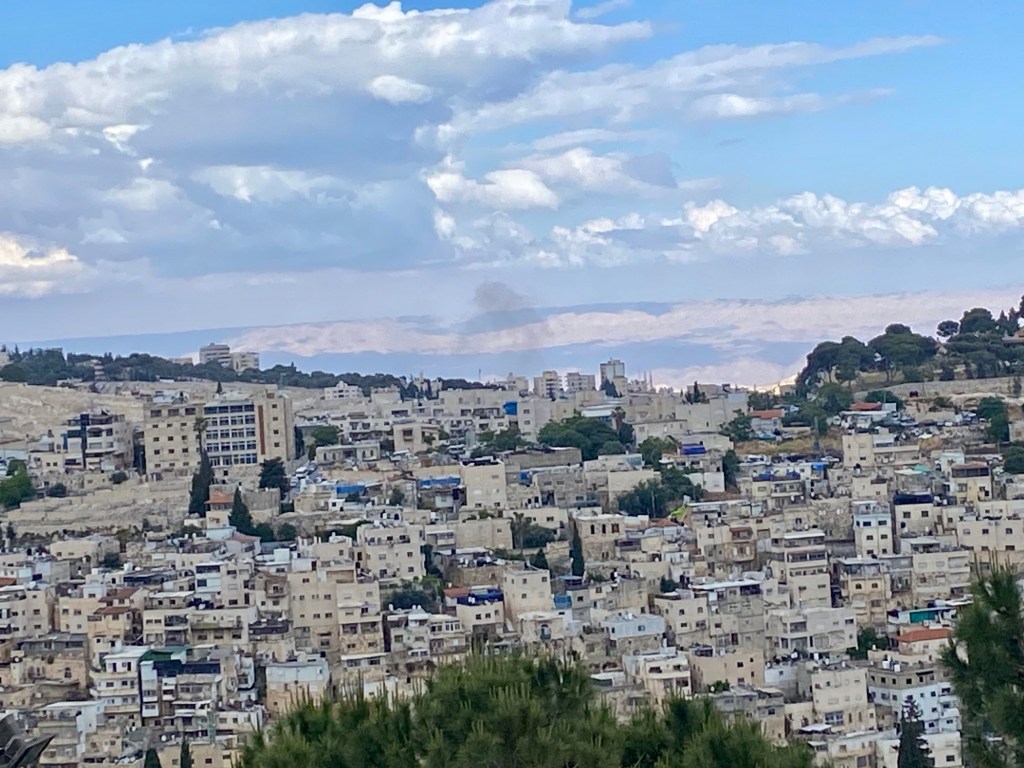
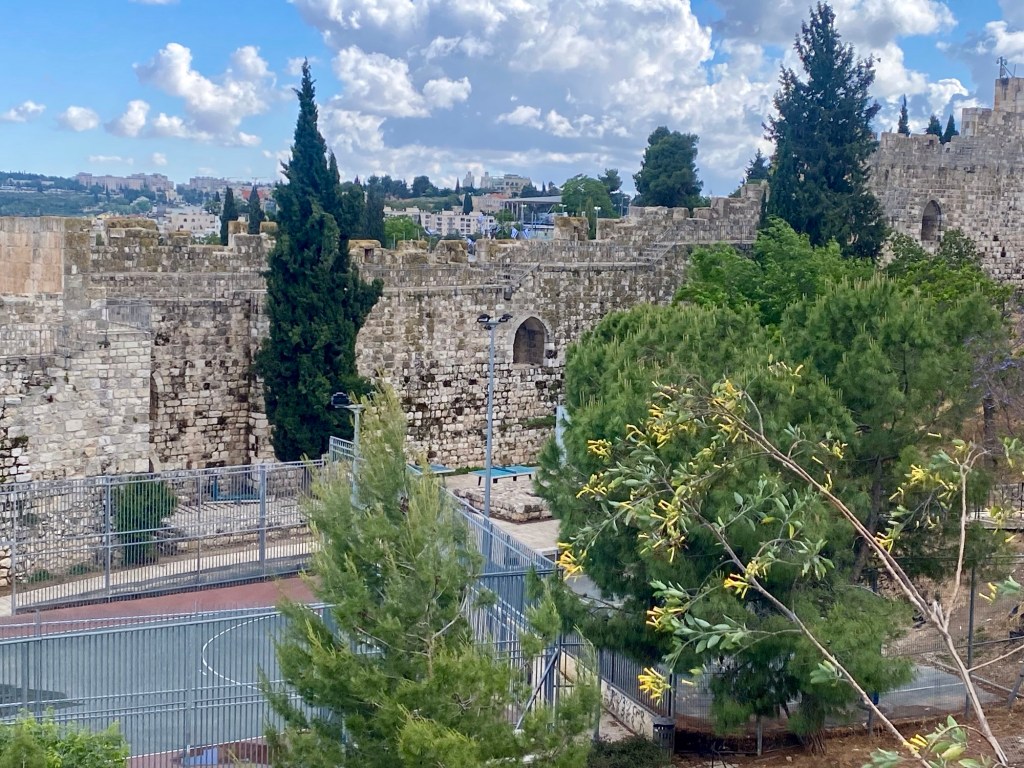
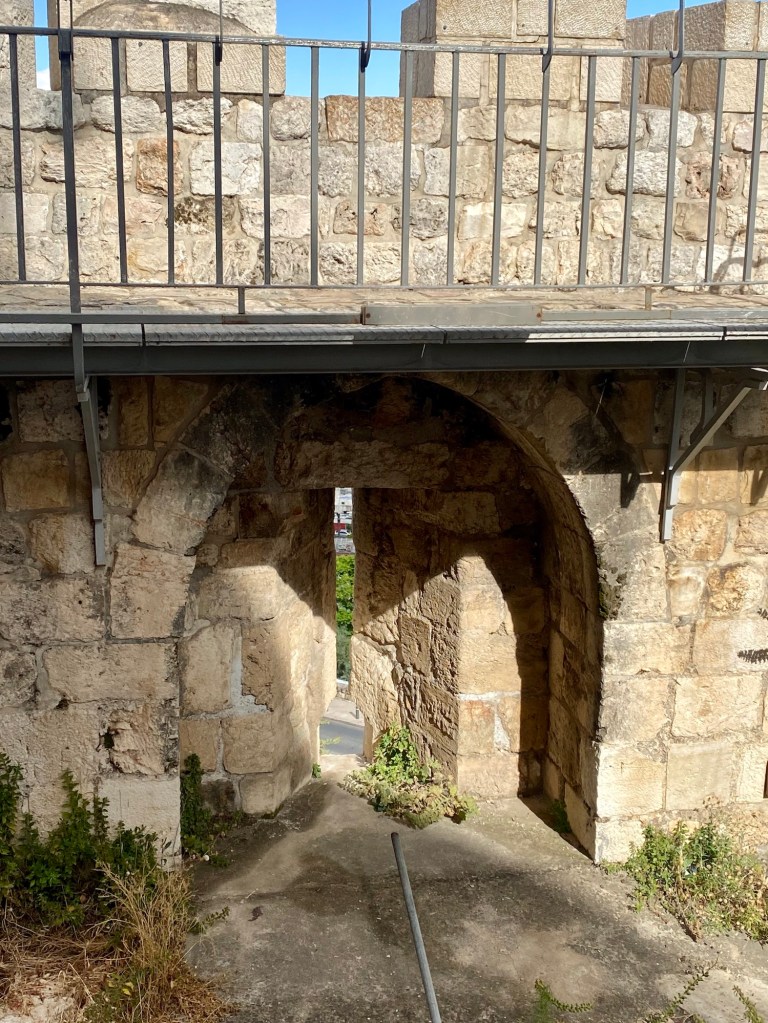
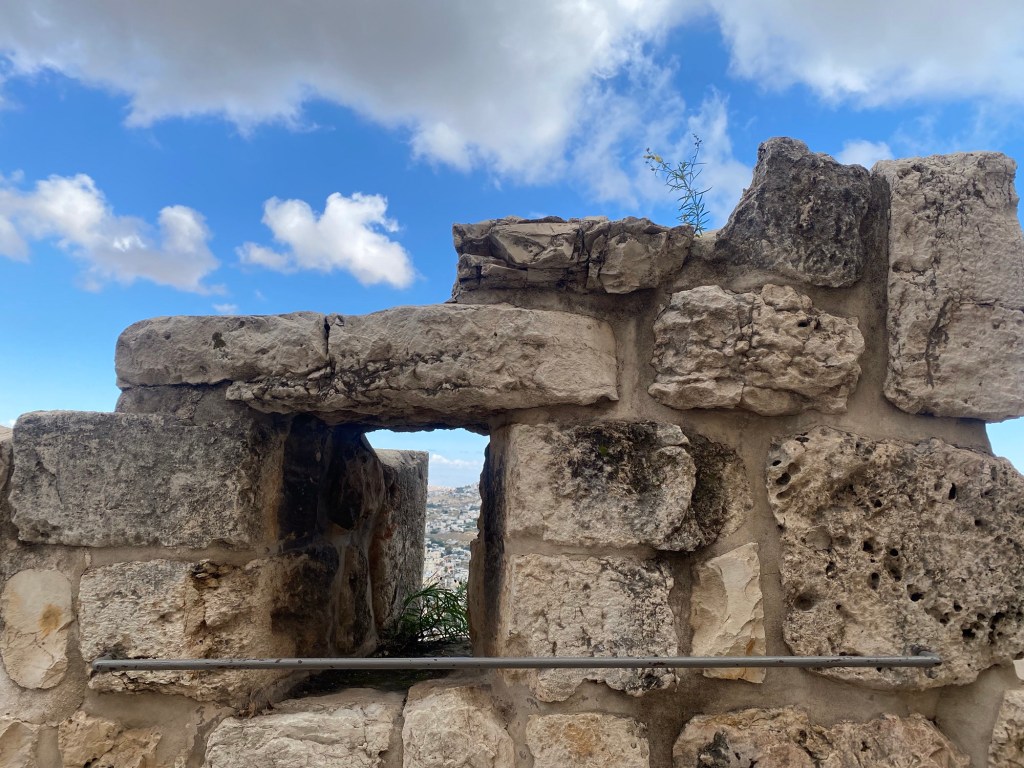

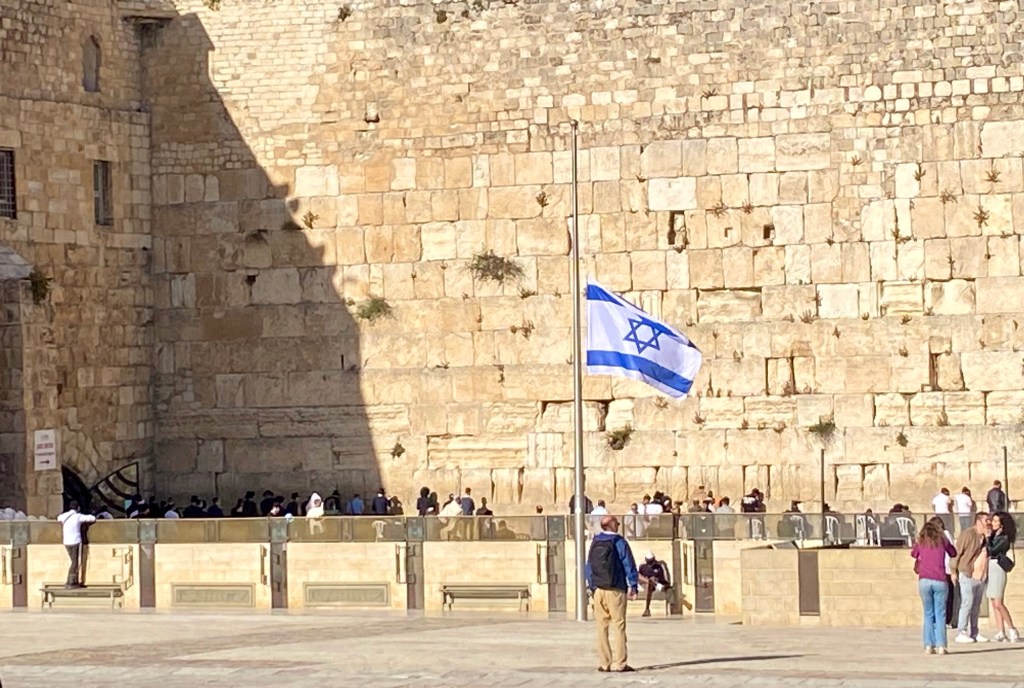
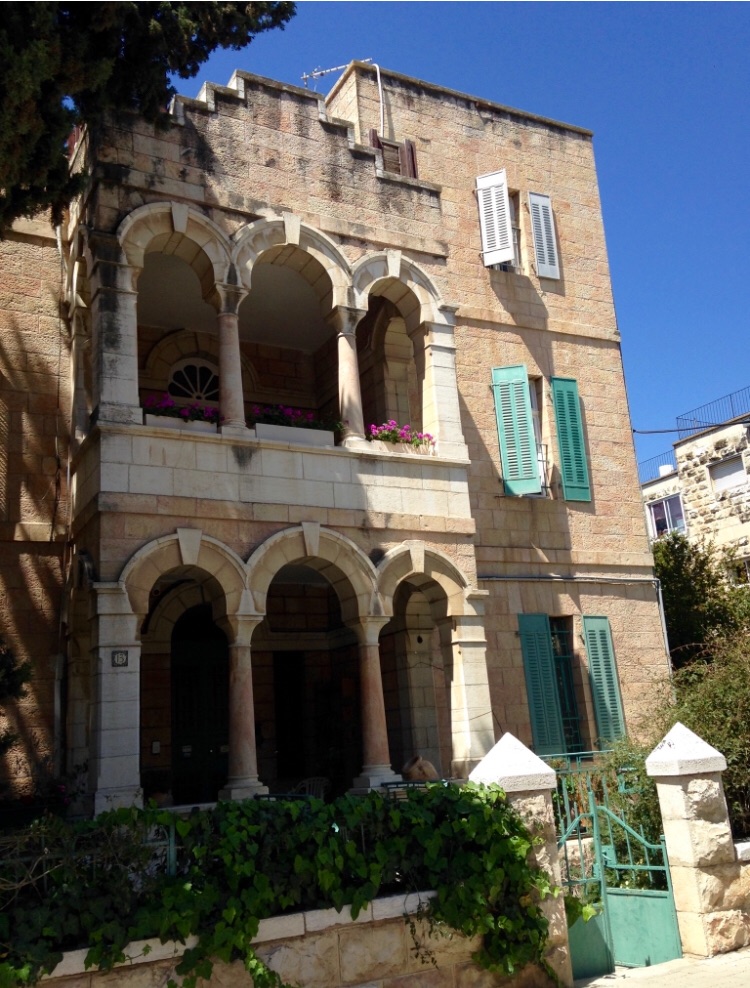


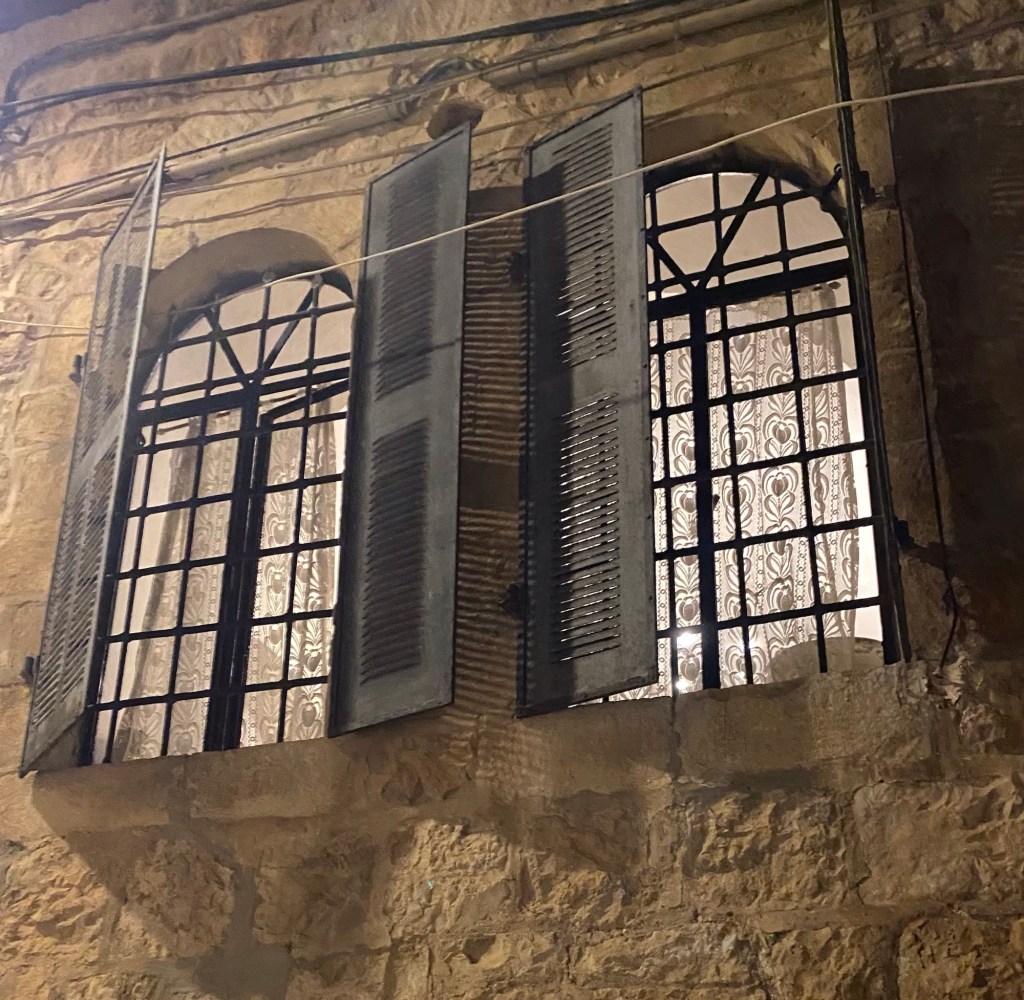


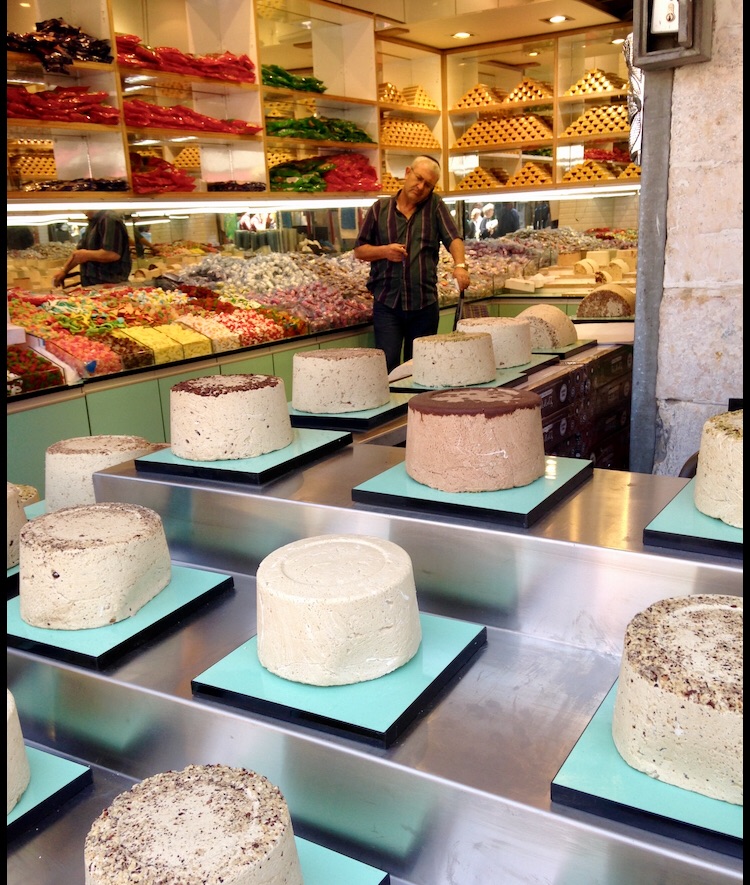
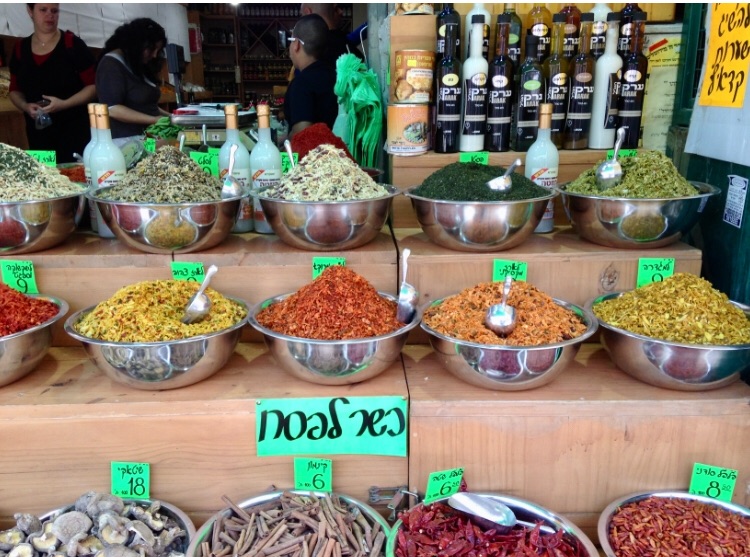

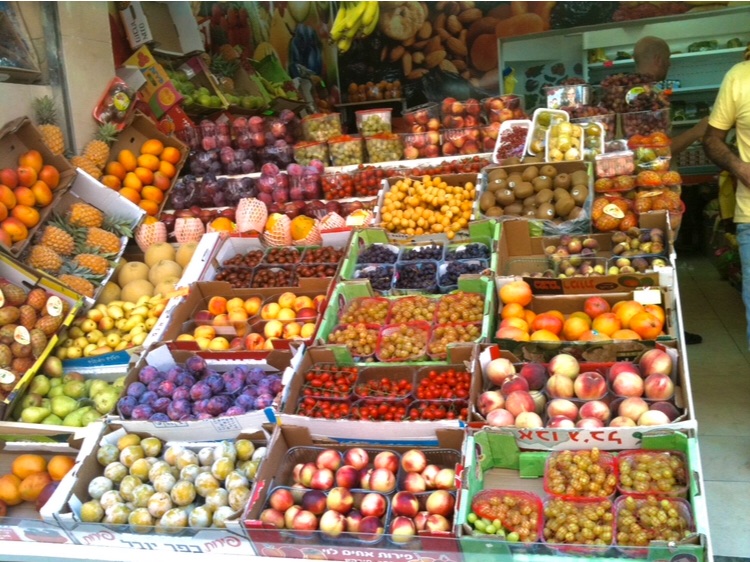


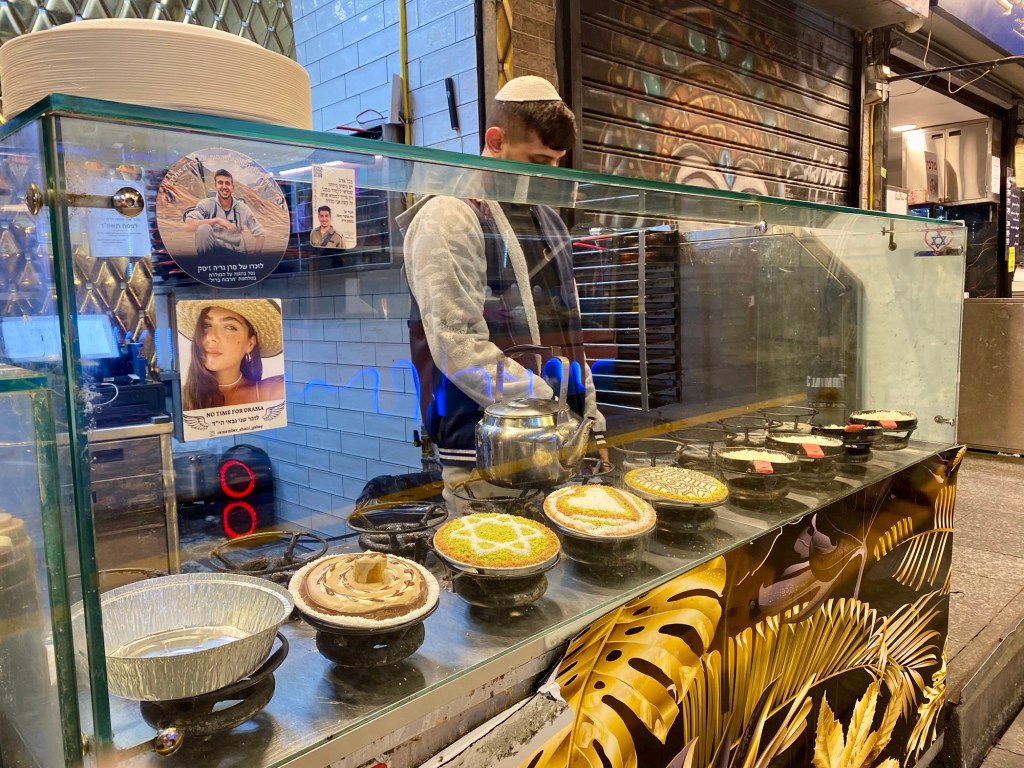
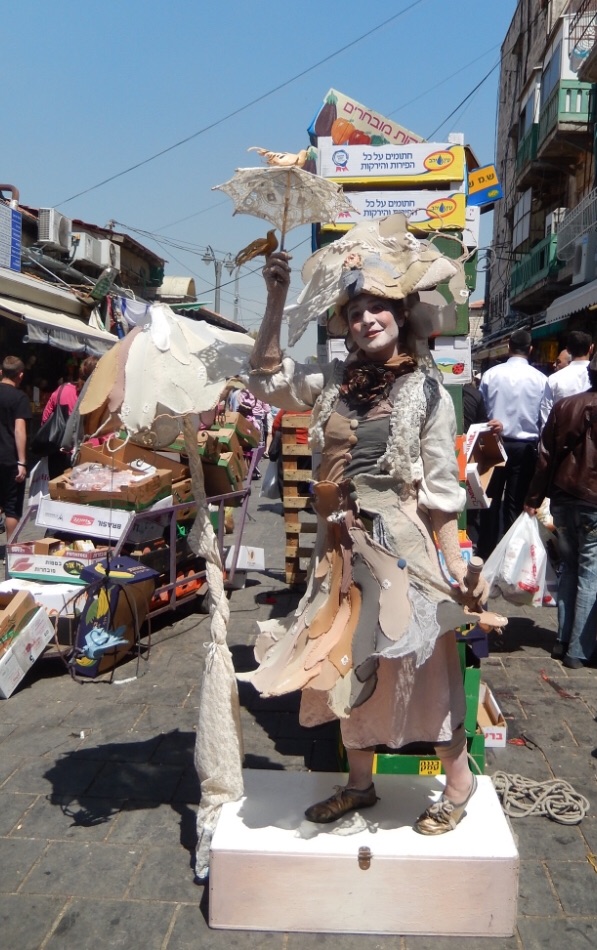


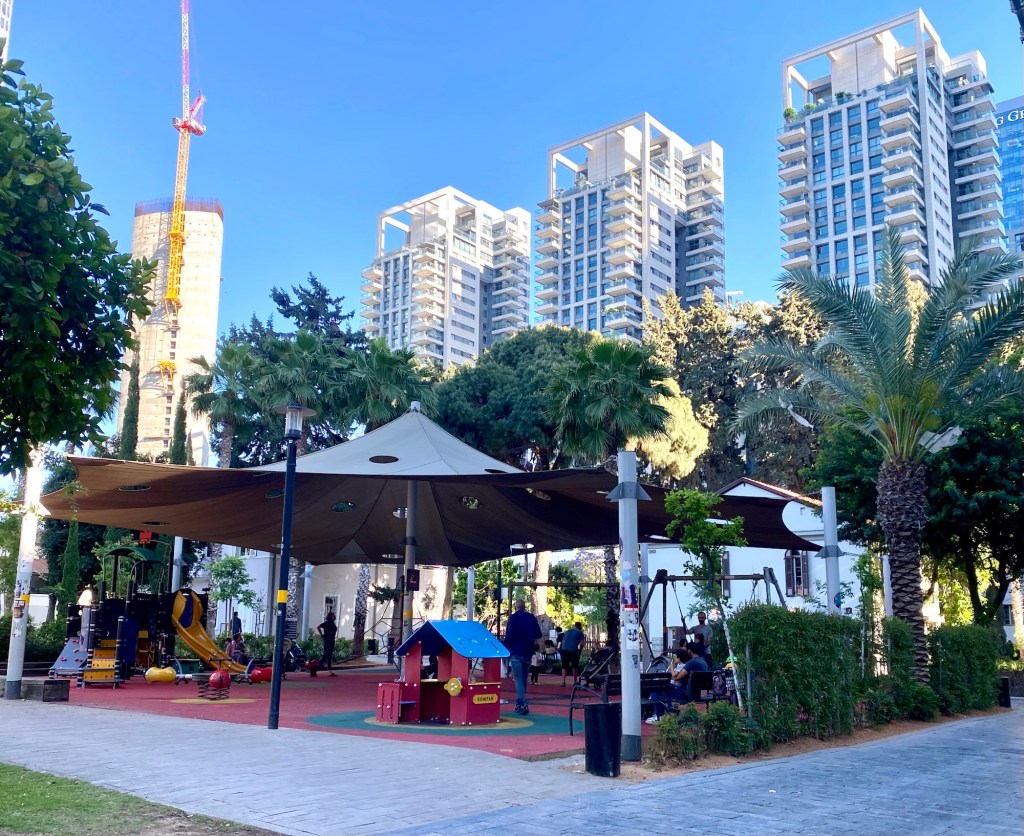
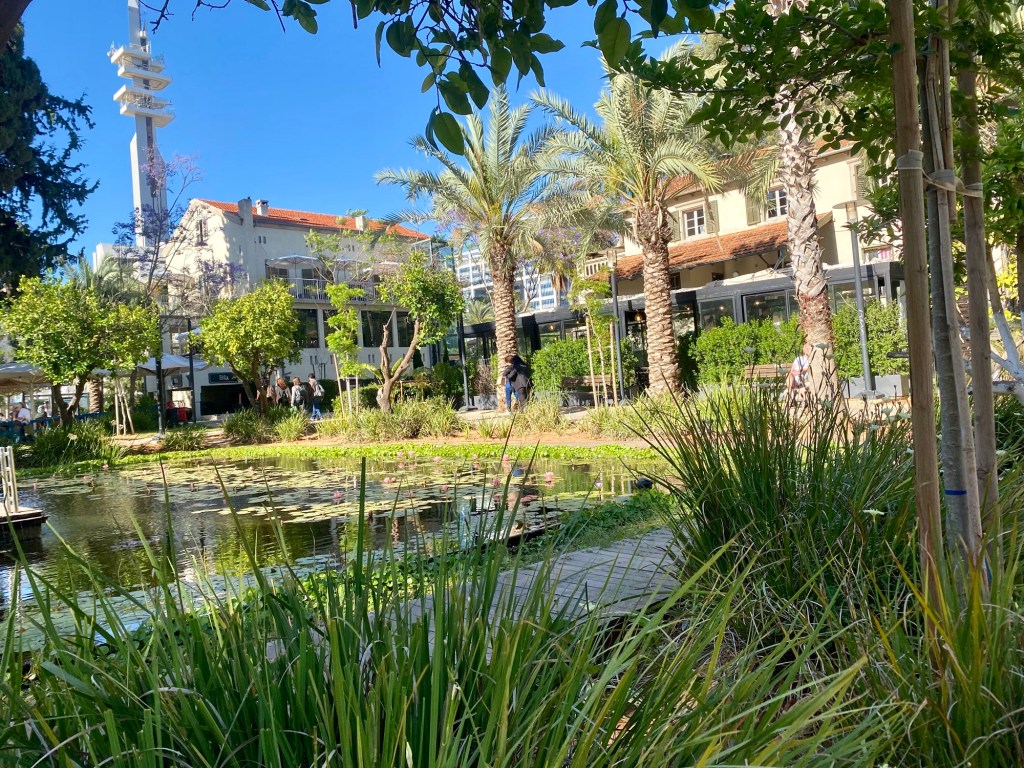


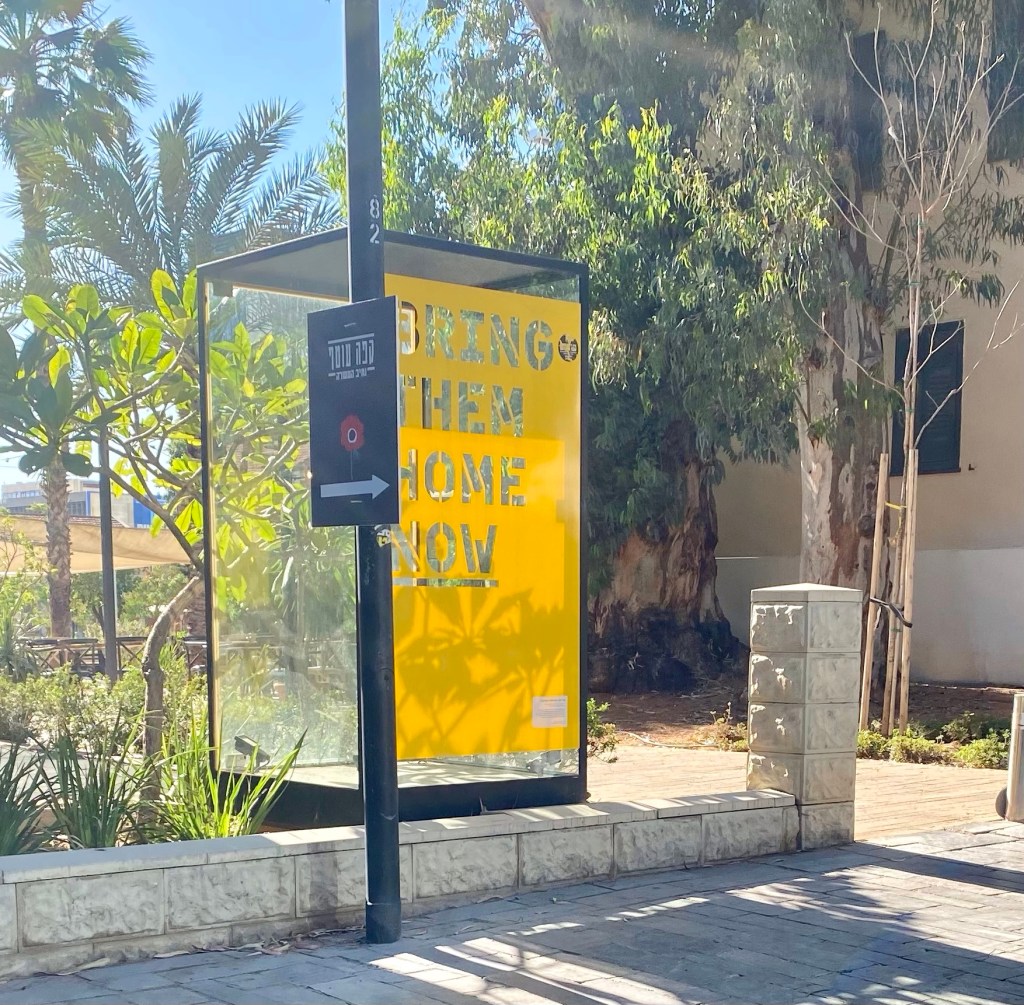

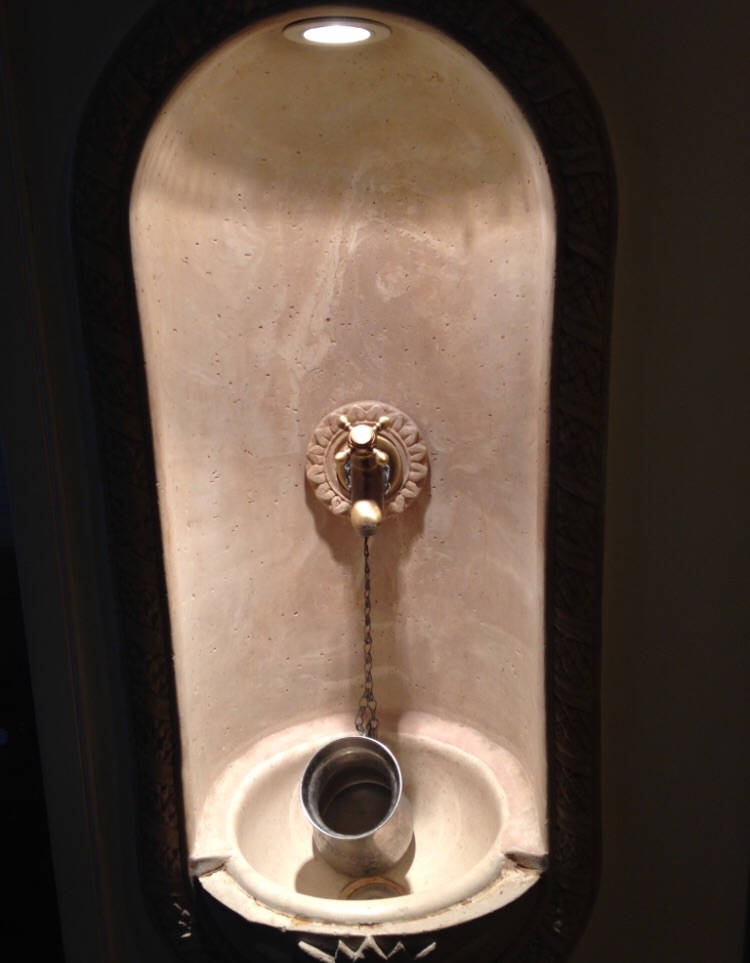


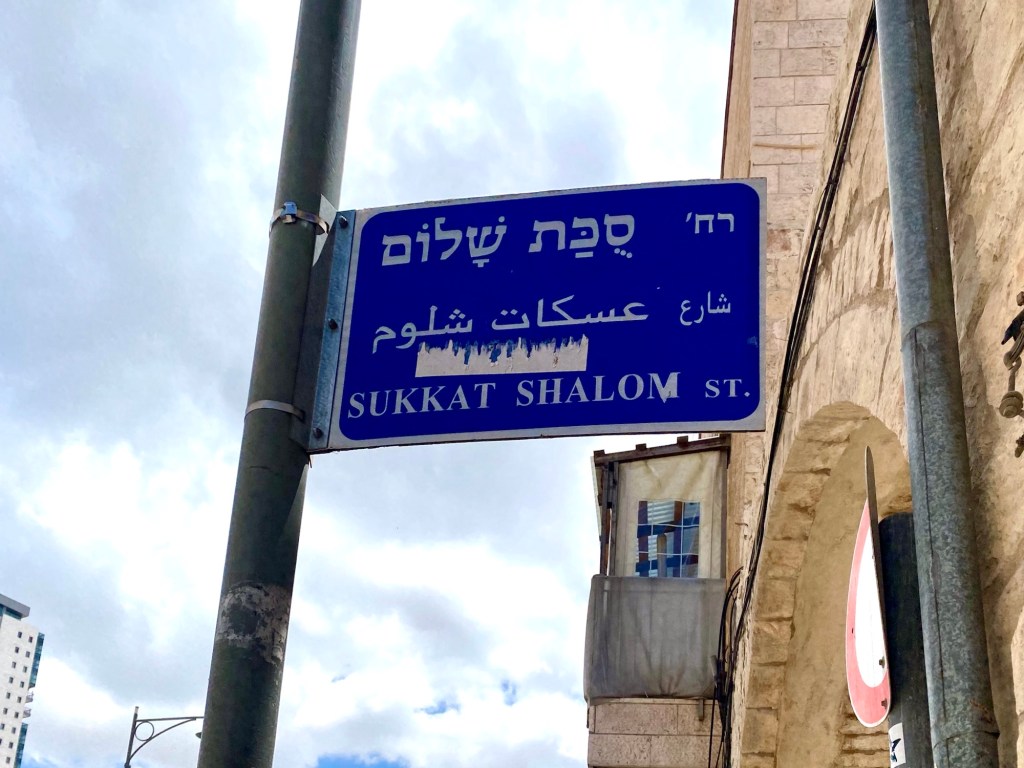





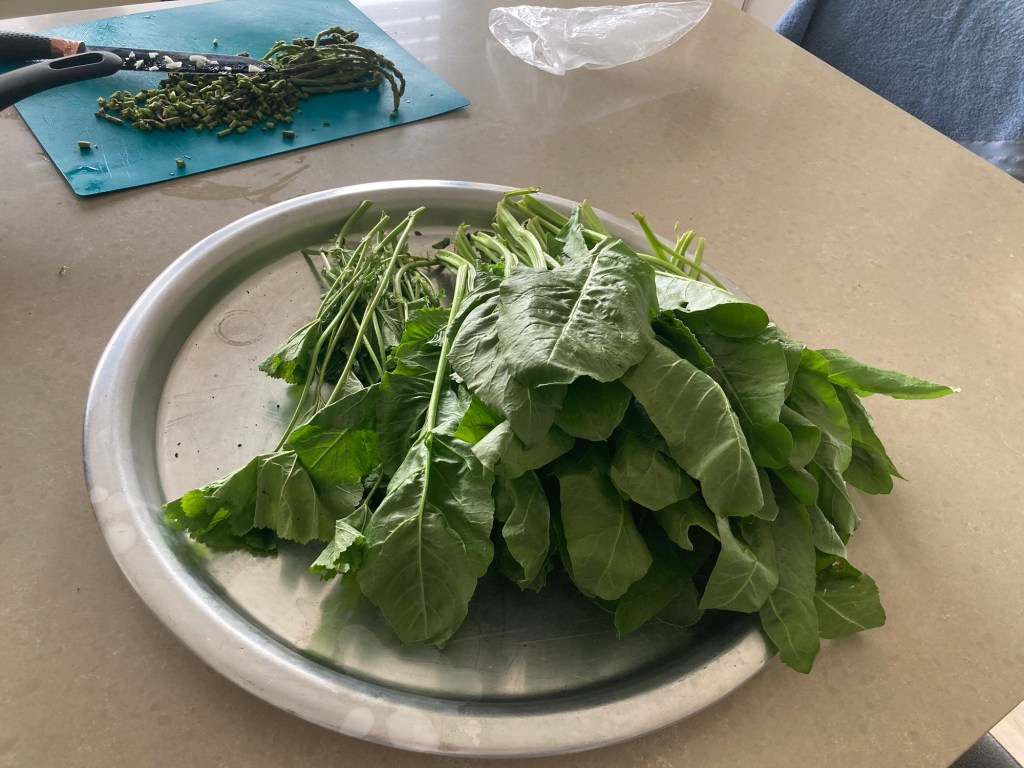


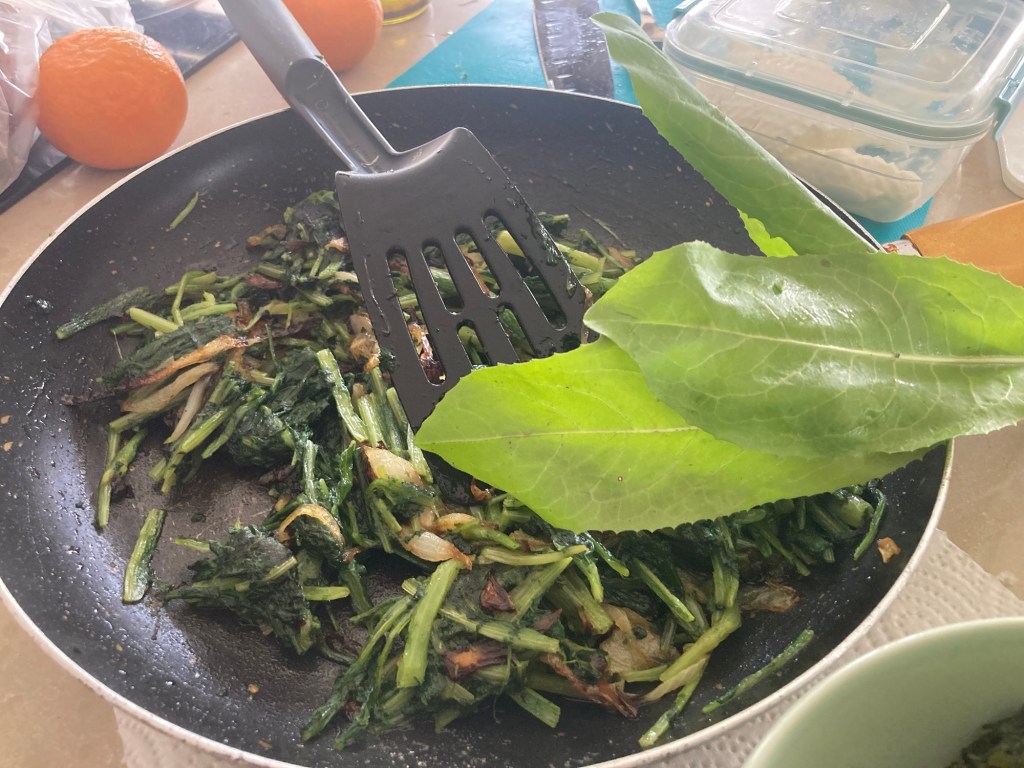


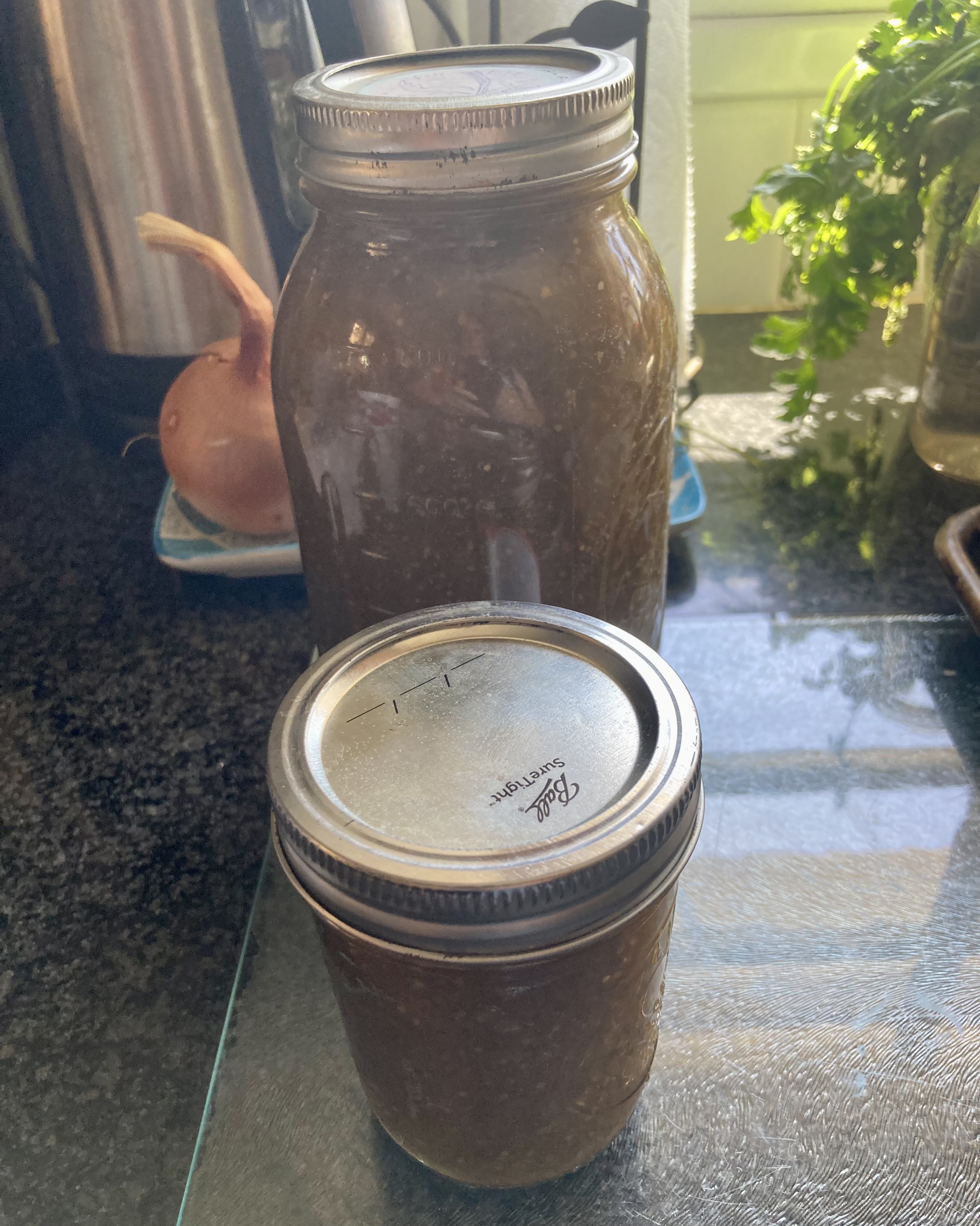


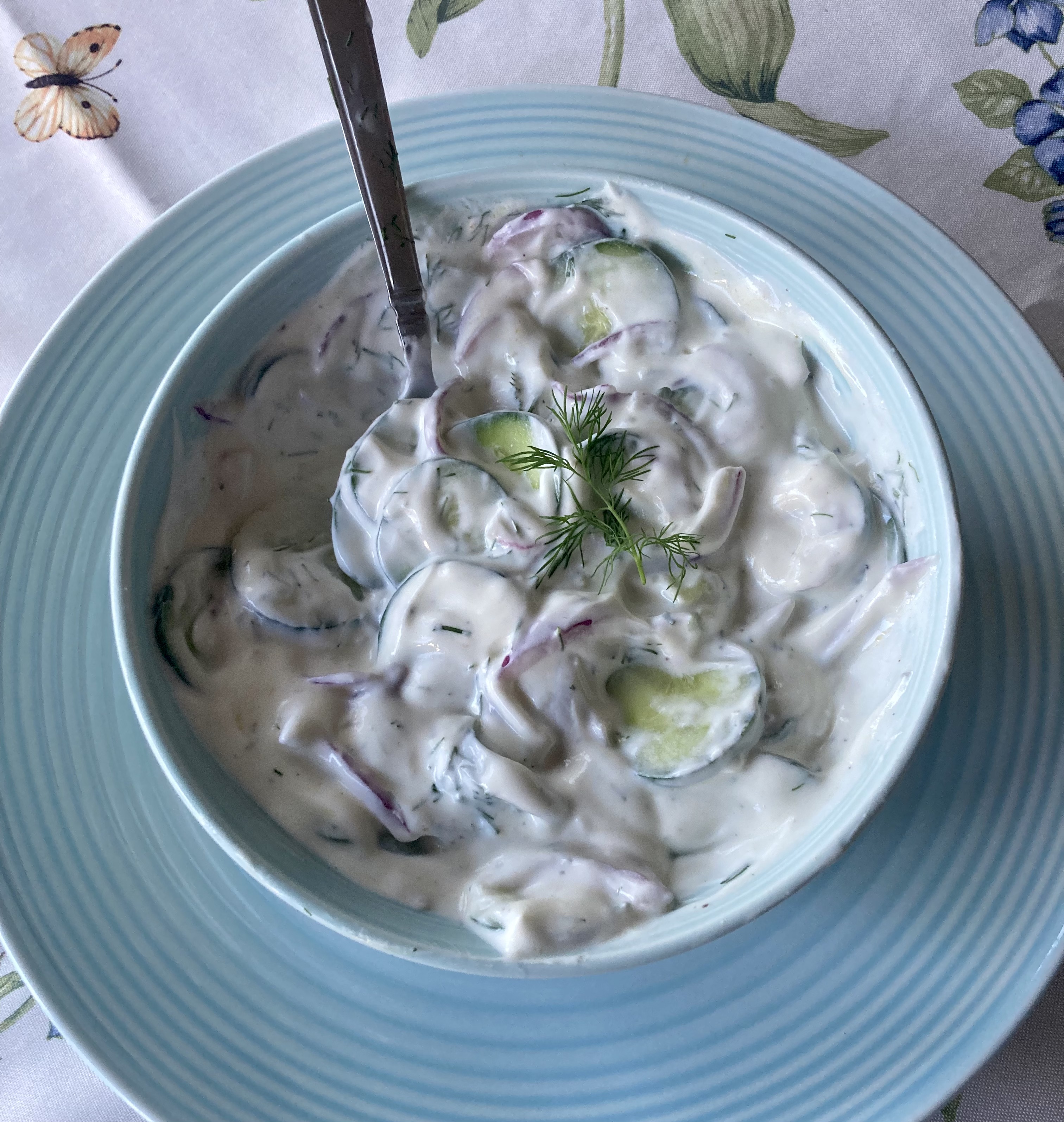

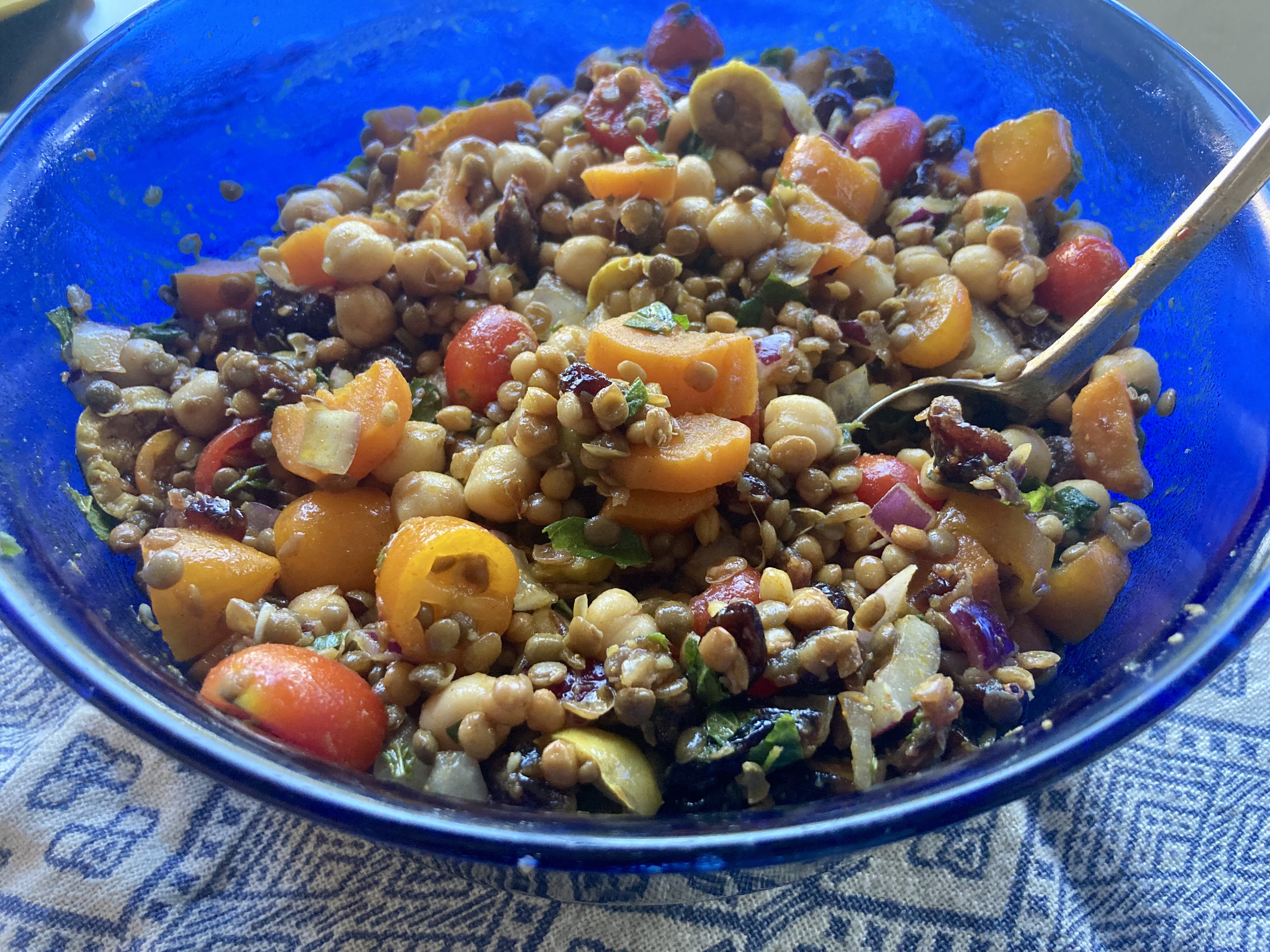
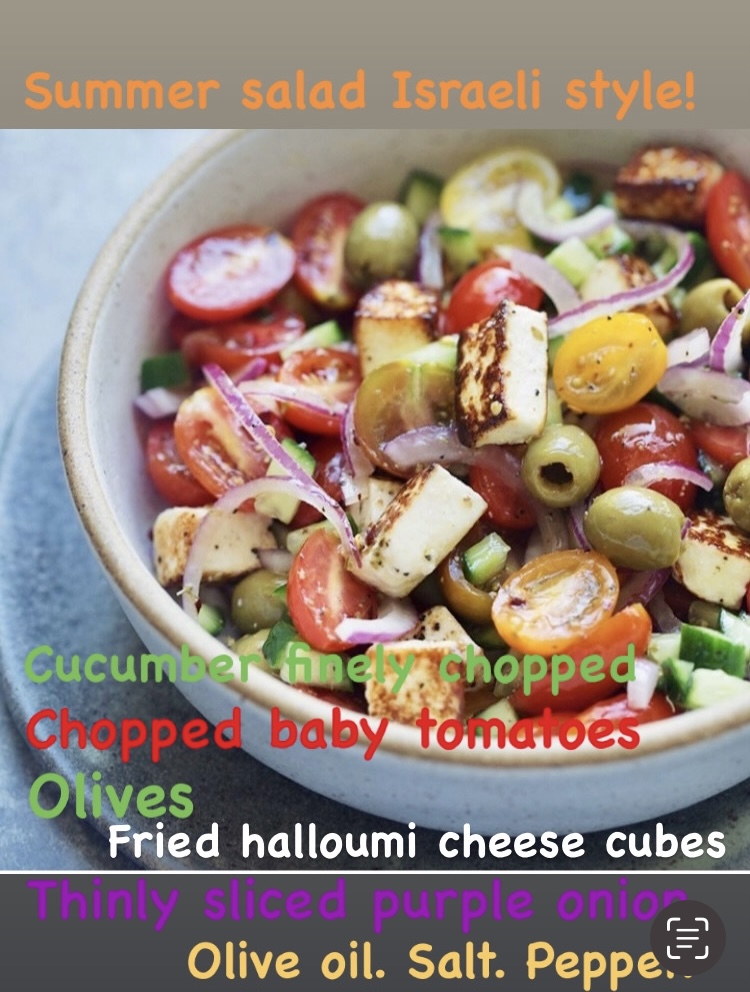
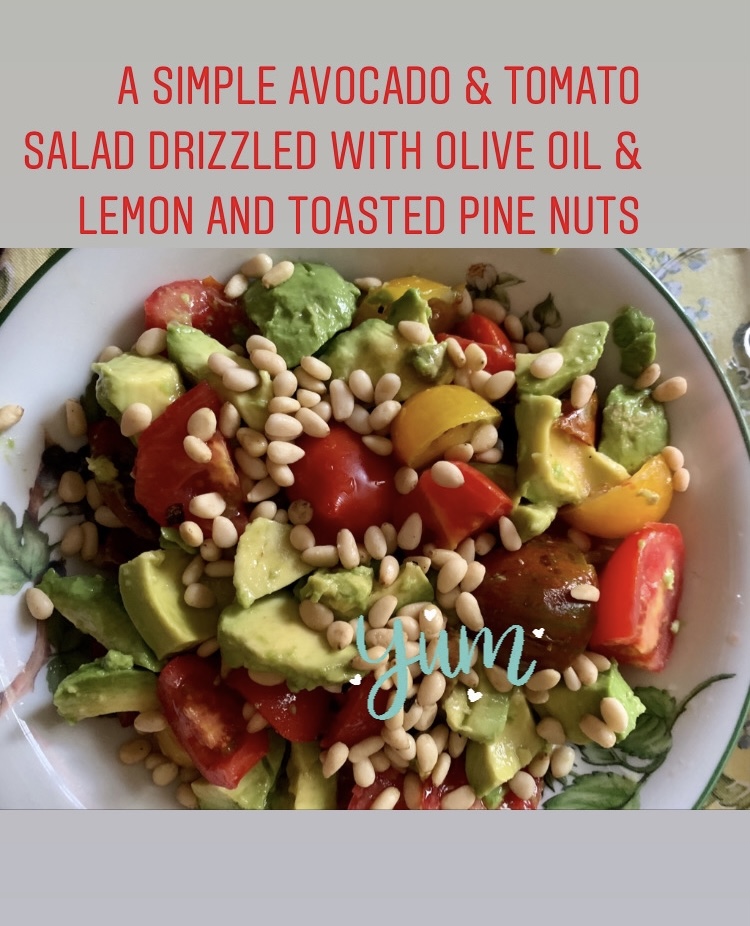
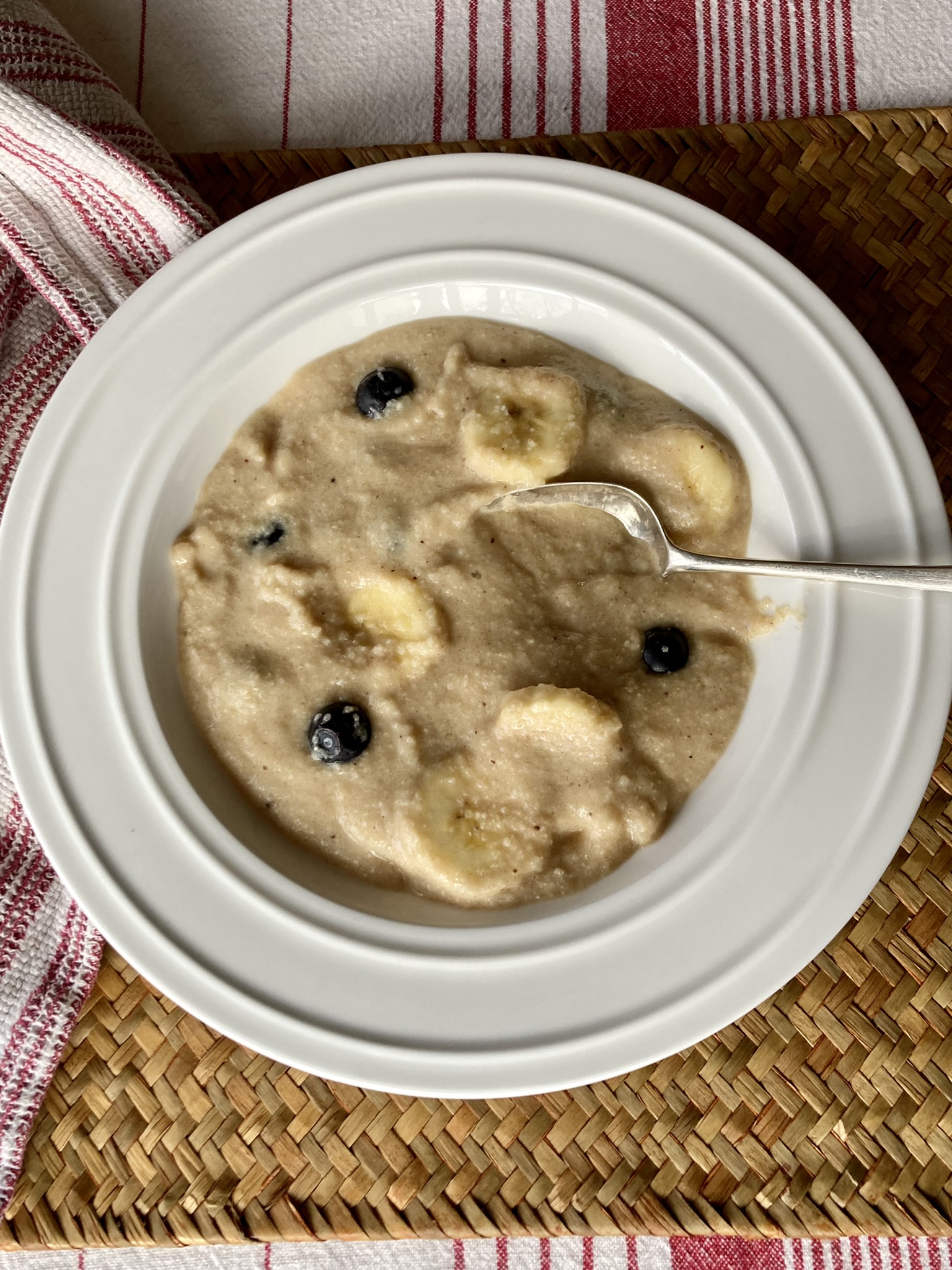
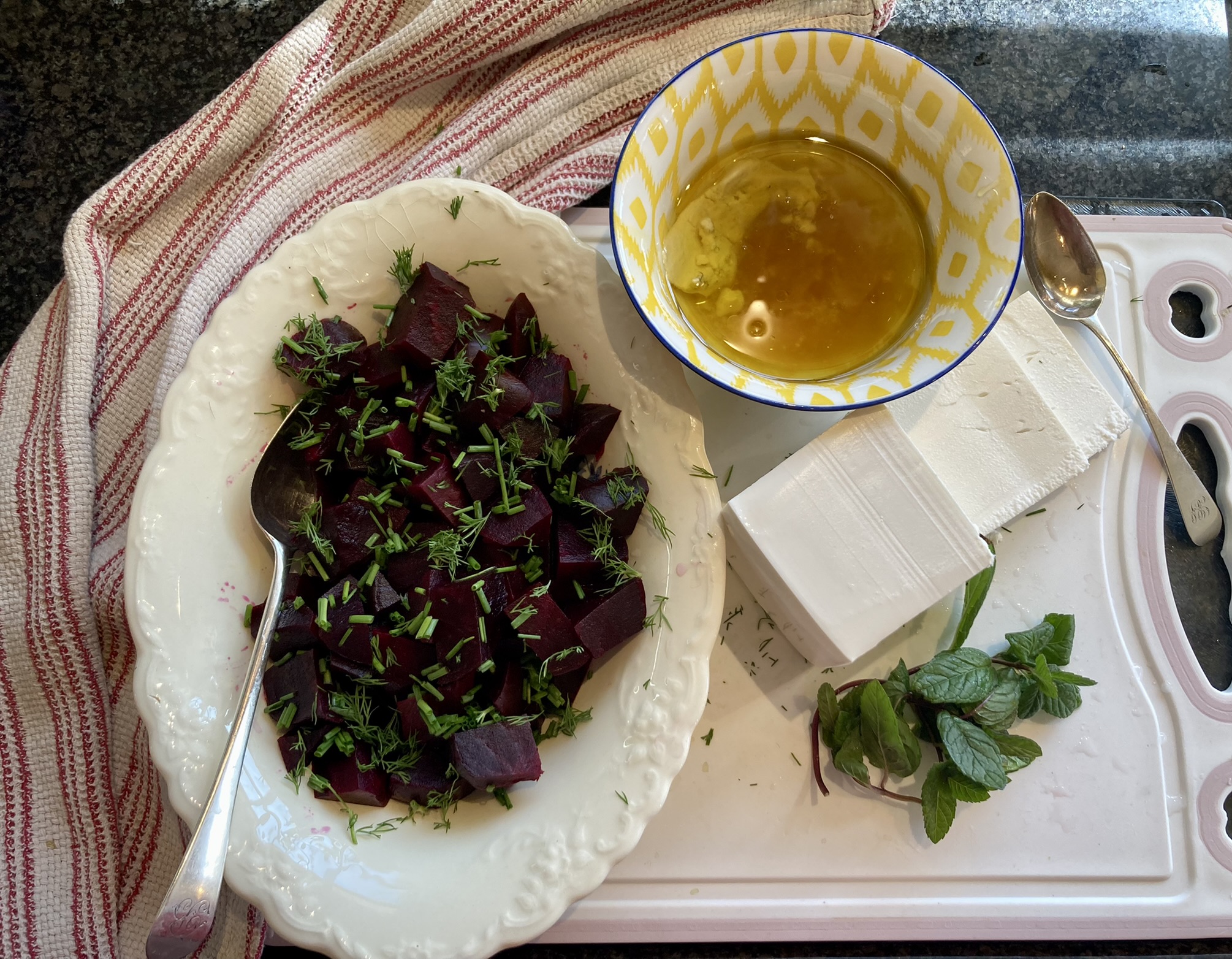


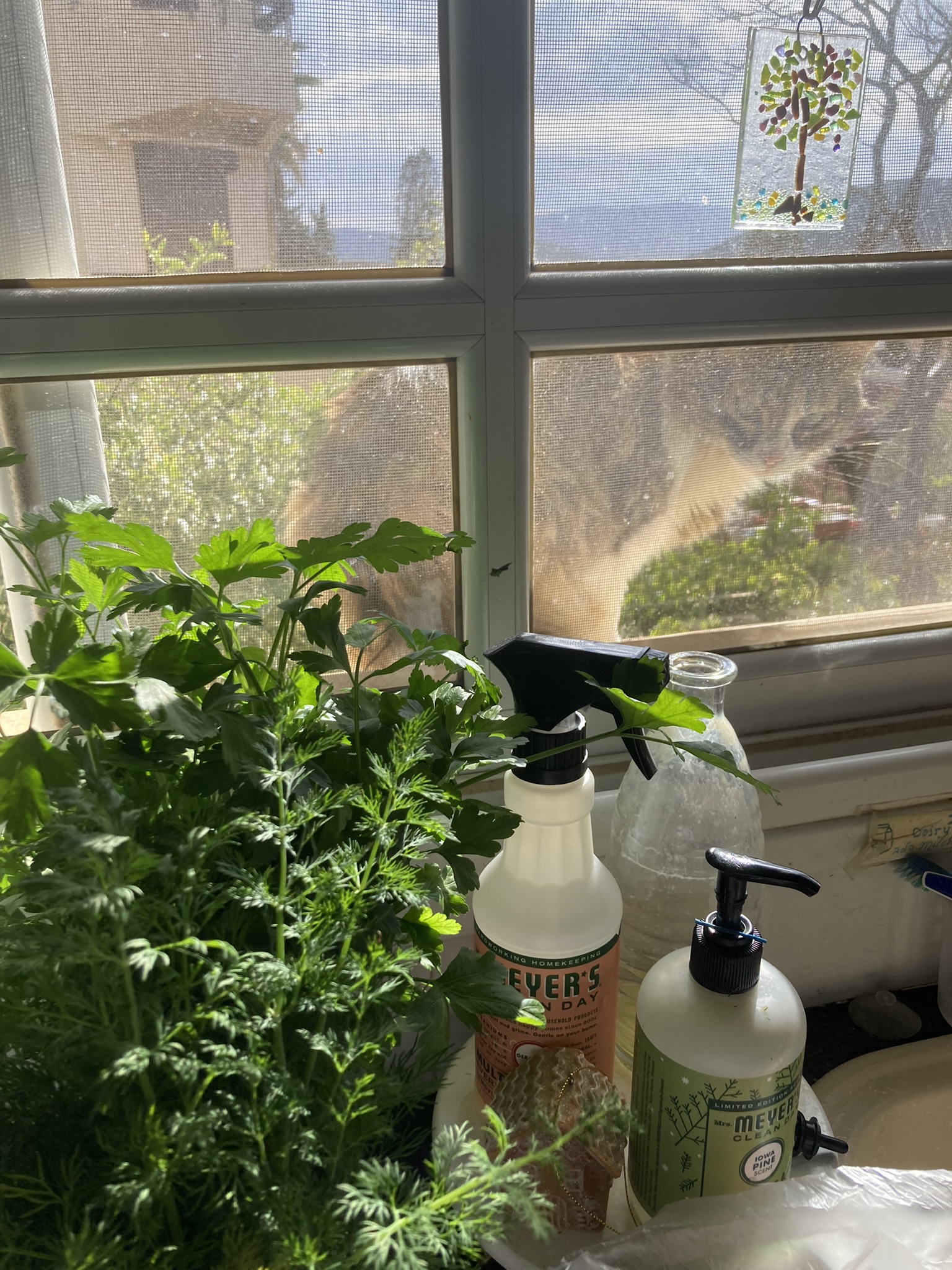

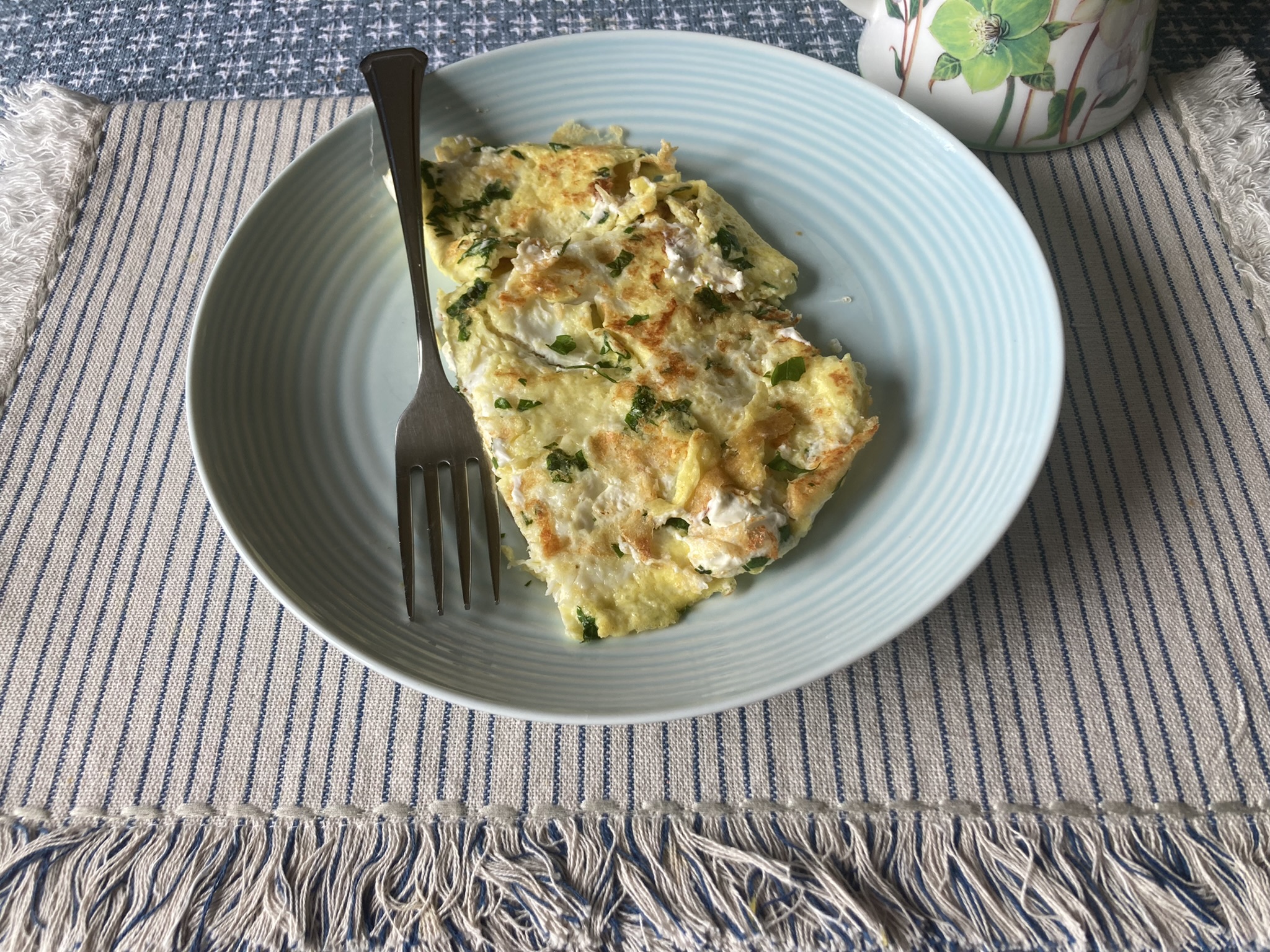


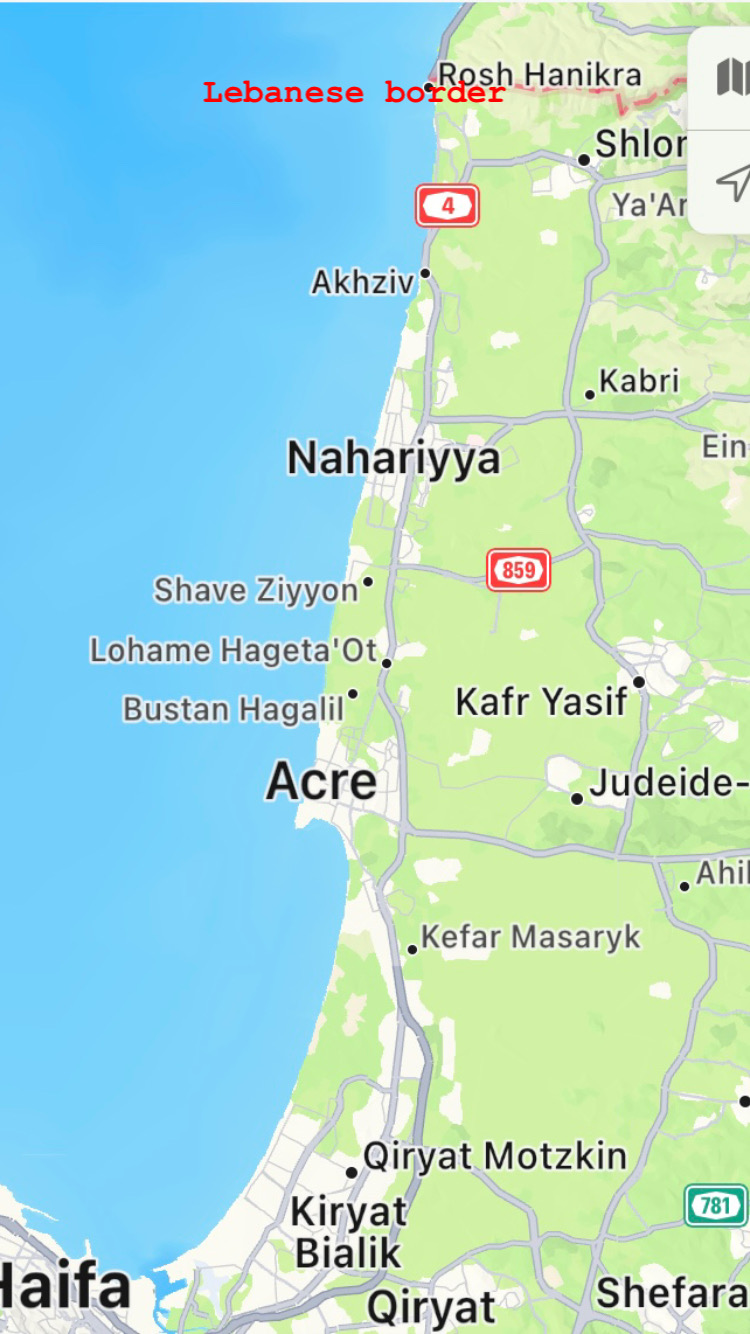

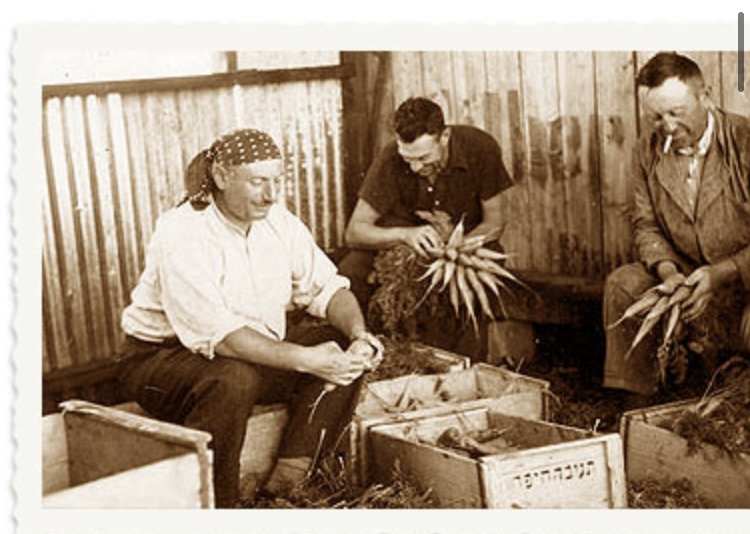
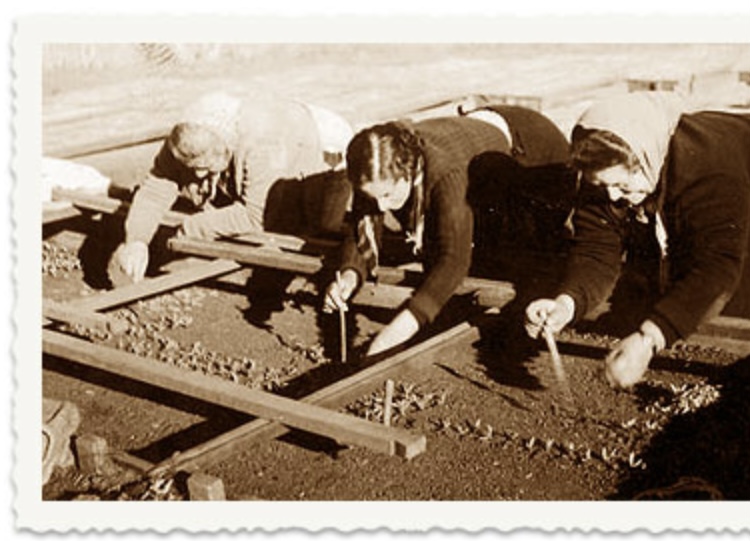

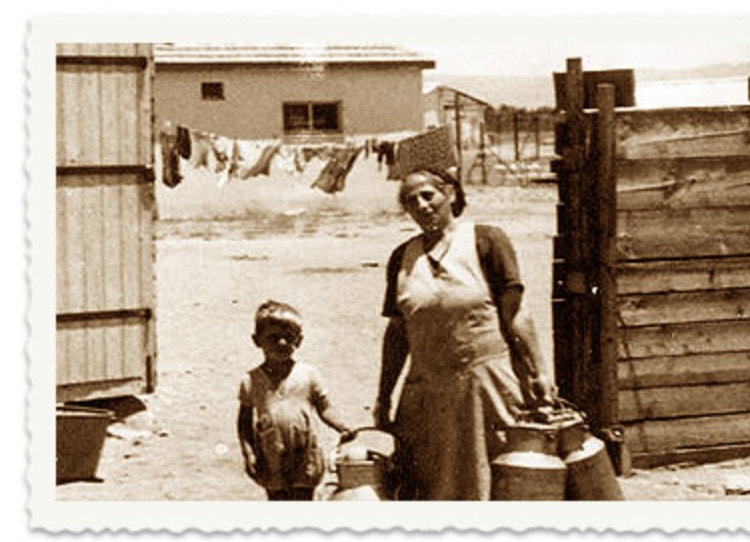

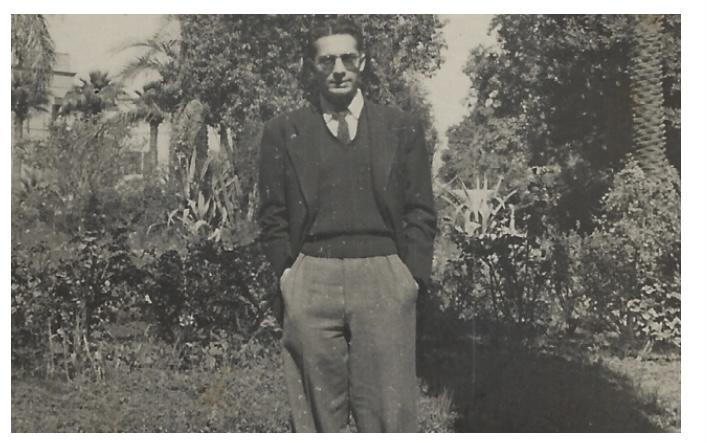
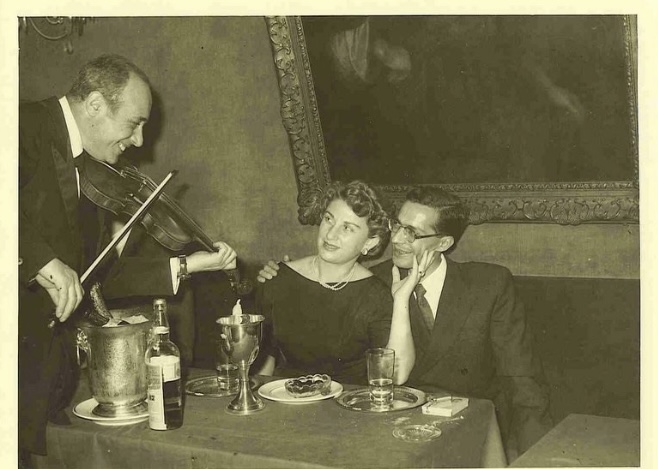
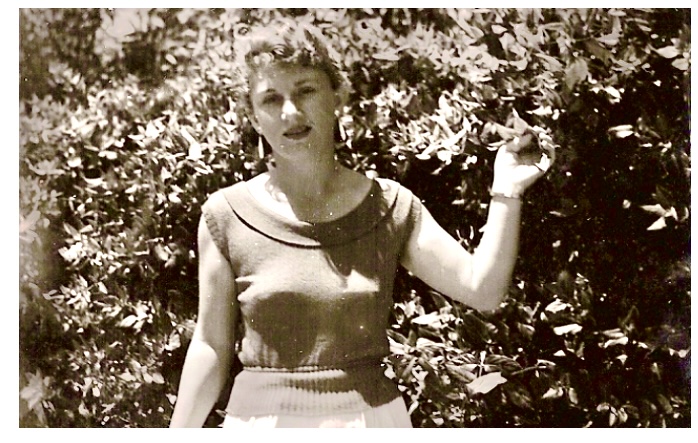


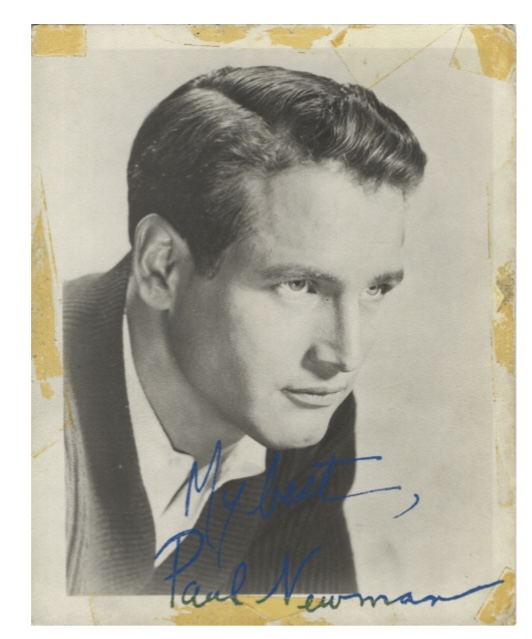

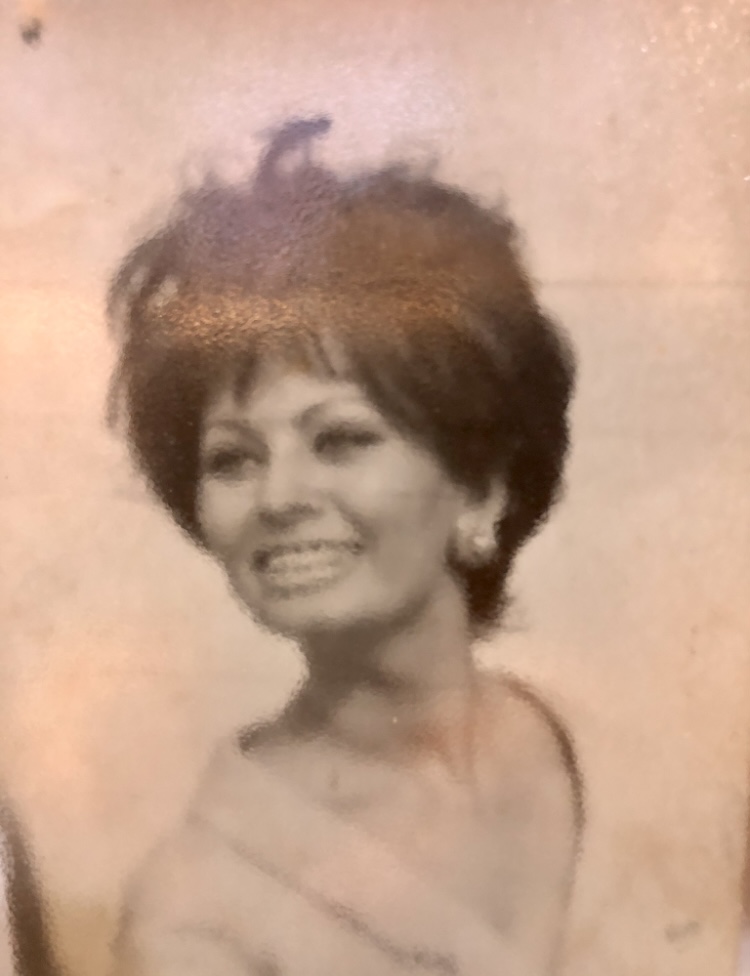

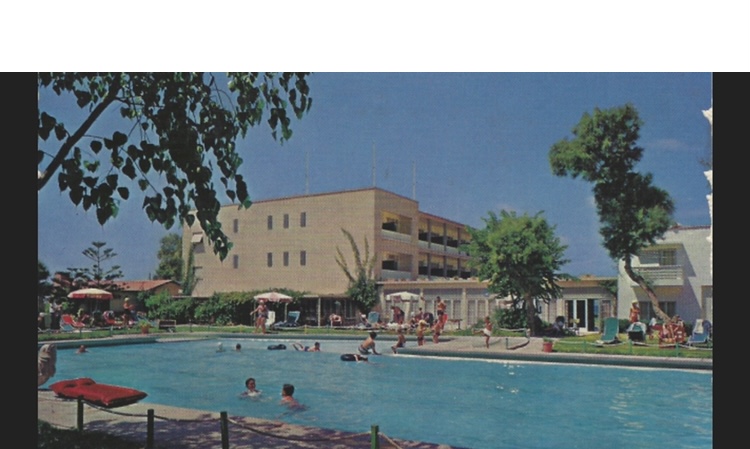


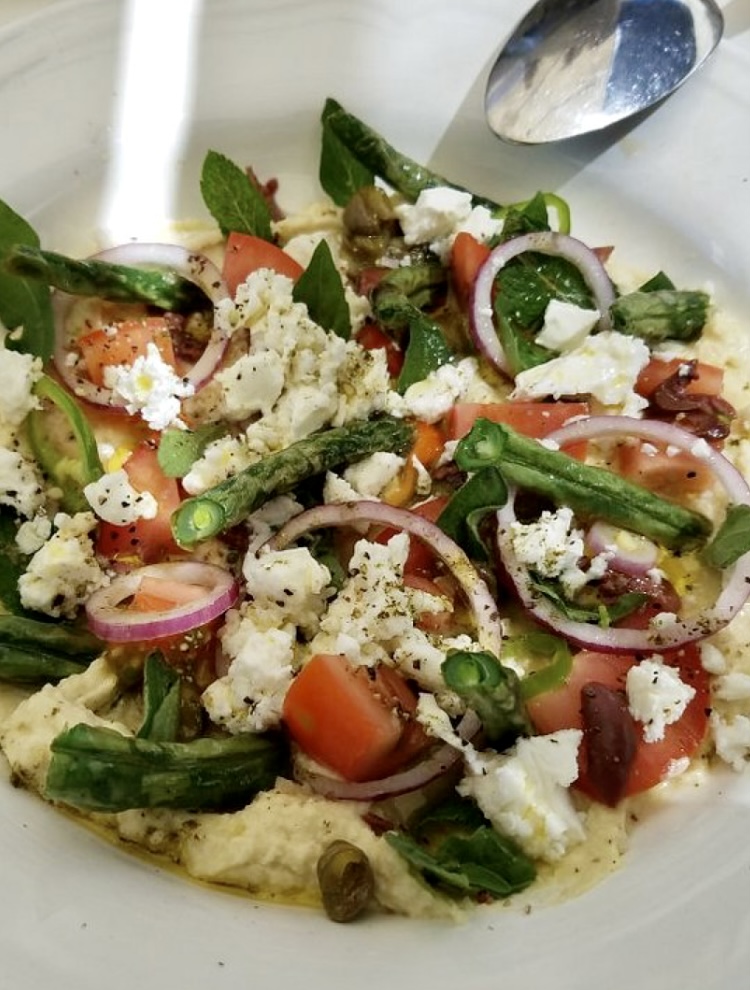


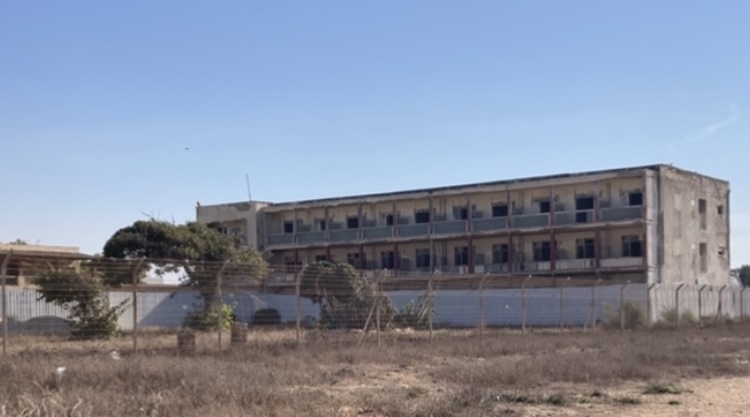
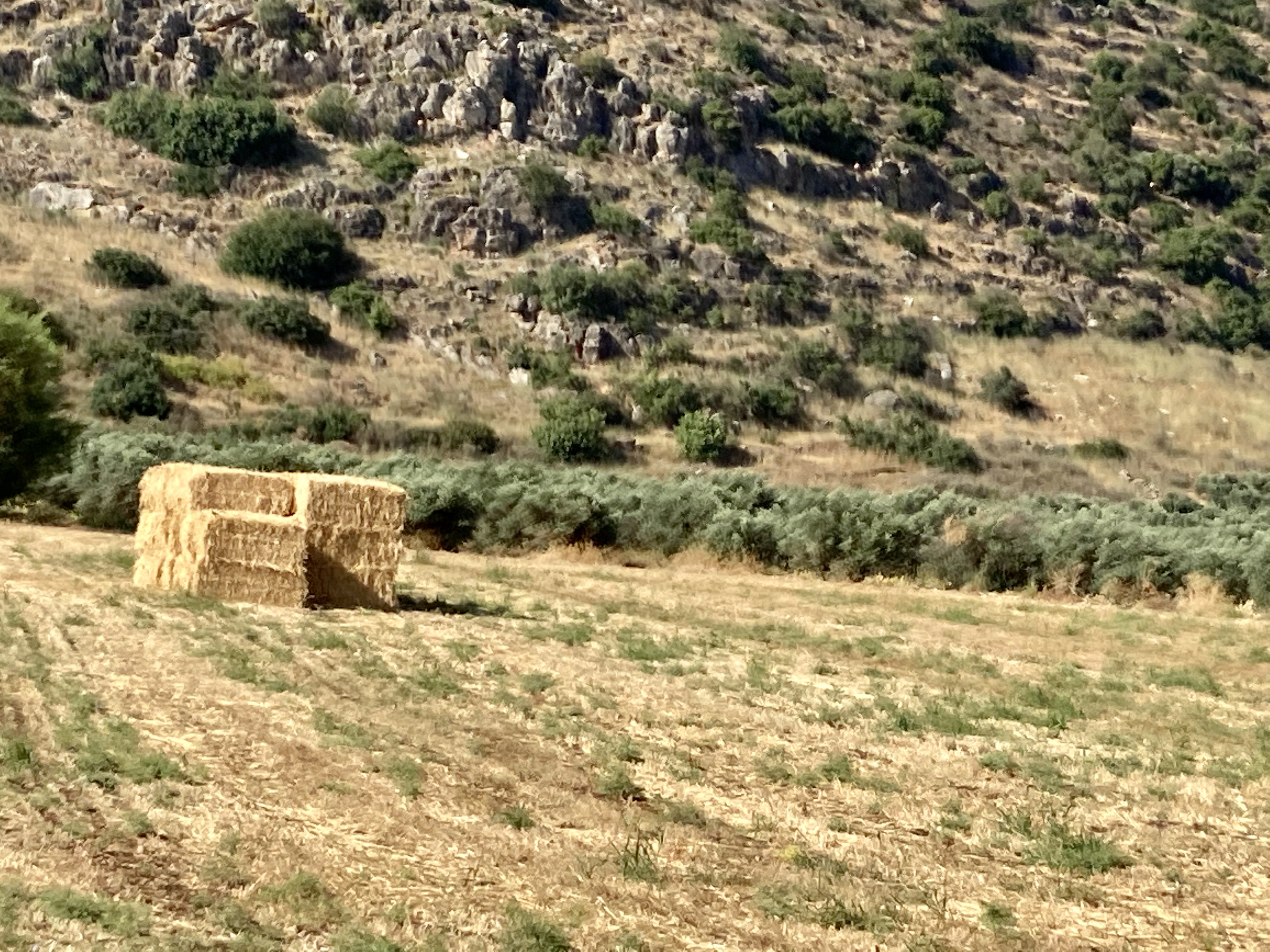
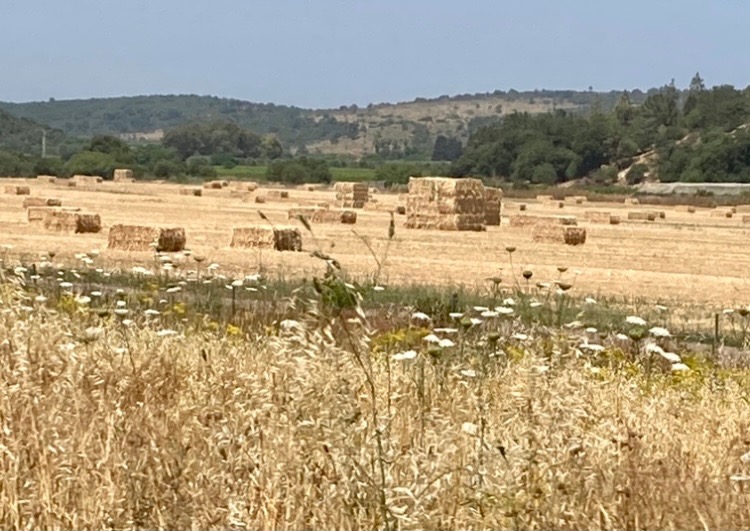

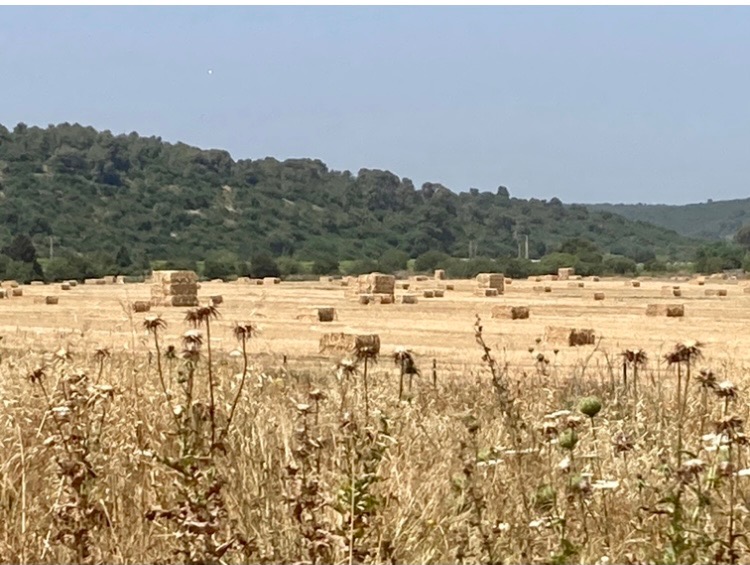
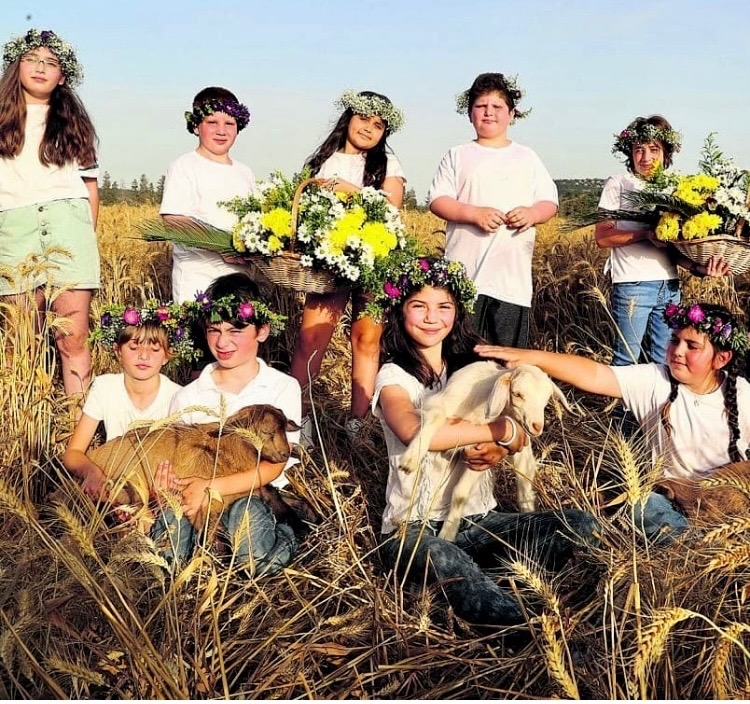


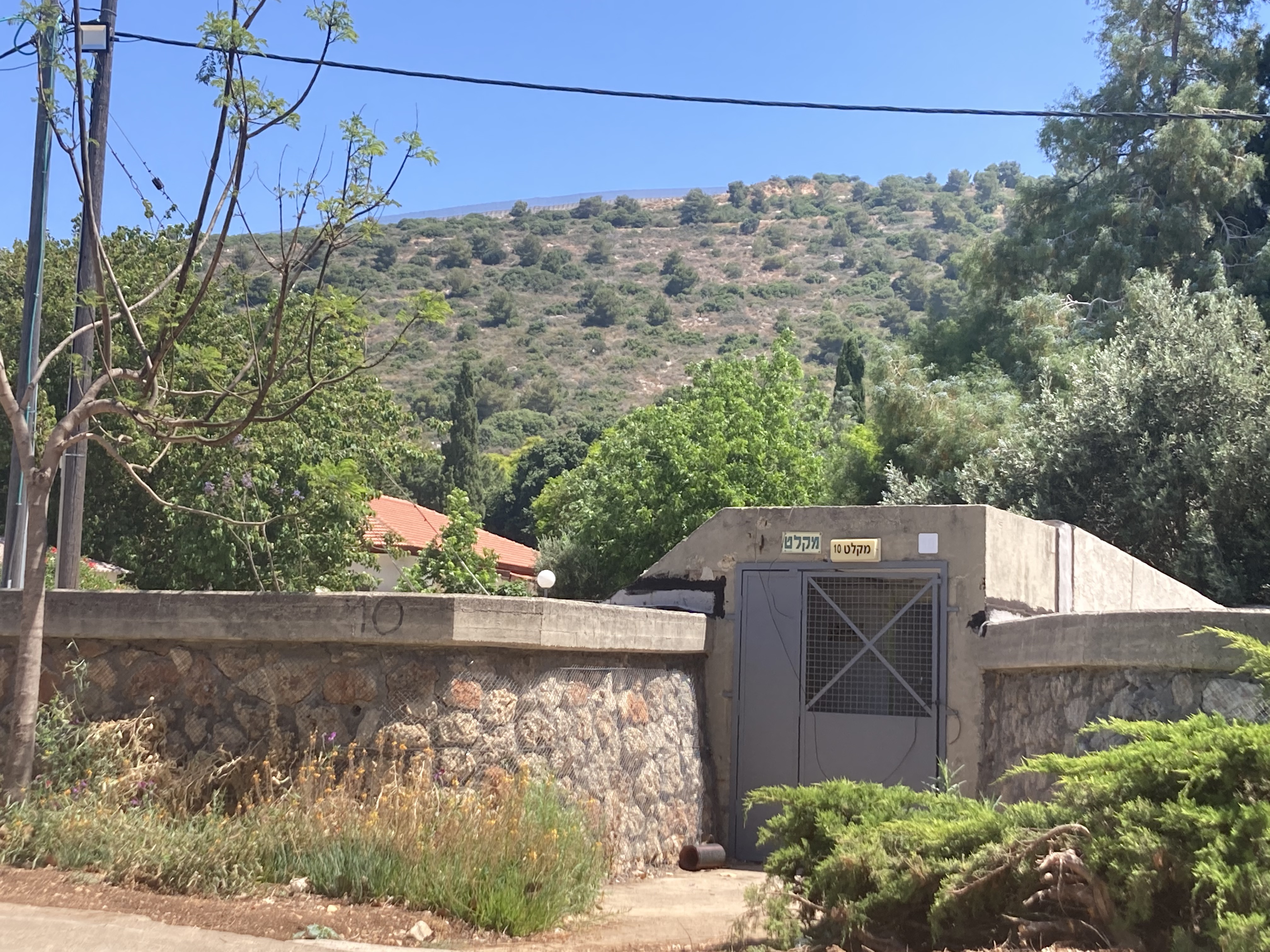

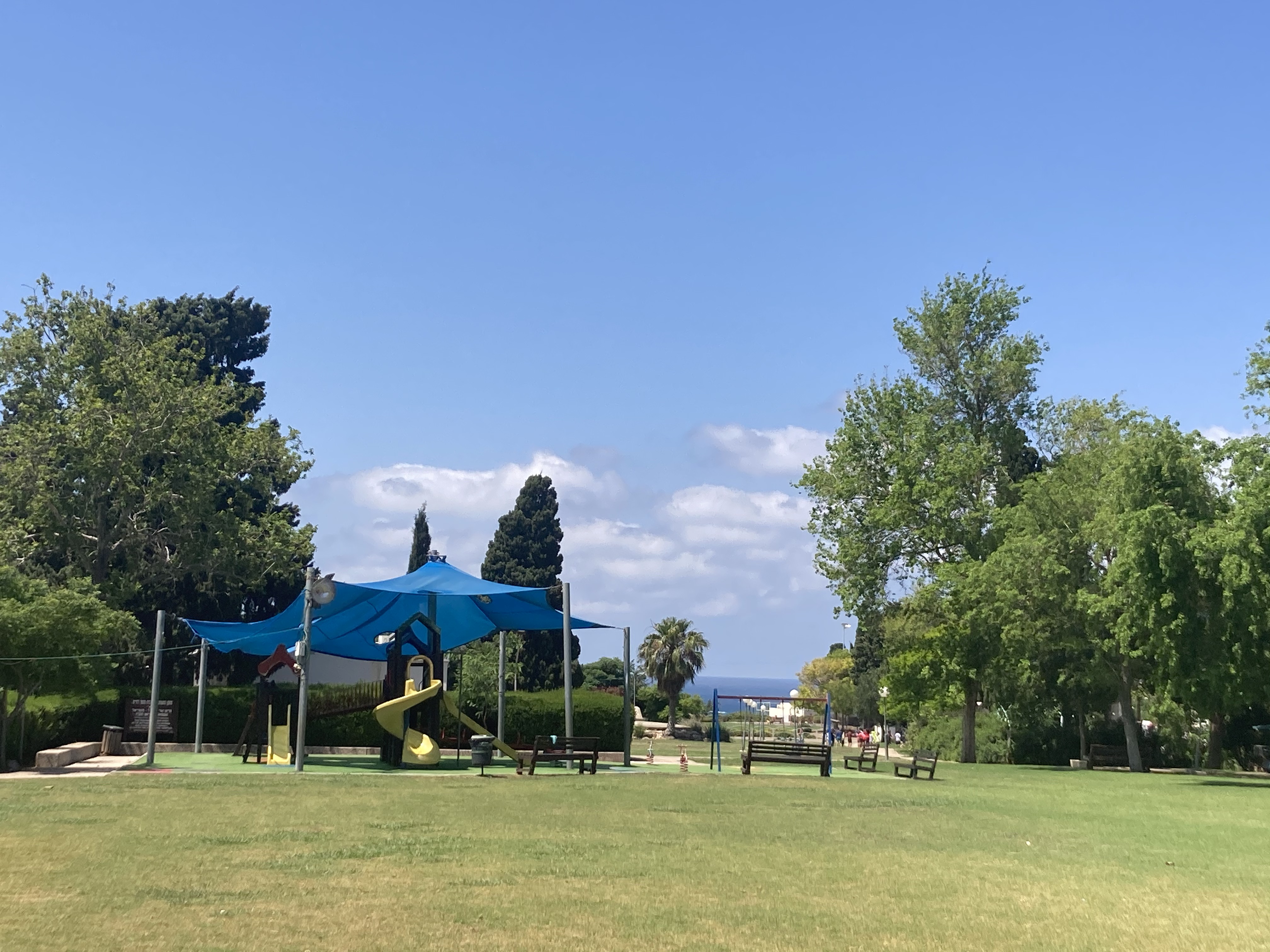


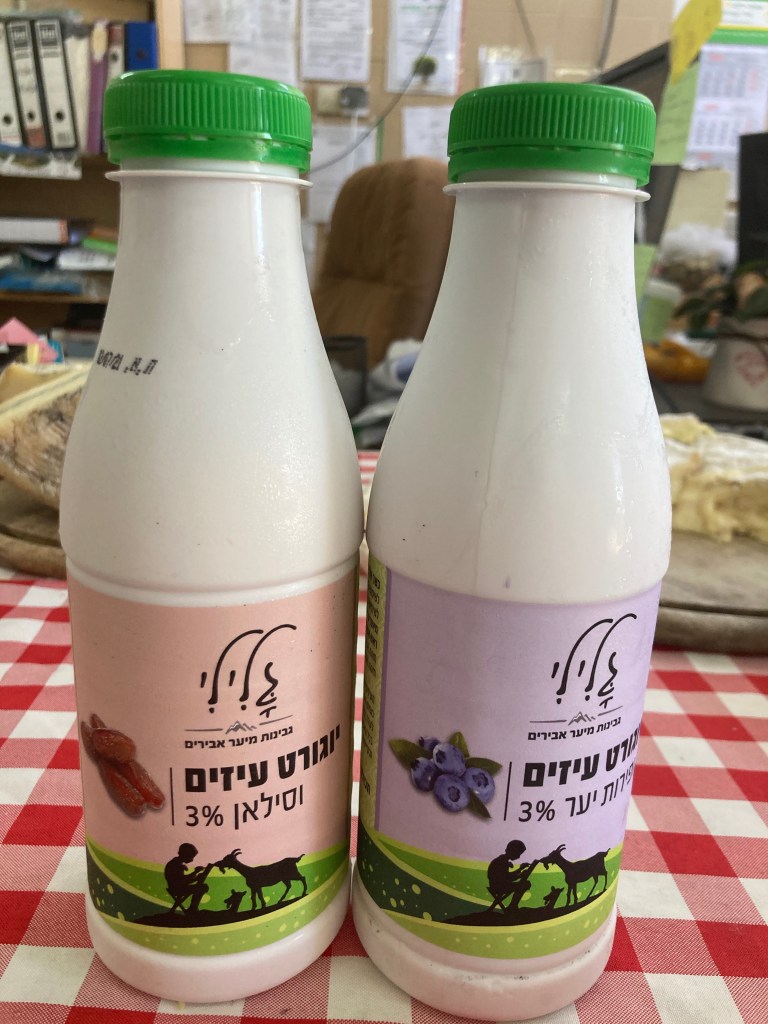

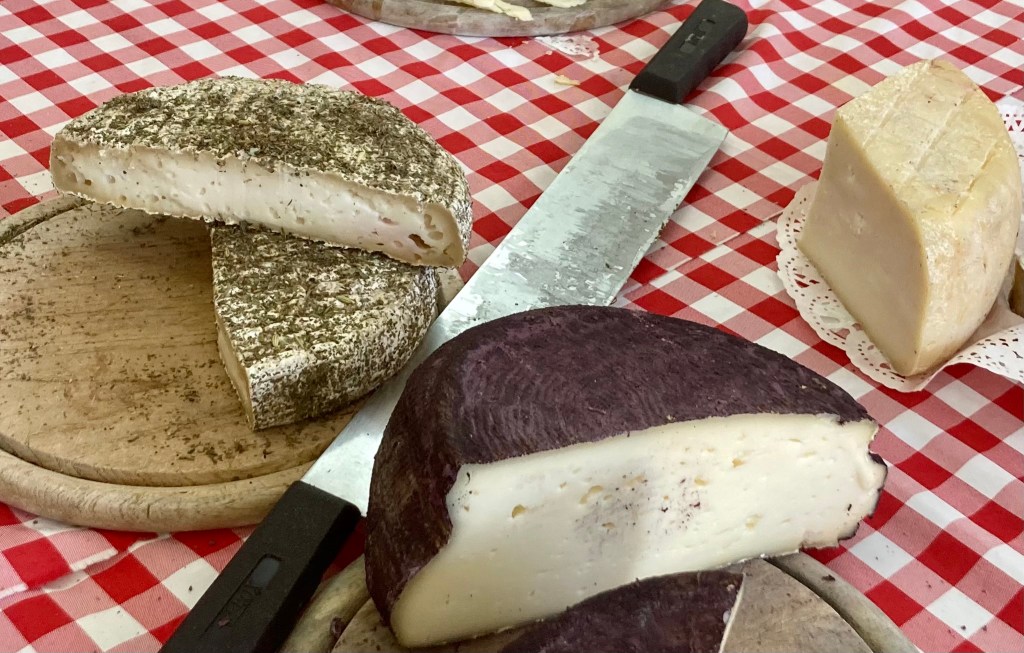
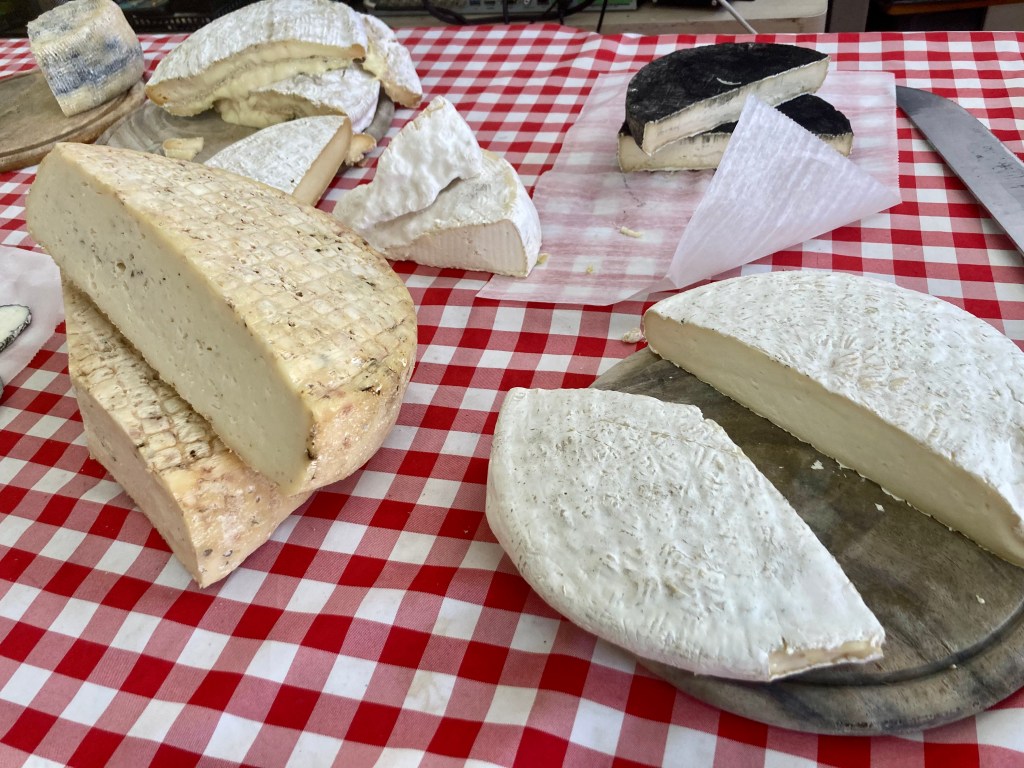


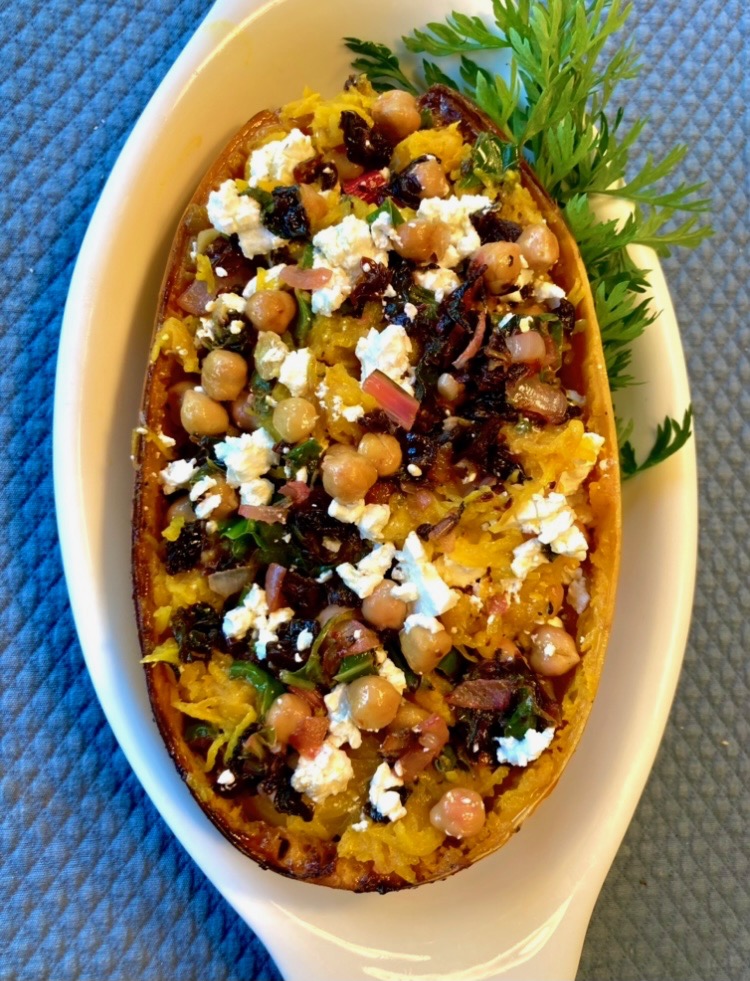
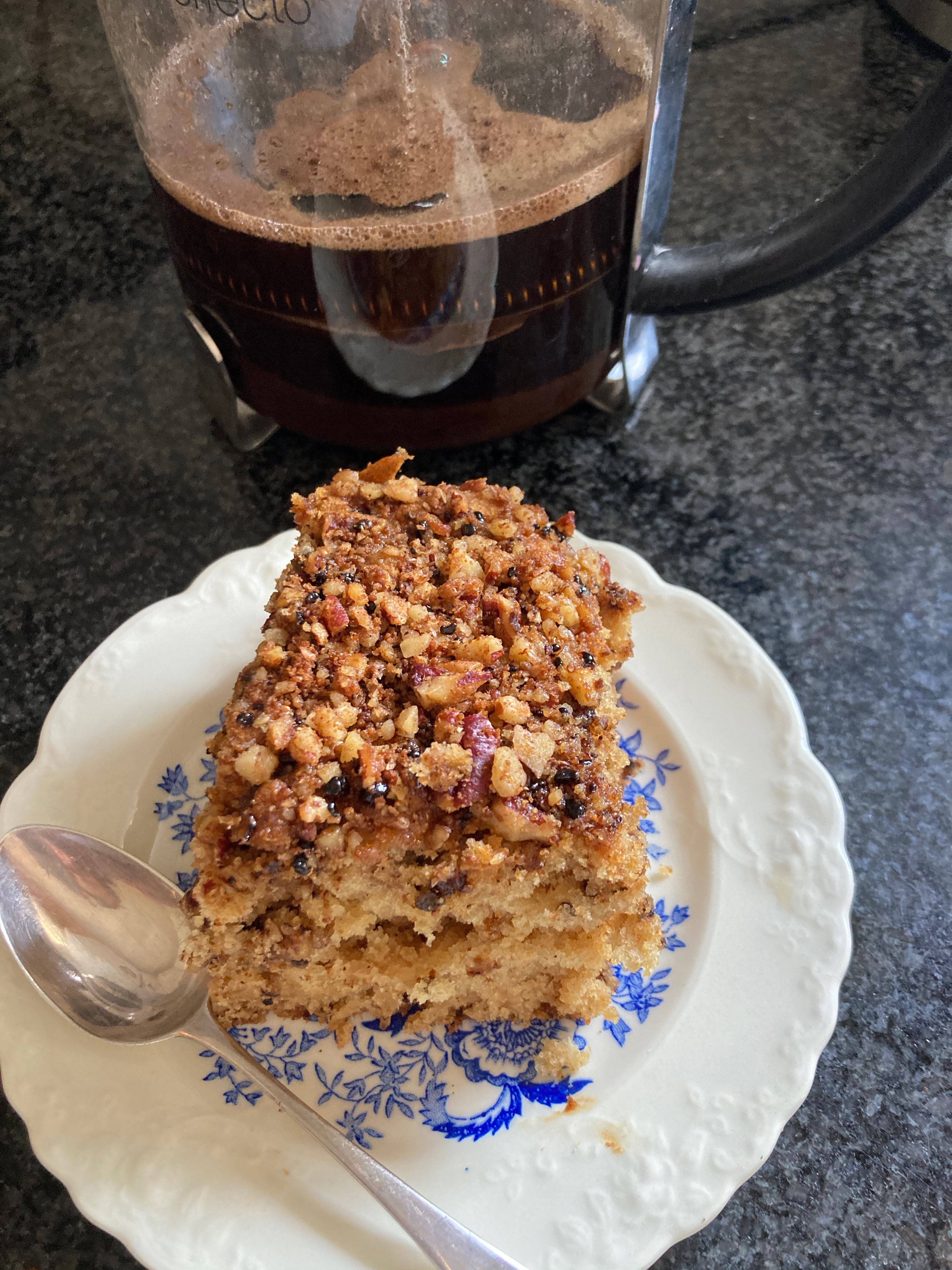


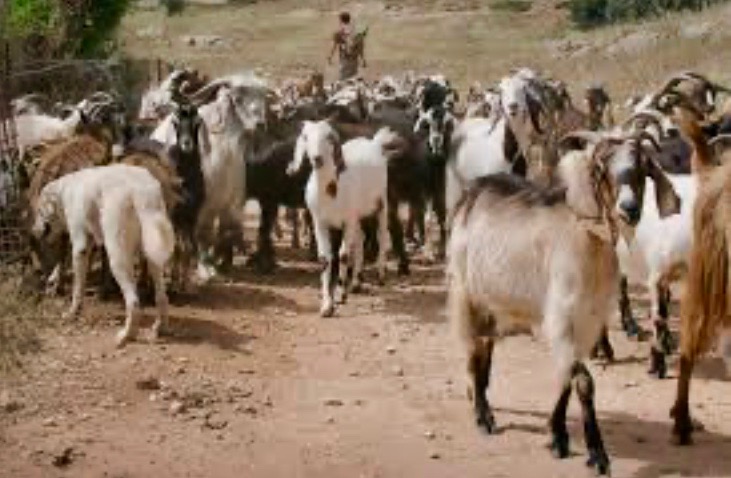


 Israel Dreams