"When G-d will return the captivity of Zion, we will be like dreamers. Then our mouths will be filled with laughter and our tongues with glad song." Psalm 126
Israel has always stood at the forefront of environmentalism and sustainability. Upon visiting Park Ariel Sharon, it’s hard to believe that this, the largest park in the Middle East (larger in acreage than New York City’s Central Park), was once a trash dump and environmental disaster. Today it stands as the largest eco-rehabilitation and success story the world has ever seen. Situated just to the east of Tel Aviv, since 1952, Hirya was the trash dump for the city and the whole of the Gush Dan region. As the population grew, so did the refuse until it became a towering mountain of garbage. In the heat of summer, the smell wafting into Tel Aviv and surrounding cities was almost unbearable. In 1998, the site was shut down due to toxic waste and environmental concerns. What to do??? A meeting was called with urban planners, scientists, landscape architects, environmental researchers, mayors, artists, social welfare experts, philanthropists and others to brainstorm. Out of these conferences, Park Ariel Sharon was born.
It’s hard to imagine that exactly a week ago, people here were running to bomb shelters as the Palestinian Islamic Jihad lobbed over 1250 missiles into Israel. When we visited yesterday, it was completely serene. John and I got there very early afternoon and had the place almost to ourselves. At the foot of the ‘mountain range’ standing over 200 feet tall, are various buildings:a recycling center is at one end; museums and classrooms where groups can come and learn about recycling and the environment at the other. The drive up the mountain is beautifully lined with Eucalyptus trees. What was once dubbed ‘Trash Mountain’ is now an absolutely gorgeous multipurpose park. Expansive swaths of green fields, hiking and biking trails lead to a large green picnic area shaded by trees. The grass is watered using desalinated and gray water, all recycled. A visitor center, natural food cafe and large terrace with ample seating area invites one to sit and relax. The terraces have been landscaped into islands connected by pathways surrounded by natural ponds and watercourses filled with fish. Papyrus, lilies, lotus, and water lettuces float gently. Each pond is bordered by repurposed concrete salvaged from the old dump. These newly formed blocks act as barrier reefs for the fish to take shade and to spawn.
The control tower of Ben Gurion airport in the distanceRepurposed concrete block barrier reefs for fishThe cafe terraceBeautiful walking paths that are handicapped accessibleRecycled, desalinated lawn watering
Rubbers tires were repurposed as mulch. Concrete construction barriers were sorted out to create retaining walls lining pathways and actually forming the mountain. It is actually quite beautiful. All the materials here were pulled from the dump and transformed to new purposes. Native trees- carob, olive, date palm, eucalyptus, cedar- have been planted. Metal was sorted out, recycled, reused and some turned into lamp posts, benches, and sculpture. The entire park has a been built over the old dumping grounds. Dangerous biogases are one of the main products that develop within landfills (mostly organic household waste). Their decomposition create polluting greenhouse gases and methane. To combat this, dozens of wells were drilled inside the mountain. The gas is collected and pumped into pipes which flows to nearby industry in the form of steam energy. The gases are constantly monitored to ensure that none escapes into the atmosphere. The amount will decrease over the years, but as more additions are made to the area of landfill surrounding, safe, cheap and efficient energy will be piped to companies into the next several decades.
Native trees have been plantedOld concrete construction material now lines the pathways and serves as retaining walls.At the top of one mountain, you can see the biogas being pumped and monitored
Everything has been so carefully thought out to the very last detail. Grassy small ‘amphitheaters’ have been placed in strategic areas for school groups, tour groups, outdoor meeting areas and Shakespeare in the Park in the summer months. At the far end of one ridge is a 50,000 seat concert venue. Spectacular covered terraces and outlooks offer sweeping panoramas of Tel Aviv, the Mediterranean, the Shefela Valley below and the Judaean hills in the distance. The trash heaps have been covered with volcanic gravel and concrete, layers of thick clay, straw, more clay and garden soil. Flowering vines clamber over wooden trellises and gardens from around the world are featured in each area. There are natural playgrounds for children with rope courses; things to climb over and on; musical instrument sculptures from recycled materials; brain games and interactive play areas. Disability compliant and equipped with many bathrooms and mothering stations, nothing has been left to chance.
Smaller terraced amphitheaterRecycled wooden beams from construction projects form a huge umbrella overlookThe concert venue on an adjacent ridgeEntrance to the concert areaSpectacular view of Tel Aviv
There is a native herb garden with sages and lavenders and scented geraniums where the air is perfumed and heady. We strolled through desert gardens of sand, succulents and cacti. In each section are benches, pathways, and picnic areas. Park Ariel Sharon is definitely now a green lung in the country’s most densely populated urban area. It is a place that is open to all, free of charge (except for concerts and special events). It is a great place for wedding photography – we saw two wedding parties there. This once polluted, neglected dump is now a flourishing metropolitan park. Guided tours can be arranged in advance. At the bottom is the Mikva Yisrael agricultural school where classes are held on sustainability and organic farming. Israel is an amazing country in its innovation and is a leader in environmental issues.
Desert garden with lakes and cafe terrace belowThe recycling center for glass, plastics, metalAgricultural school and center at foot of the mountainRepurpose, Reuse, Recycle
The rains and winds and chilly days are hopefully behind us here in Israel. It’s tiyuulim weather! In Hebrew a tiyuul is best described as a day-trip, and Israelis are crazy about them. I’d heard about Azizo Lavender from a friend who brought us the most heavenly lavender liqueur, so we decided to drive way up in the highest parts of the southern Golan Heights. The mountains were still spring green and the wildflowers were in full bloom making splashes of pinks and purples over the ridges and wadis. On a high plateau overlooking the Kinneret (Sea of Galilee), we finally pulled into Azizo Farms just outside the tiny moshav of Kanaf.
In the center of a field of row upon row of different varieties of blooming lavender is the Azizo visitor center. We were met by the owner, Lilach Assraf, who welcomed us with cups of lavender lemongrass tea and lavender shortbread. Can you say heaven???? John and I sat on the expansive terrace cafe and listened to Lilach tell the history of the farm and business. It started in 1985 with 11 men, all friends who had served in the IDF together. They were going to start a new agricultural community on the wild plateaus of the Golan. Lilach and her husband, Dan, lived on a nearby moshav (village) while they built their homes and plowed the fields around what was to be Kanaf. They started with orchards of plums, pears and grapefruit. One day, another of their army buddies, a lone soldier from France, came to them with a proposal. Norn had just returned from working on a lavender farm in Provence. He was looking for a few daring, open-minded farmers willing to set out on a new course: lavender.
In 1987, 15 acres, about 60 dunams, of French lavender were planted along the Syrian border. The volcanic soil would be perfect as well as the hot days and cool nights. The plants needed little water and drip irrigation was put in. The amount of flowers produced was surprisingly enormous and the quality of the essential oils was the highest on the spectrum. They made and sold the oil and sachets filled with the dried seeds. The venture grew and grew to include the purchase of more dunams and marketing of more products sold within Israel. The original farmers still worked in other fields, holding onto “day jobs” with the lavender being a side business. Then in 1992, everything was “gone with the wind. It was the end of the world, complete heartbreak for us,” recounts Lilach. After severe rains and flooding followed by the most intense heatwave and drought, all the lavender dried up. What to do? Lilach and Dan made the decision to persevere.
They traveled the world – to France, Hungary, Bulgaria, the United States, to visit other lavender growers. The Israeli Volcanic Research Institute was called in to examine the Golan soil. More irrigation was installed and more dunams were planted with heat tolerant, high yield varieties. Now six different types are grown and new cultivars are being tested. The Assrafs used to pay the teenagers on the moshav to harvest the crops, but now they have a special lavender harvester. Lilach took us and two other couples on a guided tour of the farm and explained the process and manufacturing. We went into the drying room. The smell!!!!! The lavender stalks hang for weeks in a special atmospheric controlled room as they dry, preserving the oil content. Dan and Lilach re-engineered a chicken plucking machine into a device that separates the dried seeds from the stalks. All the distillation is done on site, the oil separated from the hydrosols (water), and both used for different products. The distilling machinery was purchased in Bulgaria, famous for the distillation of its famous roses in the manufacture of perfume. The Assrafs called in Professor Nativ Dubai of the Neve Yaar Agricultural Research Center to confer on varieties of lavender suitable for the climate that would produce highest yield of flowers per plant and the highest concentration of essential oil.
There is a classroom on site at Azizo Lavender for demonstrations, experimentation and projects for different ages. Throughout the year schoolchildren visit the farm to learn about the distillation process. They learn about all the different uses of this herby flower from medicinal to cosmetic to culinary. The ‘King of Essential Oils,’ lavender is antiseptic and anti inflammatory, so can aid in burns, headaches, digestive issues, skin problems, insomnia and is an anti-anxiety remedy. Azizo produces the finest soaps, candles, lotions, balms, oils, diffusers and sachets. The list is quite lengthy. Beehives have been placed adjacent to the fields, and now lavender honey is also part of their venture. Lavender fruit jams, lavender liqueur, lavender syrup, lavender chocolate! Azizo Farms has teamed up with DeKarina Chocolates to produce the chocolate and the liqueur. Powdered lavender is jarred for culinary uses. Herbes de Provence, their secret blend of Israeli herbs with lavender, mint, thyme, oregano and other dried spice is also available in the shop, which has been open daily for six years now.
After over 40 years farming lavender, Dan and Lilach have finally given up their secondary jobs. All of their time is now devoted to Azizo Lavender, which has also become part of the eco-tourism industry in the Golan. Everything they do is sustainable and environmentally friendly. No pesticides are used in the growing and no chemicals are added in the production process. All of the labor from fieldworkers to cafe and gift shop employees live on Moshav Kanaf or the surrounding area. The gift shop is, of course, loaded with all things lavender. I bought a case of the liqueur. Now that summer is almost here, it’s amazingly delicious on vanilla ice cream, melon, or in a drink made with a tablespoon of the nectar with a spritz of soda water. I bought some sachets, a candle, and the ground dried seeds to use in cooking. John got a pot of bug balm for insect bites and a little vial of the essential oil for our diffuser. We ended our tour by splitting a small pizza with dried lavender sprinkled on top… it was very different, and very good. And we had the lavender ice cream for dessert. It’s definitely a place we will return to with guests. The views are spectacular and the hospitality “welcoming Israeli.” Admission is free.
Lilach’s Lavender Shortbread
Lilach served her cookies with a pot of lavender lemongrass tea. So easy to make, you just put a teaspoon of lavender and some dried lemongrass in a teapot, pour hot water over and let steep 5 minutes. The result is quite soothing and can be served both hot or over ice on a summer day. The tea stands on its own and needs no sweetener. The cookies were crisp and buttery—
Cream together the butter and sugars in a large bowl. Mix in the lavender. In another bowl, stir together the two flours. Add to the ‘wet’ ingredients. Mix together well until all ingredients are combined. On two sheets of waxed paper, form the dough into two logs. Roll up and place in refrigerator at least one hour until quite firm. Preheat oven to 325*F/160*C. Remove dough logs from fridge and slice into coins. Place on parchment lined cookie sheet and bake for 16-18 minutes until just turning slightly golden. Remove from oven. Let cool. Keep in covered tin for about 2 weeks. These also freeze well.
Lavender Honey Glazed Grilled Chicken
We had friends over for the holiday of Lag b’Omer, when it’s traditional to make bonfires and eat grilled food (it’s often the food that goes with these holidays). We celebrate the creation of Light and the Divine Light that entered the world. It also commemorates the death (Feast Day) of the great Rahsbi, Rabbi Shimon bar Yochai, the 2nd century Talmudist. Anyway, we had a barbecue with friends and I served grilled green beans from my garden and butternut squash and chicken glazed with lavender honey. Rather than buy the honey at Azizo, I made my own. It’s really easy and I use it on/in tea, cooking, over yogurt or ice cream and as a glaze. It imparts a lovely fragrance and flavor.
To make the honey, I steeped whole fresh lavender leaves and flowers in 2 cups of honey. I put it in a saucepan and heated it on medium heat on the stove and just let it gently simmer for about 20 minutes. The kitchen smelled so good!!!After the honey cooled, I strained the liquid back into the jar. No need to refrigerate.
INGREDIENTS:
2 kg (4 lbs) chicken..I used breasts, each one halved (thighs/pargiot) work well too
1/2 cup lavender honey (see instructions above)
1/4 cup good quality balsamic vinegar
1 TBSP fresh rosemary, chopped fine
salt & pepper
This is so easy to make. Rinse and pat dry your chicken pieces. Salt and pepper. In a small bowl, combine the honey, vinegar and rosemary. Pour over chicken, reserving a bit for the glaze. Refrigerate the chicken and let marinate about an hour before grilling. Grill each piece over a high flame to sear, then lower to medium high heat. Grill chicken about 6 minutes each side. In least minute of grilling, brush with the honey glaze. You can sprinkle dried lavender or some of the chopped rosemary over the top to serve.
Some of the lavender drinks I’ve been “playing around” with are Lavender Lemonade: freshly squeezed lemon juice, some water and the lavender honey to taste. Last night before bed I made a Lavender MoonMilk: I heated a can of coconut milk and added the lavender honey to flavor. It was a nice end to the day, and I think I’ll try using that same recipe to make an ice cream by putting it in the ice cream maker and then freezing. When I was in England, I discovered their London Fog Tea, which became my go-to drink. It soothed try soul – between the cold, wet weather and everyone driving “on the wrong side,” it kept my nerves in check just to sip and smell.The London Fog was Earl Grey tea, a spot of milk, and lavender simple syrup.
We visited Israel for the first time in 2011, when I was still a homeschooling mom. Because we used a modified Classical curriculum, my children and I immersed ourselves in history, literature, art, philosophy, ancient languages (Hebrew and Latin), and culture. Israel, a land steeped in Biblical, Hellenistic, Jewish, Roman, early Christian, Byzantine, Muslim and Crusader history was a place where my young son and I could actually walk out much of what we had learned in books. For us, it was truly exiting, and I knew we had to somehow be a part of this fantastic place. We first stumbled upon Tzippori in 2011, and wound up moving to a town just 20 minutes to the north. Last winter, my husband, John, and I decided to visit once again. Come with us to one of the most phenomenal archaeological discoveries in the 20th century (right in our back yard!!).
Perched like a bird on top of a high hill in the middle of the Lower Galilee is the city of Tzippori (which means bird in Hebrew). It was first built by Hellenistic (Greek) Jews around 125 BCE, and was chosen for its prime location on the main trade route between Egypt and Damascus, the Via Maris. It was also on the route from Akko on the Mediterranean to the Sea of Galilee. On several occasions, the city was attacked by marauding bands, and finally Herod Antipas, the great builder, undertook its reconstruction in 37 BCE. He employed many different tradesmen from stonemasons to carpenters and the top artisans of the day to create what the historian Josephus would call “the pearl of the Galilee.” As it is only 3.5 miles (a 45 minute walk) from Nazareth, it is more than probable that Joseph the carpenter and foster-father of Jesus was employed here, as was Jesus himself.
Lower Tzippori, a sprawling city adjacent to modern-day Nazareth, in background
By 4 BCE, the Romans were fully entrenched in the Holy Land. Many times they were fought off by zealots, but Tzippori was different. The newly remodeled city was full of Roman sympathizers, often times at odds with the local Galileans. Because Sephoris (as it was called by the Romans) was a “City of Peace,” it was spared destruction from Vespasian and Titus like most of the other towns and cities that were razed by the Legion between 66 and 73 AD. In fact, at one time, Vespasian had over 7500 troops quartered here. For its time, Tzippori was a very wealthy city as evidenced by the many magnificent buildings and especially the mosaics…some of the best in the world! Craftsmen were not only locals, but employed from Egypt, Greece, Rome, experts in the latest styles of carving, fresco painting and tile work. Let’s visit, shall we?
The archeological ruins in the lower part of the city included a colonnaded cardo, the Roman term for the large main thoroughfare. On either side of the cardo, merchants’ shops stood. From the excavation, we get a wonderful picture of daily life in the first century. Glass bottles with remnants of exotic perfumes were discovered; ceramics and stoneware vessels containing grains and pulses; exquisitely crafted jewelry (a gold earring with gemstones, bracelets, an olive leaf head wreath of gold) have been uncovered in situ. Historians note that farming in the rich Jezreel Valley soil and shepherding was done outside the city walls. Fish were brought in fresh from the Mediterranean and Sea of Galilee. In the center of the city were government buildings, a synagogue, and a bank or treasury. Most citizens in this mixed Jewish and Roman city worked for the government under Herod Antipas. There were scribes, tax collectors, judges, lawyers and merchants.
A large villa was unearthed in 1987. The many rooms contained floors of magnificent mosaics. It is called “The Nile House” because the floor in the main hall has a large mosaic depicting the celebration of the Nile River, with a number of separate scenes of different events. In one corner, the river flows from the mouth of an animal on whose back sits a Nile god. In another a reclining female holds a basket of fruit. There are papyrus and lilies in the stream, and the center figure is a picture of a man on a column with a rod called a Nilometer, which measured the height of the river. Surrounding are mosaics showing wild animals in hunting mode. In the room adjacent, the mosaic floor depicts Amazons hunting. The Amazons were a mythical race of female warriors originating from the Caucasus, they settled in Cappodocia (Turkey) and mated with the neighboring Gargarensians, keeping only the girls that were born. The word Amazon comes from the Greek ‘a’ meaning without and ‘mazos “ meaning breast. Legend has it that these women cut off their right breast in order to be better archers…. Anyway, you can see the Greek (Hellenistic) as well as the Egyptian influences in this ancient metropolis (The Greeks invaded Israel in about 150 BCE influencing many Jewish people in Israel to adopt their culture. Centuries before, the Jews were scattered throughout the ancient world in the First Diaspora, hence Hellenized Jews).
Measuring the riverAnimals hunting on the NileHunting sceneAmazon warrior mosaicGreek warriorGreek satyr
One of my favorite places is the tile merchant’s/ mosaic artist’s showroom. Just as we would go to a carpet warehouse or flooring store today, people in the first century could visit the tile showroom and see samples of floor designs. It’s absolutely great!! The ‘warehouse’ had sample designs in little cubicles, offering a variety of geometric shapes, borders, floral and figurative designs. Plus a sample board to choose the colors and sizes of the tesserae!! I don’t think you can find this anywhere else in the world!
Ancient flooring showroom!Beautiful but busyNice colorsI’ll take this for the salonMy bedroom selectionvery fancy!
Close up of tesserae samples… 68 varying shades in all
For those of you who are interested in feats of engineering, one of the first considerations when building a city is water. How does a team of engineers get water to a city without digging wells? Israel is situated in a desert/sub-Saharan zone. It only rains in the winter: the rest of the year is bone dry. Especially in ancient times, cities were built atop hills and mountains for obvious defensive reasons. So getting water uphill was quite the engineering problem. In the Nazareth mountains nearby flowed underground springs. These springs were channeled in six separate aqueducts which converged outside Tzippori into an enormous hand-hewn cistern or reservoir. This huge underground storage chamber is 260 meters long and 12 meters deep with a volume of 4300 cubic meters. It was in use from the first through the seventh centuries. From the reservoir, the water then ran into a sedimentation chamber, and filtered into another reservoir or holding tank. Enormous amounts of water then exited via a large lead pipe with a filtering sluice at one end. It is truly a marvel to see this sophisticated system! From the reservoir the fresh water was carried by aqueduct into Tzippori. The tremendous build up of water pressure from the reservoir to the small viaducts propelled the water uphill. The remarkable engineering feat actually carried running water through the town and into each house, providing fresh water for drinking, cooking, washing, sanitation, and the ritual Jewish purification baths called mikvaot as well as to the Roman bathhouse in the lower city.
If you’re brave, you can actually descend and walk through the water system.Viaduct for waterSediment tank. Heavier objects sunk and clean water flowed through the small holeWaterways carried fresh water throughout the cityRemains of a water viaduct leading to the ruins of a home
There are just so many interesting things to see here. Let’s head back to the cardo: we were smitten with the actual tracks made by the heavy wagon wheels on the stone streets. A representation of an ancient cart built upon wheels and axels found there is on display. Seeing this really brings the place to life as we could envision a bustling city teaming with life and wagons laden with building materials.
Back in 2011, Max and I got most excited over our tremendous ‘discovery.’ As soon as we saw this graffiti etched into the paving stones on the wide city street, we knew exactly what they were. We had read about this in our Rome studies, so to see it up close for reals: WOW!!! Before I explain, I’ll let you look at the photos and you can try to guess what they were-
Best example. What is this?This is just a fun throw-in.An etching of the menorah of the Holy Temple in Jerusalem
So what are all these odd markings? They are street games. During times of boredom, children, merchants, and soldiers alike used to throw knucklebones. Small bones or cubiyot, like dice would be rolled into a designated area etched into the street and points would be racked up. For the adults (and street punks?) it was a game of great skill and often involved placing bets. Sometimes, as in the photo uppermost right, the grids would be stacked in a line and the game resembled cribbage or backgammon as the player would move their pieces from grid to grid. Is this super cool or what???
Now we make our way up the mountain to the upper part of Tzippori. Again, we can see the influence of Rome. Every metropolis needs entertainment, and as one would expect, there is a nice sized amphitheater carved into the north side of the mountain. It was built in the late first or second century AD and had seating for 4000. On ground level in front was the orchestra (the place for the chorus during the Greek period, reserved for honored guests during Roman times. The elevated stage or scena was made of marble and wood. Behind would be large scaffolding for the backdrops with costuming below and balconies for soliloquies above. At this particular site, metal scaffolding has been added so one can get a general idea of the design. Rows of seating were hewn out of the bedrock and covered with marble slabs. Most have been raided and repurposed for building by other civilizations, a very common occurrence. The bottom rows remain intact.
The vomitoriumwas the passage where the audience exited or entered (spewed forth) not would you old ordinarily think of those raucous Romans.
The remains of a spectacular Roman residence built at the beginning of the third century AD were found towards the mountain’s plateau. This villa, along with most of the other structures in Tzippori, was destroyed in the great earthquake of 363 AD. The villa would have had most spectacular views, and because of its proximity to the theatre, indicates a high status of the owner. It has now been enclosed to preserve what is left including Israel’s finest mosaic, the Mona Lisa of the Middle East. The mansion was built according to a popular Roman floor plan. The main room of the sprawling villa was the triclinium, or dining room walled on three sides open to spectacular views and a colonnaded portico facing the Mount Carmel Ridge of Haifa. Cubiculum, or bedrooms, were located off the main hall. Also, just off the dining room, was an indoor bathroom (picture below) with running water below the latrine hole. The walls of the villa were once covered in beautiful frescoes as evidenced by the remains of paint on the existing walls. Many of the rooms had mosaic floors with colorful patterns, the most ornate in the dining salon contains scenes from the life of Dionysus, god of wine. The mosaic is comprised of 1.5 million stones in 23 colors.
Main vestibule in villaEntrance to cubiculum from aboveThe bathroom would have had a toilet chair over the hole. The inscription reads “to health” in GreekThe blue light indicates where running water flowedTriclinium viewed from aboveSpectacular mosaics. Center panels are the life of DionysusDepiction of daily lifeHercules loses the drinking game with Dionysus and is carried awayMona Lisa of the Middle East: gorgeous!View of Mt Carmel in distance
Now for a bit of interesting history. The Romans finally decided to subjugate these living in Israel. Why after so many years? The Jews paid taxes at the Holy Temple in Jerusalem. The taxes exacted by the Romans were exorbitant and bleeding them dry (hence the “render unto Caesar…” speech). Many refused or just could not pay, which oftentimes led to enslavement. The Romans worked seven days a week except for State/religious festivals. The Jewish people insisted on keeping the Sabbath: every Saturday was a day of complete rest in which no work at all was done. When in the early 30s-70 AD, this new cult of Jewish believers in Yeshua (Jesus) as their promised Messiah started springing up, not only was Shabbat kept, but now Sunday was held by these nascent Christians as the Lord’s Day. The Romans were losing a day’s labor from the Jews and two days labor from the Messianics. It was going too far! Plus bands of Jewish zealots were springing up trying to shake off their hoke of bondage to Rome.
In 66-68 AD, the Roman legions led by Vespasian and his son, Titus, landed on the shores of Akko in Israel. They spent the next two years routing out all the Jewish people living in the towns and countryside of the Galilee region. It was during this time the Jewish general Mattityahu Ben Joseph was captured (later becoming Josephus Flavius, the historian to Rome). Many Jews were expelled. Many were taken as slaves. Many killed. Many traveled south towards Jerusalem. By 70 AD, the Romans captured their prize jewel, the eternal capital of the Jewish people: the city of Jerusalem. The walls were breached after a long siege and after a bloodbath, the Roman army seized the city and razed the holy Temple (see Arch of Titus in Rome). This marked the beginning of the great diaspora in which most of the Jewish people were either taken into captivity or were dispersed throughout the world.
Jerusalem, the Holy City since King David, had always been the spiritual or religious center for the Jewish people. It was where the Sanhedrin (the main body of the court of law) assembled. Home to the great priests, rabbis and Torah scholars of the day. it was a major center of learning in the ancient world. Many of these great sages of old (khazal) escaped Jerusalem and went south to Yavne (south of modern day Tel Aviv) or north toward Tzippori. For the first part of the new millennium, the Oral Law or Mishnah (companion to the Torah), which had been handed down from generation to generation, was codified, much of it in Tzippori. Great sages of Judaism, Yehuda haNasi and Rebbe Eliezer lived in this city arguing, discussing and writing the heart of the Talmud. The remains of a large synagogue from the first century are here, but the structure was mostly destroyed in the great earthquake.
Early Christianity/Catholicism also had their own Oral Traditions that had been handed down from generation to generation (Dormition and Assumption of Mary; home of the Holy Family; sites of miracles). One of these traditions states that Mary’s parents (grandparents of Jesus), Joaquin and Anna, were originally from the city of Tzippori. During the times of the Crusaders, a large church and monastery were erected at the site of their purported home. It was called Deir Anna or the Monastery of St Anna.
There is a Crusader fortress at the very top of the mountain. It was destroyed by the Mamaluks under Baybars, then rebuilt in the 18th century by Daher Al Omar, the Bedouin ruler of the Galilee. During this time period, Tzippori, called Sephoris by the Romans, was now renamed Safouriyeh thus Arabizing the Hebrew.
Last, are the ruins of a large synagogue from the second century. It was a center of activity for the sprawling city, and reflected not only its Jewish heritage and connection (commemoration of) the destroyed Second Temple, but also has Greek, Roman and Eastern influence as seen in the mosaics. There is a large central medallion of the zodiac with both Hebrew and Greek writing. Side panels depict the accoutrements of the Temple worship: shofarim (trumpets), menorah (lamp stand), incense table, showbread table, bulls for sacrifice, jars of olive oil, baskets of fruit containing the seven species of plants native to Israel. At the other end of the synagogue floor are mosaic representations of the Biblical story of Abraham: Abraham feeding the angels, Abraham and Sarah, and Father Abraham’s ascent up Mt Moriah with his son, Isaac on the donkey. A side band in Hebrew reads that the floor was “donated with generous funds by ….. in memory of their son, …. “ So it keeps the tradition of a memorial plaque. The geometric design is more Eastern than Western. Even though the synagogue is now a museum, pre-arranged weddings and Bar Mitzvahs can take place on the site. When we were there, a group was gathering for a Bar Mitzvah. A portable ark with Torah was being wheeled onto the main floor and a bima was being set up. It’s another example of living connection to the past.
Circassian Cultural Heritage Center in Kfar Kama, Galilee
Adding to the rich cultural diversity in Israel, we have the Circassians. Mainly living in two communities in the North and numbering approximately 4,000, the Circassians’ history goes way back to pre-4th century. Originally from what is present-day Russia – from between the Black Sea and the Caspian Sea, they were the indigenous people of the Caucasus Mountains. They lived from Sochi to Baku: their capital city was Nalchik and they were known as the Adyghe (Adiga) people. In their language Ady means highlander and ghe means sea. Between the 4th and the 9th centuries, many of them converted to Christianity. When the Tartars and Ottoman Turks conquered their territory, many were forcibly converted to Islam. The Turks called them Cherkess which was Latinized to Circassian. After many years as dhimmie under the Ottomans, most adopted the Muslim religion voluntarily. 1763 marked the 100 year war between the Circassians and the Russians for access to the Black Sea. Eventually, in 1864, Russia launched a genocidal campaign. 90% of their population were exiled from their land – put on ships bound for the Balkans, Anatolia, Bulgaria and Turkey. From there they were taken to the Middle East and can be found throughout the Levant. Their population is about 1.5 million.
Because they were such good fighters, the Ottomans took them in as brother Muslims; and it was the Turks who scattered them throughout the Lebanon/Syria/Israel/Jordan region as a counterweight tothe non-Muslim Jewish, Christian and Druze populations as well as to the Bedouin. Even though they are Sunni Muslim, they are not Arabs. They were brought here in the 1870s as tax collectors for all the other Arab villages in the surrounding area (today, this practice no longer exists).Here in Israel, they maintain excellent relations with the Jewish and Arab populations. The Circassians, although very separate with their own language and educational system, all serve in the IDF. They have kept their ancient phonetic language, Adyghebza, but are fluent in Hebrew, Arabic and English. Their educational levels are very high, their communities, impeccably clean with flowers blooming in every windowbox and garden. There are only 26 family groups or clans within the Israeli Circassian community.
We visited the two Circassian towns recently. Kfar Kama (pronounce Comma) is a thriving village on the upper slope of Har Tavor (Mt. Tabor) in the lower Galilee. The mountain village is walled in, an old form of defense. All of the stone houses are interconnected, sharing a back or side wall. The only way through into the village is from a guardpost/ gate, like a fort. The mosque stands in the very center of the town. And it is the location of the Circassian Heritage Center. Every day, the center welcomes Israeli school groups as part of their educational enrichment program. We were greeted graciously by our docent, Ibek, dressed in a black costume and high fur hat.
After sharing their history with the large group, several members of the village put on a dance exhibition in their native noble costumes. Red and black are their battle colors, turquoise symbolizes the sea and green, the land from which they came.
All Circassians are taught the traditional dances from the time they are young, and all can play at least one musical instrument. The women have much power in their society, and are free to make their own decisions. When a young man comes of age, it is traditional for the Circassian man not to ask permission of the girl’s parents to marry. He asks the girl to marry him directly. This is where the story gets good. Without her parent’s knowledge, the bridegroom and his male attendants, kidnap the beloved at an agreed upon time and place. Two of the bridegroom’s attendants, then go to her family’s home to inform the parents (after she has not shown up). The family must then go out in search of their daughter, but it is the girl’s decision entirely to marry. The parents have no say in the matter. The bride is taken into the groom’s family’s home, and it is they who pay for the entire wedding feast. The families marry within their clans. Sometimes the men travel to Eastern Europe or Turkey where other clan member reside to find their betrothed.
Circassian young woman in native dress
Much of their labor today is agricultural. Olive growing has played a large role in their subsistence . They follow the Muslim dietary laws (refraining from pork, Hallal slaughter) with the exception of fish. Because so many of their people were killed in the Black Sea War, fish and seafood are off the menu in homage to their brethren. They are fairly famous for their smoked meats and hard smoked cheeses. The cheese shop in Kfar Kama boasts of the oldest cheese in Israel: this hard, smoked cheese is shaped like an enormous dagger and is 43 years old!
Today in Israel, about half of the Circassians are devout, the other half fairly secular. There is no pressure to be traditional, although all intimately know the culture and traditions. Observant women wear a white headscarf, like Druze women, but the Circassian style for every day is more like a hijab. Colorful clothes as well as pants are worn by the younger women.
The other Circassian village is Rechaniya, near the Lebanese border, established in 1878 by 66 families. It too is built in the fortified walled village style with a central mosque as in Kfar Kama. Because of their location, the village maintained active ties with their Lebanese and Syrian relations across the border. This proved problematic for the Israeli authorities during the 1967 and Lebanese Wars. Frequent home searches were conducted by the IDF for security reasons. Smuggled weapons were confiscated and some of the Rechaniya townsfolk were temporarily moved to Kfar Kana, 30 miles to the south. Mostly, they preferred to remain neutral during the wars Israel faced. Today, friendly relations have been restored. They pride themselves as being full Israeli citizens and part of the fabric of society. Many Circassians today serve in the police and border patrol units. Several are noted Israeli football stars.
Hani Madaji is the owner of the Rechaniya restaurant, Nalchik. There you can eat like a local, feating on lots of carbs, some baked, some fried, all with different fillings. One of the favorites is Haliva, a fried dough dumpling filled with Circassian cheese, potatoes and herbs. Some variations use beef and leeks.
There are Kalkata, dumplings filled with sheep milk yogurt and paprika; memjak, a savory lentil dish and an interesting type of chicken salad. The shredded, cooked chicken is dressed with a rich, garlicky tehineh and is served at room temperature. Before eating a red olive oil that has been infused with spicy Aleppo pepper and paprika, is drizzled over top. Walnuts, also are sprinkled over (Note: for those visitors keeping Kashrut, this food is definitely not Kosher! Still, interesting to see and learn). Also in Rechaniya is a specialized cheese dairy that has been in the same family for generations. It is an art that has been passed down from mother to daughter for hundreds of years.
Nadi explained to us when we asked how the Circassians fit into society in Israel today that it is a matter of tolerance. They see other people and other cultures as having tremendous dignity and worth as human beings. We are all brothers and sisters, she said. We seek to live peaceably among our own people and alongside the other Israeli citizens. However every Circassian carries deep within him the desire to go back to their original homeland that is today part of Russia. They are all a part of the Great Circassian Diaspora. For them, May 21 is their Genocide Remembrance Day. In both Kfar Kama and Rechaniya there are parades, special services and speeches made. All are welcome to attend.
I love Israel for its absolute randomness. There are just so many amazingly unexpected places to discover here. I had first heard of the old Dolphin House Hotel years ago, but it wasn’t until a few months ago that I had the opportunity to visit the site and learn about its history. A friend of ours took us to brunch at The Breakfast House in the little village of Shave Zion (pronounced SHAH-vay Tsee-YONE in Hebrew).
Shave Zion (Return to Zion) population 1209, is located exactly 2 miles between Akko (Acre) and Nahariyya, 5.5 miles south of the Lebanese border. It sits right on the Mediterranean Sea and is one of the most beautiful places to relax and enjoy the sun and sea breezes. It was established in 1938 by a small group of German Jews who were escaping the Nazis. In its early days, the moshav was primarily an agricultural one, growing carrots, wheat, dates and citrus fruits. Fighting off armed bands of Bedouin raiders was not uncommon in the days of the British Palestinian Mandate.
Joshua Malka (1920-2005), was born in Egypt, one of seven children born into an upper-class Jewish family. Speaking Arabic, French, English and Hebrew, he served in the hospitality sector as a manager at the Luxor Hotel in Alexandria waiting on the elites of Egypt including King Farouk. Egypt, however, was becoming increasingly hostile to its Jewish population. Joshua and three of his brothers escaped persecution, immigrating to Israel in 1948, just in time to serve in the IDF during the War of Independence. He was 28 years old.
Afte the war, Joshua, now known as ”Shua,” returned to the hotel industry. He became head of reception at the famous King David Hotel in Jerusalem. At the time, it was Israel’s only luxury hotel serving foreign dignitaries, businessmen and celebrities of the highest order. In the late 1940s, immediately after World War II, Israel saw a huge wave of new immigrants: they were Jewish refugees rising like Lazarus from the concentration camps of Europe, arriving on the shores of the newly-reborn nation with nothing but the clothes on their backs. It was an interesting time for Israel, impoverished from the war with few resources, food rationing and in most places, third world living conditions. Despite all the hardships, the people came with hopes and dreams. It was around this time that the South African movie producer, Norman Lurie started to build a beachfront hotel in Shave Zion.
The new Beit Dolfin, The Dolphin House Resort Hotel and Country Club needed a manager. Someone used to working with VIPs, serving them and catering to their unique needs. None other was more suited for this job than Shua Malka. Shua and his gorgeous wife Eva (Chava), herself a Czech refugee who had survived Auschwitz, moved to Shave Zion in 1951. They lived a charmed life. In the winter they would travel to Europe with their young daughter. At night they would scout the hottest Parisian clubs and Berlin coffeehouses for singers and dancers to entertain at Beit Dolfin. While Shua made business connections, Chava would shop for high fashion in London and Milan. They brought back the highest quality furnishings for the new hotel as well as European chefs and entertainers.
By the mid-1950s, Dolphin House had earned a reputation among royalty, diplomats and Hollywood movie stars. With ”unbeatable scenery and impeccable service,” the luxury hotel had an Olympic-size swimming pool, tennis courts, shuffleboard, library, theatre, synagogue, and activities center. Tsimmerim, private suite cabins on the beach were always in high demand year round. Besides a Kosher dining room, there was a cafe and five-star gourmet chef restaurant. There was a house orchestra, jazz band, and celebrity entertainment. It was not unusual for there to be ballroom dancing one evening, jitterbugging on the terrace the next and Israeli folk-dancing around a huge bonfire on the beach another night. Peter Sellars, Danny Kaye, Elizabeth Taylor, Frank Sinatra and Sofia Lauren were among the most prominent regular guests. Leon Uris wrote his novel, Exodus, from a beach chair on the sand there. Later, during the filming of the major motion picture by the same name, Pat Boone, Eva Saint Marie, Paul Newman and Joanne Woodward would stay at Dolphin House. Kirk Douglas first stayed at the hotel while filming ”The Juggler,” the first full-length Hollywood movie to be filmed in Israel. It was there that he ‘discovered’ the young Dalia Lavie who lived on the moshav. She told him she wanted to be a dancer, and Douglas convinced her parents to let her study ballet in Sweden. Dalia Lavie would go on to become a top model and Hollywood starlet, often playing the role of femme fatale. She is best known for her performance in the James Bond film, Casino Royale.
Model, actress, singer Dalia LaviePaul Newman during the filming of ExodusSofia LaurenDanny Kaye was a regular here
Beit Dolfin didn’t just bring Beverly Hills style living to Shave Zion, it raised the entire quality of life of the moshav. The resort complex employed round-the clock workers from chefs, waiters and waitresses, cleaning crews, entertainers, valets and chauffeurs, activities leaders, lifeguards, tennis instructors and managerial staff. Private tour guides would escort the guests on hikes and to historical sites throughout the land. The Malkas built a waterfront villa and were the first in Shave Zion (outside the hotel) to own a telephone, television and private car. By the mid-1960s, Shave Zion had one of the highest standards of living in Israel.
I heard the stories over what is arguably, the best brunch in Israel…The Breakfast Club cafe. We sipped mimosas on the patio – the place is always packed and reservations are an absolute must! It’s a bit out-of- the-way, but easy to find as the village only has one main street, lined with shade trees, boutiques, cafes and pubs. Their scrambled eggs on brioche served with creme fraiche and lox was to die for. My husband ordered the chavita, an omelette topped with asparagus, basil, Mediterranean vegetables and feta, equally delicious.
After brunch, we were in desperate need of a walk, so we made our way down the street to see the hotel I had heard so much about. Unfortunate is not the word. Today it is completely abandoned, fenced off, and in absolute disrepair. Sad. Sad. Sad. The bones oof the building are still there, but it is hard to imagine the glory days. We pray someone will buy and restore it to its former self, abuzz with VIPs and alive with activity. Until then, ghosts of the past haunt it halls and memories of music and laughter waft from the balconies of Beit Dolfin.
The last day of our three day desert adventure this past December was incredible in several ways: it was midweek and there was no one else for miles so we were alone in the desert – a special experience; we were able to cover a tremendous amount of territory and make it to three amazing and different archaeological sites; we were trying to do it all before the predicted high winds, sandstorm and first major storm of the winter hit.
Our adventure started early in the morning at the ruins of Susya, an ancient city that was excavated from 1985-2000. On the eastern fringe of Mount Hebron, southeast of BeerSheva in the area once walked by Abraham and the Patriarchs of monotheism, settled by the tribe of Yehuda (Judah), a large town was built by Jews after the Roman destruction of Yerushalayim. It is one of the most unusual ancient towns we’ve ever visited, a town filled with mystery. Sometimes there is only so much that archaeologists and anthropologists can put together from their findings. Stones are uncovered which tell only part of a story. Without first-hand written records or documents much is left to speculation.
Susya was a fortified city built on a high plateau, excellent for defense. As in most ancient towns, it was surrounded by a high stone wall at one time. It was built after 70AD and lasted until the end of the Byzantine or beginning of the early Arabic period. After that, it seemed to have been abandoned. Why? A mystery. The town had homes separated by streets and alleys, but most of the homes and businesses (potter, forge, olive production, wine production) took place underground! Homes were connected by subterranean passageways. Many of the ”buildings” were carved out caverns. Huge underground chambers, many linked together. Why? Was it for defense? If so, from who? Perhaps because it was cooler underground in the summer and warmer in the winter? Without written documents, it’s difficult to piece together the whole story.
Even though there were above ground ruins, most of the findings were subterraneanSusya was a very large, organized townSteps leading to one of the many underground dwellingsIn a hole in the ground lived … not a hobbitWelcome to our cave!This was the cave of the ironsmith:the walls are black from the forge
More than 70 of these underground spaces have been uncovered at Susya. What is known is that it was a Jewish city. Both private and public mikvaot (ritual baths used for purification purposes) were found. Such a large number of these purification baths testifies to the great importance of their adherence to Torah law.
These are remains of ancient mikvaotIt was used for ritual purity bathingThe descent led to a deep pool filled with running natural water
The crown of the city is its spectacular synagogue, which is still fairly well preserved, considering its age. The entrance to the synagogue can be approached through a large arched portico surrounding a central congregating area. An enormous round stone, which can be rolled by many strong men along an outer track, can block the main entrance to the courtyard. From the portico, there are high steps and Doric columns leading into the large worship/study area.
The floor of the synagogue is covered with a well-preserved mosaic floor. The mosaics include two menorah/lampstands, a shofar, lulav branches and etrog, and an immense zodiac calendar. There are many blessings written in Aramaic including one that reads, ”remembered be for good the comforter Yeshu’ the witness and the comforter that [……]”. What does this mean? Was it an early Messianic community? Was that why they were so concerned with defense? Was it part of another group?The rest of the inscriptions are all typically Jewish. There is a raised platform or bima and a space where the ark containing the Torah scrolls would have been kept. The synagogue also had an upstairs gallery for women. But here, too, in the synagogue are escape tunnels and stones to roll across doorways to block the ebterances and exits. From whom were they hiding and trying to escape? So far, archaeology gives us no clues….Today the synagogue is used for weddings and Bar Mitzvahs.
The next stop on our desert adventure was at an overlook along the high cliffs of the Maktesh Kattan. A maktesh is a geological formation that only occurs in the Negev. There are three of them here, kattan meaning the smallest. It’s s a completely sunken hole, a huge round crater that was naturally formed as the ground there collapsed millennia ago. We were beginning our descent onto the desert floor. I got out of the car to take photos and John got out… well… to be John.
I really shouldn’t have been nervous at all when he scurried down to the edge of the ledge. He’s done it at the Grand Canyon. He did this at Maktesh Ramon years ago. I think he’s part mountain goat. Truly. Still, I just about had a heart attack and he got some pretty great pics: the Thelma & Louise remnants of an old car crash; the white and blue stripes signifying the Israel Trail (seriously, who would hike down this cliff into the desert?); a hidden party terrace.
The road we traveled was tortuous… a real snake path. No safety barricades on some of the cliff edges. Hair-raising! The panoramas absolutely gorgeous! Once on the desert floor, we quickly headed for the painted desert. Mineral deposits left not only lots of iron, but also copper, magnesium, manganese, sulfur. I forgot to mention that this was in the area of Biblical Gomorra….hmmm…. There were huge chunks of iron ore in the sands – and tons of white snails! In the desert sands!! Snails! Still, my first reaction when I saw the beautiful palette of colors? Make-up!!! The shades of pink, rose, purple, yellow, red, brown, orange, ochre. Nothing short of magnificent!!
We still had two places to visit. No time to dally! Back in the car and on to Tamar Fortress in the Arava part of the desert, about 30 miles or so south of the Dead Sea. Tamar was once just an oasis, a desert watering hole where the Moabites and Edomites used to frequent. Mayaanot, underground springs surrounded by date palms, or tamar in Hebrew (yes, my Hebrew name means date palm). The place was well known to the ancient Israelites. It is mentioned in the Scriptures. During the reign of King David, it was the southernmost outpostfor the tribe of Judah. King Solomon built a fortress here, serving not only defensive purposes, but it was strategically positioned to monitor caravans traveling to and from distant places in the east, and to protect the southern copper mines. We read in the book of Kings that King Josiah destroyed the pagan idols that had been set up there. Archaeological remains are always confirming the words of the Bible. It is an irrefutable claim that the Jews inhabited the land of Israel from ancient times. Tamar Fortress (excavated by archaeologist and adventurer, T.E. Lawrence ”of Arabia”) is an incredible fortified walled city. Strata upon strata of different civilizations have built layer upon layer. Ancient Israelites, Greeks, Romans, Mamelukes, Ottomans. And at the top of the hill, the offices for the generals of Great Britain during the period of the British Mandate in the early 1900s. Today it serves as a museum to the history of the area.
Walking the streets of Biblical TamarFrom Biblical times at the base to modern UK office at topAncient Roman entrance to bathhouseGreco-Roman agoraStrata of archaeology diggingBunker from the1967 6-Day War
It was getting on in the afternoon, one of the shortest days of the year. The trip had been an incredibly hard one for me, as I was still in the process recovering from an extensive spinal surgery. I was exhausted. My legs stiff and heavy. The wind was picking up and a dusty haze was limiting visibility. We had one more stop: the Nabatean city of Mamshit (pronounced MomSHEET). So we pressed on.
Mamshit was a Nabatean city. The Nabateans were spice traders. Their caravans of camels traveled from what is now Saudi Arabia, through Jordan, through Israel to the Mediterranean laden with frankincense, mhyrr, spices and jewels. Mamshit sits at a crossroads on the spice route. A permanent settlement was established here in the first century BC. It consisted of villas for its wealthy inhabitants as well as khans, or inns for travelers!and large and extravagant stables. It is believed that they were also breeders of stallions from the stables and implements they found in situ. By the second century AD Mamshit had been annexed by the Romans. The extravagant building projects continued.
The sandstorm was just beginningThe city was incredibly well preservedstairs led to a second story of this villaCourtyard of a luxurious desert innThis set of stables used to be quite extravagantThe remains of a large Nabatean villa
The Nabateans were converted from their polytheistic idol-worshipping religion to Christianity by the third century. At the beginning of the fifth century, two magnificent churches were built here: the Western Church and the Eastern Church (named for their locations in the city). They were in use until the Arab conquest in 636AD. After that time, Mamshit ceased to exist. The Western Church was a basilica shaped church, built at a high point in the city. It was entered through a colonnaded courtyard or atrium. The main part of the church was divided into three parts: a central nave and two side aisles. At the front was a semicircular apse marking the sire of the altar and the direction of prayer. The floor was paved in mosaics featuring geometric patterns, birds, two peacocks and inscriptions.
Apse of the churchMosaic floor of central naveEarly Christian Eucharistic carvingSteps leading up the porticoSideaisle of the basilicaThe weirdest baptistry Ive ever seen. Each side of the cross was a gap wide enough to fit one personThere were steps on all sides of the cross leading down to a hole that was at least ten feet deep!
The day was growing short. The wind was whipping sand through the air. I was most exhausted, but we wanted to see the other church and the ”Nabatu house.” John and I (foolishly) split up. He was more able to make the long haul and climb the stepped ruins up to the Eastern church – and he was able to get some great photos of the frescoed walls and mosaics. He said there was also an incredibly deep baptismal pool there as well and that the mosaics here were incomparably beautiful and really well preserved.
Remains of frescoed wallsGreek inscriptionThe baptismal well was very deepCentral apse
Iwent to visit the largest villa, known as the Nabatu house as well as a three room bathhouse next to it. The public bathhouse ( because you know – Romans!) was made of three rooms: the caldarium, a forced air steam sauna and hot pools; a frigidarium, a cold water pool from the reservoir for a quick plunge after the sauna; and a forum or dressing/social room. The furnace room consisted of red bricks heated by a massive fire and clay pipes through which the hot air flowed. It was all very interesting.
I really don’t know what happened next. I was walking with two crutches. The pavement was really quite uneven. Theres a metal pole sticking up from the ground about three inches. It was very windy and getting very cold. My legs were very heavy and my body aching. My back was screaming at me. I was trying to take pictures… and I went down. Really hard. I felt whatever surgery corrected in my back completely shift. I screamed, but there was no one else around. And that marked a dramatic end to our Negev adventure. The drive home was dusty with limited visibility. We made it just in time- through a sandstorm and before the rains hit. Since then I’ve been laying low, literally, and have been enjoying our rainy season. The winter has finally arrived with storm after storm. We made our trip just in time. It was totally worth it. Until the next adventure –
Perched high atop a hill in the Northern Israeli village of Mi’ilya were the vestiges of an old castle. For decades families had used the outer towers, building their homes over and inside the walls. But time had long ago taken its toll, and the structure had fallen into such disrepair that it was structurally unsafe.
Labib Assad (of blessed memory) lived in one of those houses since his childhood. He had many childhood stories to pass down of life in the village. Labib, a policeman, and his wife, Salma, owner of the village gas station, gradually bought up the other existing houses one by one until they owned a large part of the complex. It had been Salma’s dream for years and years to bring to life the existing skeleton. In 2012 the Assafs received a letter telling them the castle needed to be restored or destroyed. It could no longer safely stand on its own with its crumbling walls and arches. There was an existential dilemma. What to do? The cost of a rebuild would be absolutely exorbitant, but this could be their one opportunity to make Salma’s dream come true, while at the same time preserving an important part of the local heritage.
Flash back to the 12th century: Baldwin Bourcq led a Crusade from France to the Holy Land with his cousins Godfrey de Bouillon and Baldwin du Boulogne in 1096. On the way, he became Count of Edessa (in present-day Turkey), marrying and setting up a fiefdom there. He rode into Jerusalem in 1100, winning many battles, and was crowned King Baldwin II of Jerusalem in 1118, expanding the reach of his empire to as far as Damascus. He was aided by the Knights Templars and the Knights Hospitallers. King Baldwin had four daughters by his Armenian Christian wife, Morphia. The eldest daughter, Mellisande, became his successor.
Mellisande married and had a son, Baldwin III, in 1129. He was crowned King Baldwin III of the Crusader State of Jerusalem when he was 14 years old. Eventually wresting power from his mother during a familial civil war, he ceded Jerusalem, Judaea and Samaria to her. Keeping his title, King Baldwin set up his home in the mountains of the Galilee. His reign extended from the Jezreel Valley in the south to Beirut in the north and as far as Damascus in the east. On a mountaintop in Mi’ilya, midway between the coastal cities of Acre and Tyre, with sweeping views to the Mediterranean and the Galilee, he built “Castellum Regis,” the King’s Castle. It would serve as the capital of his Frankish Lordship in the Galilee. It was a massive, walled stone compound with four square guard towers, one at each corner.
The property was first mentioned in 1166 after the death of Baldwin III in a land transfer to a Jean d’Khayfa (John of Haifa). It was, in turn, sold along with the surrounding houses, gardens and vineyards to Count Jocelyn III, uncle of Baldwin IV in 1179 under the name Castellum Novo. A sizable Byzantine church adjacent to the castle was also part of the property. It all fell to the Muslim conqueror Saladin in 1187 during the Third Crusade. However, in 1192, with the signing of the Treaty of Jaffa by Saladin, Richard the Lionhearted and Phillipe of France, it was returned to the Crusaders, along with the Western Galilee and the city of Acre, six miles to the west.
By the mid-1200s, the castle had been superseded by the newly-built Starkenberg Castle (Castle Montfort) just three mountaintops away. Starkenberg was built by German Teutonic Knights, who also bought the Castellum Novo property for 7000 silver marks. It was a short-lived investment, as Baybars, the Mamluk Turk known infamously as the “Father of Conquest” swept in and took everything, levying a 25% dhimmi tax on the barley, olives, wheat, dates, figs, goats, and beehives owned by the resident Christians. There are no existing records after that. The castle and its inhabitants were wiped out in the 15th century. Was it the result of the Ottoman invasion? An earthquake? Black Plague brought to the area by the Europeans? It remains a mystery.
Melkite (Greek Orthodox Catholic) Christians returned to the area in the mid 1700s, with the Assaf, Shufani, Abo-Oksa and Arraf families among the first residents. They rebuilt a little village in and around the old castle, and resurrected a church near the site of the original Crusader era one that had been completely destroyed. Upon digging the foundations for their Ottoman-era houses, they began to uncover treasures from the past – mosaic tiled floors, burial chambers and an underground water reservoir. The finds were covered up, but stories of riches in the ground were passed down through the generations.
Salma Assaf had heard the rumors of hidden treasure from her childhood. She was passionate about history. When the letter threatening possible demolition was received, Salma and her husband made the decision to restore the houses, starting a project that took over a decade and a half to complete. It was her life’s dream. Unfortunately, Labib passed away in 2012 before seeing the project to its fruition.
When reaching the final stages of restoration of the buildings, on a whim and out of curiosity, the Assaf family decided to put spade to the ground below. Would stories of the past be revealed or were they all just legend? Salma reached out to her neighbor, Rabei Khamisy, Doctor of Archaeology at the University of Haifa. He, too, a lifelong resident of Mi’ilya, had been brought up with these stories from the past. Together they sprang into action. In a short time, something extraordinary came to light: the largest winepresses and two treading floors from the Latin East (the correct term for the Crusader period in the Levant) had been discovered. Further digging 2 meters from the winepresses revealed a stone dome which covered a 6-meter deep Roman period cistern from the first century. The Crusaders had repurposed the ancient cistern to hold barrels of wine for aging in the cool deep cavity below. For Salma, it was a good omen. It was upon this historical foundation that she would build her restaurant, Chateau du Roi, the King’s Castle. Salma enlisted her son, Khalil, a successful accountant, to be the CFO.
The whole project – the restoration of the above-ground building as well as the excavation – were privately funded by the Assaf family. A greatly appreciated contribution of the local community helped finance the shoring up of the crumbling north wall of the castle adjacent to the restaurant.
They worked tirelessly for four years in tandem with the Israeli Antiquities Authority to complete the excavation. Much more treasure was unearthed: ancient coins; the seal of the archbishop of Acre, who also lived there at one time; cooking tools, trenchers, and plates from the Crusader kitchen. As to the buildings above ground (where the restaurant, bar and boutique hotel rooms stand today), architects and contractors carefully conserved much of the traditional structure. The winepresses have been preserved in the basement of Chateau du Roi, and are open for viewing. Plexiglass windows have been thoughtfully and strategically placed in the floor of the restaurant’s main dining room so guests can view the winepresses below.
The restaurant is composed of many spaces, each with stone walls, high arches, balconies accessible by winding staircases, cozy inglenooks and fireplaces. A large outdoor patio offers a sweeping panorama of the picturesque Northern Galilee mountains. Chateau du Roi has the ambiance of the finest European restaurant. No detail is overlooked from the china, silver and crystal on the beautifully set tables to the antiques throughout.
In the cozy and comfortable pub, a large wooden bar stands along one wall. The room is flanked by niches and pillowed window seats built into the arched windows. Luxurious leather chairs invite a person to relax and cast aside all cares. All the culinary equipment and accoutrements throughout the restaurant including the pizza oven in the bar are of the finest quality imported from Italy. Live jazz and acoustic music is featured regularly. Other dining options include a spacious covered patio courtyard with full service, and private dining niches under the castle’s stone arches. It doesn’t get more romantic than this!
Salma called in an old family friend, Elian Layousse, originally from Mi’ilya, who was working as a chef in Padua, Italy. He was more than happy to oblige and quickly assembled an award-winning team. The menu at this five-star restaurant is a fusion of Northern-Italian and Israeli. The dishes are traditional, yet unique. Everything is prepared from the freshest seasonal ingredients: Golan beef, Mediterranean seafood, homemade pasta, locally grown fruits and vegetables. Elian’s passion for detail is evident in every bite. The wine list is impressive. As an added bonus, Salma is able to provide jobs for many of the locals. The staff is warm and welcoming, and not only is Hebrew spoken, but Arabic, English, French and Italian, so guests should feel at home. It is one of Israel’s top gourmet destinations.
In addition to the restaurant, the Assafs have opened two guest rooms on the property. Khalil, speaking lovingly about how his mother pampers all the guests as if they were her own family, says she serves “the grandest local breakfast. Wow!” Work has already started on converting the west wing of the castle into seven additional luxury guest rooms and suites. No expense will be spared and the fully-appointed rooms will be a blend of ancient architecture and antiques with top-of-the-line modern conveniences. A stay in the castle will make you feel like as if you were living like kings.
Currently, the Assafs are correlating with the Israel Antiquities Authority to open a museum on site. All of the finds from the excavations, which have been catalogued and stored in the Institute of Archaeology at Haifa University, would be returned so visitors can see the town’s history from Roman times onward.
In addition to Chateau du Roi, the villagers have begun unearthing treasures on their ownproperties. The Arraf family, for instance, are sitting atop a Byzantine church and adjoining monastery. Beautifully colored geometric mosaic floors are once again coming to light. The recent excavations are exposing a complete Frankish rural settlement in what was once known as the Latin Kingdom of Jerusalem.
Today, Mi’ilya has grown to about 750 homes with a population of about 3000. It is one of two exclusively Christian villages in Israel (the other being Fassuta, about 4km to the east). All of the land and the excavations are privately funded by each villager. The Israeli government has commiserated, but has done nothing to help financially. All of the funds for the digs have been raised privately by the village and through donations. Each year during the Christmas season, they hold a Christmas market. The village is festooned with lights and decorations. It is a grand celebration and thousands of people from miles around come to enjoy the festivities. In addition to this religious festival, the municipality holds a social/cultural Spring Festival with musical shows and local products for sale.
A trip to Mi’ilya is a trip back in time, and a stay at Chateau du Roi will make you feel pampered like royalty. Their website is https://chateauduroi.co/
Fresco, Ascent of Elijah, on the wall of Stella Maris
I love that everywhere we go in Israel, there is a biblical or historical site. They are everywhere. For the past month, we have been on the trail of the prophet Elijah. Our balcony overlooks Carmel Ridge, where much of the Biblical story takes place. It’s about 40 minutes from our house, so when friends offered to take us to Mukhraka (‘the place of the fire’ in Arabic) last month, we jumped at the opportunity. They were going for the sweeping panoramas. We were hunting Elijah, Eliyahu in Hebrew.
On the southeastern slope of Mount Carmel, the prophet had his famous showdown with King Ahab and the prophets of the god Baal. In this encounter, described in 1 Kings 18:1-40, Elijah issued a challenge to 450 pagan priests over whose god could make it rain. Before an assembly on the summit of Carmel, he called on the priests to seek fire from Baal to light their sacrifice. When Baal failed to respond to their pleading, Elijah built an altar to the L-rd, pouring mega-gallons of water (this was during an extreme drought!!!!!) on top of his own sacrifice. Immediately, fire from heaven consumed his waterlogged offering. Directly down the steep slope of this mountain runs the Kishon Stream, just as it was written in the Bible attesting to us the fact this was the correct location. Elijah tells his servant to go look out to sea to see if there is any sign of rain. From this spot, one can look far off in the distance to see the Mediterranean(another verification of the site). Soon after, the storm began and Elijah outran the chariot and horses of King Ahab down Mt. Carmel to the Jezreel Valley below. When I was a kid, we used to think Elijah was the fastest man alive because he could outrun Ahab’s chariot. Today, now that I’ve been to Mukhraka, I think he was smart. As we stood atop the mountain looking down, we could not even begin to imagine what it must have been like to drive horses and chariot down a steep, very rocky slope. Avoiding trees. Flash flooding. Mudslides. It must have taken endless hours. So much faster and much more direct to just make one’s way by foot!!
Mukhraka today is a Carmelite monastery open to the public. The gardens are well-kept and peaceful. In the center courtyard a monument to Elijah stands. Inside the small chapel is an altar with 12 stones from the site, just like the 12 stones the prophet erected for his altar on this spot. But the prize is climbing to the rooftop for the panorama. You can see for miles and miles in all directions. In the North, you can see all the way to the mountains of the Lebanese border. To the west is the Mediterranean Sea. To the east, the view encompasses the Jezreel Valley, Mount Tabor, Nazareth and the surrounding areas, and to the South one can see Megiddo, Ceasaria, Netanyahu and all the way to Tel Aviv!!! It’s absolutely breathtaking!!!
Elijah the prophet was known to hide out in a cave on the Carmel ridge because King Ahab and Queen Jezebel were both seeking out the prophets of G-d to kill them – and for Elijah in particular. This is where the story gets even more interesting. Here in Israel, you will often find different locations for each Bible story. Because the Roman Catholics, the Greek Orthodox, the Protestants, the Jews, the Druze and the Muslims will not worship at the same site together, there are multiple locations (i.e. The Holy Sepulchre vs the Garden Tomb; three sites of Capernaum; three sites for the Sermon on the Mountain; the Western Wall for Jews and the Temple Mount for Muslims, different sites of the Annunciation to the Virgin Mary). After researching and asking many people and tour guides, we found four different caves of Elijah. Each religion swears theirs is the correct one. So, here goes-
The Jewish Cave of Elijah is at the very base of Mount Carmel near Bat Galim Beach in Haifa. It’s not terribly well known. To find it, you must go up a flight of steep steps to a person’s private residence. The old stone home is built right atop the entrance to a cave. Finding it is not so easy as it’s not well marked and the cave is behind a large set of wooden double doors. Once inside, there is a divided cavern – one side for the women and one side for men, as prayer is segregated by sexes in Judaism. At the back of this cavern is a smaller chamber in the rock where the Holy Ark containing the Torah scrolls are kept. All in all, the cavern is spacious, dimly lit and musty. Could this be the place?
The next Cave of Elijah is a story unto itself. We were equally unprepared for this one. My husband and I heard that there was another cave at the top of the western cliff of Mt Carmel in Haifa, just 140 meters up the hill above the Jewish cave. Literally surrounding the cave is the Roman Catholic Church of Stella Maris, run by the Carmelite order. The Carmelites were founded upon Mount Carmel during the Crusades by hermit monks who lived in caves like the prophet Elijah had done. Many of the monks here were killed by the Muslims in the 1400s, but resettled the mountain in 1631, purchasing the land outright from Emir Jorabay with mediation from the French. They erected the monastery, but were expelled by Al Omar in 1767. Not daunted, the Carmelite monks received patronage from the Turkish Sultan and the French and were allowed to return and expand their building. During Napoleon’s siege of Akko eight miles to the north, the building was converted to a French hospital for the wounded soldiers. In 1821, Abdullah Pasha, the governor of Akko tore down the church, but it was rebuilt in 1836. It became an influential institution to the city of Haifa, attracting a large Arab Christian population. Furthermore, the ‘rediscovery’ of the Holy Land in the late 1880s (Mark Twain) brought more visitors and pilgrims to the area. In 1887, a hostel was built around the cave and church. Many brought their sick who came for the chance the spirit of Elijah would heal them. The large complex of monastery, basilica, lighthouse (which we see from our balcony every night), and surrounding gardens stand to this day.
Before I get back to Elijah, there’s another thread I want to share (that happens all the time here. I’ll go for one story and find three other fascinating ones as well!!). A mysterious, invisible straight line links seven monasteries from Ireland to Israel. They were built independently of one another from the sixth to the sixteenth centuries and are all very far apart from each other, yet all in a line. As the story goes, the archangel Michael fought a great battle in heaven with Lucifer/Satan, eventually hurling him from heaven to earth. It is said that the line of churches follows the path of Michael’s sword, the tip landing in Haifa on Mt Carmel. The first monastery is located on the island of Skellig Michael in Ireland…on to St. Michael’s Mount in Cornwall, UK…Mont-Saint-Michel in Normandy, France…Sacra di San Michele in Turin, Italy…Monte Santangelo, Italy….Simi Monastery, Greece… and Stella Maris. And all were supposedly built by direct request from an apparition of St. Michael, Archangel.
We made it up the mountain to Stella Maris Church just in time for the Mass. The church was reminiscent of many I’d seen in France or Italy. It was astoundingly beautiful, but strikingly different, because the raised altar was built over top of Elijah’s Cave. The walls were marble imported from Italy, as was the mosaic floor. Stained glass panels told the story of Elijah, and overhead was a stunning cupola with frescoed panels depicting Elijah, King David, other prophets, and Mary. Just beyond the pews were three steps down into the grotto, where pilgrims go to pray and light candles, much as in the Jewish cave. Above the altar was a large statue of the Virgin Mary holding baby Jesus. Suspended from her hand is a large scapular. Mary, patroness of the Carmelites, gave this scapular to one of the monks in the 1200s. Many Catholic faithful today wear it. A tiny bit like a talit kattan worn by Jewish men or a mezuzah, the scapular is a prayer placard suspended around the neck by cords or fringes. It rests over the heart and between the scapula bones at the back. Of all the Elijah caves we visited, this was certainly the most impressive.
At the southwestern face of the Carmel Ridge is the site that Protestant Christians claim is the true cave of Elijah. There are no fancy churches, no places for prayer or lighting of candles, no holy books or gardens….just a lonely walk to a cave in the side of the mountain. It was roped off and quite inaccessible to humans – except for a couple of creepy life-sized dolls. Were they supposed to be representations of the famous prophet? The site certainly had that desolate feel of a place a hermit would live or a place one would go to seek escape. But those dolls!!! What were the people that put them there thinking???
The last cave of Elijah was not on Mount Carmel at all. It was adjacent to the city in which we live! A five minute drive across the highway and a twenty minute hike on a narrow trail. Located between the Arab towns of Nahef and Deir al Assad, we could see the structure high up in the mountain cliffs. John and I had always wondered what it could be? It looked like an ancient Egyptian temple or some type of mausoleum. It was the Muslim site of Elijah’s cave. In Arabic Elijah is known as “El Khader”. During the Byzantine period the Beit ha Kerem (House of Vineyards) Valley was a major center of Christian monasteries. The caves in the hills were used as burial sites for local Jewish residents and also for the early Hebrew Christians of the Galilee. Monks secluded themselves in these numerous caves as well. When the Muslims invaded the land, they took over many of these sites. They built their own shrine at the entrance to one of the larger caverns for their El Khader. Today, Bedouins still go up to the heights to offer sacrifices of sheep and goats… seeing the remnants of a recent Eid sacrifice near the entrance was just a little weird for us.
2 Kings, chapter 2 recounts the famous Bible story of Elijah being taken bodily to heaven in a whirlwind. He had traveled with his disciple Elisha down to the Judaean desert at the Jordan River crossing. There, Elijah instructed Elisha to wait on the western side of the river and not to take his eyes off him as he crossed over and ascended in the whirlwind when a fiery chariot split the sky (but Elisha’s attention was not diverted!!!) and he saw his mentor go up into the heavens. He then received a double portion of Elijah’s anointing – and his mantle.
Last month, our good friend, Marc, wanted to visit that spot at the Jordan River – to see how high the water was after two years of heavy winter rains. The Kinneret (Sea of Galilee) was still full and feeding the Jordan, which down near the Dead Sea is usually just a slimy trickle a couple inches deep. This year, it was supposed to be freely flowing and quite deep. I was dying to go because not only was it where Elijah was taken up, but it was also the exact spot where the Children of Israel crossed into the Promised Land of Israel at Gilgal (near Jericho)after their forty year desert wanderings – Joshua 3. Once we got down there, I learned it was also the site where John the Baptist was immersing his disciples – and where he immersed Jesus. Also, it marks the spot where the leprous Syrian general Naaman dipped seven times in the river at the directive of Elisha. He was reticent to do something so simple, but was immediately cured of his disease (2 Kings 5). So it was quite the holy place!!!
In the Samarian (Shomron) desert, also known as the West Bank, on the border with Jordan, is Qaser Al-Yahud, also known as ‘the baptismal site.’ It had been completely closed since the 1967 War. Following Jordan’s defeat in the war, and their loss of control of the West Bank, the Palestine Liberation Organization under Yasser Arafat began to launch attacks on Israel from the Jordanian territory. The fighting lasted until Black September in 1970 when the troops of King Hussein routed the Palestinians (being supported by Haze Assad of Syria) into Lebanon. The area they left behind had been heavily mined. The old church that stood at the site is still pockmarked with bullet holes. Over the past decade, the IDF has been working to clear the landmines in the immediate vicinity so the Catholic Church and Franciscan monastery there could be used again. Today, it’s under the protection of the Israeli Parks Service and the Franciscans and can now be used for baptisms…once tourists are allowed back after the pandemic closures.
Because there were so few tourists on the Israeli side, we had a fun time to ourselves. Being careful to stay within the confines of the designated paths, we made our way down to the Jordan River. Unlike the crystal clear waters in the North, the Jordan was quite muddy by the time it reached Qaser al Yahud. The Israeli side was quite sparse, but there were an assortment of beautiful churches on the Jordanian side: Roman Catholic, Eastern Orthodox, Russian Orthodox. There were steps leading down to the river for baptisms, and a large chain dividing line that signified the border between Israel and Jordan. It was crazy being so close to the border!
As I was dipping my foot in (I just HAD to do it!) the murky waters, we heard singing coming from the Jordanian side. English voices! Americans!!!! Escorted by an armed guard, an American Evangelical pastor from California had taken some of his congregation on a pilgrimage. I yelled to them from the Israeli side. He was there to baptize them. How lucky for us to be there to see them!!
In total, he baptized six people. Tears were flowing, songs were being lifted heavenward, and you could just tell it was a moment that would forever be sealed in the hearts of those people. By the time we left, the one armed guard was joined by four other Jordanian military. And so we found ourselves at the last point in Elijah’s earthly life. It had been a most interesting journey for us.
It amazes me how schizophrenic this place can be. Just last week, people were living in bomb shelters, glued to the news, and praying that the shelling would cease. The next week, everyone is back to business, schools are open, the stores and cafes are full, and it seems life is mostly back to normal, whatever that is anymore. Israelis are a resilient bunch. I can attest to this by the video clip a friend sent me of young Israelis on a Tel Aviv Beach last Sunday morning. The beach was packed. When the sirens went off, they grabbed their towels and ran for the shelters. Ten minutes later, they’re back on the beach until the next siren. Un-be-leeeeeve-able!
I had planned to write this article a few weeks ago before war got in the way. We were just about to celebrate the extremely joyous holiday of Shavuot, the Feast of Weeks for the Jews and Pentecost for the Christians. Along with Pesach(Passover/the Feast of Unleavened Bread) and Sukkot (the Feast of Tabernacles) it is one of three pilgrimage festivals. This holiday has its roots in the Bible and can be found in the first five books, the Torah. Starting after Pesach, a counting of the days is made… fifty days (hence the Greek word Pentecost) of the wheat and barley harvest. It marks the time when the Jewish people were obligated to go up to the Temple in Jerusalem to offer thanks for their harvest. In Christian tradition, it commemorates the day when the Holy Spirit descended upon the disciples of Jesus (who were also in Jerusalem for Shavuot) and marked the birth of the Church.
Today in Israel the fields are harvested much as they were millennia ago, except with modern farm equipment. Everywhere we travel, we see the fields being reaped and the bundles laying in the fields ready to go to the granaries and mills.
Shavuot goes by several names. Besides being the official beginning of the summer season, it is the Biblical Feast of Firstfruits. At the time of the Temple, besides the grain offerings being brought, the firstborn of the animals were brought, and the firstborn children of that year were brought for a special blessing by the priests. Today, in Israel, the Temple Mount has been replaced by the Al Aqsa Mosque, but the mostly agricultural holiday is still celebrated in grand fashion. People stay up all night reading and studying the Torah, as it also marks the giving of the Law to Moses by G-d on Mount Sinai. It is also a tradition to read the book of Ruth, as that story takes place during the barley harvest.
On the farms and kibbutzim, people dress in white and wear floral wreaths on their heads, men and women alike. There is much singing and dancing, and dads dance around holding their little babies high above their heads. There are parades throughout the towns with tractors and floats piled high with fruits and veggies and fresh flowers and with children holding the baby farm animals they helped raise. It has the feeling of a rural American county fair.
This year, however, things were a bit different. I’d like to share with you a wonderful video clip from Hananya Naftali:
Because the mother sheep, cows and goats have an abundance of milk at this time, Shavuot is also a huge celebration of the dairy industry here. Also, from a Biblical viewpoint, the Torah is compared to mother’s milk, and Israel is the Land of Milk and Honey, so it is a custom to visit local dairies and to eat plenty of dairy products. Cheesecake is ubiquitous here during the Shavuot holiday. Everyone seems to have an opinion on how it should taste, mostly based on where you are from. The heavier, creamier, cold American style topped with fruit; a light and sweet French version; a savory crustless cheesecake served by the Mizrachi Jews of the Middle East; some people even serve it warm! Usually. cheesecake is eaten with breakfast here, as that’s the main dairy meal of the day in Israel. Most Jewish people (those who keep the Kosher dietary laws) do not consume dairy products at the same meal with meat.
This year we ventured up to Kibbutz Rosh haNikra, an idyllic village/kibbutz tucked into the foot of the mountain that literally butts up against the Lebanese border. It’s an interesting juxtaposition. In the picture below, you’ll see the kibbutz. At the top of the mountain, you can see the border fence. To live here knowing that just a few yards away is the Hizbullah army with estimates of upwards of 150,000 missiles pointed towards you… it’s just about as interesting as us living a mere 12 miles from the border. Still, life goes on – you can also see the banana plants they grow here (foreground):
We visited the kibbutz on a lazy, early Friday morning. The kibbutz has beautiful vistas of the Mediterranean Sea to the West, and as is typical of kibbutz living, has a central community area with shops, post office, clinic, schools, cafe and community center in the middle with homes radiating outward from the main hub. People were having picnics on the main lawn, there was music streaming out of the coffee house, and Galili Dairy had a cheese tasting, which is why we were here. Standing as a stark reminder were the bomb shelters every few hundred yards. It’s only a 14 second warning to drop everything you are doing and run for cover in the event of an emergency here.
We were here to visit Galili Dairy, owned and operated by the Regev Family. They live in the neighboring farming village of Abirim, raising about 200 goats there. The goats are not allowed to graze in Rosh HaNikra Kibbutz because they are too messy, so the fresh goat milk is trucked into the kibbutz daily. The Regev’s have turned the old community kitchen that was no longer in use into their dairy. Even though, the place is still called a kibbutz, the residents no longer share meals as a community together. Today, there are individual family housing and living units. So the facilities are rented out, a win-win situation for both parties.
TAbout seven years ago, the matriarch, Sarit Regev, took a course in artisanal cheese-making in Provence, France. She came back to Israel, applying what she learned and adding her own regional twists to make some of the best Israeli cheeses on the market.
Galili Dairy offers a wide range of products from yogurt; flavored kefir (liquid yogurt) drinks – think passionfruit, date, blueberry and strawberry; labaneh,the creamy white cheese staple here that’s served at every breakfast; feta, and specialty cheeses. Their bouche with its creamy center is a best seller. My favorites were the Tomme rubbed with the dregs from cabernet barrels and their Tomme with truffles. They offer several Camamberts and Bries, including one with nuts that was just heavenly. The Camembert rubbed with Herbes de Provence was another favorite. There were also two types of Morbier, a hard cheese covered in volcanic ash, which was quite delicious and a cream cheese with mushroom bits – great for spreading on crackers. All cheeses are certified Kosher with a completely organic line as well. They can be found in health food stores as well as TivTams throughout Israel. There is also home delivery available. Again, this is one of the best independent smalls dairies I’ve visited here. Needless to say, we left laden with several varieties of cheese and kefir. Their website (only in Hebrew) is galilee-cheese.com, so for those of you in Israel, you can place your order for delivery directly from the website. They also offer gift baskets and picnic baskets to-go. Take it with you on your mountain hike or to the beach, both of which are a ten minute drive from the kibbutz.
So now for the moments some of you dear readers have been waiting so patiently for: the recipes!!! I’ve been on a quinoa kick here for the past month. This powerhouse of a seed/grain is just loaded with vitamins, minerals, protein, and antioxidants, and is so versatile. The following dairy recipes use quinoa. The first is a cheese puff, that is great as a breakfast or a snack. Take it on a picnic or store it in a freezer bag in your freezer. I made several huge batches, and packed up a box for my son to take back to school. Everyone absolutely loves them – and they are so easy to throw together. The quinoa cooks up in ten minutes, so it’s a quick recipe as well as nutritious.
QUINOA CHEESE PUFFS (makes 6 large muffin-sized or 18 small bite-sized)
Ingredients:
3/4 cup quinoa cooked in 1 1/2 cup water according to package directions
Preheat oven to 350* F/170* C. Grease your muffin tin. Cook the quinoa according to directions on package. In a large mixing bowl, add the zucchini, eggs, baking powder, shredded cheese, spices and quinoa and stir until well combined. Drop by spoonfuls into the wells of the muffin tin. You can top with a bit of shredded cheese. Bake in oven about 18 minutes or until the bites are puffy and golden brown. Remove from oven. Let cool – and try not to eat them all in one sitting!
The next recipe is for quinoa patties, Israeli style. You can either fry them in a few tablespoons of oil or bake them as a healthier alternative. These make a nice side dish or a vegetarian entree paired with a salad and some fresh fruit. They are very tasty, make great leftovers and freeze well, too. I serve them with a dollop of tsatsiki – recipes below:
QUINOA PATTIES AND TSATSIKI ISRAELI-STYLE (makes 6 large patties)
Ingredients:
2 cups quinoa, cooked according to package directions
4 eggs, beaten
6 cloves garlic
1 lemon, grated rind, juice squeezed, pips removed
1/3 cup sun-dried tomatoes in oil, chopped
1 cup cooked greens (spinach, chard, mangold, beet greens or orach)
1 tsp sea salt
1/2 tsp black pepper, freshly ground (it does make a difference)
1/2 cup Italian flat-leaf parsley, rough chopped
1/2 cup fresh basil leaves, julienned
IF NEEDED to firm up a bit, 1/4 cup bread crumbs (Italian seasoned are good)
Combine the above items in a large bowl. the mixture should be think and gloppy and hold together well. If it seems too loose, add some bread crumbs until it comes together. Form patties. Place on a parchment paper-lined cookie sheet sprayed with oil. Refrigerate for about an hour before cooking. You can place directly into a preheated to 350* F/170*C oven for about 30 minutes or until nicely browned and releasing a mouth-watering smell. Or you can fry the individual patties in 2-4 TBSP olive oil for a crispier outside. Serve plain, hot or cold or with a dollop of tsatsiki
ISRAELI TSATSIKI DIP
Ingredients:
1 cup goat yogurt or goat labaneh
1 cucumber, chopped, peel and all
2 TBSP fresh dill, chopped
1/2 tsp sea salt
1/4 tsp freshly ground black pepper
1 large clove garlic, crushed
2 TBSP fresh chives, chopped
Extra virgin olive oil, good quality
In a medium bowl, add the yogurt or labaneh, and the chopped cucumber – no need to peel. Mix together. Add the chopped herbs, garlic, salt and pepper. Mix well. Drizzle over the top with the olive oil. Serve chilled.
The next recipe served my husband and myself as an entire meal. We were so stuffed, there was no need for anything else, and we still had half a squash leftover. We ate the leftovers as a side dish with the next couple dairy meals. I had bought what I thought was a spaghetti squash at the market, but it didn’t act like one when I roasted it. It was some sort of very rich, flavorful and nutty squash – there are just so many different heirloom varieties of gourds here! The end result was still amazing, but I’m calling for a spaghetti squash in this recipe. Butternut would probably work well, too. Also, the word KHOO-moos (spelled humus, is the whole garbanzo bean, not just the spread).
STUFFED SQUASH, MIDDLE EASTERN STYLE
Ingredients:
1 large spaghetti (or butternut squash)
2 shallots, chopped
4 large cloves garlic, crushed
1 cup greens (spinach, chard, beet greens, mangold or orach)
1 medium lemon, rind grated and set aside; squeezed, pips removed
1 can (1 cup) humus (chickpeas), drained
1 tsp dried chili flakes
1 cup crumbled feta or bulgarit cheese
Preheat oven to 400*F/200*C. Cut the squash in half lengthwise. Drizzle some olive oil and sprinkle a little salt and pepper over the top. Place on a foil lined baking sheet, and cover lightly with foil. roast in oven for about a half an hour or until the squash is fork tender. Remove from oven.
Take out the seeds and discard. Remove the pulp, placing it in a large bowl. Keep the squash shells to the side. Fluff up the pulp or break into small pieces using a fork. Meanwhile peel and slice the shallots. Heat a TBSP olive oil in a pan and when oil is shimmery, add the shallot and garlic. When they become translucent, add in the greens and cook over medium heat until just wilted. Stir in the chili flakes. Pour mixture into the bowl with the squash. Add the drained chickpeas and the crumbled cheese bits, Salt and pepper. Mix gently. Spoon the mixture back into the shells of the squash. Reheat in a 350* F/170* C oven for 15 minutes to melt the cheese slightly. You can add a bit of chopped Italian parsley or celery leaf as a garnish-
The last recipe is for a breakfast or dessert cake. We all love coffee cake, but this is a bit different. I wanted something healthier, something that paid homage to the diversity of the people of Israel. The Ashkenaz coffee cake with a streusel topping takes on a new life with some surprising additions. I decided to use the sweet Middle Eastern sesame candy, Halva, and some surprising spice combinations. Because Turkish coffee is a staple here, I added in some of that too. Give it a try and let me know how it turns out. Seriously. I’m really interested in how you like it!
Tamar’s Israeli Coffee Cake (dairy, serves 12)
Ingredients: (Cake)
3 1/2 cups all-purpose flour (I used Bob’s Red Mill 1:1 gluten free mix and loved it!!!!)
1 tsp baking soda
2 heaping tsp baking powder
1 tsp salt
230 grams (1 cup) room temperature butter (it should be very, very soft)
1 cup coconut sugar (you can use white cane sugar, but the coconut sugar is low-glycemic and adds a more “Israeli” taste)
1 cup silan (date syrup) or 1 cup light brown sugar if you can’t find silan
4 large eggs
2 cups (goat) yogurt
1 cup milk (I used fresh goat milk, but you can use regular cow milk)
Ingredients: Streusel for swirl and topping
1 cup chopped walnut pieces
1 cup chopped pecan pieces
2 cups crumbled halva candy
2/3 cup coconut sugar (or light brown sugar)
2 TBSP espresso powder (or Turkish coffee powder with cardamom)
1/4 tsp salt
Baharat Spice Blend…. I use this a lot in many dishes. Here it’s used to flavor ground meat (kabobim) and in veggies and soups; but I use it in baking and also mixed in with my coffee grounds to make a flavorful brew. You’ll need 2 heaping TBSP for this recipe, but save some for other dishes. Baharat is a very common spice here found in Syrian, Lebanese and Turkish dishes. It’s versatile and adds a depth of flavor that is unparalleled.
1 tsp ground cinnamon
1/2 tsp ground cloves
1/4 tsp cardamom
1/2 tsp nutmeg
1 tsp black pepper
2 tsp ground cumin
1 tsp ground coriander
1 tsp smoked paprika
First make the streusel by chopping the nuts in a food processor until you have small bits (it should NOT be powdery). In a medium bowl, mix together the nuts, the crumbled halva, coffee powder, sugar, salt and 2 TBSP of the Baharat spice blend. Mix together well. Set aside. Preheat the oven to 350*F/170*C. Grease a large pyrex baking pan. Place baking parchment to cover so that the edges overhang the sides of the pan. Grease the parchment with a cooking oil spray. Set aside. Sift the flour, baking soda, baking powder, and salt into a medium bowl. Set aside. In a large mixing bowl, cream together the butter and the sugar until light and fluffy. Gradually add eggs, one at a time, beating the mixture. Add in the yogurt and the silan, mixing well and scraping down sides of bowl as you go. (I use a hand mixer). Alternately add about a third of the flour mixture, continually beating the batter, and the milk. Then more flour, and more milk. Keep beating until the batter is smooth and thick. Drop the batter by spoonfuls into the parchment lined baking dish. spoon about half the streusel mixture onto the top. Then with a fork or a butter knife, swirl the streusel into the batter. Spoon the rest of the streusel over the batter and spread out to cover. Bake the cake about 40 minutes or until your cake tester comes out clean. Remove and let cool 15 minutes before slicing into squares. My husband puts a small slab of butter on the top, and microwaves his cake for 12 seconds so the butter melts into the streusel. He then sprinkles a little cinnamon sugar on the top. I dollop a spoonful of yogurt over the top of mine for a creamy contrast. It’s so so yummy!
Israel is a country that never ceases to surprise us. Last week was khol ha mo’ed, the intermediate days of the Passover holiday. It’s a time for hikes, picnics, barbecues, visits to friends, and tiyuulim, which is basically day-tripping. On the recommendation of a couple friends, John and I decided to visit a fairly local winery. Our friends had been raving about their rosé and white wines, so we set out for Jezreel Winery on the small moshav at Hannaton. Oh my goodness, it was packed!! Every picnic table was taken and all outdoor cafe and bistro seating was occupied. The sommelier told us there would be table service for the tasting of all their wines which included a cheese platter, but the wait could be up to three hours. We decided to return another less crowded week, and instead go somewhere else.
It was a beautiful day, the winter storms over, and every hill and roadside field was awash in a rainbow of floral colors. A great day for a ride. We were minutes away from another favorite haunt: the tiny moshav of Alonei haGalil (Galilee Oaks). On the road to my favorite antiques shop, I remember seeing a small, hand-painted sign for another local winery. And this is where the story gets good. We pulled off the single lane ‘main road’ onto a little dirt path and there it was! It had a very familiar fell to it: homey and reminiscent of my childhood in the southern United States. Under a large spreading oak tree was a log cabin! More like an old tobacco curing shack, the the of which used to dot the fields of rural Virginia/North Carolina. Not something one would expect to find in the lower Galilee of Israel. It was the tasting room of Meshek Ofir Wines.
As soon as we entered, I knew right then and there I’d found my new Happy Place. The tasting room was warm, cozy and inviting, and the young sommeliers spoke both English and Hebrew fluently. Besides a nice selection of wine, it was also the tasting room for all their local honey. Tamar, our hostess for the morning, ushered to a porch table under the oak canopy and brought us a flight of six wines to try – all generous amounts – and a gorgeous cheese platter featuring a selection of local goat cheeses, labaneh, pestos, tapenade, fresh veggies, nuts, dates, and because it was Passover, matzah.
There were only two other couples there. Meshek Ofir is a tiny, family-run business that is not well known yet. Their wines are not sold in stores, and they do not market widely. Anyway, as we were enjoying this delightful picnic, a beautiful young woman joined us ( I had mentioned I wanted to find out more about the history of this place for a possible article). Adva is the daughter of the owners. And she began the only-in-Israel story of her family, their history, and the log cabin.
Tzvika Ofir came from a family of beekeepers at Hogla, a small farming kibbutz between Hadera and Netanya. After his IDF service, he met Hadas, a lovely woman from another agricultural moshav. They fell in love and got married. After traveling the world for a year, they returned to Israel and made a home at a newly-started moshav, Alonei haGalil. The newlyweds started beekeeping in 1984 with a few hives from his father, Yishai, getting their own license to be honey farmers (which is now a closed profession here0. It’s one of Tzvika’s passions, and is a win-win endeavor for the farmer as well as the beekeeper. He gets up at 4 a.m. to care for the hives: he now has over 800, collecting the honey and moving the bee boxes to different locations throughout Israel. He smokes out the bees to keep them drowsy and transports the hives in his truck to different fields and orchards. His bees are the pollinators for the different plants, and depending on the flower, the honeybees produce different flavors of the liquid gold.
It’s now the end of citrus season, and soon the mango and avocado trees will be in full bloom. Tzvika’s honeybees produce the most amazing honeys I’ve ever heard of – besides clover and meadow flower, there is sunflower, pumpkin, watermelon, forest fruits, carob, squash blossom, and cotton blossom honey. All are organic and unique to the area, different in color, viscosity and taste – and all are absolutely delicious! And that jujube (Christ’s Thorns Bush) honey is hands down the most different and the best honey I’ve tasted. So I bought a couple jars. They are all so reasonably priced. But I’m skipping ahead….
Having apiaries was Tzvika Ofir’s main love and means of financial stability, but he wanted something new. In 1986 he began to deepen his roots, planting his first vineyard the day Adva was born. Shortly thereafter, two sons and another daughter arrived on the scene. As the family grew, so did the vineyards. Tzvika’s grapes were sold to larger wineries like Recanati, Kassel and other more famous Israeli wineries. The vintners absolutely loved the high quality of his grapes. after ten years, what started as a hobby, took on a new life as he decided to try his hand at making his own wines.
In 1999, Yiftachel Winery was established, bring the story full circle. You see, in this exact area in Israel, archaeologists have uncovered ancient Jewish settlements and villages, each with winepresses, dating from the first century, BCE. Taking on a professional vintner, Kobi Toch, and studying viticulture himself, Tzvika now produces 10,000 bottles a year under his own label (at first Yiftachel Wines, now Meshek Ofir). It is truly a boutique family winery. All four children, now grown, work in the fields with the vines and the bees, and also in the production and marketing end.
All of the wines we tasted were surprisingly good. Adva explained to us that the Sangiovese grape was native to the Jezreel Valley here in Israel. The Romans loved it so much (going back 2000 years), that they took vines back to the Chianti region of Italy, but it was originally an ancient Israeli plant, that grows well here. It’s a big, jammy wine, with a full body and fruity nose. Redolent of chocolate, cherry, and oak, we bought several bottles. Their unique “Marselan” wine is a red blend of Cabernet and Grenache. Aged in American oak barrels, it has a nose of berries, plum, and hints of sage. This is a lighter wine with a nice finish. It pairs perfectly with cheeses and lighter fare like pasta, and makes an excellent sitting-on-the-porch sipping wine. We bought several more of these. John and I sampled the Rosanne ’20, a grassy, citrusy, medium dry white. Also as part of the flight were their Shiraz ’16 and Merlot ’14. But for us, the star of the show was “Deep.” a dark, deep, full-bodied red. the nose has hints of violets!!!! With a rich mouth of berry and cherry and no unpleasant tannic aftertaste. This smooth wine pairs with meats and heartier foods, and it was, by far, our favorite. An amazing wine at a great price. So we bought a case-
Now, about that cabin: Adva was happy to tell us the wild story. It was, in fact, a transplant here. It’s named “Biktat Alan” or Alan’s Cabin. Alan Radley, a nice Jewish boy from the Shenandoah mountains of Virginia, came over to Israel as a Lone Soldier in 1973. He fought during the Yom Kippur War, and afterwards lived on a kibbutz where he made friends with Tzvika Ofir. Besides his love of Israel, he loved building log cabins. Upon his return to the Appalachian Mountains of Virginia, he bought an old circa 1840 tobacco shack from a Scottish woman. It was in terrible disrepair, but had potential. Radley had it disassembled and the wood shipped to Israel in 1992. The logs were stored at Tzvika’s meshek (farm). After sitting there idle for a decade, Tzvika offered to buy it from Alan and build the visitor center. He contacted Radley, and for the price of a plane ticket and room and board at the moshav, Alan flew out. With the help of Tzvika and two other friends, had the main frame put together in one day. The logs are all locked together without nails just like Lincoln Logs. By 2004, the panels had been mudded in, windows added, roof put up and an oak plank floor installed. And almost as if it was planned – in Hebrew, alontranslates to oak tree. So this oak cabin now sits in Galilee Oaks – thanks to Alan.
Tzvika Ofir, left, sitting with two friends & Alan Radley, right
Everything about this place is a labor of love. Aside from the great atmosphere, excellent service, and top-quality products, their prices are more than reasonable. It’s truly a small family business without pretension. Unlike many of the chi-chi boutique wineries here, Meshek Ofir is a gem and a real bargain. Plus, they offer club membership with a 10% discount on each case. Every Thursday evening Alonei haGalil hosts a local farmer’s market/shuk. The farmers bring their produce fresh-picked from the fields, all organic. There are also artisan cheeses from dairies in the North and artisanal breads as well. Before all the pandemic craziness, Ofir Family Farms hosted regular festivals throughout the year celebrating both the honey and the wine with live music on their sprawling grounds under the oak trees. Hopefully, these fun events will resume later in the summer. Until then, we just can’t wait to return.


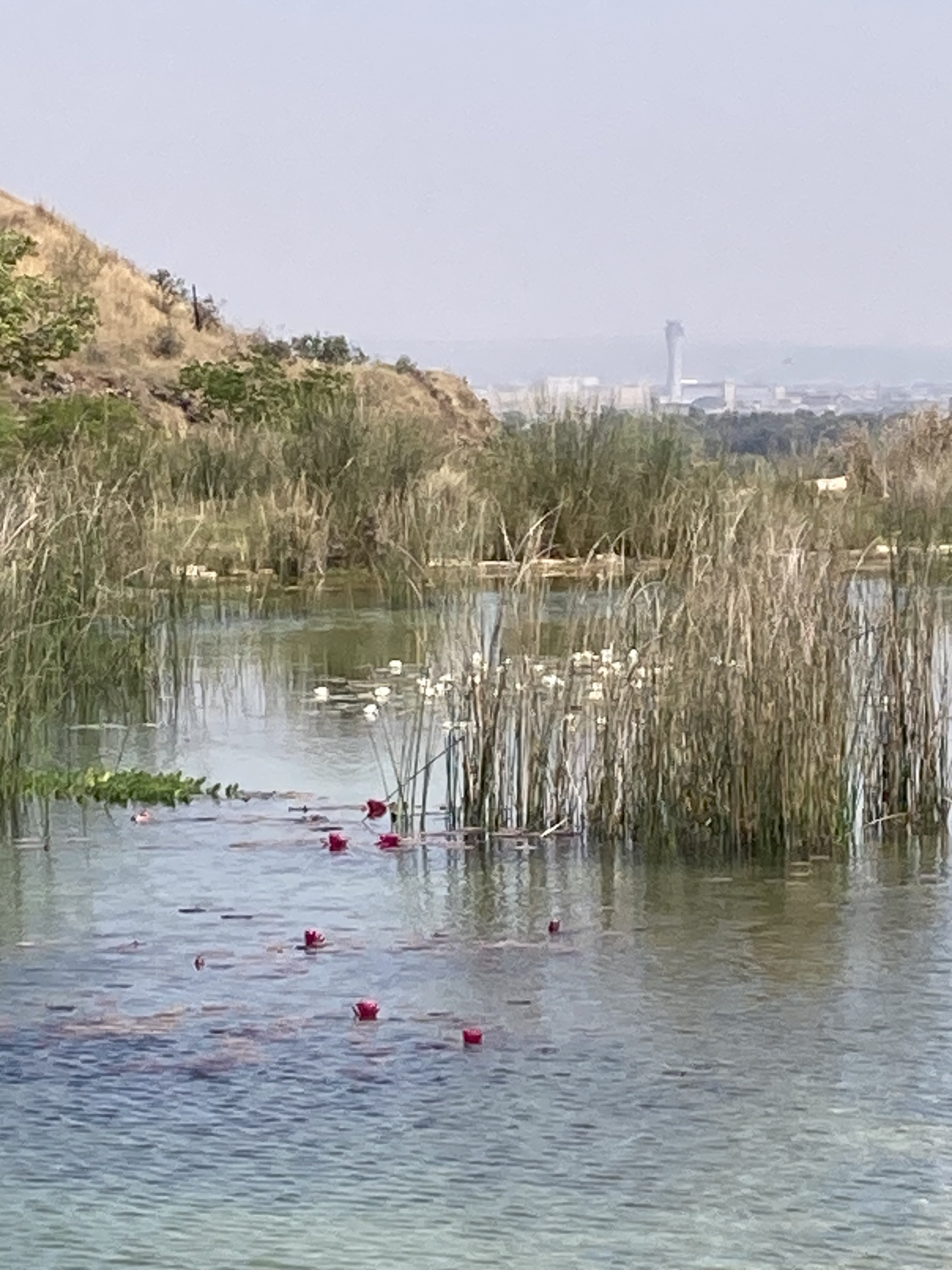
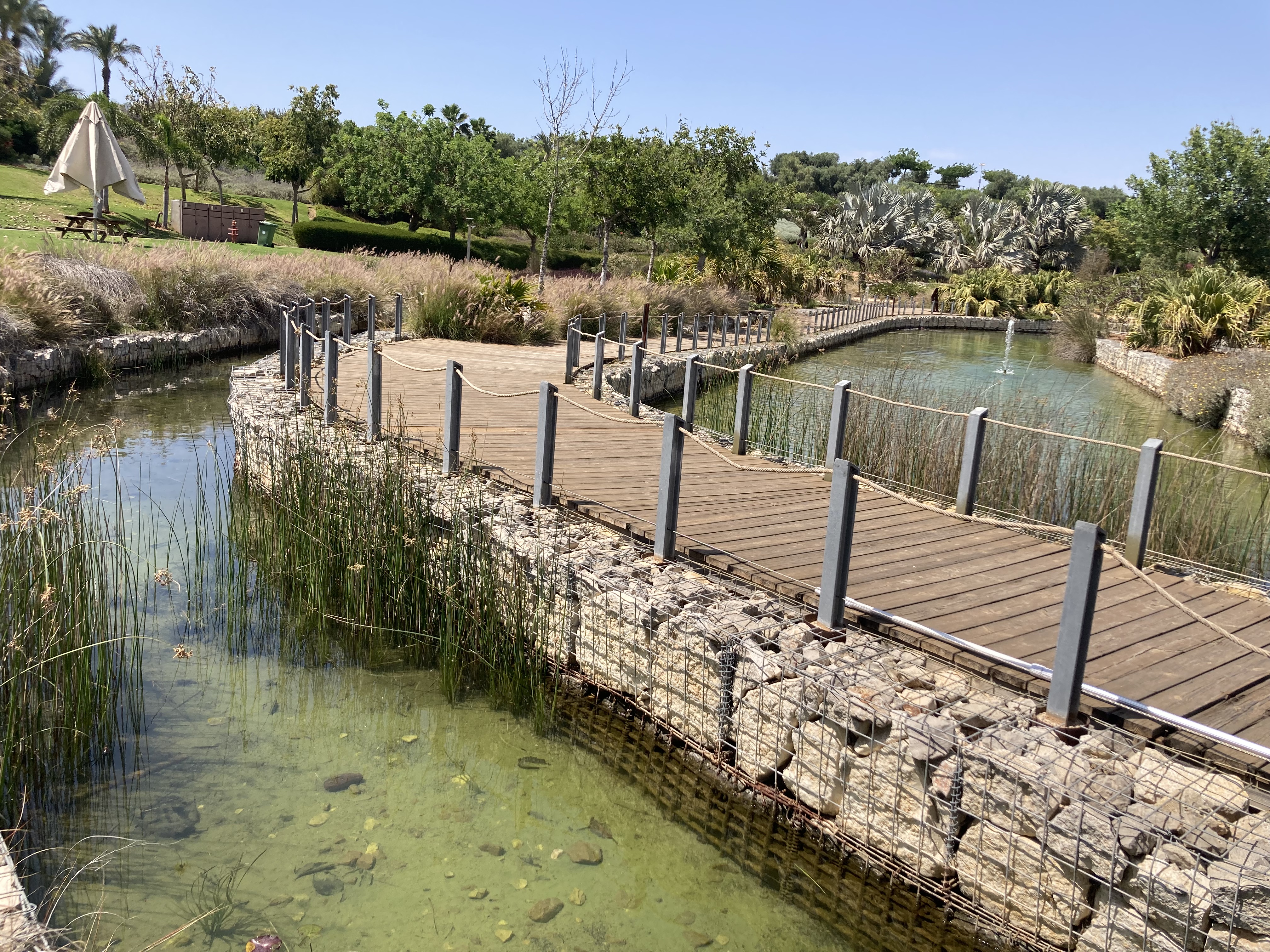


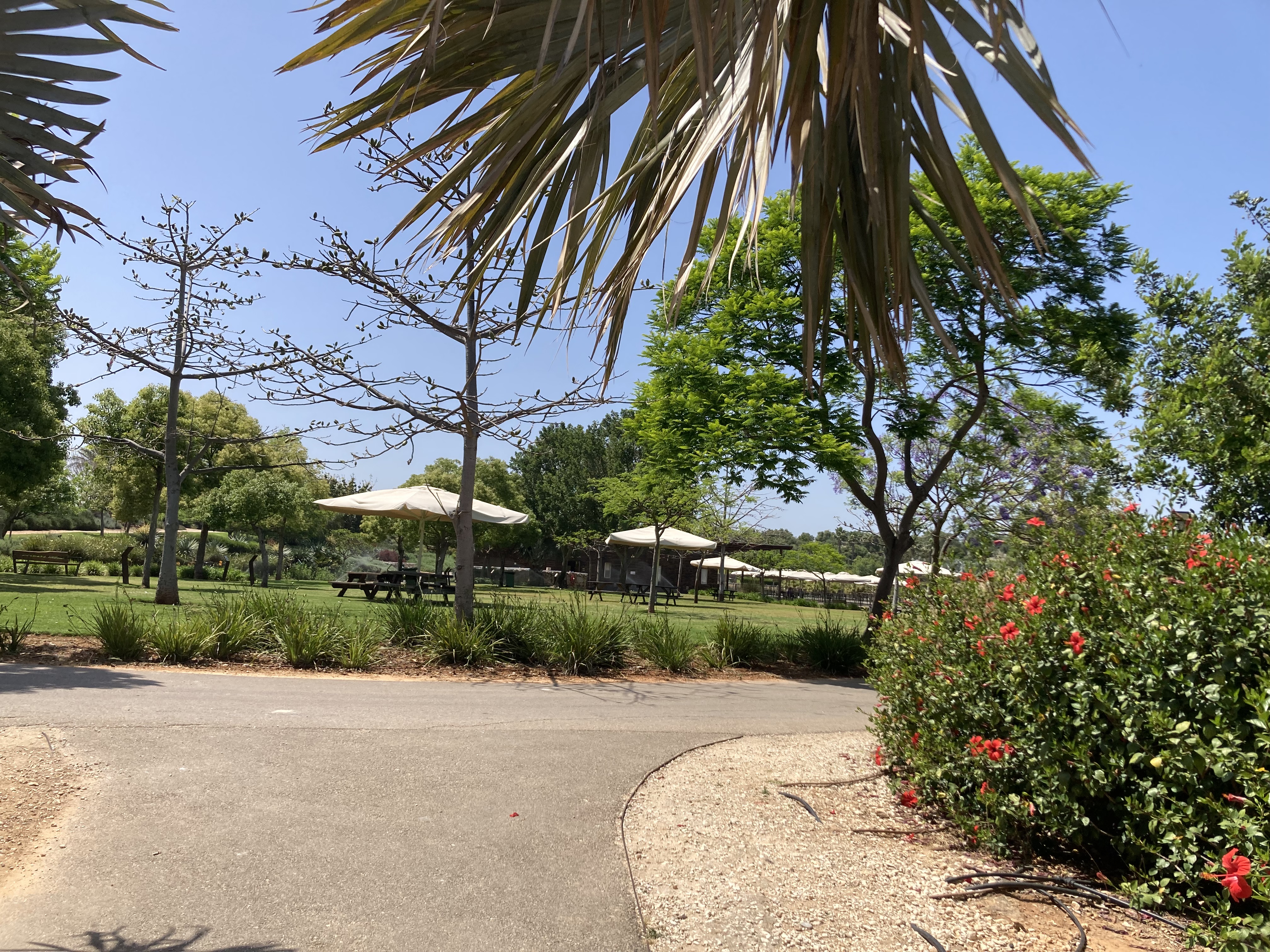
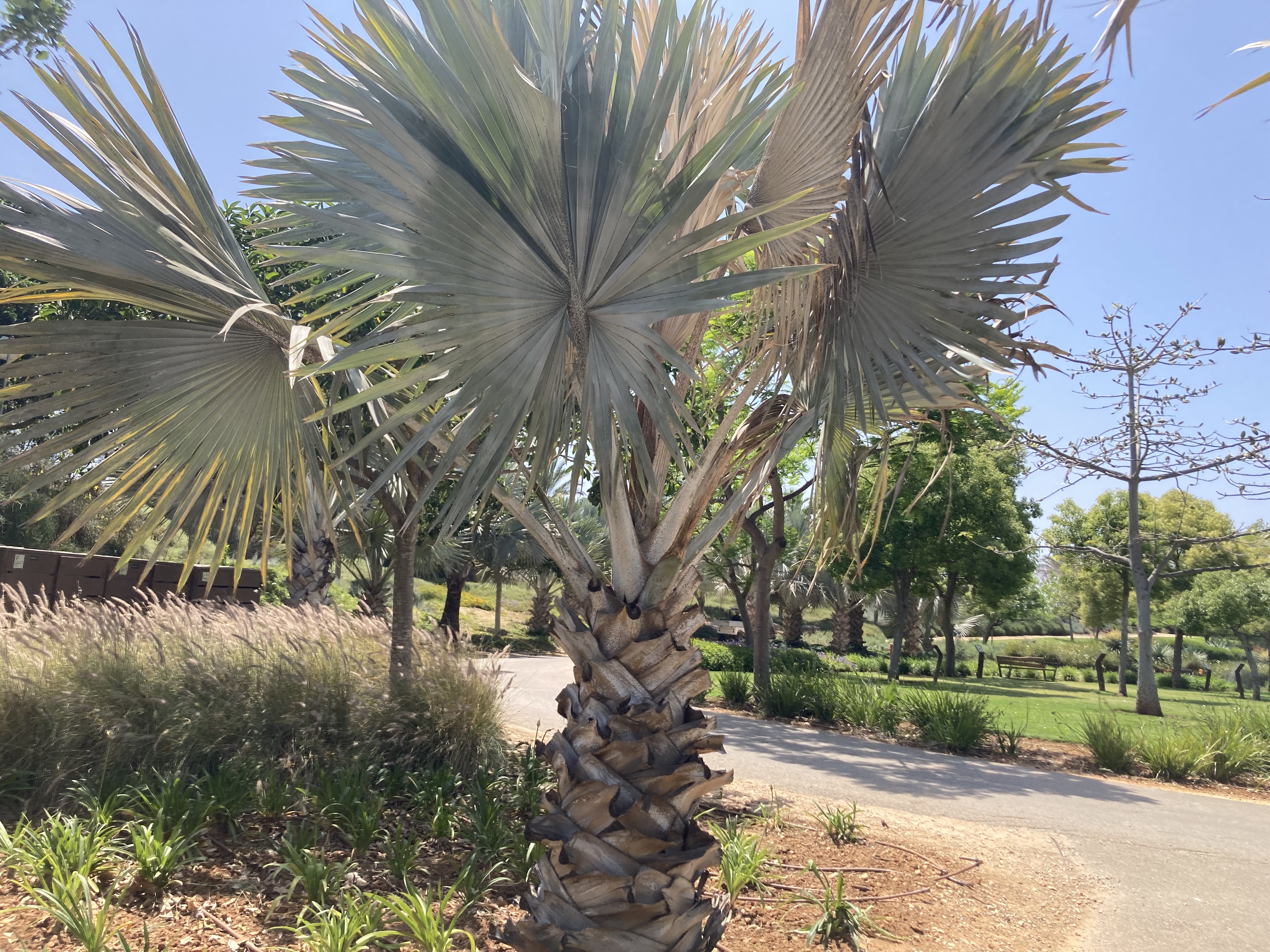


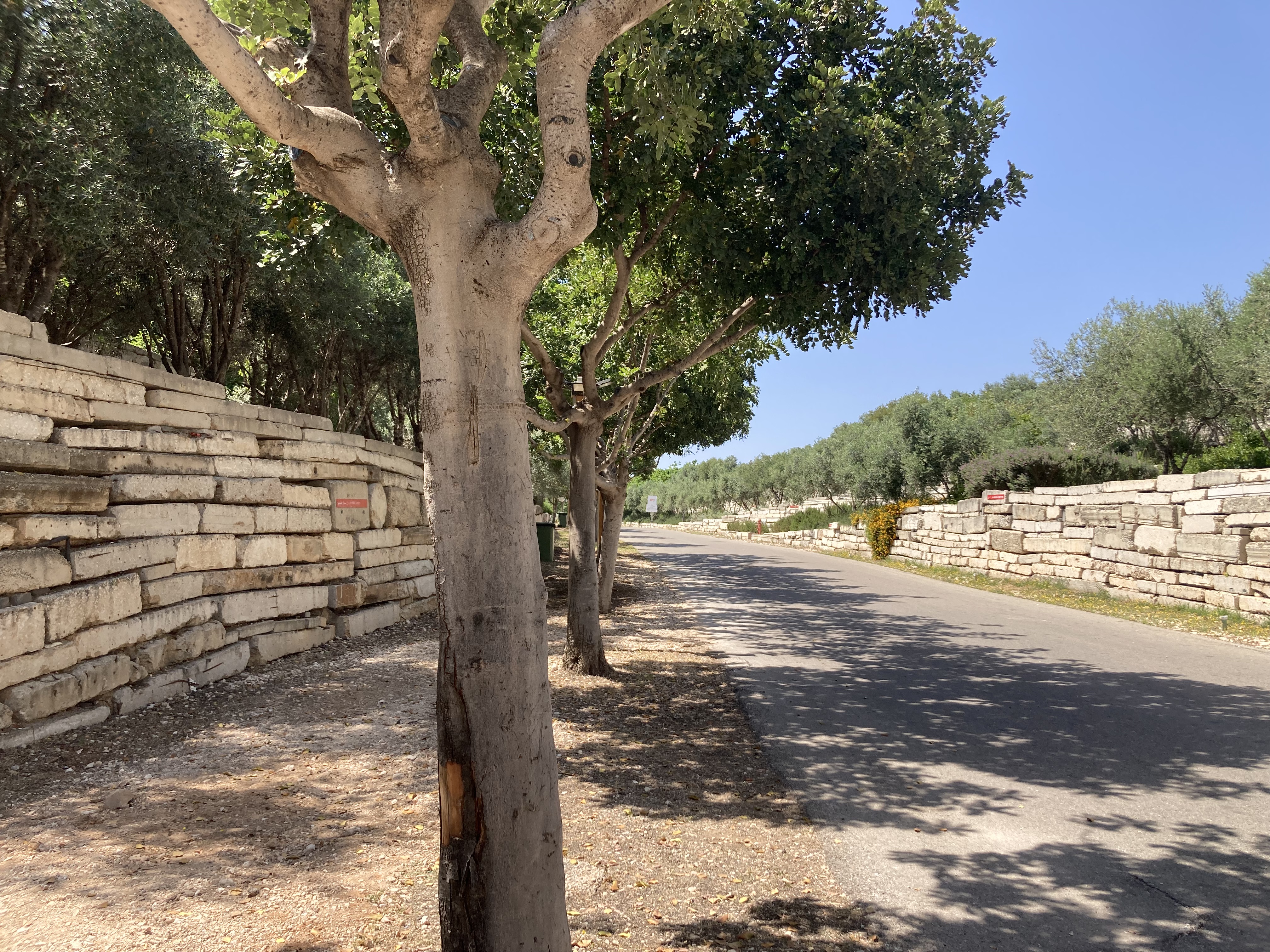

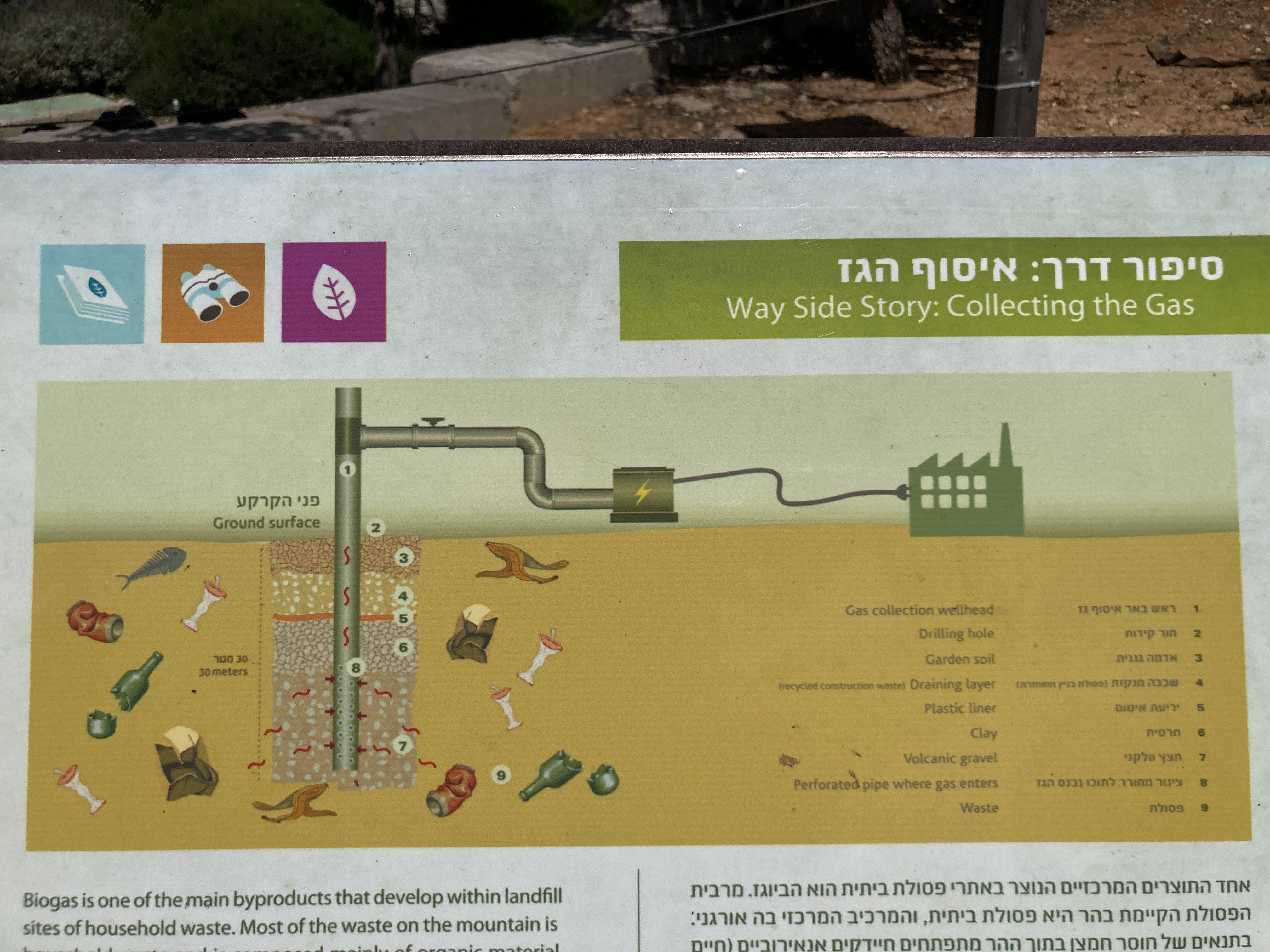


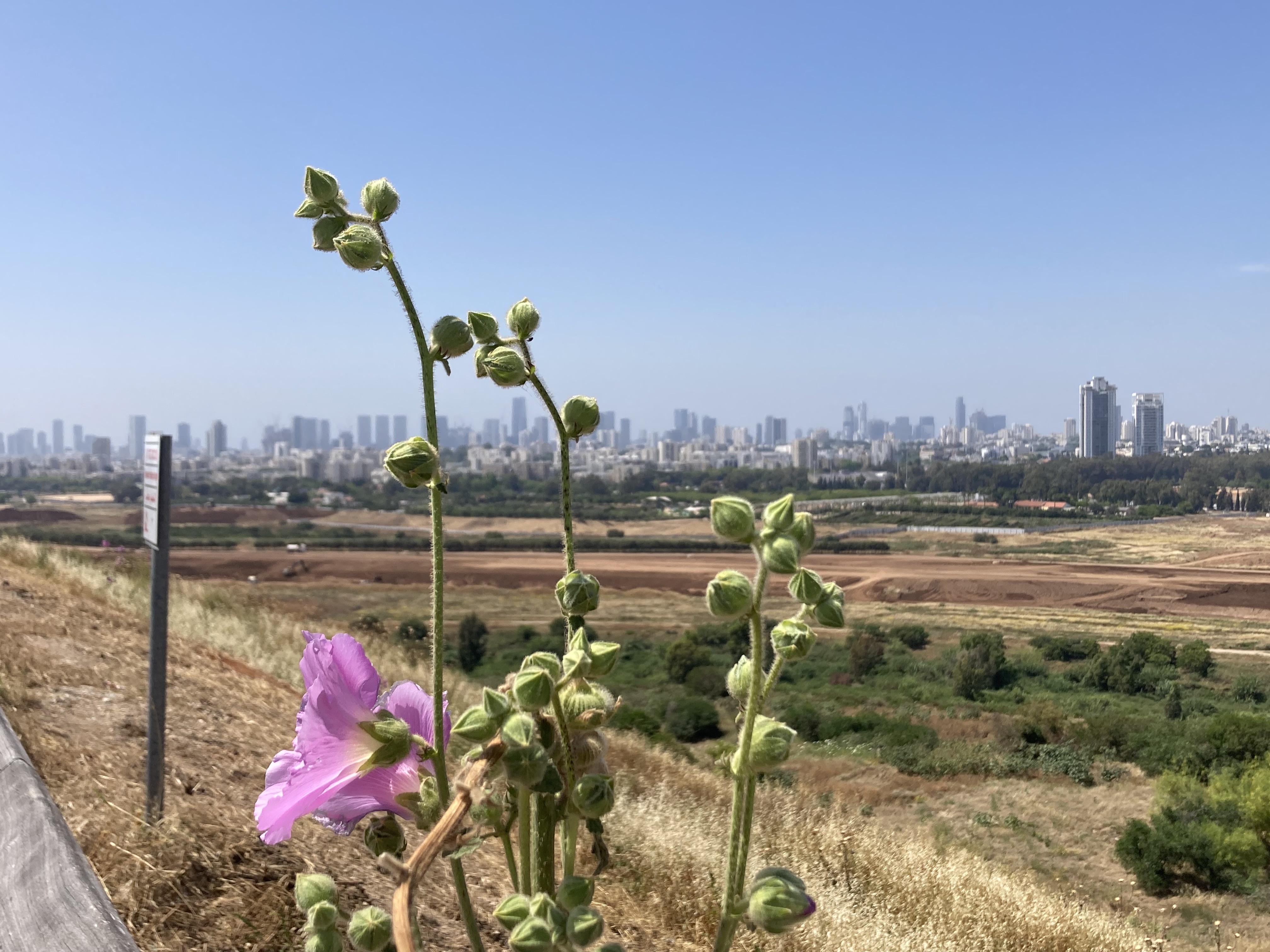


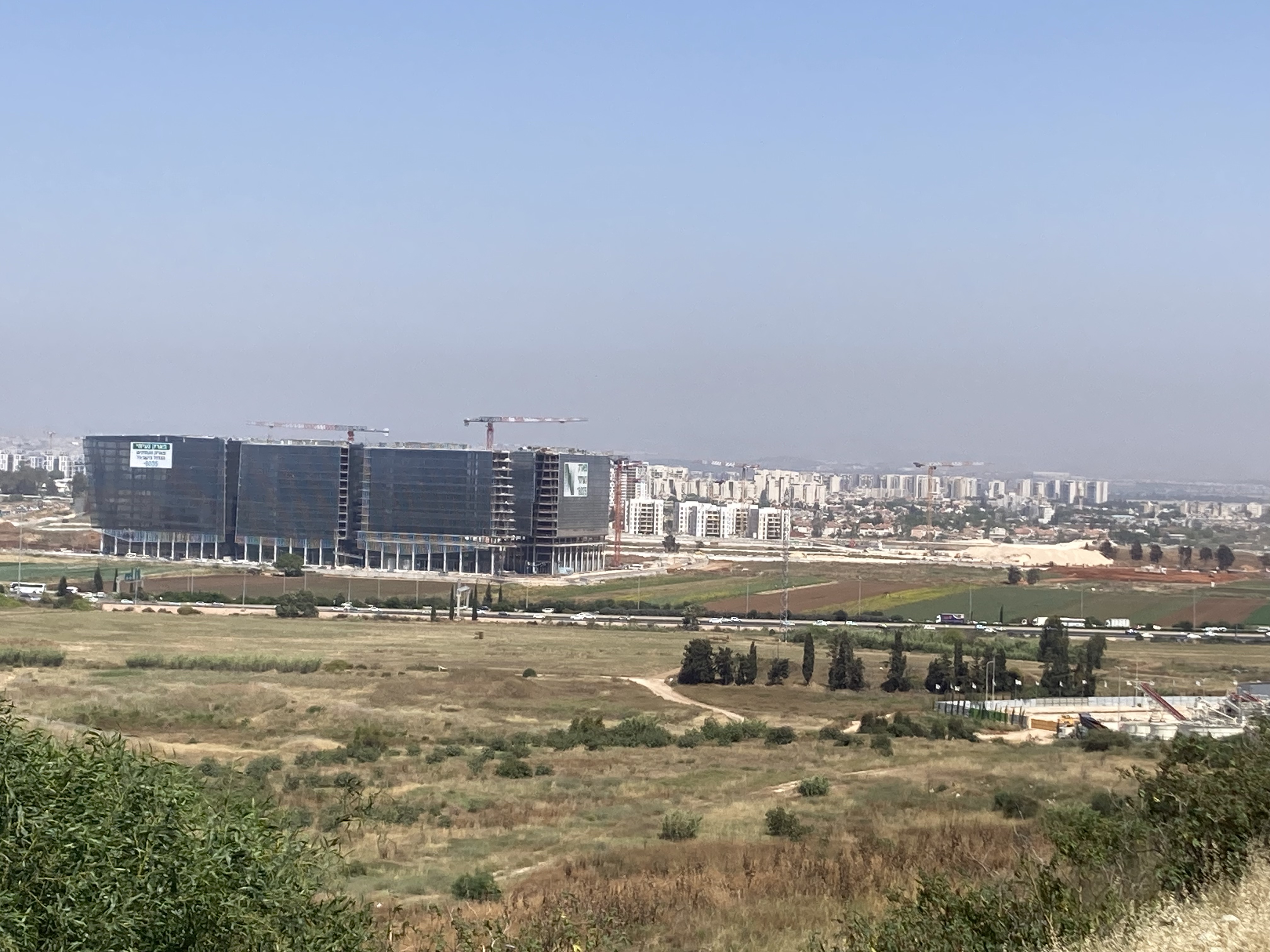
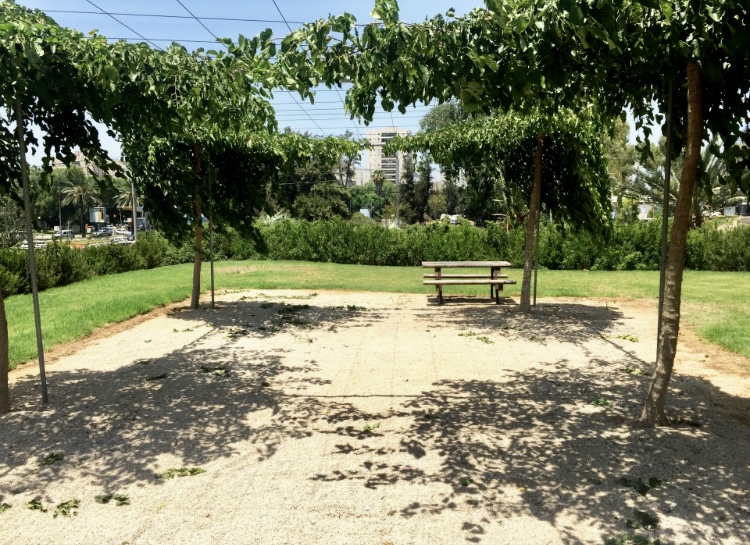

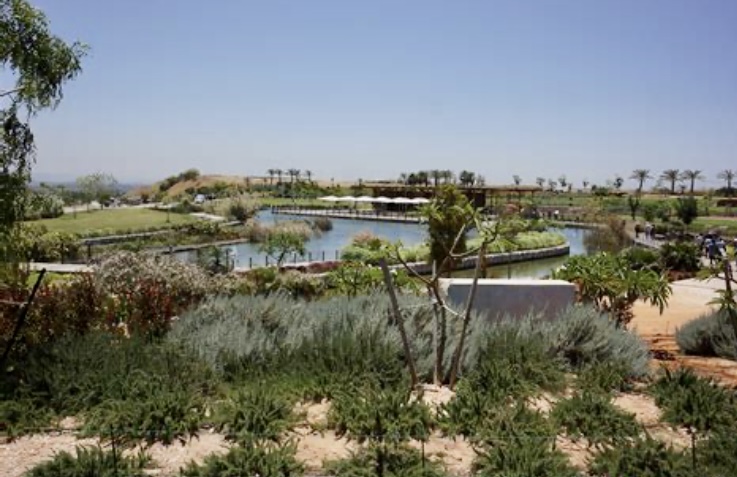


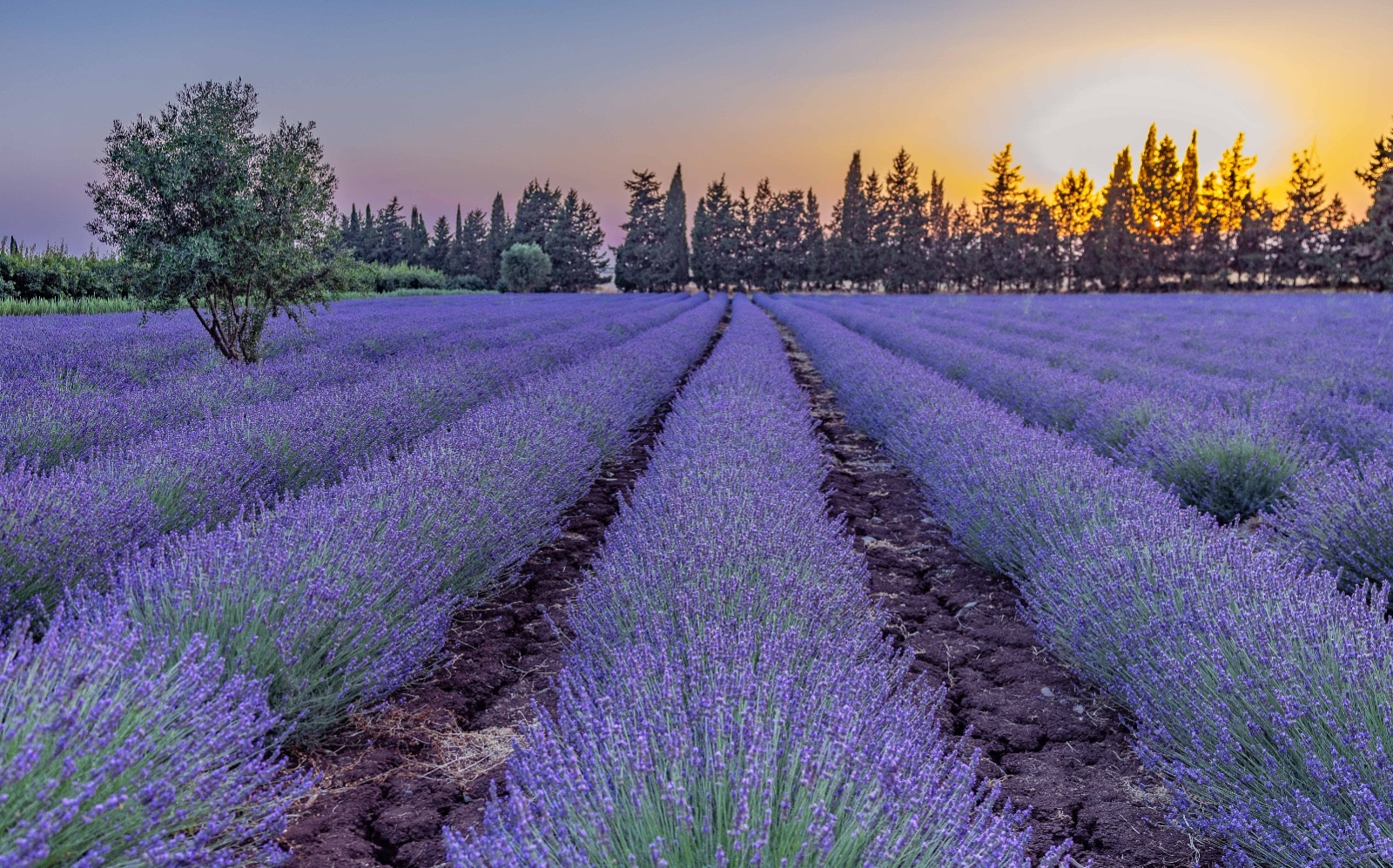
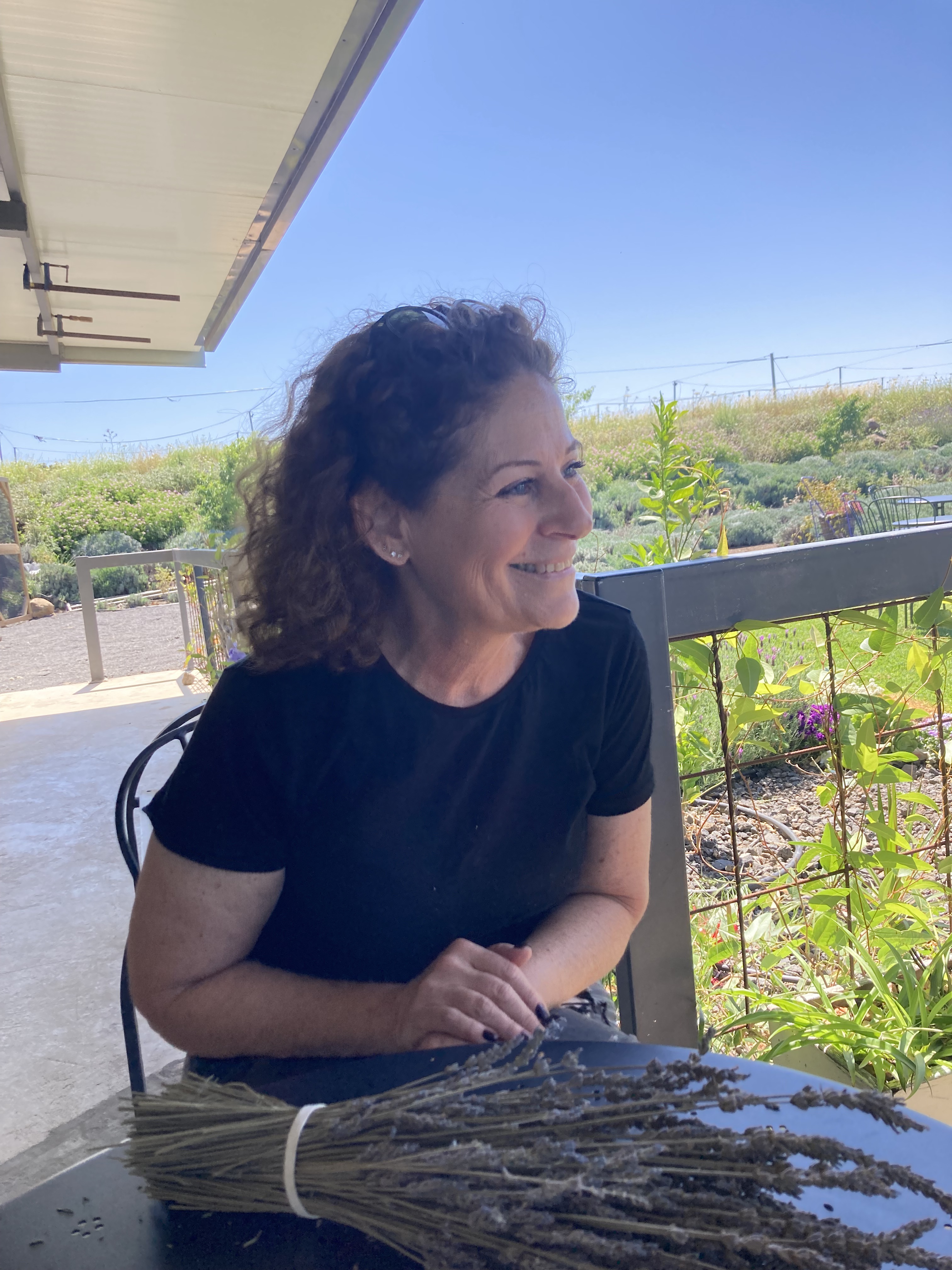
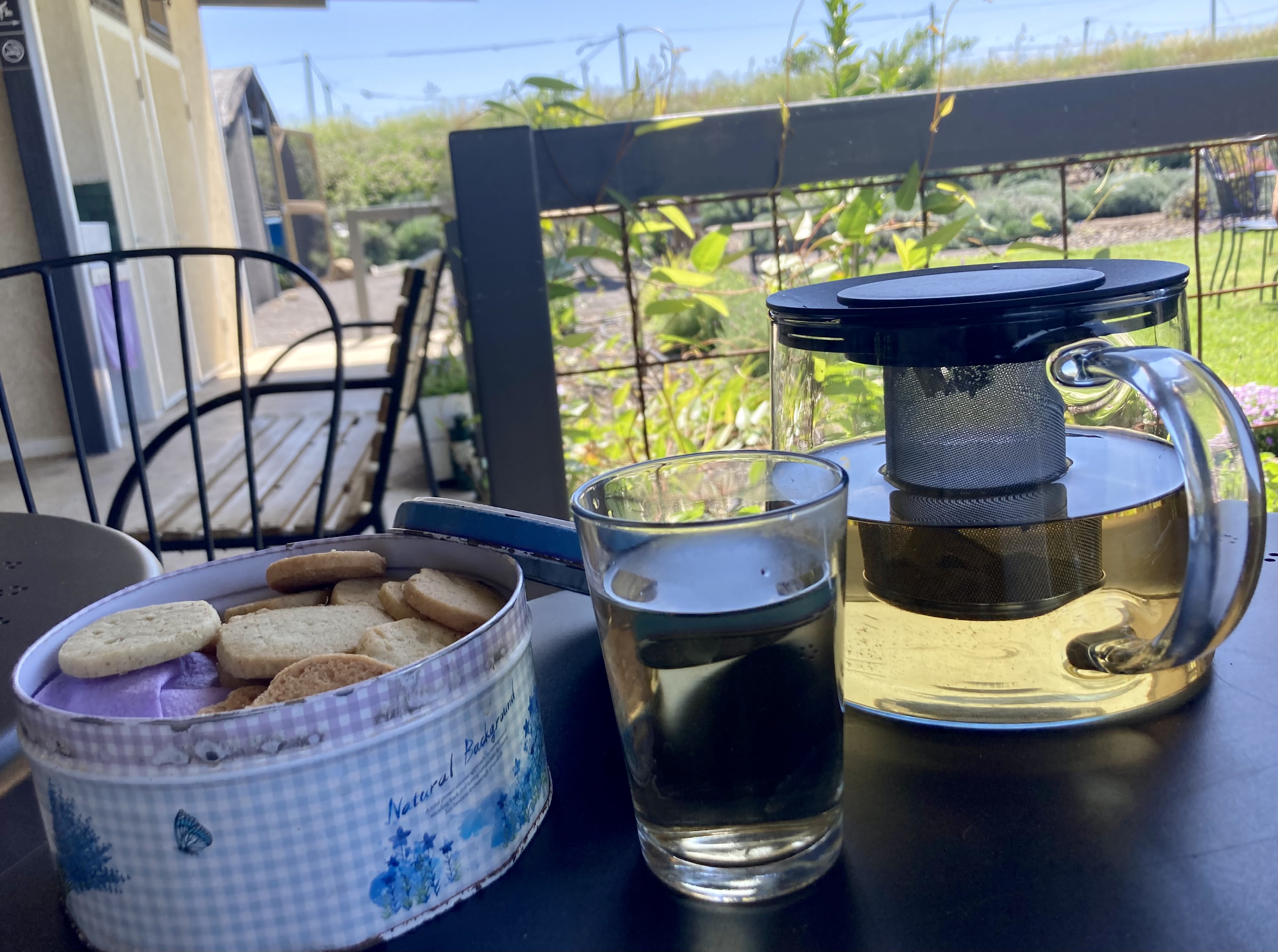

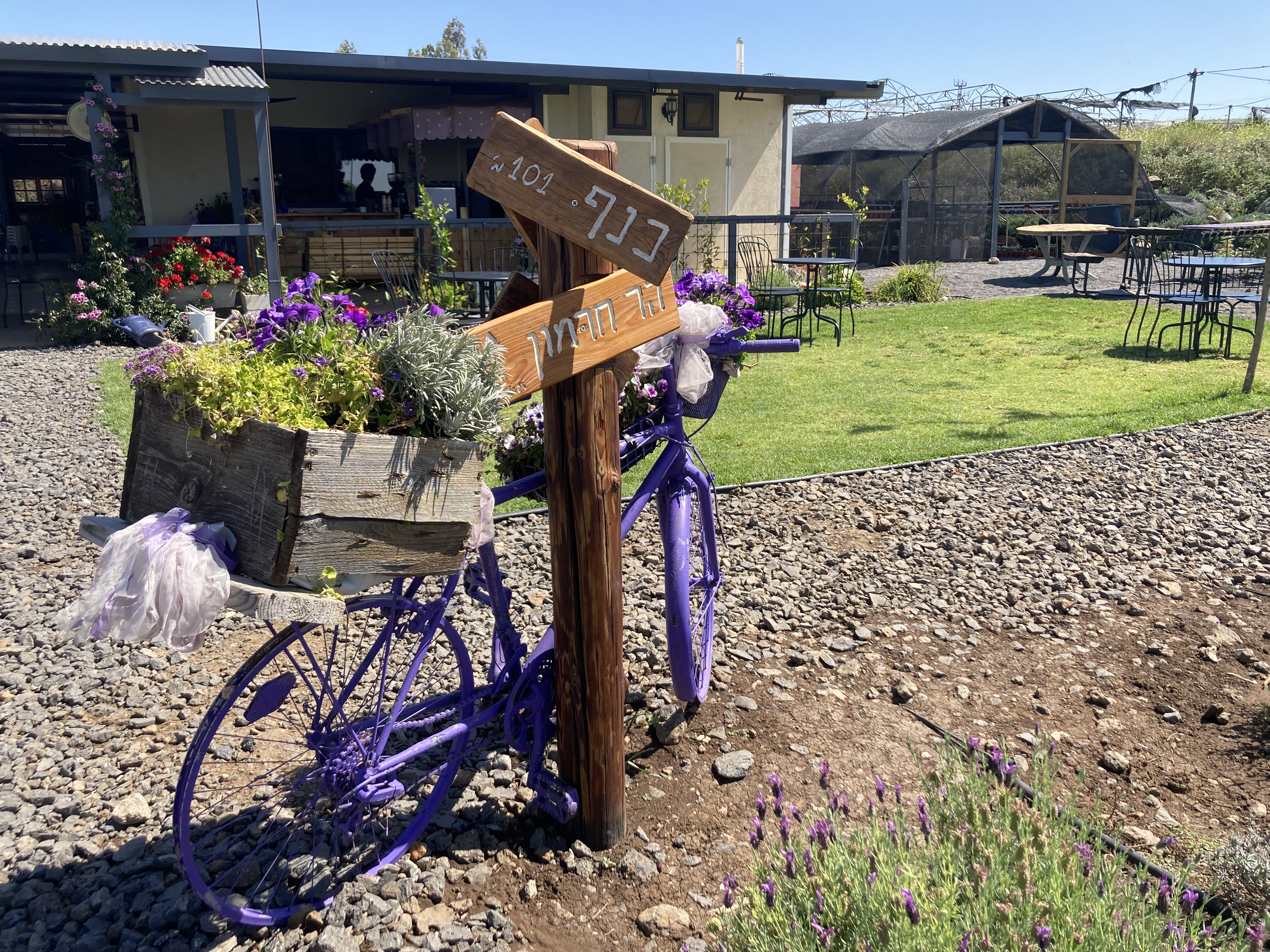


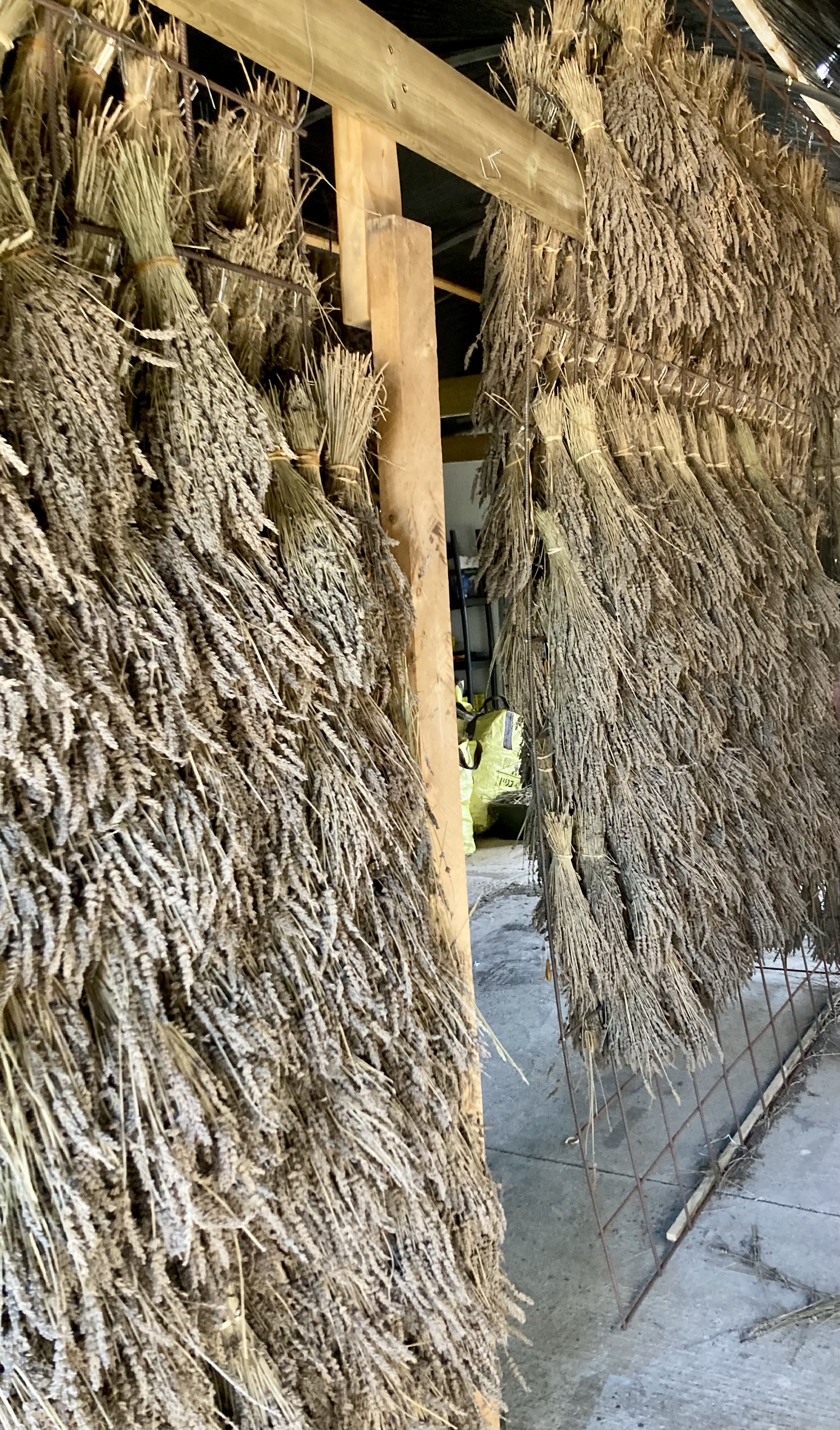


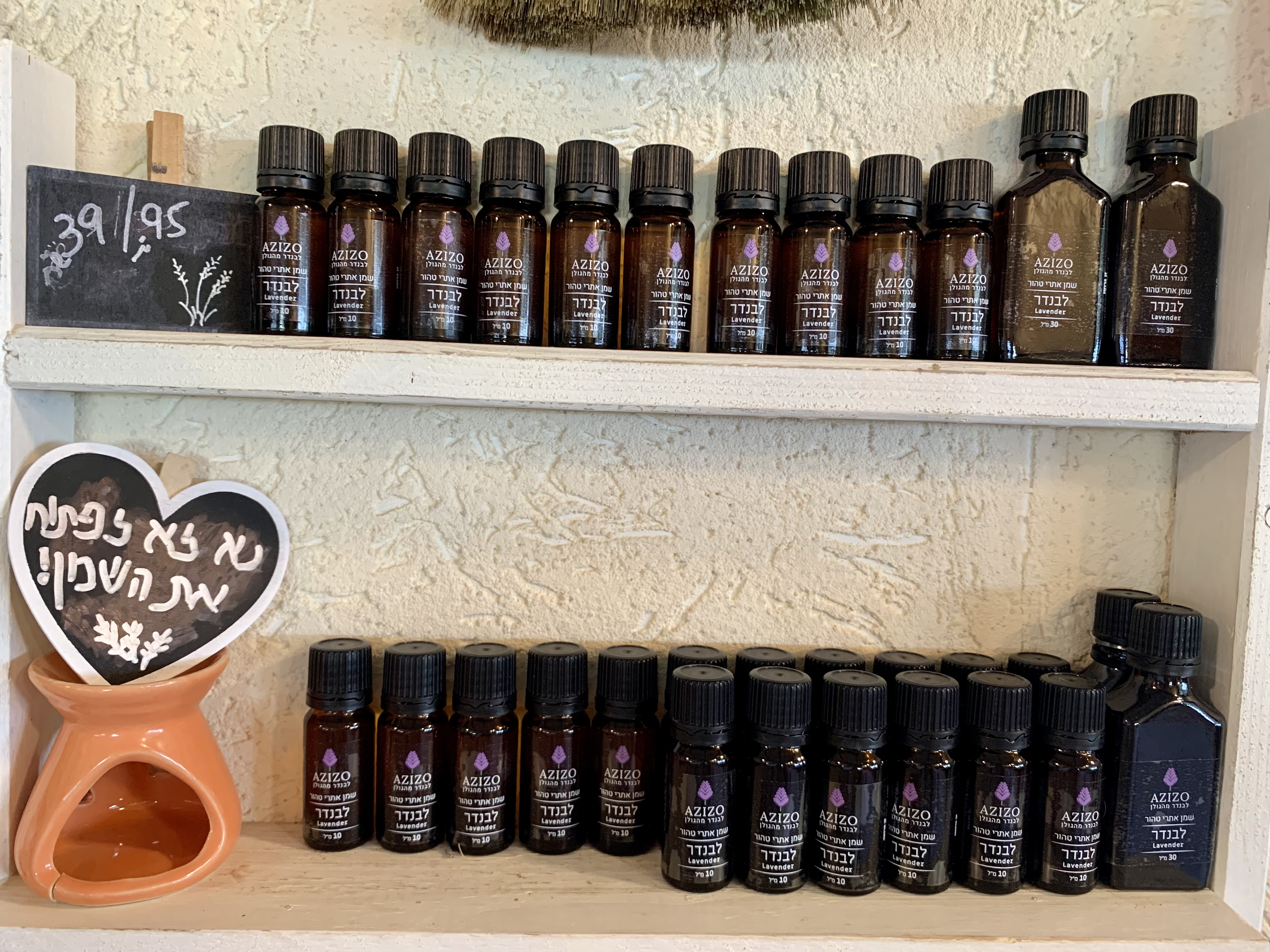

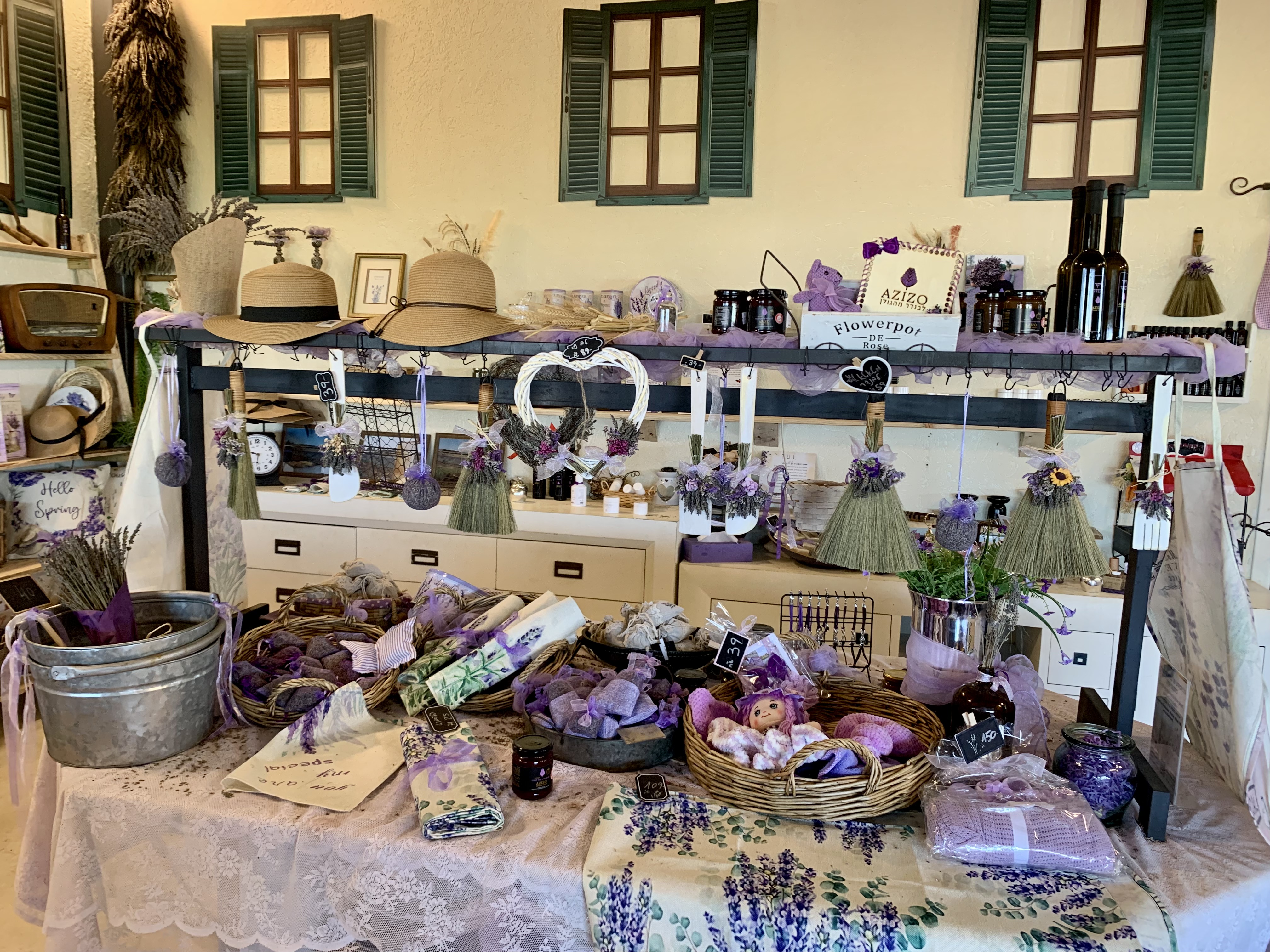
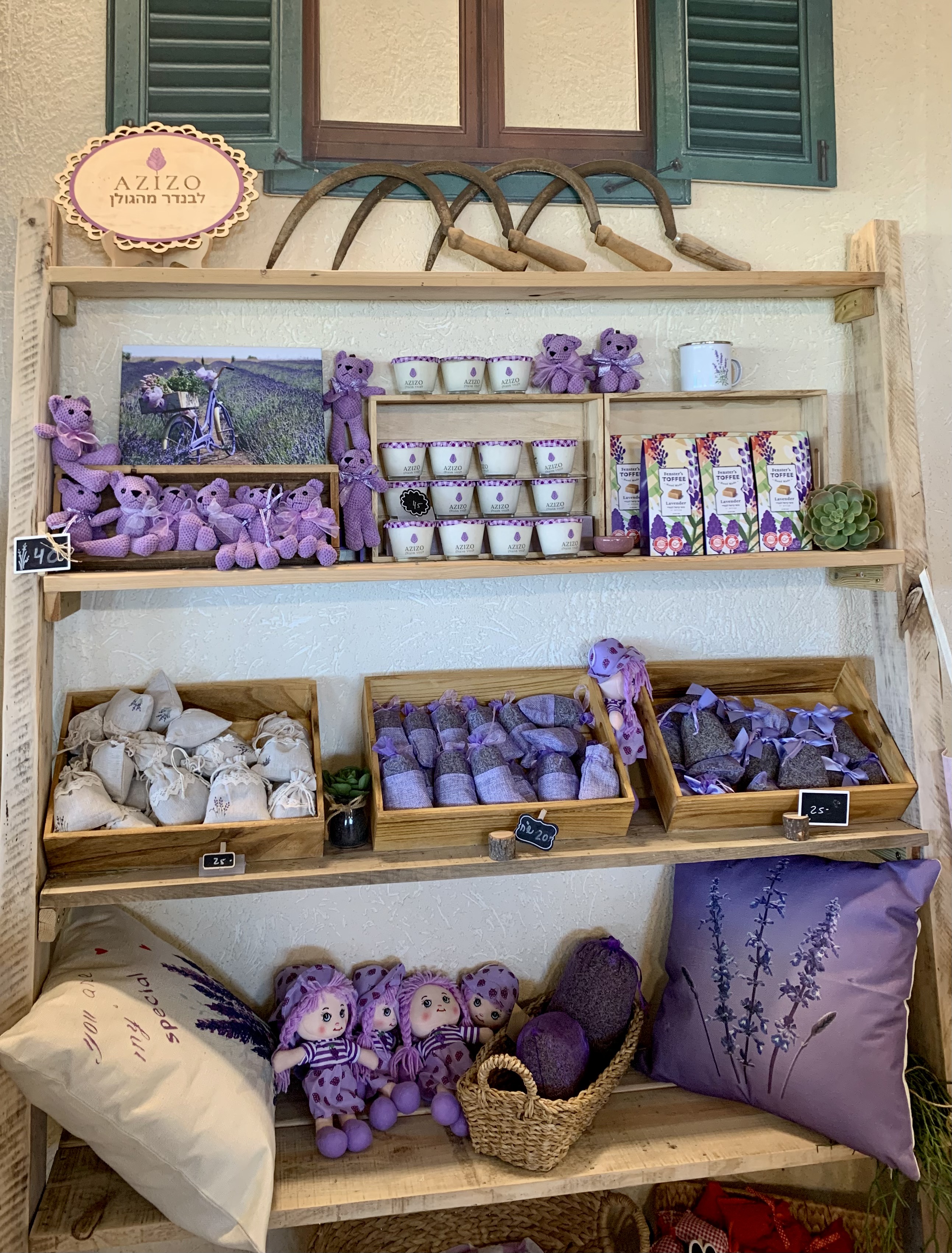
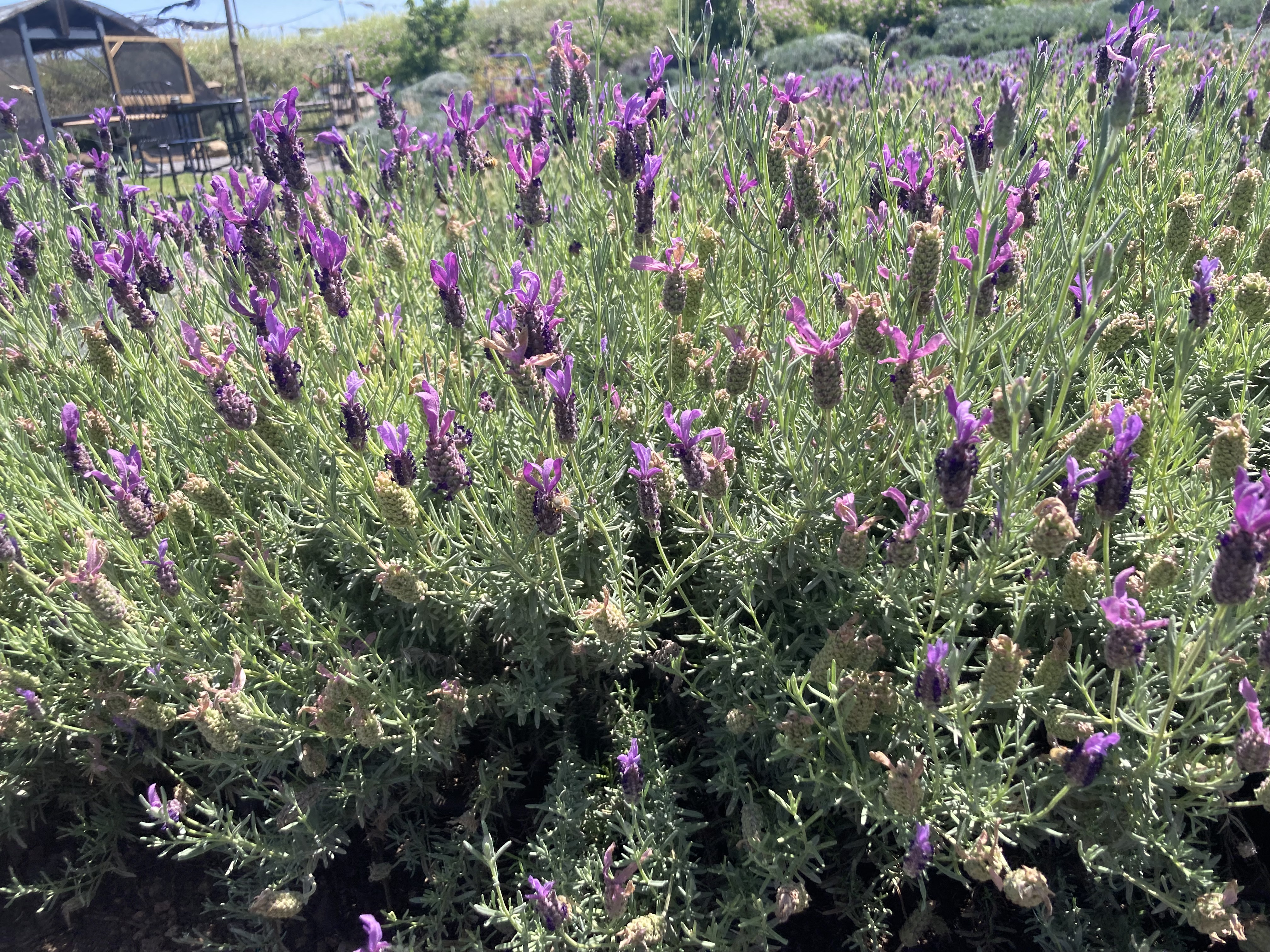
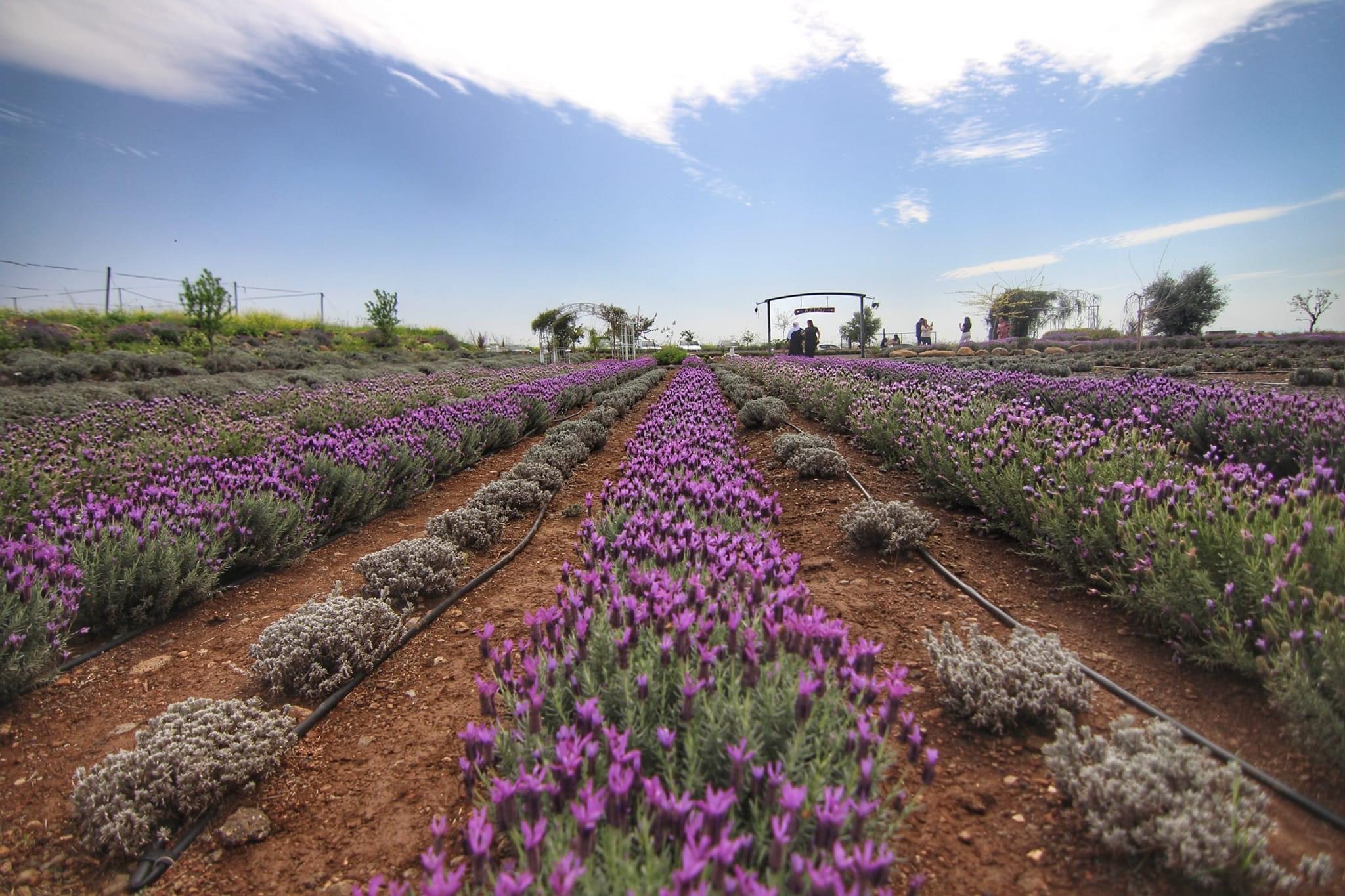


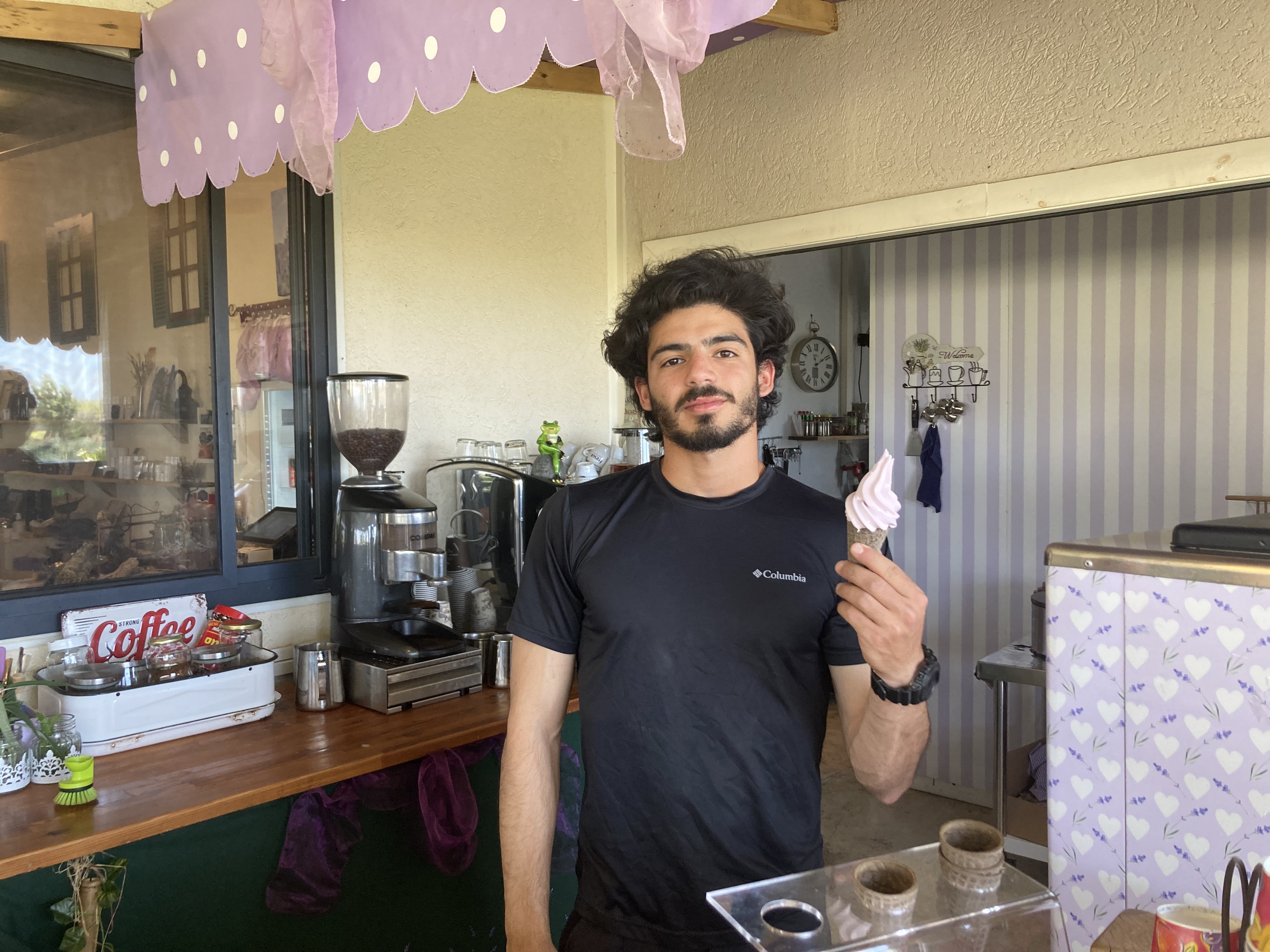


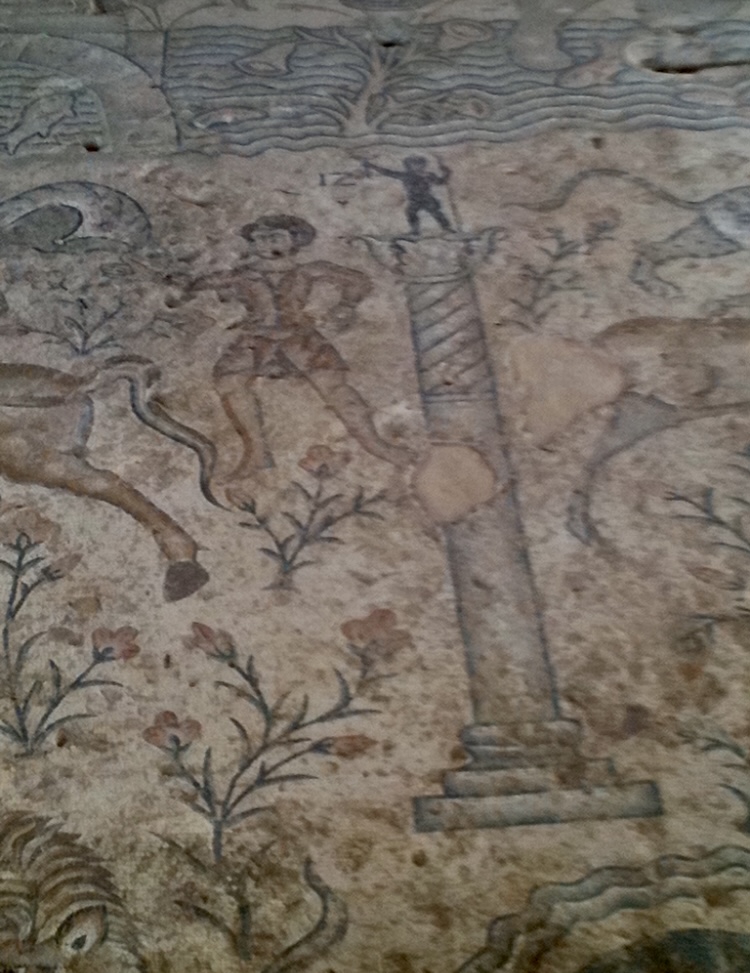
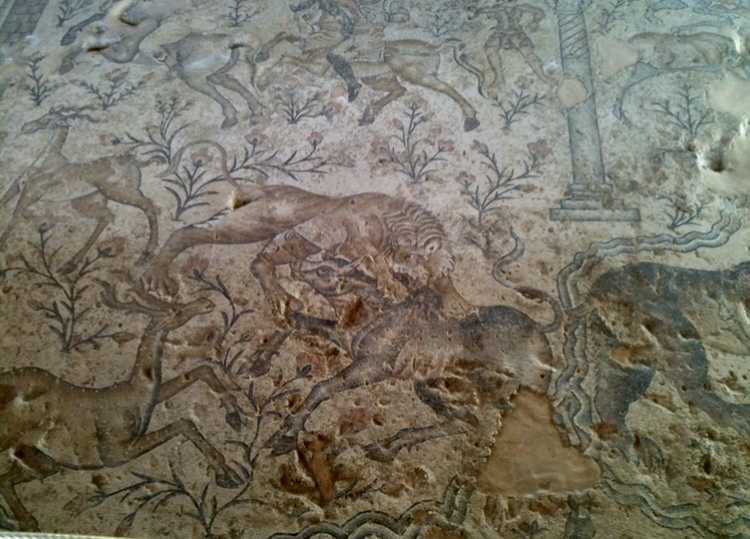

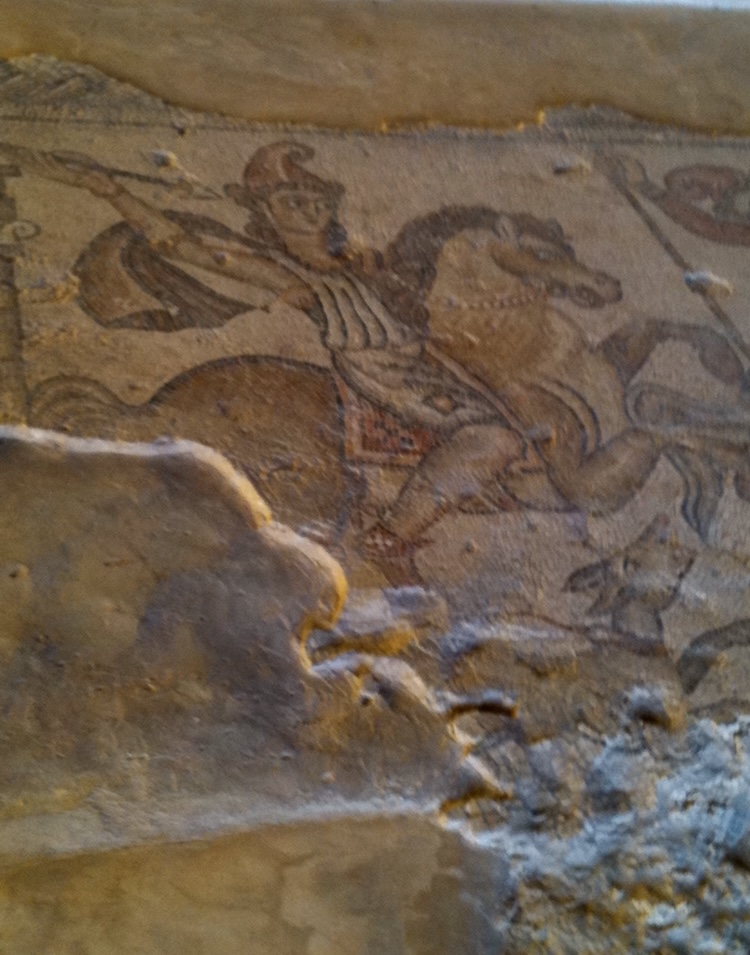
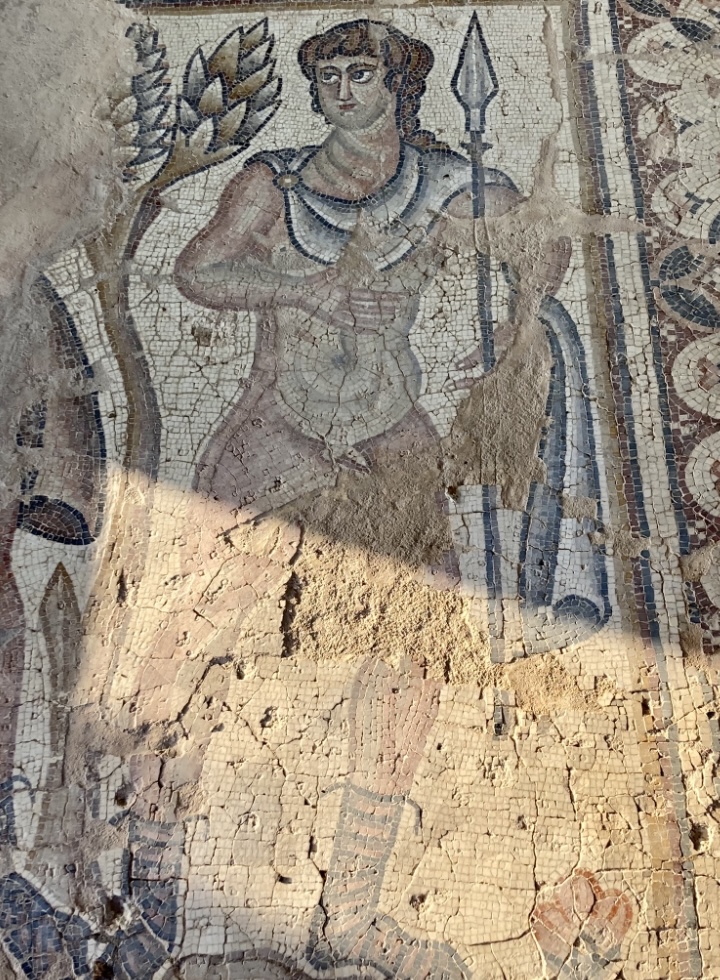

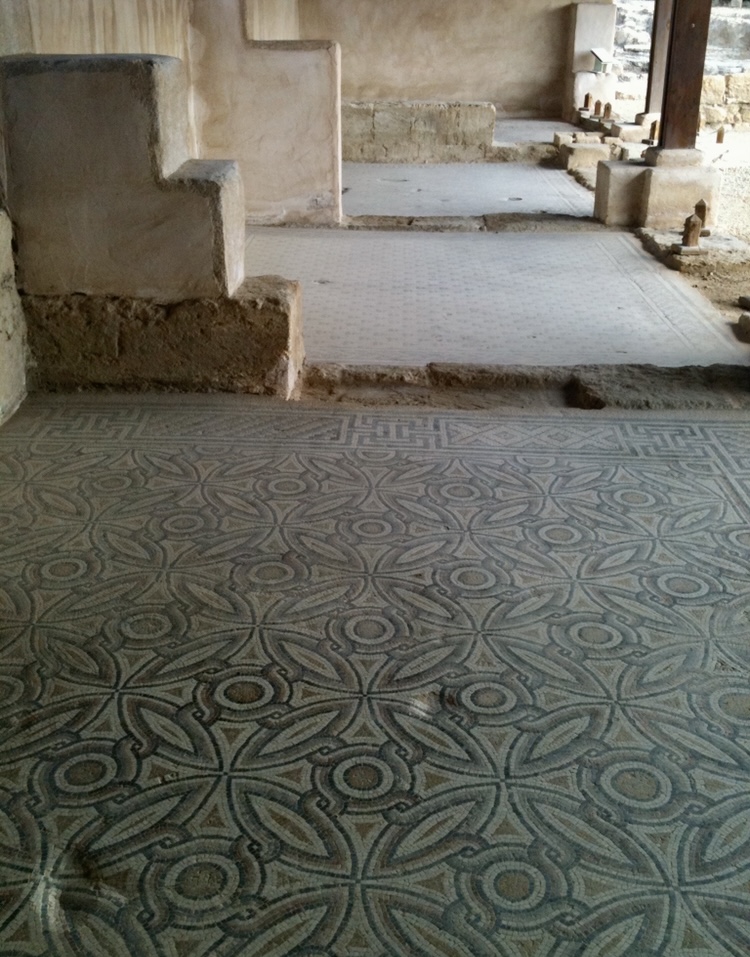
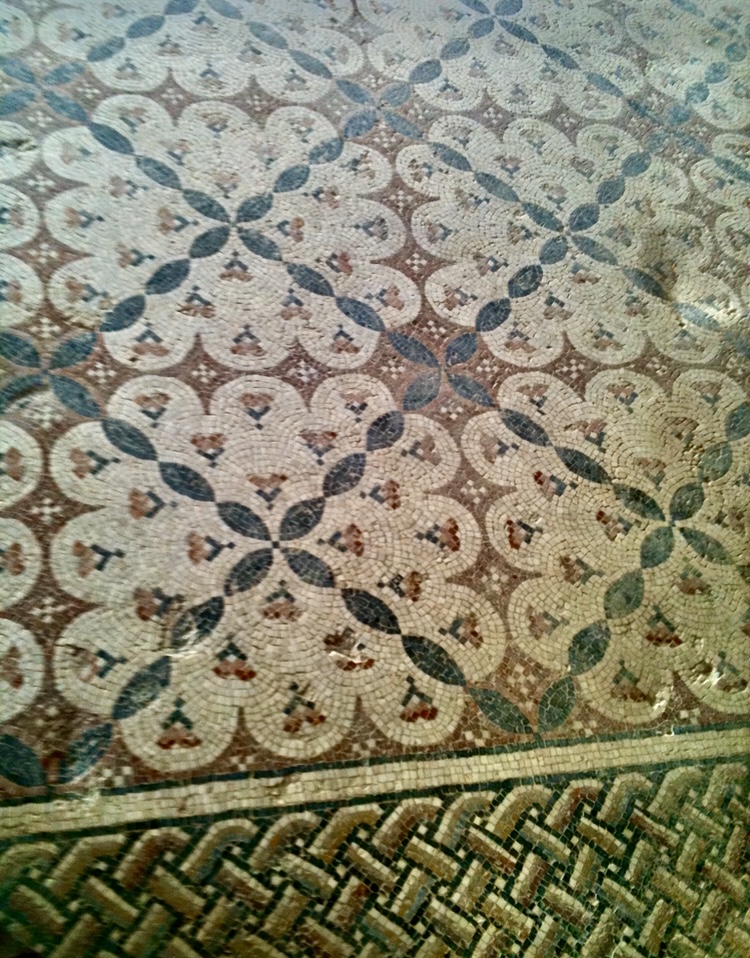
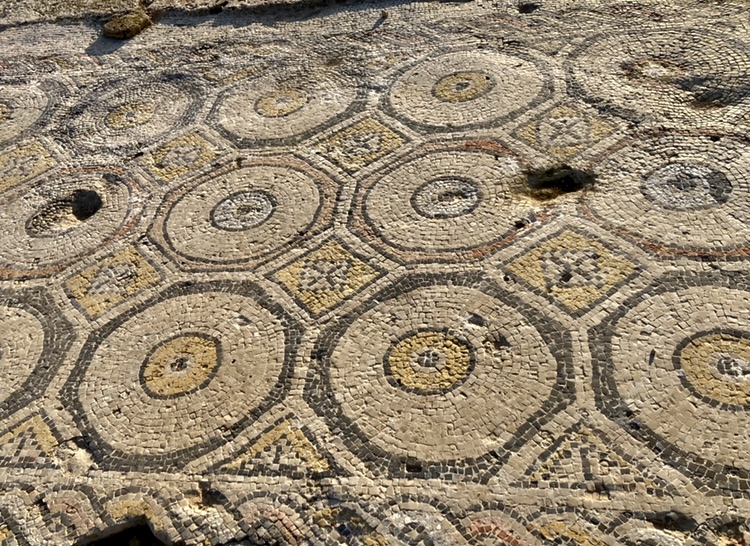
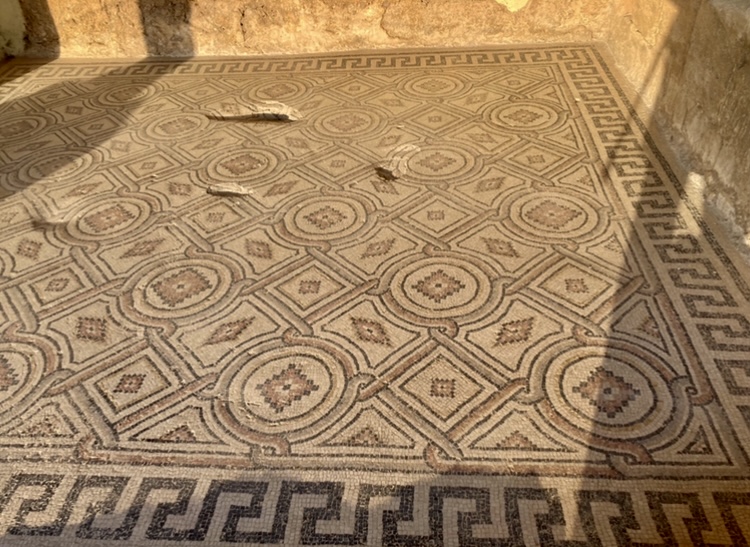
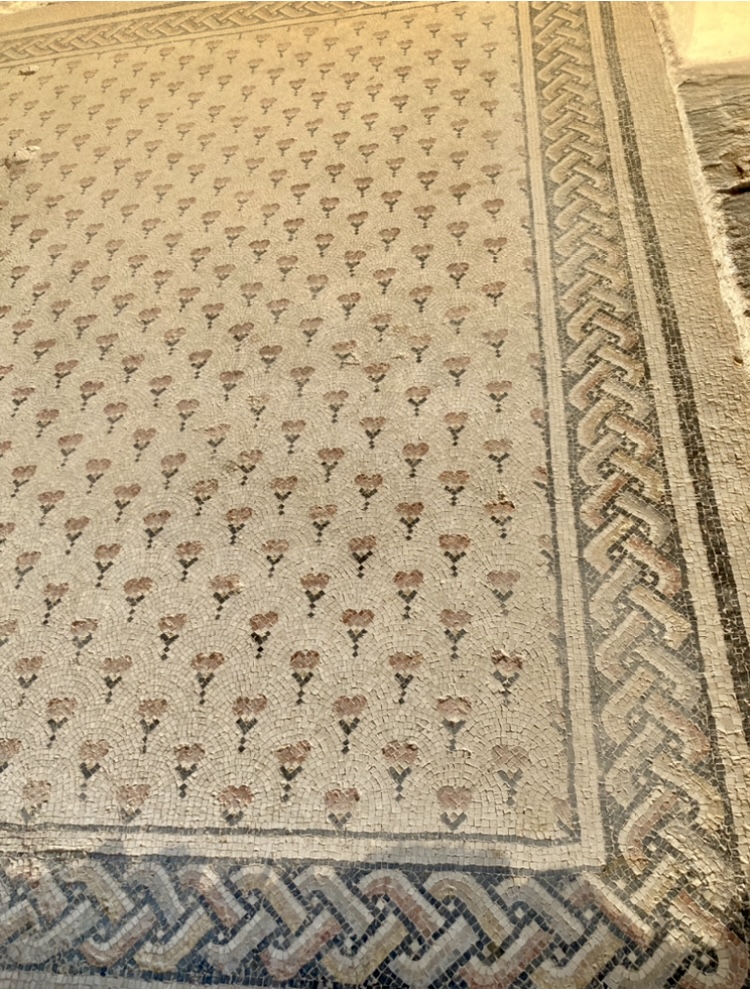
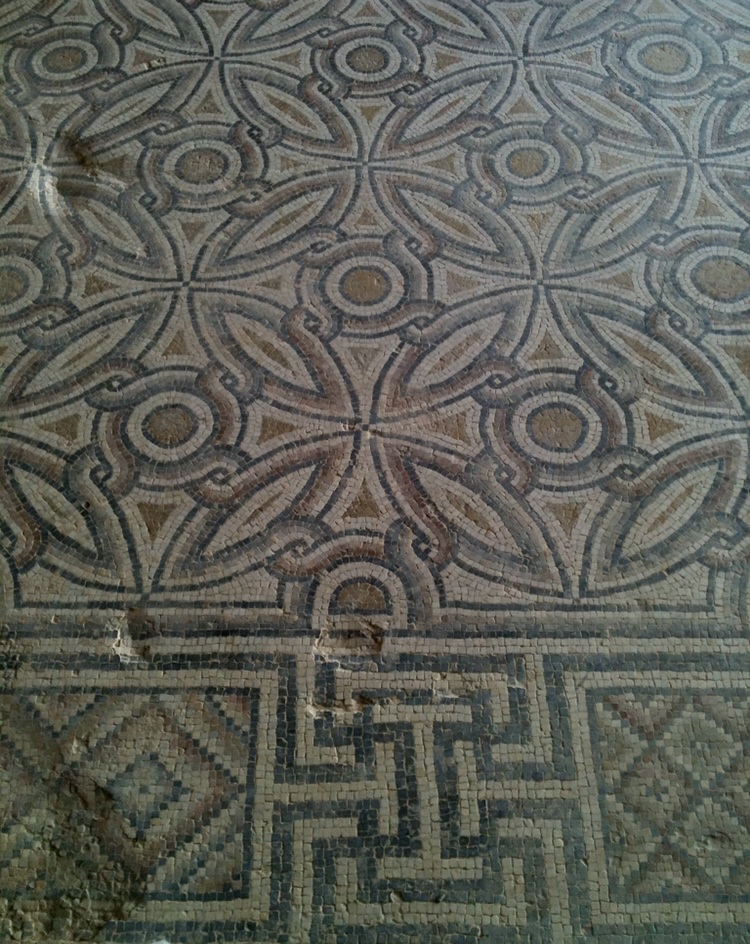
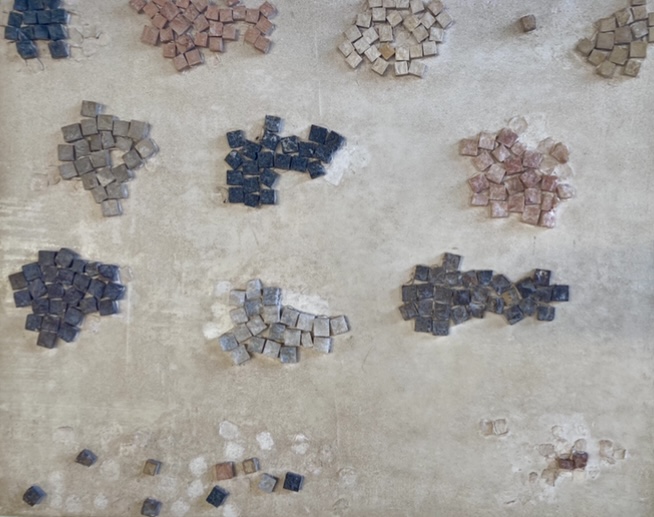
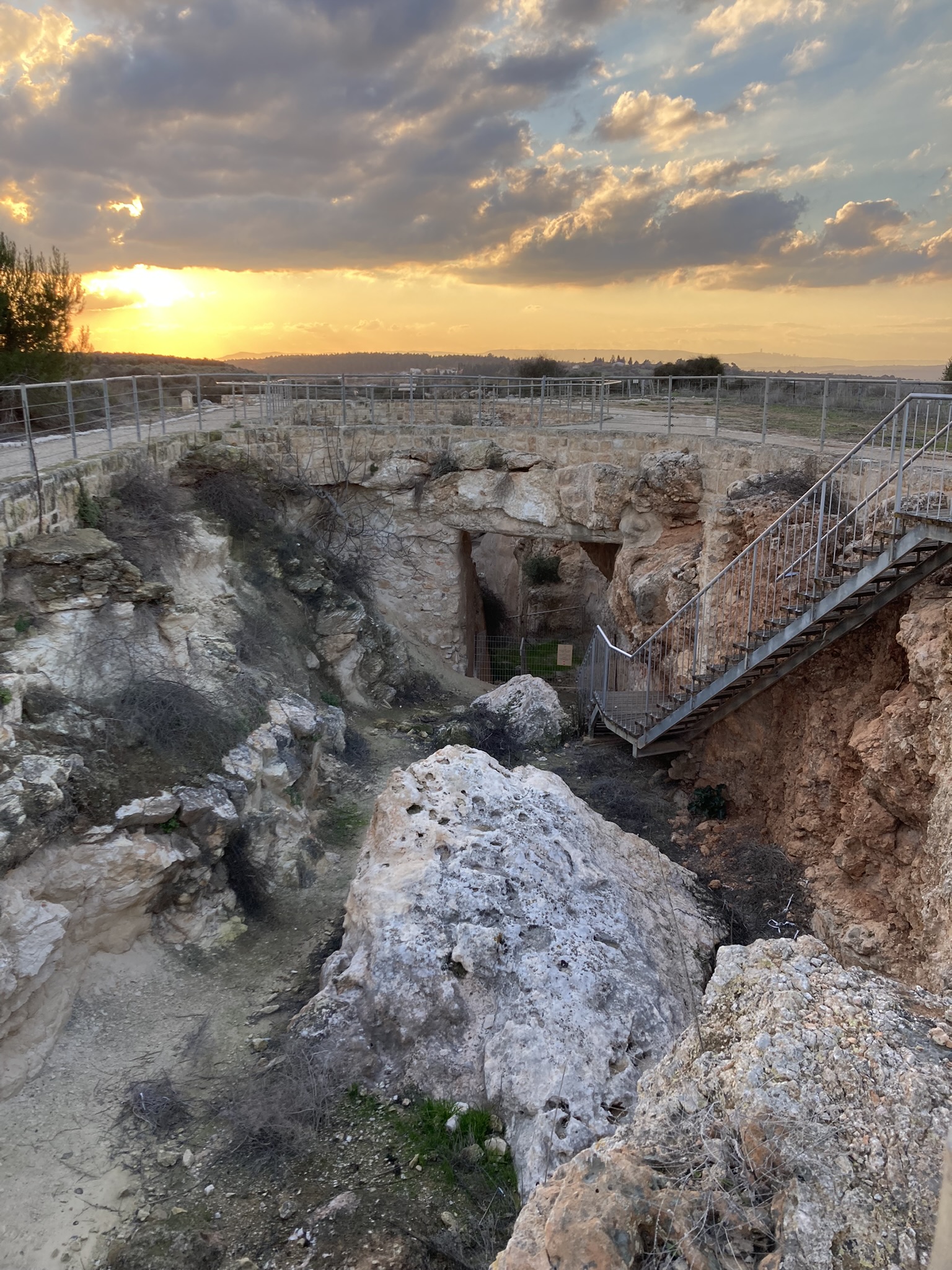


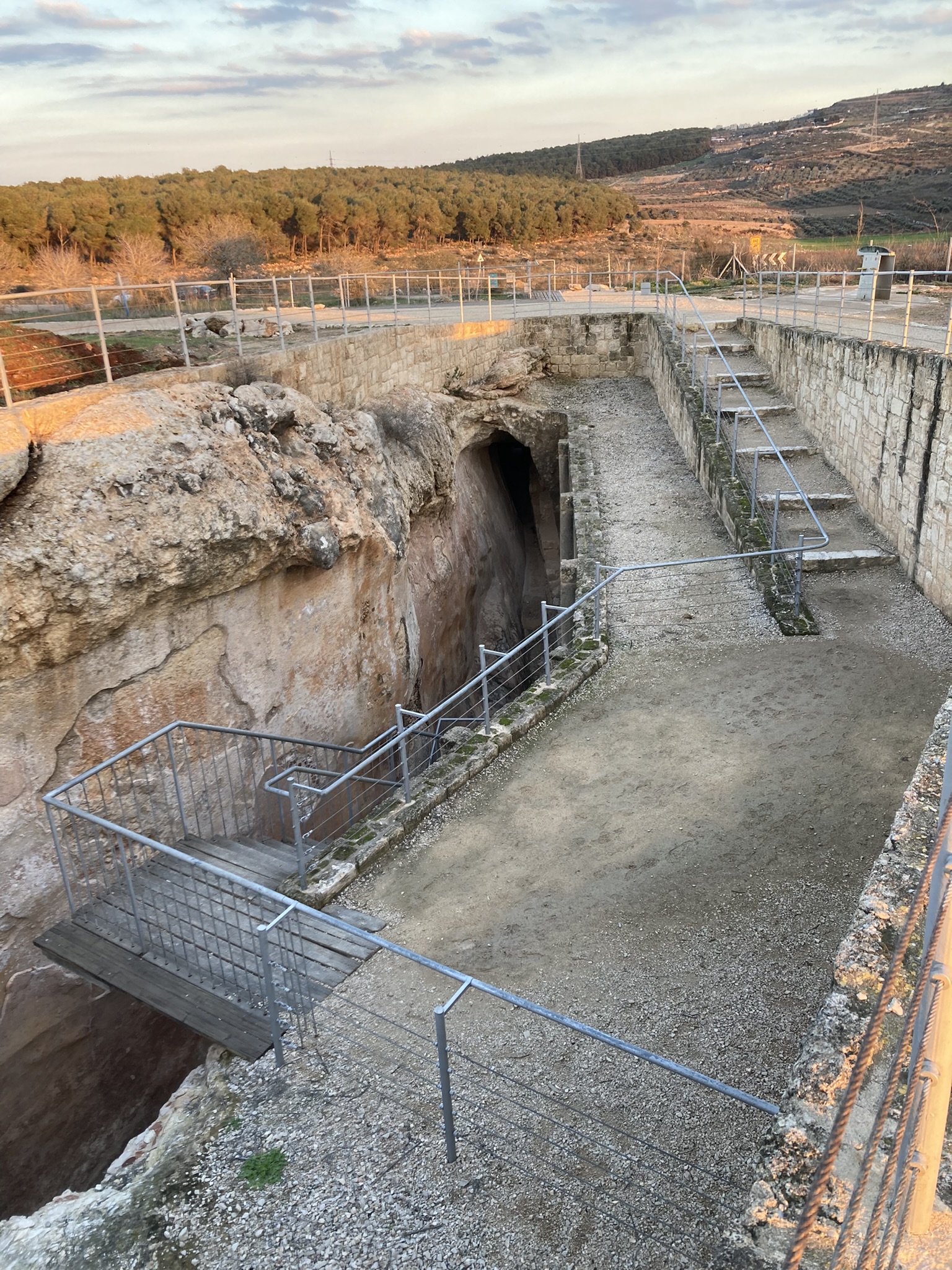
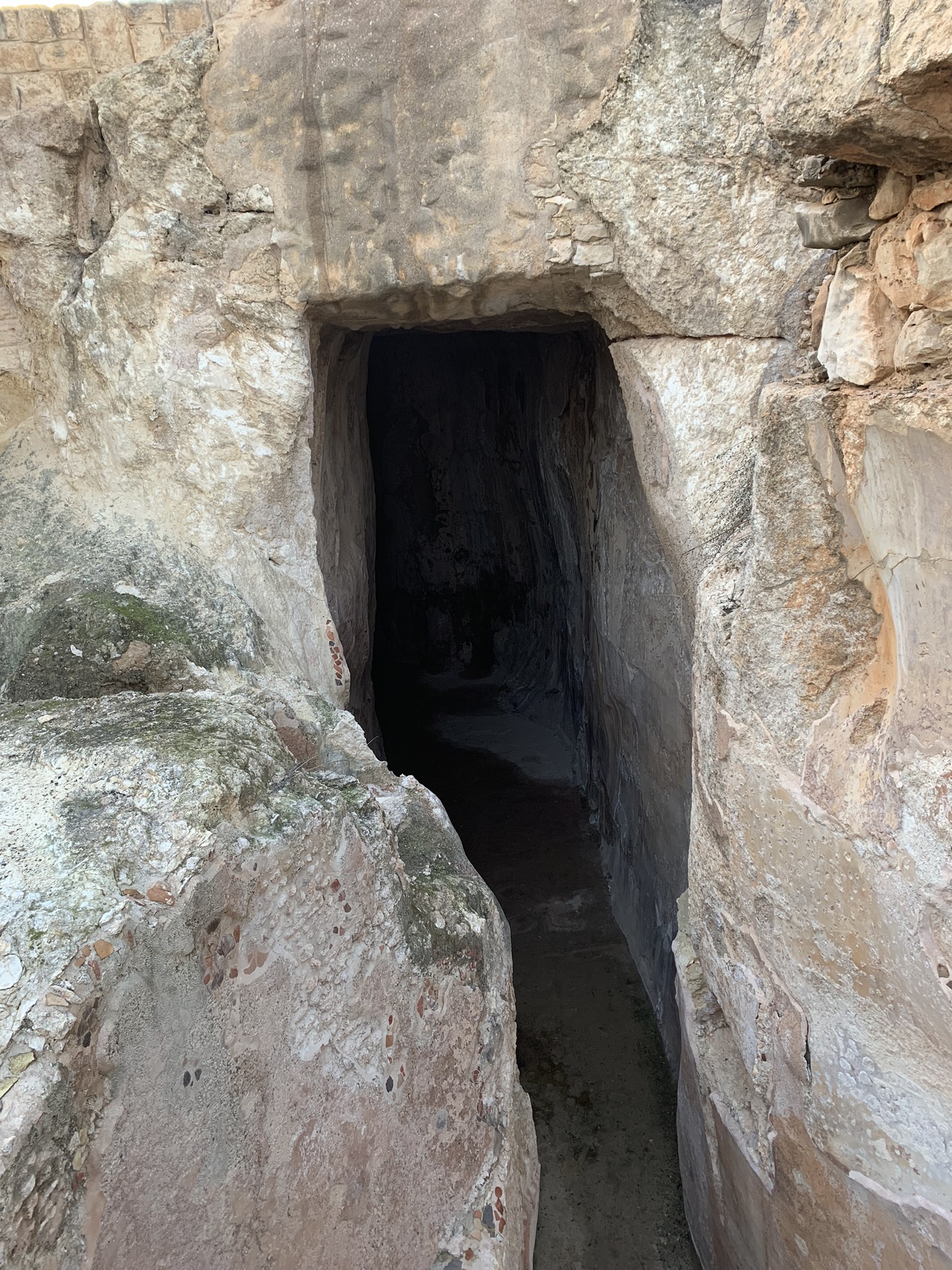
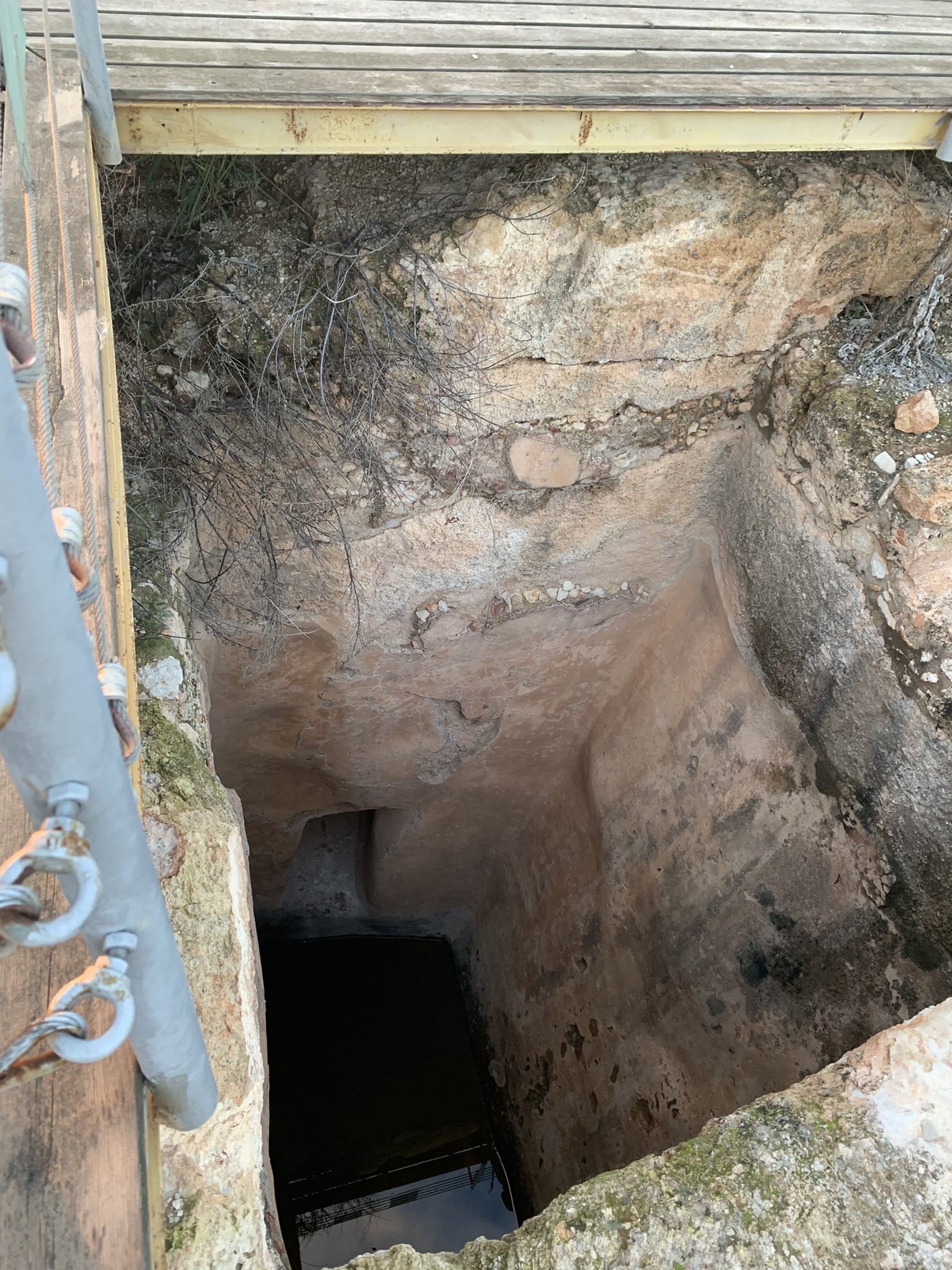


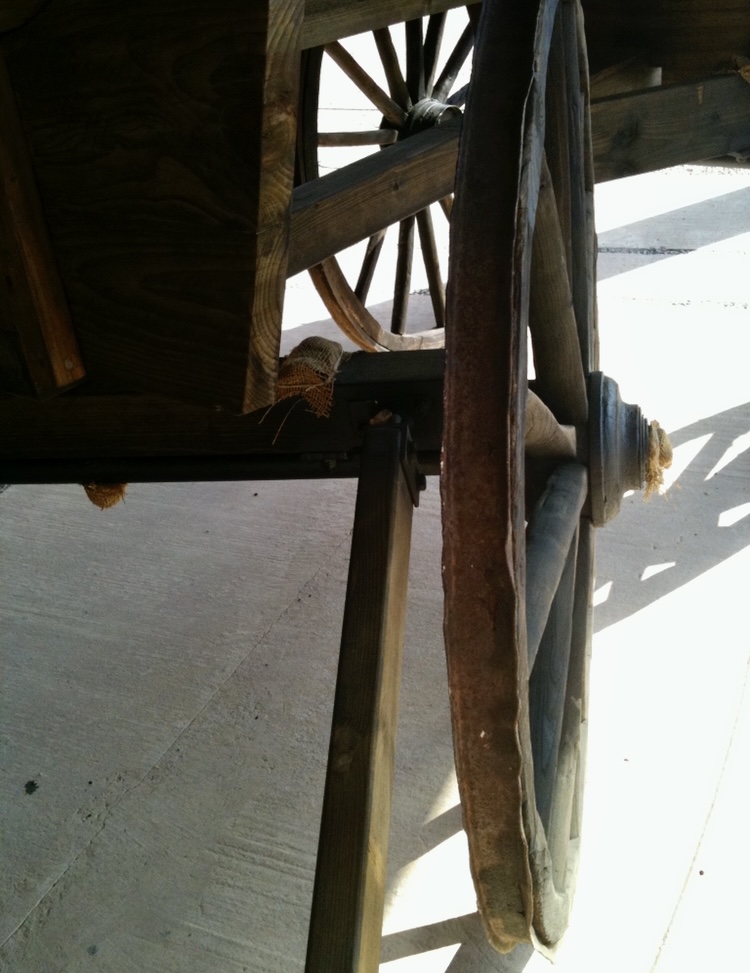


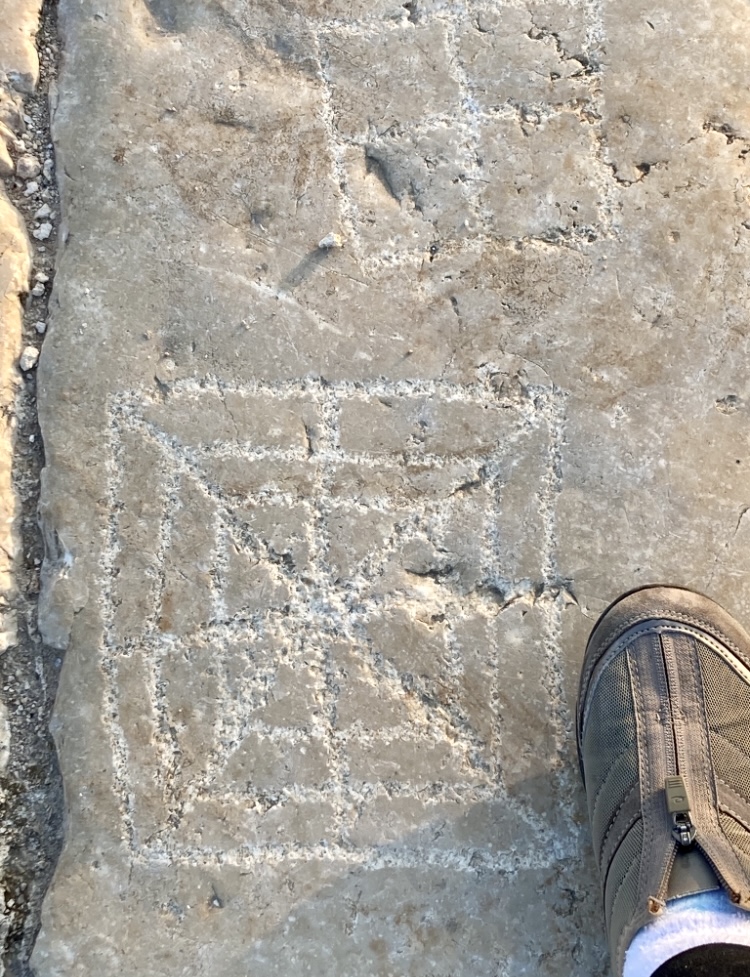


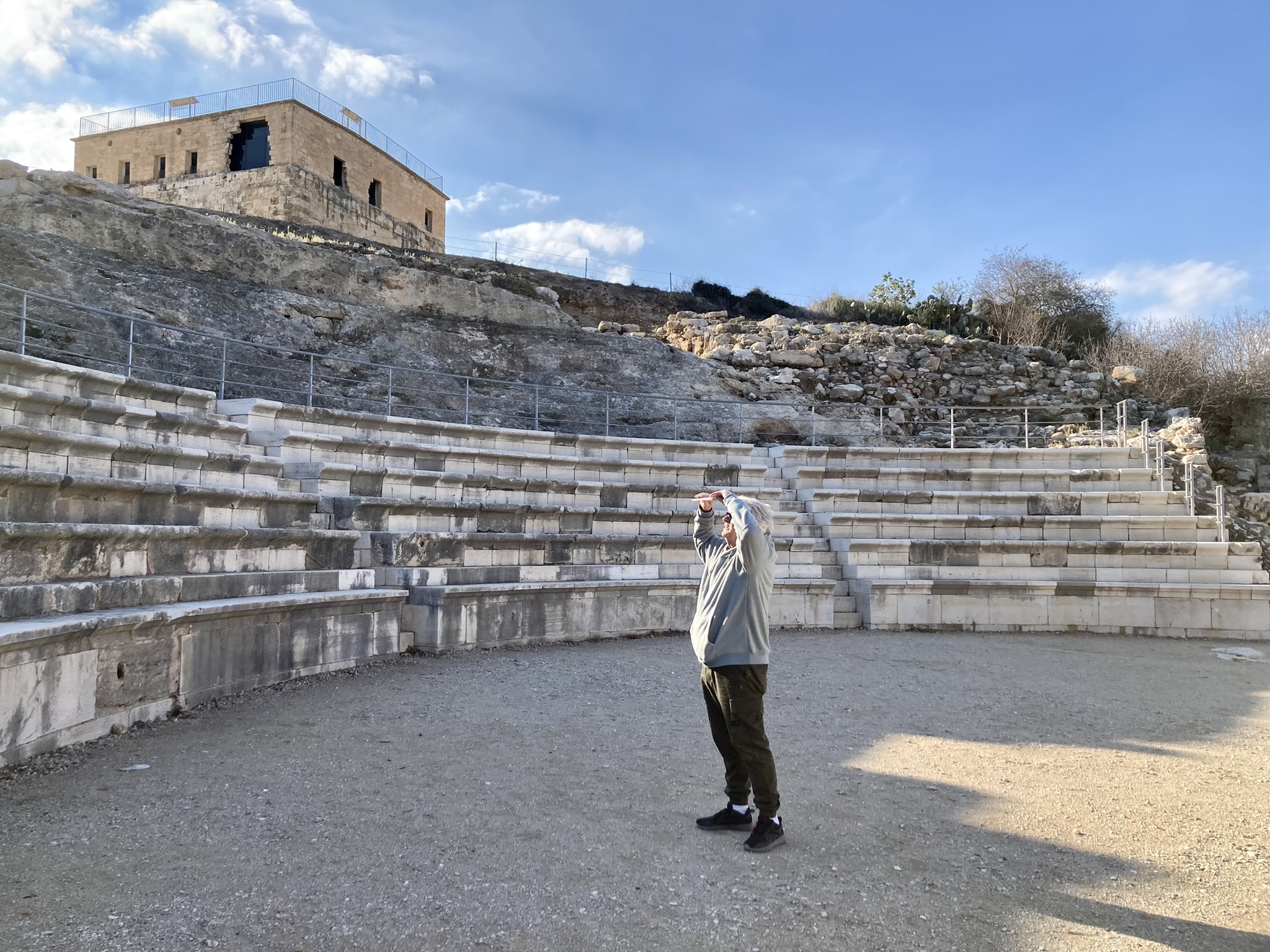

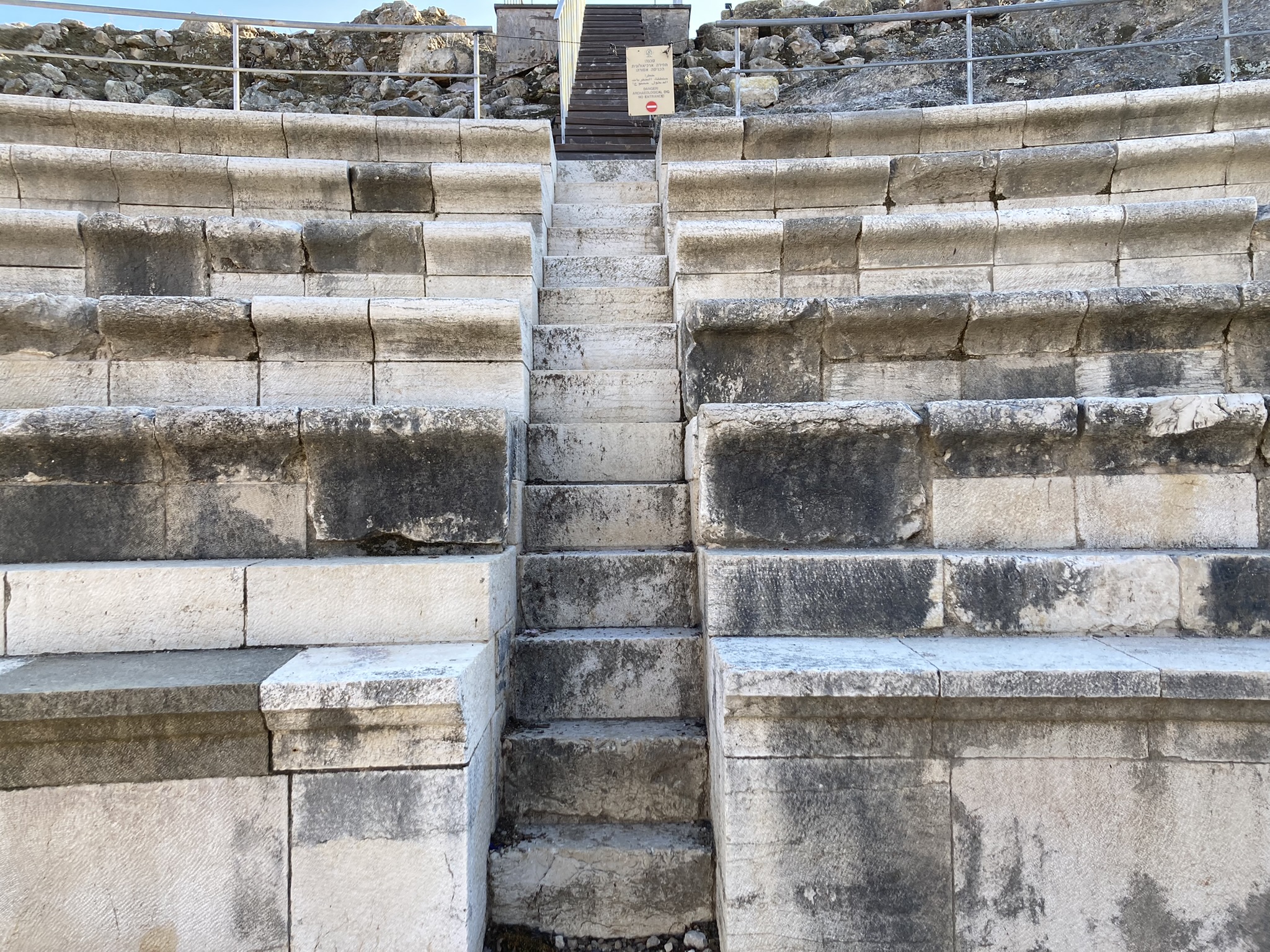
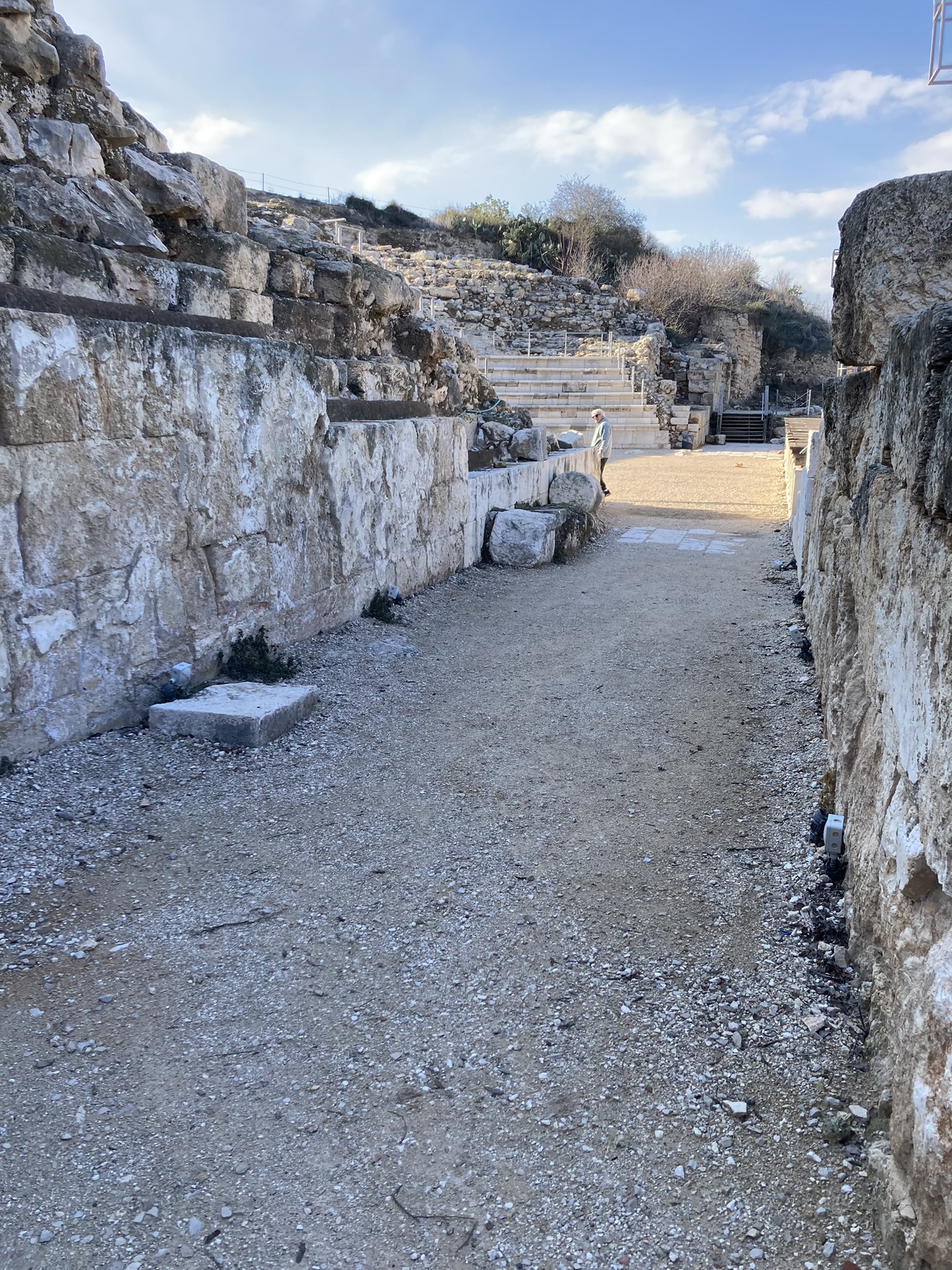


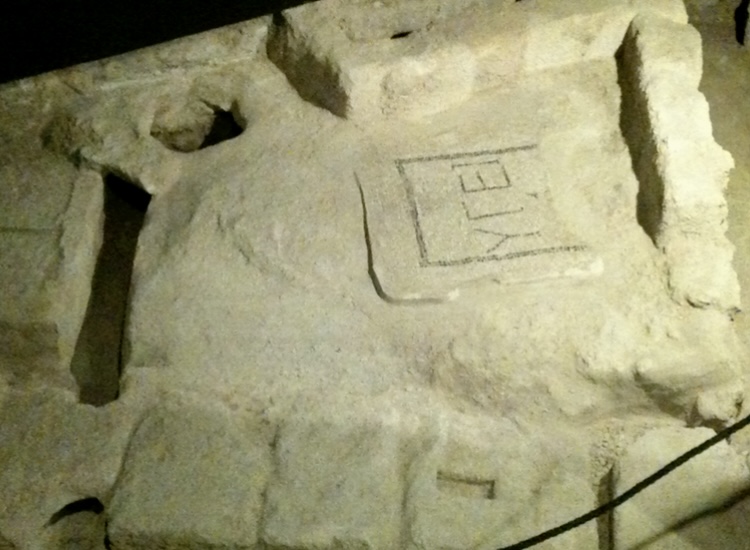

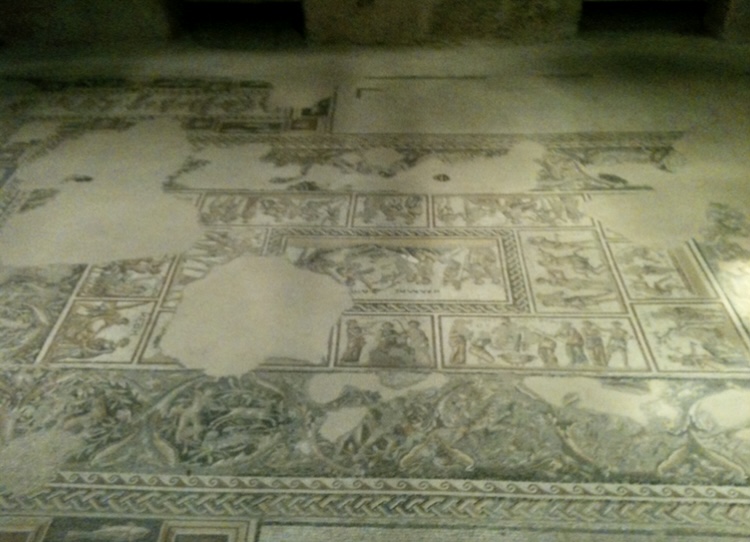
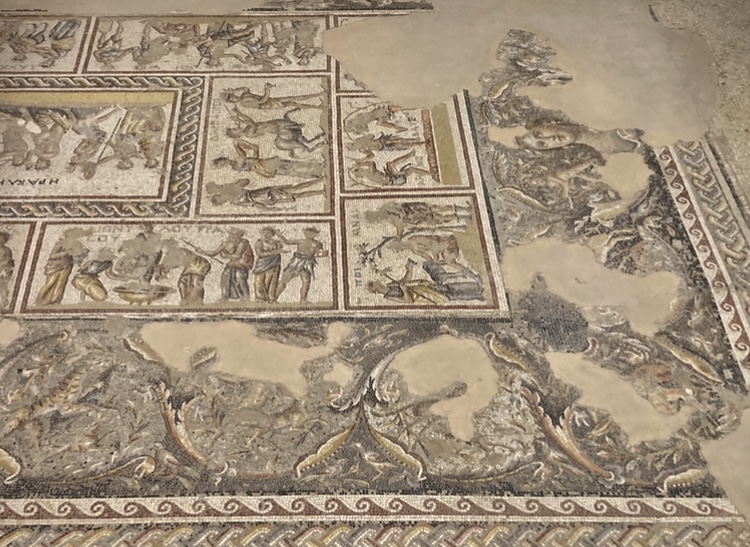


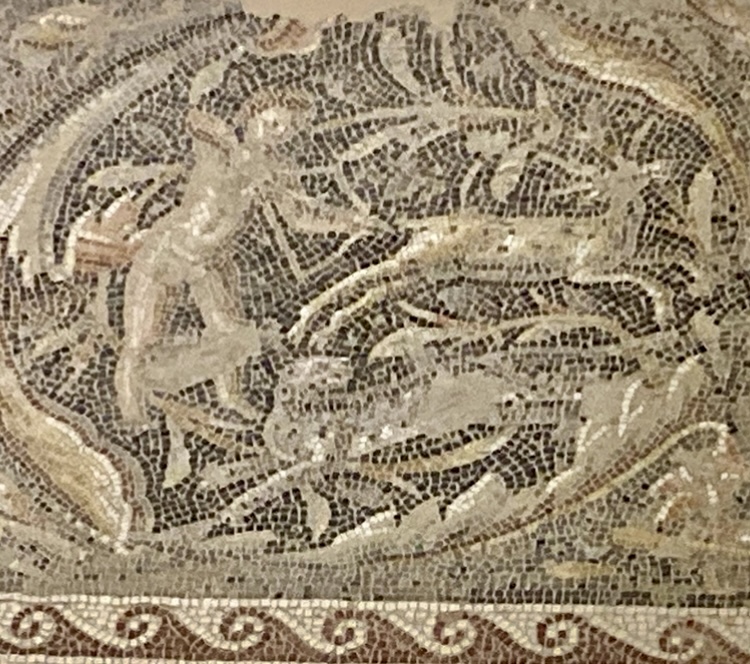
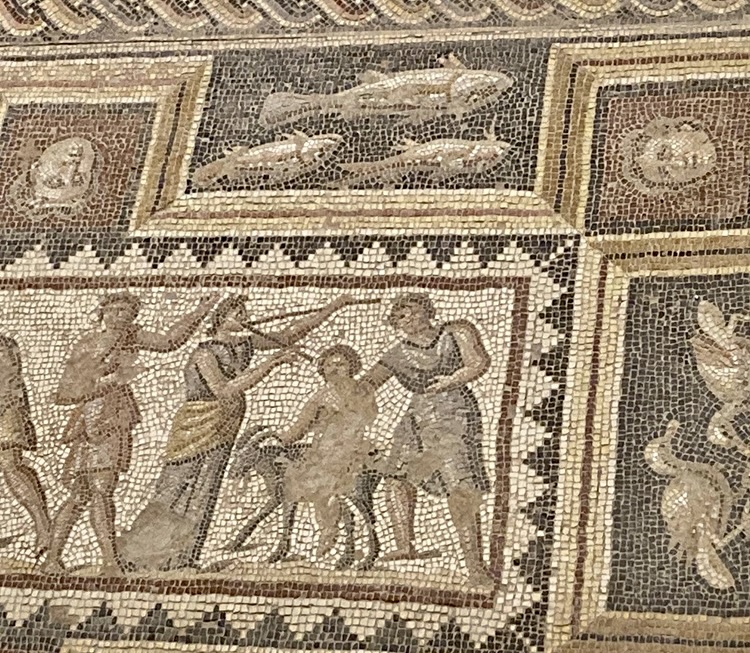
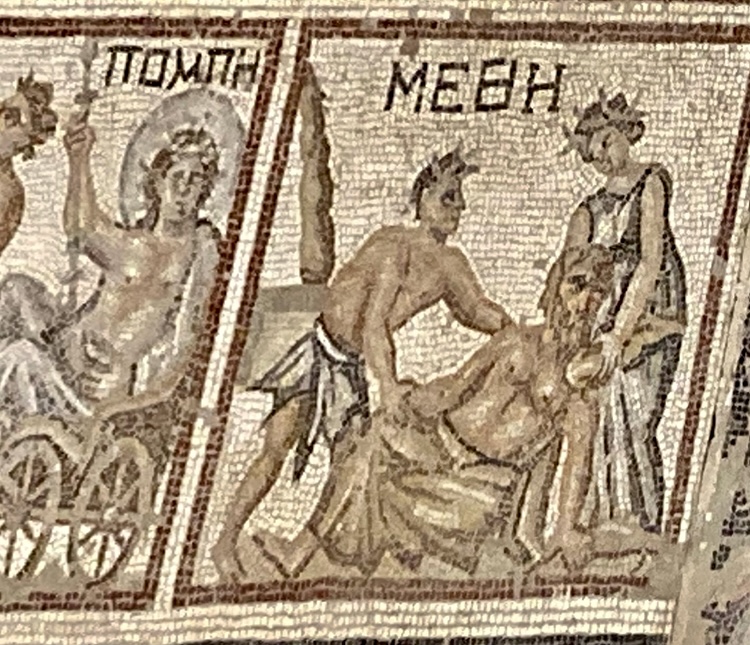


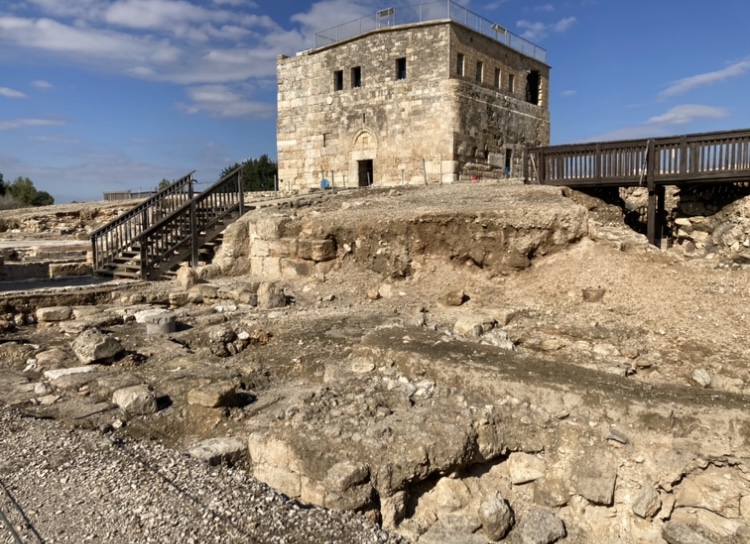


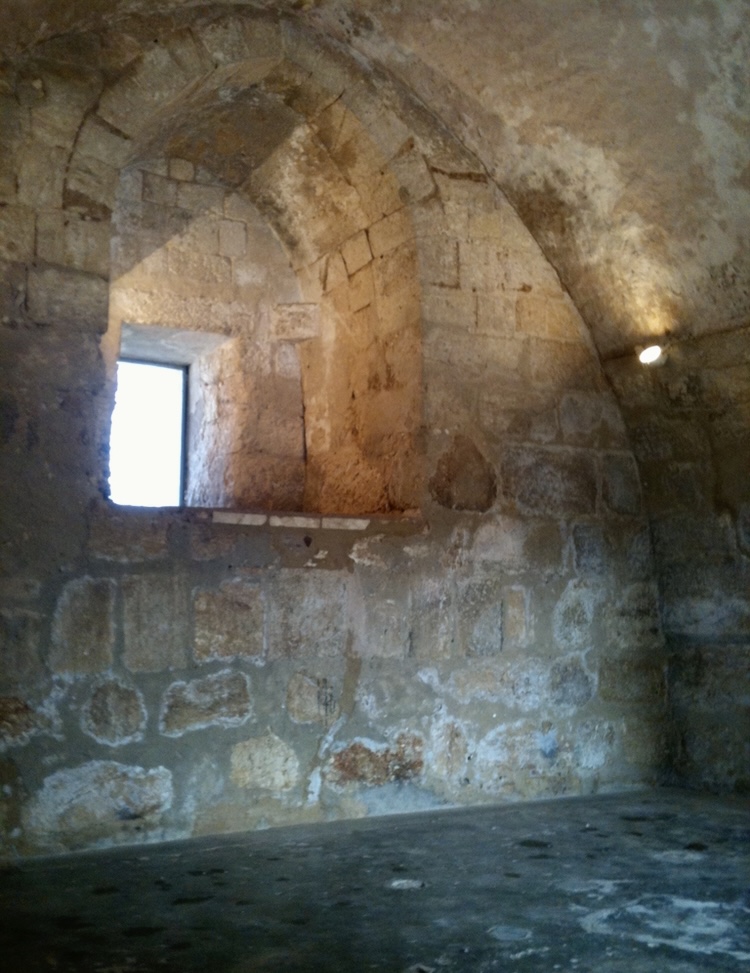

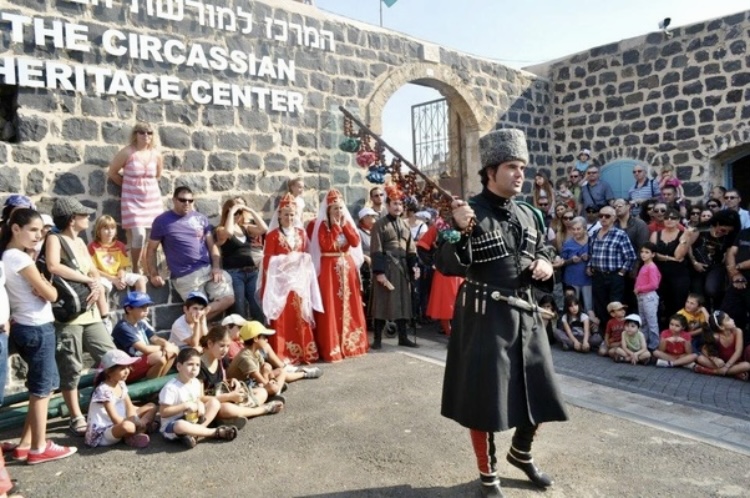
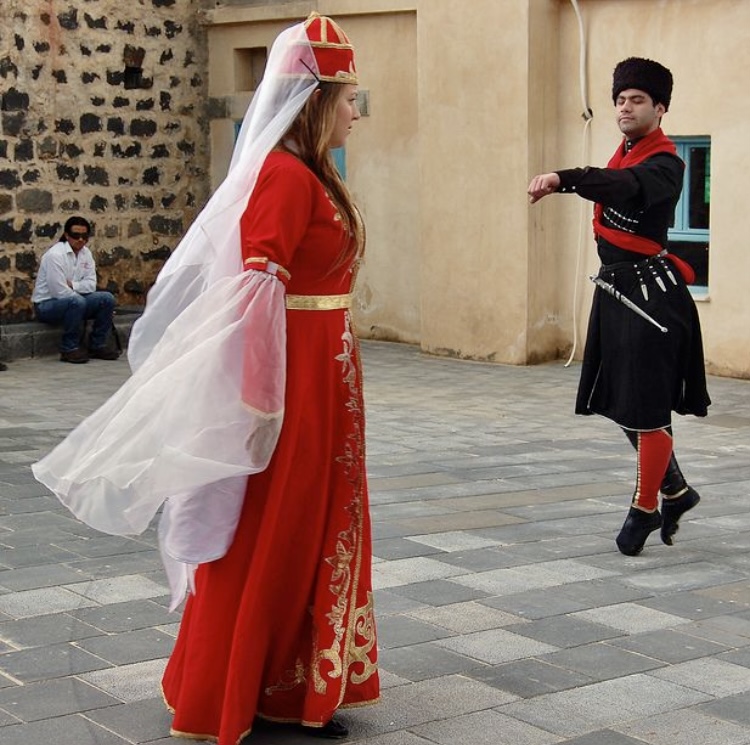
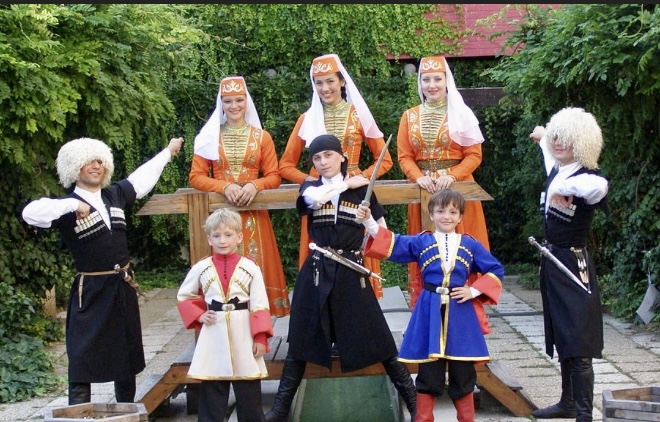
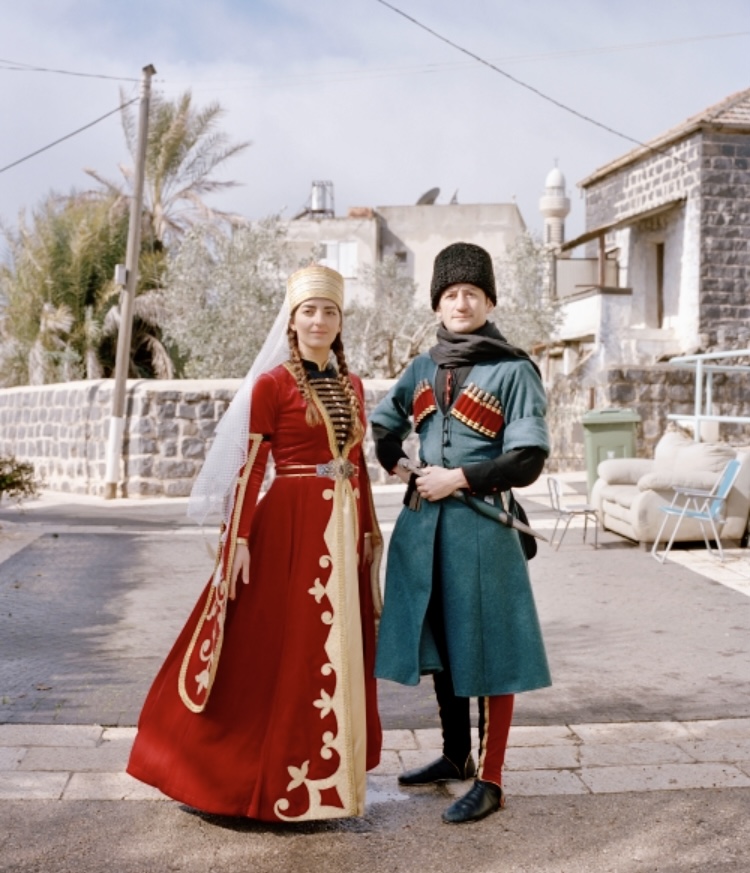
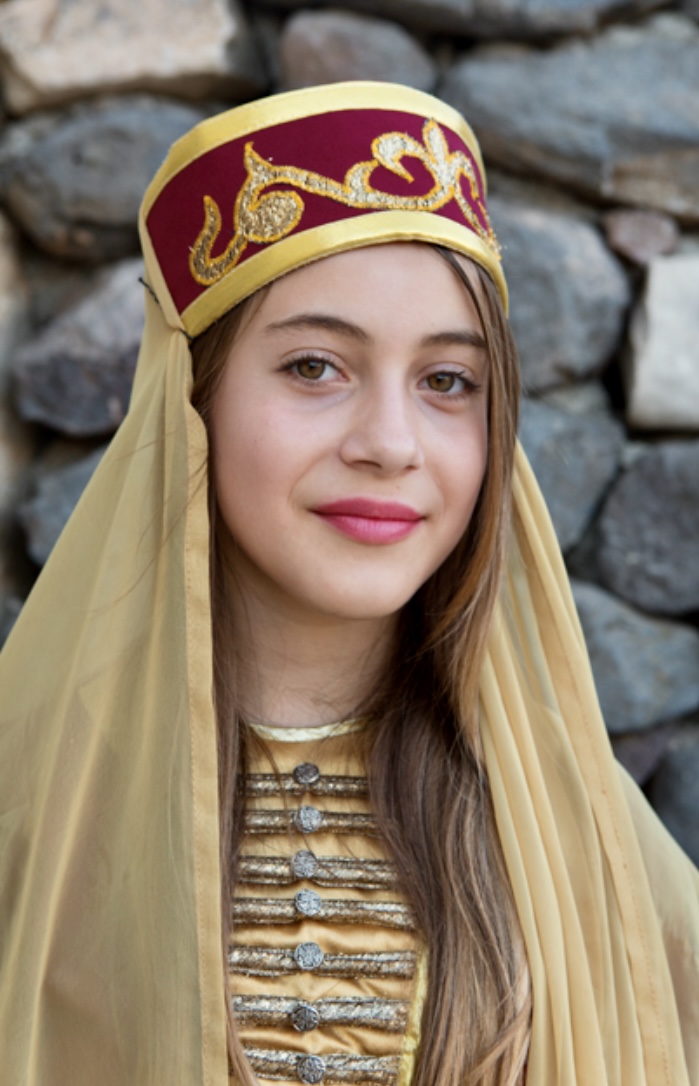
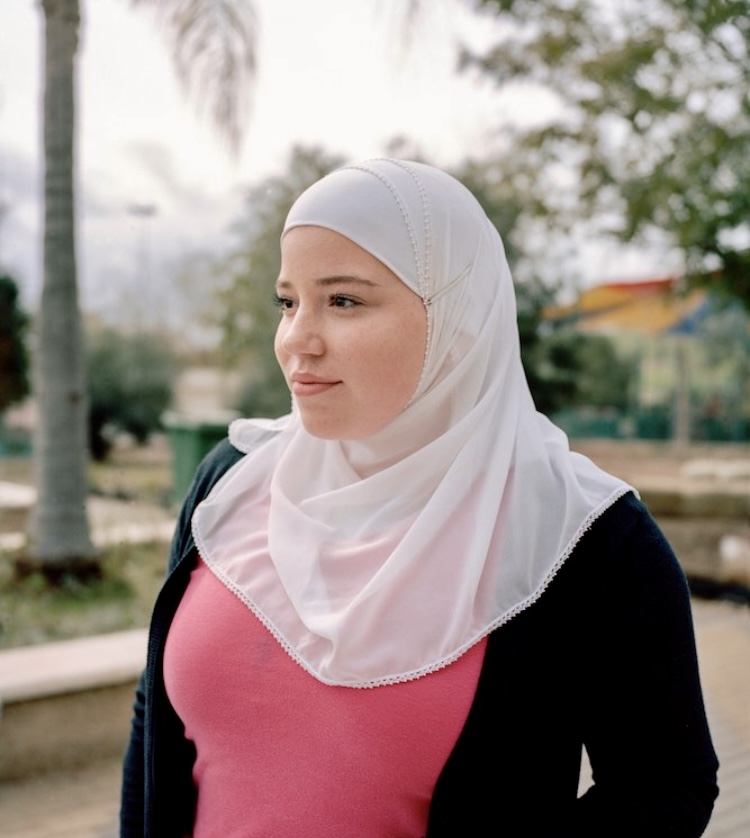


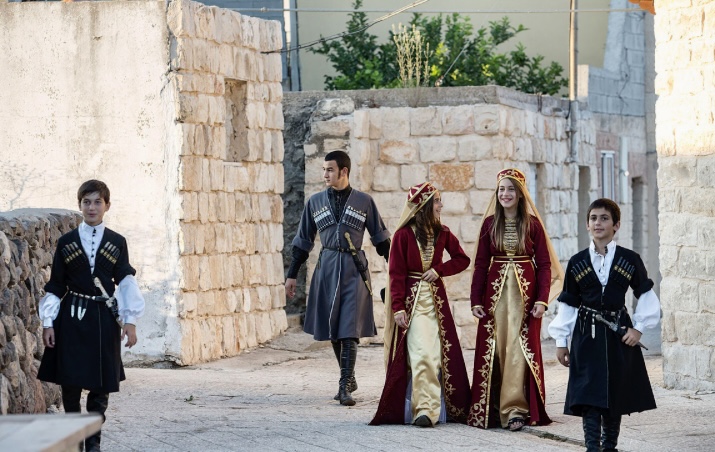


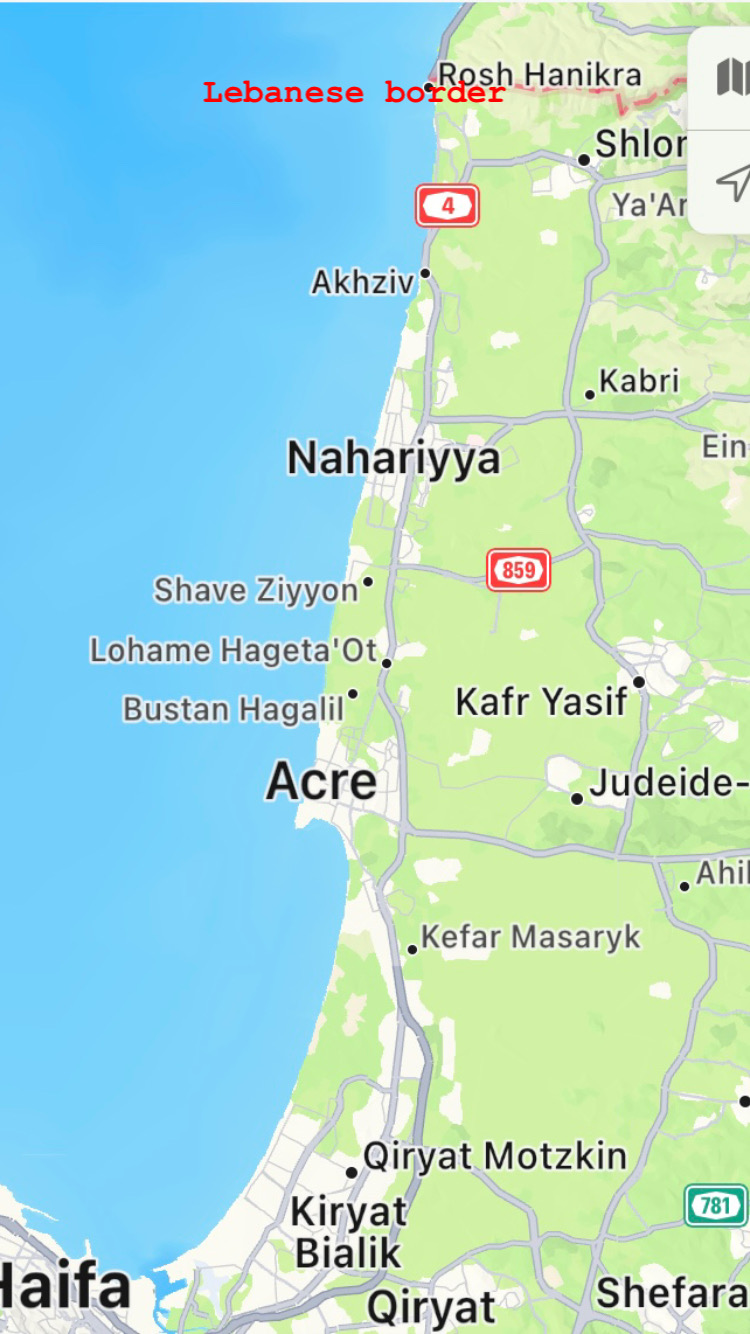

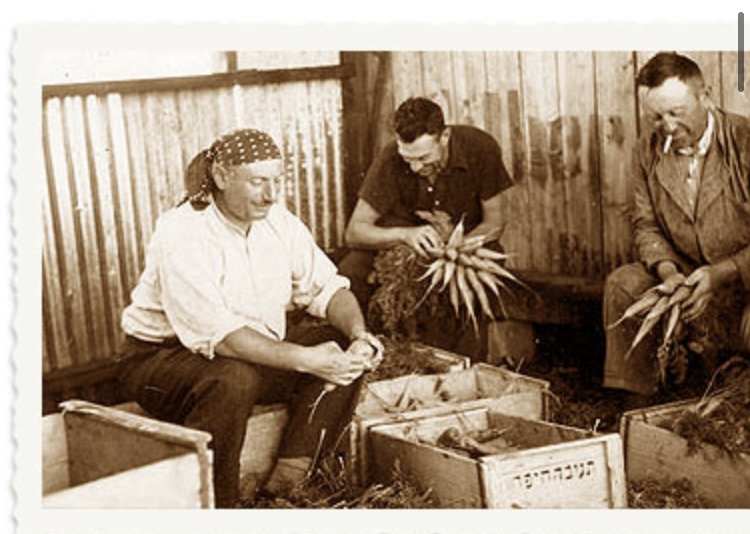
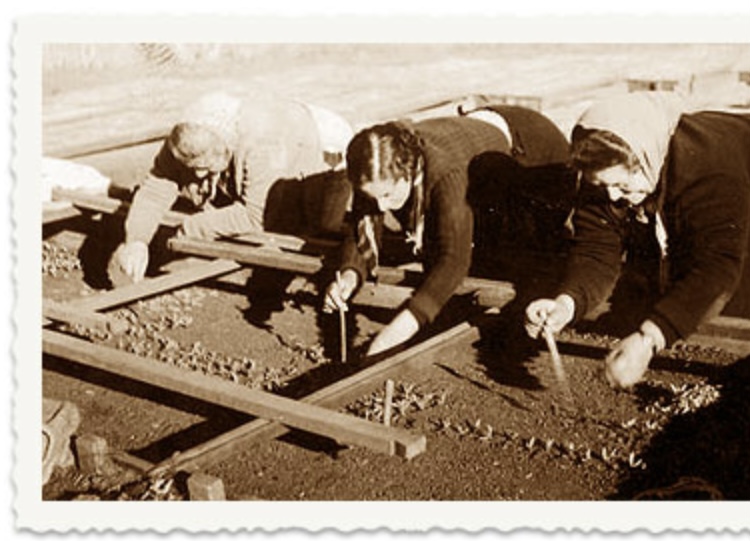

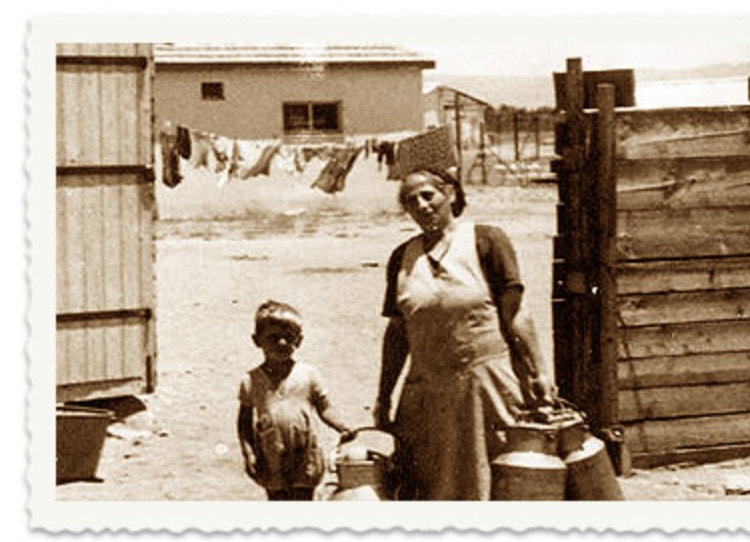

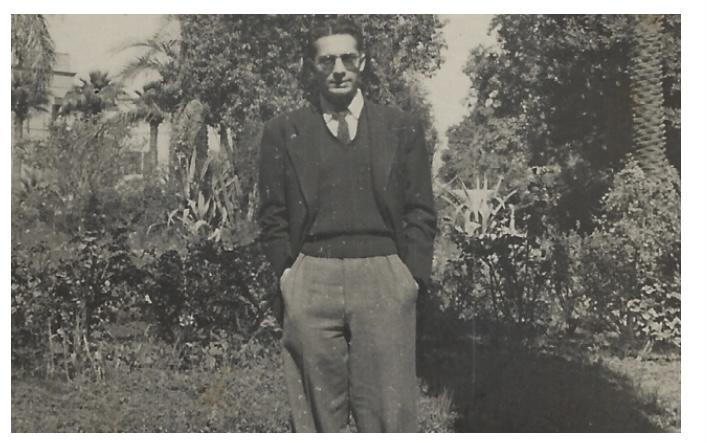
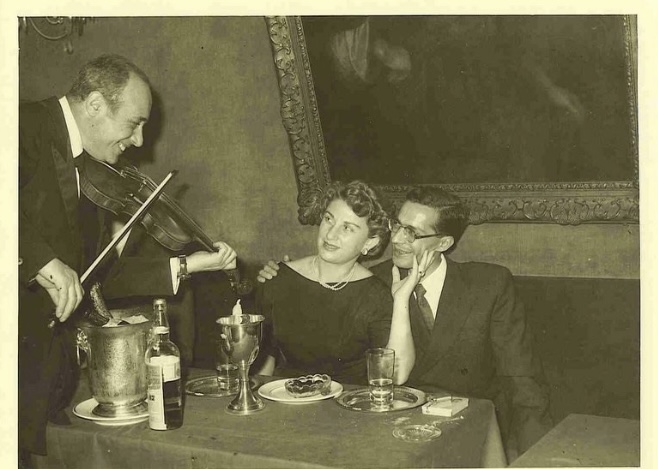
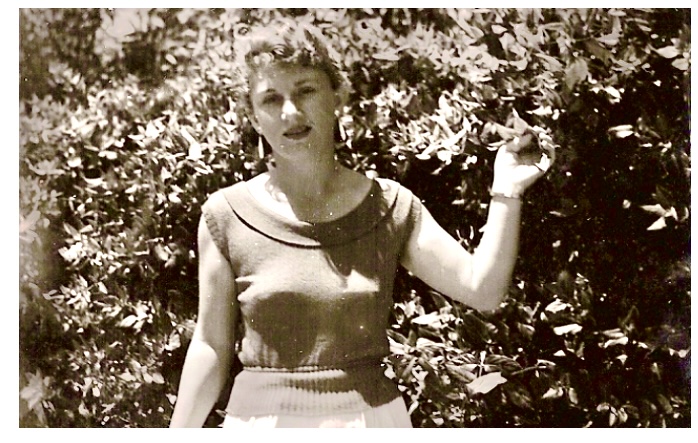


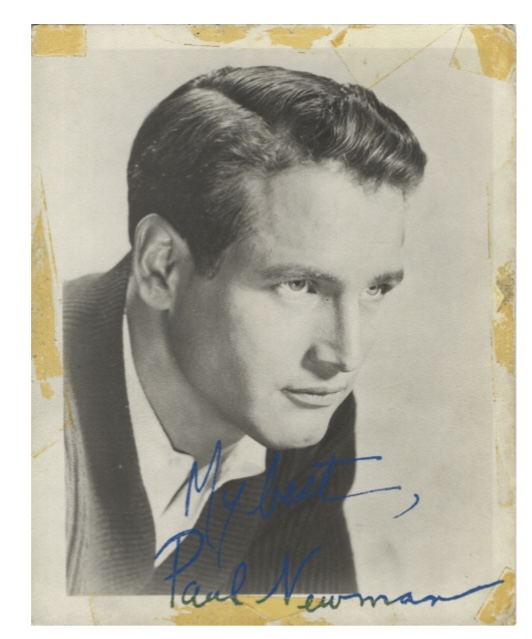

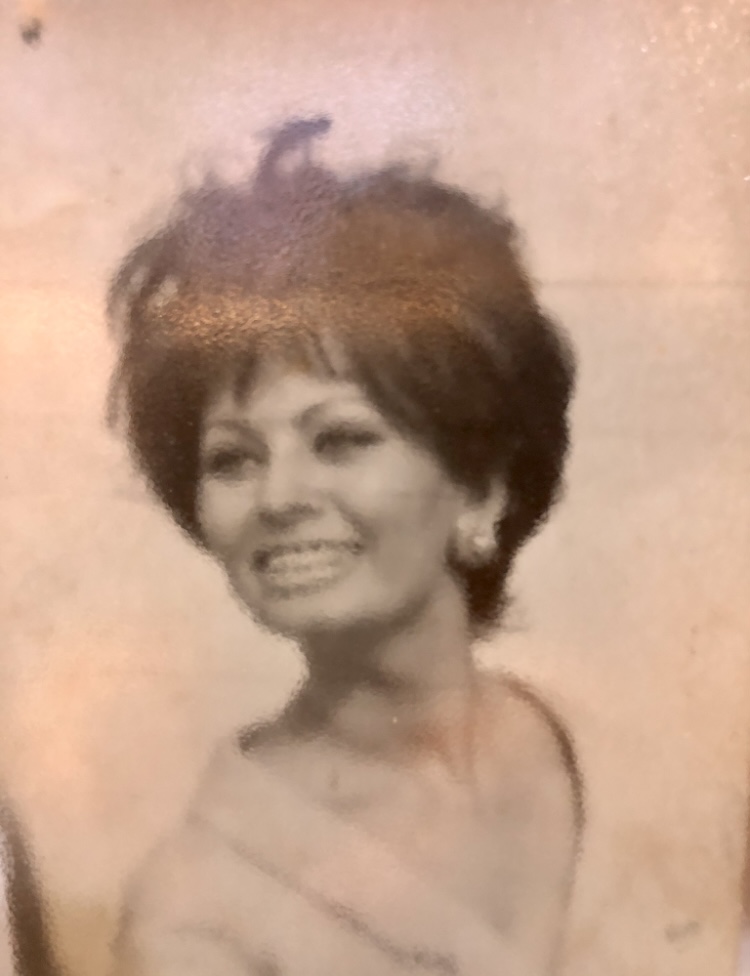

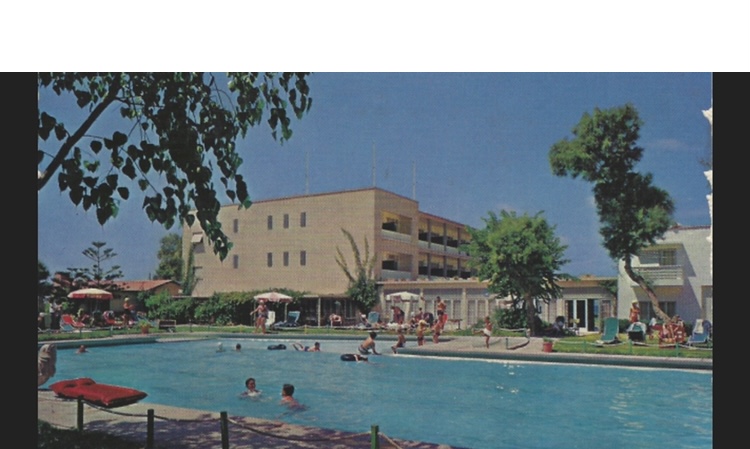


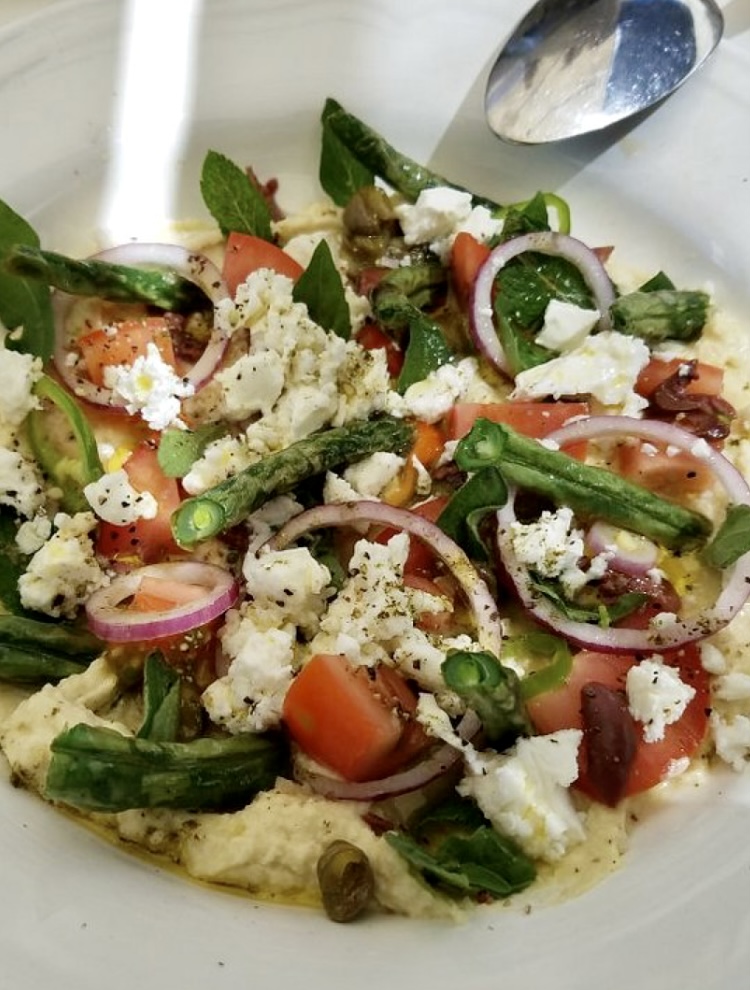


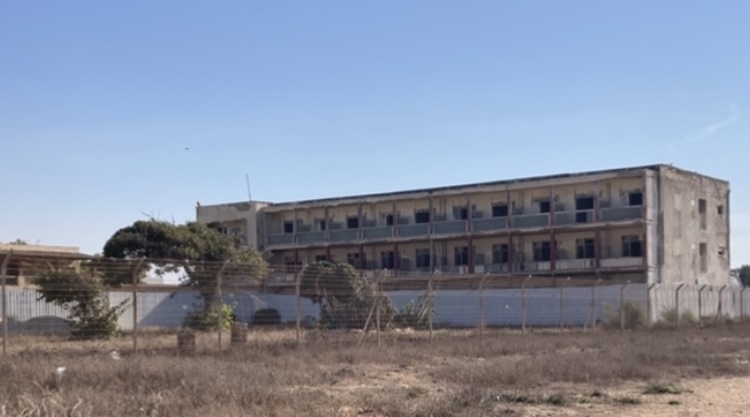
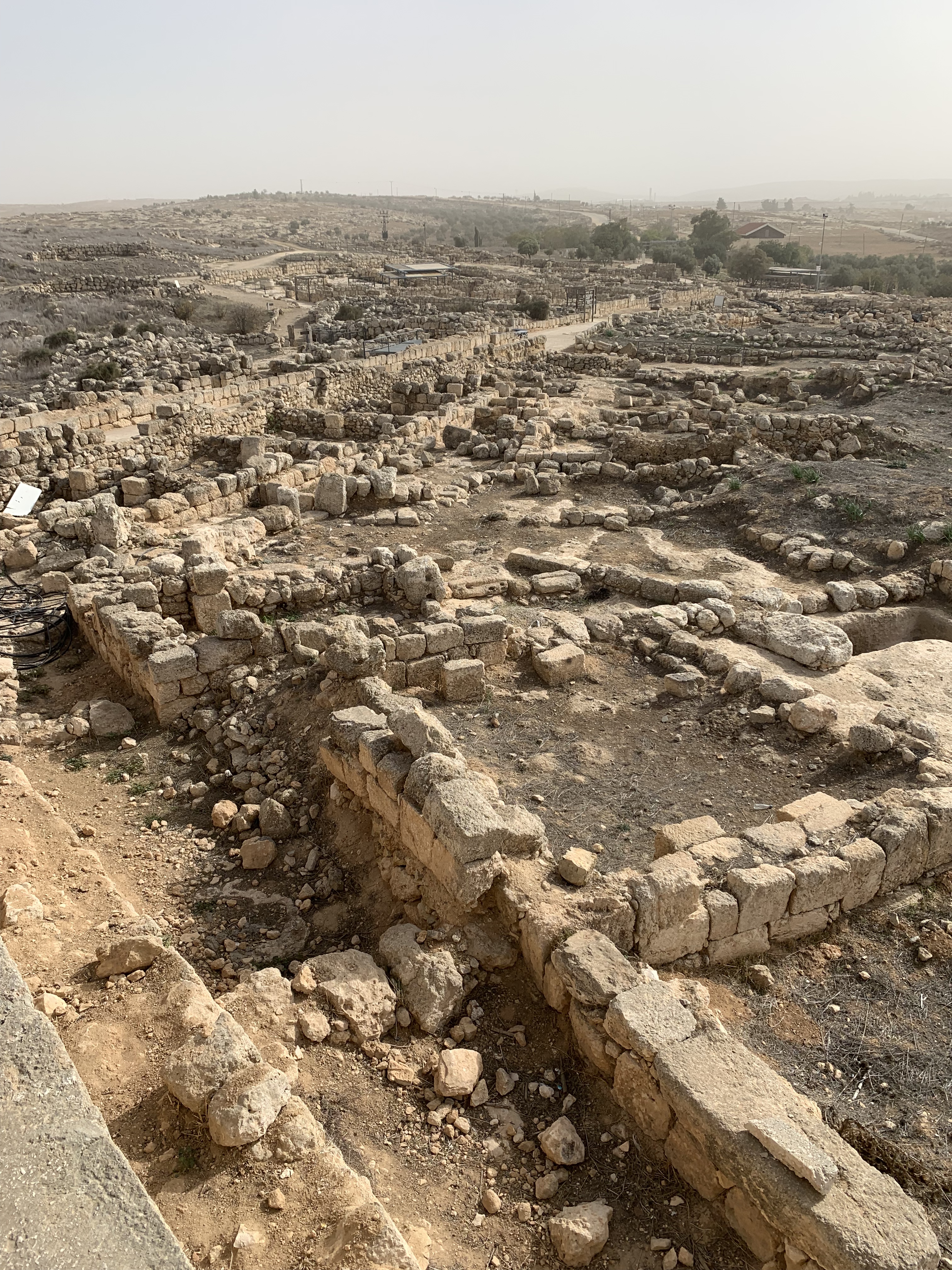
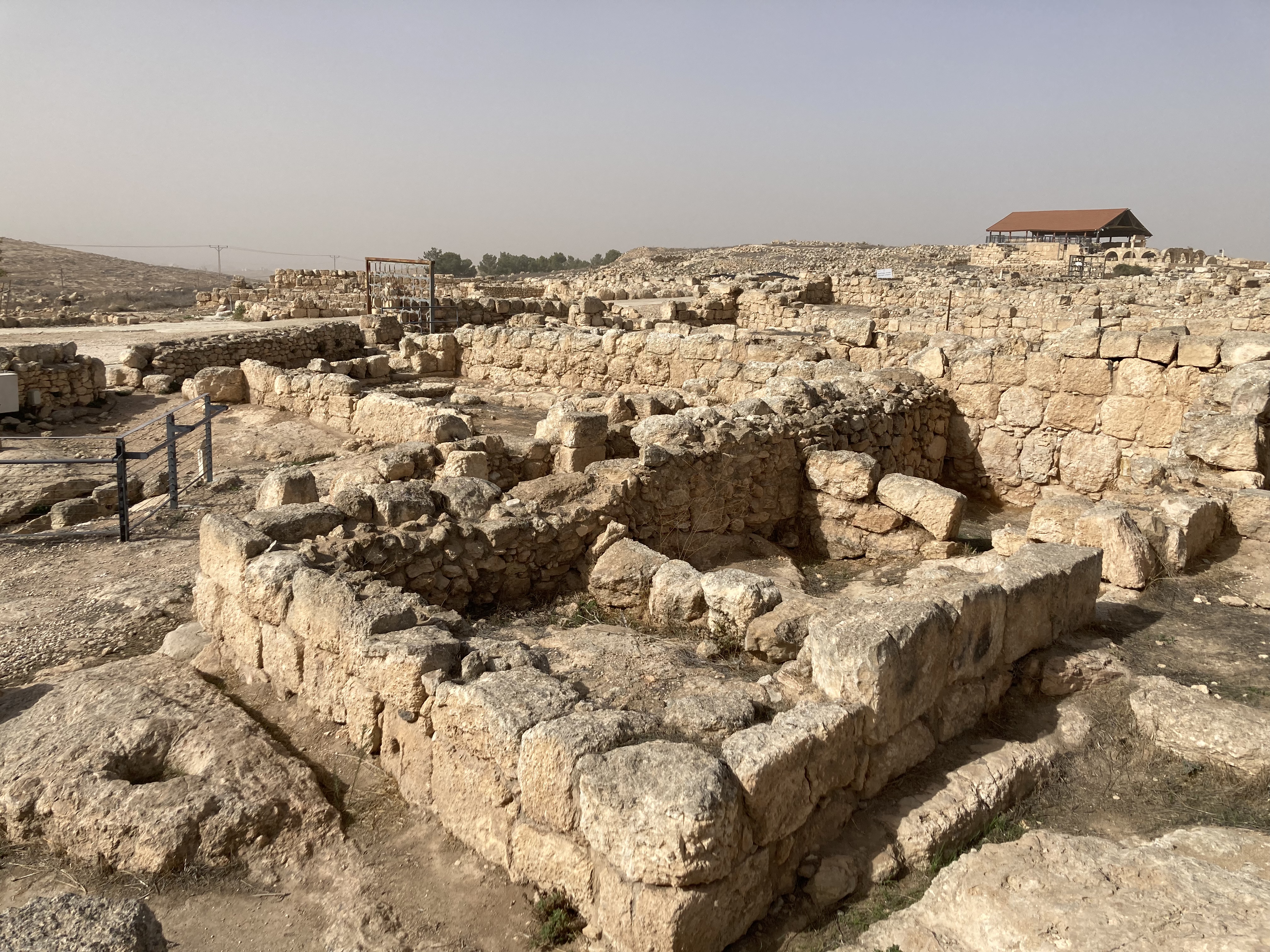
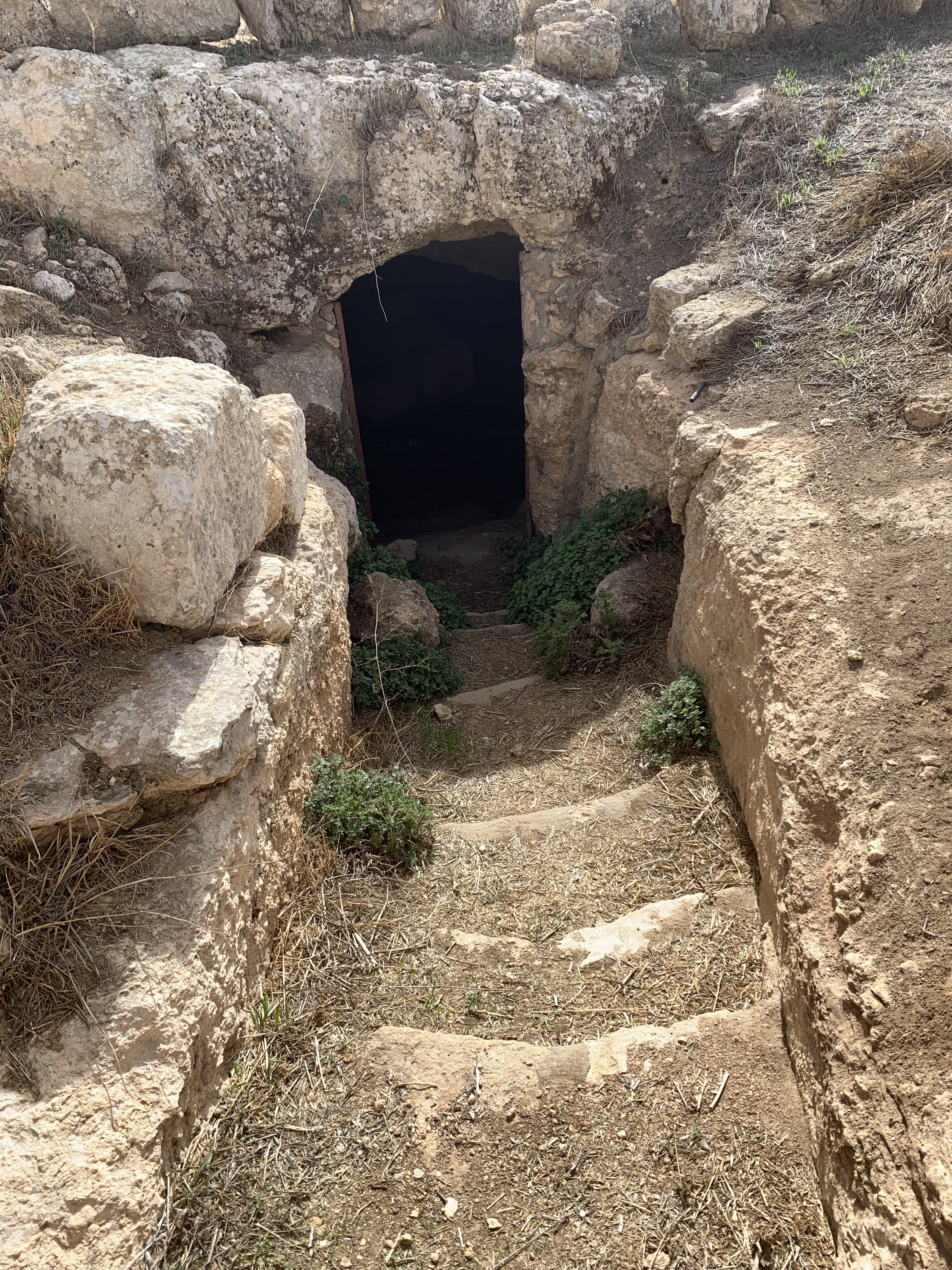


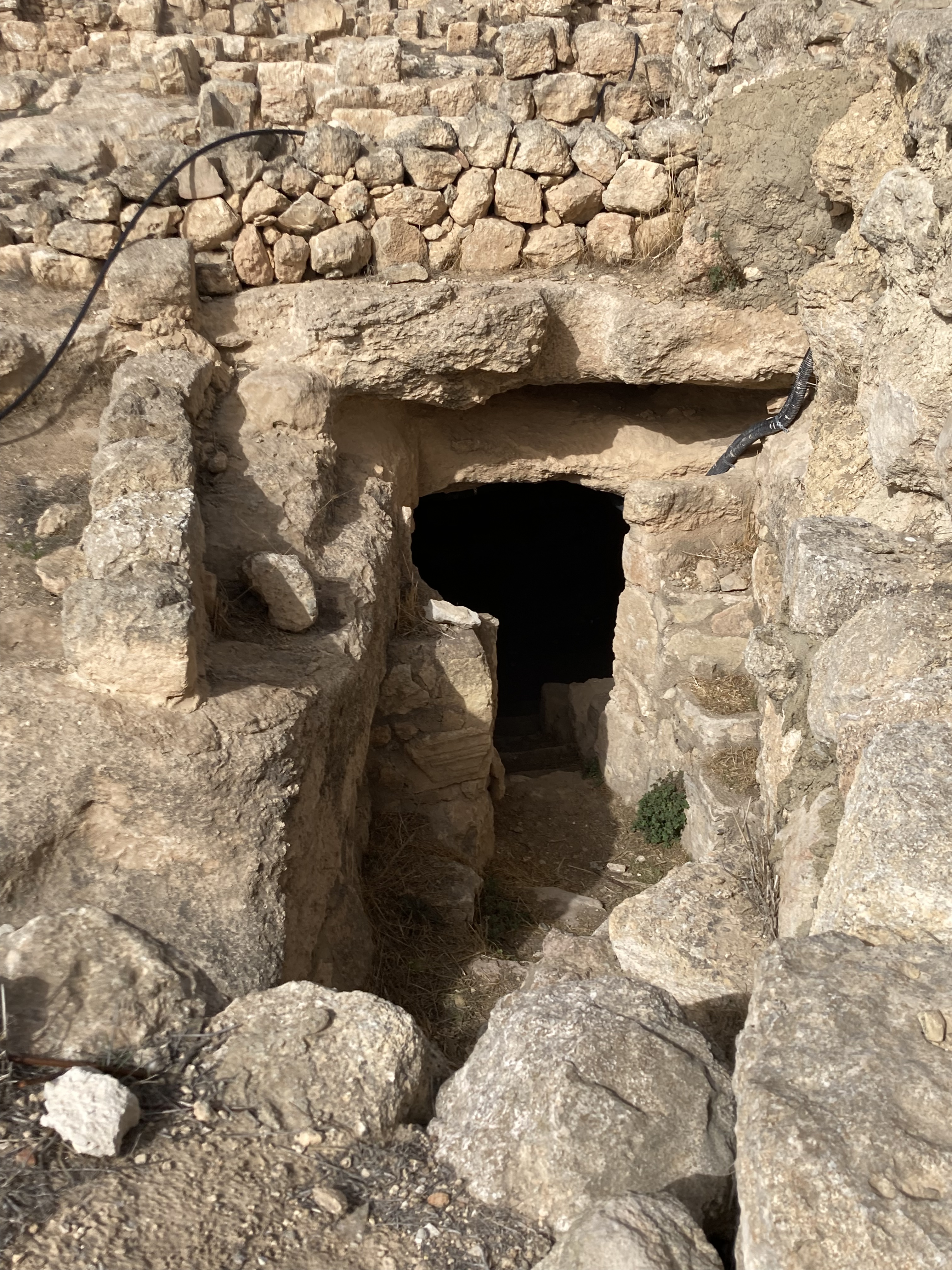
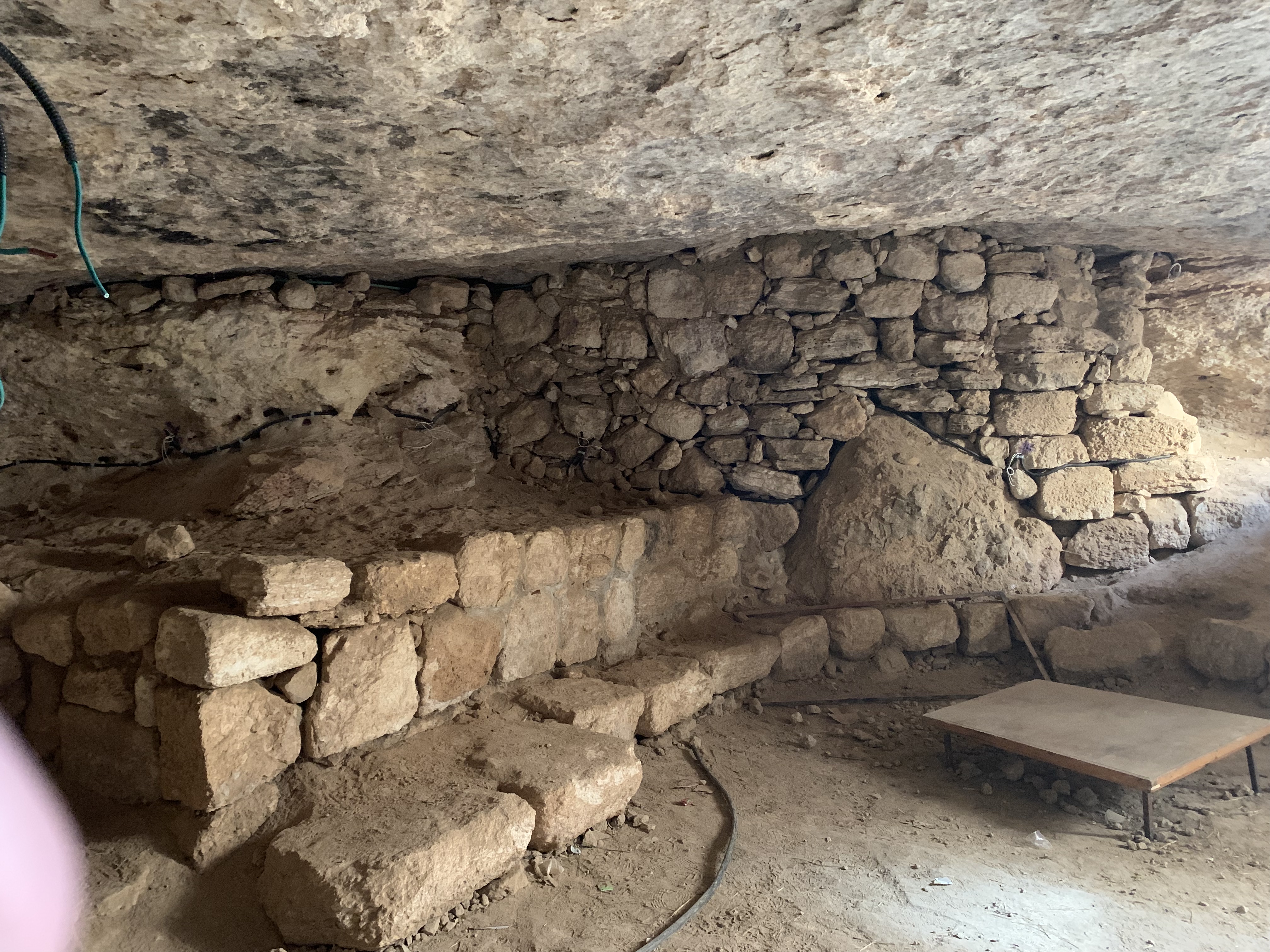


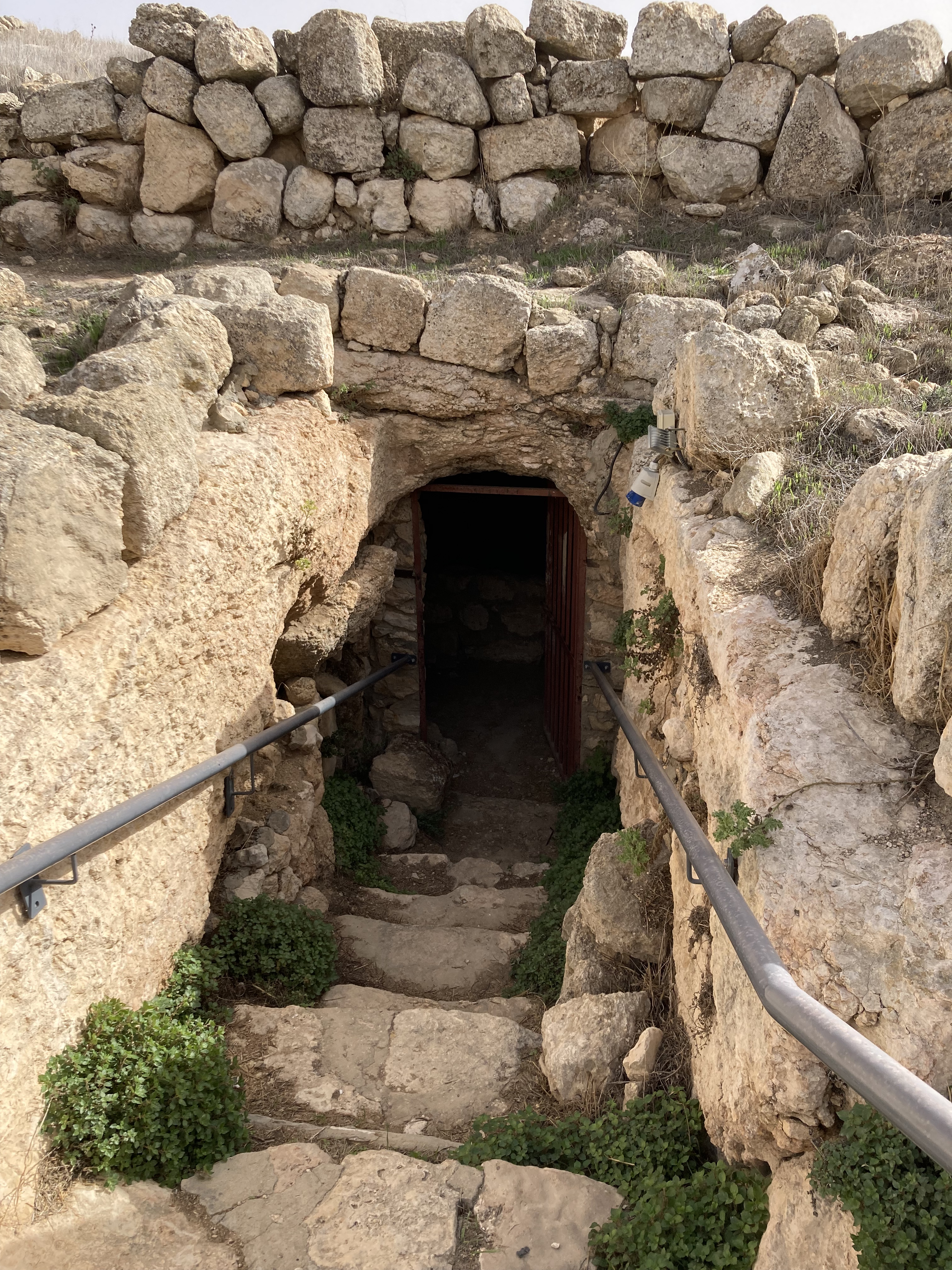
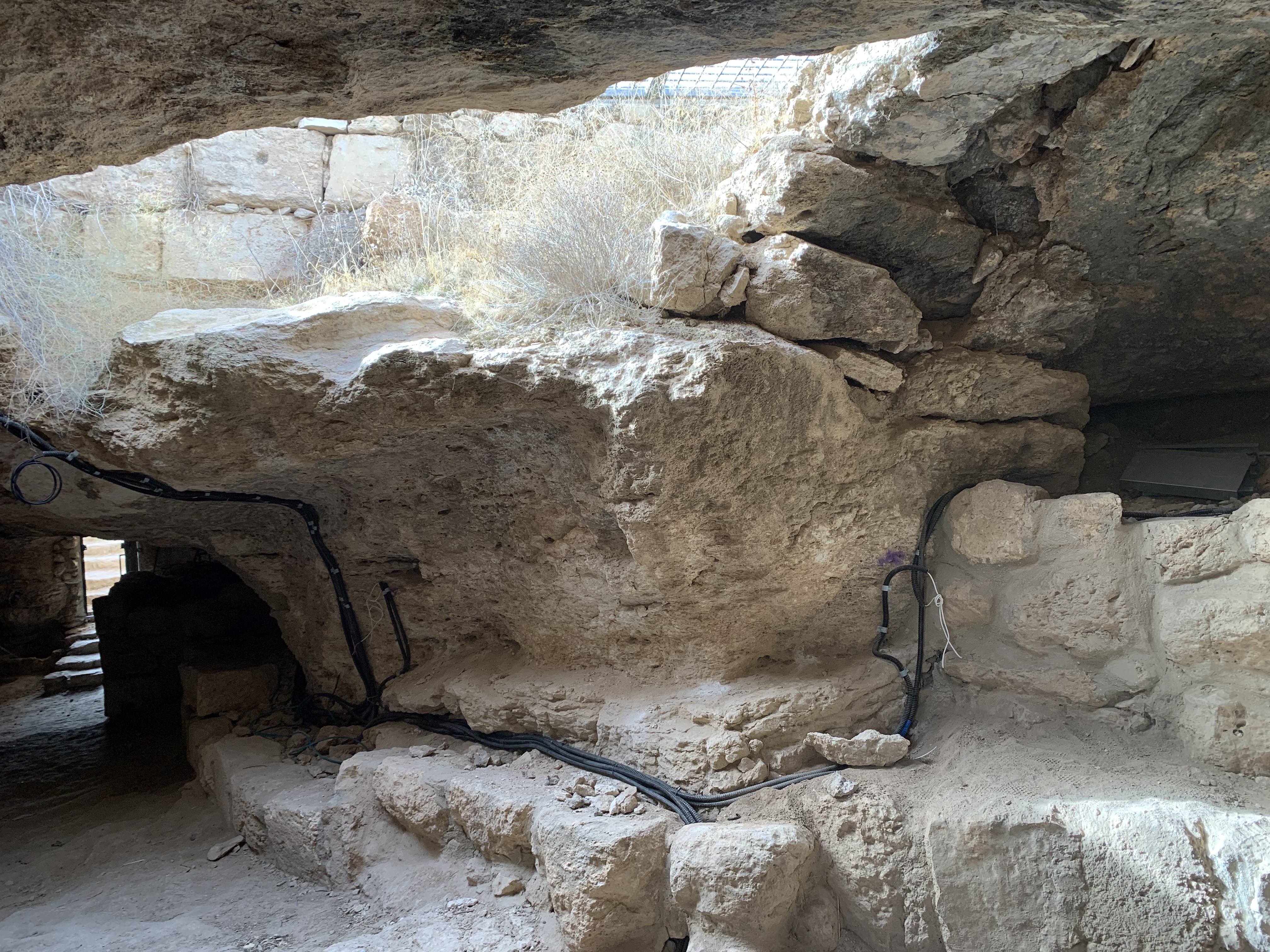

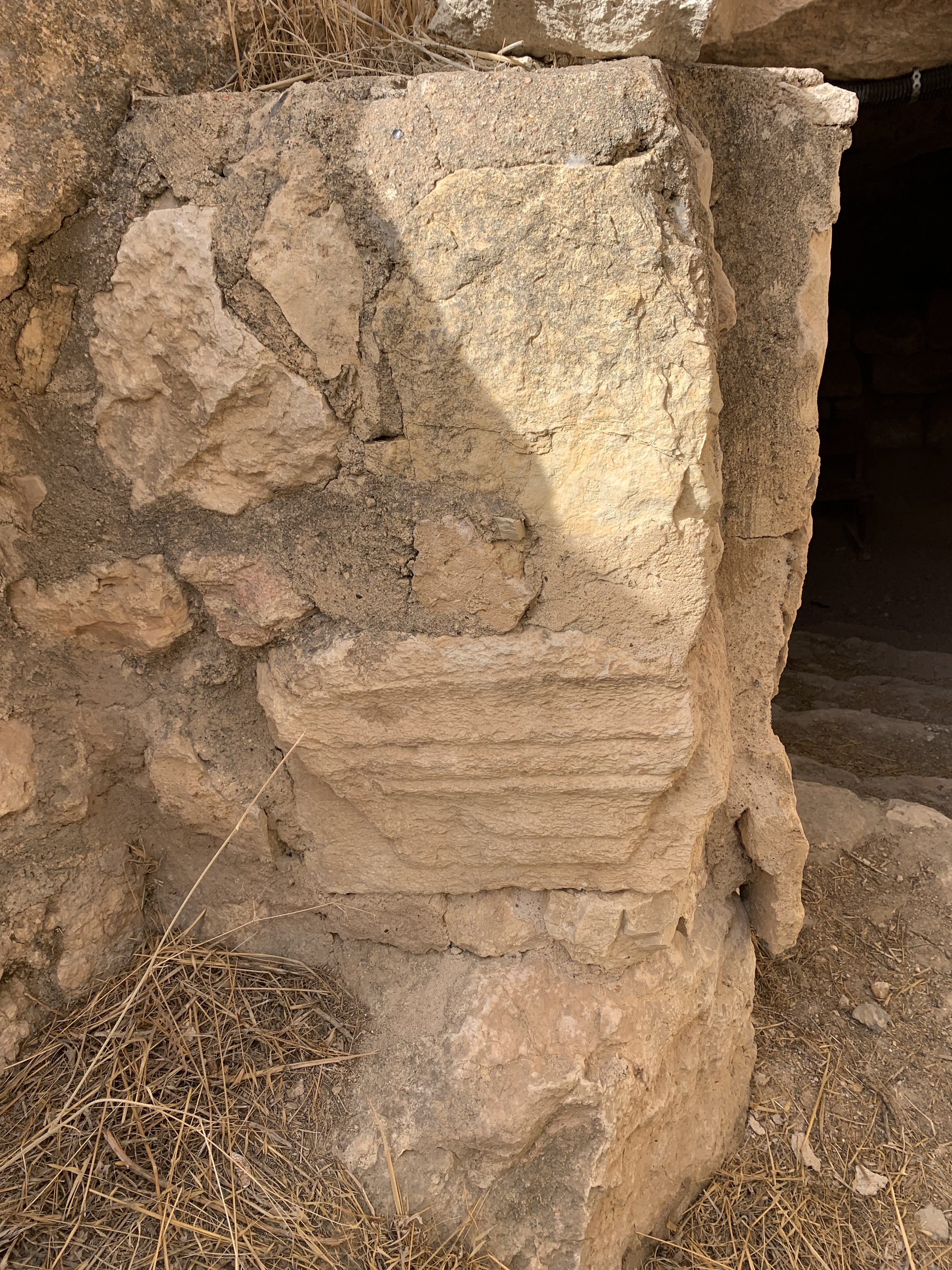


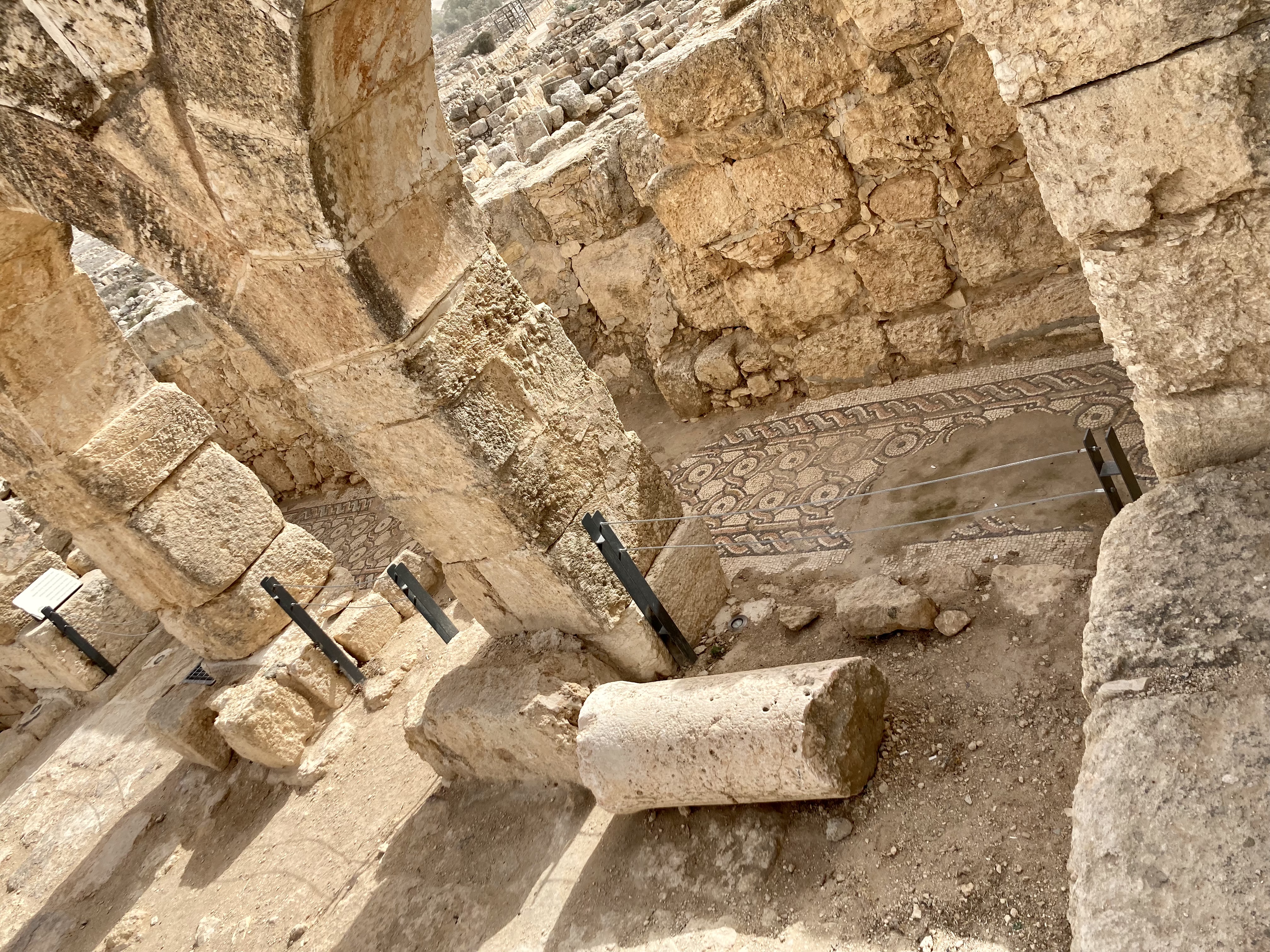


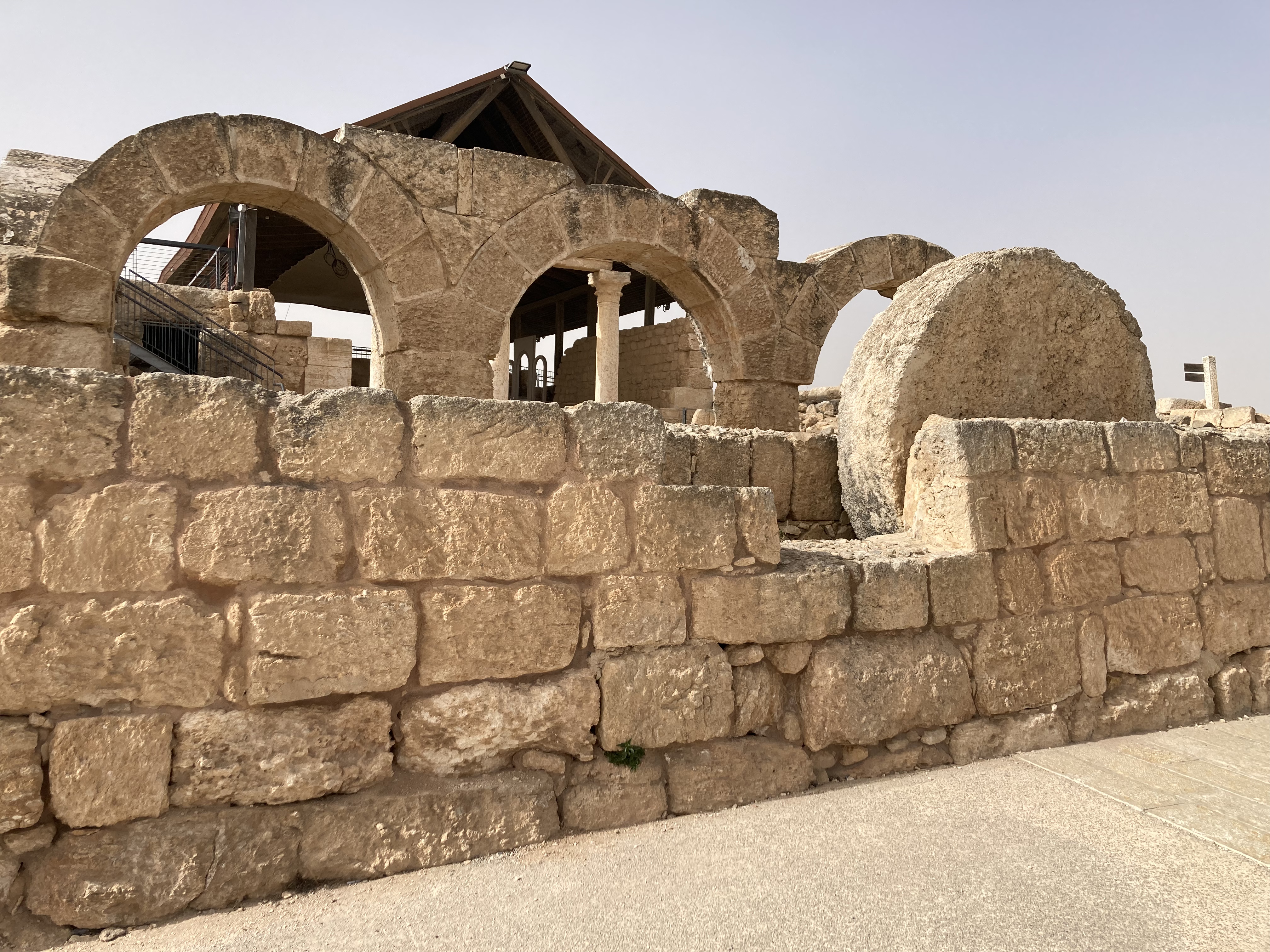

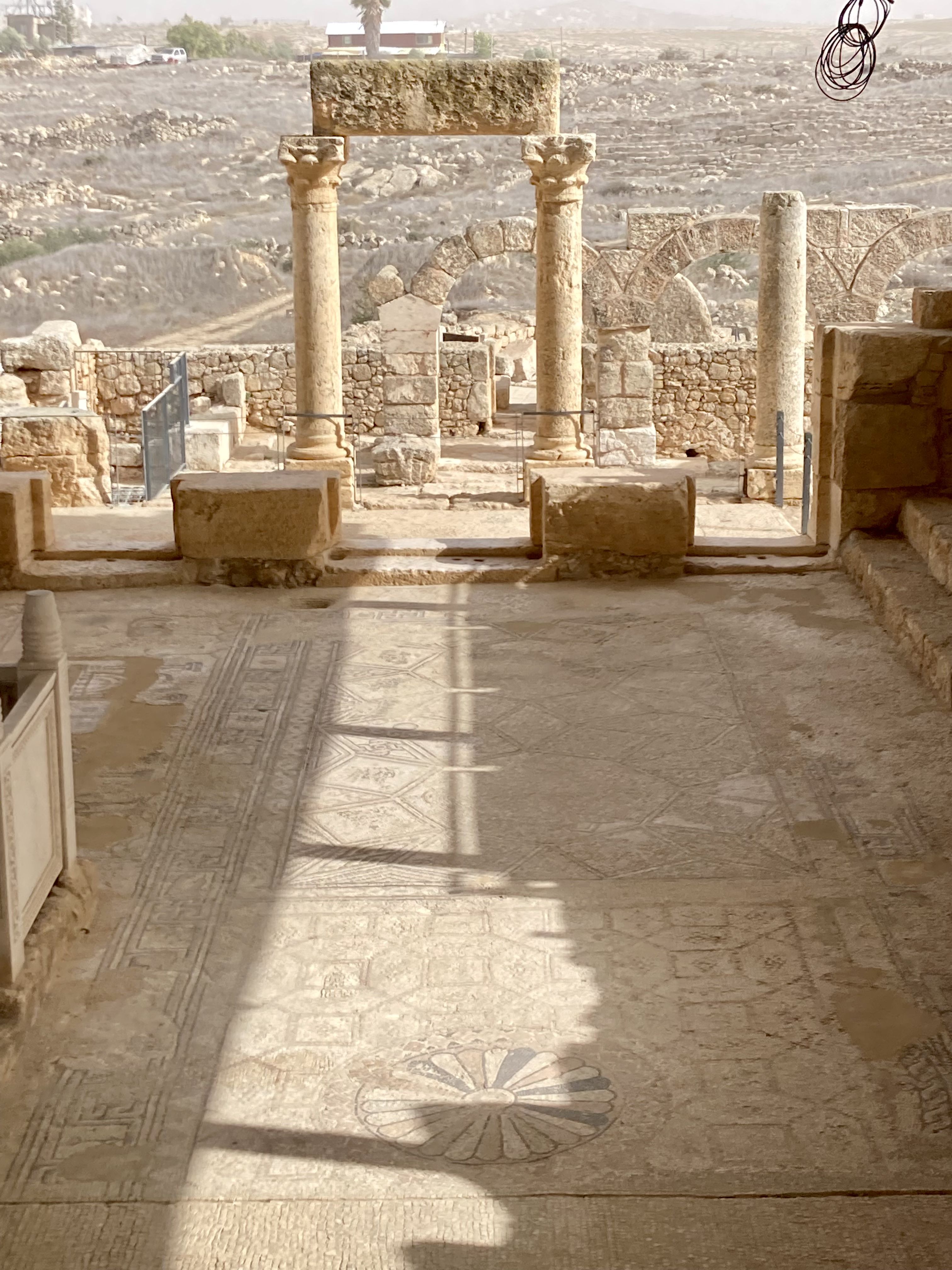
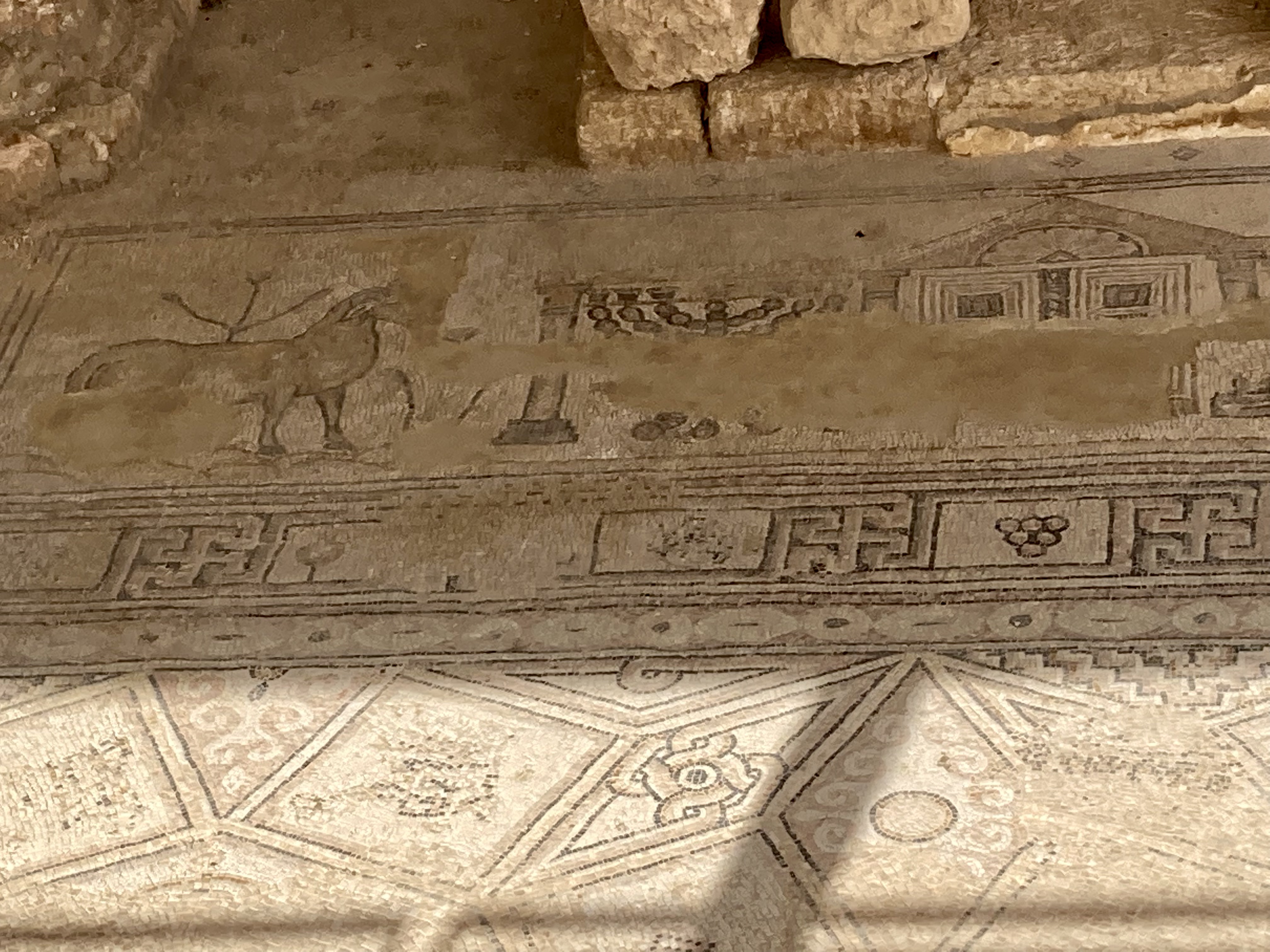


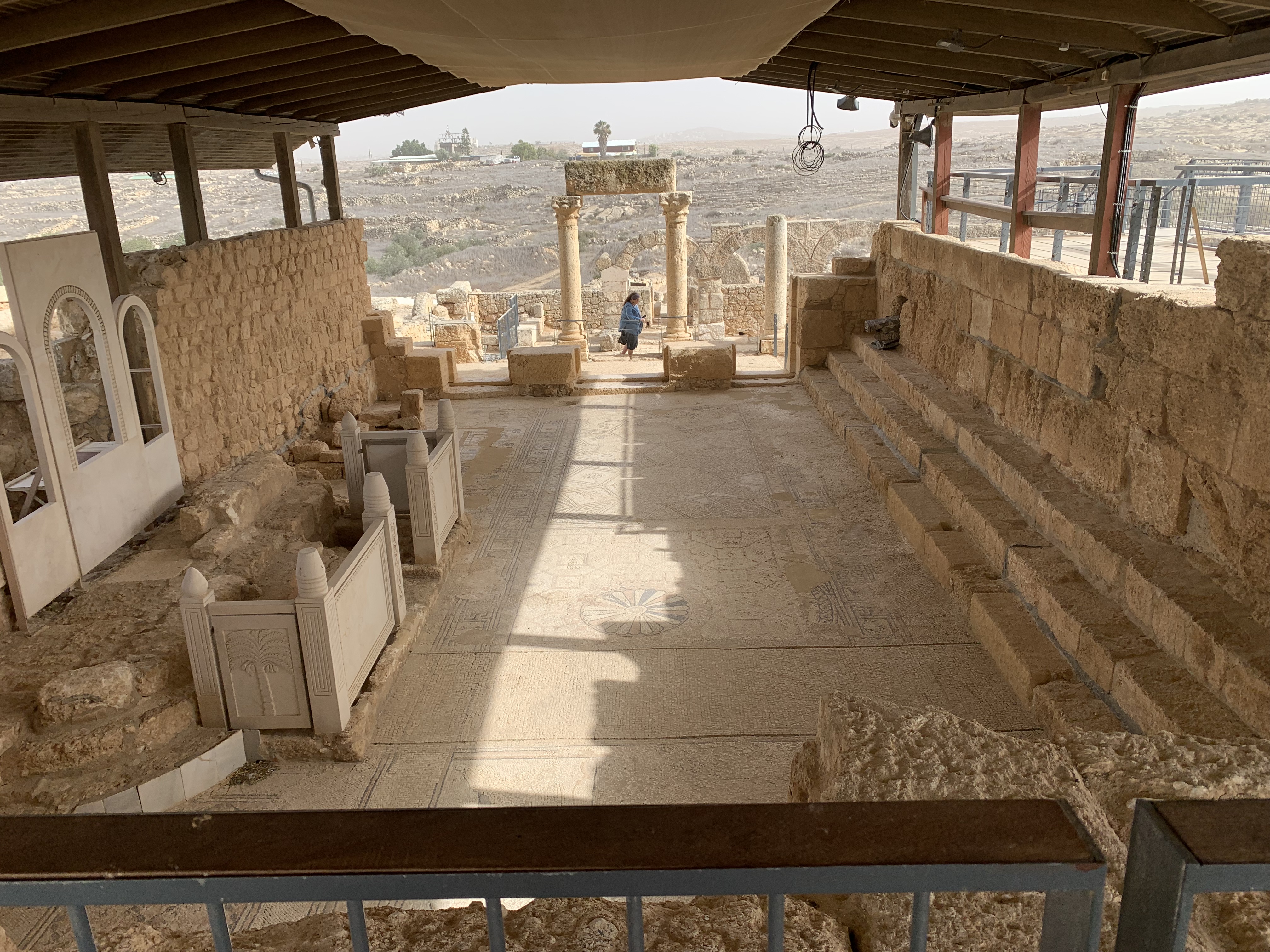


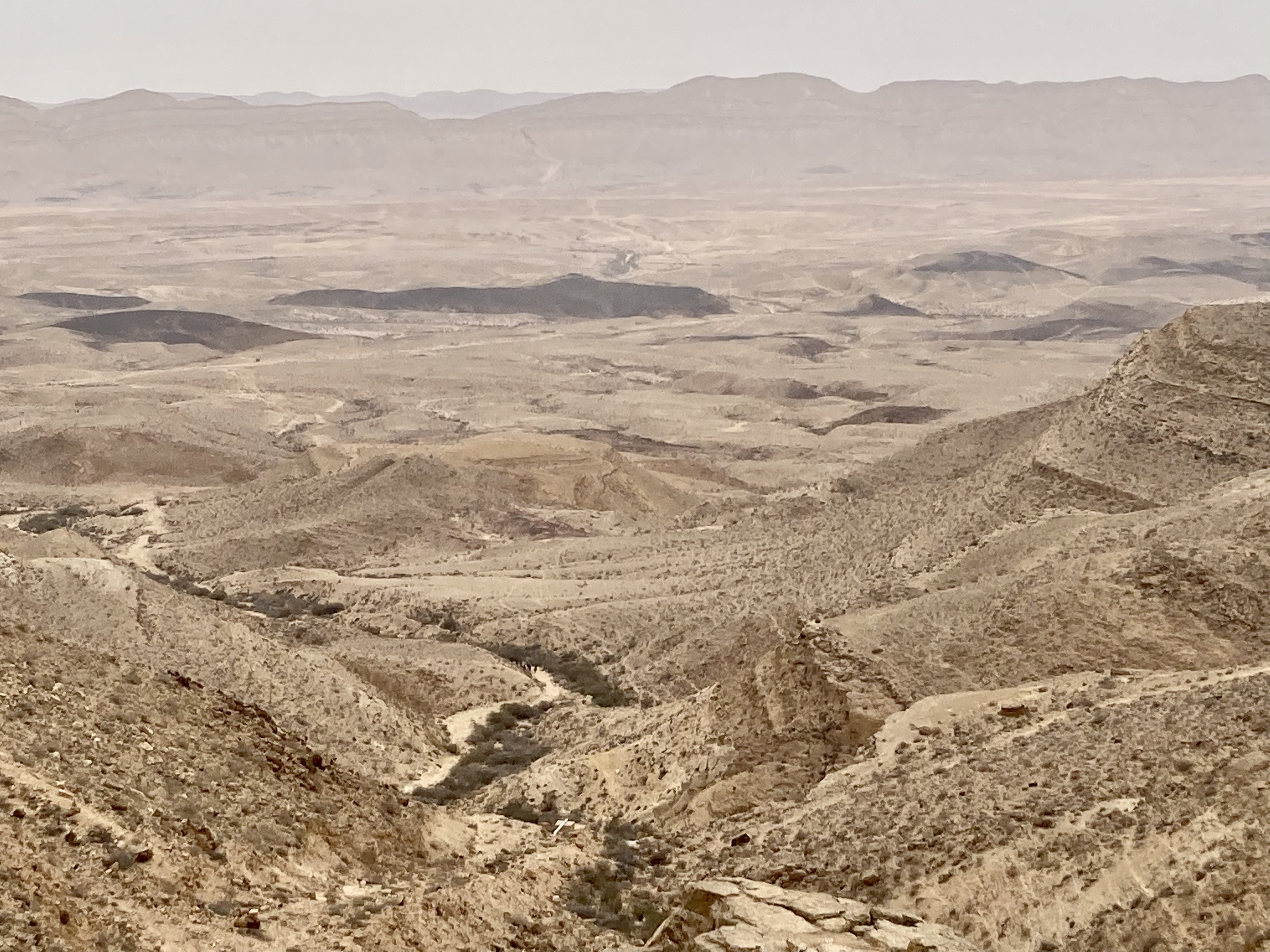
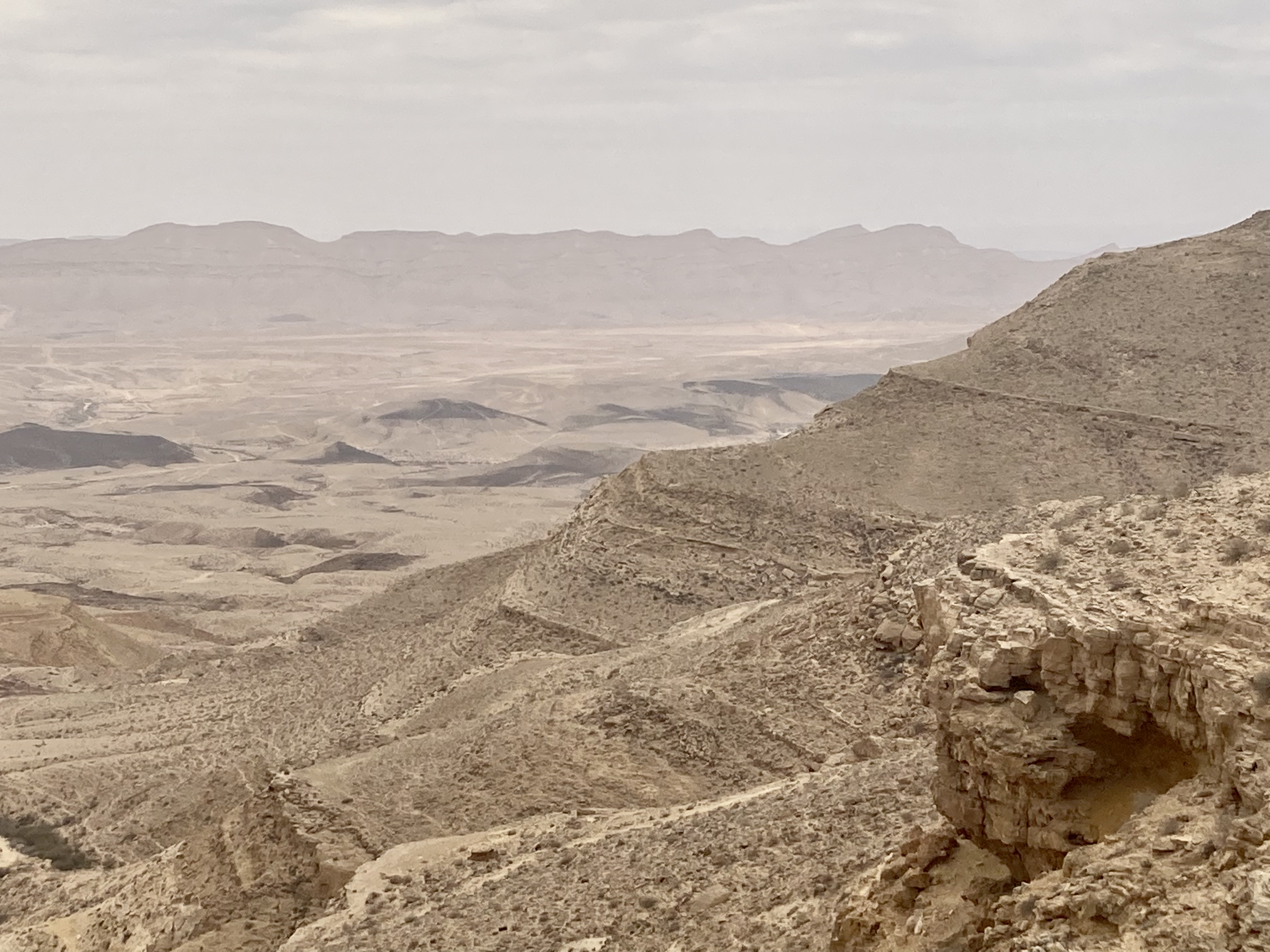
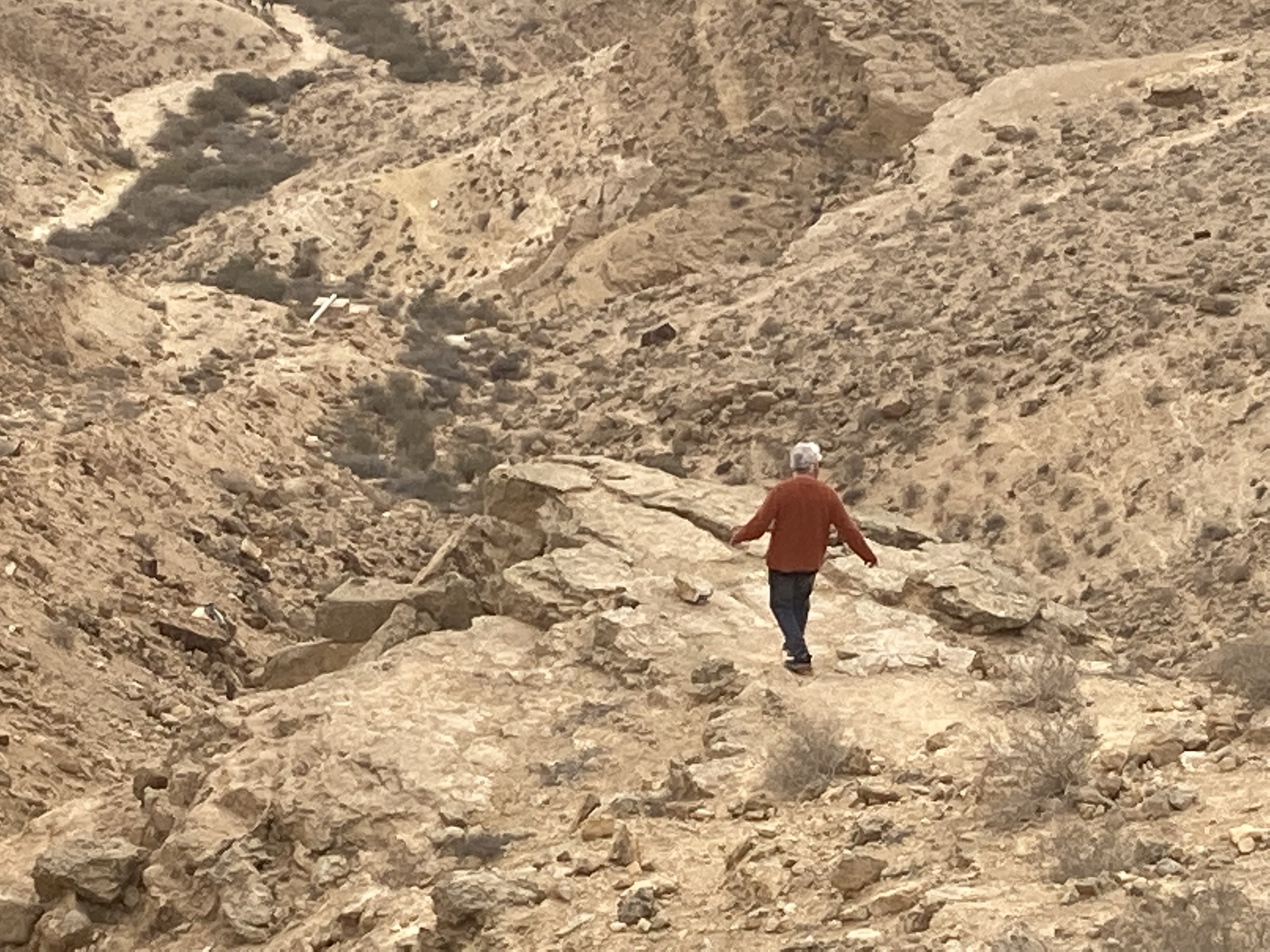


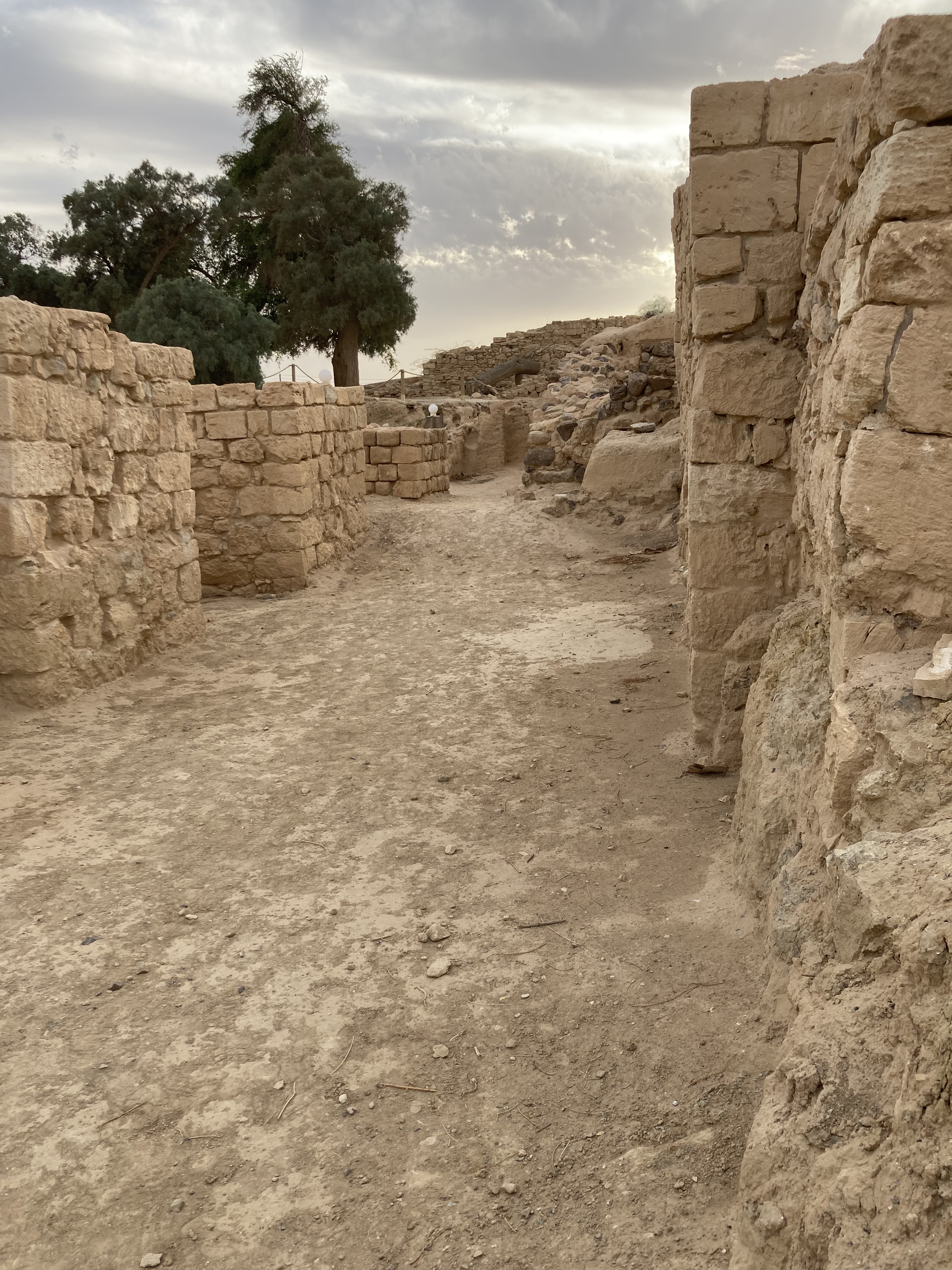
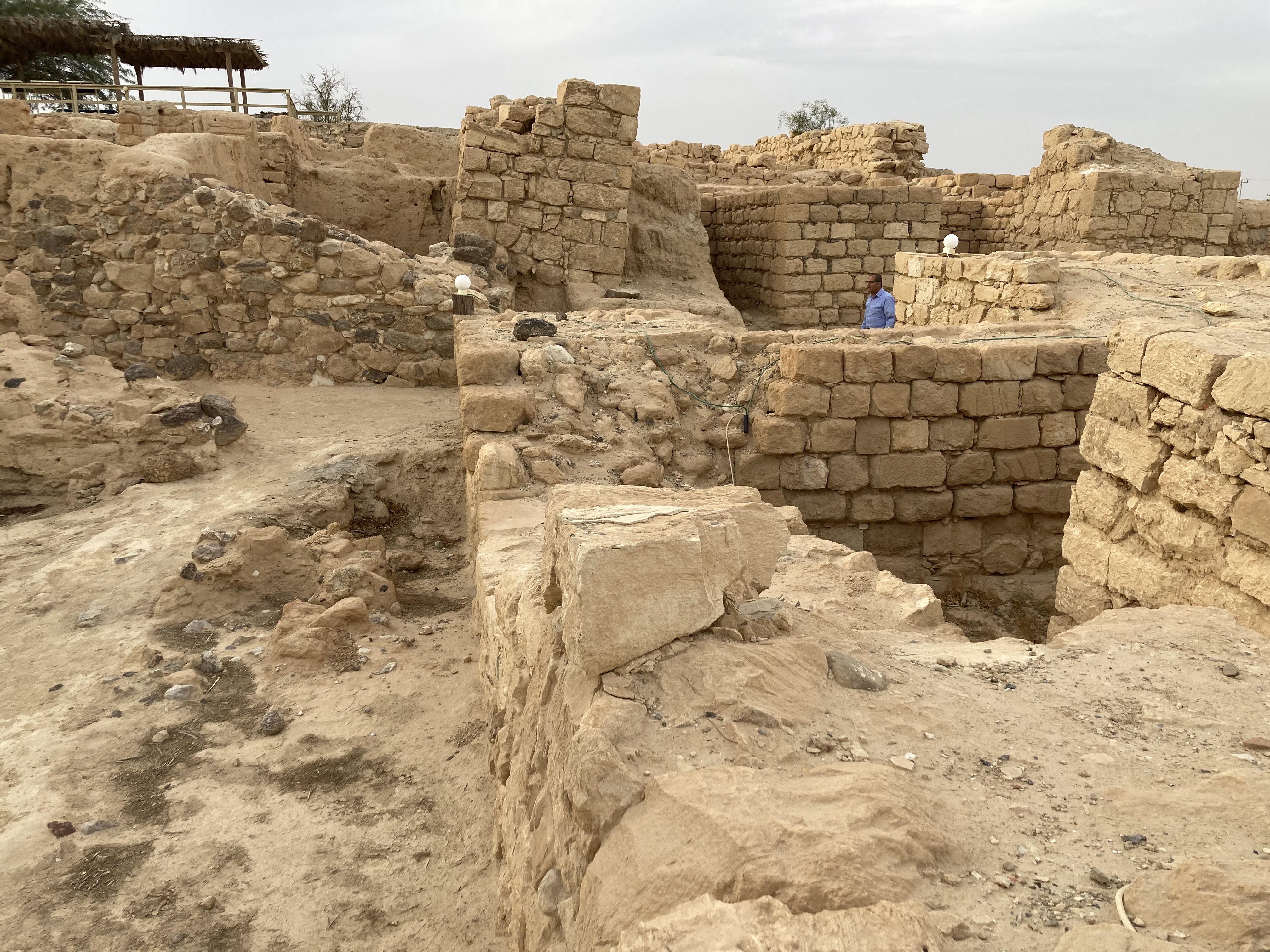
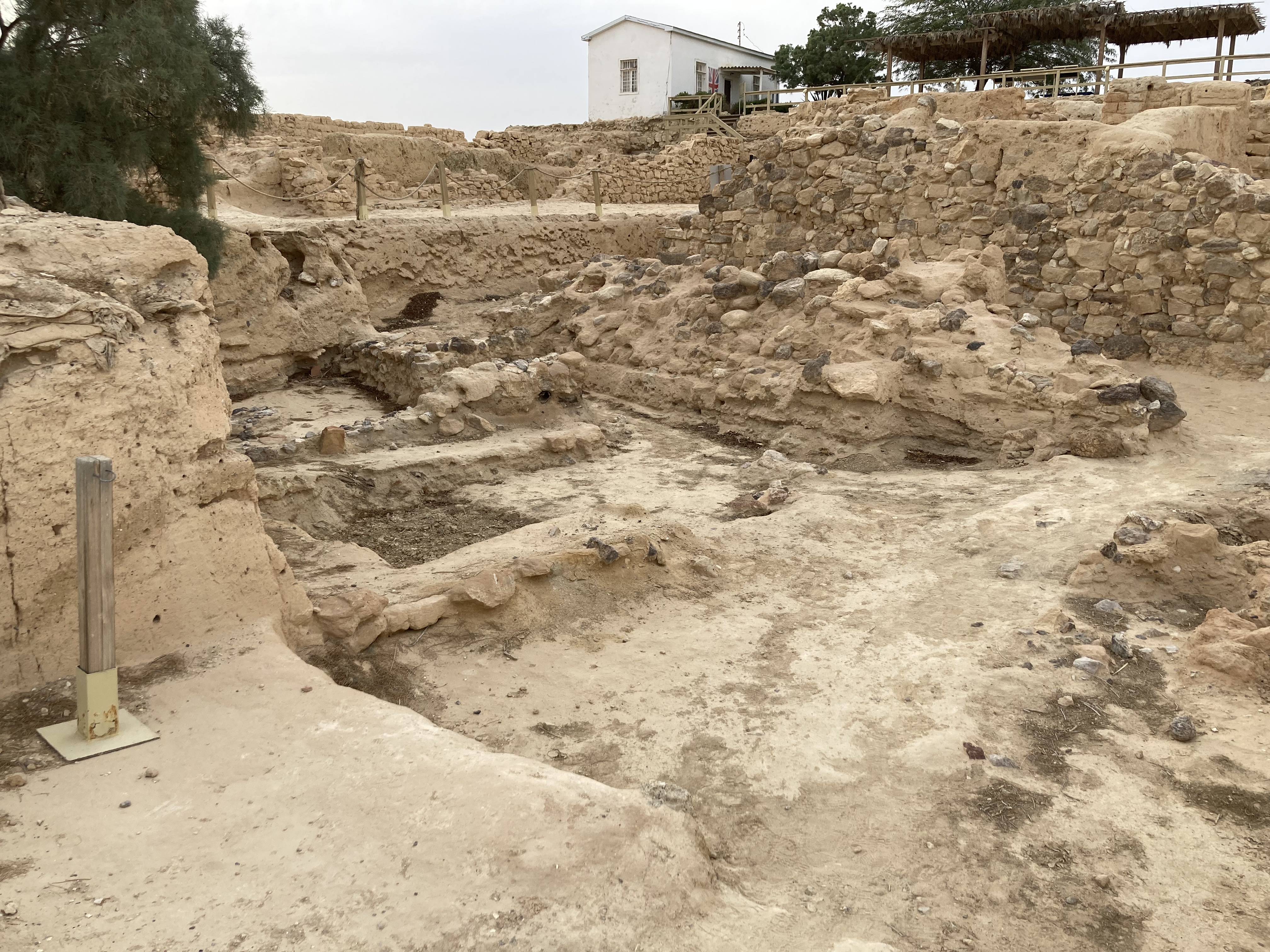

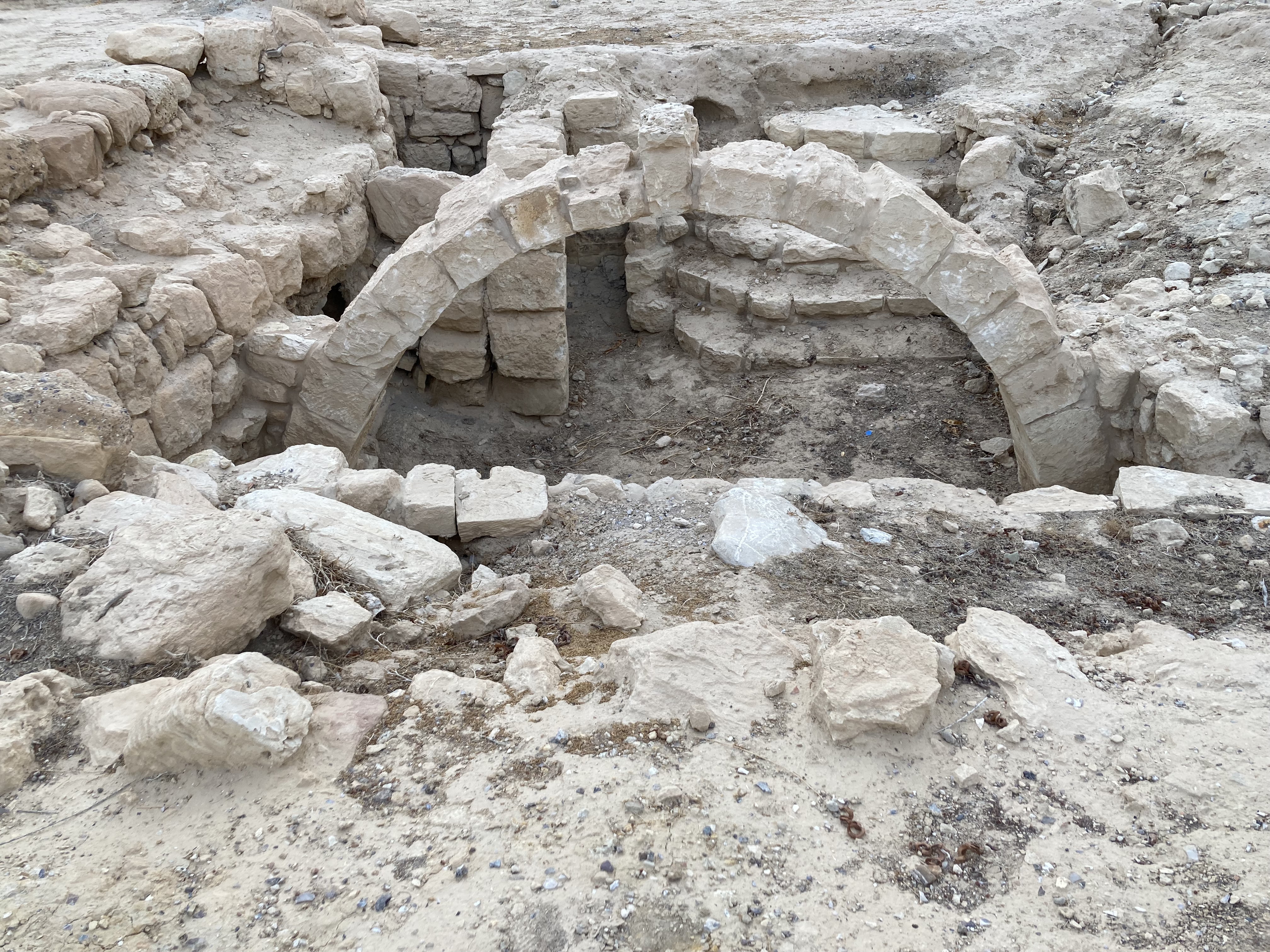
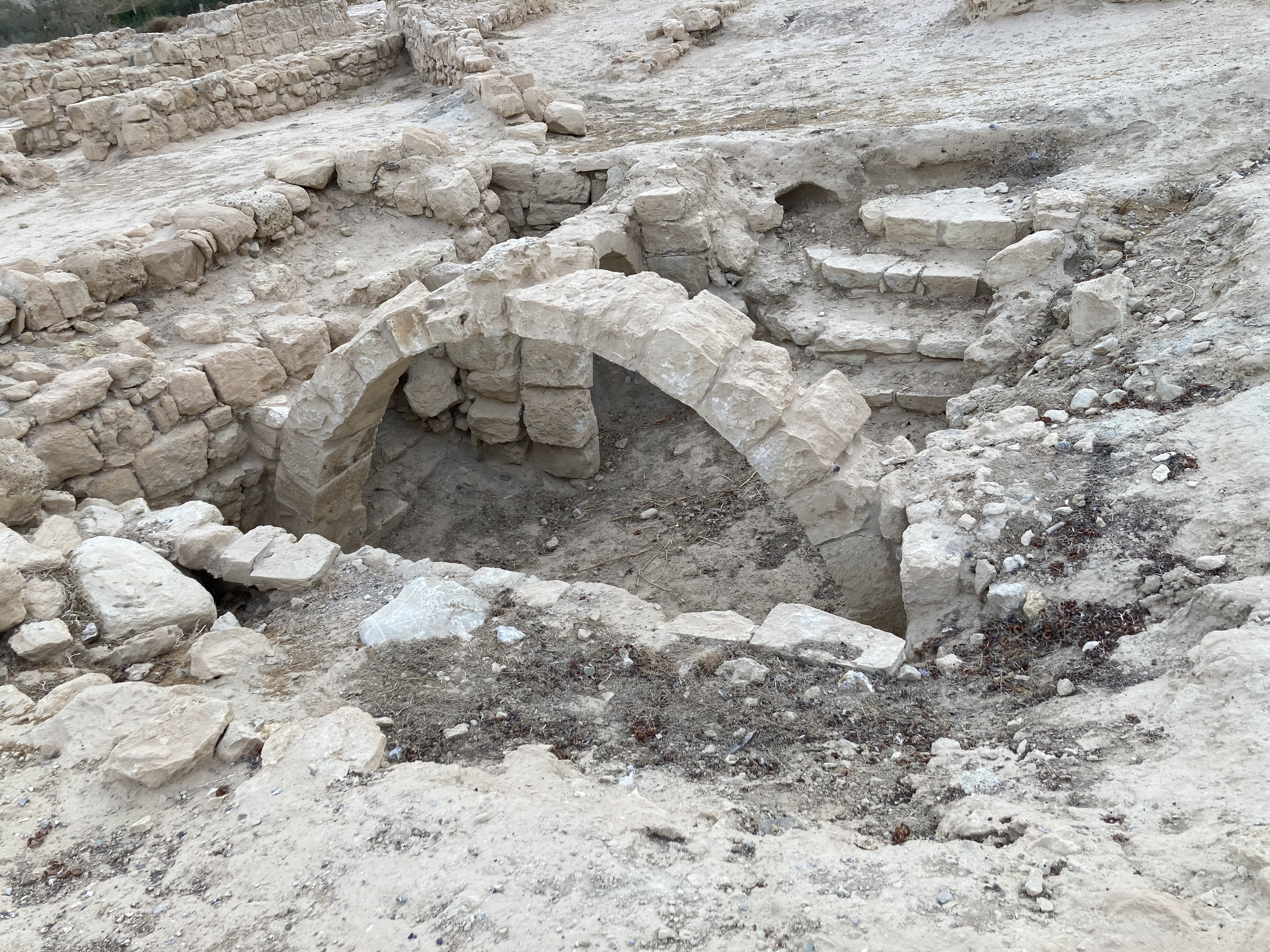
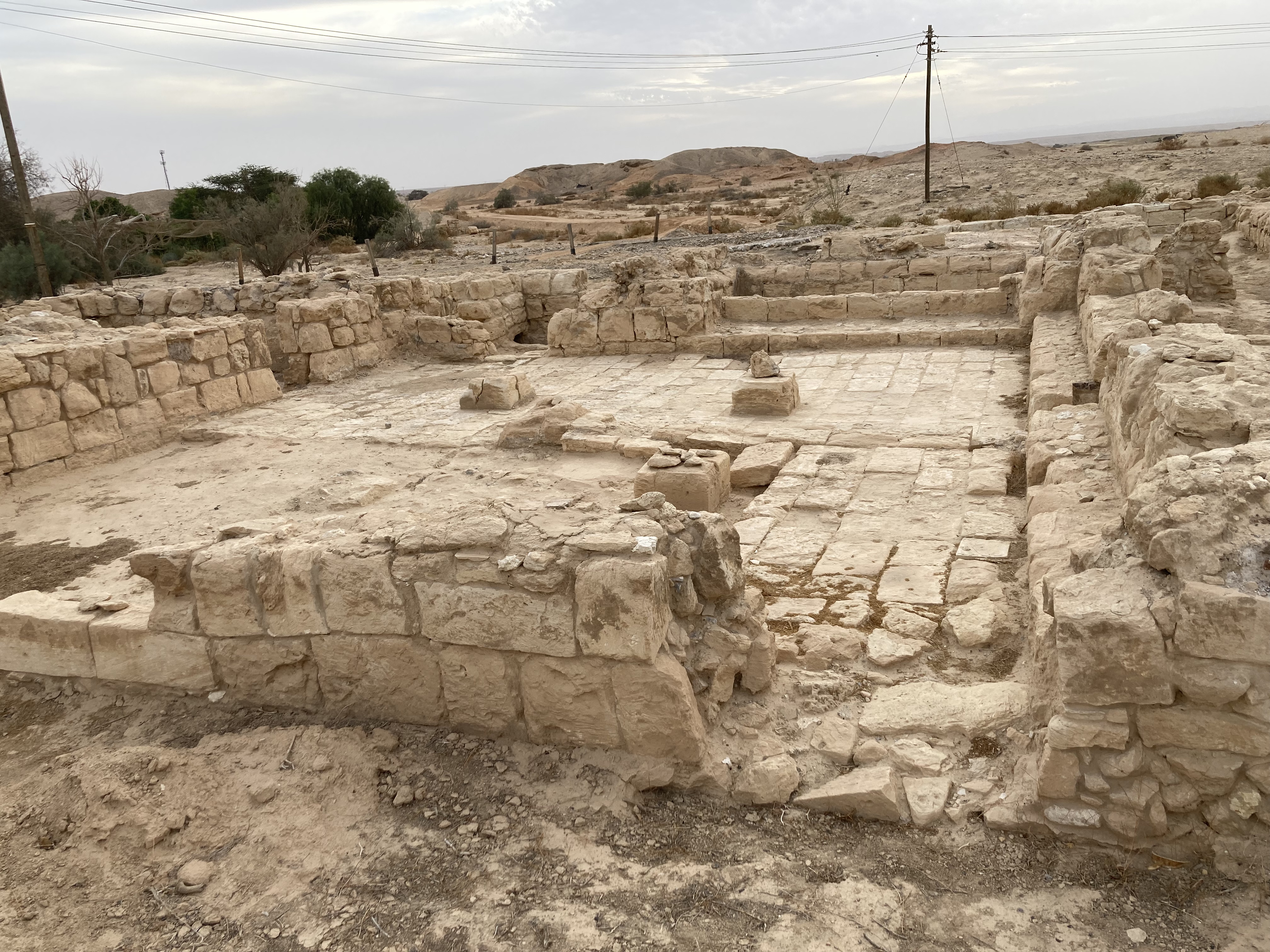


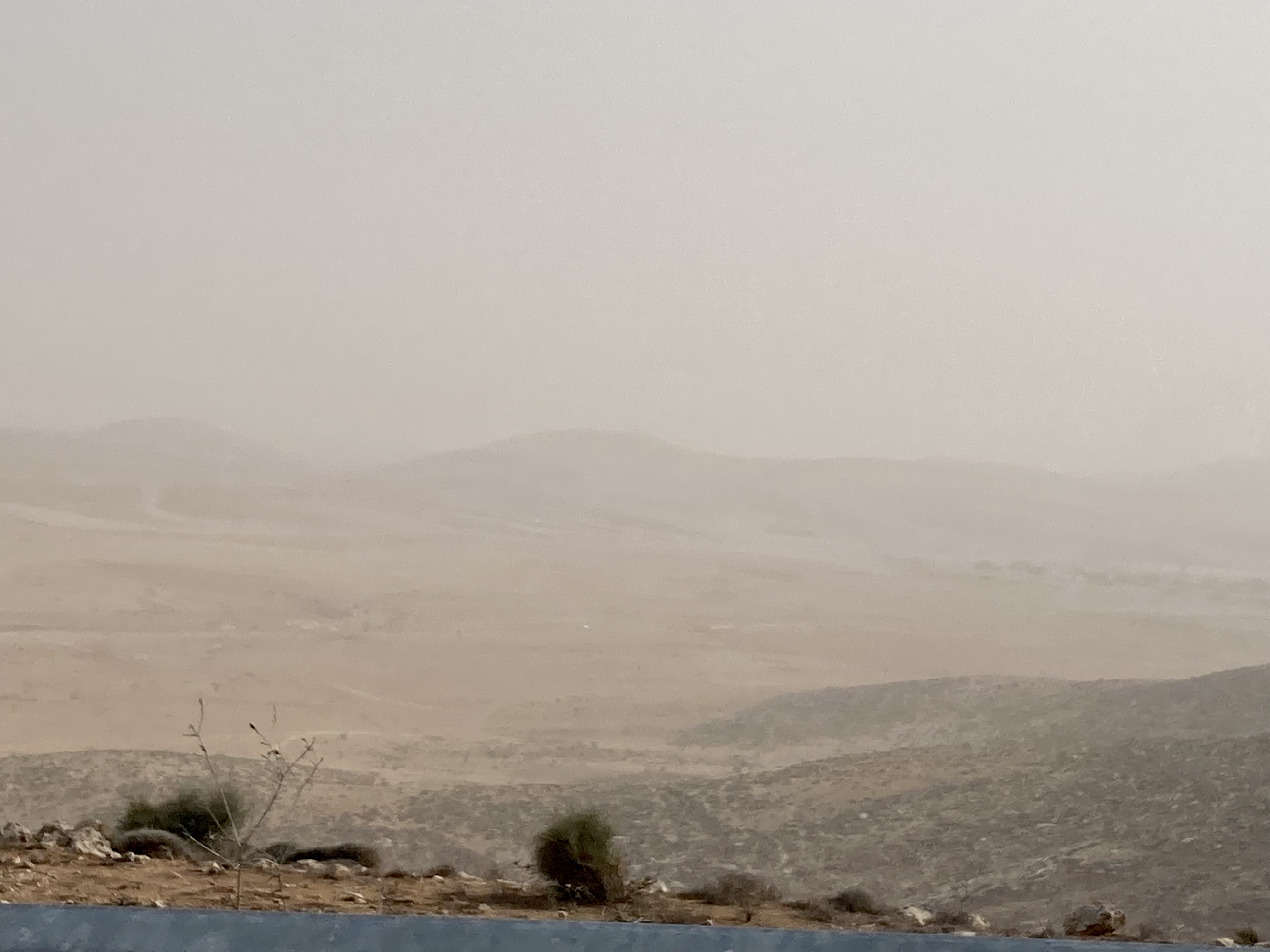


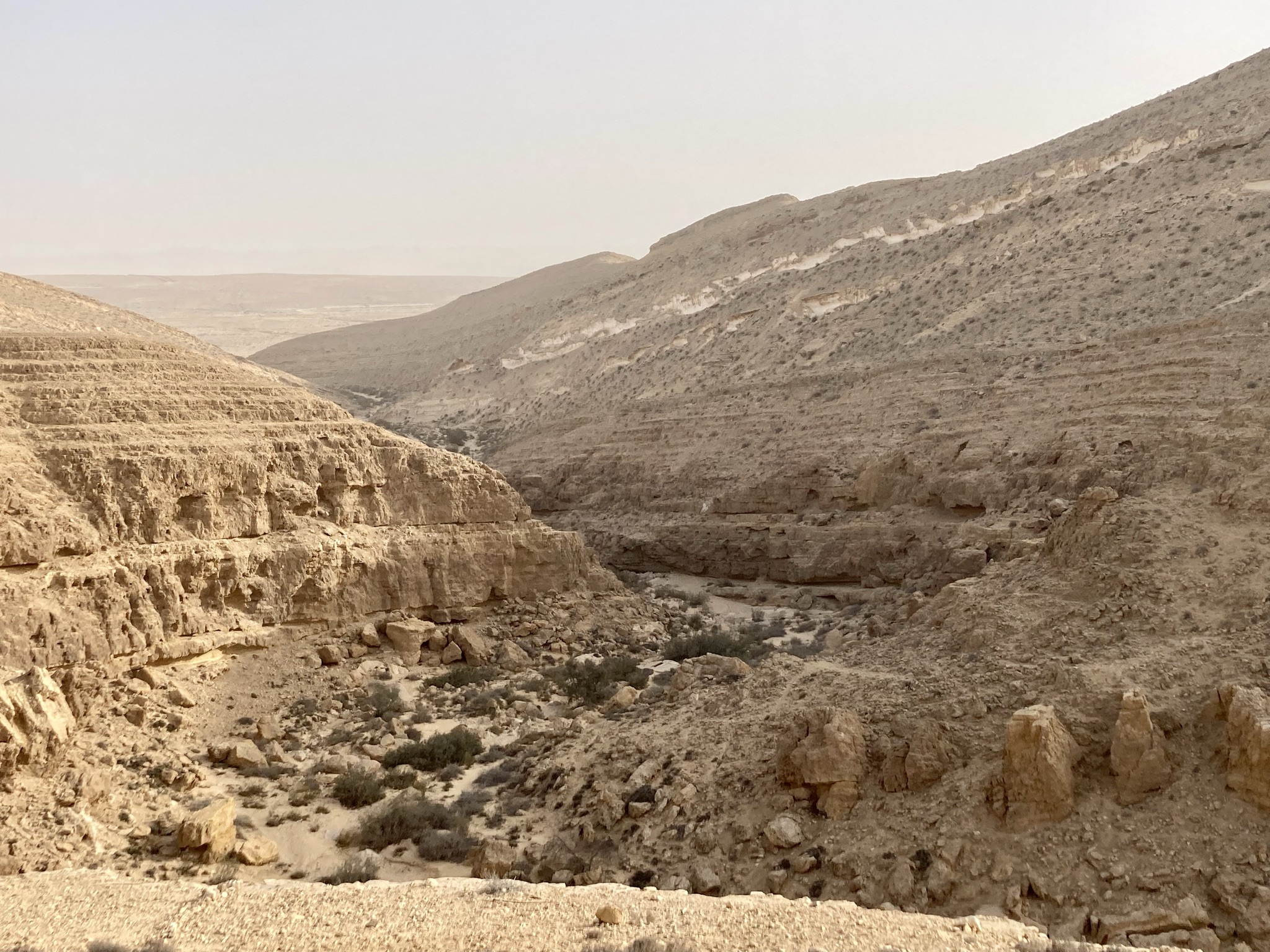


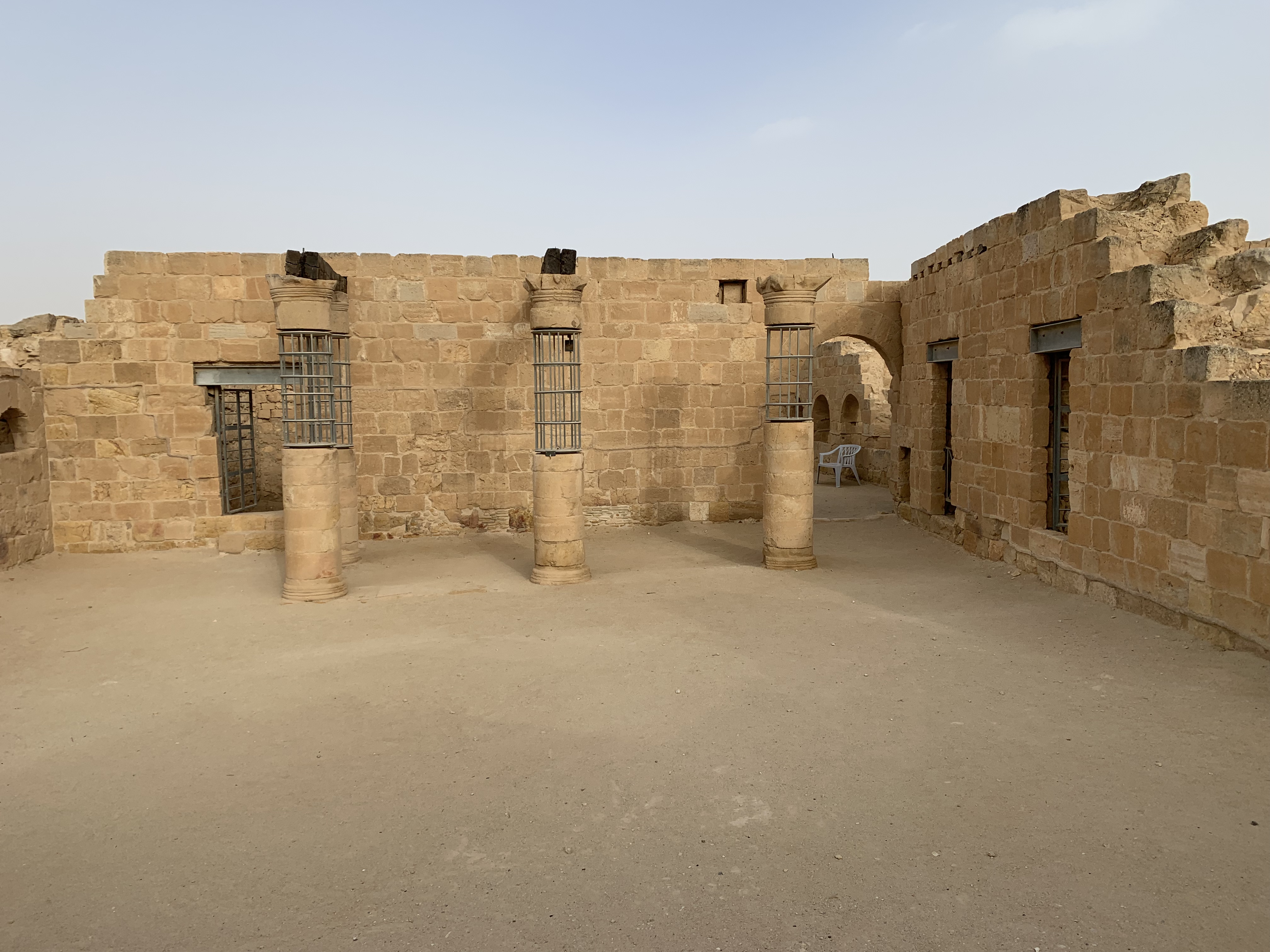


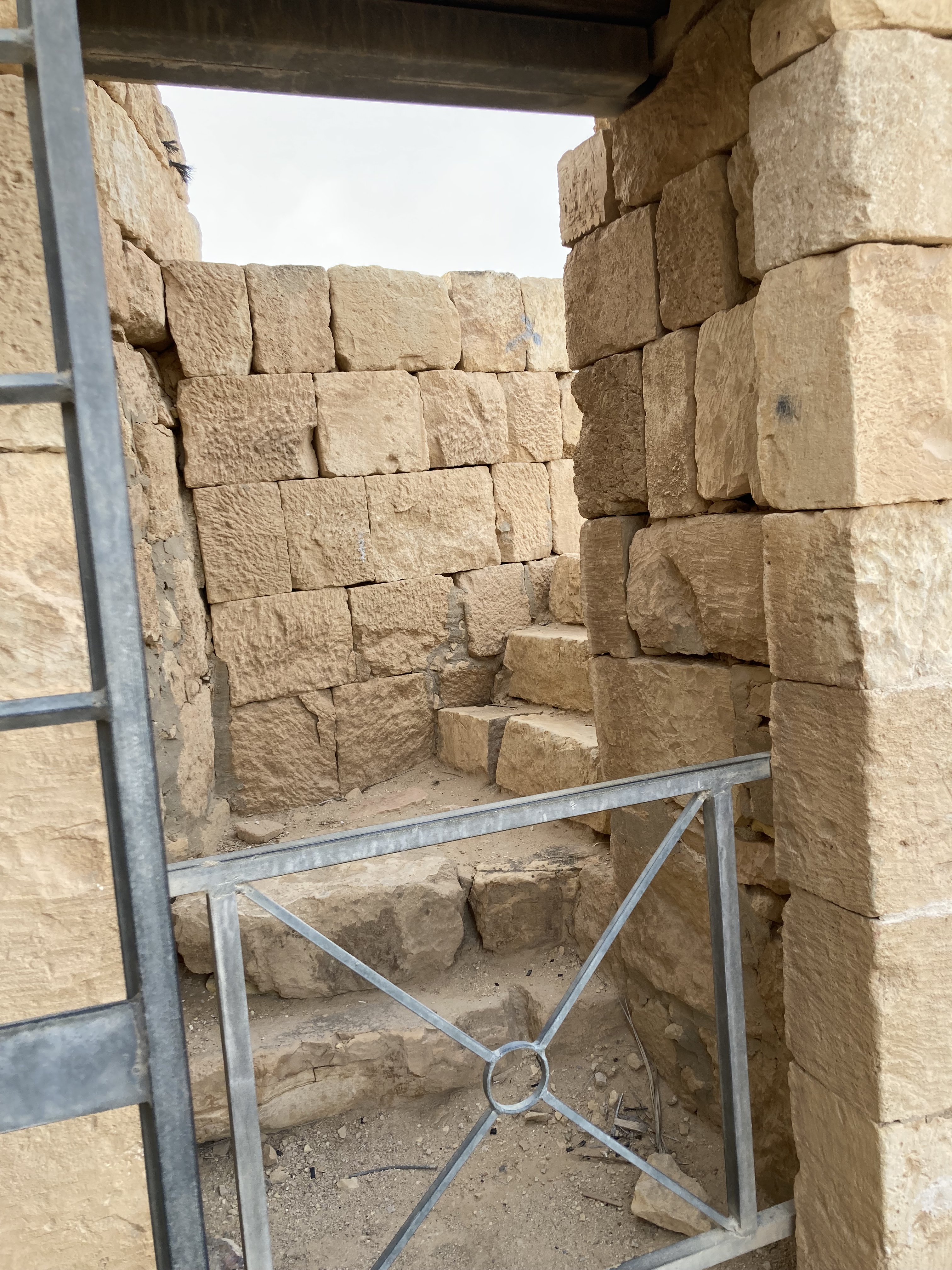


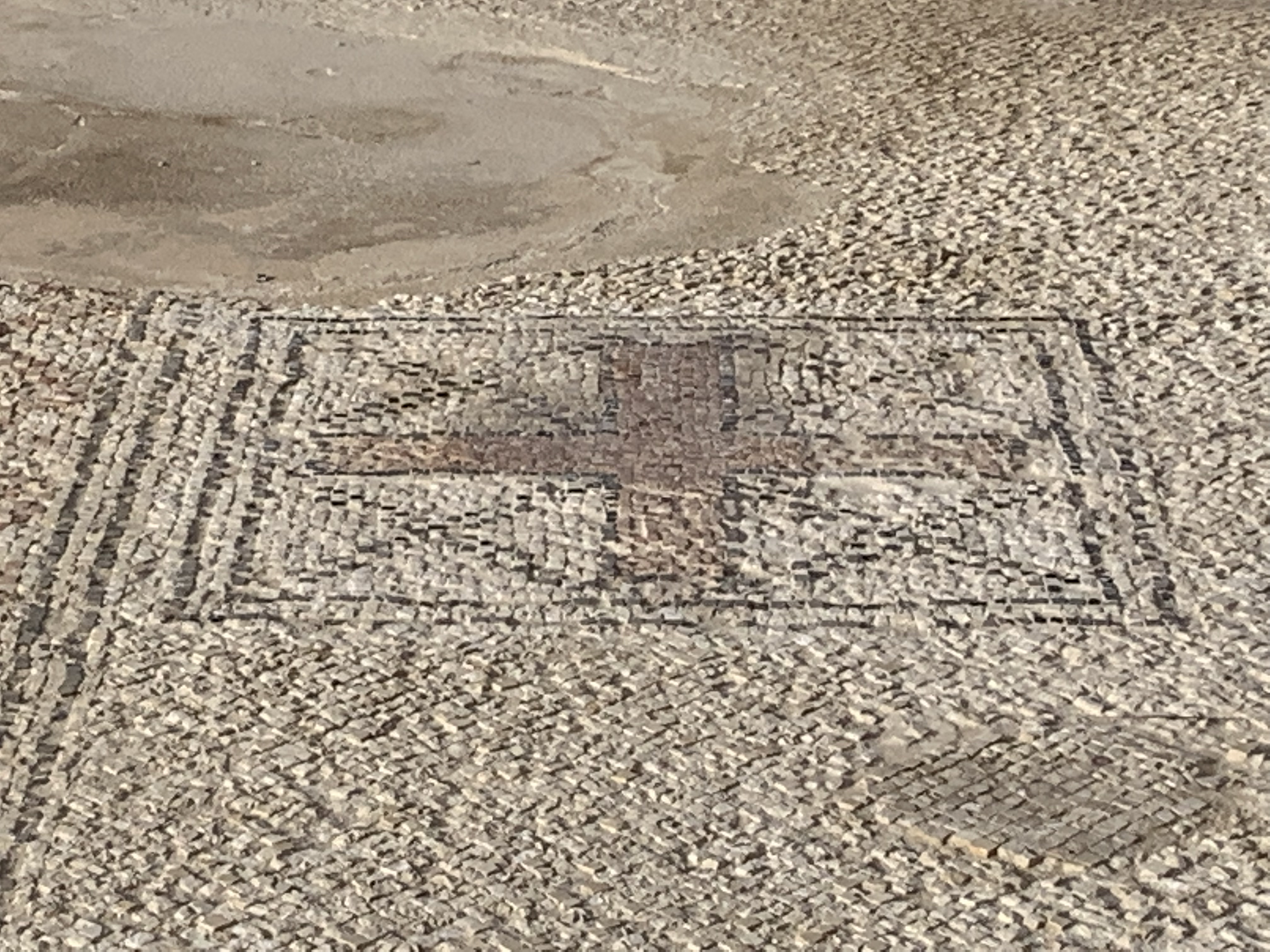
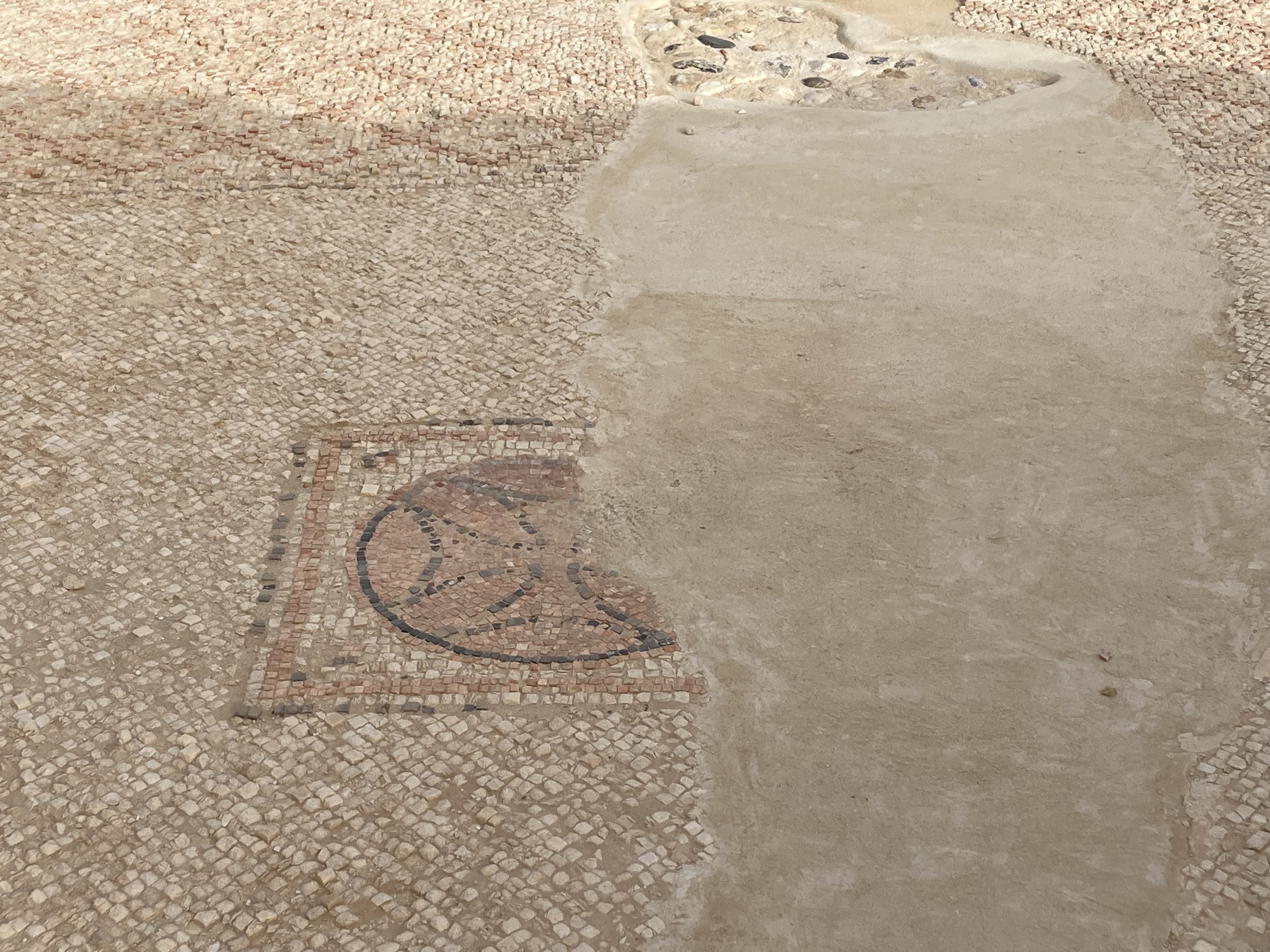

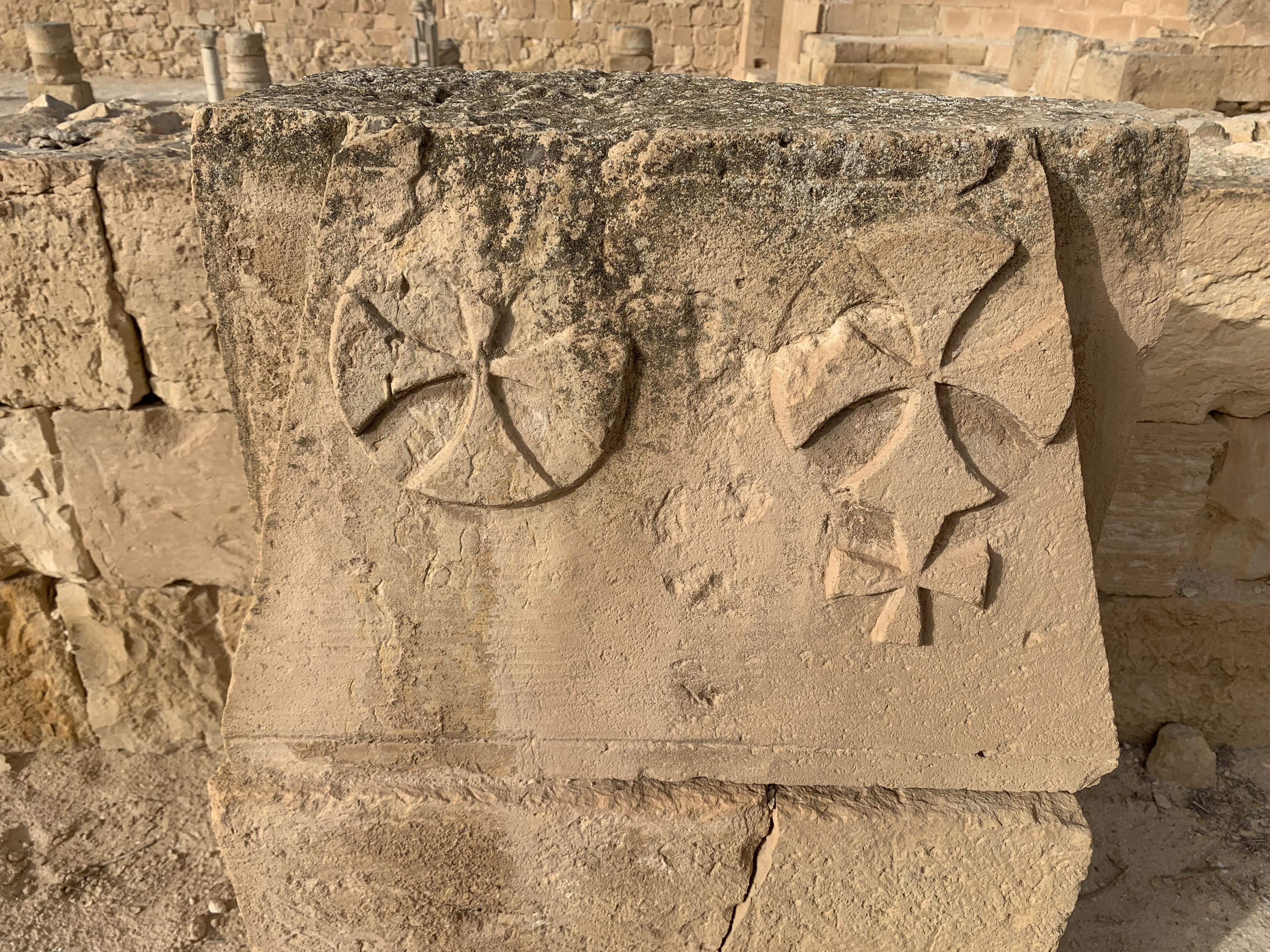


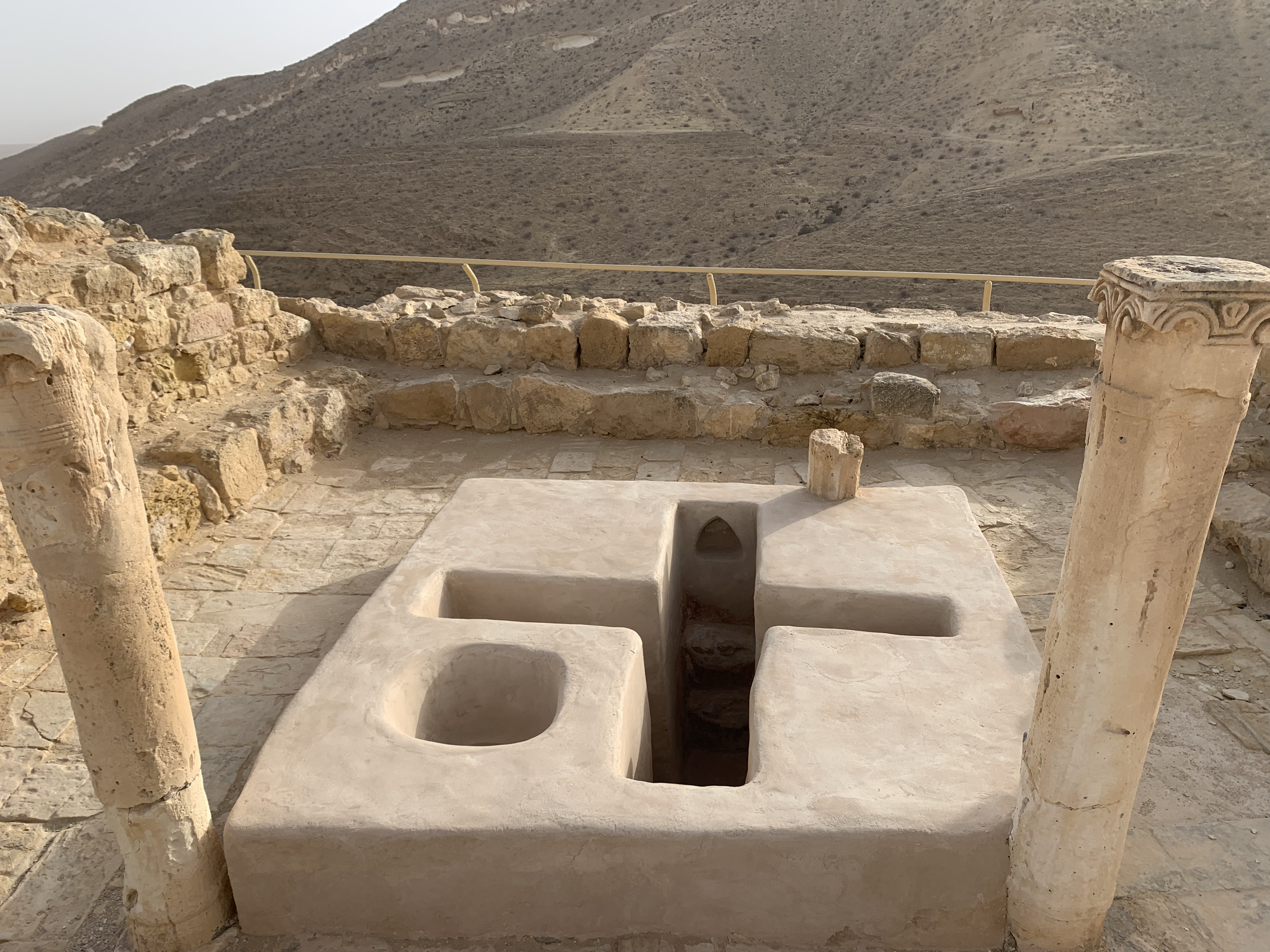


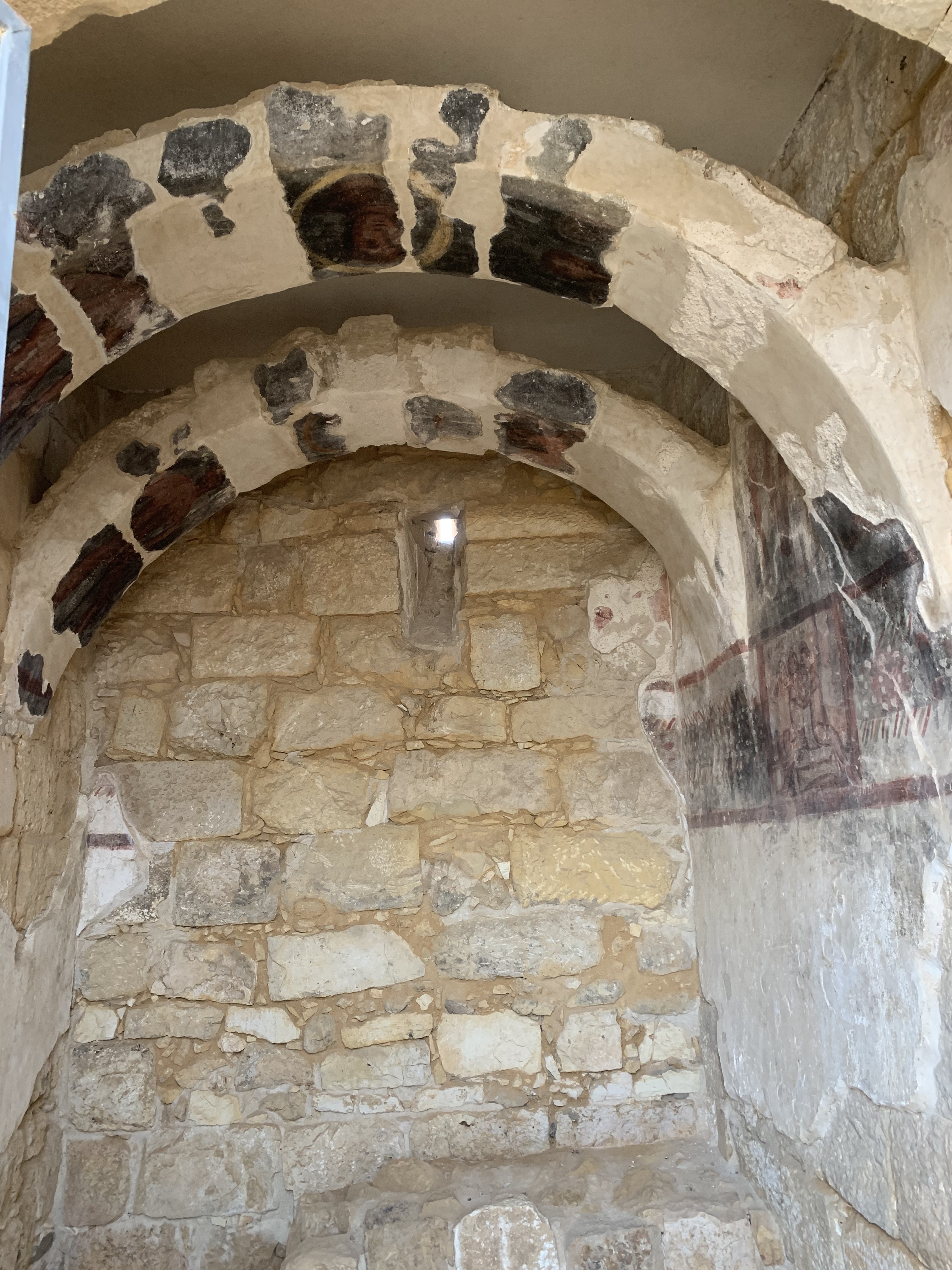


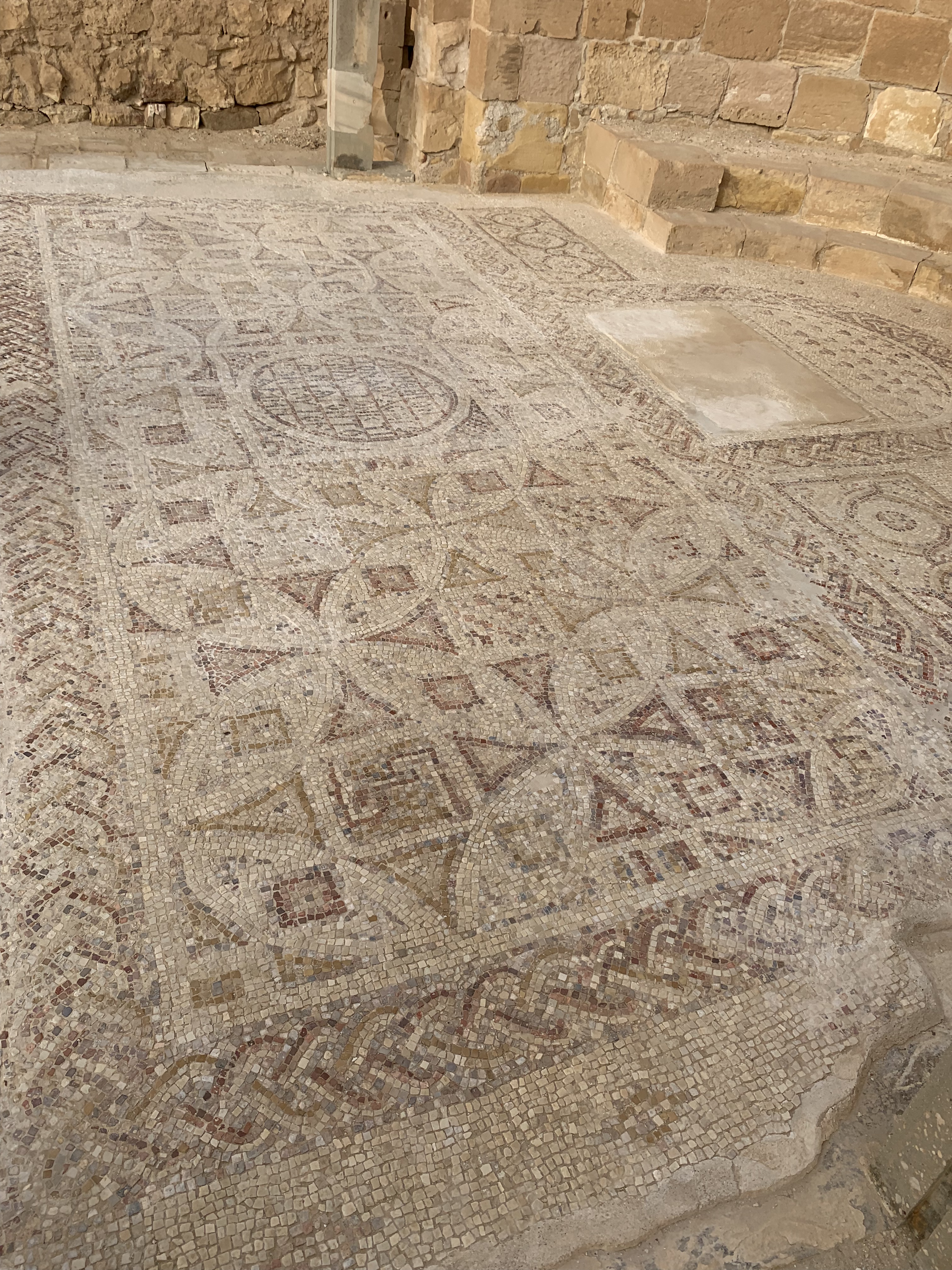

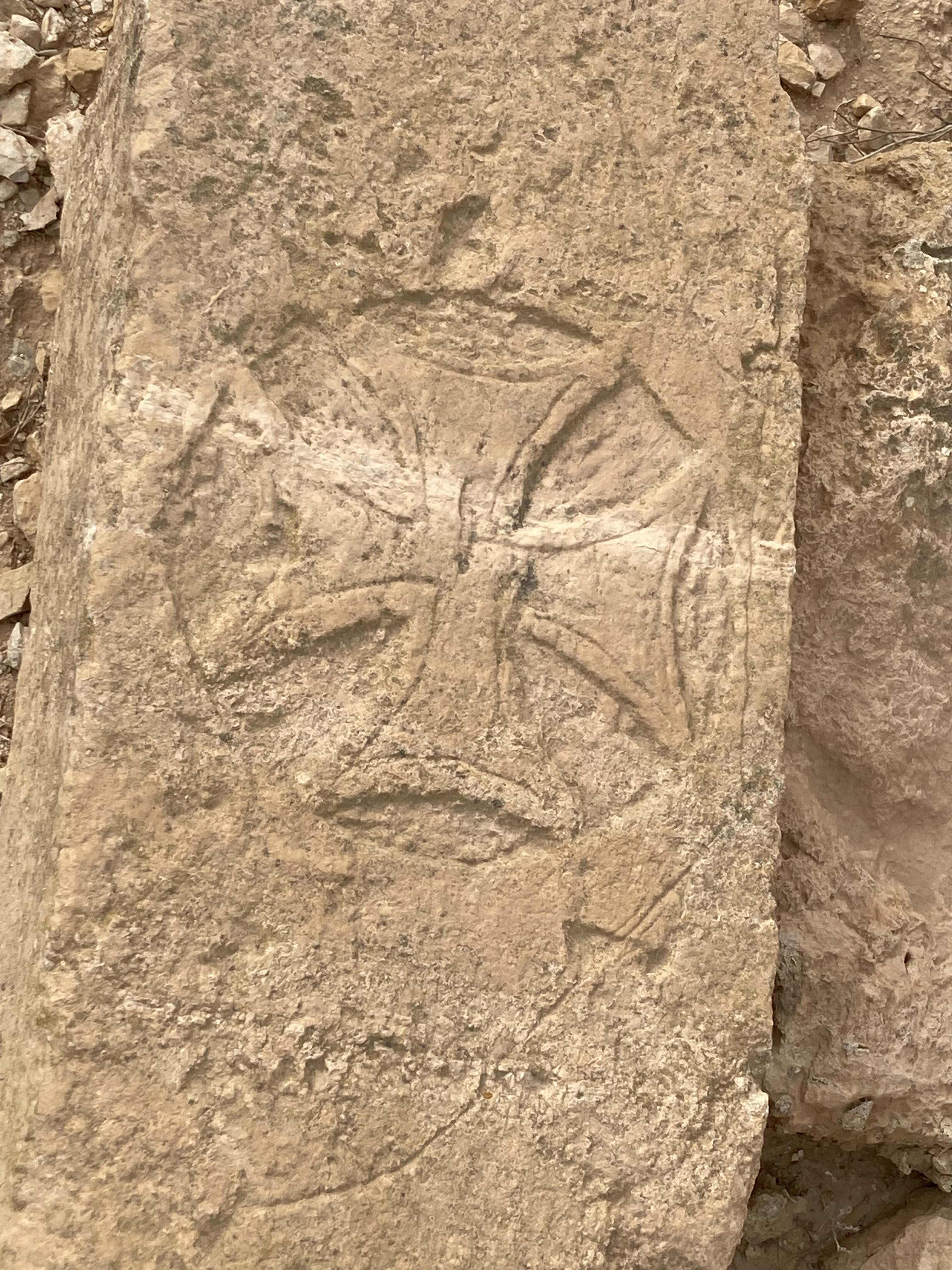


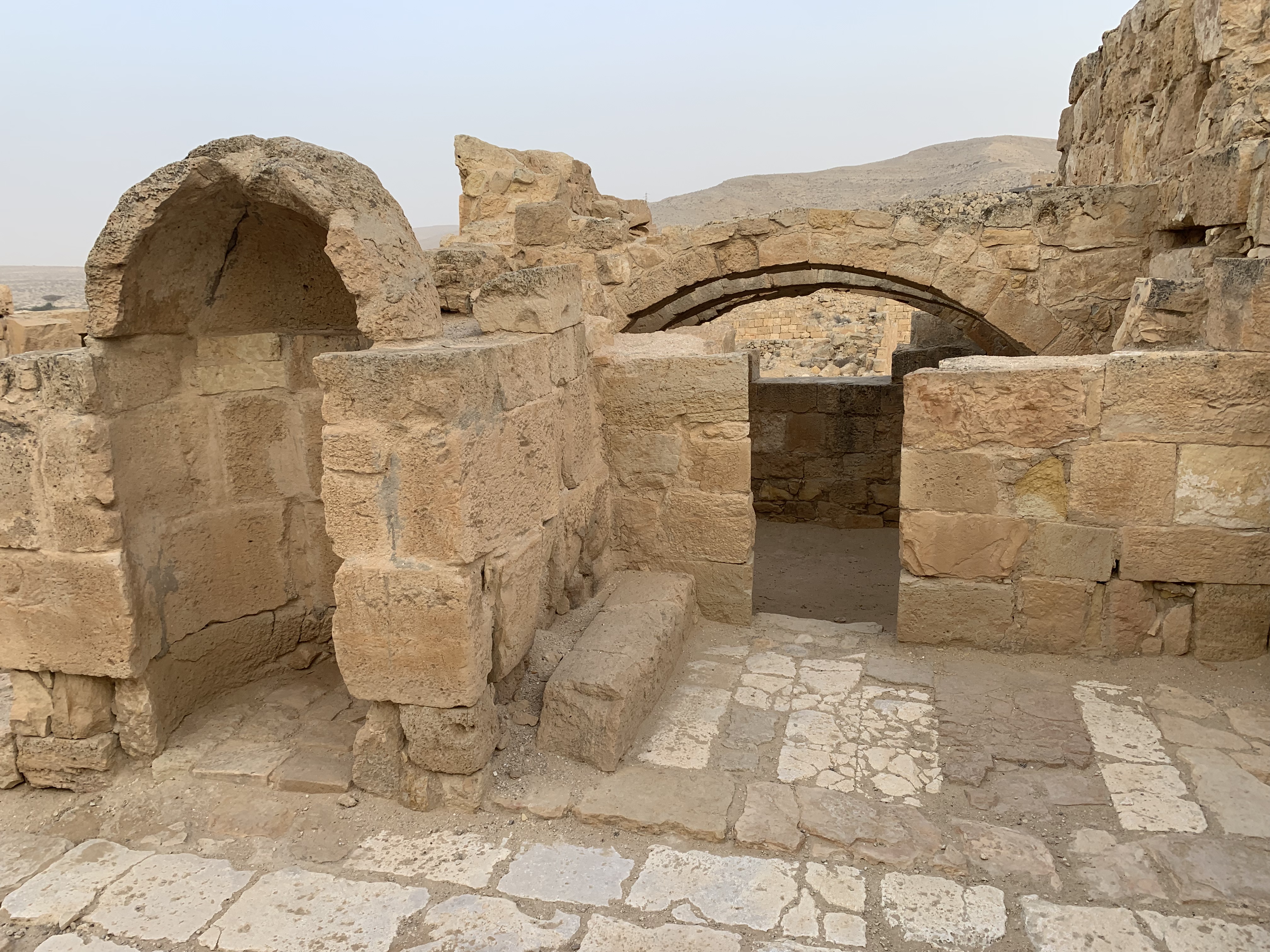


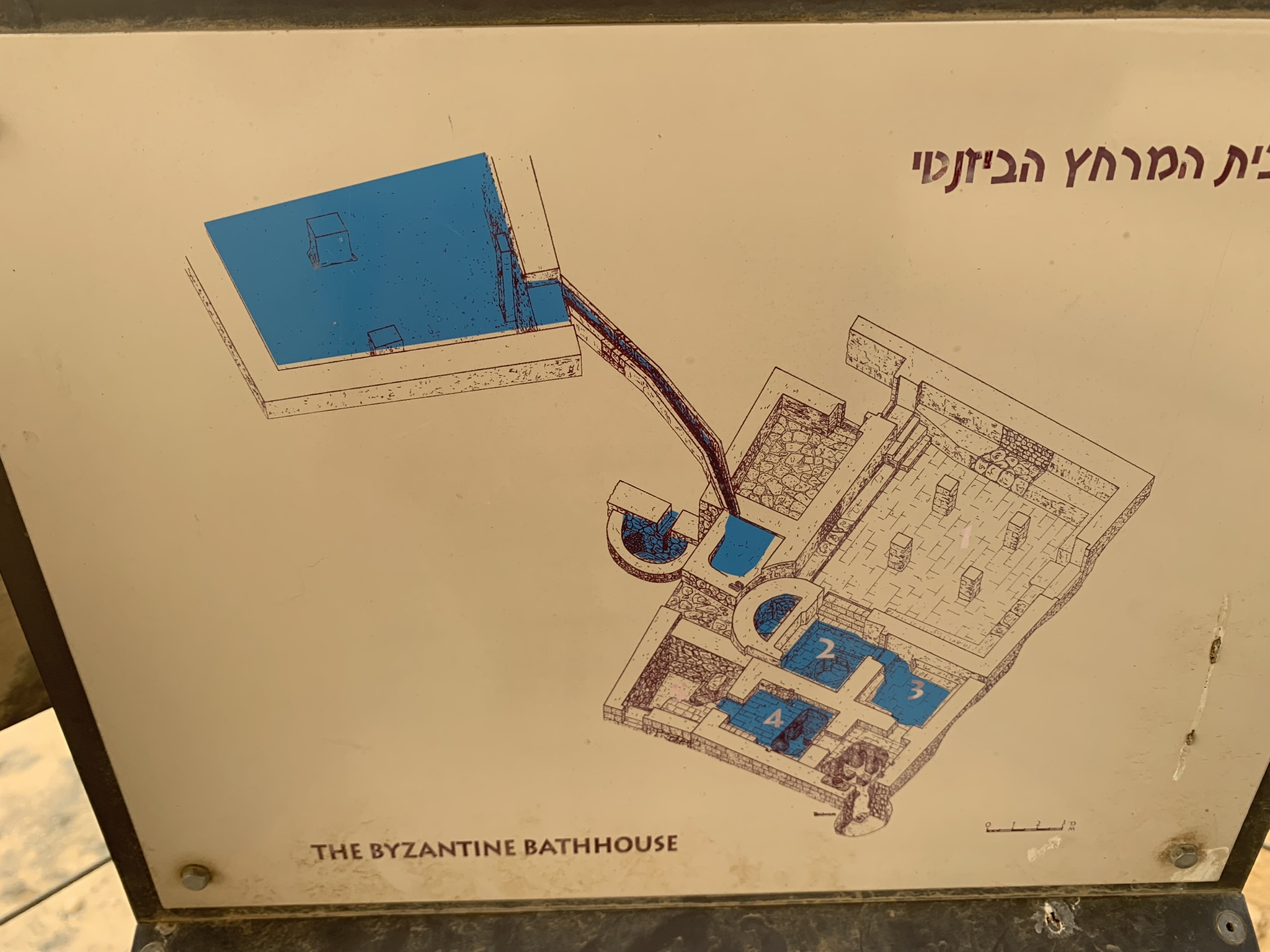


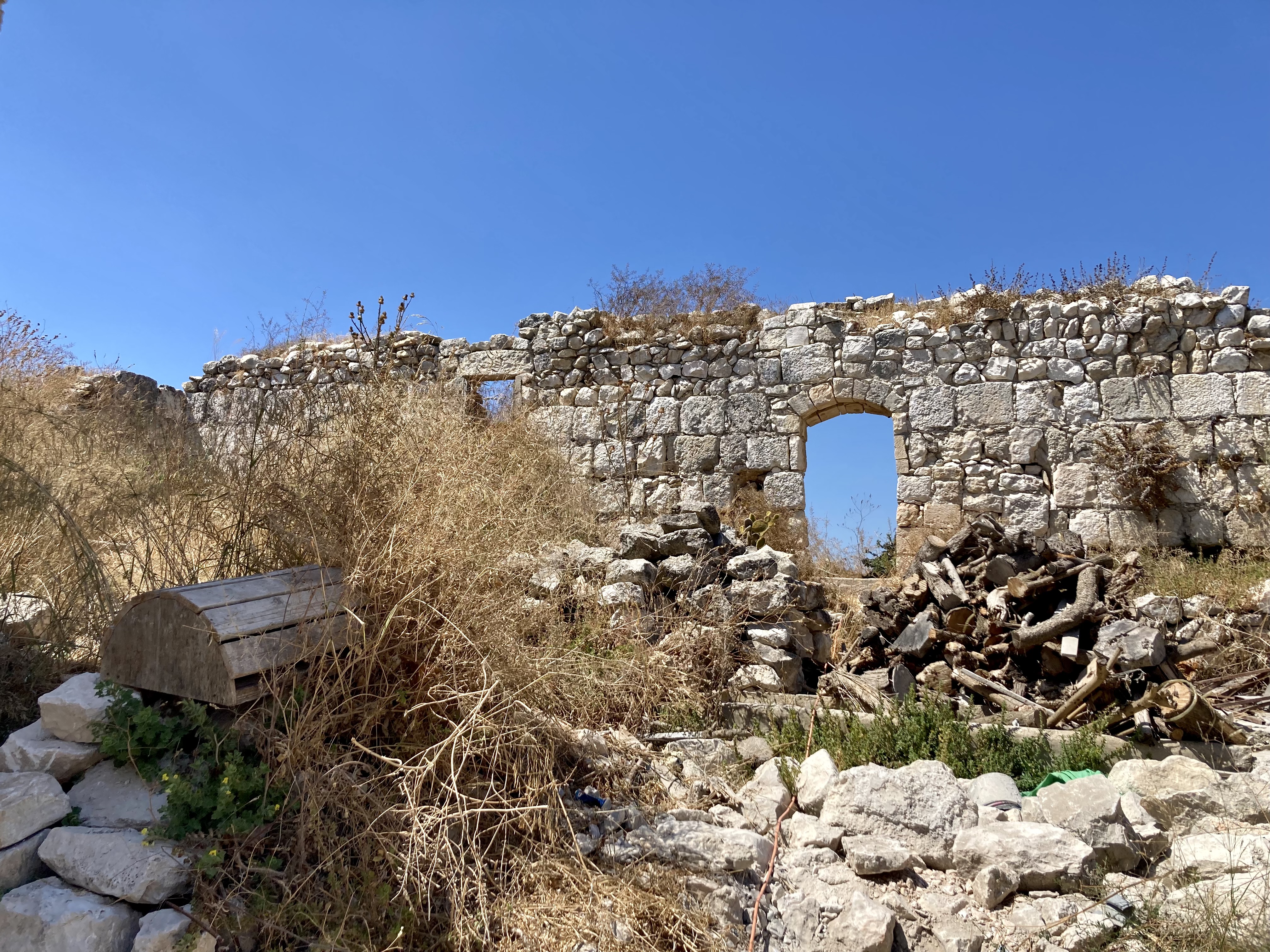
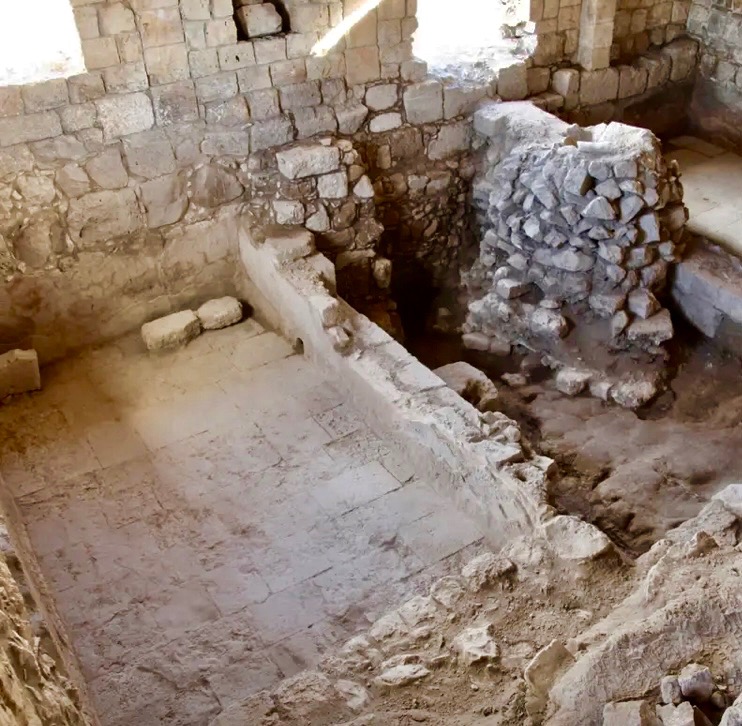

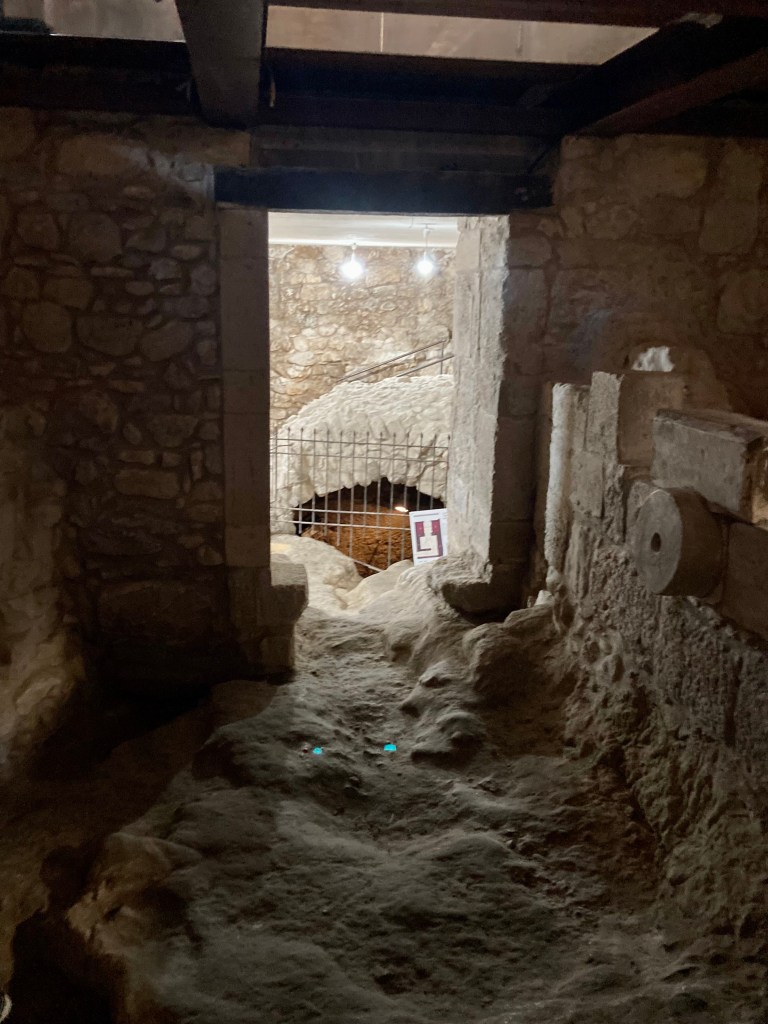

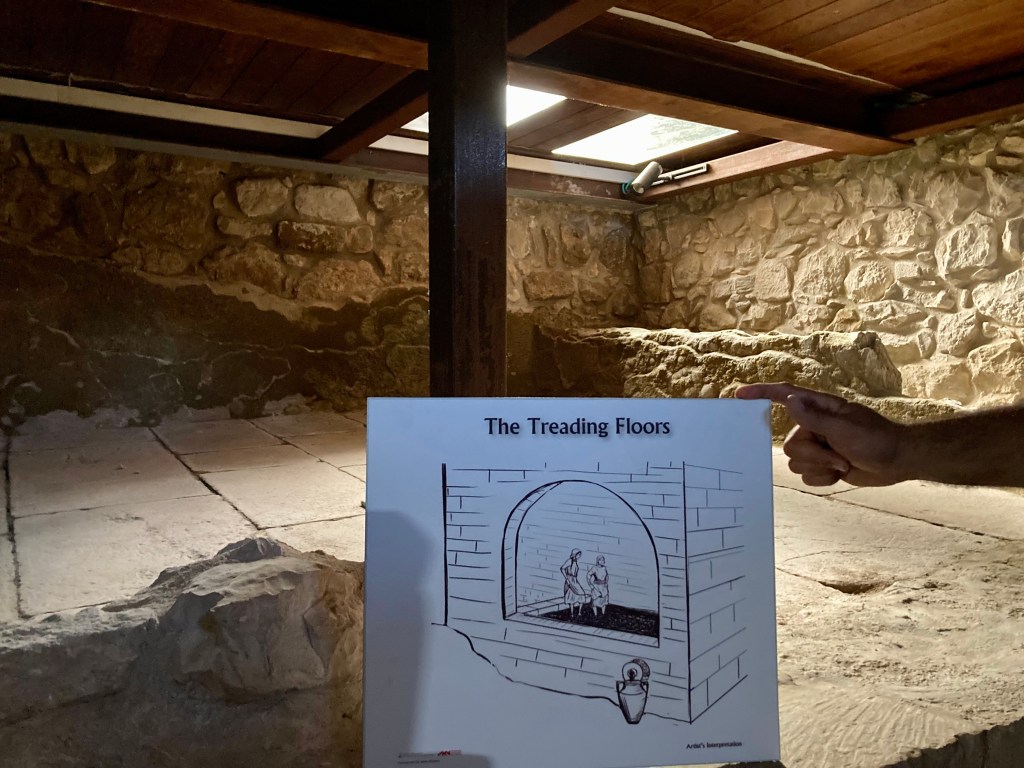
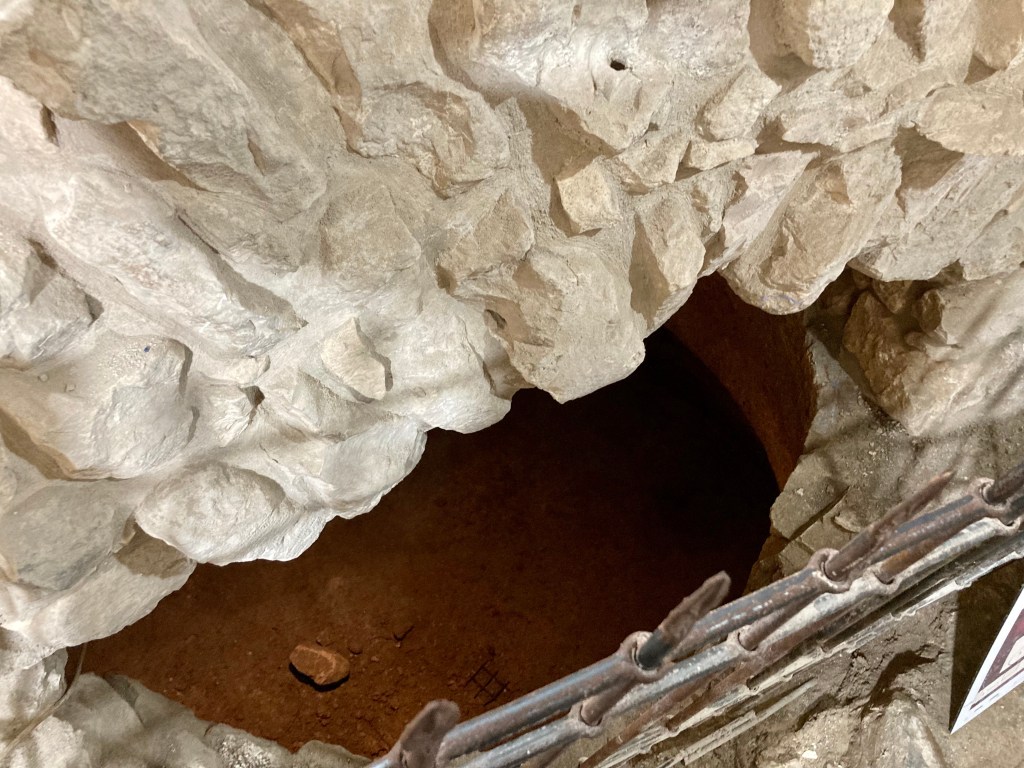
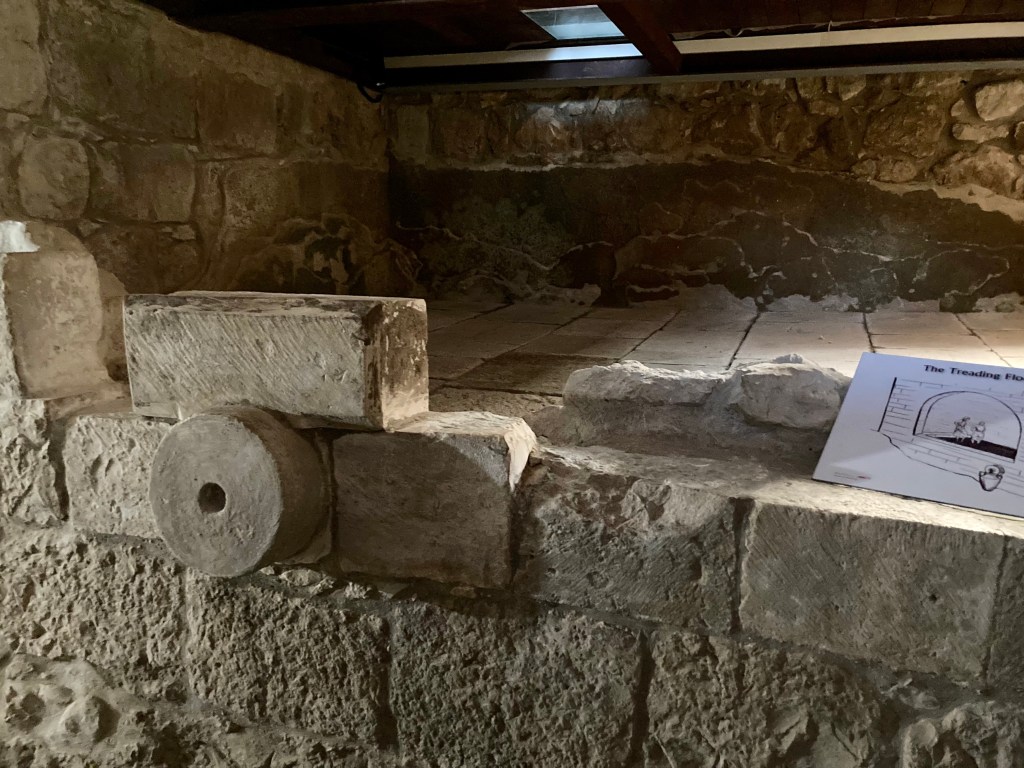


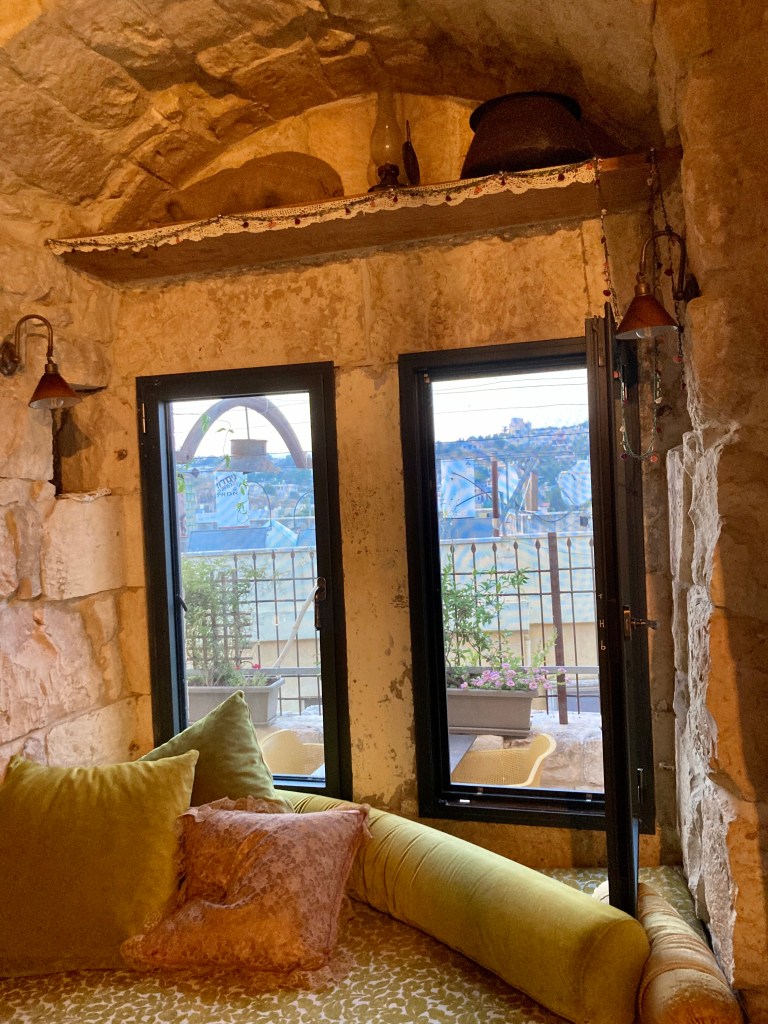


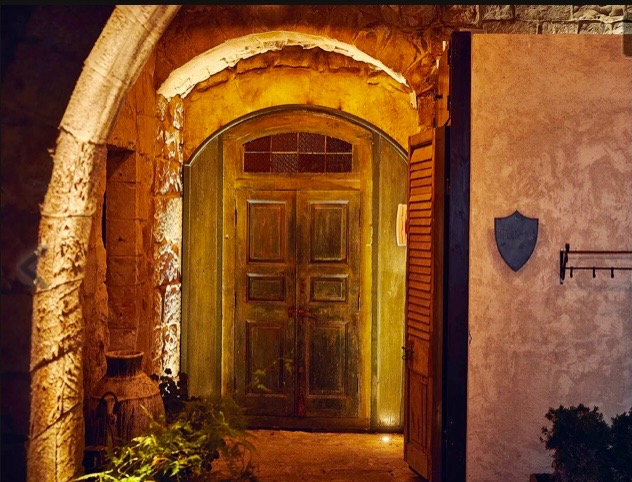
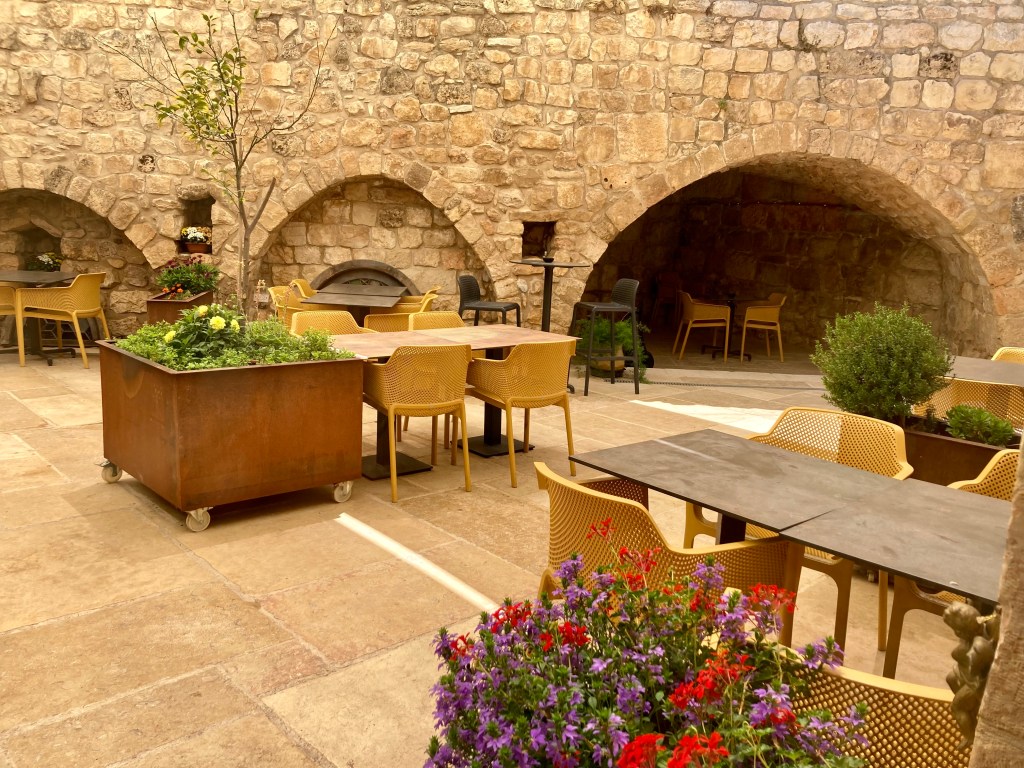


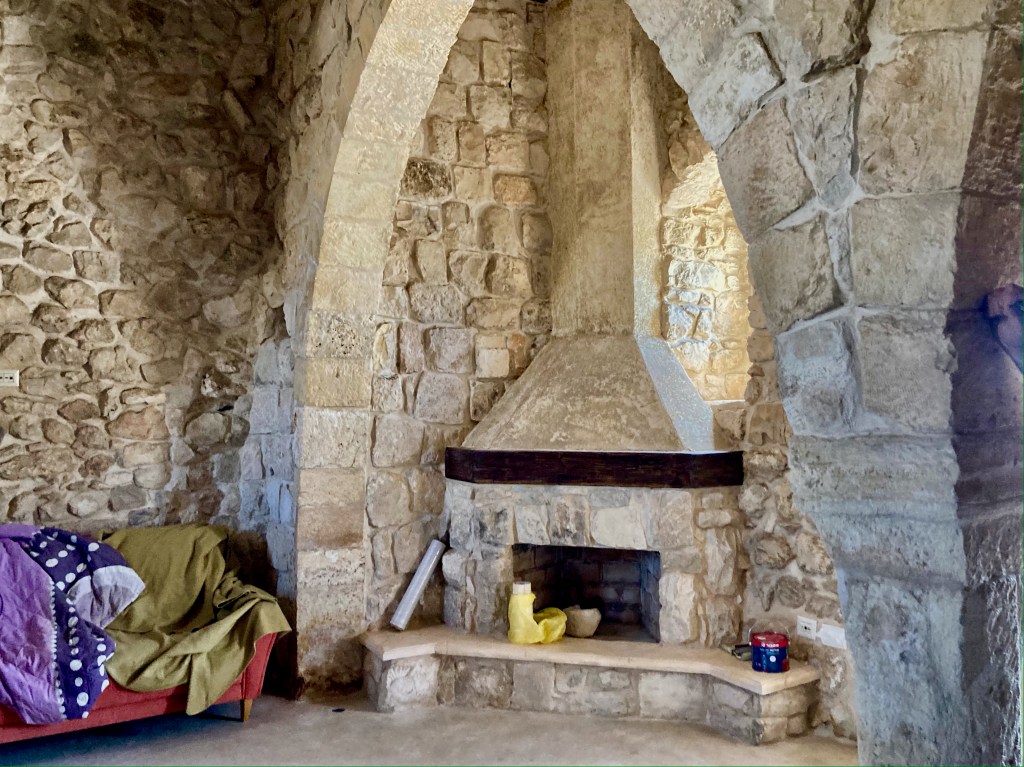


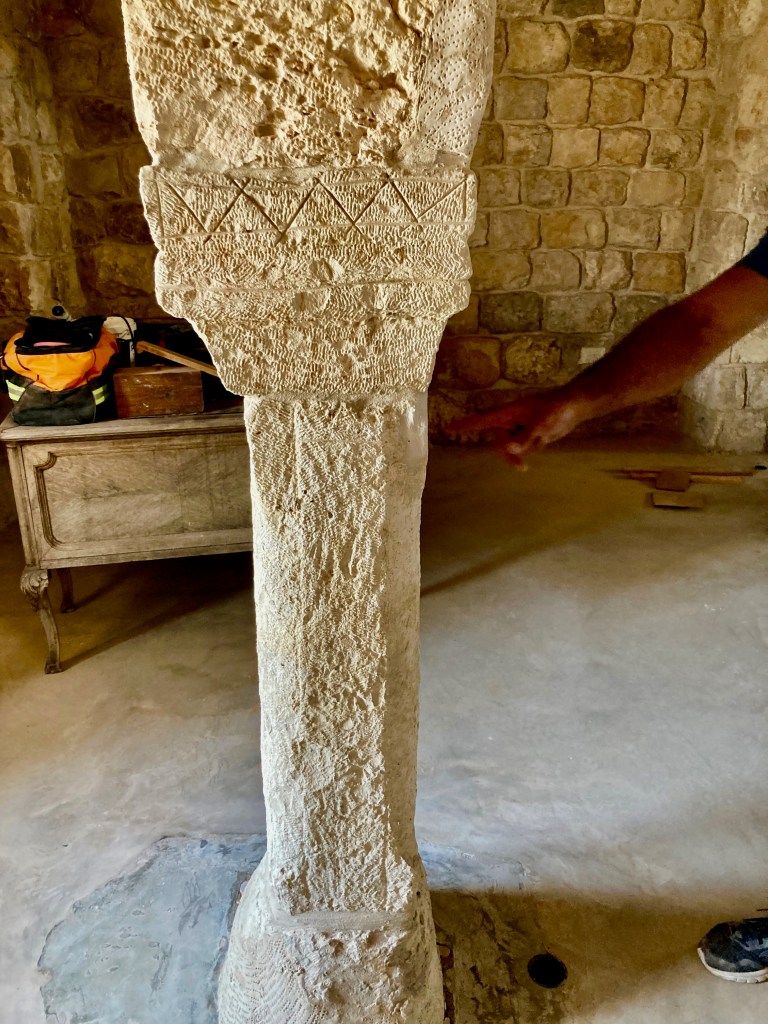

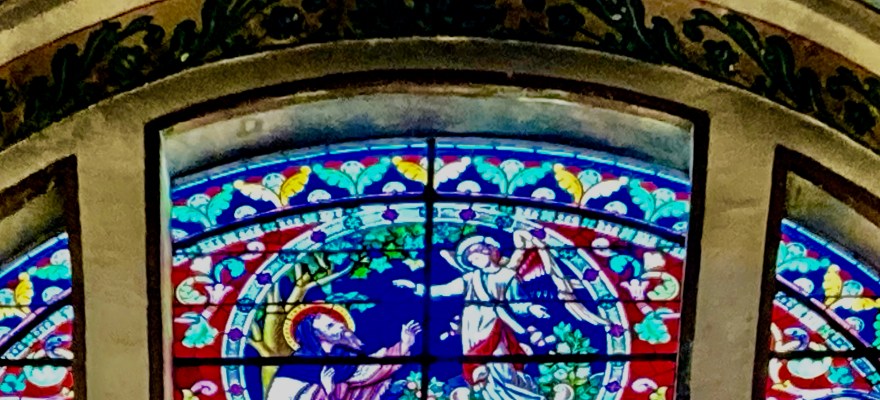

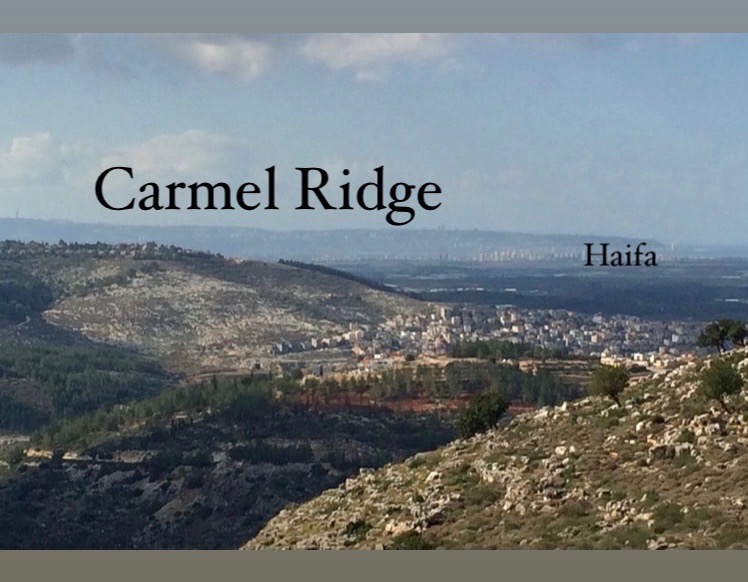


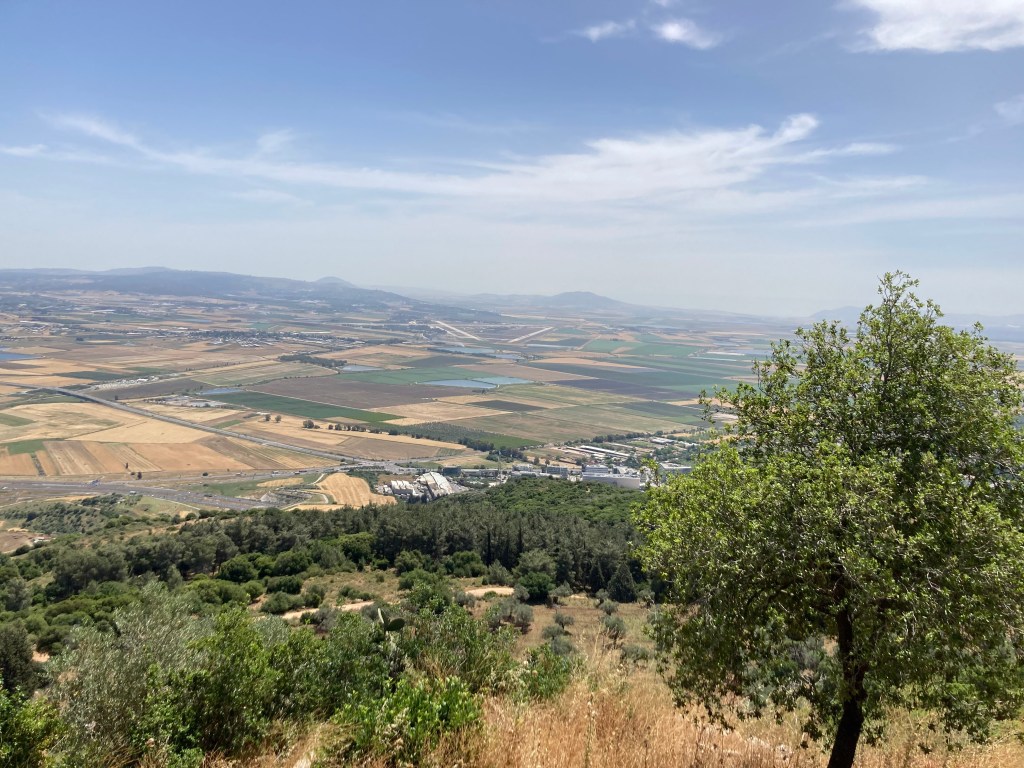
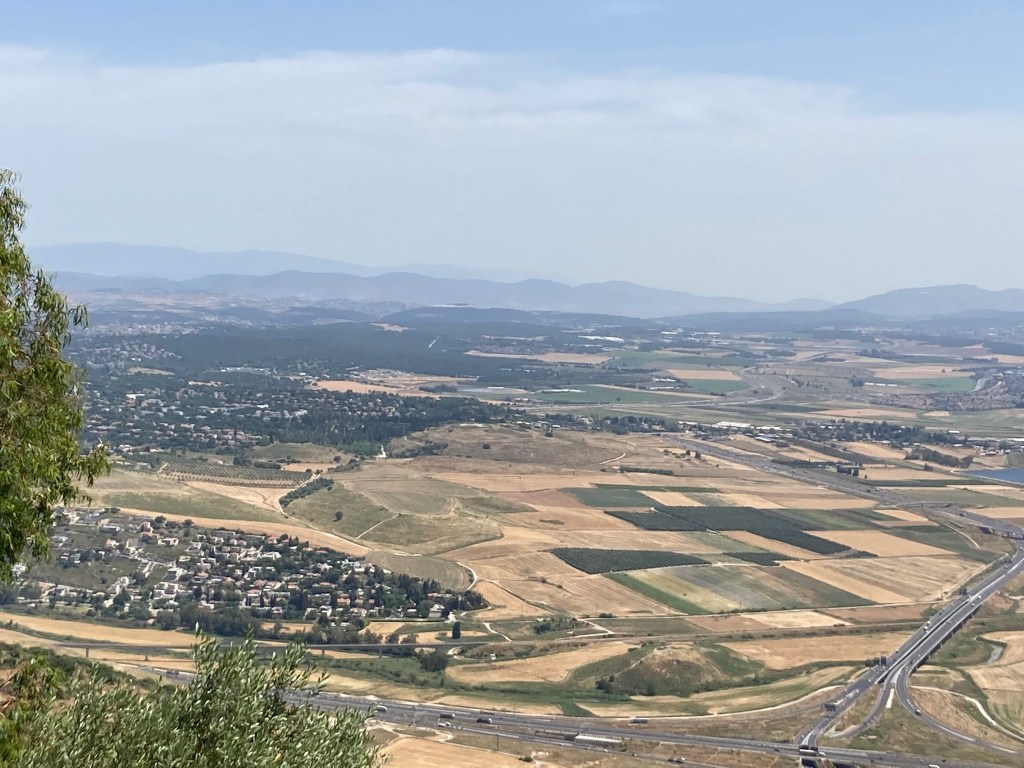
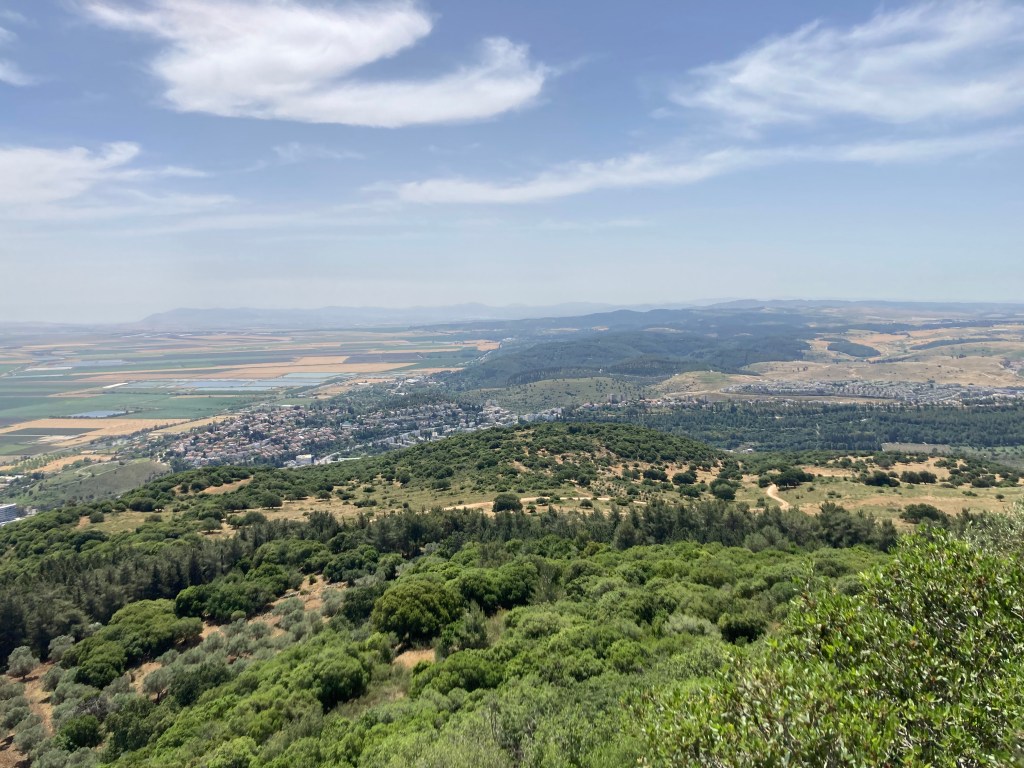
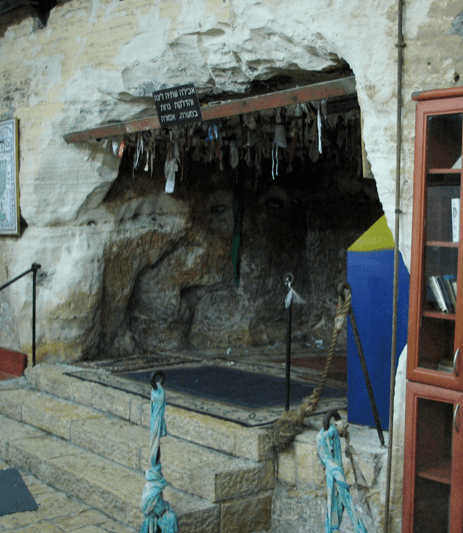

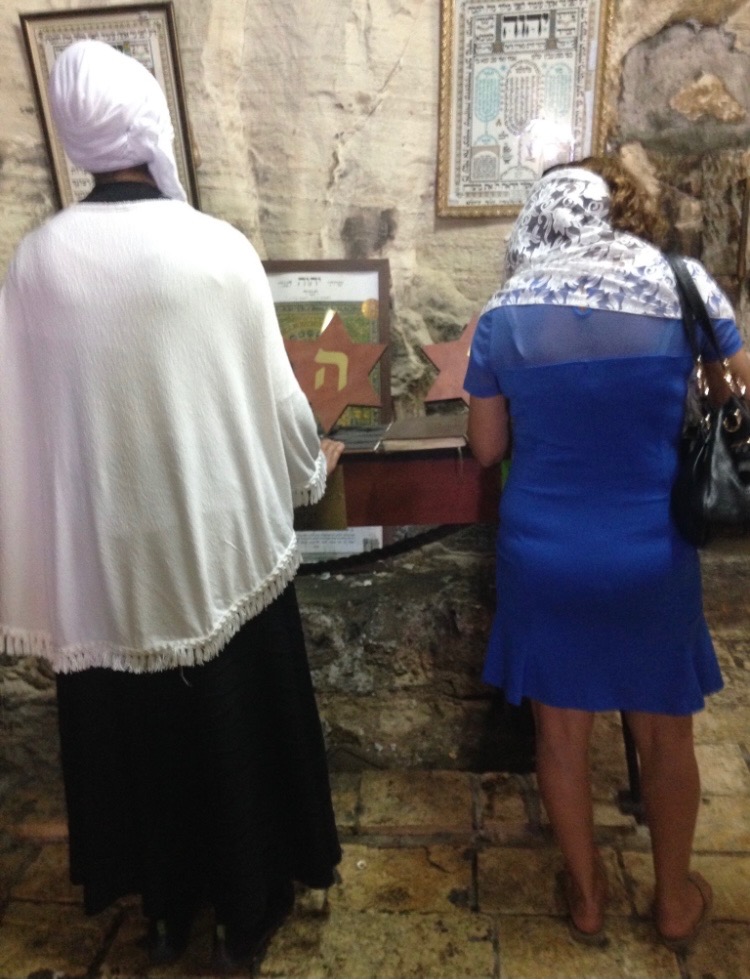
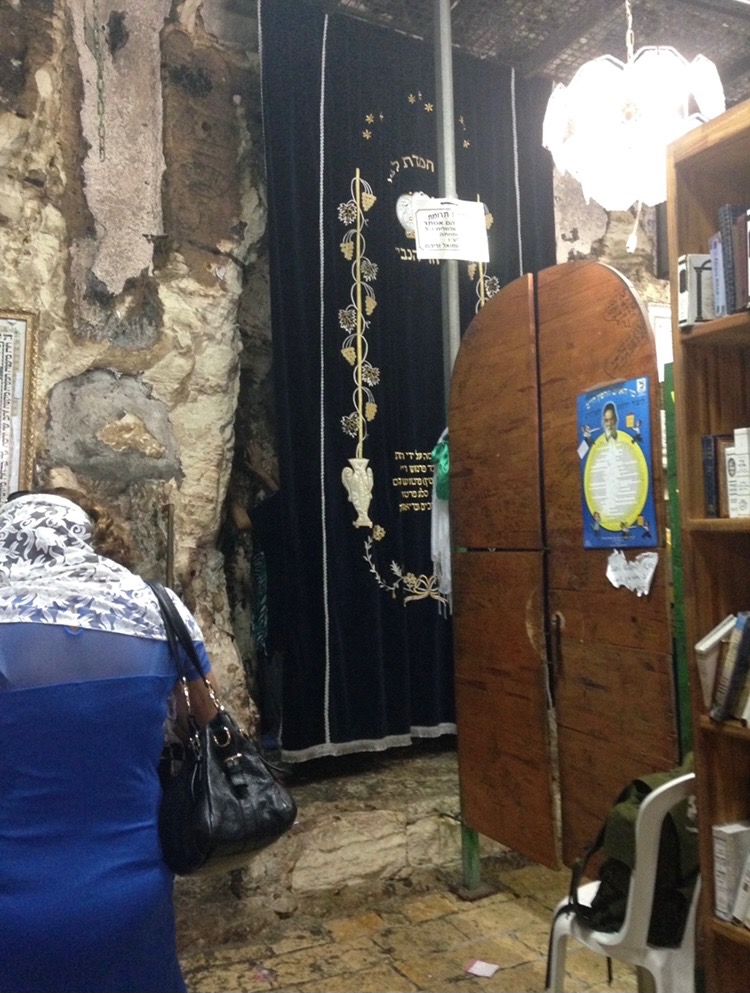

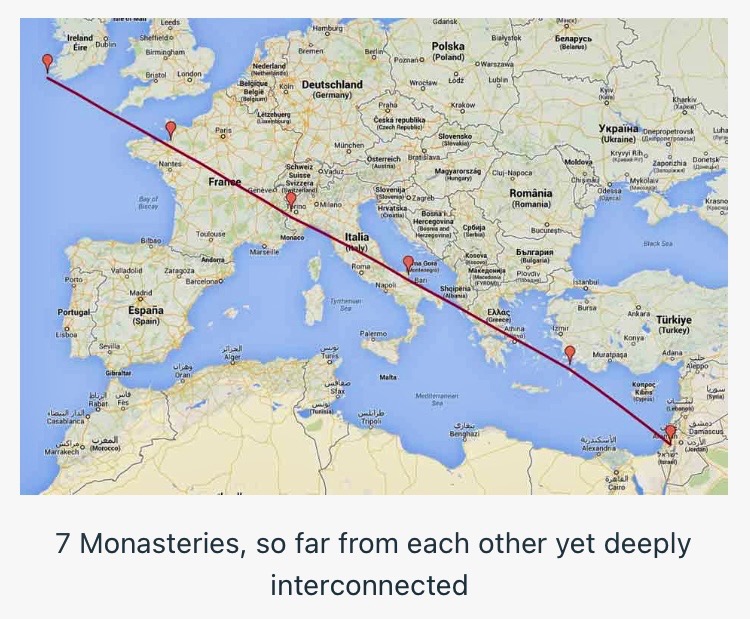
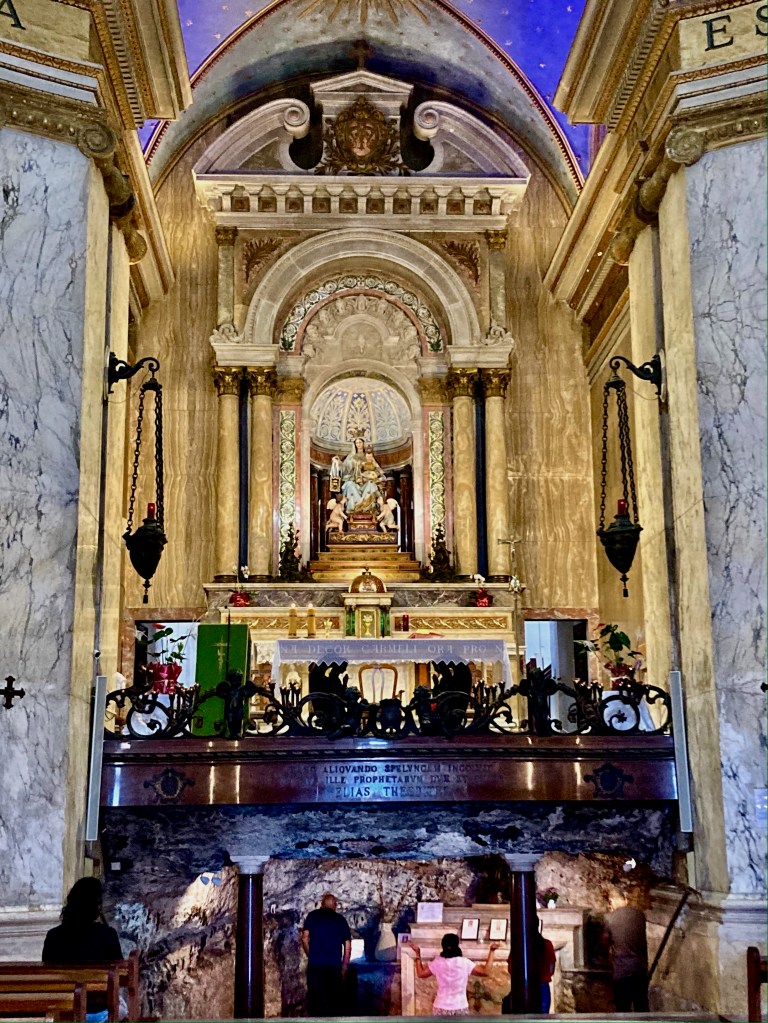
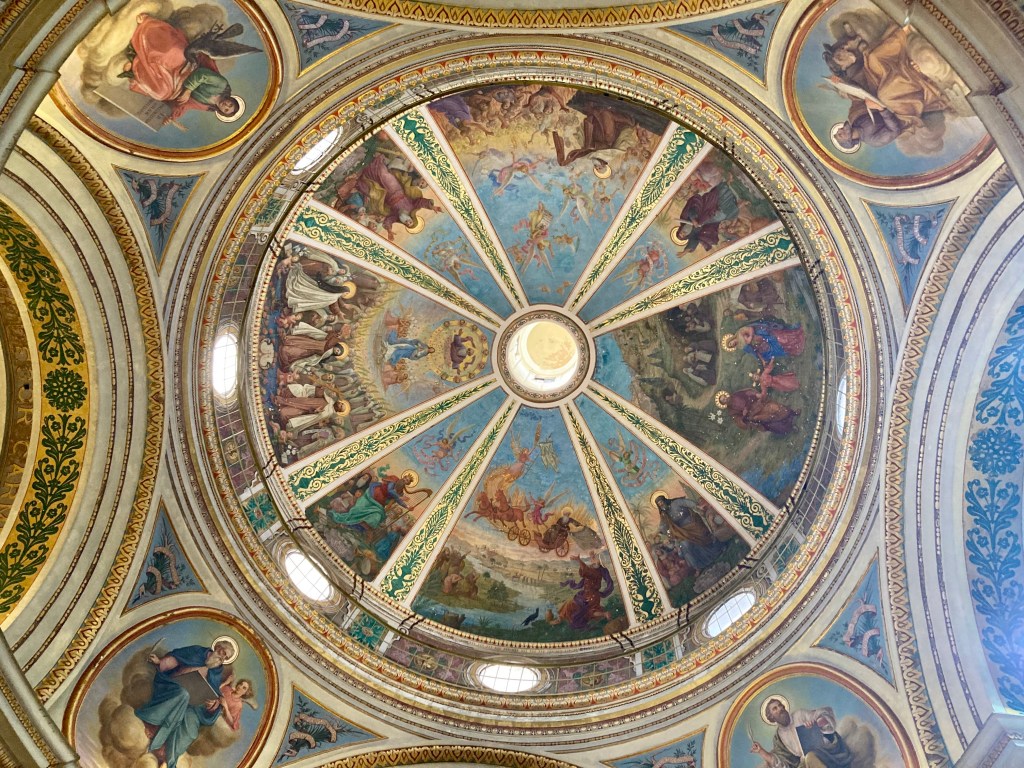


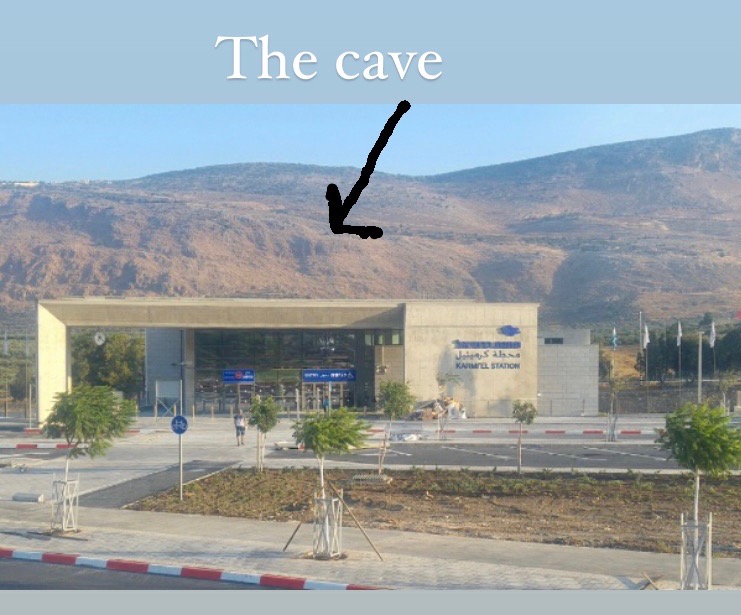

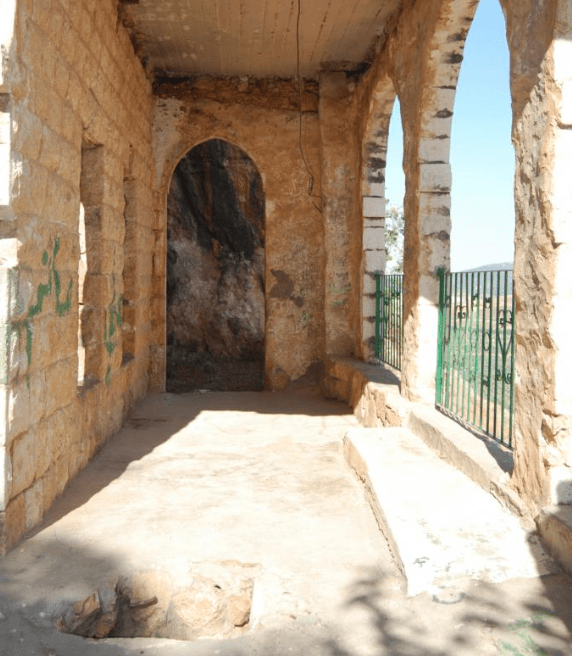

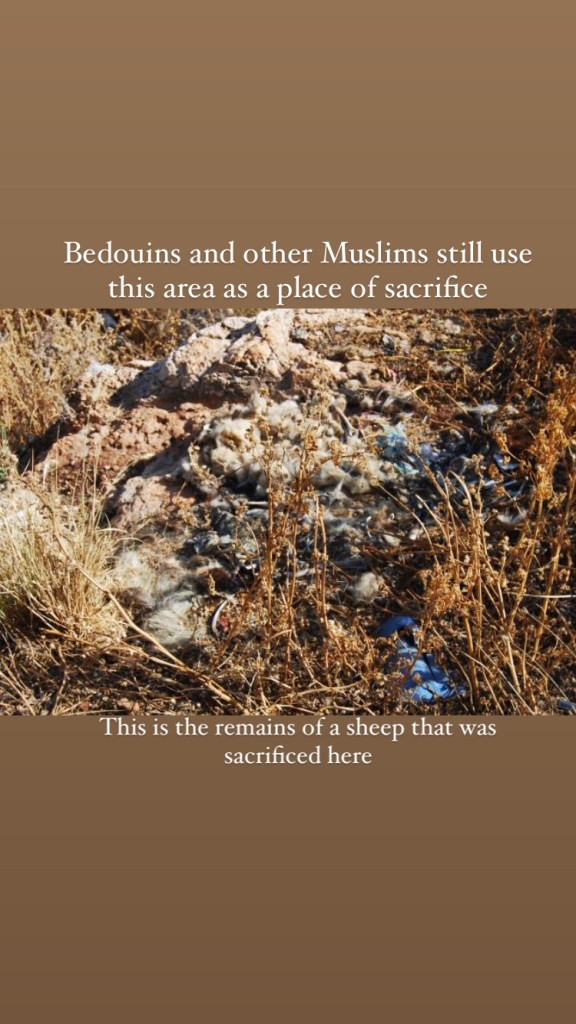
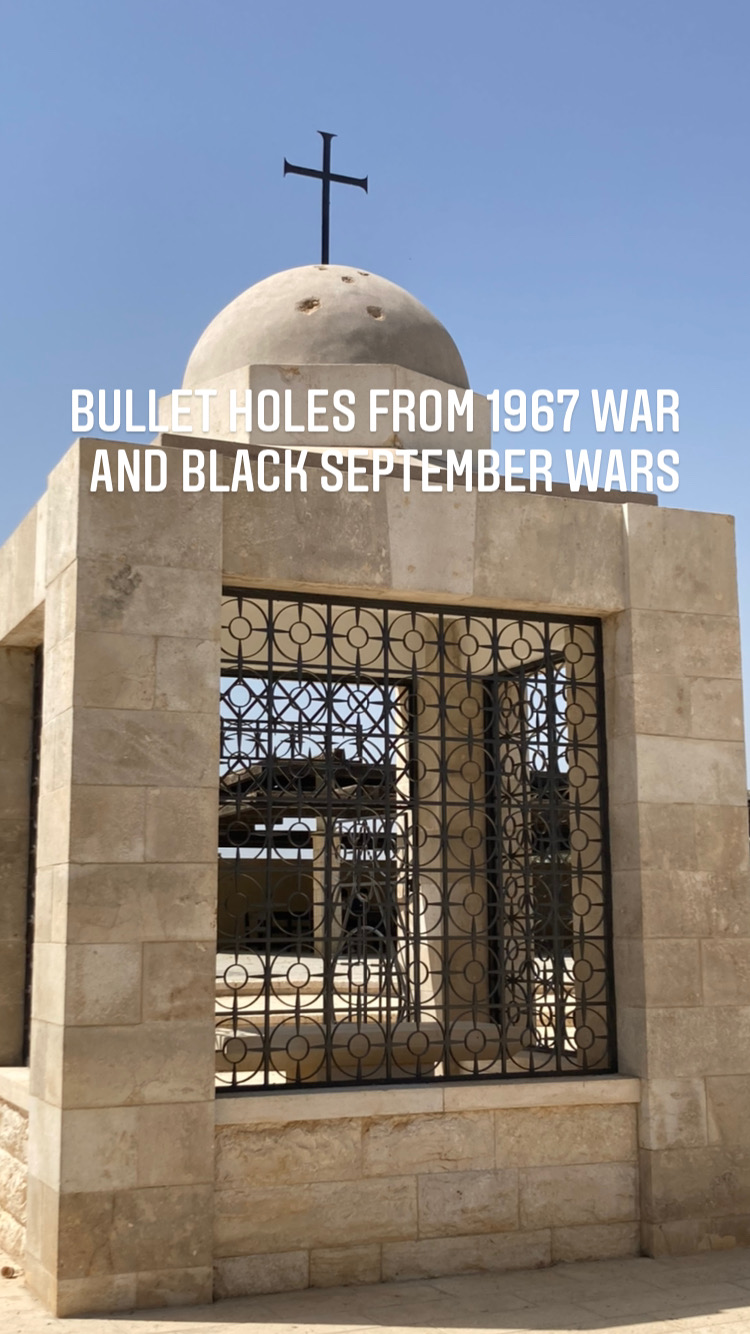


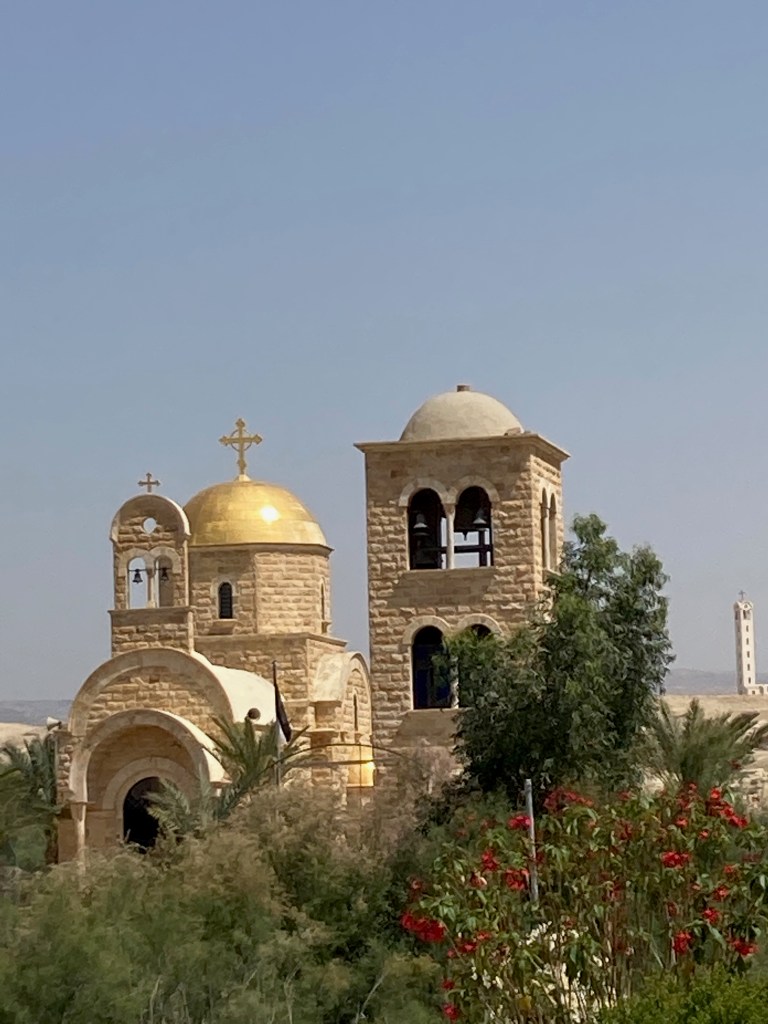


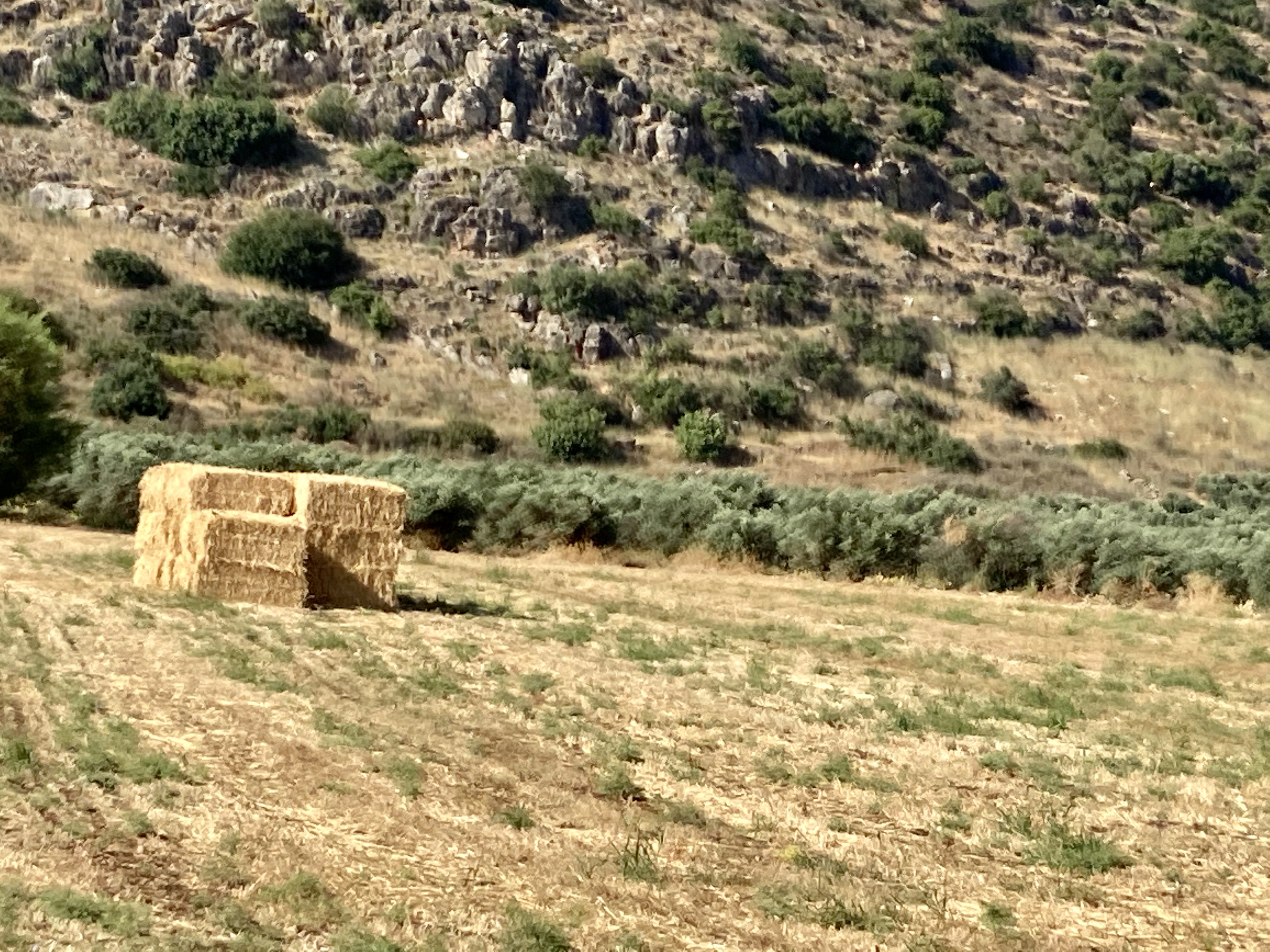
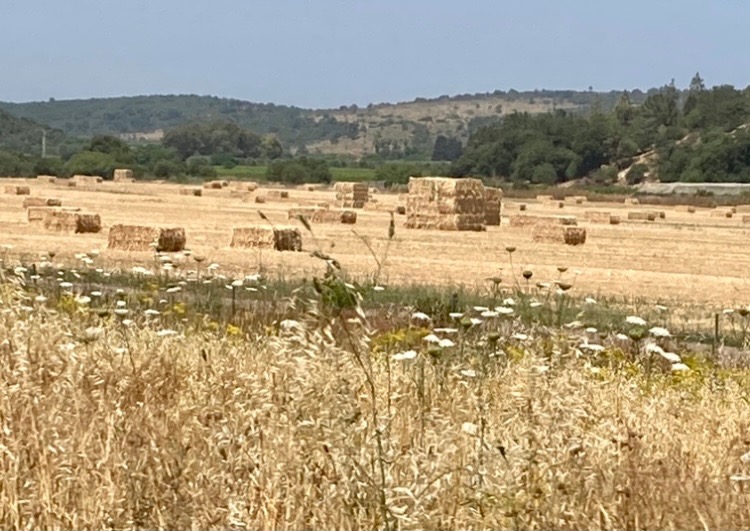

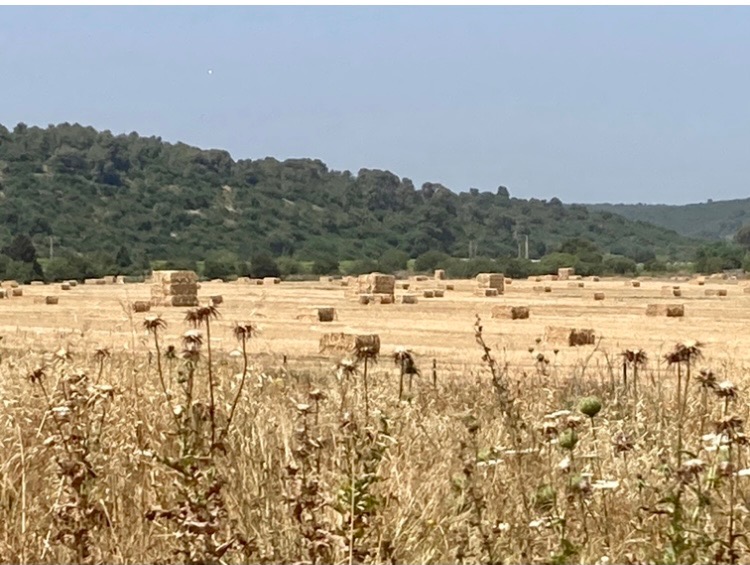
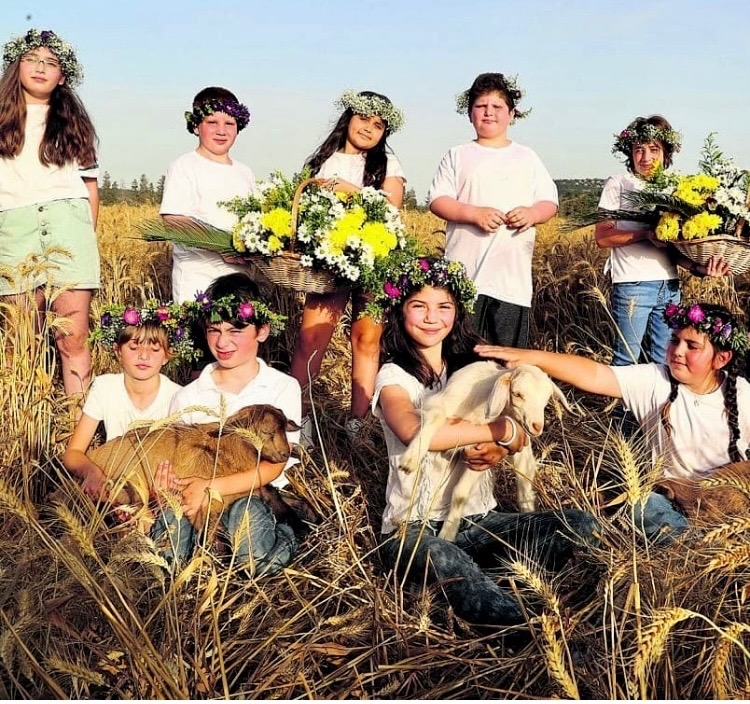


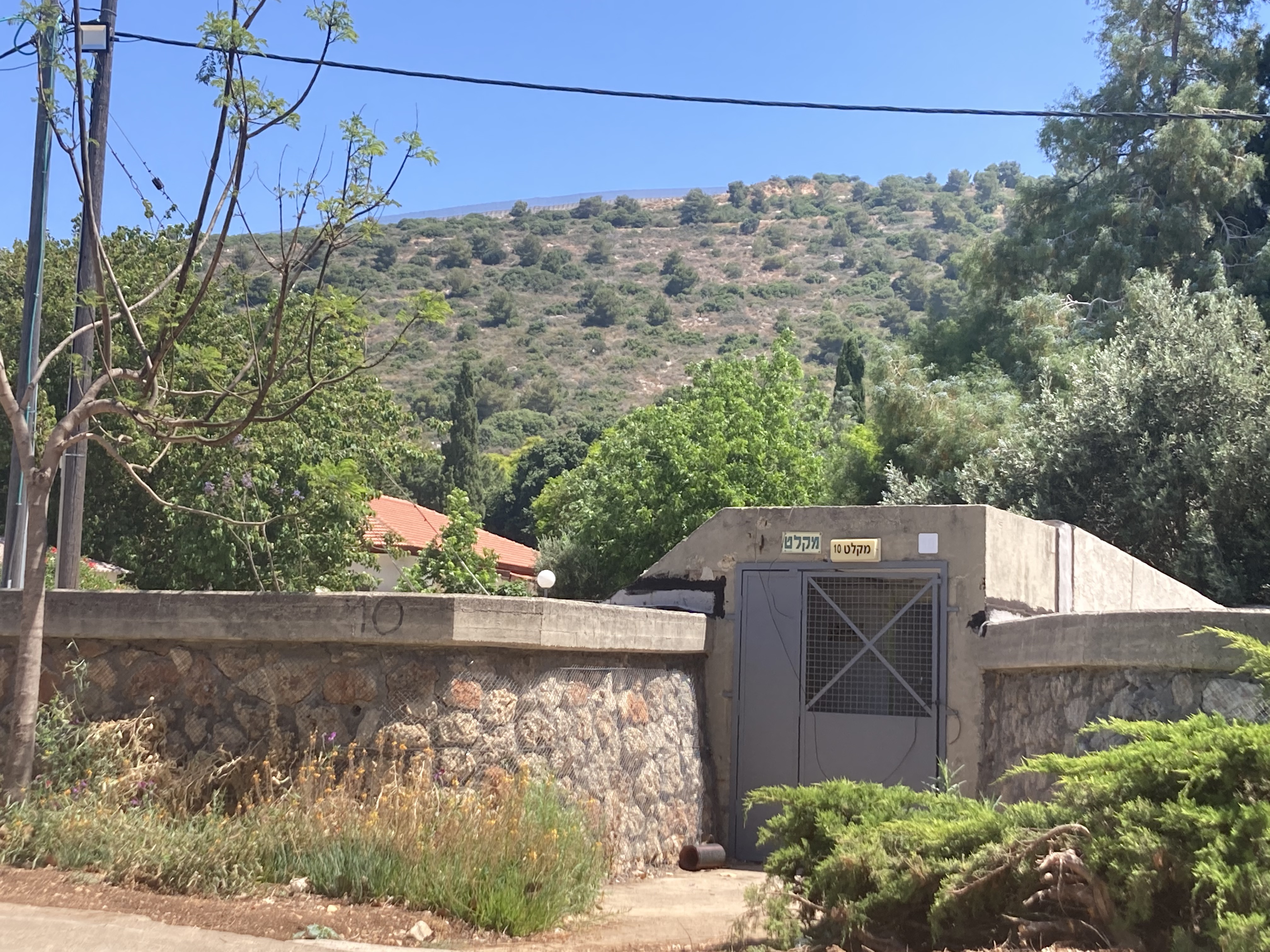



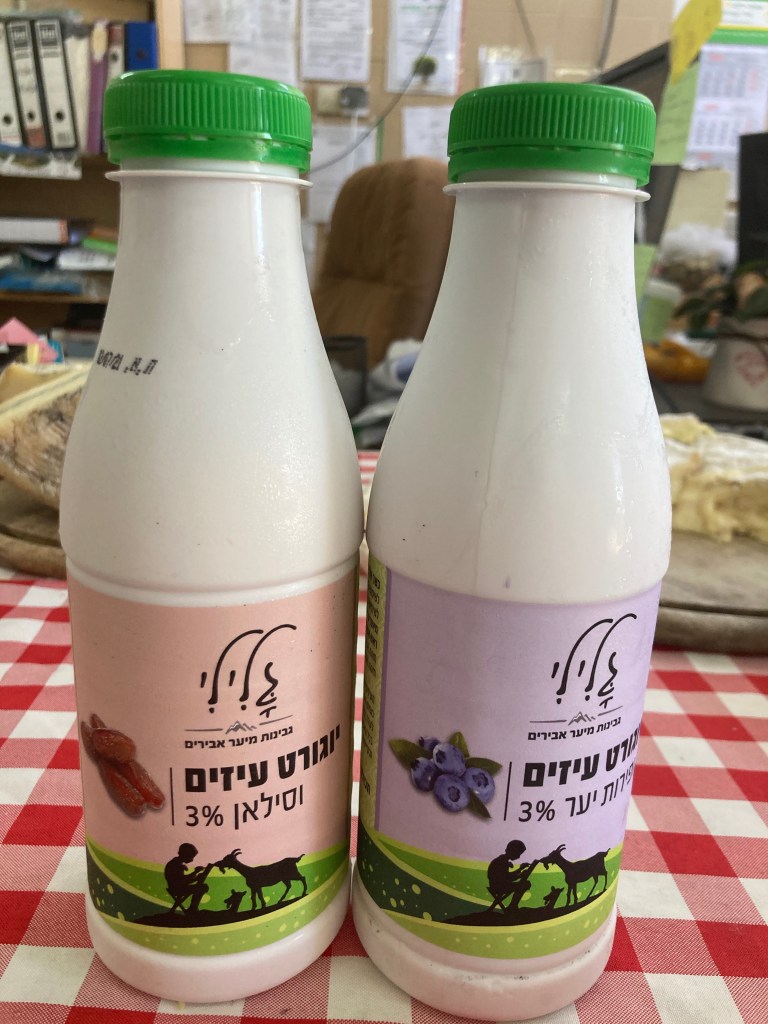

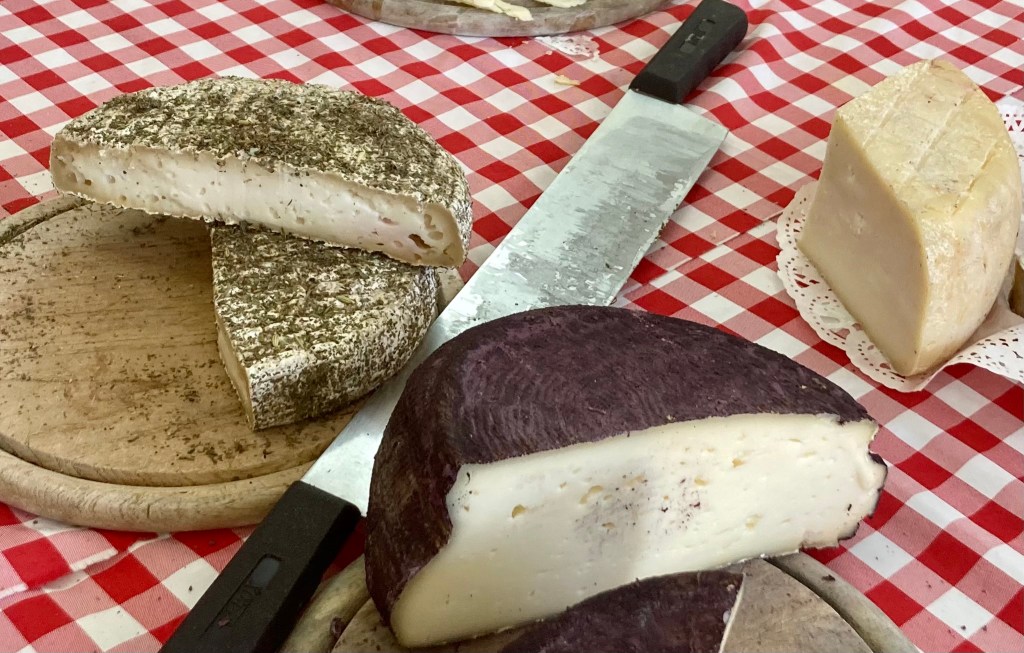
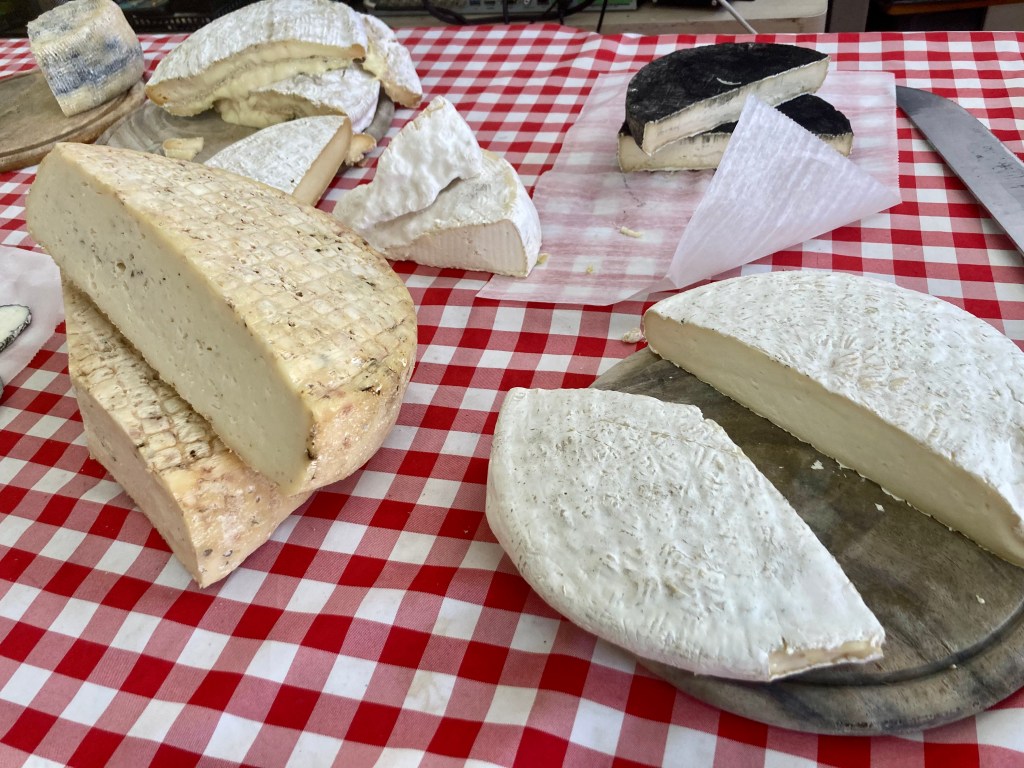


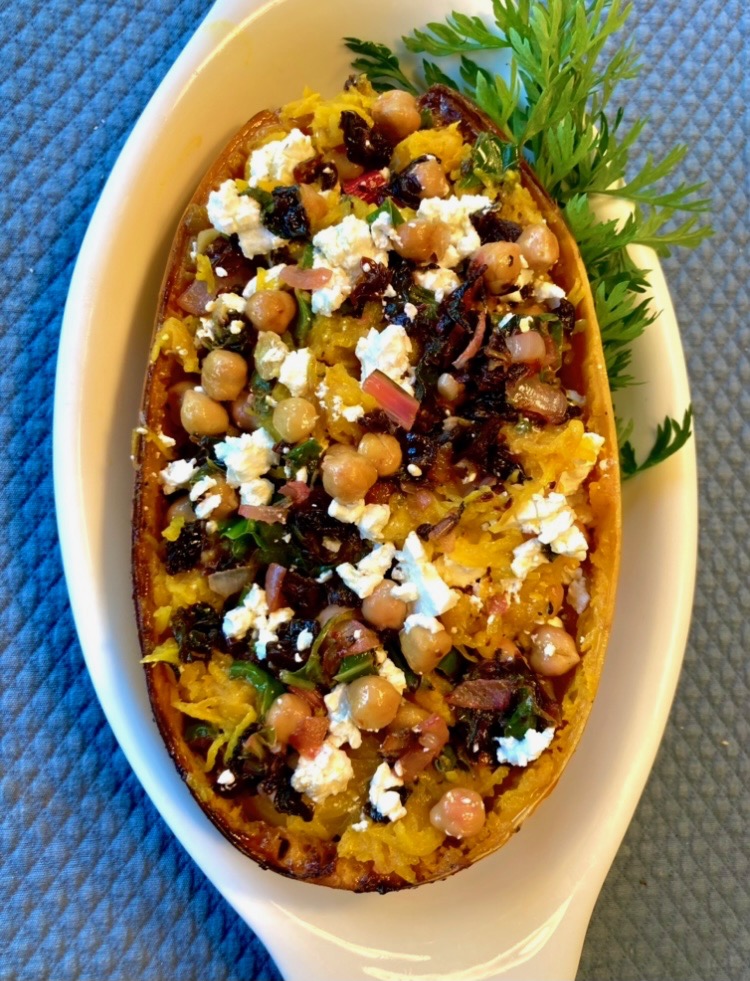
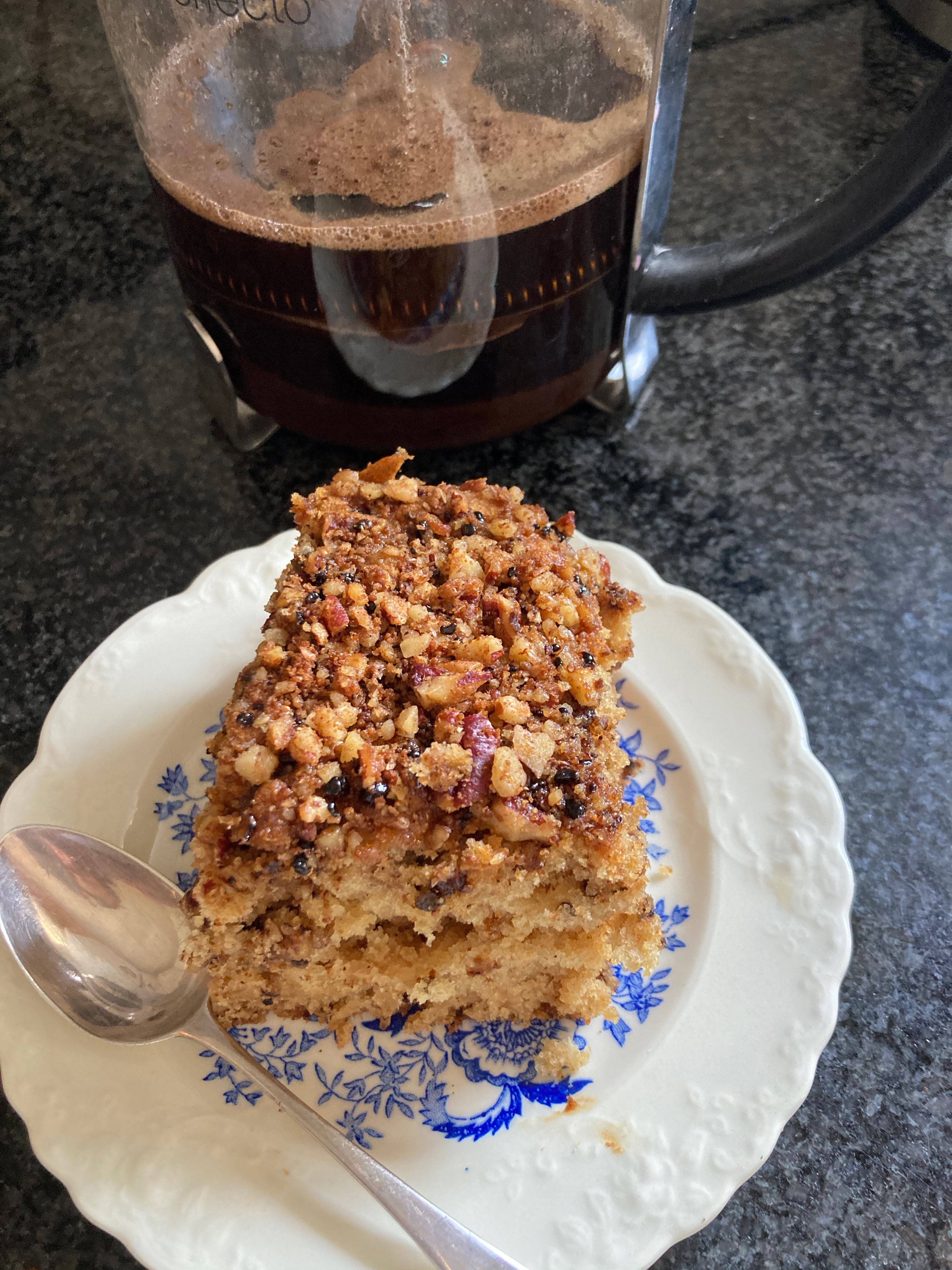

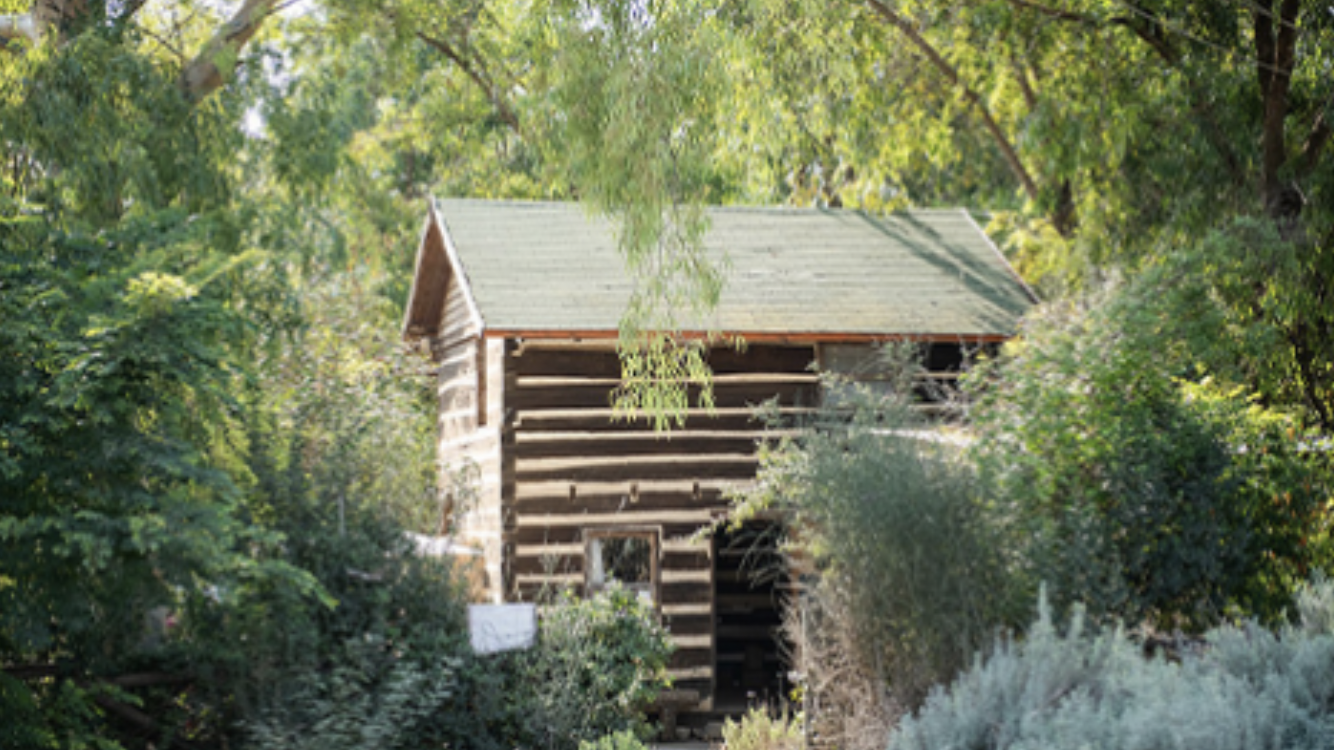


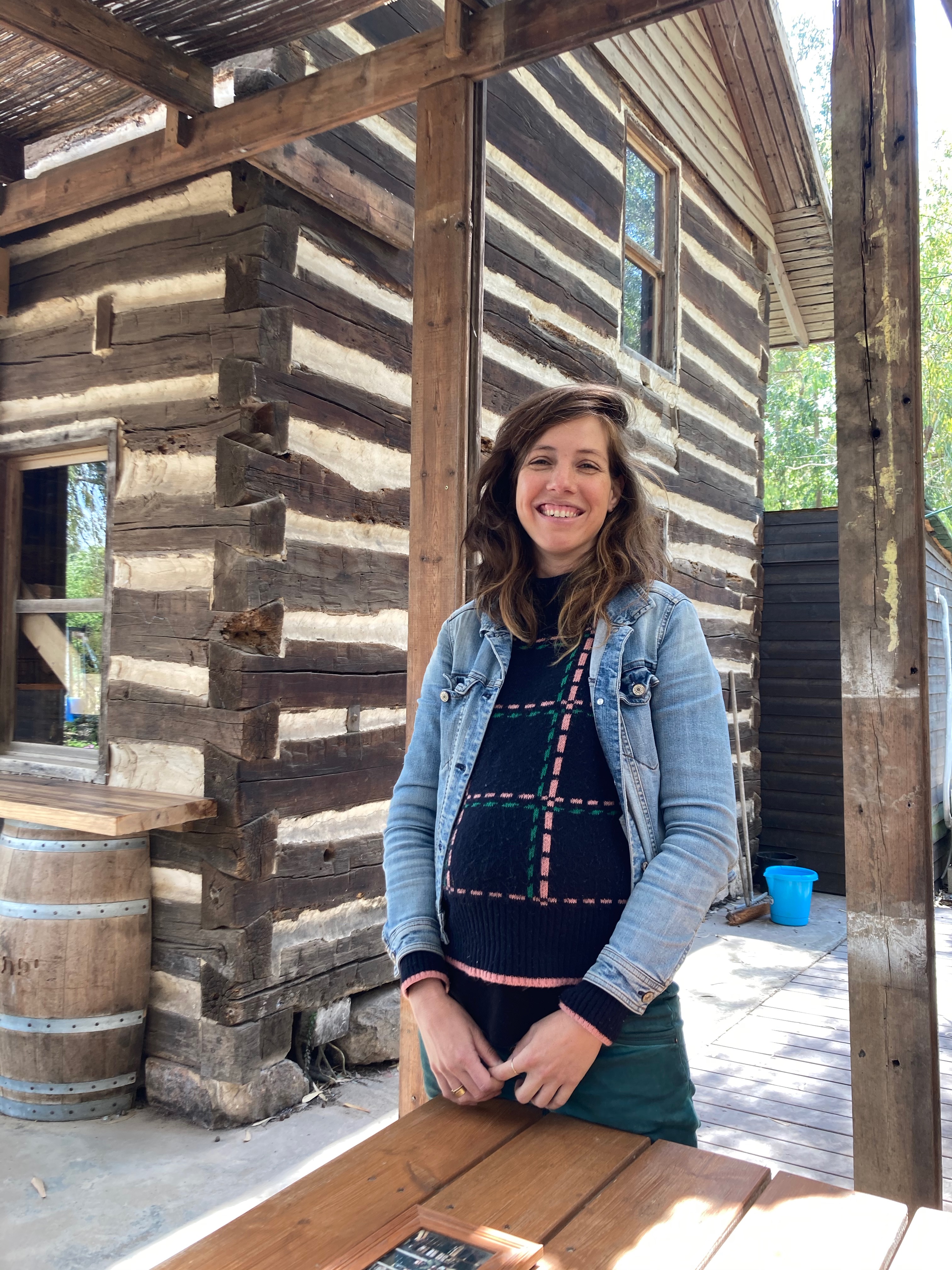

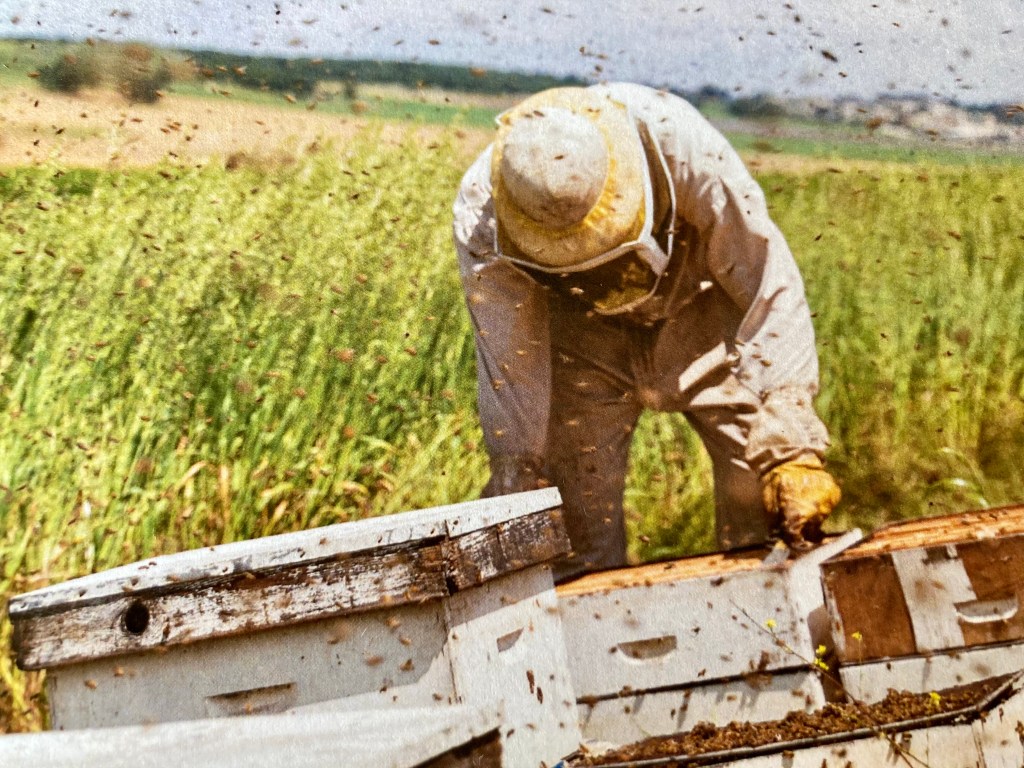
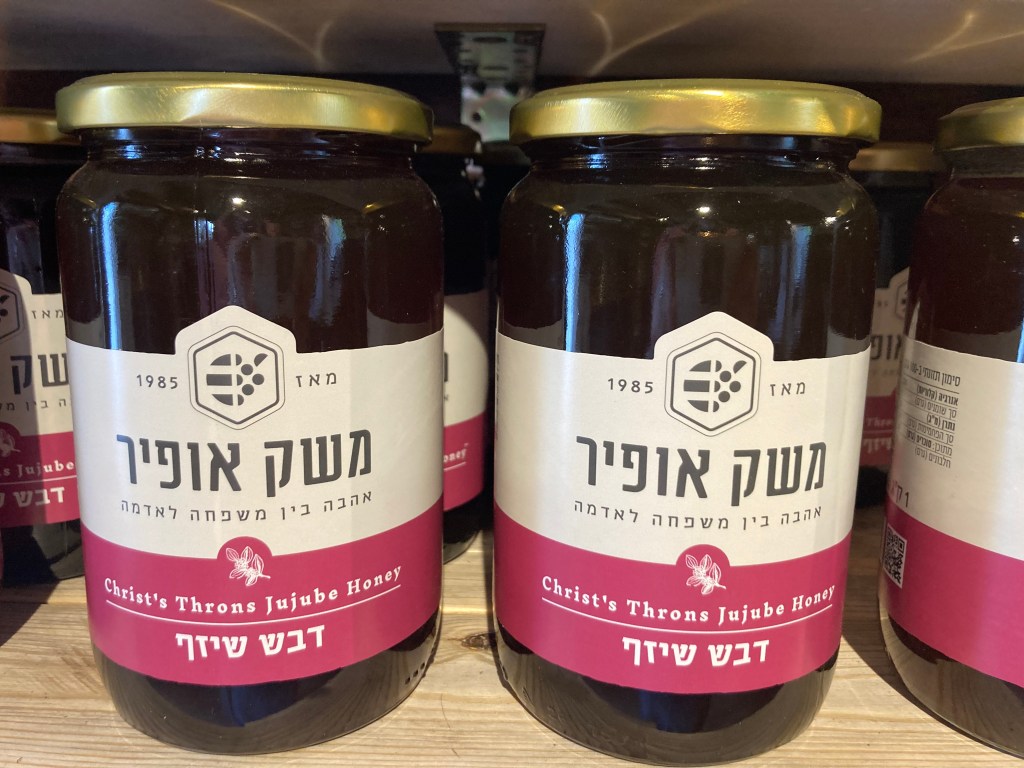
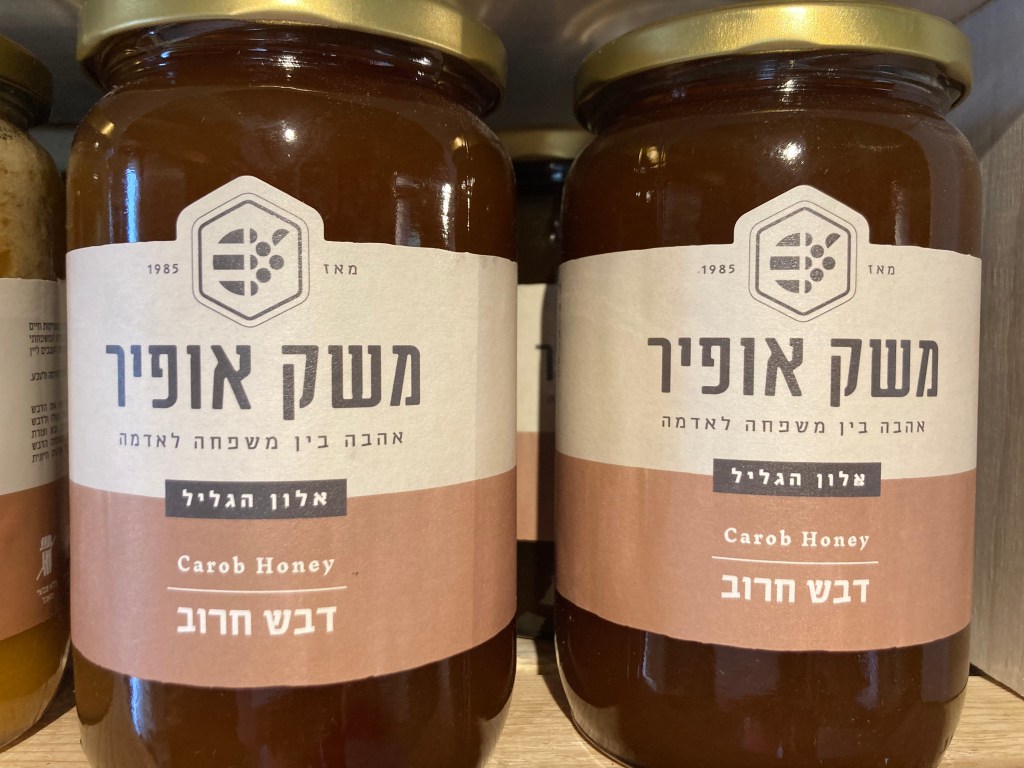
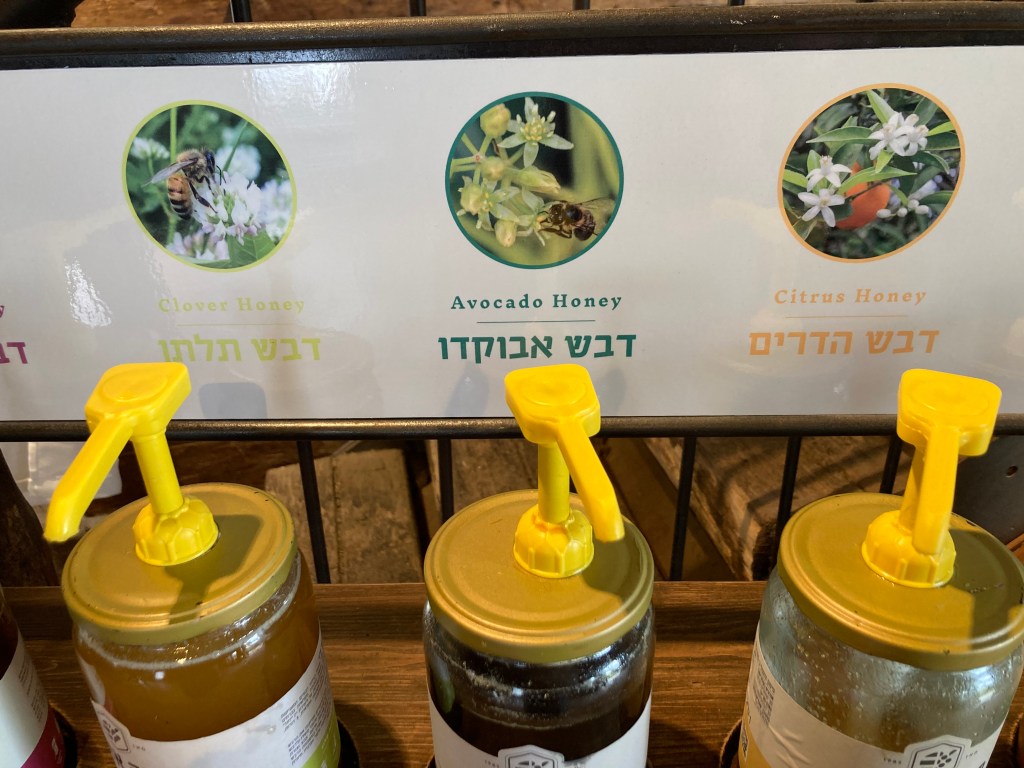
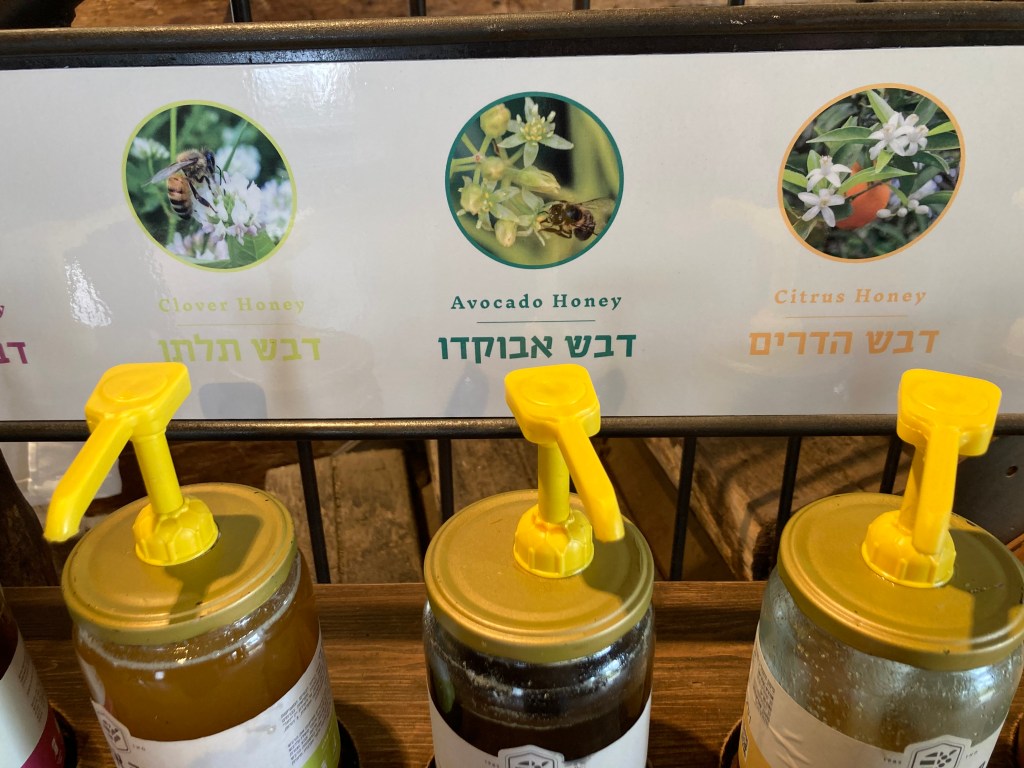


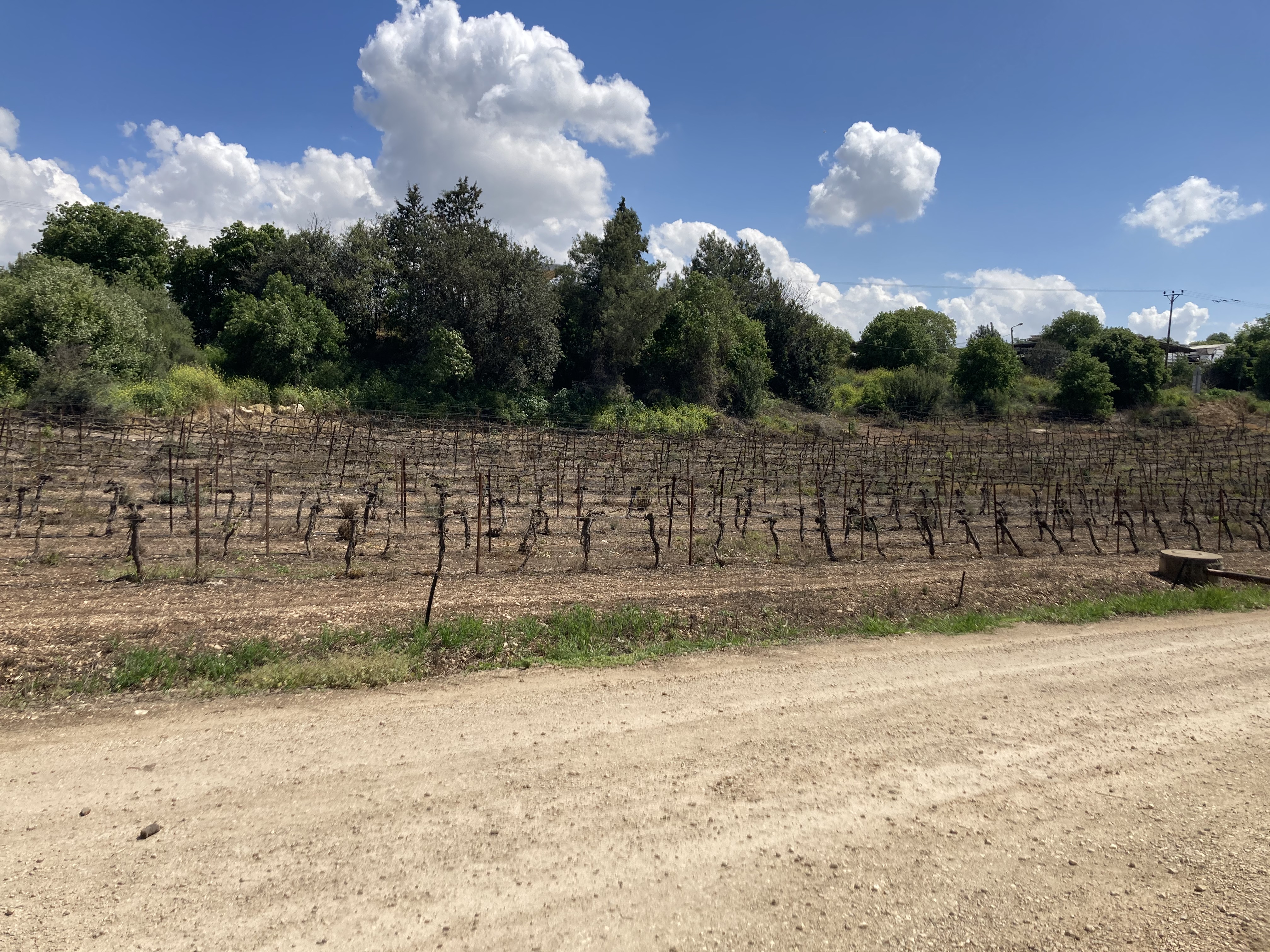



 Israel Dreams