"When G-d will return the captivity of Zion, we will be like dreamers. Then our mouths will be filled with laughter and our tongues with glad song." Psalm 126
I’ve taken a break from all the bad news lately. It seems never-ending. We’ve opted to focus on Chanukah. To light the lights in resolve and rededication to shine forth brightly as the world seems to be getting darker.
This past week, John and I decided to spend an evening in Jerusalem. I’d always wanted to see the Chanukah decorations and lights and experience streets and windows bathed by the glow of Hanukkiyahs (menorahs). The spelling always looks wrong on that one. But we did get to Jerusalem by sunset and it did not disappoint. We first drove around to see some of the decorations, and the walls of the Old City were lit up with special light projections.
And yes, there were all sorts of individual Chanukah oil lamps in glass boxes along the streets. Many people in Israel put their lights out at street level so passers by can enjoy the flames. Most are lit with pure olive oil.
As is our tradition, coming from Souther California where Mexican street food is prevalent, we stopped at one of the three authentic Mexican restaurants in Israel. Two weeks ago, we visited HaTaco in the Shuk haCarmel, Tel Aviv. The tacos were really tasty, but the margarita was bland and for street food, we wound up paying almost $60 for 3 beef tacos and 2 drinks.
In Jerusalem, we go to Tacos Luis, an amazing Kosher restaurant that has authentic Mexican food and lines out the door. We usually wait 30-45 minutes just to place our order, but it is more than worth it. The food is fantastic. The margaritas strong, served with Tajin and a lime on the salt-rimmed glass. Corn or flour tortillas and rice bowls with vegetarian options as well as beef and fish. They had tamales, both chicken and beef, but had run out. Luis is always behind the counter serving up smiles and conversations in Spanish, English and Hebrew. Plus you can now buy jars of salsa verde, salsa roja, mango salsa and pico de gallo. The prices are more than reasonable. And the beef taco had cubes of steak that were tender and juicy. A must try in Ylem. Our 3 tacos, 2 margaritas, and 2 jars of salsa verde cost about $35.
I’d bought tickets to Winter Dreams at the Jerusalem Botanical Gardens weeks ago. This light show spanning over a mile has visited London, Paris, Berlin and Vienna. All I can say is “Wow! Am so glad we went!” It’s a bit hard to explain, but the entire botanical garden was awash in light sculptures, walkways, interactive displays. All themed to different music. It was spectacular!
The night in Yerushalayim get really chilly in winter, so there were stands with hot sangria, sachlav, a Middle Eastern favorite drink. It’s rich and hot and made from orchid tubers, creamy with coconut, pistachios and cinnamon sprinkled on top. Pure heaven. Hot roasted chestnuts, hot cider and hot chocolate… and of course jelly filled doughnuts, called sufganiot.
There were so many families. Lots of small children. Older people. Religious Jews. Secular folk. Arabic women in their hijabs. Groups of priests. It was wonderful to see the diversity. Israel is such a mix of cultures and when everyone can be peaceable, it’s perfection.
Afterwards we stopped by the First Station for some shopping and doughnuts. Dreidels (the Ashkenaz Yiddish word) or in Hebrew, Sevivonim are spinning tops. Traditionally in Hebrew, the four sides are marked with Hebrew letters which stand for the words ‘A Great Miracle Happened Here.’ There are games that center around the children playing with the tops and collecting prizes of candy and coins. One shop had hand made, carved and painted sevivonim, the likes of which I had never seen. The prices were more than reasonable, so I bought one for each of my grandchildren. They are nothing short of magnificent!
And the sufganiot!! Many have little plastic syringes filled with flavored jellies and creams that you inject into the puffy fried doughnut. All were very fancy. I don’t think you can find them anywhere except in Israel at Chanukah!
We left J-town around 11pm, exhausted, but happy and with sugar highs. There’s really nothing like celebrating Chanukah in the city.
For any of you who know me, you know that although usually organized and scheduled, when the opportunity presents itself, I’m up for an adventure.
I signed up to take Hebrew lessons again. This time from Citizen Cafe Tel Aviv. Totally different approach, this time it’s just conversation. No books. No conjugations and inflections. Just street talk on Zoom classes with unlimited cafe time (chat room in Hebrew). And fun. Bimonthly they offer interesting talks in English on random subjects like cooking (fermentation anyone?), music, recent film reviews, livestream urban tours, technological developments in Israel, agricultural innovations and geology.
I took a class last Thursday night on the Ramon Makhtesh, a hugely expansive erosion crater out in the middle of the Negev Desert. So so interesting. Only 8 in the world, all in Israel, they are not impact craters (from meteors), but erosion craters.
Along the Syrio-African rift that runs along the length of Israel are tectonic plates. Millennia ago, they shifted. The present desert was flooded with water, grinding down the rock. Eventually leaving behind various strata of sandstone, limestone, marine fossils. There are tar mountains of basalt, deep red iron ore and yellow sulfur deposits as well as white chalk. In other words: gorgeousness!
I got this wild hair…. I turned and yelled at John in the next room,”Honey, can you Google when the Leonides Meteor Shower is?” They usually come around Thanksgiving. “They peak Monday night,” was the response. Mitzpe Ramon, the town at the very edge of the crater is a world-designated dark spot for astronomical observation.
Monday morning we packed our blankets and lawn chairs, thermos, and dog into the car and we were off on an adventure! BeerSheva, where our patriarchs Abraham, Isaac and Jacob sojourned. I wonder what they’d think of the place now?
Past the Bedouin encampments:
And into the heart of the barren, windswept desert!
The Desert of Zin! Tsin! Sin!!! In the Bible
We had to get there by sunset… it’s all of 3 1/2 hours, but we kept stopping along the way-
The windswept mountainsBeautiful patterns by wind erosion Deep wadis (canyons)Nabatean city of Avdat on the Spice RouteLooks like pyramids Not in Egypt…
We made a big stop at Sde Boker, the kibbutz founded by first Israeli president, David Ben Gurion. Ben Gurion and his wife, Paula, lived the desert and thought it was the safe spot and key to future Israeli development. He foresaw the day when the Jewish people would learn to irrigate and farm the desert and make it bloom. He wasn’t wrong.
Today his home is a national landmark, open to the public. When we visited, there were only about a million school kids on tour. I was surprised that his home was so modest!!!! And tiny!!!! Like a summer camp bunkhouse. it had a living/reception room, his personal study, teeny tiny rudimentary kitchen and two sparse and small bedrooms- one for BG and one for Paula. He only slept 2-4 hours a night: was always up working, listening to radio news, studying – so Paula had her own quarters so she could get some shut eye. When there was a visiting dignitary, she’d go to a friend’s cabin and the important guest would take her room.
He loved Lincoln the Great EmancipatorBen Gurion desk in his personal library/officeThe tiny bedroom of the President Paula’s bedroom was a little nicer
Hurry!!! We need to check in to our hostel!
We found a really remote spot on the edge of the crater. It was much darker than anywhere else (when we first moved to Israel the sky above our home was pitch black and filled with stars. Now, with all the new construction and light pollution, we see very little). John and I – and Haggis, our yappy little long-haired dachshund, sat and waited. We looked up for over 4 hours. The sky was beautiful and the stars many. We named the constellations. We waited. It grew colder. John saw 2 shooting stars. Another hour. I saw 1. So much for the Leonides, although it was a fun adventure.
The next morning we got up early to actually see the Makhtesh. Spectacular!!!!
Spectacular lookoutsMoses & Co were hereThe vastness of the desertNow building multi million dollar homes near the edge of the craterIt’s a long way down Yes. Ibex roam freely throughout the desert. They are very used to people.Isrotel has crater front villas with private pools- coulda stargazed from here.Have I told you how much this man scares me?
From Mitzpe Ramon, we made our way back to Beersheva. We kept seeing this bright flaming tower/beam in the distance – both coming and going. So we decided to check it out-
What IS that thing miles away?
How cool!!! The Eye of Sauron overlooking the wasteland of Mordor from Lord of the Rings!!!! We found it!!!!! In Israel!!! Actually it turned out to be the Ashalim Power Station. Decades ago, Elon Musk that you could take 10 square kilometers in the desert, put in solar plates and generate most of the electricity in Israel.
Ranking as one of the world’s premiere and few thermal solar stations, Ashalim is composed of 55,000 heliostats or solar panels that reflect the sun onto a huge mirror-like “Eye of Sauron” at the top of the tower which absorbs the heat and turns it into electric power.
Huge swaths of solar panelsIt went on for acresIt’s very bright!!!!Surrounded by acres of heliostats, the beam is so bright you can’t look at it directly for long-
The Ashalim Power Station used to be the tallest solar plant in the world standing at 240 meters (about 790 feet), the size of a skyscraper. However, it was surpassed by Dubai’s Noor Energy 1, with a height of 260 meters (circa 850 ft). There is another (Israeli built) solar power farm in the California Mojave Desert. The reflector on the tower generates concentrated heat which reaches up to 1000 degrees Fahrenheit (over 500 °C) to spin turbines and generate electricity in high quantity. It generates enough power to keep 120,000 homes (5% of all Israeli homes) for a year fully lit. It’s green, renewable and sustainable. I hope to do a more detailed post on this and other amazing Israeli innovations shortly. All in all, it was an illuminating trip!
Now onto a completely different subject!!! Each year, when the Jewish people read the Torah story of Jacob and Esau, I get creative. Esau, a big burly, hairy, red-headed hunter and the favorite son of his father, Isaac, sells his entire inheritance to his younger brother. Jacob has cooked this amazingly tasty and great smelling lentil stew. Esau comes into the desert tent, after a long day of hunting (ibex???). He tells his brother “I’m dying. Just pour some of that red stuff down my throat!!!” Seriously. It’s what he said. I love it!!!!! Anyhoo- Esau winds up giving away the birthright to Jacob for a bowl full. It must have been delicious!!!
So, last week I worked out my own version: I wanted it MiddleEastern in flavor. With Israeli products. It had to have lentils. It had to be red. And it had to be prepared in a crockpot so I could keep it warm/hot through Shabbat. It turned out AMAZING!!!!!!! So here’s this year’s Red Stuff-
In a large skillet cook the sausages, removing outer casing if necessary. Reserve to plate to cool. In same pan, sauté the cubes of onions and peeled carrots – cubed to bite sized chunks. Chop the sausage into 1” thick coins. Add to crock pot. Chop bell peppers into small cubes. Put into crockpot. Peel and remove seeds from squash. Cut into bite sized cubes. Place in crockpot. Peel and cube sweet potatoes. Into the crockpot. Rinse the lentils well, removing any stones or “dry stalks” and dump in crockpot. Pour in the veg stock (can use all natural bullion cubes) and dump in can to tomatoes with juice. Stir well with a big spoon. Remove the pits from the dates and chop coarsely. Scatter around crockpot. Add the spices and tomato paste. Add the Silan or honey. Stir well. Chop about 1/2 cup fresh fennel and add to crockpot last. Mix well and cover. Set the power to low and let cook for hours (overnight). Can add more water if needed. Freezes beautifully.
So yes. To answer several of your many questions: I am seeking counsel. I am seeking a trustworthy confidential, nonbiased clergy in the U.S. to speak with about touches of PTSD and to discuss information I have uncovered (to publish or keep hidden? That is the dilemma).
And yes. John and I do have lives. Besides researching and writing (news and features articles as well as articles on religion for other media outlets), we do have other things we do. I love to garden and grow my own heirloom, organic vegetables. We both try to spend at least an hour a day keeping up with the yard and garden.
Rainbow carrots and radishesYellow summer squash and eggplantRainbow chardCarrot harvestRadish, heirloom tomato, chioggia beets, carrotsRed lettuce, rutabaga(Swede), cherry tomatoes, beets, red dragon carrots
Also, I study both Tanya and Scripture with the wife of the chief rebbe of Tsfat every Monday and Thursday morning. It gives me perspective on life, and I love to study. I lead a Torah study on Thursday nights through Partners in Torah. It deepens my faith and I love to share all the interesting and relevant tidbits from the Hebrew. My partner is amazing and she challenges me to do better in my life as well. John and I have another group on Tuesday evenings and once a month we facilitate a couples group (international group). This next meeting we will be discussing combatting antisemitism. So that takes care of some of our spiritual life.
Every Monday-Thursday I try to spend 60-90 minutes in the pool to keep mobile and flexible. Every community in Israel has its own community swimming pool. Most have Olympic sized swimming pools. Because we live in a larger city, the municipality has built the “Country Club” (Jews allowed) with tennis courts, workout/fitness rooms, sauna, steam room, indoor Olympic pool, huge outdoor pool, jacuzzis, spa/massage rooms and classroom for Pilates, Yoga, Feldencrais, Karate, Spinning, and other classes. Classes are offered throughout the day and evening. Membership is a nominal fee. All classes included. Lockers and spa treatments are extra.
Mid afternoon means no crowdsMorning aquasize class for the ladiesExercise roomOutdoor swim before it opens for the families
We just ended the worst heat wave of the year (I hope), so our activities were quite limited all last week-
But when the weather is good, we like to go for hikes in nature. Another great thing about living in Israel is the appreciation and love for nature. The JNF has planted so many forests, which are always within a few minutes drive. There are hiking trails everywhere. Mountains, gentle hills, forests, lake trails, beach trails and trails that follow wadis (canyons), streams and rivers. We have our favorite places, and love to find new trails close by where we can walk the dog. We especially love the trails leading to spectacular views! And those are abundant!!
Most trails are well clearedOthers are notThe pristine וUpper GolanGreat views from trail 15 minutes from our houseAt the top of the mountain, we met kids doing it the hard wayAn older picture of our favorite hike in Banias (Golan)Shady trails are great -this one led to secret cavesAnother view hikeHiking in nature is extremely popular here!Flat hike in the Jezreel ValleyOverlooking the Jezreel Valley (the next valley over from us)
Our latest project has been another fun one. Back in the States, I had an antiques shop for over 25 years. I sold mostly China, crystal, silver, jewelry and smalls, but also had furniture and art. It was a fun and productive outlet. I would occasionally find or buy old furniture, refinish and then resell it. Just a couple weeks ago, John found a mid century modern china cabinet on the side of the street. People throw away some amazing things here. He rescued it and shlepped it home. Nice piece, but it had a huge and ugly bright orange base that had to go. We decided to paint the entire piece white and replace the door knobs. I’ve ordered some gorgeous blue and white toile wallpaper to go on the back wall. Can’t wait for it to arrive!
Removed the horrid base and will put in new “feet”Primed and ready to paint!Waiting for the wallpaper for the backI found a space for it…The back will be wallpapered like this
So those are just a few of the things we do. There’s lots more. There are always new things to see and new places to discover here. Especially in the archaeological community. We try to keep abreast of the new digs with exciting findings in our area. The locations are usually within an hour drive. We have nearby wineries and local farms where we can get honey and produce. Artisanal dairies are a popular place to visit here for different cheeses, yogurts and other dairy products.
Plus cooking. Unlike in America, where there is plenty of pre-prepared food (everything from elaborate salad mixes to side dishes and entrees), in Israel – at least up here in the periphery- it’s much harder to find. There are a couple places that offer pre-cooked meals to pick up on Friday morning for the Shabbat. That’s about it. So I do all my cooking from scratch, which takes longer, but is fresher and healthier.
I’m always learning new ethnic recipes from the many cultures that are here. The Israeli palate is entirely different that the Western palate, the spices are very different. It took me awhile to get used to cinnamon andcloves to be used with meat; turmeric in everything; pickled everything; sumac and zata’ar. But I’ve learned to incorporate flavors of the Middle East into much of my cooking. I’m really hoping to get some Ethiopian recipes in the near future, as I’ve just made friends with some lovely Ethiopian women.
Another benefit of living here is that it has proven to be the perfect launch for trips to Europe. For us, flying to Europe from Los Angeles was cost prohibitive. In Israel there are flights and cruises across the Mediterranean. Since moving here, we have traveled to Italy, Czech Republic, Hungary, Switzerland, the Netherlands, France, England and Scotland. We try to get to the U.S. once a year to visit family. In September we are going to England, Amsterdam and maybe a stopover in Italy before we return. Our son in London graduates and we have that adorable new grandbaby to visit with our daughter’s family in the Midlands. We will be gone for almost two months.
So for the curious, and for those who have urged me to “get a life,” we have one here. Whether getting together with friends or volunteering to pick vegetables and fruits or just driving to discover new places, it’s all been part of this wonderful adventure.
View of the Sea of GalileeLake Kinneret which you know better as the Sea of GalileeFun summer hike in the GolanMore Golan viewsSummer fun on the Jordan River/ha YardenRafting is a popular summer pastimeYardenit on the JordanNatural swimming holes (maya’an) -Horeshat TalAncient Roman aqueduct near the beachDog walking at Achziv BeachI can never get over the colors of the Mediterranean AchzivSummer sunsets on the beach are the best!Caesaria BeachHaBonim Tel Aviv, baby!!
The religious Jewish people count the days between Passover and Shavuot, the Feast of Weeks. It’s a Biblical mandate in Leviticus and Deuteronomy. Seven weeks of seven days of the Children of Israel traveling from Egyptian liberation under Pharaoh until the entire entourage arrived at the foot of Mt. Sinai. There, on Day Fifty, Moses received the Ten Commandments from G-d.
Every evening after sunset the count is called out. A blessing is said. Each day there is a meditation on a virtue like kindness or patience or wisdom. During the time of the counting of the Omer (a measurement of barley), there are no marriages. It is a time of seriousness, like the Christian Lenten season, in a way. No parties. No haircuts. No frivolity.
In Israel, for Shavuot, the more Orthodox visit the Kotel, the Western Wall in Jerusalem. A visit to the tomb of King David is part of the tradition. People stay up all night (Jewish people all over the world) studying Scripture. The reading of the book of Ruth is a custom as it takes place during the barley harvest. And in synagogue, the Ten Commandments are read. Oh, and people gorgeous themselves on dairy products.
Yes. Dairy. For the observant Jews, the Bible or the Torah is compared with dairy or milk which nourishes infants. Also Israel is the Land of Milk and Honey. For the more secular, Shavuot is the beginning of summer. The farm animals have had their baby lambs and kids and calves and the milk is literally flowing. And the harvest has just come in. Barley. Fruits. Vegetables. In Biblical times, Shavuot was a mandatory pilgrimage holiday when all the people were required to bring in their tithes to the Temple in Jerusalem. This is a huge agricultural festival, the First Fruits, or Bikkurim.
I am currently studying Scripture each week through Partners in Torah. Can’t speak highly enough about this organization. My partner, Shari, and I meet weekly by FaceTime. She’s in New York City, and I like her so so much. She challenges me often. And I rose to her Shavuot challenge. I’d always wanted to spend Shavuot at an agricultural kibbutz. It’s one of the most incredible truly Israeli experiences, or so we had heard. So I did something quite presumptuous.
Sunday morning, I called up a friend from Kibbutz Ginosar (Genesseret) on Lake Kinneret (Sea of Galilee) and asked her what she was doing; the kibbutz activities; and swiftly inserted myself into the middle of her family. In other words, I invited myself and John at the very last minute. Complete Chutzpah for this reserved American. “Evelyn, I’ll even bring a huge dairy savory cheesecake with vegetables. Anything.”
We drove down to the lake Sunday afternoon. It was absolutely gorgeous and very peaceful, as usual. Ginosar is one of the older kibbutzim, celebrating 88 years this year. It’s moderately sized, mostly agricultural, but they also run a large resort hotel on the side. The families are all very close and everyone knows everybody else.
Evelyn greeted us at the entry gate. Her father-in-law knew we were coming and made me this gorgeous harvest bouquet of barley and wheat stalks, figs, pomegranates and lavender- all grown on the kibbutz. It was the most welcoming introduction. As is traditional, everyone wears white, and as it is a harvest festival, it is customary for people – young, old, male, female – to wear a lovely floral wreath on their head.
We arrived shortly before the festivities. Many of the kibbutz folk, mostly the older people, gathered on the main square to watch the tractor parade. Tractors pulling carts filled with hay bales and families.
And the celebration began, first with the presentation of all the babies that were born on the kibbutz in the past year, 38 in all, a new record! So cute to see all the families. It is such a healthy thing to see a vibrant, happy, growing population. This was followed by a dance put on by some of the moms with babies on their front packs (or twins on front and back). It was adorable. The song, in Hebrew, was about how the mom can get no more sleep as the baby keeps her up all night and all day.
Notice the mom in the green shorts with twins!
The little children of three age groups all put on song and dance routines and little skits. The all the three year old boys were brought up for their first haircuts. It’s a very big, and very fun, deal here. There was a lot of remembrance of the war, those lost in battle, friends still in captivity. It was an incredibly hard year for all the kibbutzim. Many of the men between 18-50 have been doing military service. Pensioners took up the slack and planted and harvested all the crops.
Kibbutz Ginosar is a tremendously large and productive agricultural kibbutz. They own hundreds of acres along the Kinneret. The number of dunams (acreage) of each crop, and tonnage brought in was read aloud. I was stunned. Mangoes, bananas, pomegranates, wheat, barley, dates, apricots, peaches, avocados, almonds. Phenomenal.
I was even more surprised to see the teen involvement. They worked as ushers, MCs, and organizers. And several groups of teens put on choral and folk dance numbers. Did I mention wholesome yet???? This was followed by folk dancing, first by the women, the couples and finally, the plastic chairs were taken away and the entire field turned into one big folk dance fest as the sun began to set.
Rows and rows of tables and chairs had been set out for the communal kibbutz Shavuot dinner. Candles lit. Blessings set. There was a booth for Israeli wine and tables groaning under the weight of food. Quiches, salads of all kinds, vegetable dishes beyond belief. Hummus and techineh, and every kind of cheese and dairy one could imagine. It was super abundant and glorious! Folk dancing lasted until late in the evening. And there were small groups of instrumentalists. The wine flowed freely.
Evelyn, originally from Argentina, met her husband when he traveled to South America after his army service. She followed him back to Israel where they married. Yoav’s grandparents were some of the original residents of Ginosar, and her father-in-law was the one to find the famed sunken “Jesus boat,” a 2000 year old fishing boat. Evelyn is an ElAl flight attendant and Yoav is a farmer. They’ve lived at Ginosar for 19 years.
I tell you all this because Evelyn and her family took us in like we were one of the family. After living ‘in the city’ for ten years, I’d totally forgotten and missed that amazing aspect of Israeli life. Everyone is “mishpocha.” We met the brothers, the in-laws, the kids, and cousins. Young couples had driven up from Tel Aviv and central Israel to be with their family. And somehow there was room for all.
It was not extremely religious. In the morning some of the older folk went to the community synagogue. Children, with bathing suits on since 8am were eager to swim in the Kinneret. Others went sailing and jet skiing. The morning breakfast on the kibbutz dining room offered myriad dairy from cheese-filled bourekas and blintzes to fish. Fish is very typical for breakfast in Israel. There were fruit salads and vegetable salads over the top and freshly baked breads, homemade jams and freshly squeezed juices.
I must say, last year e spent Shavuot praying in Jerusalem. Most years, we spent at home very low key. Not particularly Israeli. This year, the Zionistic and patriotic spirit, albeit a bit subdued from what I was told (due to the fact we are still at war), was one of the most incredible experiences John and I have had here. Thank you, Evelyn!!! We had a blast!
I wrote this feature seven years ago, before Hizbulla was truly a threat, in the days when one could actually reach the border fence. Today it is a huge wall of block, metal and razor wire. Because it is right up against Lebanon, most of Hurfeish has been evacuated except for a few Druze men who guard the homes against enemy invasion. Unfortunately, over the years we have lost contact with our friends, Rami and Dalia. I hope they are well….
When I made my pilot trip to Israel three years ago, I first encountered differently dressed people shopping in the Karmiel mall. I had no idea who they were, but I was quite intrigued by them. The women were all dressed in black with perfectly pressed, white headscarves trimmed in lace. The mustachioed men (think Sam Elliott, actor) also were dressed in black with wide-crotched pantaloons and white knit beanies (Amame) on their heads.
After moving to the North of Israel, I’ve begun to learn more about the Druze. The women set up long tables at the local malls on Thursday and Friday mornings selling food. I have never bought any, but it looks and smells delicious! And I’ve asked these women about their cooking –
A few weeks ago John and I had the unexpected opportunity to meet a Druze man. John and another friend stepped in to intercede in a small, but decidedly racist altercation between a Druze and another man. After the situation was diffused, Rami thanked us heartily for clarifying what had been misconstrued, and invited us to his town, Hurfeish on the Northern border with Lebanon. What a great opportunity! So, to prepare myself, I started studying up on these people and their culture.
The Druze are a people, a culture, and a monotheistic religion. Around 1000 AD, in Egypt, two men, Hamza and Darzi, felt that the Muslim religion had strayed too far from its basic tenets and its emphasis on violence and inequality and needed major reform. They formed their faith upon Abraham, Jethro (father-in-law of Moses and their great patriarch), and the Prophets of the Old Testament as well as Jesus, El Hakim, the Greek philosophers, and various teachings of Hinduism. The religion was called Al Tawheed. It was a Gnostic religion, with only a few having access to the complete knowledge of the writings. Open to adherents for only fifty years, the religion became closed. There are no converts. One has to be born into the Druze faith. They believe in theophany, or the transmigration of souls – not reincarnation. When a Druze person dies, they believe after a very short period, the soul of the deceased enters into the body of a newborn baby Druze. They have no set houses of worship, but rather, holy sites on mountaintops, usually at the tombs of their prophets. After a period of intense persecution by the Muslims in Egypt at the beginning of their formation, they fled to the mountains of the Galilee in Israel, on Mount Carmel near Haifa, and to the mountains of Lebanon and Syria.
The Darzi, or Druze, are centralized and organized into large family units. They are monogamous, with the women held in high esteem in their society. Very seldom is there divorce, and in the event of a couple who feel they are unable to live together, the husband and wife appear before a panel of elders who try to settle and make amends in the family. In the rare circumstance of infidelity or completely irreconcilable differences, the marriage is annulled – the man must move to another community, the women always maintains custody of the home and children and receives support from the husband. Neither are allowed to remarry. All of the Druze follow a strict moral and ethical code. They do not drink alcohol and follow the Scriptural Levitical food laws forbidding the consumption of unclean animals (pork, shellfish…). They are people of their word. They do not gossip and strive to tell the truth at all times. Their word is their bond.
Having faced tremendous persecution in Syria and Lebanon in recent years, many have escaped to refuge in Israel. The Druze are a noble warrior culture in the absolute sense. They only fight in defense of their country. There are many communities of Druzim scattered across Northern Israel. They are absolutely Zionistic, believing that G-d has given this land to the Jewish people, and that they have the right to return to their homeland. They enjoy full rights of citizenship here in Israel. Many Druze communities are right upon the borders of Lebanon and Syria forming a first line of defense for us. They have sworn an allegiance to defend the land of Israel, and most Druze men serve in the Israeli Defense Forces. They have risen to the highest ranks of command, and after their service, many Druze work as guards in our schools, banks, public institutions, synagogues, and even as guards for members of Knesset.
Despite their strong agrarian ties to the land, many are highly educated, and are doctors, pharmacists, judges, members of parliament, and other professionals. So it was with a great sense of honor and pleasure that we joined Rami one afternoon for a tour of his town. Druze take pride of ownership. Their villages are well kept and very clean, with lots of greenery and flowers everywhere. They are proud to hang their multi-colored flag along side the Israeli blue and white.
We met Rami at one of their holy sites, the mountaintop grave of Nebbe Sabalon (their prophet, Zebulon, founder of one of the tribes of Israel). From the top of the mountain, we could see all the North from the Mediterranean to the mountains of the Golan, and into Lebanon to the North. It was breathtakingly gorgeous, but for me, quite sad, as just a few miles to the North between two mountain peaks, I could see Ayta alShab, the Lebanese town where Michael Levin, a Lone Soldier for the IDF from Philadelphia, was killed by Hizbollah forces in the Second Lebanese War (2006).
After taking in the view, Rami drove us through his town of Hurfeish, pointing out the home where his grandparents and parents were born, and showing us other various landmarks. We then made our way up the hill and onto a dirt road where we saw his brother’s chicken farm, and family fields of olives, pomegranates, goats and cows. The spring day was beautiful and the trees were abloom with pink, white and yellow. Fields full of flowers with the fragrance of Spanish broom and sages hung heavy in the air. We had made it to a military service road on the border. “Do you see the fence? That’s the border of Israel. See the outposts? And the military bases? And that fence over there? Right past that fence is Lebanon. The dirt was piled up to keep stray bullets from hitting us on the road here…” Never did I dream that he would nonchalantly take us right up to the border. The place where Hizbollah has its arms build up. Yet the day was so peaceful – the only sounds were the breeze and the twittering of songbirds. When we turned around, Rami pointed out the tracks of tank treads in the dirt. Haunting.
A friendly welcomeTank treadsEnd of the roadLooking out to LebanonBorder fenceBorder gate
We were then privileged enough to merit a visit to Rami’s family museum in Hurfeish. A war memorial to his cousin, Nabi Meri. In 1972, Meri joined the IDF with hopes of becoming one of the elite paratroopers. At that time, the Druze were put into a special minorities brigade, but with the help of Moshe Dayan, Defense Minister, and David Elazar, Commander of Forces, he was able to realize his dream. After fighting in the Sinai during the Yom Kippur War, Nabi Meri became commander of Herev, the minorities units, lobbying to change the name to generate more pride. By 1978, he had become Deputy Commander of the elite Givati Fighting Brigade; then as full colonel, headed up the Arava Battalion – all while getting married, having a family, and receiving bachelors and masters degrees in Political Science and National Security. After serving as Commander of the Northern Gaza Brigade, he was promoted to Brigadier General Commander of the Gaza Division. I 1996, Nabi Meri, age 42, was killed in action by a Hamas sniper while trying to give support to his soldiers during a Palestinian attack. His younger brother showed us the museum in the first floor of his home. It was filled with memorabilia, including pictures of Meri with many Israeli and foreign officials – prime ministers, diplomats, generals – as well as his weapons, flags and uniforms from his various posts, and the bulletproof vest he was wearing when he was killed. The bullet hole was a mere 2mm from the ceramic deflectors on his breast.
It was late in the afternoon, and Rami drove us up to his home to meet his wife and family. Such a gracious, kindhearted gentleman. When we arrived, his lovely wife, Dahlia, had fixed us a Druze platter – all homegrown and homemade. Olives, humus, vegetables, goat cheese, pickles, tabbouleh, labane cheese with olive oil and the herb blend, zata’ar (she gave me her recipe and a huge jar full of this AMAZING blend of hyssop, roasted sesame seeds, lemon salt, and sumac. It would have been an insult to their hospitality to say no, so we sampled a bit of each of the delicious and healthy goodies. Dahlia made sure to tell me she had honored all the Kosher laws and there was no meat or anything that was unclean. It was so nice of her to think of honoring us in this way. She had made wonderful cookies filled with cinnamon and dates, and the signature Druze soft flatbread. Their specialty is coffee – home roasted over an open fire. Strong, but very delicious.
We ate on the patio in front of their house under the shade of a tree that held a “shrine” – a remnant of a Lebanese-fired Katusha rocket that had come down next to their home and split the branch of a tree in 2006. Afterwards, the couple warmly invited us into their home. It was lovely. Dahlia had her own very feminine parlor, with the first wall-to-wall carpeting I’ve seen in Israel. Their main living area had intricately carved wooden beams across the ceiling, and low sofas lined with pillows against the walls. We sat and talked for quite a while, listening to their history and promising to get together soon. We have since hosted them in our home, and have formed what I hope will be a strong and lasting friendship. They are lovely and gracious people – we have been invited to their extremely handsome son’s wedding when he finishes his IDF service next fall. His fiancee is equally gorgeous and is in university studying urban planning and architecture. We are so blessed to have been given the opportunity to experience a new culture first hand and to have been given this gift of friendship.
First, I want to thank you, my dear readers. You are the best!! I collected several heartfelt notes and letters both in my messages and direct email for our neighbors, the Aviv family. They lost their son, a beautiful peaceful windsurfer, who fell while on reserve duty in Gaza. I took them in a lovely ribbon-tied envelope last week. Emmi, Ido’s mom, was overwhelmed to tears. Both Emmi and Mark were absolutely shocked to know that people across the globe stand with them and support Israel. Every single Israeli I’m talking with feels so alone now. We all cried and I hugged both Emmi and Dasha (Ido’s fiancée- the wedding was supposed to be next month). We held each other close for a long while. I’ll be taking them another meal next Thursday, so your letters of comfort and encouragement are still wanted.
Speaking of neighbors: it’s time you met a few of my neighbors. Aryeh and Leah are 94 and 92 years old. They were born here and their passports and documents from pre-1948 label them as Palestinians. They were born under British mandated Palestine and their families have been here since the 1800s. They have been married 73 years. Every evening, Aryeh and Leah go on a long neighborhood walk, which is how we first met them.
Leah loved my hollyhocks, so I gave her some seeds. She gave me a gorgeous red amaryllis. I shared my baby Italian and Native American tomato plants with her. Turns out Aryeh was an engineer just like my husband and he worked for years at Raphael, which is very much like Teledyne where John worked. Leah was a school teacher for decades. They are still avid hikers, and have traveled the world with their children and grandchildren. And…… they, too, are “collectors of found objects.”
It’s been a hobby/obsession of mine to pick things up from our travels and walks: flowers to press, shells from the beach, coral (leading to my arrest here the first year), pinecones, fossils and rocks. My kids used to make fun of me. John has gotten used to it and has become a pretty good “picker” himself. So, last week when we visited our neighbors, we were amazed. Geodes, rocks, fossils – each from a special place with a unique history and a story.
Meet the neighbors!Aryeh gave me that turquoise blue rock, a piece of copped from Solomon’s Copper Mines in the NegevThe balls are geodes found in the area. The Arabs call them Elijah’s bread!!Aryeh points to a special findFossilized shells found locallyRocks from Vesuvius, Egypt, France, Arizona, Wyoming, Maine, Peru…Amazing fossil collection including large nautilus shells when these mountains were under the sea-
This past weekend was the Jewish holiday of Lag b’Omer, a celebration of the Light of Creation, holy Light, the Light of the World through the Scriptures, which is sometimes compared to fire. It also commemorates the life of Rabbi Shimon bar Yochai (Rashbi) and the miracles associated with him. Lag b’Omer is always a huge holiday here in Israel. Whether religious or secular, it’s a fun family festival where huge bonfires are lit. Kids sing and dance around the bonfires and families roast potatoes and eggs and meat wrapped in foil in the hot coals. The ultra religious make a pilgrimage to Mt. Meron, Rashbi’s tomb. This year, because of the war, everything was cancelled. No bonfires. No large gatherings. Especially Meron, which is a closed military area. It’s quite depressing.
Wednesday, John and I decided to drive up to Tsfat, about 30 minutes away. Nestled at the top of a mountain, it’s one of my favorite cities. This is the usually-busy tourist season. We would be having guests and taking them there this time of year. Big Bar Mitzvah and wedding parties would, in normal circumstances, be processing with musical fanfare down the already bustling cobblestones alleyways. Tsfat – sometimes transliterated Safed or Tzfat or Zefat, dates from Biblical times and is one of Israel’s four Holy Cities.
Tsfat was the home of the mystics and kabbalists. Today there are still many ultra Orthodox, but also there the hipsters, the hippies and the artists. Galleries line the streets of the Old City displaying high quality professional artwork like weaving, sculpture, painting, incredible jewelry and various crafts. They are known for their pieces of Judaica. And it’s a great place to shop for presents. We had an engagement party coming up and two weddings, and an anniversary.
The drive up, although always gorgeous scenery-wise, was somber. Much of the area is so close to the border, people are not traveling there. We get drones and missile attacks from Lebanon several times a day. The city was a ghost town. No tourists. Empty streets. Most shops are closed. In Israel, when a person dies, a black and white notice goes up informing the public of who died, where the funeral and where/when house of mourning will be held. This time in Tsfat, posters were plastered throughout the city. Death notices. A sad but also clever way of saying the city and its businesses had died.
Death notice for TsfatEmpty streetsClosed shops and galleriesI love the architecture hereMemories of days past in Tsfat
Luckily, the candle shop was open. Safed Candles are amazing handmade, all-beeswax candles…for Shabbat, Havdalah, Chanukah and every day use. Plus this business, open for over 50 years, has lots of other beautiful Judaica. And now, because there is no business, everything was on sale. To fulfill a request from my oldest daughter I bought 6 pairs of long golden beeswax tapers for only about $15. She’ll be delighted. Plus I scored a few other colorful handmade gifts. One other gallery was open. We felt so sorry for the shop owner who had four small kids and no income for nearly eight months. So we bought a few items: Roman glass earrings for my daughters, an engagement gift and anniversary gift.
all-beeswax candles…for Shabbat, Havdalah, Chanukah and every day use. Plus this business, open for over 50 years, has lots of other beautiful Judaica. And now, because there is no business, everything was on sale. To fulfill a request from my oldest daughter I bought 6 pairs of long golden beeswax tapers for only about $15. She’ll be delighted. Plus I scored a few other colorful handmade gifts. One other gallery was open. We felt so sorry for the shop owner who had four small kids and no income for nearly eight months. So we bought a few items: Roman glass earrings for my daughters, an engagement gift and anniversary gift.
We stopped to admire the views from Tsfat. Mount Meron, which has been shelled daily (it’s a high point, literally, and a military intelligence installation. The day was so clear, there was no trouble at all seeing directly over the mountains into Lebanon – now all Hizbulla. Thankfully, there was no action, but John couldn’t leave quickly enough.
Over the ridge into LebanonMt Meron and Lebanon, far right
The highlight of our week happened last night. We were invited to an irusim, an engagement party. John had coached Pri’el in baseball as a kid and now he’s marrying his sweetheart, Bat’El. The cutest couple! But I’d never been to this type of party. The bride is from a Mizrachi Jewish family (Mid Eastern) and they have their own traditions. I was expecting a short, informal religious ritual where a rabbi blesses the newly engaged couple, basically a formal betrothal. I was totally wrong. No ceremony. No religious service.
Once again, most of the women were dressed fairly elegantly. Nope, not me. I kinda stuck out like an American sore thumb… and John in a short sleeve Hawaiian shirt. What were we thinking? We’ve been to funerals and weddings where people wore jeans, but the Mizrachi are different. Or rather we were- the men wore jackets, the women nice dresses. The young friends of Pri’El…. very casual, several in army uniforms.
The bride’s dowry and a gift table was set up for everyone to see. Gifts from the bride’s parents. All beautiful housewares – in white and black and gold. All wrapped beautifully in cellophane with silver or black ribbon. And my rainbow colored gift bag from America that said congratulations with the colorful tissue paper tucked inside. Totally out of place.
The music! Live DJ, drummers, guys singing these melodiously Arabic sounding Hebrew songs. The bride and groom-to-be wore all white. And the food! Hors-doeuvres, salads of the Middle Eastern variety (Baba ganoush, dolma, tabbouleh, humous, lox, pickled fish, cabbage salads, lentil salad….). Then the first course- skewered salmon grilled over a fire. Wow. Then the large platters of meat – kabobs, sausages, brisket, steak pieces). So the party was at 7:30. And I had made dinner and we ate beforehand. Oooopps!
And of course, the dancing. The guys all dancing separately from the girls in circles. The joy. Spontaneous eruptions in different places. And then the young couple and friends sneaking out into the courtyard for a dance together…but never touching. All so pure, and innocent, beautiful and joyful.
After all the food and dance, the father of the bride-to-be presented his future son-in-law with a magnificent gold watch. Rolex??? Then our good friends, the parents of the groom presented Bat’El with gold earrings, a necklace, bracelet and ankle bracelet. It is a tradition in the Mizrachi culture to give gifts of gold.
Then came the next high point. The engaged couple paraded through the room like prince and princess with families behind. Then the bride’s mom and the Kallah instructor (the bride has a special female escort and instructor of the laws of family purity…well save that one for another time) handed a crystal bowl filled with chocolate pudding??? and two candles to Bat’El. They each lit a candle. They then took the bowl of pudding???? with the lite candles and proceeded to wave it in circles over the heads of the engaged couple. So weird. While the chazzan chanted and the people clapped along. PriEl’s friends were dancing on the chairs – it was very very cool.
O.K. So I found out it wasn’t pudding. Or mud. Or a bowl of poo. It was Hannah. And now the ceremony begins as the bride’s mother and grandmother henna’d the palms of the engaged couple. And put a cool seal on to, tying it behind the hand. And next all the women line up to get their hands henna’d too.
By this time, it was getting on to midnight, and the desserts and rest of the festivities were going strong. We were beyond exhausted so John and I took our leave. It was quite the cultural experience- and a lot of fun. But now, preparations for Shabbat begin in earnest, so…more news next week.
Please, if you haven’t already done so, I ask you to write little notes of comfort for and solidarity with the grieving Aviv family. I will present them next Thursday. I can’t tell you how much a little note means to these people. To know they are not alone. Just put them in the comments section. And have a peaceful, relaxing weekend.
First: a HUGE thank you to all my readers who have sent in notes of comfort and support to the grieving Aviv family. (See last post). Please keep them coming, as I will present the letters along with the JNF memorial certificates and FIDF donation certificates to them on Memorial Day next Monday. So you have through the weekend. Please don’t delay.
John and I just returned from a few days in Jerusalem and Tel Aviv. He had a doctor’s appointment and we really needed a change of scenery. I hadn’t been down to Jerusalem since the pandemic, and once again there are no tourists.All the streets, holy sites, and tourist spots are completely empty. It’s a totally different vibe than when there are thousands of tourist groups, lines to enter a building, crowds jostling. It’s lonely, but also beautiful. To be able to enjoy sacred silence.
We visited King David’s tomb. We went to the Cenacle just upstairs in the same building. We walked the empty cardo, the excavated Roman Main Street that ran the width of the Old City through the marketplace and to the second Holy Temple. There was only the chiseling and hammering sounds of archaeology in progress. The stalls of the vendors were open despite the few customers. The cries in Hebrew, English, Russian, Arabic for tourists to come and buy. Only now there were few visitors. Still, the fragrance of nard and sandalwood hung heavy in the air. The colors of the fabric hanging and the brass and silver gleaming were just as vibrant. John and I went to the Sepulchre. The Orthodox Christians had just celebrated their Easter the day before. The miracle of the Holy Flame, the oldest continual miracle, had occurred the Saturday night previous. And of course, we made our stop at the Kotel, the Western Wall.
It’s rare to get such a clear day. You can see for miles. Beyond the Arab sector, the Judaean Desert, Dead Sea and Jordan (Edom)The ramparts of the Old City WallsThin slit in wall to shoot arrowsDefensive hole in the Old City Wall. Lookout and arrow/ stone launchingHow many battles were fought? How many invading armies? How many victories? Defeats?Scenes from Jerusalem
Flags were flying half mast for the five soldiers who were killed by missile fire as they unloaded humanitarian aid at the Kerem Shalom crossing on Sunday. It was quiet. Very quiet there. No groups singing, dancing, praying at the Kotel Plaza. No bands of soldiers. Only a few seminary girls in their long skirts and mothers with young children. A few men praying at the wall. It was easy to get a chair and bring it right up against the cold stones.
I really thought the floodgates of my tears would open up. I told John I might be a couple hours. I had a whole pack of tissue and my Scriptures. I’ve been holding space for so many people and so much over the past six months, there is barely enough room to hold any more. Every time I go to the Wall, unexpectedly, I sob until I cannot cry any more. Sometimes, it’s for certain people; other times it’s because I feel such connection with my past (family, ancestors who either visited or long to come to this very spot); sometimes it’s for the state of the world. This time, fully expecting…. again the unexpected. For the first time, I just could not cry. Nothing would come up – or out.
I prayed. I prayed a lot. But I could not grieve. Not yet at least. I gave thanks for the new lives in our family and our circle of friends. For. G-d’s protection. For all the blessings we’ve received just in this past year alone. But I could not cry.
Jerusalem in the spring is a place of incredible beauty. The wisteria is in full bloom and just climbs over the old buildings. The fresh mountain air is still crisp and cold and the surrounding Judaean hills are still green.
Huge fan of the old architecture of JerusalemThe Judaean Hills outside the city – see the vineyard?The view across the mountains to the Mediterranean was breathtaking!Even at night, it is a place of beautyNew high rises are popping up everywhereJerusalem side street, night timeOld building with lots of charm at nightTin shutters and laceThe Mechane Yehuda Market at nightSunset descends on the city
We really needed this breath of fresh air. In the morning, we headed out for breakfast at a sabich place. Oh my goodness!!!! If you have never had a sabich, are you in for a taste explosion when you come here. I’d never had one of these Middle Eastern delights until I came here, and this place was the absolute best. So what is a sabich (pronounced sah bikh with that gargling sound at the end)? You take a big fluffy as a cloud pita, smear the inside with humus; put in some hot fried potato slices; a sliced hard boiled egg; some pickles, fried eddplant; amba (the most incredible pickled mango sauce); some schkoog (hot!!!!!!) for the adventurous; more eggplant -crispy outside, soft inside- techineh, cucumber, tomato, onions, more amba and humus. It sounds wild and IS WILD!!!! Fairly healthy, incredibly filling. All together delicious and wholly satisfying.
Which brings me to a recipe: When we were in England, our daughter made a deconstructed sabich salad for dinner one night. She served it with leftover roasted chicken and it was quite marvellous! So much so, I took pictures, asked her for permission and voila!
Elizabeth’s Sabich Salad
Serves 4. Pareve. (Vegetarian/neither dairy nor meat)
Ingredients:
1 head romaine lettuce, cut up
1 small English cucumber, sliced
4 hard boiled eggs, sliced
1/3 cup sweet pickles (gerkinns), chopped
1 small purple eggplant, sliced
1 small sweet potato, peeled & sliced
1/2 tsp paprika
1/4 cup pomegranate arils
Dressing: 1/4 cup olive oil, juice of 1/2 lemon, salt & pepper
Sauté the sliced eggplant and sweet potato in very hot olive oil until soft and golden brown on outside. Let cool. Arrange rest of salad…lettuce, cucumber, pickles, eggs. Add in eggplant and sweet potato. Sprinkle with paprika and pomegranate. Dress with lemon/oil.
After breakfast, we went to Machaneh Yehuda Market, an entire covered square block of vendors and stalls selling produce, fish, meats, candy, baked goods, fresh squeezed juices, teas, spices, flowers, eggs, cheese, halvah, nuts, sweets, herbs, coffees, and everything else edible, gourmet and mundane. I did my shopping for the week, getting fresh figs!!!!! among other great things. (At night the stalls close up and the nightclubs and restaurants take their place… it becomes quite the hopping place for the younger crowd). But this morning, there were the usual rabbis, old ladies and beggars asking for spare change to feed the hungry; the guys playing guitar and hand drum and the Rastafarian dude with the steel marimba and the mime. The beautiful mime with her handmade outfit and props. She was standing there at one of the entrance on her little box platform, with her bird in its cage. Just standing, parasol in hand. Just standing.
Halvah, chocolate halvah, coffee halvah, chile halvah, pecan halvah….Herbs, roots, spices, rice spice, blends, fish spice, chicken spice, Indian curry, shawarma spice…Teas, herbal infusions, fruit infusions, medicinal teas, chaiGreens and red plums, grapes, nectarines, cherries just coming into seasonPastries… all dairy… with cheese, chocolate, poppy seed, nuts, fruits, sweet and savory as wellAll kinds of olives and pickled veg and spicy pepperThe desert guy selling knaffeh… my favorite The mime!!!Can you even believe the detail in her handmade outfit???
On to Tel Aviv. Take in a couple museums. Feel the vibrancy of this bustling city. Marvel at all the gorgeous and innovative high rises continually being constructed. Yet the city, as is typical of most Israeli cities, never loses its greenways and parks. Urban gardens and jungles. Children’s play places. Tree-lined promenades. Delivery guys on motorbikes. Crazy drivers (everywhere here) with horns honking. High fashion alongside black denim and black tee shirts. Lots and lots of people walking dogs. Gun-carrying soldiers. Moms with strollers. Lots of moms. More pregnant women than I could count….and the gorgeous beach with the bikini clad, sunkissed babes and the men playing motkot (paddle ball) on the hard sand.
We met my son and a good friend we hadn’t seen in like forever for dinner. we had planned to spend about two hours, but it quickly turned into five hours. I love so much about Israel, one of which is the restaurant service. You are not expected to vacate your table right after you eat. They expect you to take your time, to sit and talk and enjoy the company. We had decided upon an outdoor table at a Sarona Market restaurant.
The Sarona area of Tel Aviv, like the community in Jerusalem and Haifa, was first settled in the early 1900s by Germans. They were a resurrected Templar group. Messianic Lutherans…. expecting that if they settled the Holy Land it would hasten the coming of the Messiah. It turned out they were Nazis..Really. They became Nazis in league with Hitler and were expelled from the country by the British in the early 1940s. But they built the cutest, quaintest neighborhoods. The houses are all intact, now turned into posh and artsy shops and cafes – surrounded oh all sides by skyscrapers. I love the juxtaposition.
Yet, despite the respite, everywhere were posters of the abducted. Banners and displays to bring home the hostages. Pictures of the faces of young girls, elderly men, and little children. Young concertgoers in their prime. It reminded me of New York after 9/11. All in all, it was a wonderful getaway. Hopefully, it won’t be another three years before we return.
Stonework and geraniums on balconyOur hotel room had a ritual handwashing stationSculpture at Mamilla Mall In the Womb I Formed YouMontefiore WindmillVibrant corner marketBeautiful banner in a churchShelter of Peace StreetPrayer books and jelly at ur restaurant Inside the empty Holy Sepulchre
You know summertime has arrived in Israel when the temperature starts to climb and you see your neighbors headed to their cars with towels, chairs, grills, inner tubes and fishing equipment. Yes, most communities have swimming pools, but the locals have their favorite, ‘secret’ spots. The ma’ayanot…natural springs. Swimming holes.
The places to swim are as varied as the individuals. Some are very small and secluded, well off the beaten path. To get to them you first: have to know exactly where you are going; and second: be willing to hike to the spot. Some are more primitive, in a natural state. Others have been blocked or bricked in. For these types, a pipe is inserted into the source of a natural spring and the water diverted into a pool that is surrounded by a natural stone border to create a true swimming hole. The fresh water, circulates through it, flowing through another outlet back to its original course. The new, man-made feature now has continuously flowing natural spring water. It’s quite ingenious.
We have discovered quite a few places, some by word of mouth. Northern Israel has both rushing rivers and smaller creeks formed by the melting snowpack on Mount Hermon and its underground aquifers. The depth of the waters vary, and that seems to be the determining factor for families. Adjacent to Kibbutz Snir, are more shallow creeks under the cover of lots of shade trees. It’s a popular place for families to spend the day, grilling, fishing, and wading in the cold water. Nearby, the Dan River has stronger currents, but is still shallow. We’ve seen young boys catching trout here barehanded.
People visit the streams, bringing tents, both for shade during the day, and for overnight camping. Most natural springs and ponds are full of fish- trout, bass, St. Peter’s fish, amnon, levrak, and other species we had never heard of before living here. The men set up their portable grills and by mid-afternoon, the smells of shishlik and kebabim fill the air. Inner tubing and rafting down the Jordan River is another popular pastime for Israelis on hot, summer days.
A few miles to the south of Kibbutz Snir, at the north end of the Hula Valley, is Horshat Tal Nature Reserve with tributaries from the Dan River forming large, deep pools. Several of the little lakes are large enough to have lifeguard stations and they get incredibly crowded with swimmers in the heat of the summer. The pools are connected by streams and people stake out picnic tables early in the day, moving them into the flowing streams.
There are several, smaller, more-hidden swimming holes not far away, in the Golan. Just two weeks ago, we saw one at Deir Aziz. Up in the mountains of the Lower Golan, are the ruins of a second century synagogue/basilica. At the foot of the ruins are ancient springs, still flowing. They were once used as mikva’ot, ritual baths, for religious purification. Today, Orthodox Jews still come to immerse in the natural ‘baths’ and they have been bricked in giving more definition. Two of the pools still have their original seven steps hewn from the rock leading into the water
Although unmarked, I believe one pool is for women’s immersion, the other for men
Further to the South, near the city of Beit She’an, is Sachne, or Gan haShloshah Water Park. Here there are natural, deep canals for inner-tubing and swimming; fishing holes; beautifully maintained streams for wading, and many landscaped and manicured pools to cool off in. This well-known park gets super crowded in the summer. There is a snack bar with a full line of refreshments, a gift shop case you forgot to bring your hat or sunscreen and golf carts for rental to travel from one pond to another. For those interested in Biblical history, this park is at the foot of Mt. Gilboa, so it is most likely the place where David and Jonathan and the armies of Israel would come for recreation.
Ma’ayanot can be found throughout Samaria and Judaea (also known as the West Bank). Some of them (if they are close to an Orthodox Jewish village) have certain times when women can use them or men can go. Sexes are separate for modesty reasons. Most are small, deep natural springs that have been bricked to provide sure boundaries. Some have improvised diving boards. Others, tire or rope swings for taking the plunge. Most of these are word-of-mouth springs. Many are named with the Hebrew word Ein, pronounced ‘ayn’ meaning well, as in Ein Oz (Well of Strength), Ein Nov (Well with a View), or Ein Shoko (Shoko’s Well).
Do you recall the Bible story of David, running from the mad King Saul? The King believed David to be conspiring to assassinate him and take the throne, so Saul and his army followed David out of Jerusalem, into the wilderness. At the mountain oasis of Ein Gedi in the desert, David hid out. Amid the sandstone cliffs and jutting rocks are waterfalls from the seasonal “David River.” The water cascades down the mountain into natural pools. Springs feed the existing ponds, and it is a popular place for tourists. Just the idea of standing under a waterfall or taking shade in a cave where David, Jonathan and Saul were, brings the Bible to life. It’s very exciting. From the cliffs of Ein Gedi, you can look out over the Dead Sea to the east and the Arava Desert to the south. The views are absolutely breathtaking!
According to the Jewish oral tradition which goes into further detail on the stories found in the Torah, the Children of Israel wandered in the desert with Moses, Aaron and Miriam as their leaders. It is said, that everywhere they camped, there was an oasis or ma’ayan found for them by Miriam, Moses’ older sister. They enjoyed quail and manna and had fresh springs of water in the desert. And some of them still exist! Driving in the Negev, you can find signs for “Miriam’s Wells,” take an off-road drive and a short hike and voilà! They are very seasonal, so winter and early spring are the best times to find them.
For the locals, summer is a fun time. Schools are out. The temperature climbs and the humidity rolls in. Life slows down to a snail’s pace as people seek ways to cool down. There are the beaches of the Mediterranean or Lake Kinneret (the Sea of Galilee), although they can be almost unbearable during the day. These are best enjoyed late afternoon/evening. Shade. Seek shade! And cold water. And that means tree-lined, cold water streams. And hidden swimming holes. They can be found throughout the Land. Just ask a young person their personal favorite spot.
“Serendipity: an unplanned fortunate discovery; a common occurrence throughoutthe history of product invention and scientific discovery; findingvaluable oragreeable things not sought for.”
Since moving to the beautiful, diverse, completely random Land of Israel 8 years ago, John and I have learned to flow serendipitously. Around every corner we have found the unexpected… a glorious treasure of a tiny moshav (village) that used to be an art center, abandoned but with the ‘goods’ left behind; a little village that sells fresh goat milk products; secret swimming holes; archaeological and historical sites; an Olympic ice skating center on the Lebanese border; friendly and inviting people who grow organic products or make their own beauty products; beekeepers…. and winemakers.
The view to our house, center mountainDoesn’t this look just like Southern California???Stanley Levin and Joey Fisch
Of course, I called to them in Hebrew… and of course, they answered back in English. They were Stanley Levin and Joey Fisch – grafting new vines onto their rootstock. Stanley, from South Africa; Joey from Chicago. Both had lived right here in the Galilee for ages. They invited us to walk the vineyards and take a look. Marselan, Petit Verdot, Grenache, and other beautiful, green vines. Theirs was a garage winery, Segev Winery, producing under 5000 bottles a year. I had to find out more, so arranged a time when we could go to their yekev, production/tasting cellar.
Both Stanley and Joey started out in the high tech industry. Joey had been growing grapes and making wines “since he was a teen.” Joey worked at Intel in business development, but always kept winemaking in reserve as a hobby. His wife, Gilat, worked at SAP Software with Stanley. On the weekends, Joey and Gilat hosted wine parties in Ya’ad, which is where Stanley and Joey first met. Ya’ad, founded in 1979 as Israel’s first technical moshav, had been allotted some small acreage by KKL/JNF. These were sprinkled throughout the surrounding forested areas and set aside for agricultural use.
In 2010, the JNF saw that much of their land had not been developed. The residents of Ya’ad faced an ultimatum: put the land to use or have it taken back. At the moshav community meeting, Joey and his brother-in-law volunteered to take one parcel or 10 dunam, which is 2 1/2 acres. It was serendipity. They were leased the land and split the property between them, planting olives and grapes. The little mountainside was absolutely perfect for growing grapes. It has deep, rich soil and a great climate. Joey began planting any grape he could find: Petit Verdot, Grenache, Mourvèdre. Because Joey was working full time in high tech, he could only spend vineyard time early mornings and on weekends (which here is just part of Friday and Saturday). He was getting a mere 20-25% yield, throwing away too many unused grapes and lacking in both time and man-power. He needed a partner.
Enter Stanley. He was working in nearby Karmi’el when SAP shut down their branch in 2013, throwing him into early retirement. Serendipity! Stanley decided that “now is the time,” and beside working for a Danish firm part time, he made the switch to winemaking. So he went to Ohalo in the Upper Golan Heights to study the craft for 2 years.
Joey Fisch and Stanley Levin, the two vintners, together began to grow more profusely. In 2014 an entire vineyard of the Marselan grape was planted. They were studying and learning from their mistakes and from experience, gradually becoming more sustainable in their farming. They stopped turning the soil. And they began letting cover crops (weeds) grow, dry out and be cut down but not removed. In this way, a natural type of mulching was established. This led to less drying out of the soil underneath and more nutrients going into the soil. It also added to an increase in good bacteria, resulting in much less use of any chemicals. The first years of production were good ones. All of the processing, the crushing, the aging in stainless steel and the transfer to French Oak barrels was done on site at their small, in-house facility.
Unexpectedly, in 2018, Joey moved to Germany, accepting a full-time position with Deutsche Telecom. He kept his house in Ya’ad, and is still involved in every single operation of the vineyard, just remotely. He returns to Israel for the harvest and at other times during the year. And it was serendipity that we ran into them both a few weeks back.
When John and I returned to find out about Segev Winery, Stanley met us and started the pour with a ‘22 Rosé from Grenache grapes. We finally found the summer wine we had been searching for! A beautiful shade of peachy pink, the Rosé has a nose with citrus and tropical notes, and was fruity, yet crisp and dry. I got a distinct cherry finish on the palette. Only 800 bottles were produced, so at 80 shekel a bottle, we bought 3. It’s a nice wine with salmon or grilled chicken, a great picnic wine or a bottle for just sitting on the porch sipping.
The next wine was their 2019 Vineyard Red Blend. A very deep purple/red wine with a jammy nose, this one was very fruit forward. With overtones of very ripe cherries, it was surprisingly quite light, however had a slightly rough finish… a bit of a sour bite at the end. The Vineyard Blend might become better with a little more age, and was only 70 shekel per bottle. This would be a good one to serve with pasta and mushrooms or lamb.
We moved on to the 2020 Stoney Red. In 2020, Joey and Stanley bought 500 kg of Cabernet Sauvignon grapes from a vineyard near Dalton, on the Lebanese border. Their friend, Gil Schatzberg from Recanati Wines sold them the grapes. Joey was in Germany when the Covid lockdowns went into full force, and Stanley had to isolate due to an exposure to the virus just when harvest was getting under way. So all the picking was done by family and friends while Stanley watched and supervised the entire operation remotely by camera. Schatzberg helped with the fermentation process and production. 40% Cabernet, 40% Marselan and 20% Petite Verdot makes this ruby red gem a well-balanced, very drinkable wine now. With a nose of ripe forest fruits, and a surprising hint of cinnamon at the finish, this is an amazingly good wine. It is absolutely beautifully balanced: 12% alcohol, only 2000 bottles were produced: the price coming in at 100 shekel a bottle. We bought one to add to the collection (but plan to return for more of this one- we have a feeling it will age quite beautifully).
Of course the best is always saved for last. The ‘21 Marselan is a deep crimson, leggy red wine. Redolent of blackberries and a slight bit of chocolate, it is pleasing on the palette leaving a mouth of ripe fruit and slight mint/sage. A great wine with a steak or red meat, it was only 85 shekel a bottle. This wine is sure to get better with age. We bought 2 bottles.
Segev wines are sold locally at their winecellar in Ya’ad (Misgav Regional Council), a few small stores local to Misgav and a few restaurants, including one in Tel Aviv. It was such a pleasure chatting over the wines with Stanley Levin, a great host. We will most definitely go back again!
I jump at any opportunity to make a drive to the wild, pristine Golan Heights. It’s one of our favorite places. Last month we were taking my son to his reserve duty. After we dropped him off we made the short, incredibly scenic drive to Azizo Lavender Farms (see two posts back). As we were leaving Moshav Kanaf, we spotted a large red barnlike structure and a sign for Terra Nova Vineyards. Again, serendipity. It was midweek and still early for Israelis, so when we walked in, we had the entire venue to ourselves.
There was a wide sweeping terrace surrounding the building. The views from the top of the plateau overlooking the Sea of Galilee, the Hula Valley, and mountains to the snow capped Mt. Hermon were reason enough to sit back and relax. What a spectacular place for a party! A wedding, birthday or Bar Mitzvah here would be perfect. Adjacent to the terrace was a large covered pavilion ready to barbecue the fresh Angus beef the Golan is famous for. There was plenty of room for a band and dancing.
Inside were two spacious dining rooms, with rustic, ranch vibes, a large wine bar, and a shop that sells local products: the Terra Nova Wines, olives and olive oils, local honey, soaps, jams and spreads. The menu included wines, cheeses, olives, and all sorts of light fare like quiche. Catering is available for special occasions. It actually felt like we had arrived at a winery in Texas – or California.
John and I got a table and ordered a wine flight and a cheese and olive platter. We asked our server auto tell us about the wines we had ordered and he called Roni to come in from the fields. Completely unasked. Completely unexpected that the vintner himself would take time out of his work to come talk to us. Completely Israeli. So it was a total surprise when a while later, a lovely young girl strided in confidently and pulled up a chair. In perfect American English, she exuberantly welcomed us to her winery. Ah!!! So this was Roni!
We were so taken with it all. And here is where serendipity, those truly chance occurrences steps in. John commented on her completely American accent, and asked if she was from the States. Roni Cohen-Arazia was born in Israel. Her parents were Israeli, but traveled the world and she with them. Roni, age 31, was completely Israeli, grew up outside of TelAviv, but had gone to boarding school in Switzerland. She would visit her parents who lived in Camarillo, California. Her father, Effie Cohen, worked at Amgen in Thousand Oaks!! Oh my goodness, what a small world! We explained that’s where we’re from. My husband worked directly across the barrenca from Amgen. We had many of the same friends it turns out. Who’da guessed??
After high school and IDF service, Roni received her biomedical engineering degree from Tel Aviv University, but found it boring. “I found myself a lot in wine bars and wineries to lift my spirits, and worked through uni in restaurants and wine bars where I learned a lot,” she explained. “I wanted to see the production side, study the fermentation and chemistry of it all. So I went to wine school here in Israel. In Katzrin in the Golan at Tel Hai’s 2 year viticulture program.”
She told us that there were 3 partners at the agricultural co-op in Kanaf. These men, residents of the moshav, had a large dairy farm; grew olives and had berry fields. They had 20 dunams – and in the perfect volcanic Golani soil, with its hot days and cold nights, is perfect for growing grapes. especially Cabernet Sauvignon, Merlot and Shiraz. They later purchased another 11 dunams nearby where Carignon and Vigonier are grown. Roni started working for them at Terra Nova, a boutique winery with a 15,000 bottle a year output, in March of 2021, and in 2022, the original vintner left the entire production line to her! Now that’s serendipity!
Roni poured generously for us as we chatted. We started with their B’reshit, appropriately named… in Hebrew, ‘in the beginning.’ It was a heavy, jammy fruit-forward nose, nice and leggy on the glass. Aged in French oak barrels, B’reshit is a red blend of Shiraz (50%),Merlot (30%)and Cabernet (20%) – 13% alcohol, at 100 shekel a bottle. It had a forest fruit taste with a hint of bell pepper and was surprisingly light and refreshing. It’s a great wine to serve with cheese and olives and would go really well with Italian food. We bought 5 bottles.
The olives, grown and cured right there at the Golan property, were amazing. It was wonderful to be able to sample the different varieties of olives and the olive oils (both a Spanish and a Greek stock). The accompanying cheese and veggie platter was more than generous for all of us to share. Even though it seemed we were drinking a lot, the food and the very long conversation tempered the alcohol. All of the cheeses were made from local goat and cow milk. I am currently working on making the most delicious herbed goat cheese from the recipe Roni got for me. Everything comes from Moshav Kanaf. There was labaneh, humus, and a delicate raspberry jam as well with fresh blueberries and mulberries(tree strawberries) on the side.
We tried a 2020 Terra Nova Winery Special Edition with minty, sage overtones to the nose. I got a nice, subtle smokiness from swirling it and smelling. This wine too, was a leggy red – a blend of Shiraz, Cab, and Merlot. Heavier than the B’reshit with a deep cherry finish, slightly oaky. A great wine with barbecued or smoked meats. We got 4 bottles.
We tried their Barrel 14, another special edition red, very heavy with some intense tannins at the end. The 2020 Carignon smelled of blackberries, but I was also getting hints of peppery spice and olives. It was spicy but with a smoky finish and a bite.
The Noam was absolutely delightful… berries and flowers to the scent. a bright honey taste, but not at all too sweet. For a red, it was bright and flavorful, great with lamb or to serve alongside either a cheese or charcuterie platter. The Noam was a well-balanced very drinkable wine. It is a very different Cabernet, Shiraz blend with a splash of Vigonier (white wine)and we bought 3 bottles.
The wines Roni has blended are all still in barrels aging, so are not ready for tasting yet. This is all fine and good as we can’t wait to go back. The wines do not have Kosher certification. Terra Nova offers a membership club to those who sign up with a very nice discount to members. They sell to private consumers only and will deliver to door in the Golan/Galilee area. This offer includes not only wines, but olives, olive oils and fresh-picked berries.
This past weekend, the citizens of Israel celebrated the last of the Spring holidays. Besides Holocaust Memorial Day, Remembrance of Fallen Soldiers and Victims of Terror Day, Independence Day, and Jerusalem Day, there were the religious festivals. For the Jews there was Pesach with its grand Seder meals; the campfires of Lag b’Omer; the counting of the Omer from Passover to Shavuot and Shavuot, the Feast of Weeks and Spring harvest. The Christians celebrated Holy Week culminating with Easter Sunday, Ascension Sunday and Pentecost. And we all celebrated in our individual villages and cities without too many clashes. Despite what one hears and reads, most Israelis, regardless of their differences, really do want to live quiet, peaceful lives of coexistence.
The Galilee region of Israel is made up of rolling hills, not quite big enough to be called mountains, but beautiful nonetheless. The word Galilee comes from the Hebrew gal, or wave and the landscape is, in fact like the swelling of waves on the ocean. The Galil is indeed a holy land to both Jews and Christians. Much of the combined history interweaves and overlaps in this small strip of land. The Northern Kingdom of Israel; battlefields of Joshua; tombs and burial caves of prophets, martyrs (Channah and her seven sons) and great rabbis; the meeting place and codification of the Mishna; the home of the Blessed Virgin Mary, the Holy Family, the Disciples of Yeshua; Mary of Magdala; the place where Yeshua taught, healed and preached; the mountain where He was transfigured; the place where Mattityahu Ben Yosef/Josephus Flavius was governor and general. It is all here….and more!
On a small ridge, the next hill over from Nazareth, is Tsippori, also known as Sephoris. (I wrote an entire blog on this magnificent site 29 August, 2022) Perched at the top, the ‘Pearl of the Galilee,’ was an ancient First Century city. It was an exceptional place of co-existence, and the capital of the Galil during the Roman occupation. Tsippori was one of the few cities in the Galilee that was not razed by the Romans during their March to Jerusalem in 68 CE. It was a Jewish city, with mikvaot(Jewish ritual baths for purity), synagogues and Jewish homes. But it was also a Roman city, complete with amphitheater, Roman style villas, and a Roman street plan. Built during the last decades BCE, and the first decades CE, Tsippori is about a 45 minute walk from Nazareth. It is also a long morning’s walk to the Sea of Galilee, so it is most likely that Joseph the carpenter (mason) and Jesus were laborers here building the city. After the destruction of the Temple in Jerusalem, 70 CE, many members of the Jewish Sanhedrin and great sages of the Talmud made the Tsippori area their home. Today, the ruins of this large ancient city are preserved under the auspices of the Israeli National Parks. We have visited many times.
I had heard that there was an old church and monastery somewhere on the mountain, uninhabited, in disrepair, long abandoned. John and I had stumbled upon it once, not knowing its amazing history. It just seemed like an old, uninhabited place… and there are so many of those around. We ‘discover’ places in remote areas but have no idea what they are or the significance they held.
A new family of Olim (immigrants) recently moved to our neighborhood. They are an intermarried couple from Argentina. Daniel is a Conservative Jewish man and his wife, Rosa, is a practicing Catholic. In the short time they have lived here, Rosa has gotten to know all the priests and Catholic holy sites in the Galilee. Many of the priests here speak Spanish, so that has been extremely helpful to her. Last week, Rosa told me of a special discovery she made and she wanted to share it with me. She knows we are into history and that I have a blog, so this could be a potential story. It was quite the adventure!
On the back side of the mountain ridge of Tsippori, on a small road that wound through a tiny Jewish village just outside the W fact that St. Joseph was from Nazareth and the Holy Family lived just a short walk away gave this place credence. The basilica was built on the foundation of the home of St. Anne, and was the largest church in that entire vicinity during that time. The dimensions of the church were unusually large, as typical Byzantine churches in the Galilee were quite small, so it must have held a special significance for the early Christians living there. It is exactly proportional in size and orientation to the grand Church of St. Anne in Jerusalem, also built in the 4th century, but intact and still in use today. At the basilica in Tsippori, the roof has long since collapsed, as well as the columns. The mosaic floor is barely visible. It is now mostly grass. Most of the church is now ‘outdoors.’ Behind the altar of the three-arched apse is the foundation of St Anne & St Joachim’s home. As the story goes, it was possibly the birthplace of Mary before they moved to Nazareth.
During the early-mid 1100s, the Crusaders took over St. Anne’s and rebuilt the surrounding walls. The Crusaders held the Holy Family and the Virgin Mary in very high esteem, so they would have revered Mary’s parents as well. They made additions to the Church with vaulted ceilings and more columns on the side apses. A monastery was added to the back, the monastery of Anna. Because this Crusader church was so close to the ‘Horns of Hattin,’ the great battlefield and final conquest of Saladin over the Christians in 1187, this was most likely where the knights would have celebrated their final Mass together. The large Crusader army met their defeat only three miles to the northeast. The church, and all else in the Levantine fell under control of the Ottomans.
The grand church eventually fell to ruins over the centuries. Then in the mid 1800s, the Franciscans, under the Custos of the Holy Land, bought the property (from Arab Bedouins) along with many other sites in Israel, and the remains of St. Anne Church came under their guardianship. Some minor repairs were done to the property in 1859, and a memorial plaque installed, but it was largely left uninhabited except for a few nuns who lived in the monastery for several years in the early 1900s. In 1973, the property was closed due to its dilapidated state and lack of resources. There were so many other holy sites in the Galilee that needed attention. When the new Custos, Pierbatista Pizzaballa (now Latin Patriarchate of the Holy Land), was put in charge of all the properties in 2006, he gave what was left of St. Anne to a newly formed order from Argentina. It was the Order of the Institute of the Word Incarnate (IVE), which “draws its spirituality on the Incarnation and the Consecration to the Blessed Virgin Mary.” It was through this Argentinian tie that Rosa found Fr. Jason and the basilica ruins.
Outside the wallsA welcome from Fr JasonThe old basilica… reconstructed chapel at left apseThe foundations of the home of St Anne &Joaquin behind the altar gateByzantine sandstone. Crusader additions are the darker stonesOuter courtyard was one a huge church interior
Rosa had pre-arranged for me to do an interview, and we were warmly welcomed by Fr. Jason. Speaking in broken English and Hebrew with some Spanish thrown in and Rosa translating, Fr Jason told us of the priests’ personal history living in Israel at St. Anne. When the Institute of the Word Incarnate was granted custody of the property in 2006, the two priests and a seminarian who had traveled to Israel from Argentina found it in complete and utter disrepair. It was absolutely overgrown with weeds and downed tree limbs. The church was crumbling. Part of the old monastery in back of the church was in shambles. One large house in the back was now a Muslim orphanage.
The first stage of their mission was literally to rescue the church, to save it from total decay and to preserve what was left. That took the three men labored nonstop over ten years. The second stage was to prepare it for the arrival of pilgrims: to put in public bathrooms; to create places of quiet meditation with wayside shrines; to study the Hebrew language to communicate with the locals and to educate local tour guides about the place. They have just begun to advertise on social media that this holy site is again open and active. Today St. Anne is a working Latin Rite Catholic church. Masses are at 5pm in Spanish every Saturday. There is Eucharistic Adoration followed by a Rosary in Spanish every Thursday from 4-7 pm. A celebration is being planned for the feast of Sts. Anne & Joaquin on July 26. This last stage complete, it is now an official pilgrimage site.
Since the first days the priests arrived, they have worked hard to partially restore the property, clearing the basilica of old fallen stones; moving fallen columns, weeding and clearing the olive grove adjacent and making gardens. They put in electricity and water and built a little indoor chapel and rectory adjacent to the apse. The indoor chapel has been completely restored. It is tiny, holding only 20 people maximum, but it is beautiful inside. Bounded by high sandstone block walls with a vaulted ceiling reminiscent of the Crusader era, I immediately felt drawn back in time. The scent of incense hung heavy in the air, and the chapel was lit by the pink rays of the setting sun and candlelight. A large golden monstrance was placed front and center on the altar, and Diego, a young seminarian, knelt in silent worship. The most intriguing mosaic plaque, found in situ, hangs on one wall of the chapel and bears a Hebrew inscription. A remnant from the Byzantine era, it is only a fragment and missing tesserae. It was most likely a dedication plaque or a funerary marker from a burial site nearby.
During good weather, Masses are held outdoors in what was once the grand basilica. The old stone door which used to be the entrance to the basilica is now the outdoor altar. It is a most dramatic backdrop and scene for Church services. The priests are hopeful that they can garner enough interest to hold Classical music concerts here summer evenings. Until then people are encouraged to visit, to take in the holy silence, to stroll through the garden and olive grove and to attend Adoration.
Recently, the priests received a gift from a gentleman in Italy of a beautiful Carrera marble statue of St. Anne & the young girl, Mary. It was delivered to the church last week and left in its crate near the outer wall. Funds are currently being raised to pay for a base for the statue and for a contractor to crane it into the church and to install it. These are photos Fr Jason sent of the life size statue when it was still in Italy:
We walked with Fr. Jason and Br. Diego through the newly tended olive grove. They wanted us to look out at the majestic view of the Netofa Valley. Not 100 meters down the hill I spotted it: the blue dome of a building. Living in Israel, I have learned that this can only mean one thing: the tomb of a tzaddik, a great prophet, rabbi or holy person. Orthodox Jews go to the burial sites of the holy tzaddikim to light candles (yarzeit candles) and to pray. It is believed that the prayers made in the vicinity of a holy one and in the merit of that tzaddik, gives the prayers ‘wings,’ so to speak. I inquired from Fr Jason as to who that was, and was told, “It is the tomb of Yehuda haNassi.” I knew this could not be correct because one of the greatest rabbis of all time, Judah the Prince (Yehuda haNassi) was buried not far from there, in Beit Shearim. Yehuda haNassi lived in the 2nd century, CE, A grandson of the teacher, Gamaliel. Yehuda haNassi was also a great teacher and became head of the Sanhedrin (the Jewish Council of 70 elders) when it fled from Jerusalem to the Galilee after the Roman destruction of the Temple. Not only was he sought after for his wise judgements in legal matters within the remaining Jewish community in Israel, but he was also revered as an important sage in Rome. haNassi was most famous for editing and codifying (putting into writing) the Mishna, the books of Oral Law, the traditions and history of the Jewish people that had been handed down throughout the generations verbatim since the time of Moses. Besides the Tanach, (Jewish Scripture), the Oral Law is perhaps the most holy. Yehuda haNassi died in Sephoris in 217 CE. This was definitely not he.
So who was it in the mausoleum below? It had to be someone important from the looks of things. The tomb belonged to Yehuda haNassi’s grandson, Yehuda Nessia, an important man in his own right. He was the last head of the Sanhedrin, the last ‘Prince’ of a long line of rabbis.
After visiting St. Anne’s, we made a little visit to the tomb below before it grew too dark
The grandson, Yehuda was nothing like his grandfather in scholarship or behavior. The great Resh Lakish befriended him and over a period of years tried to inspire Yehuda. There is written history of a dialogue between Yehuda Nessia and Origen at Caesaria (if only I could have been there at that time to overhear!!!) Nessia is known for two religious ordinances: reforming divorce law and allowing the use of liturgical oil prepared by Christians to the Jewish specifications. He did, however, hold firm, and would not allow the use of bread prepared by Christians to be used by Jewish people in any way.
So here we found ourselves at yet another place of coexistence in the Holy Land. A ancient city, Sephoris, shared by Jews and Romans and by Jews and Christians. A Byzantine church next to the final resting place of the last rabbi in a long line of Sanhedrin. Their lives definitely mixed in the Galilee. A few friendships were formed. Heated discussions were a part of life here at times. There seemed to be a “live and let live” policy as long as laws, religious or political, were respected and not violated, the land could be shared. It is that way today in this region. A place Jews, Christians, Arabs and people from all nations call home.

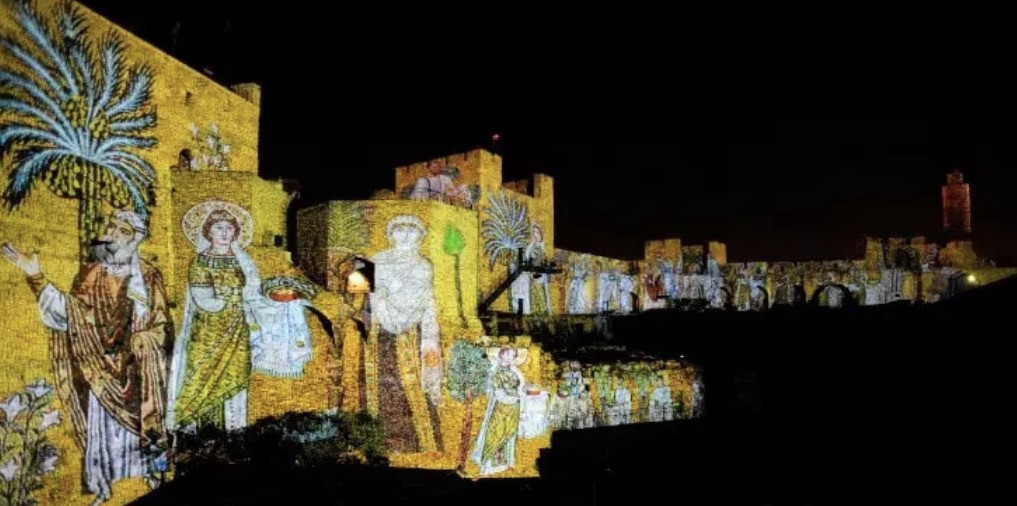

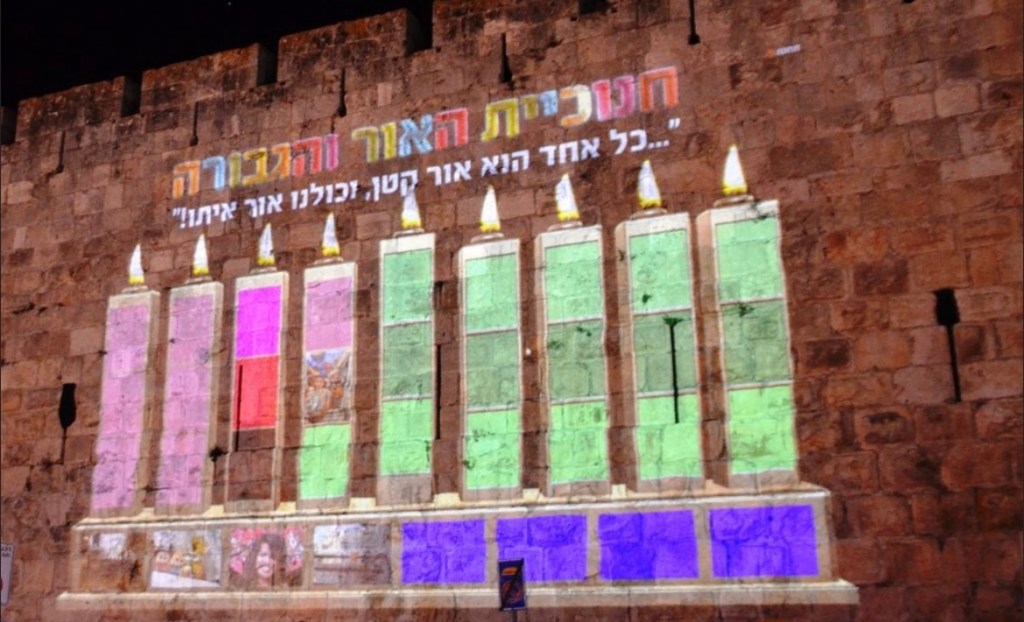

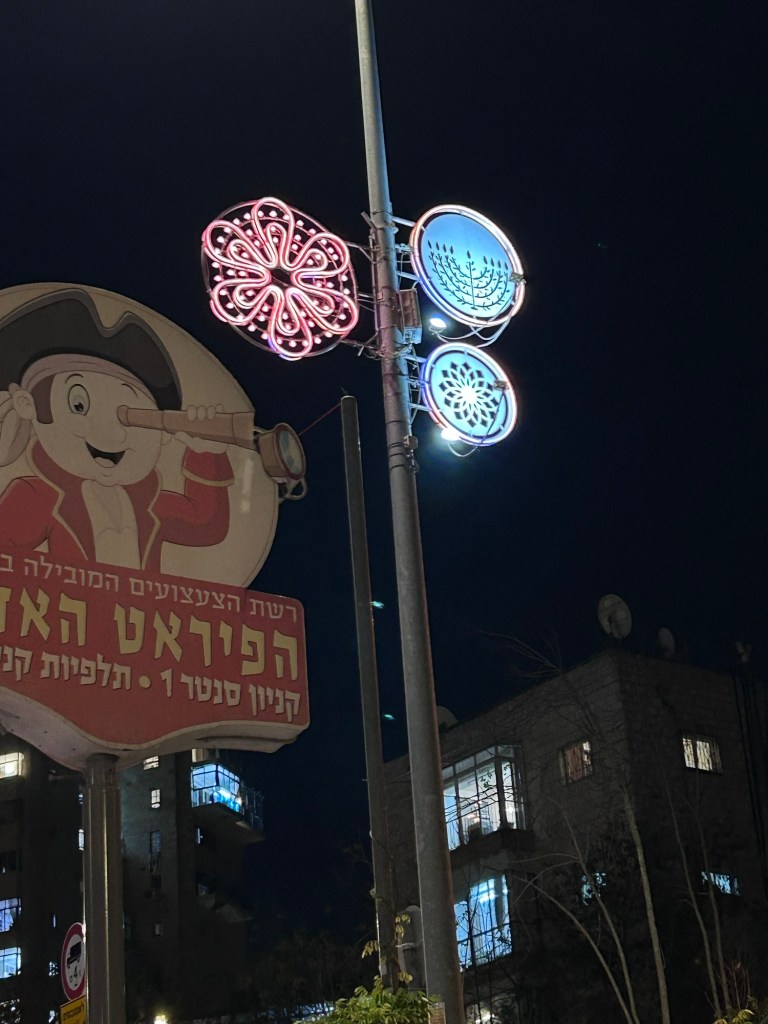


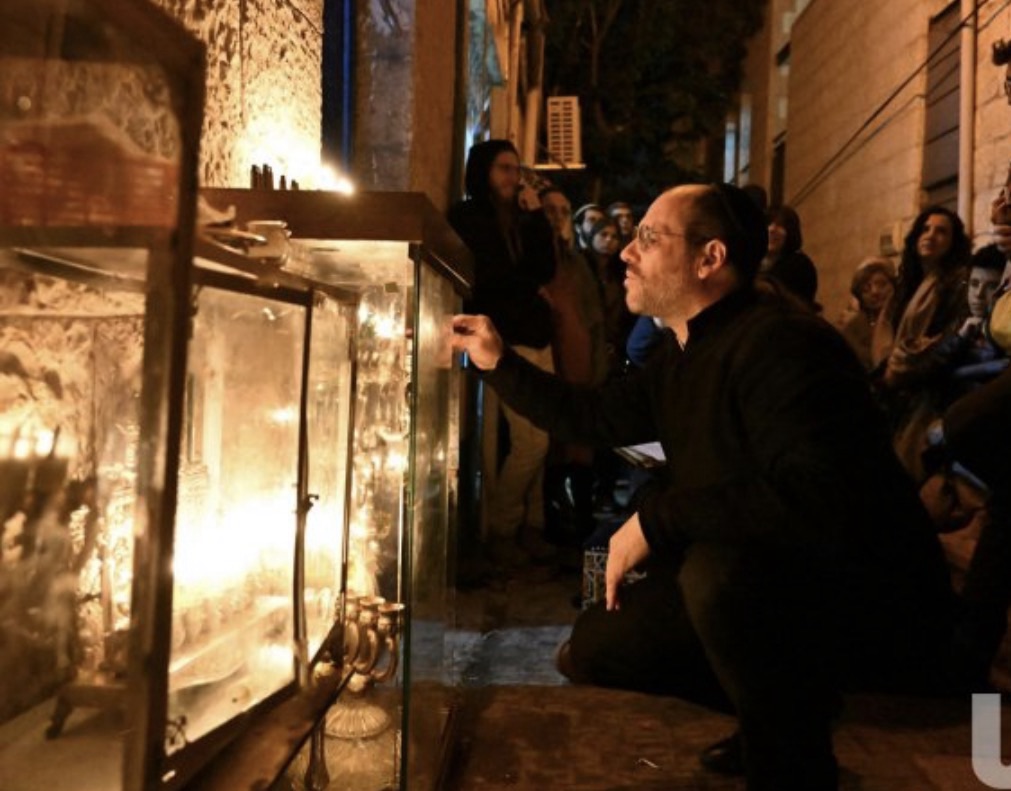
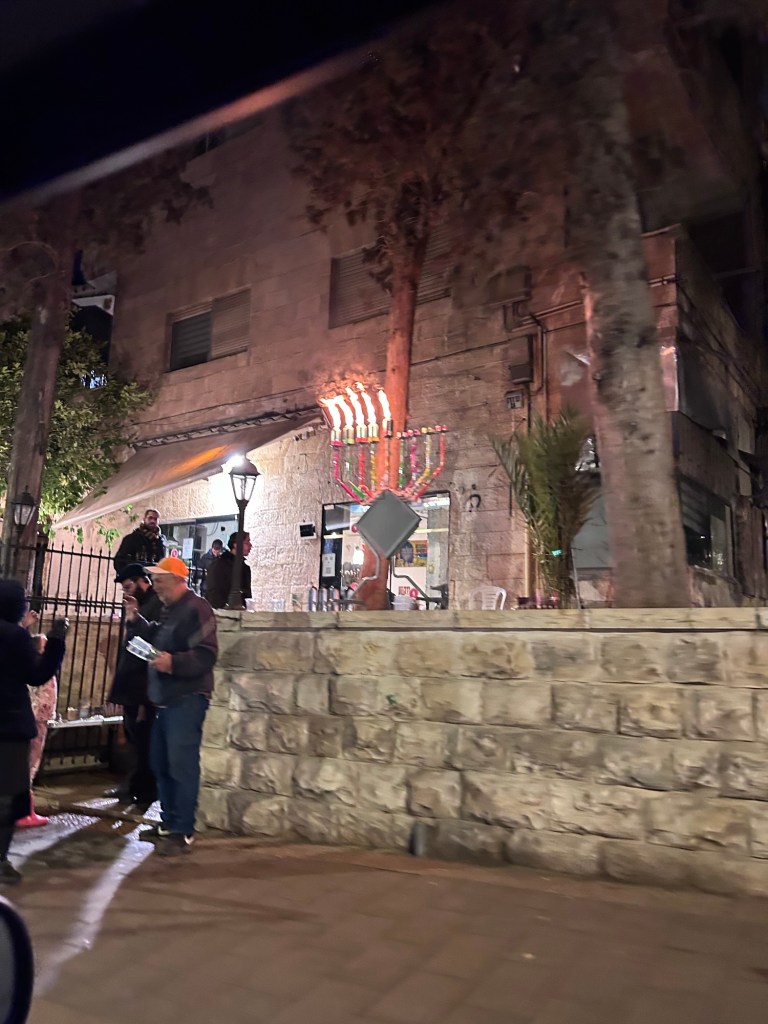

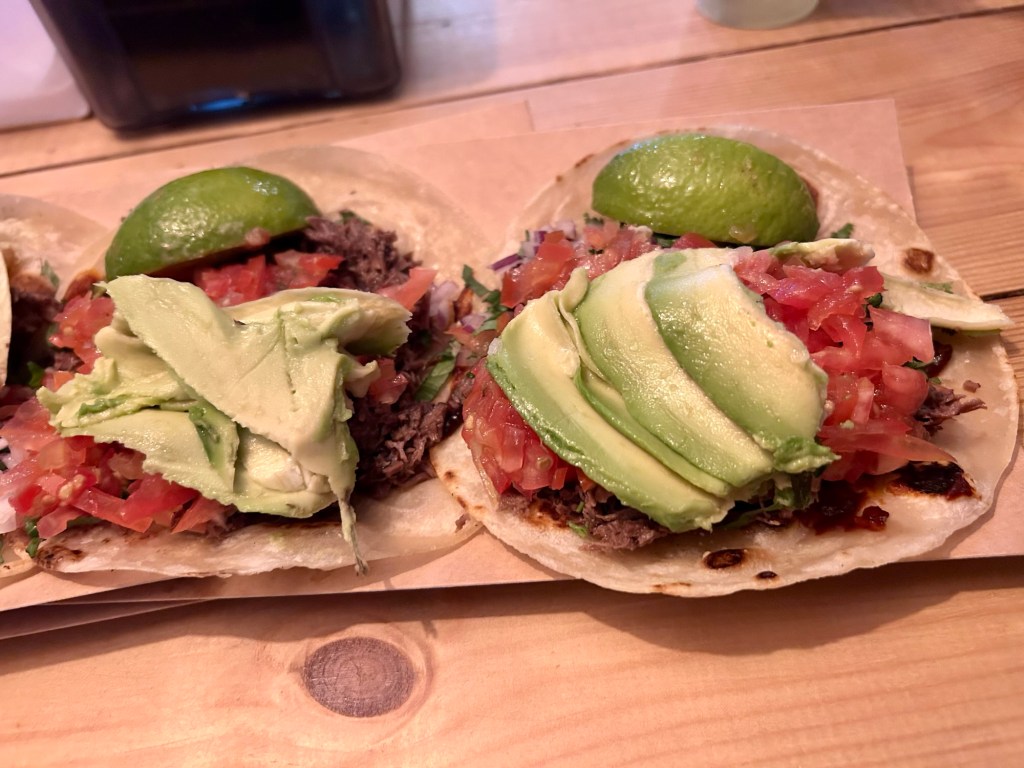
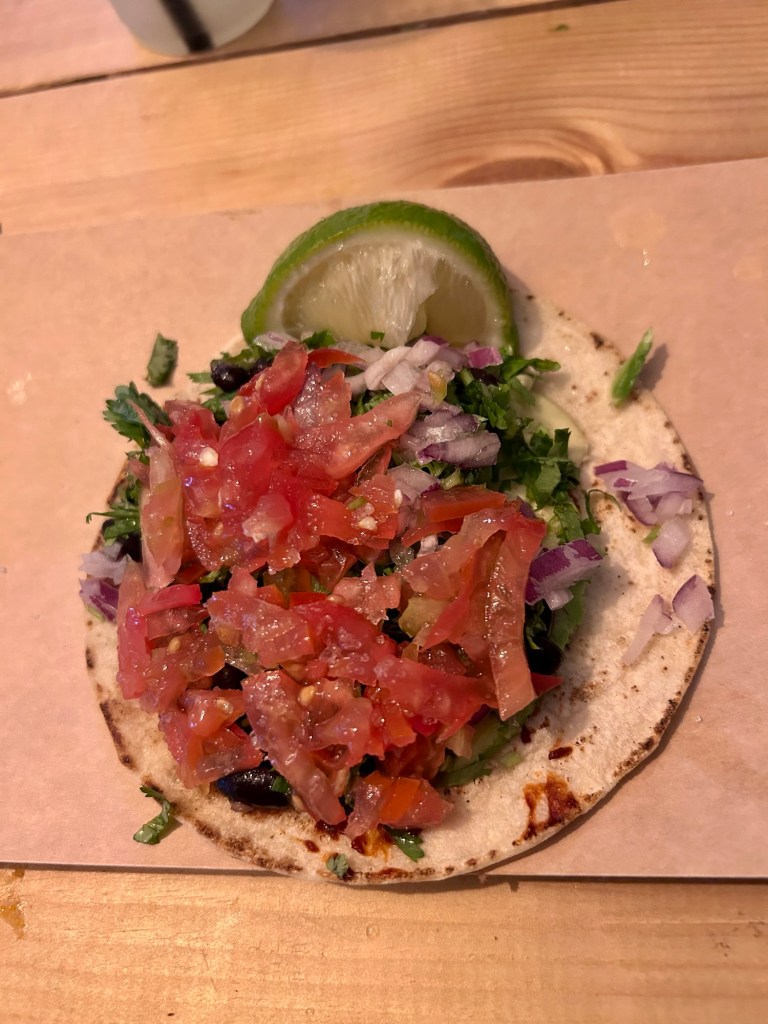


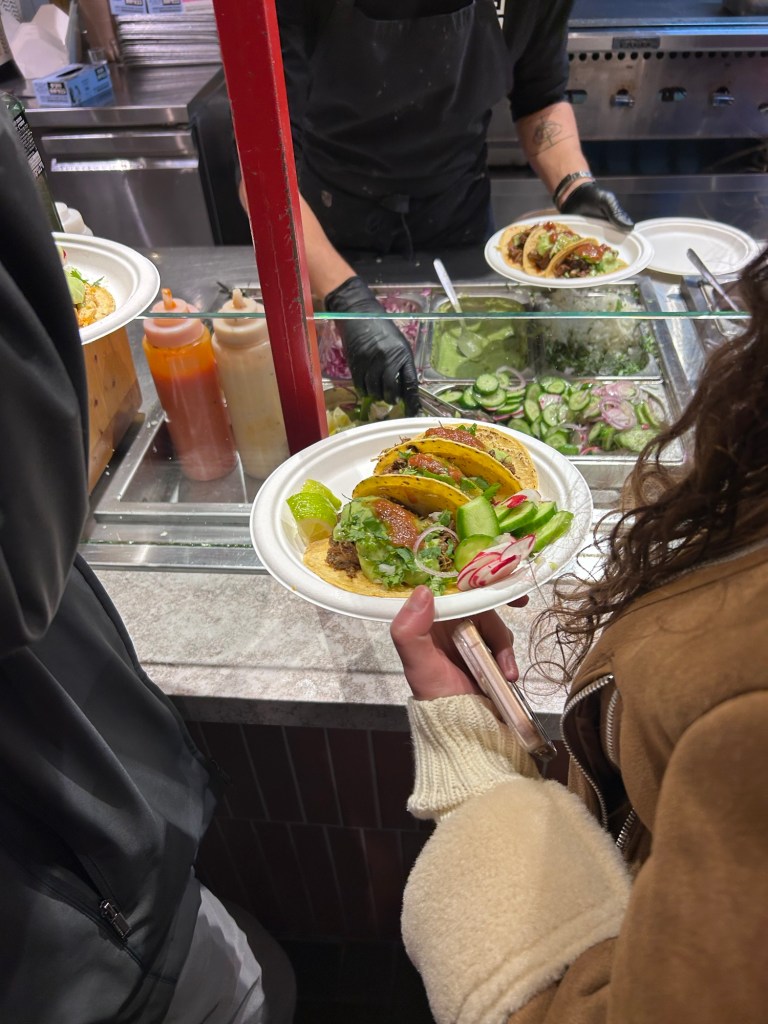
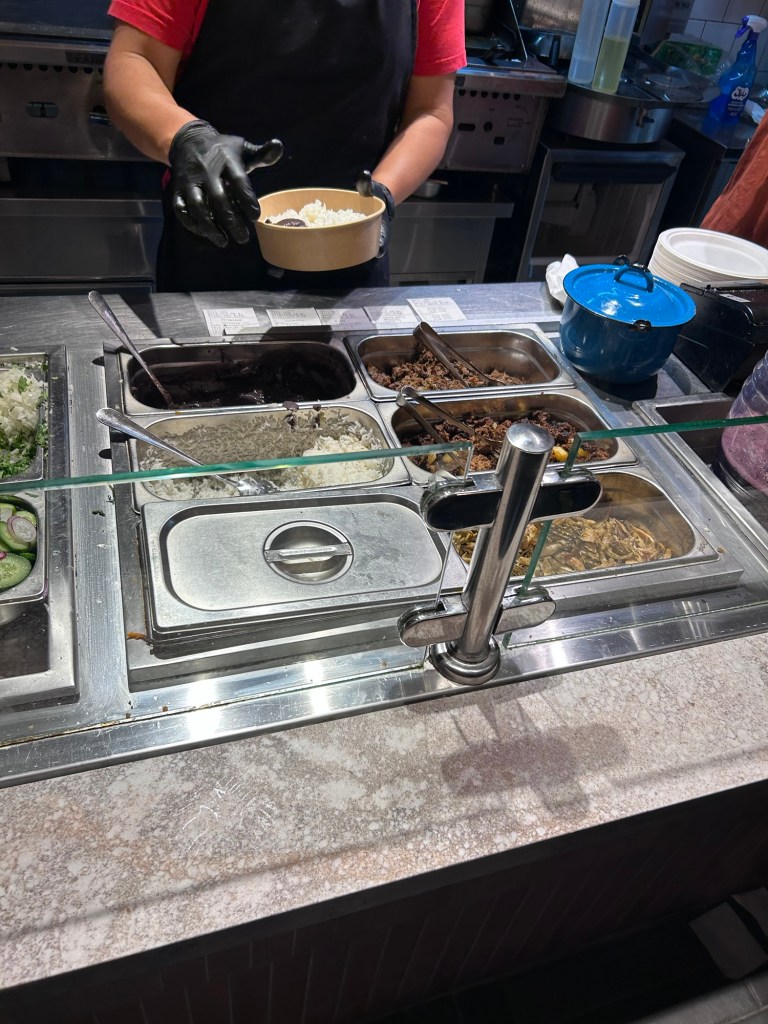


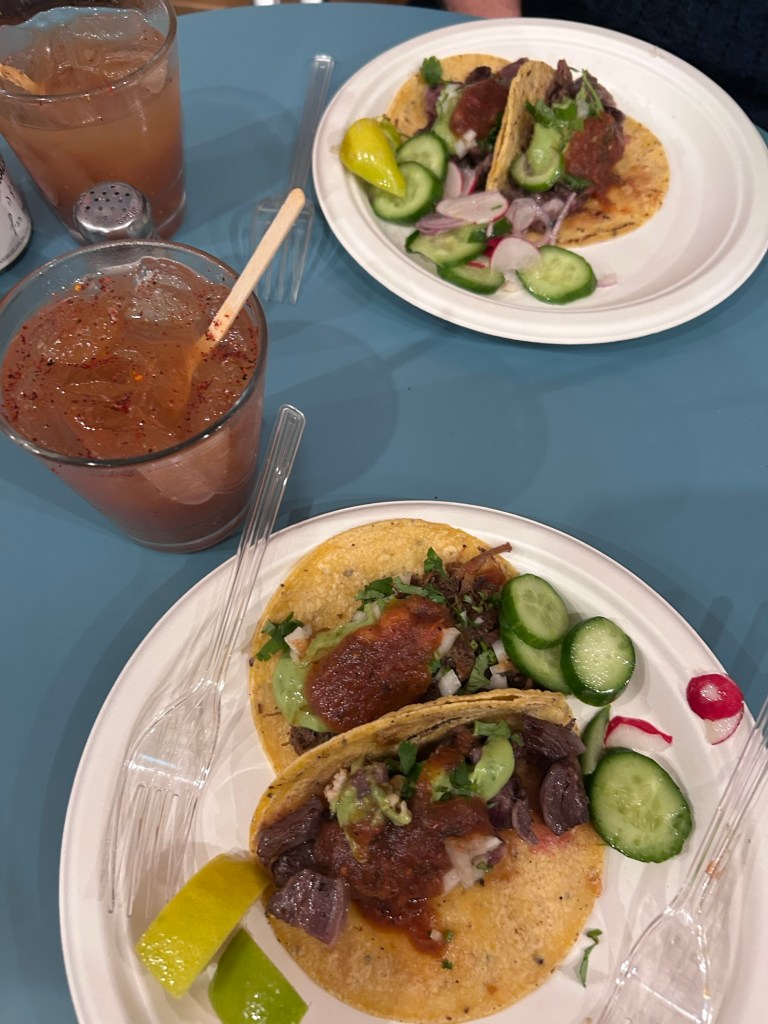





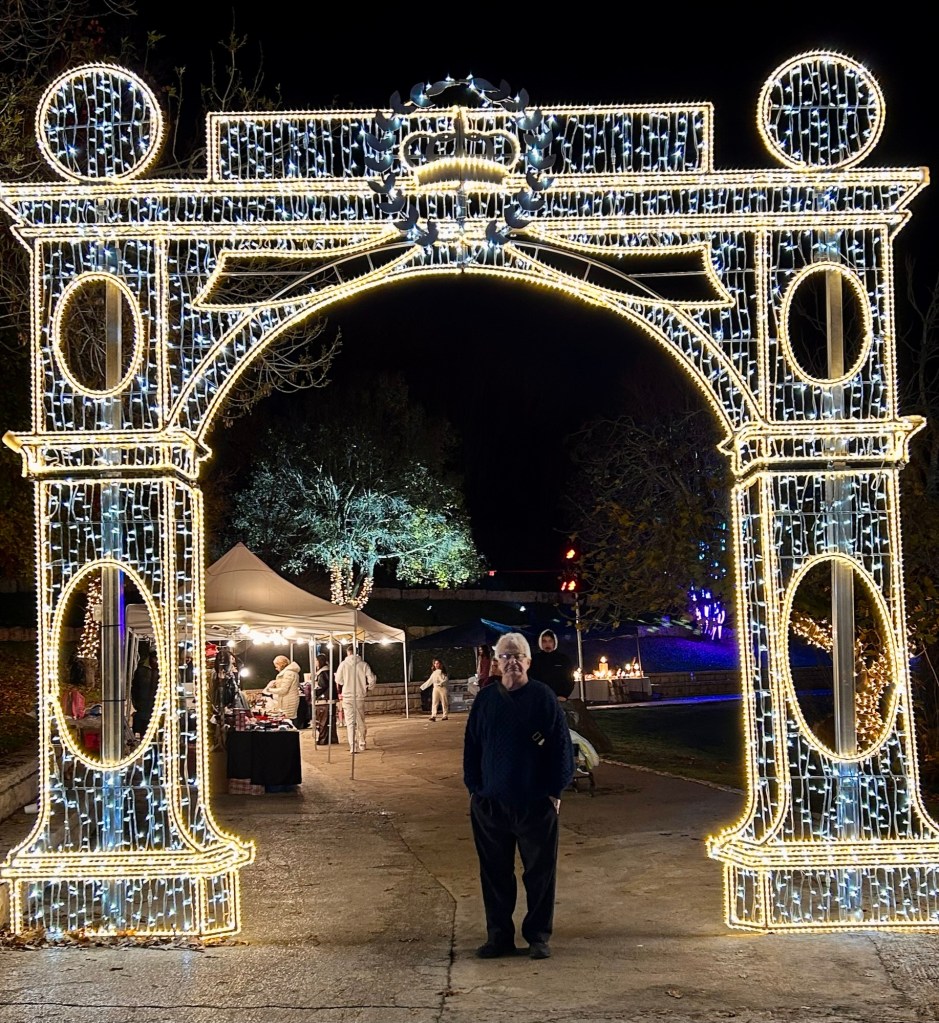


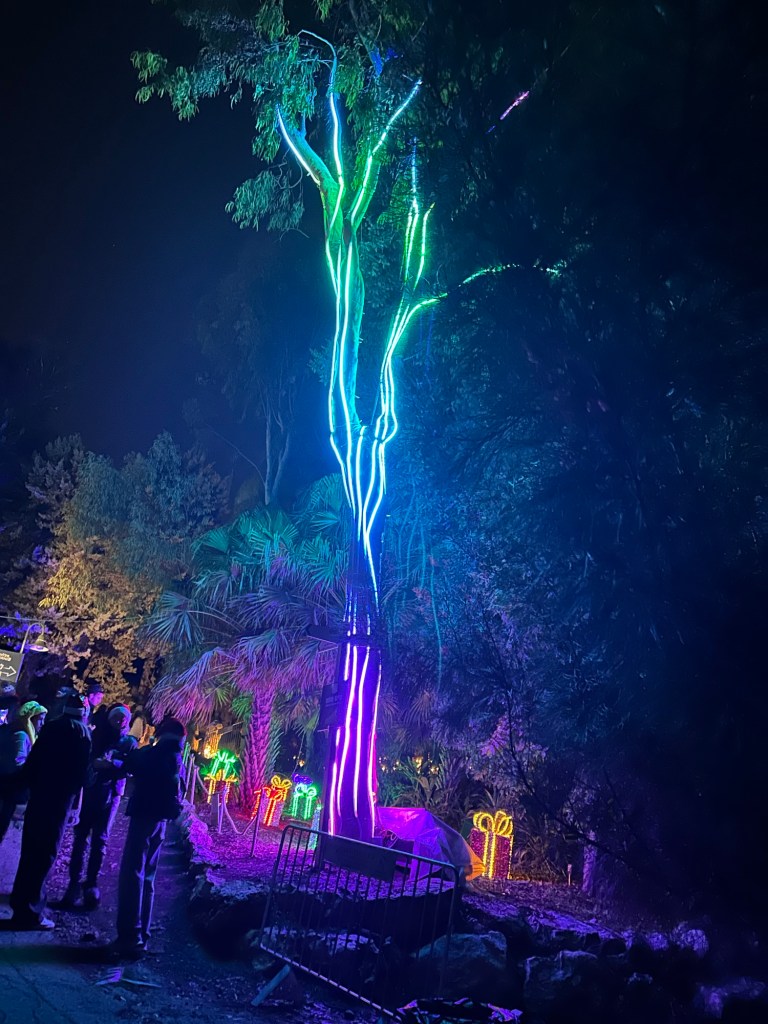
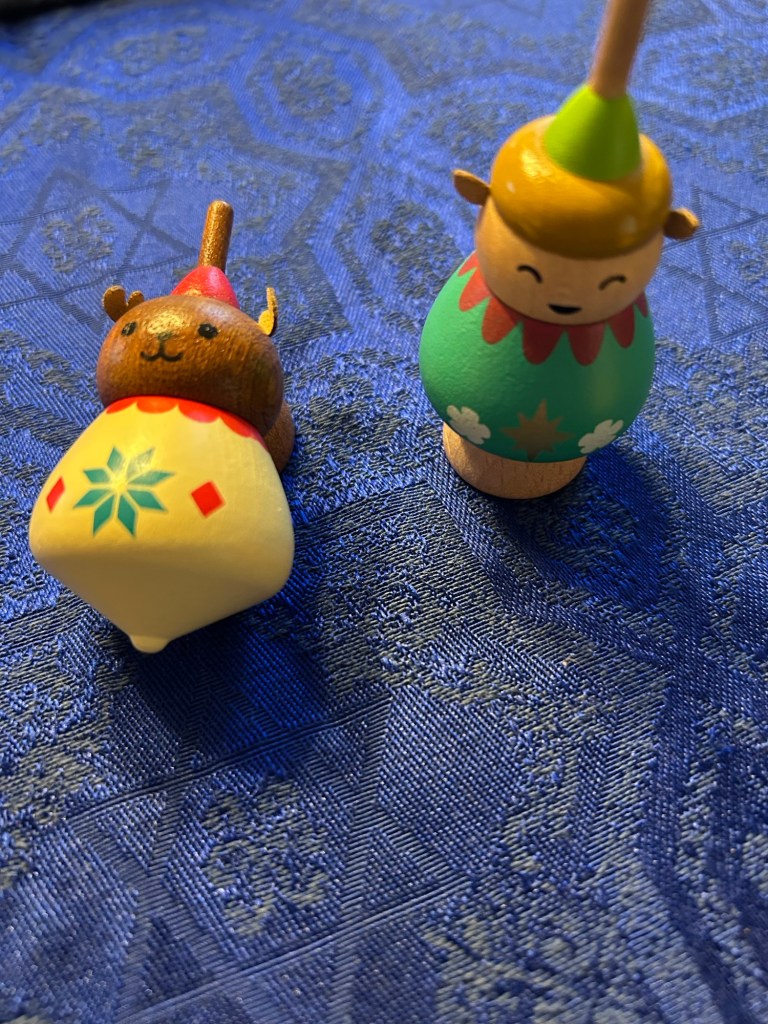
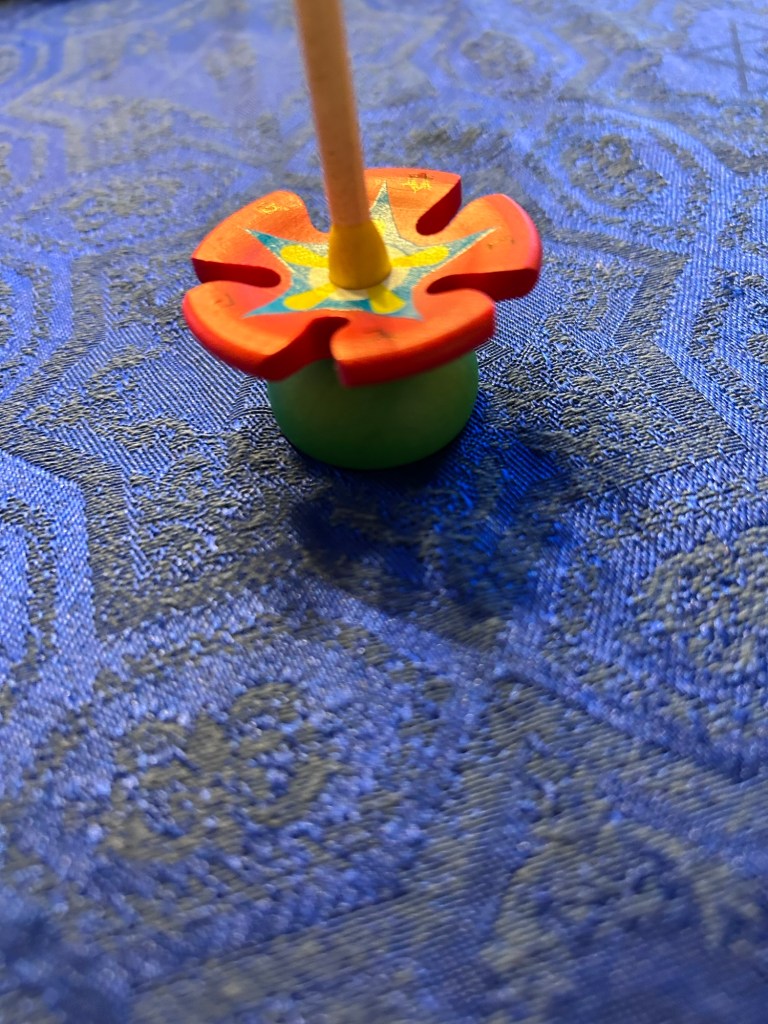
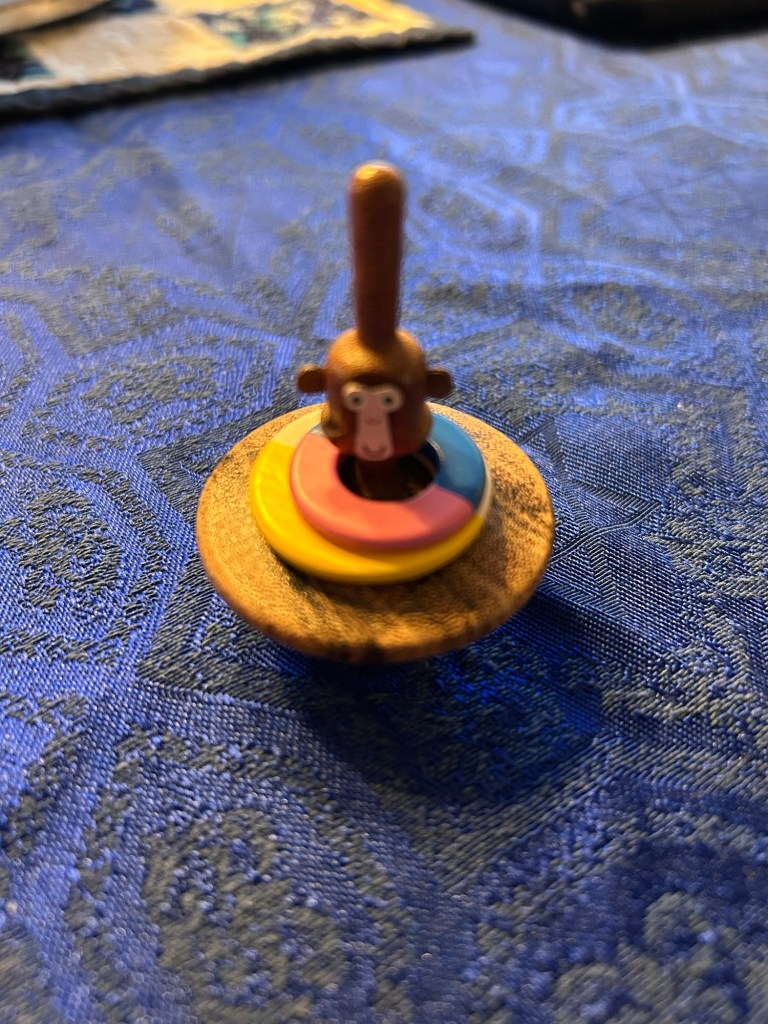
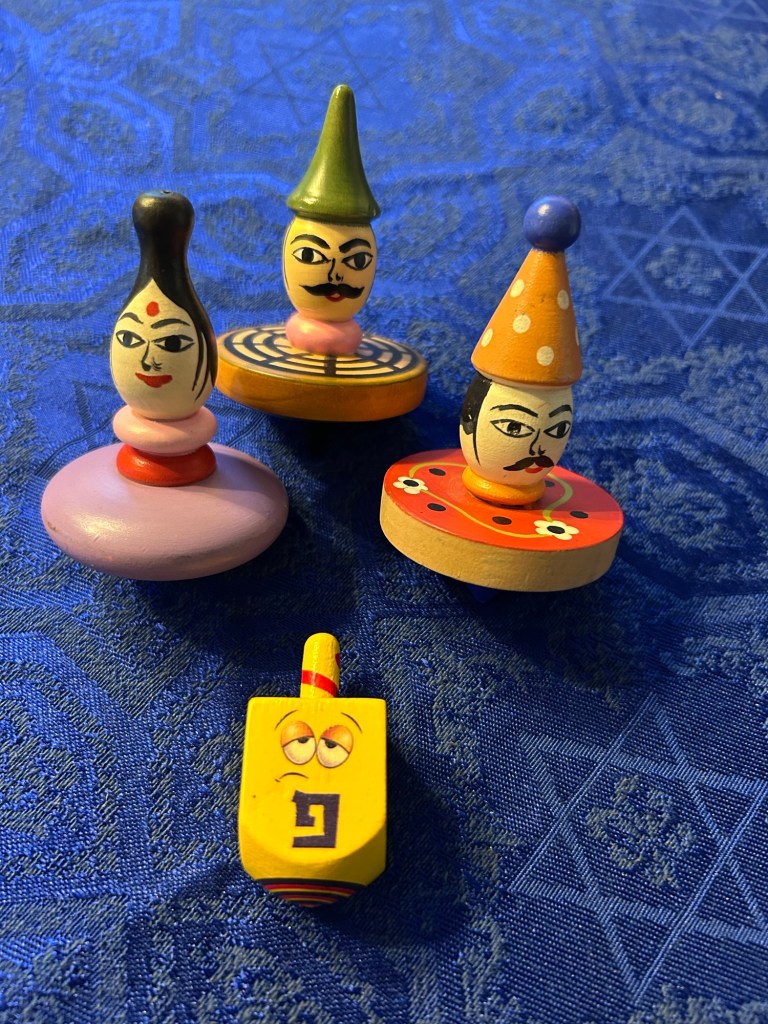

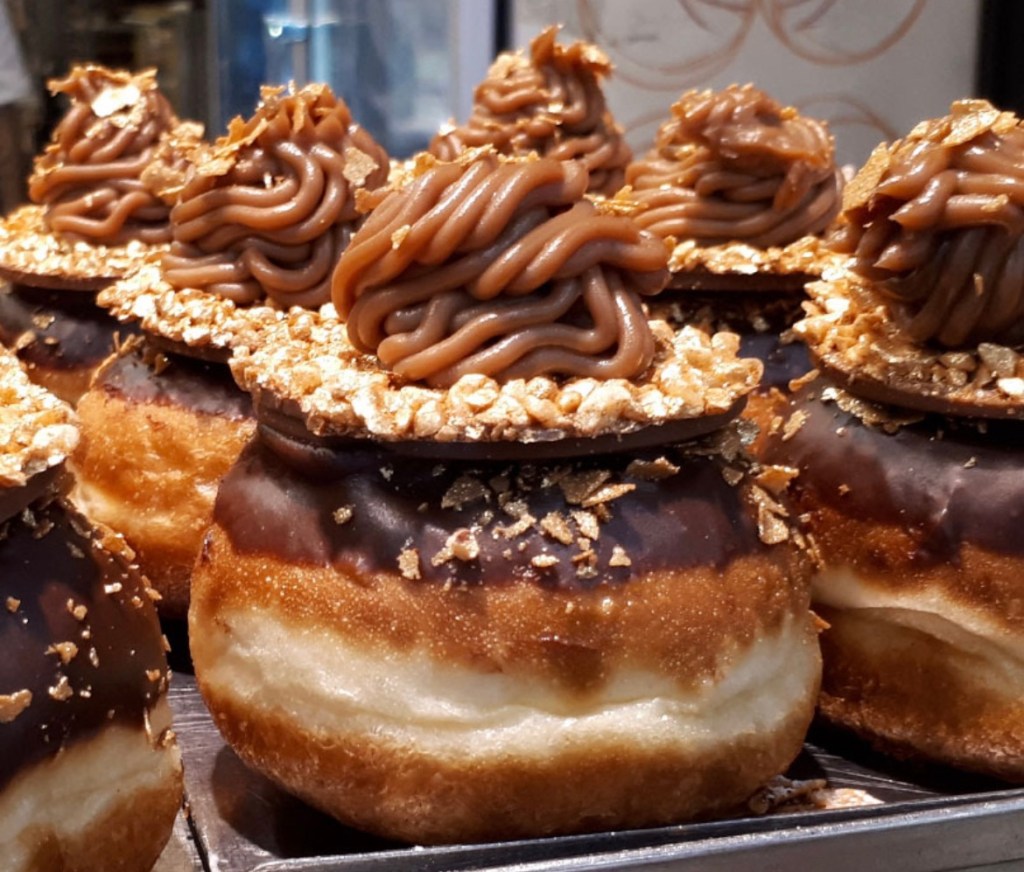
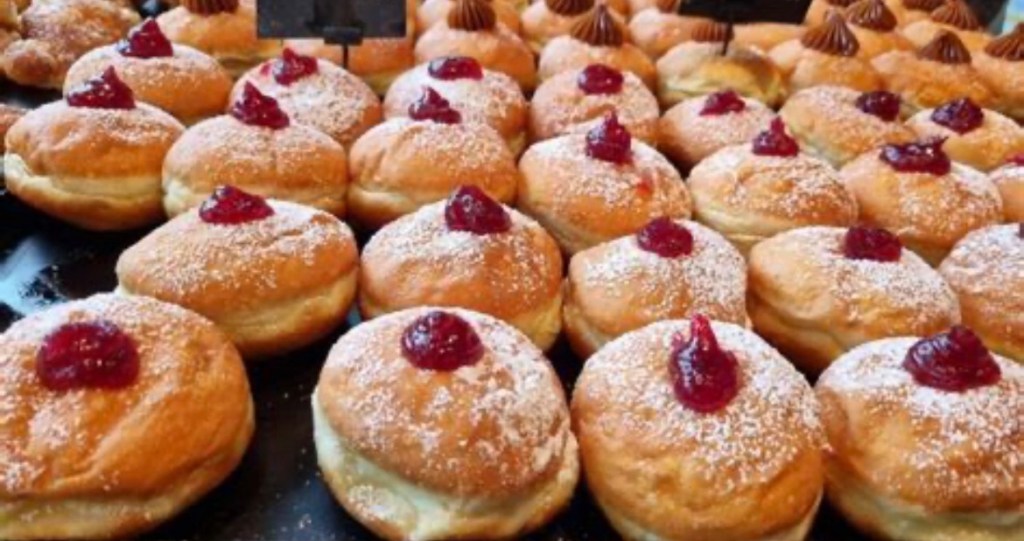





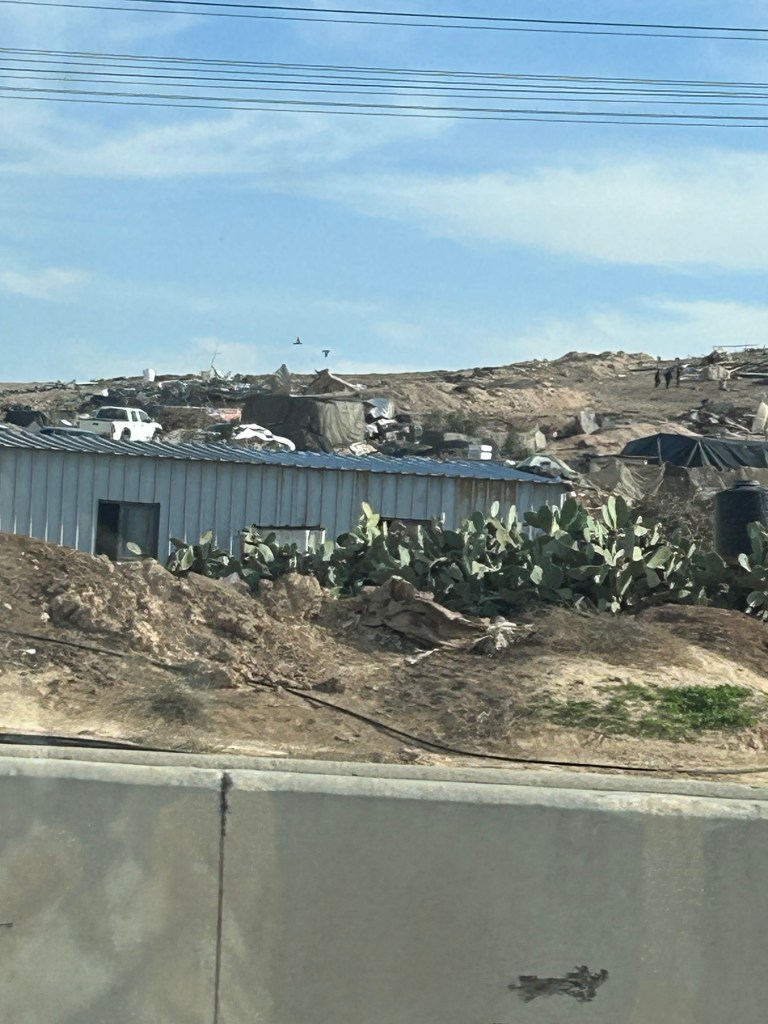

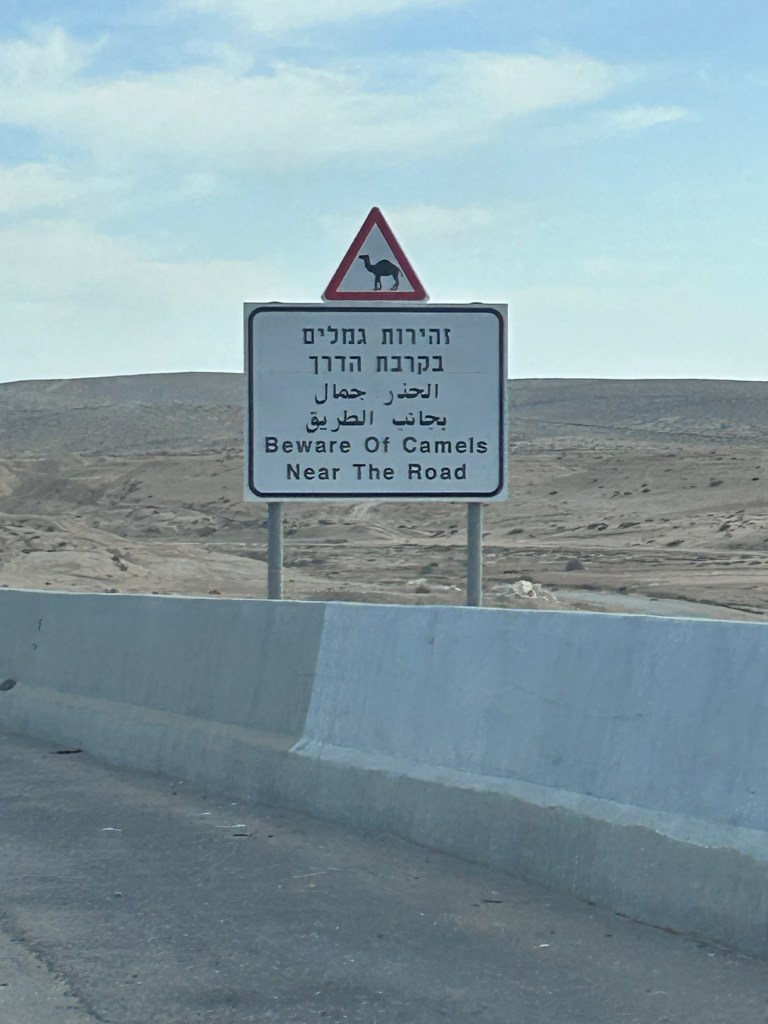


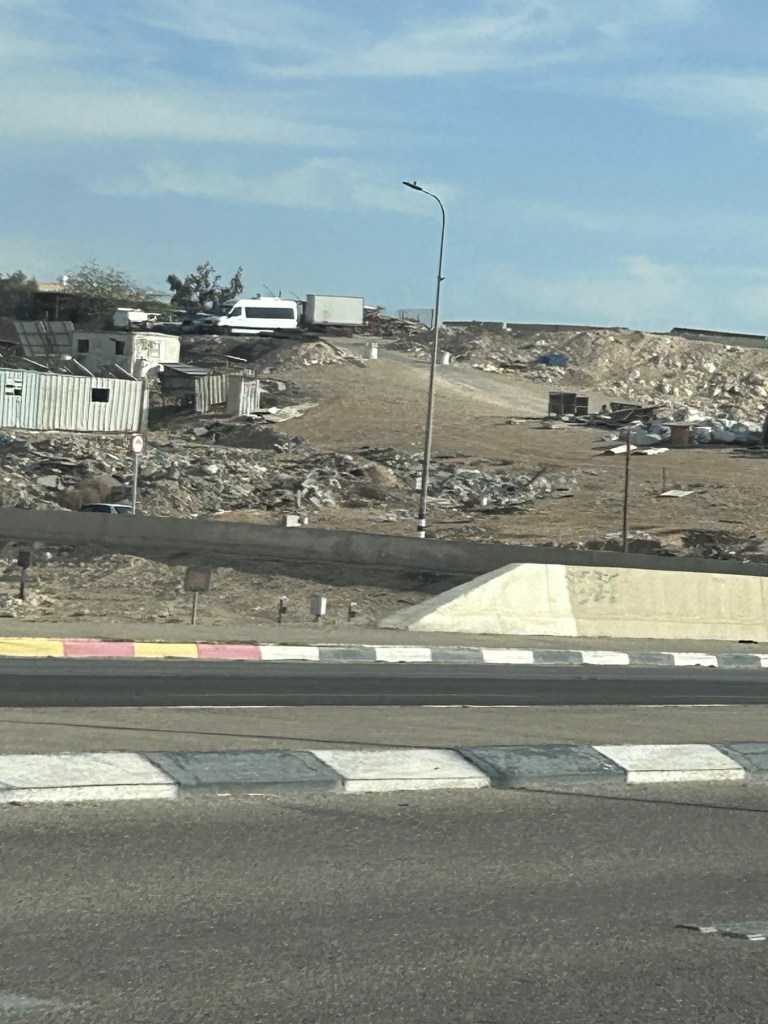
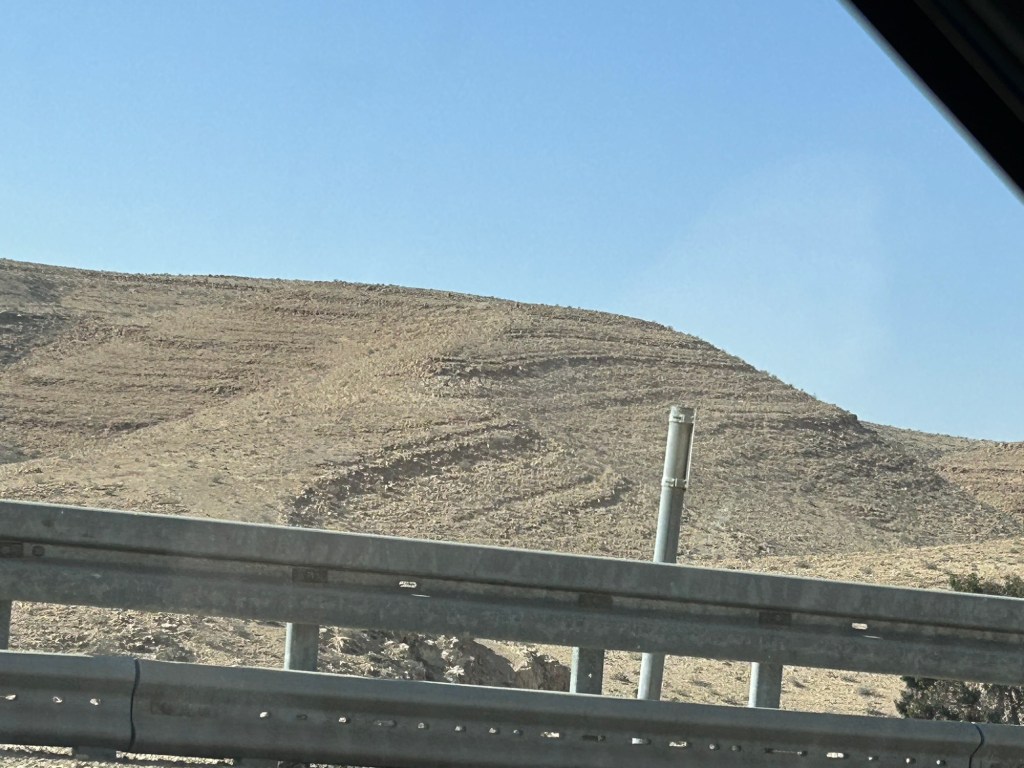
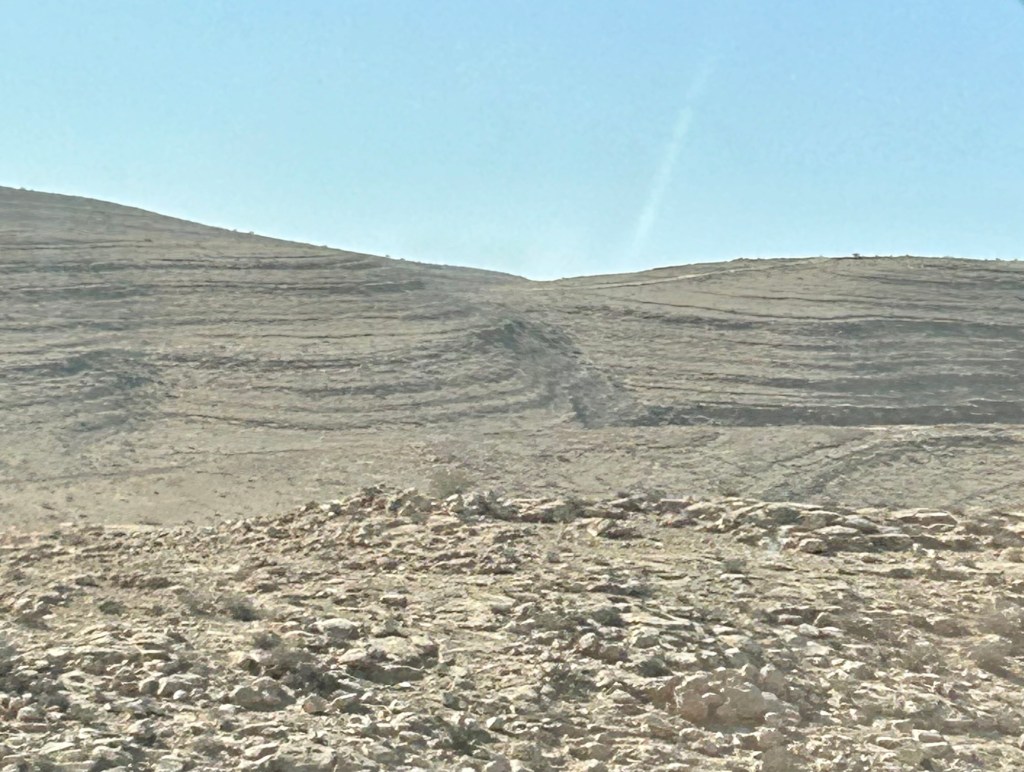


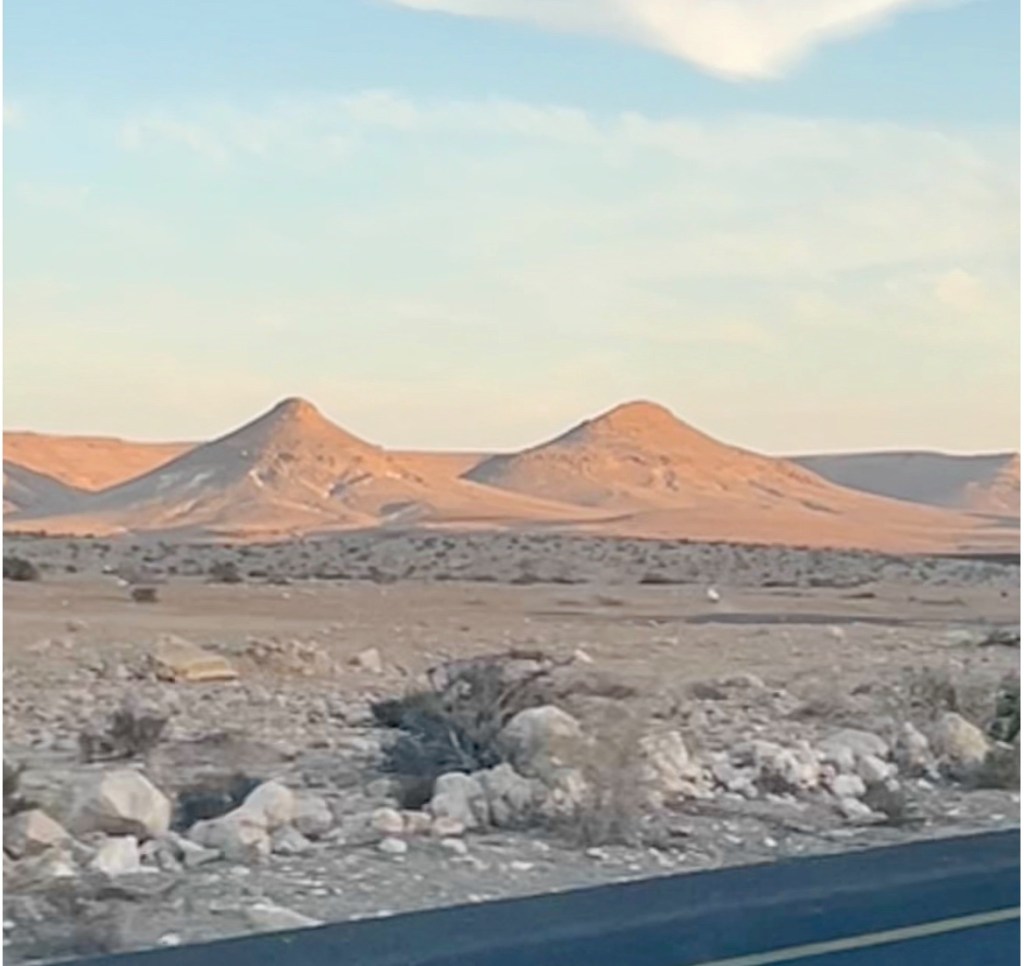


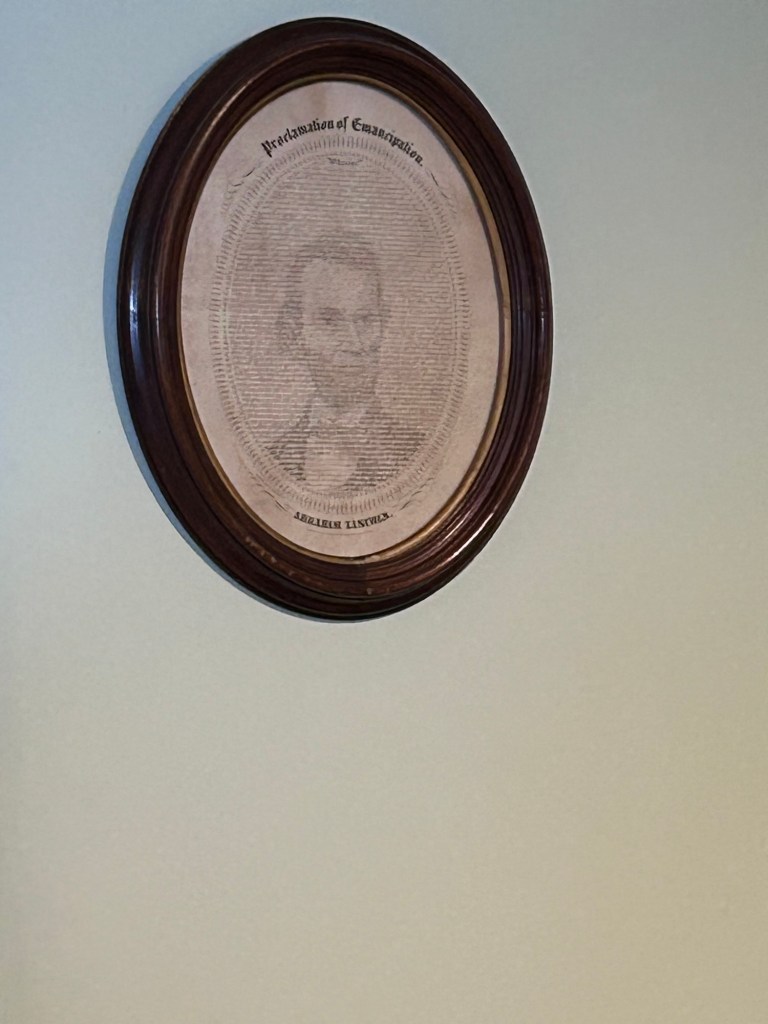
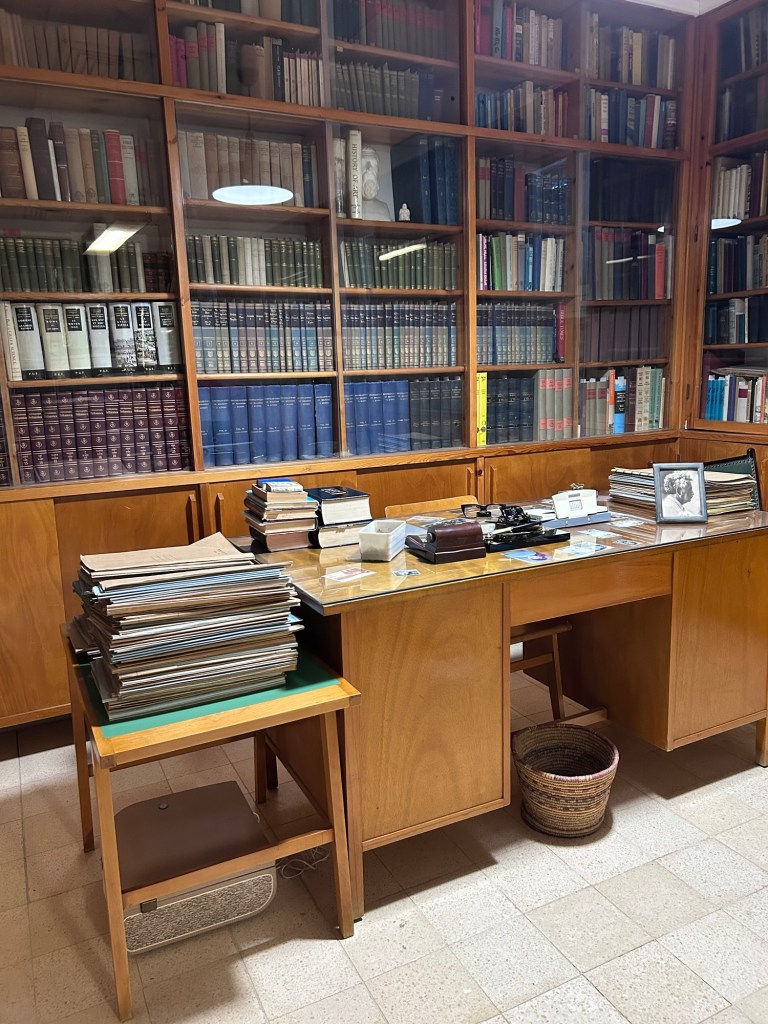
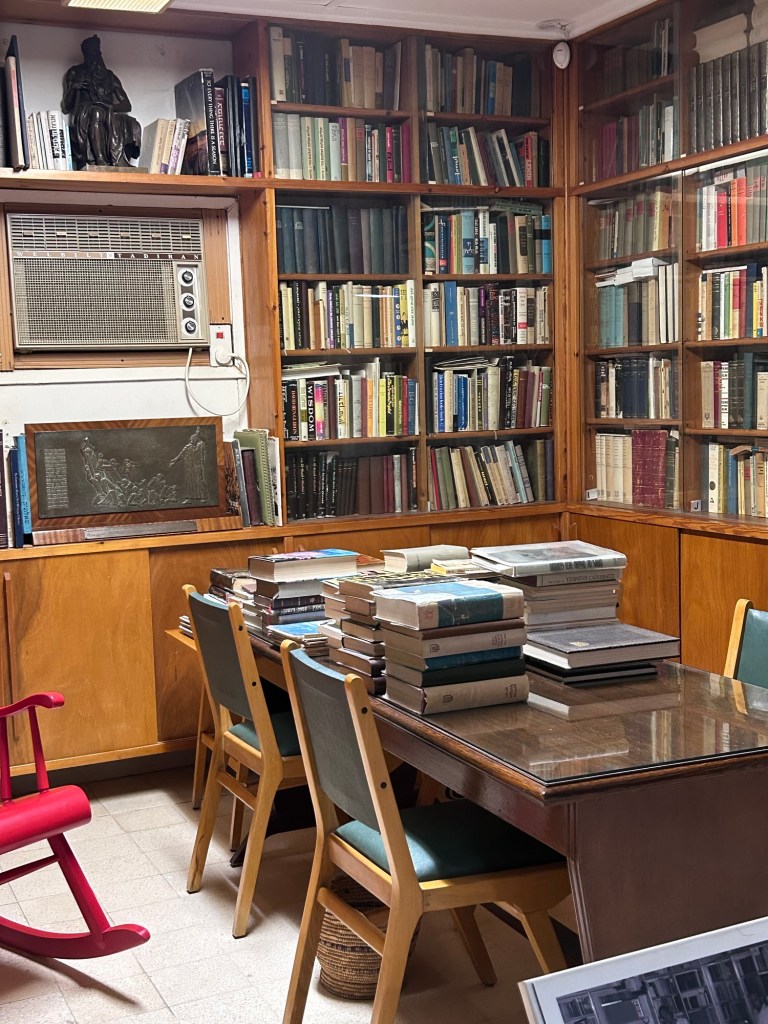


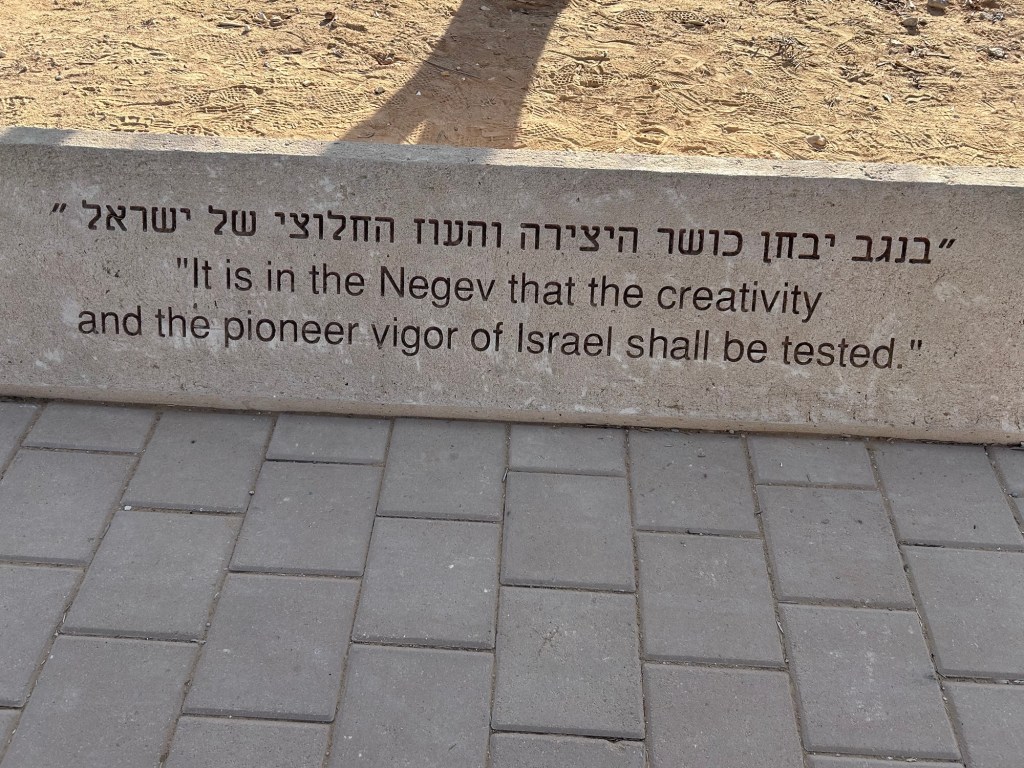


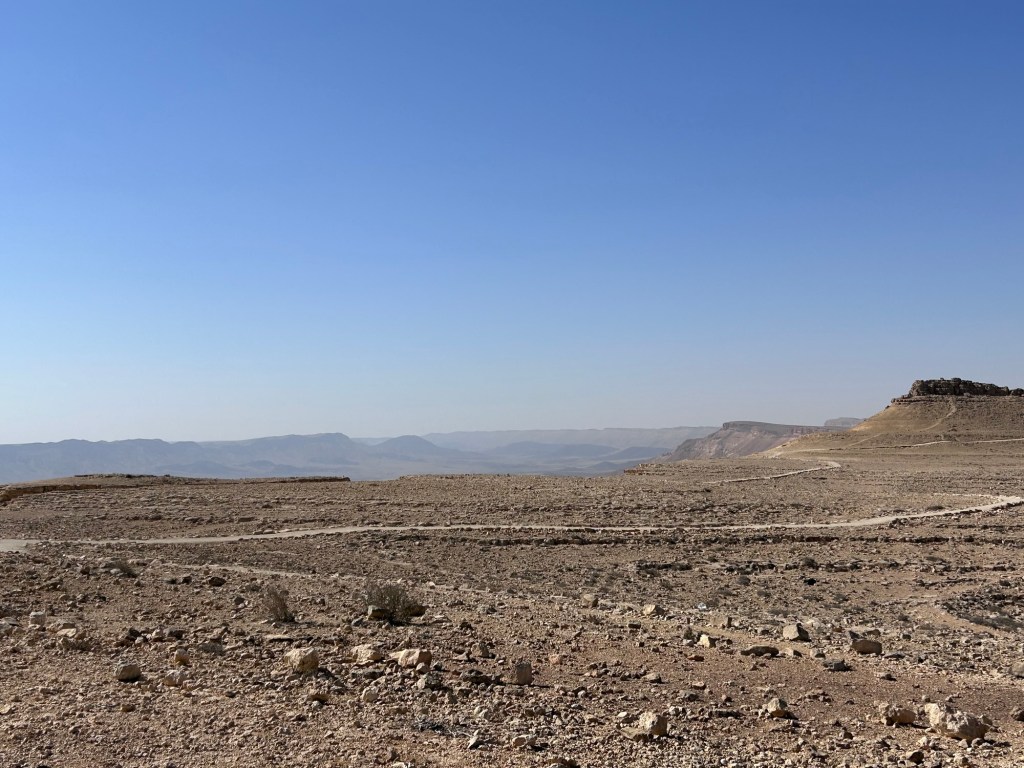
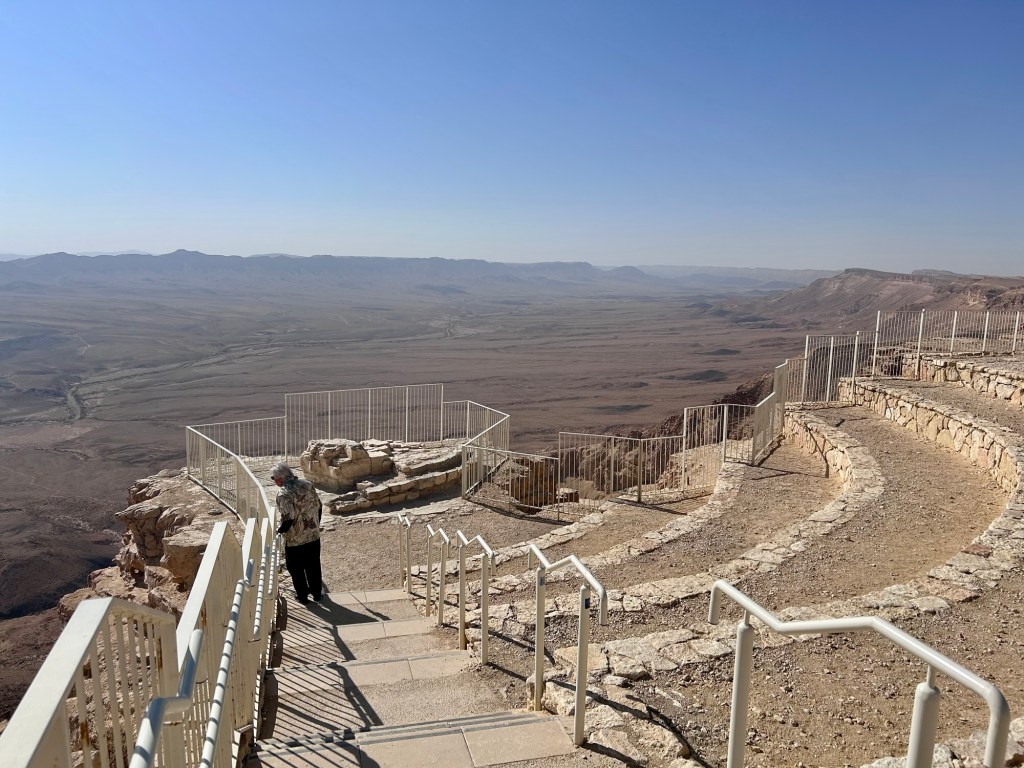

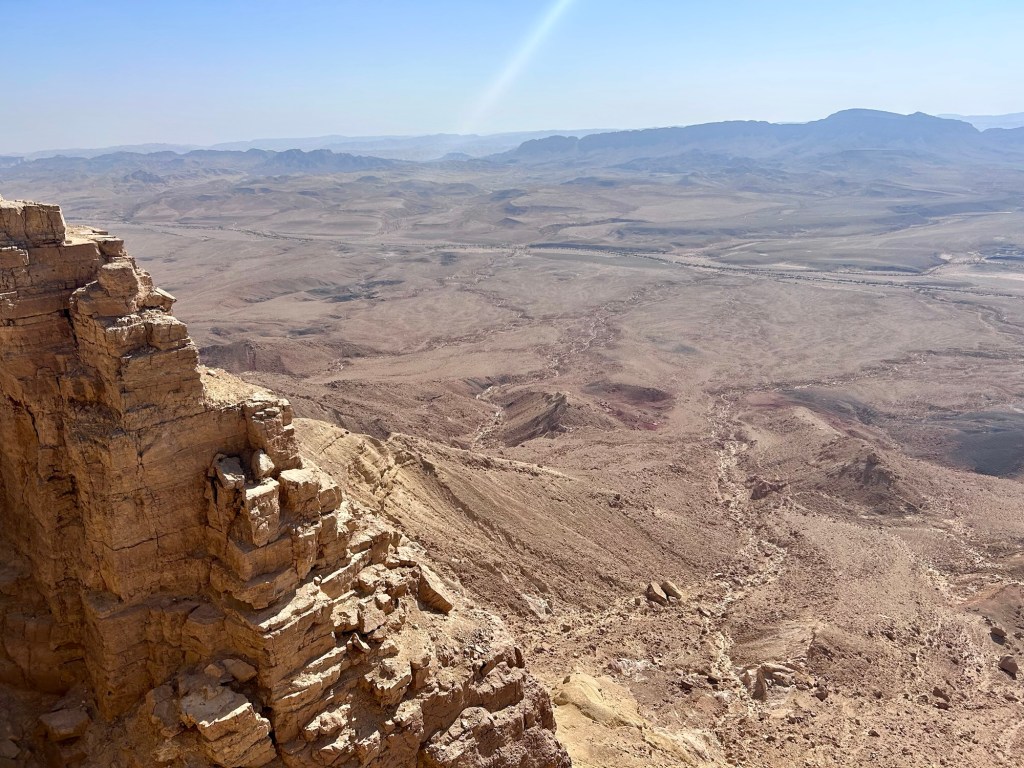
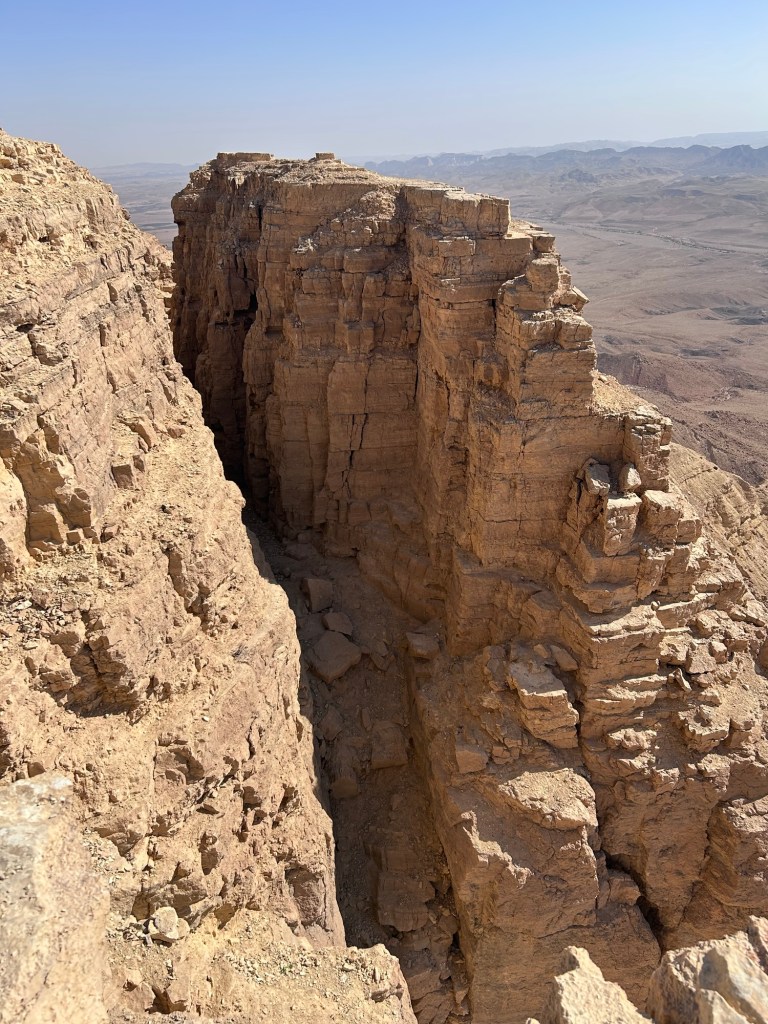


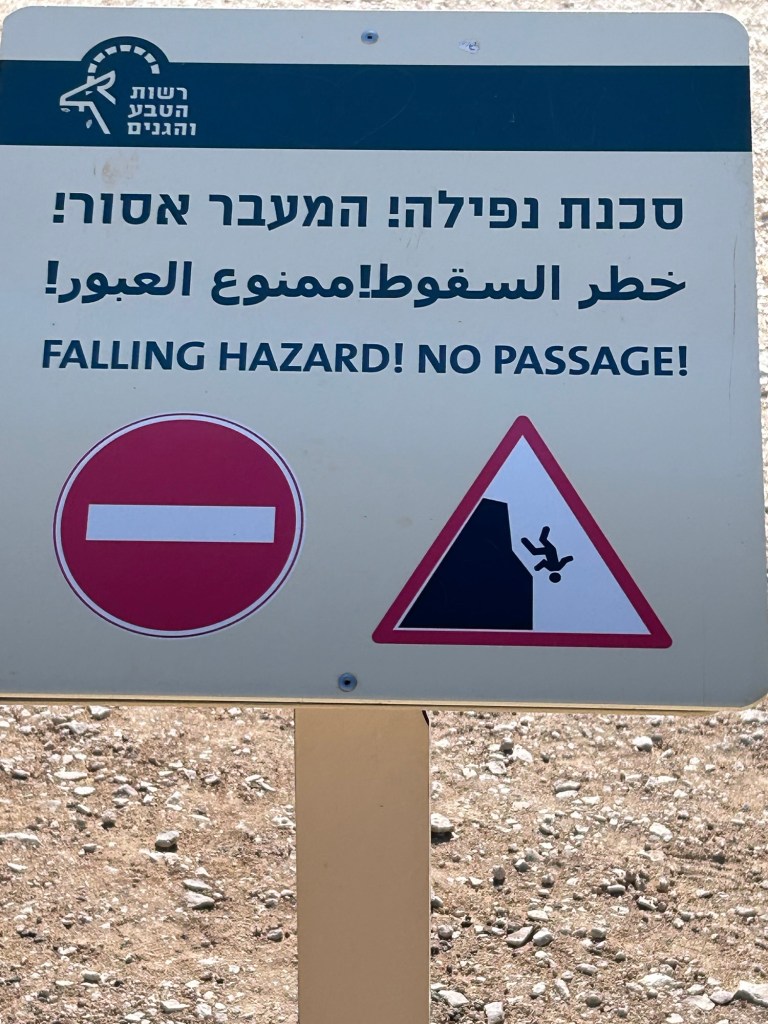


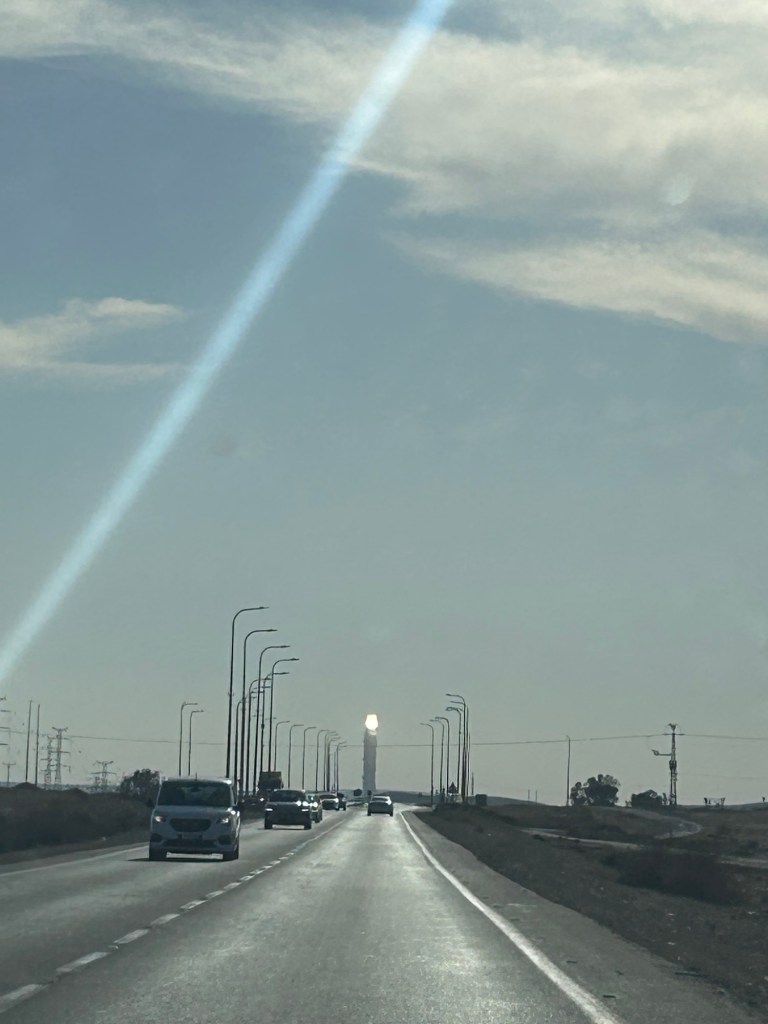

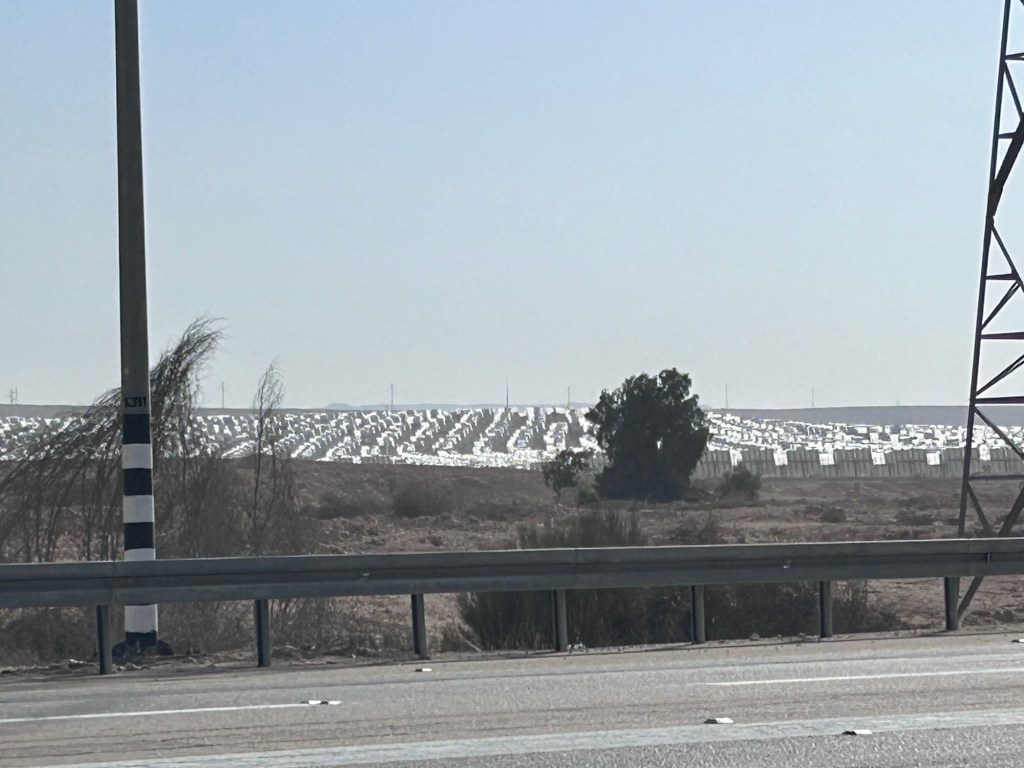

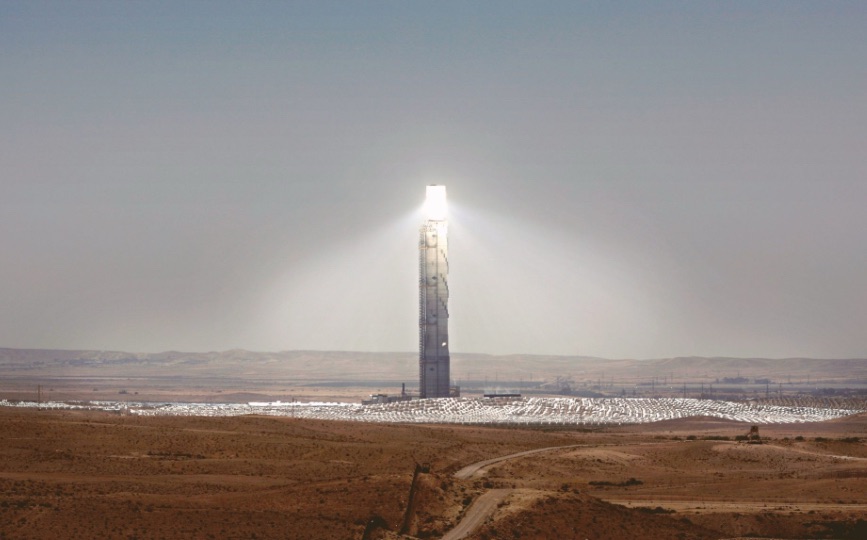


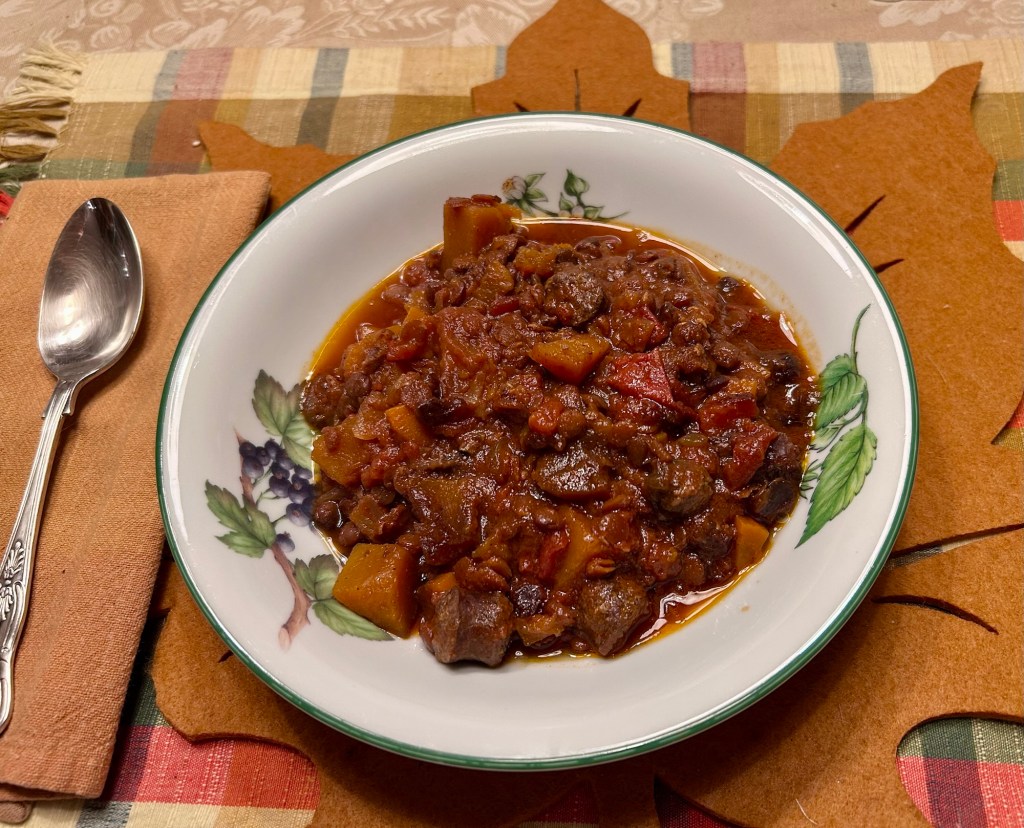


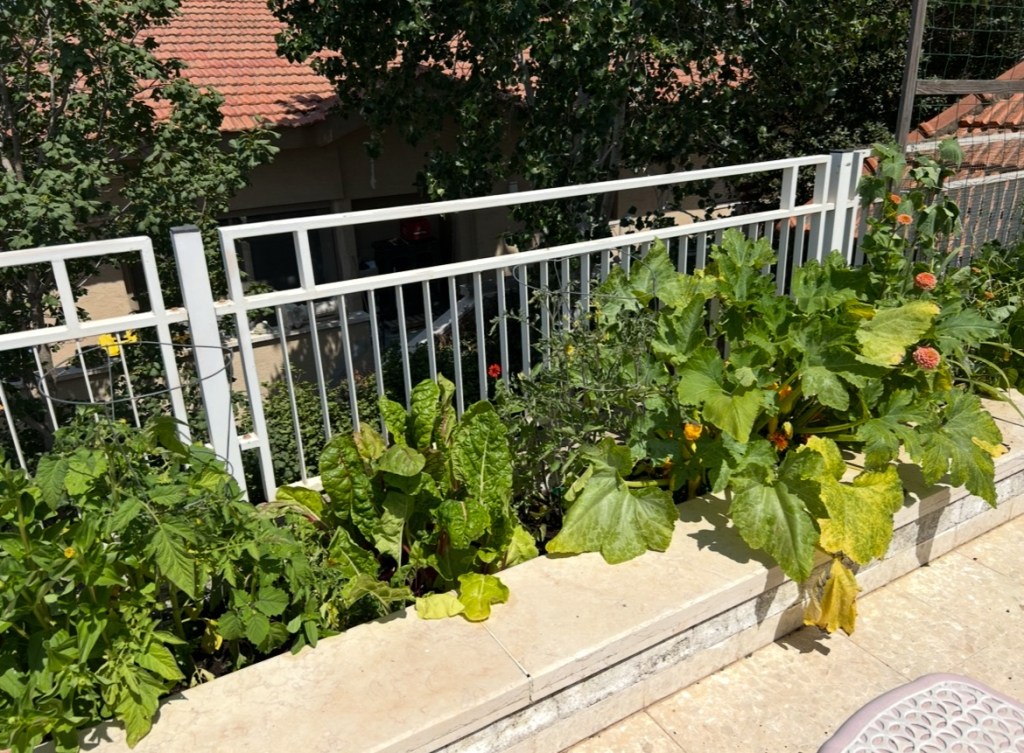
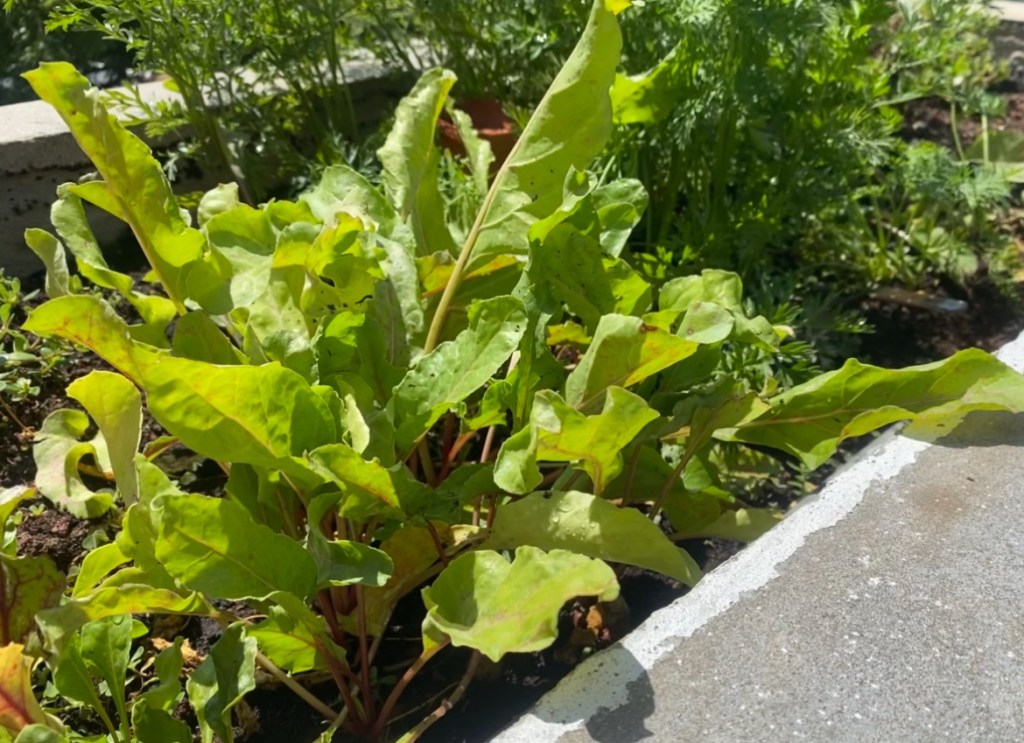
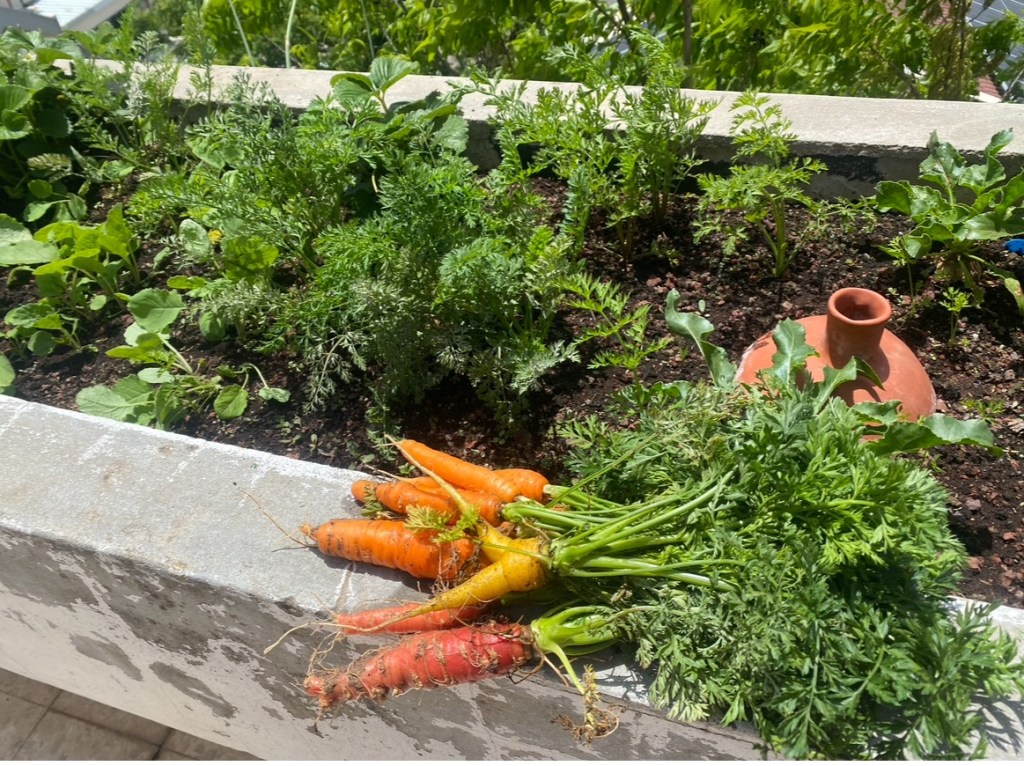
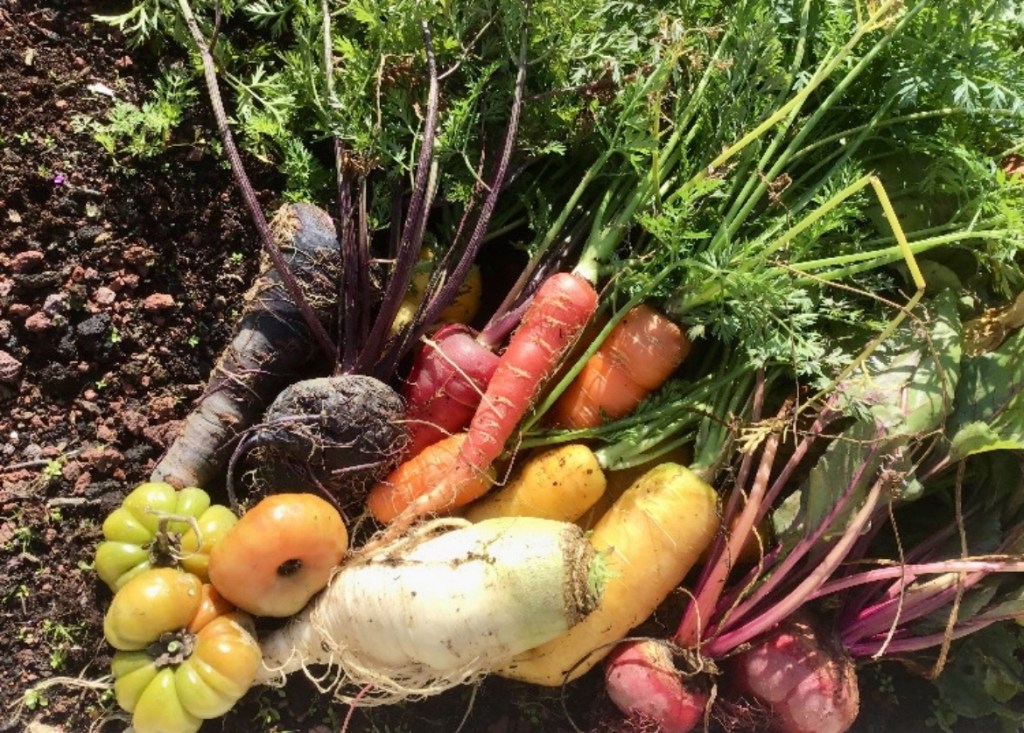

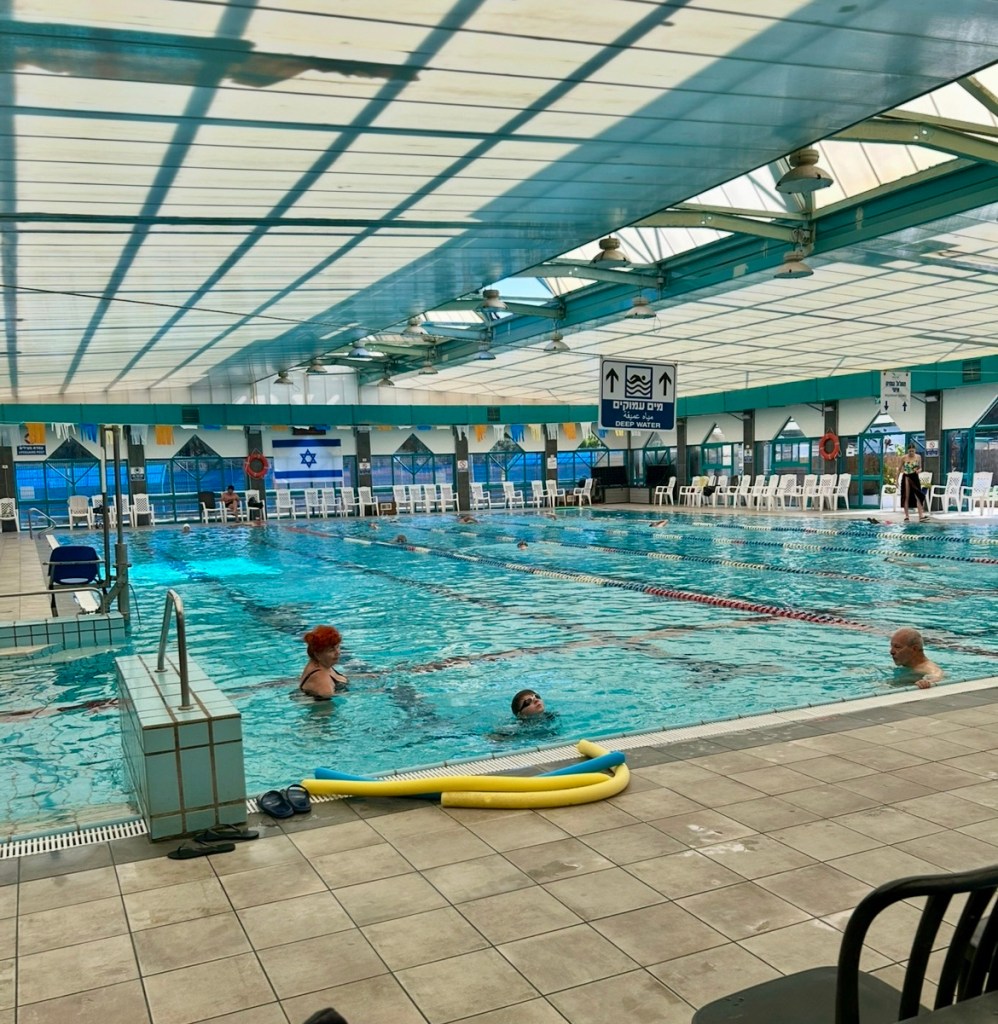


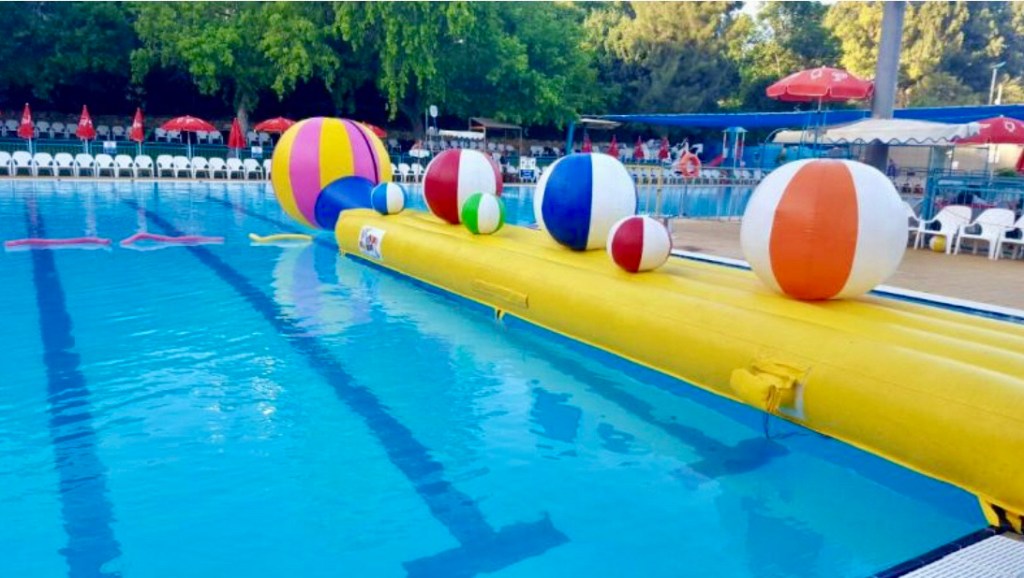
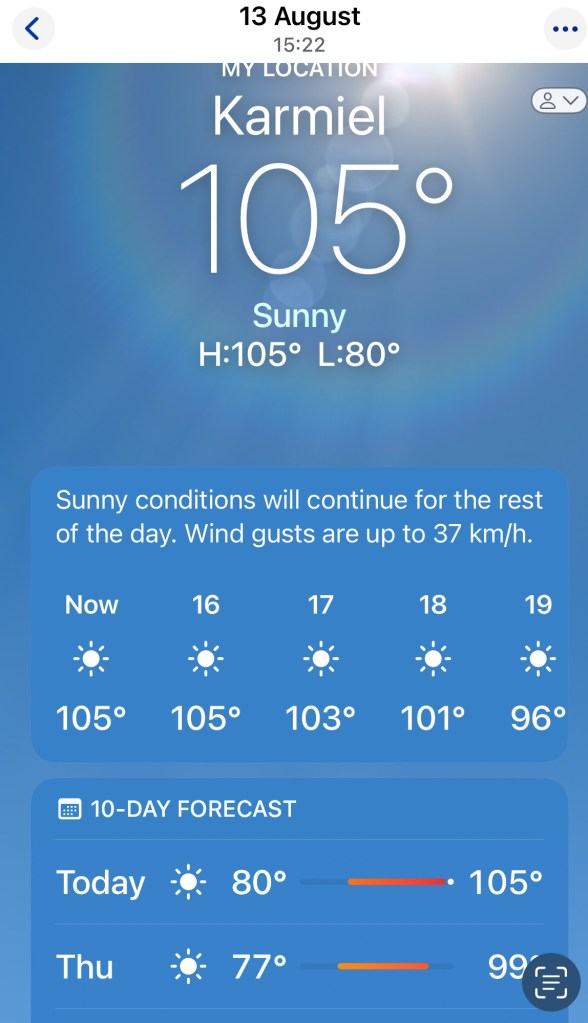


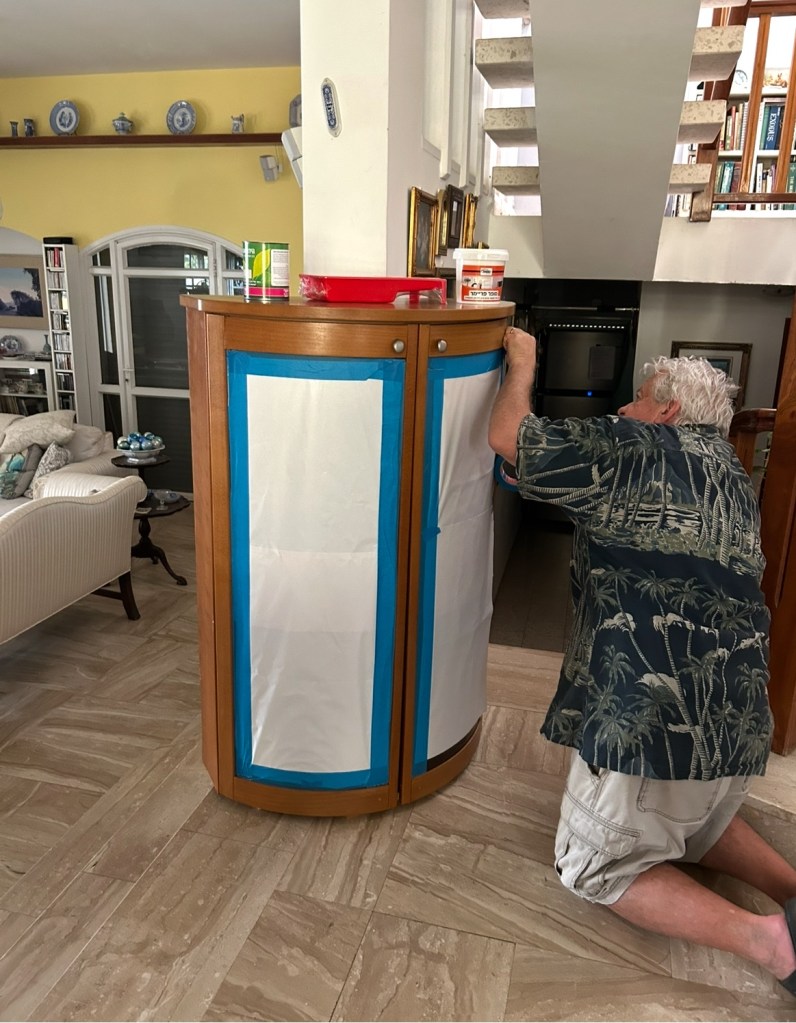

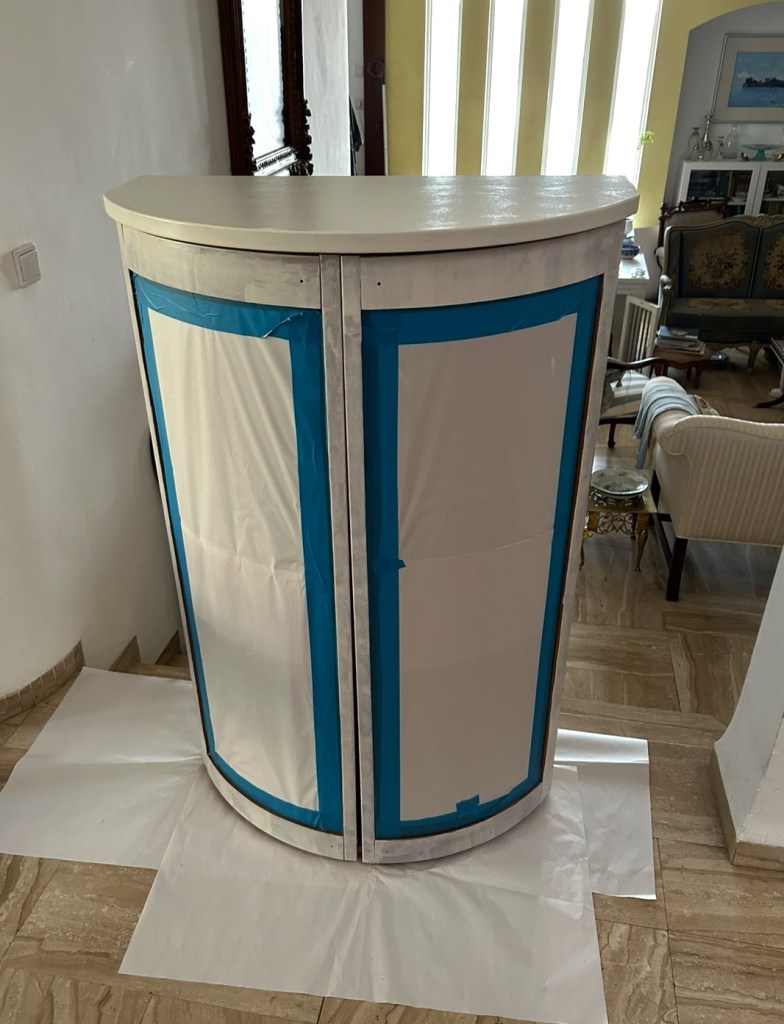
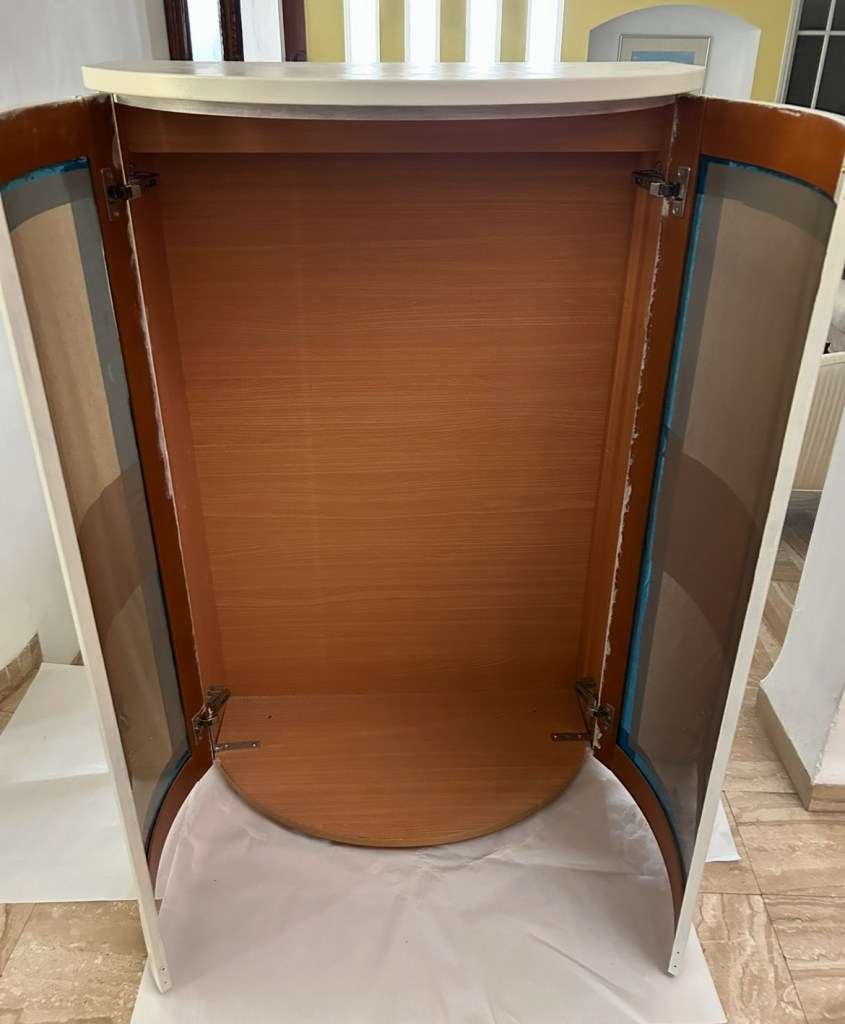

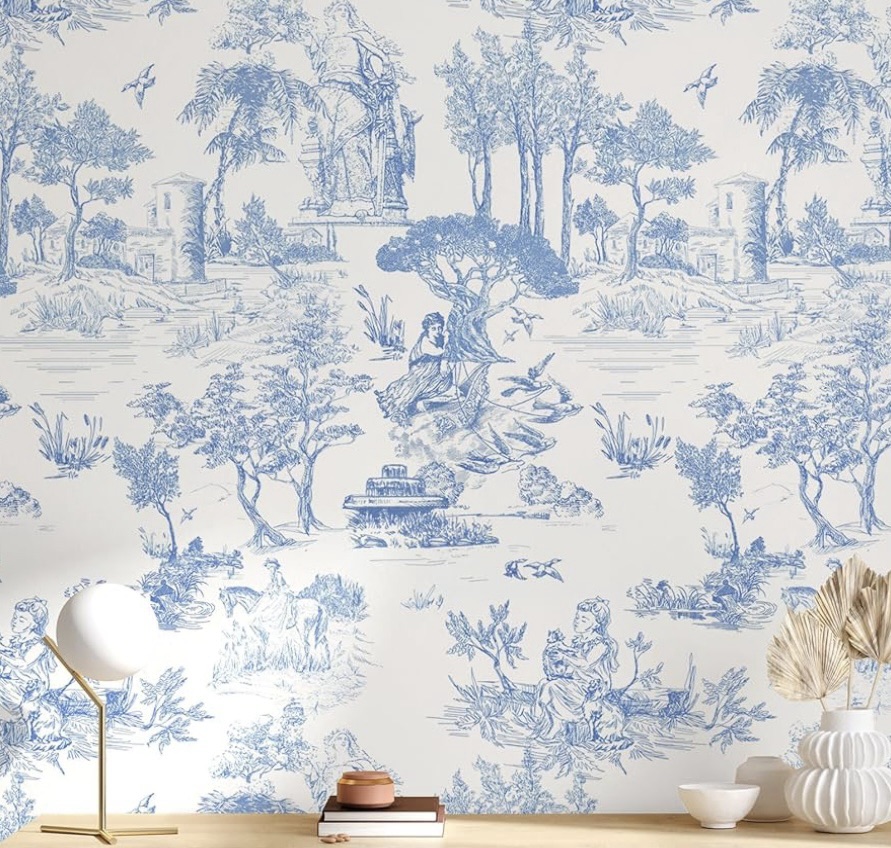


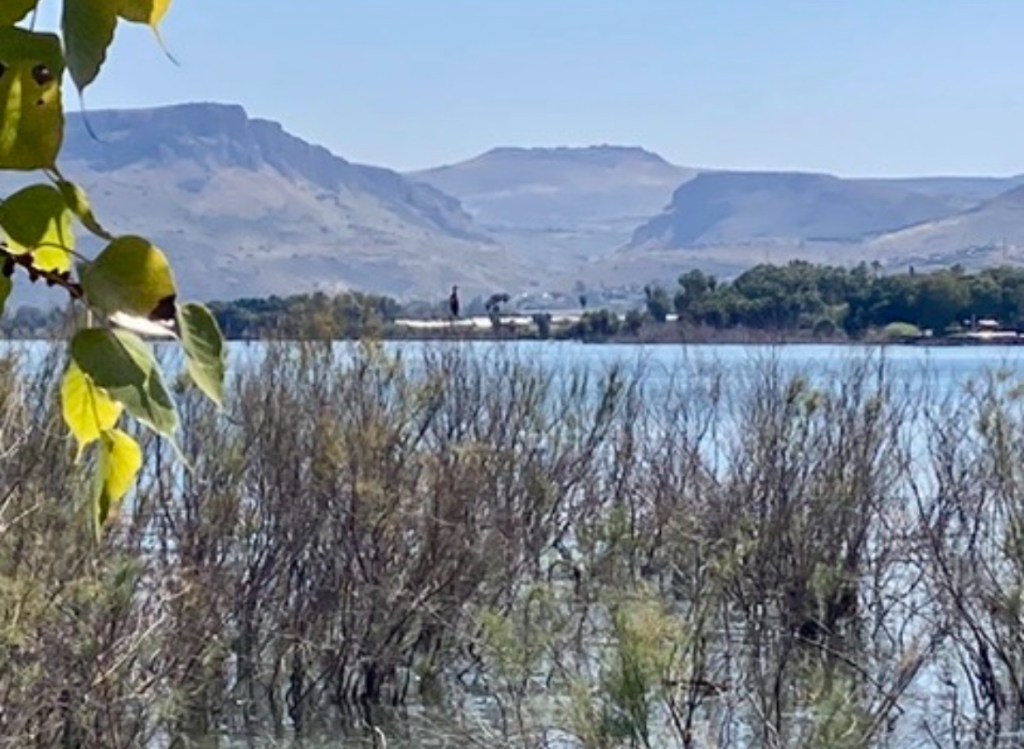
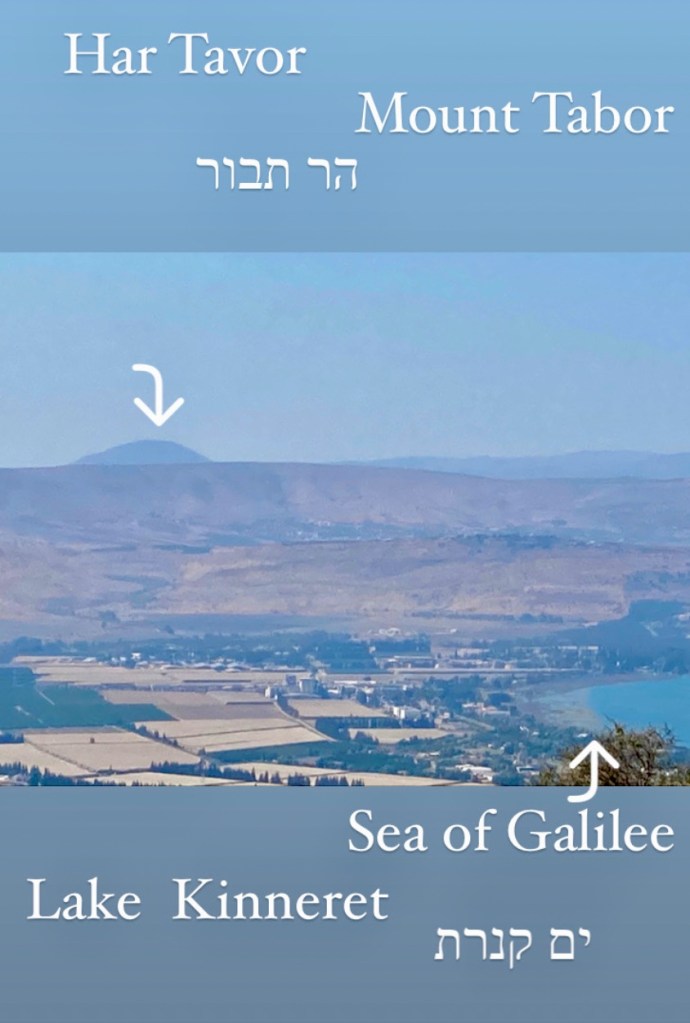
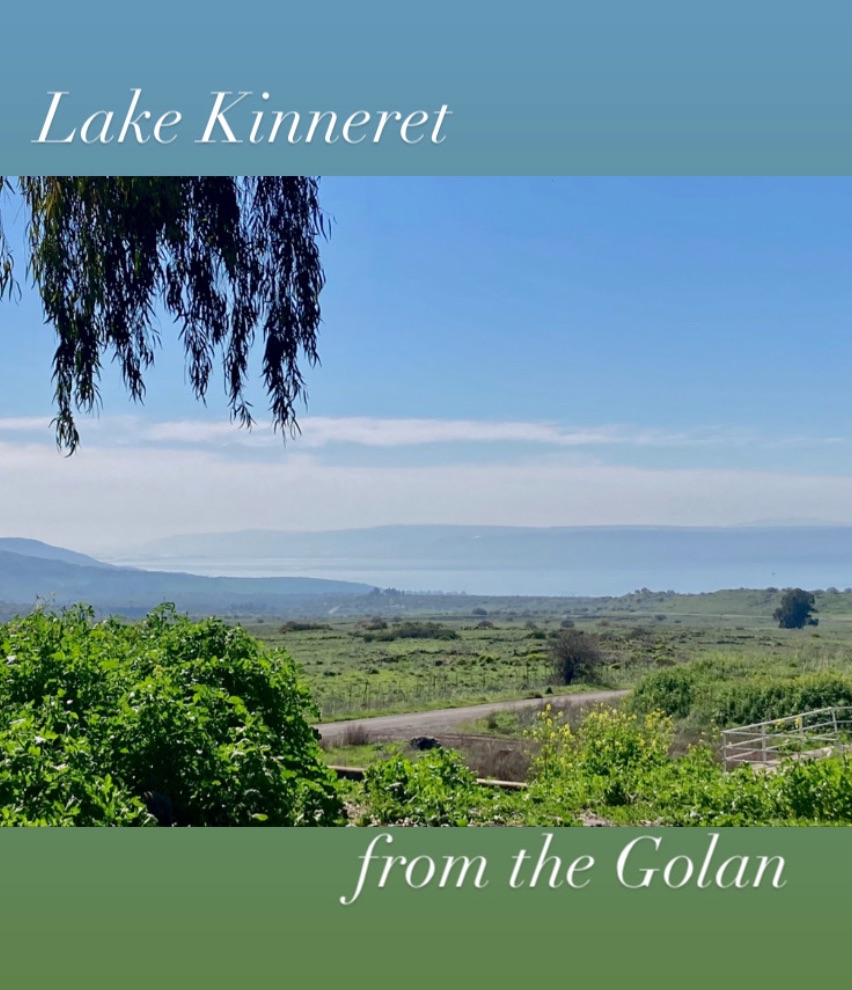
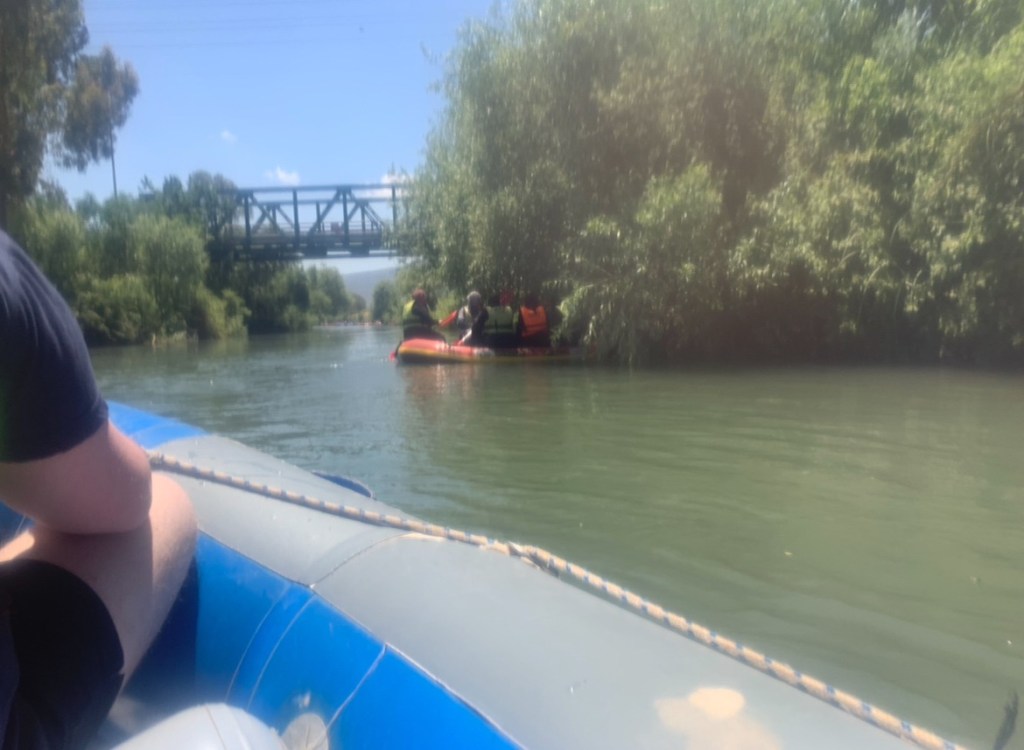
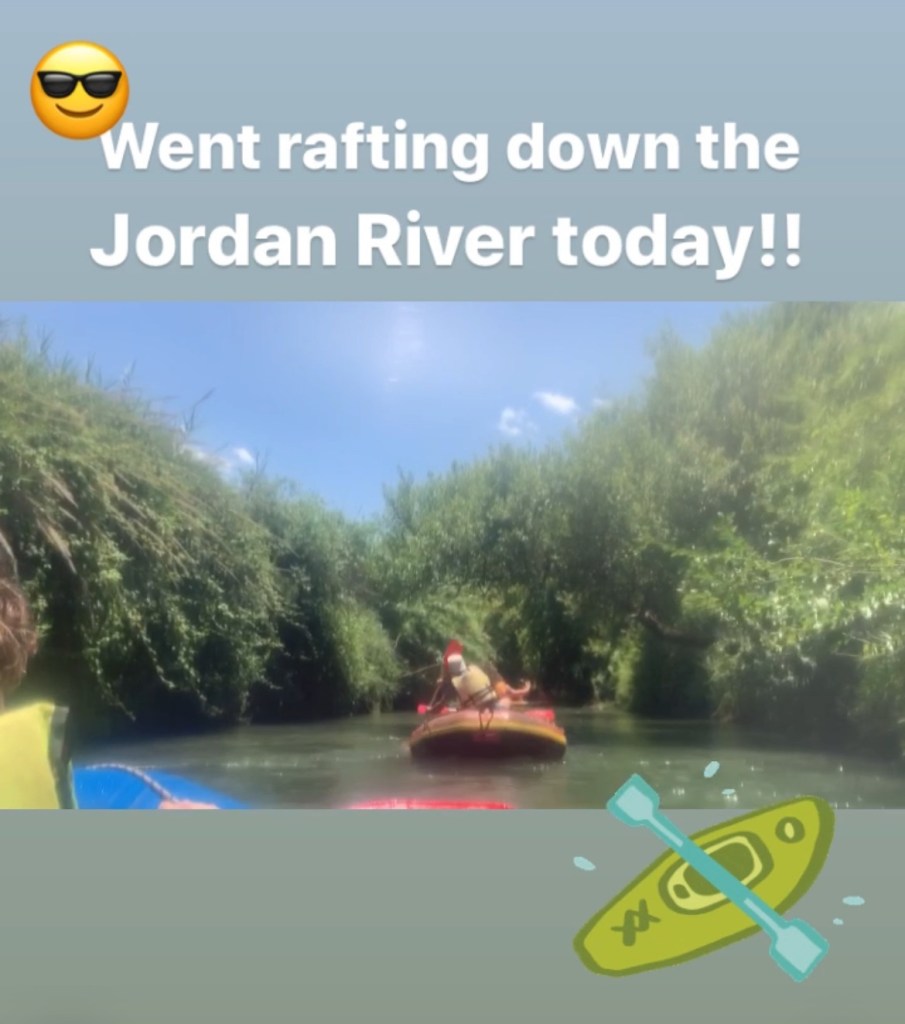


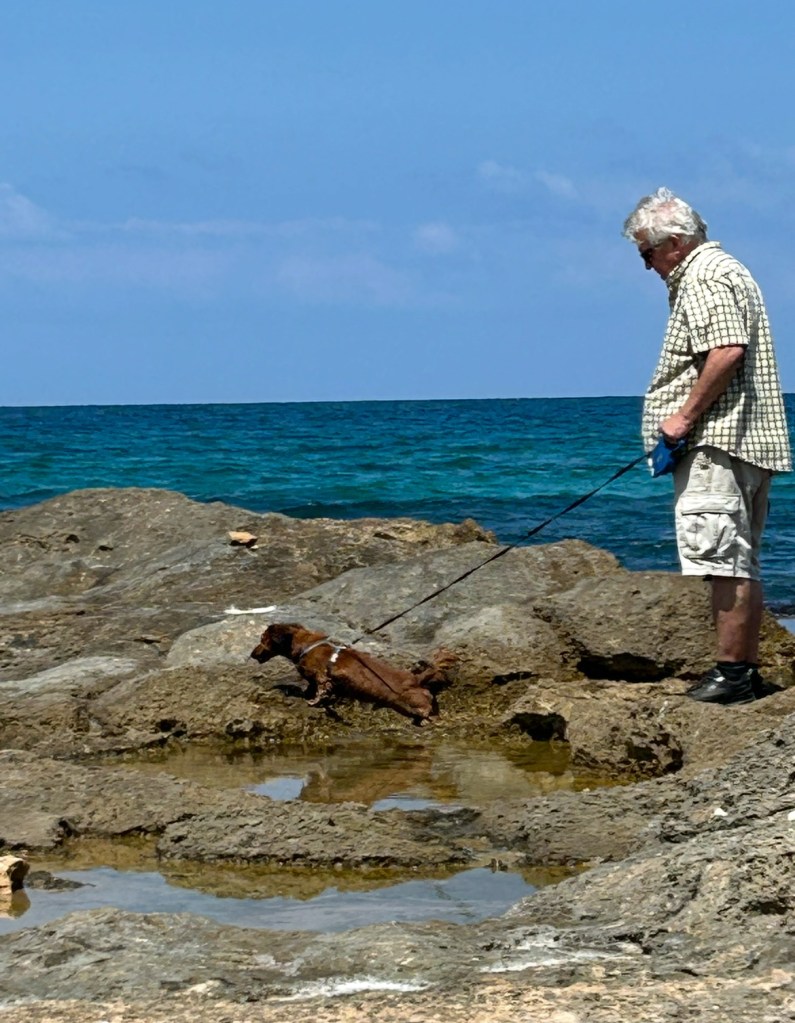

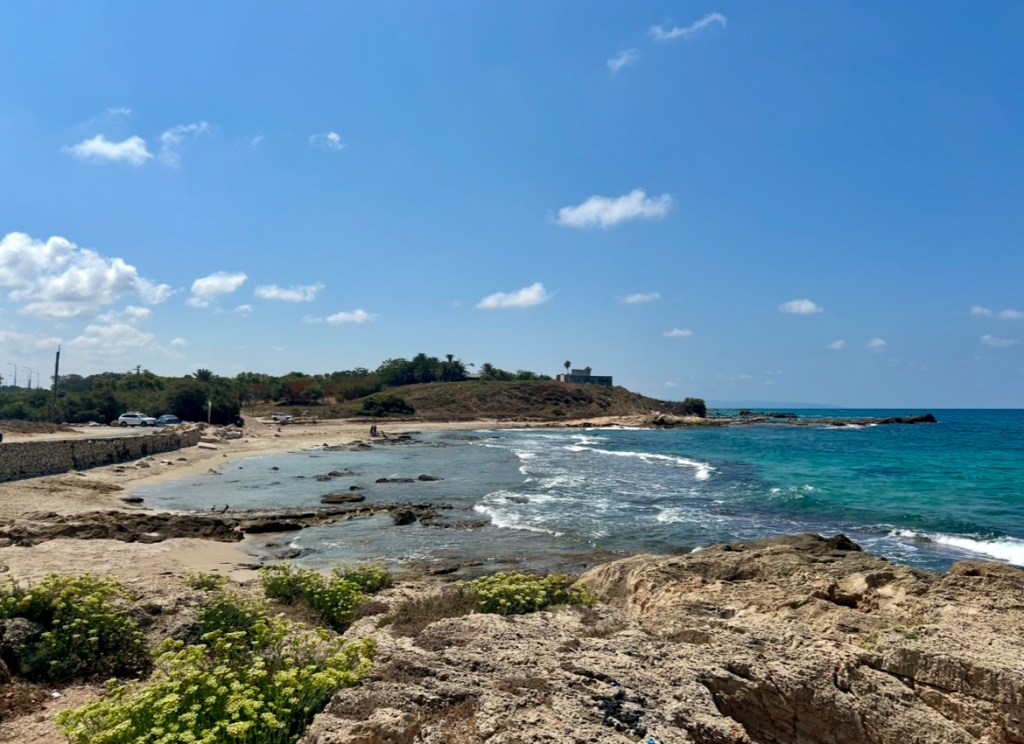


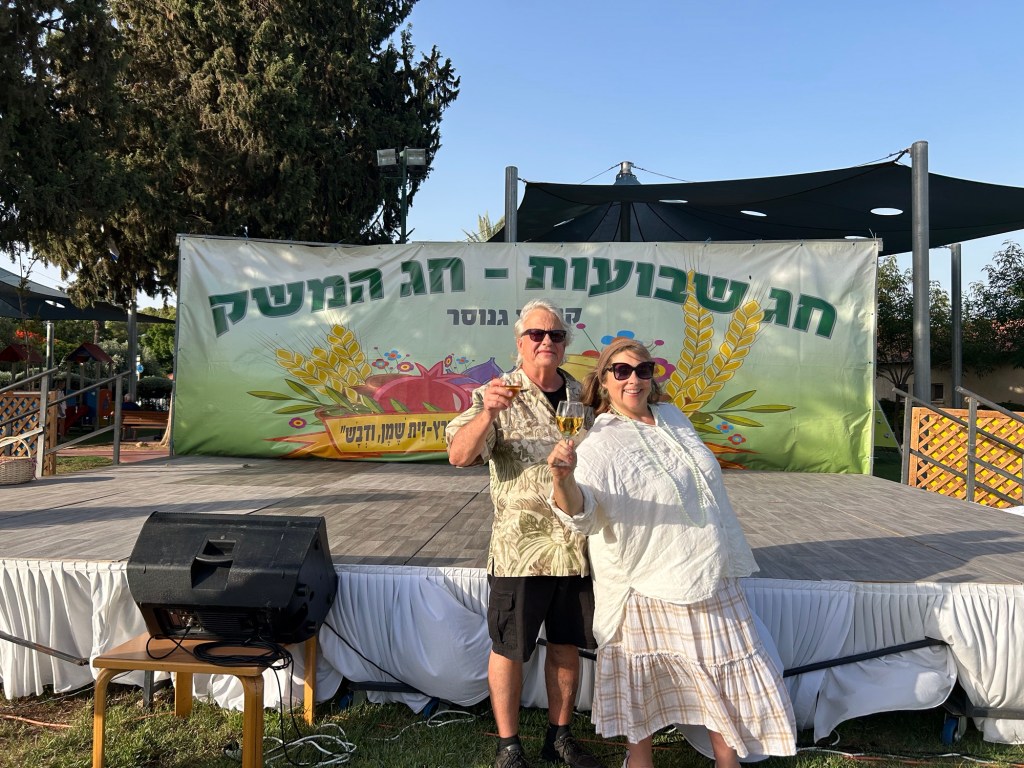
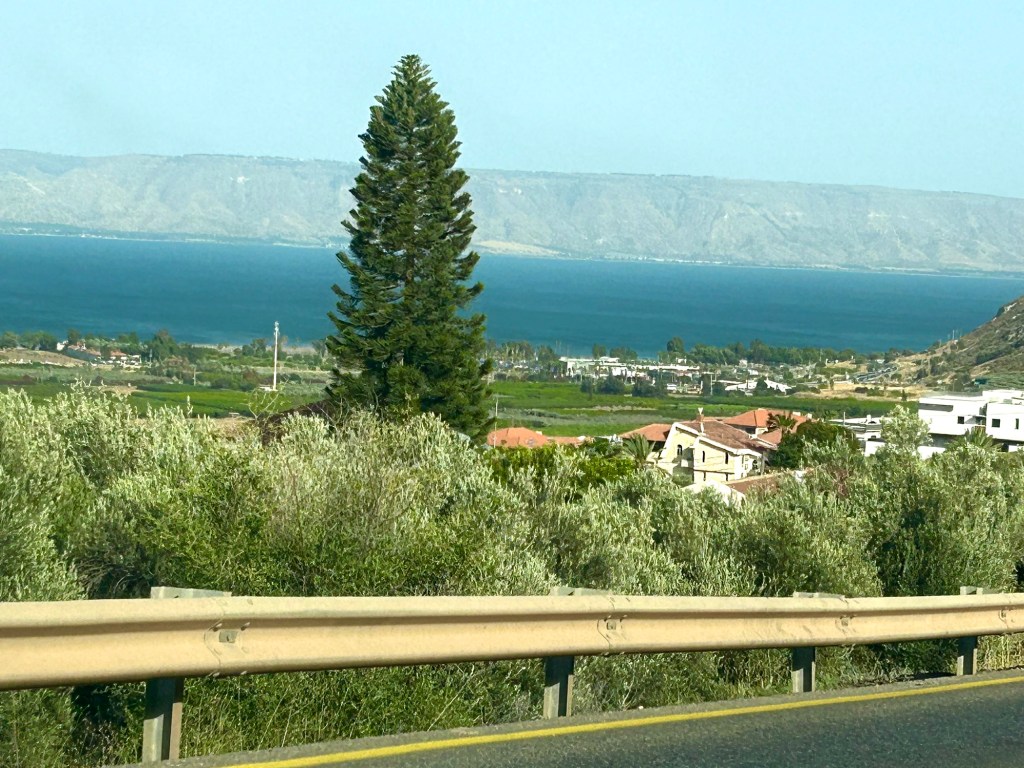
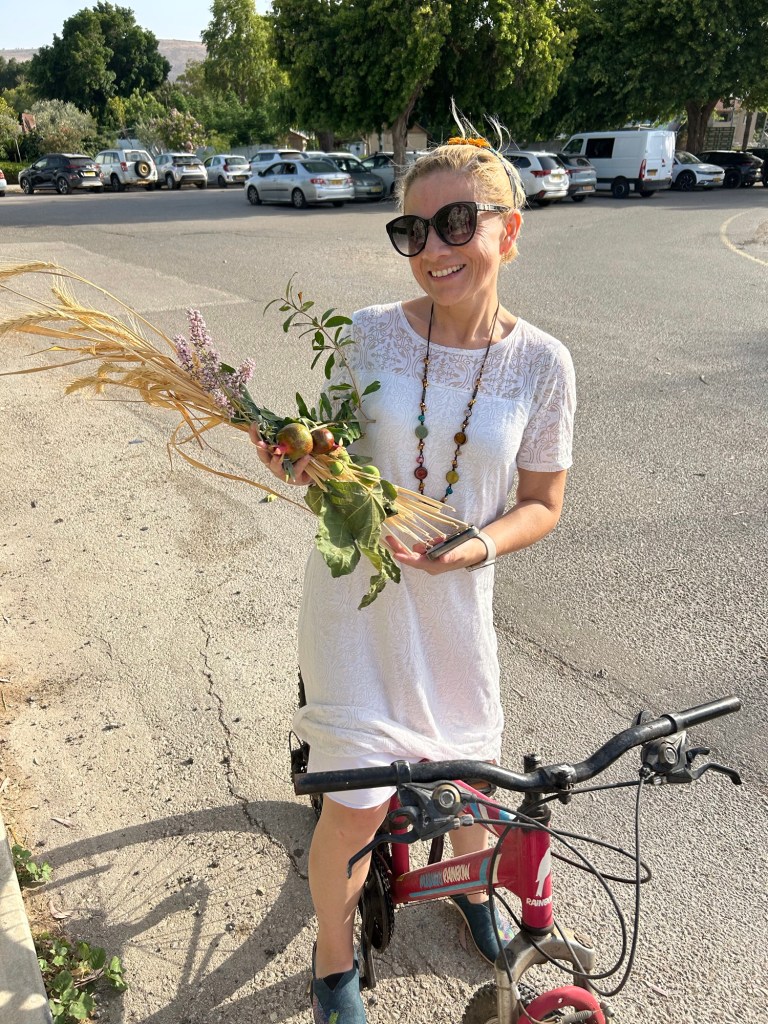
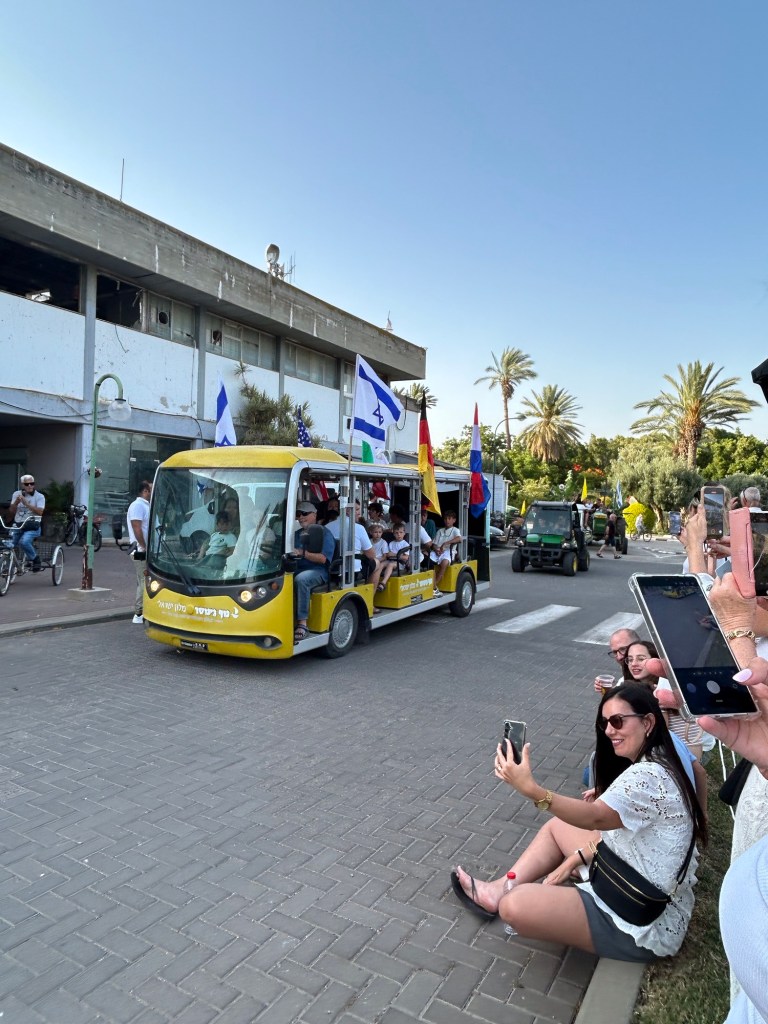


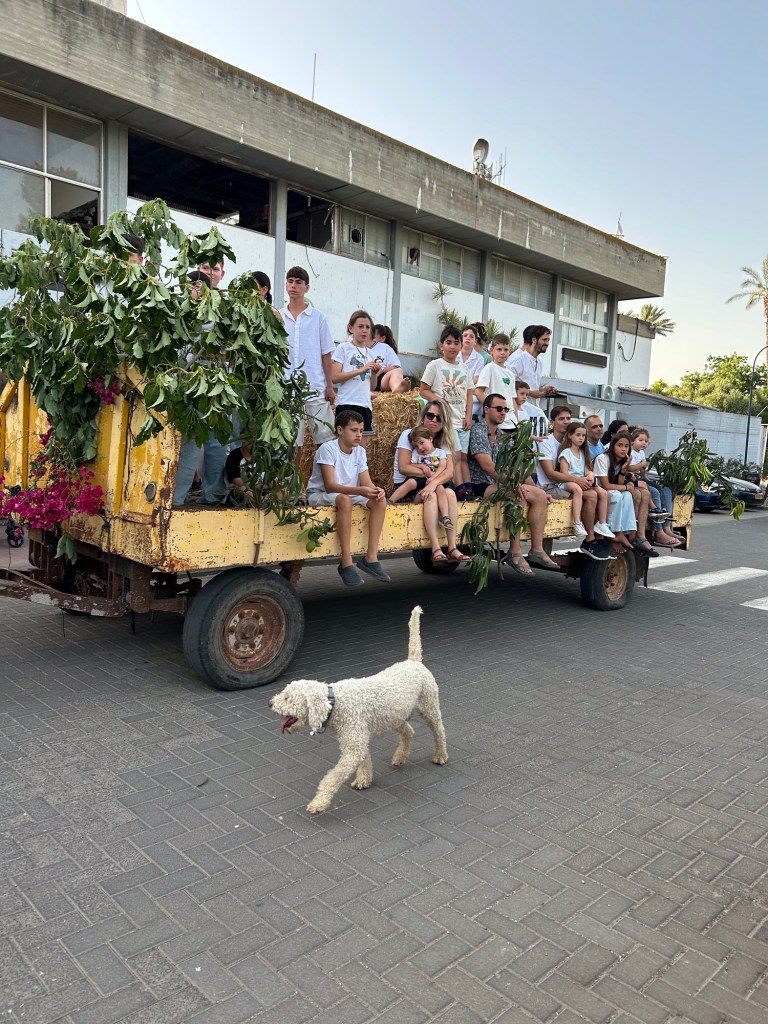


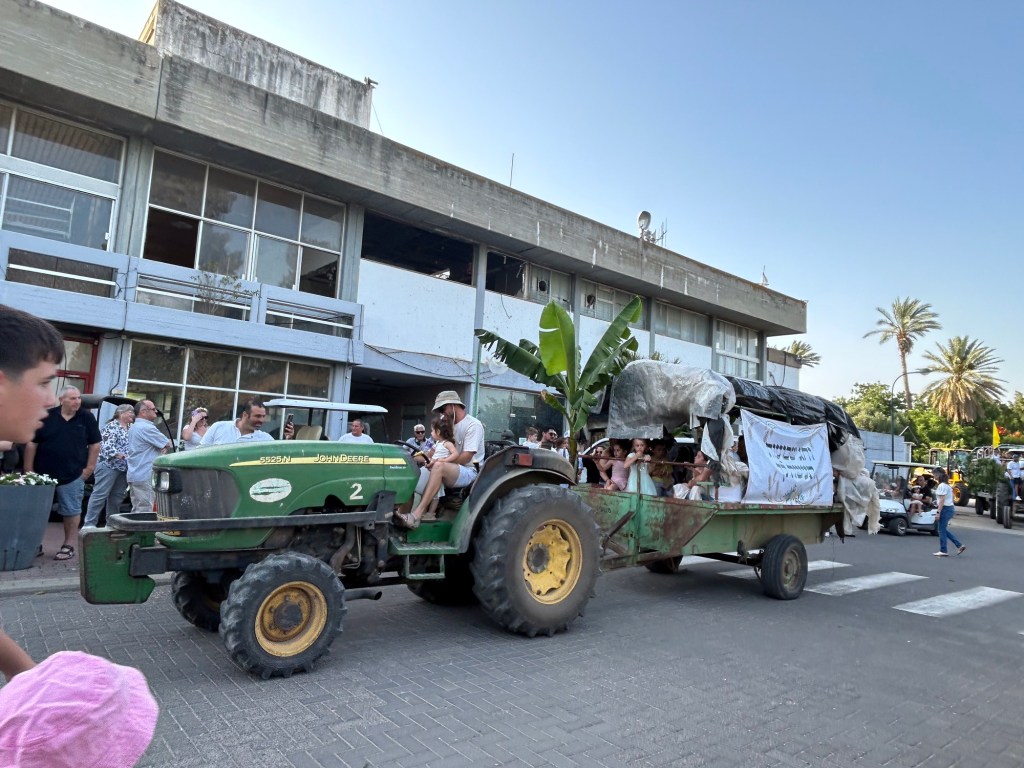

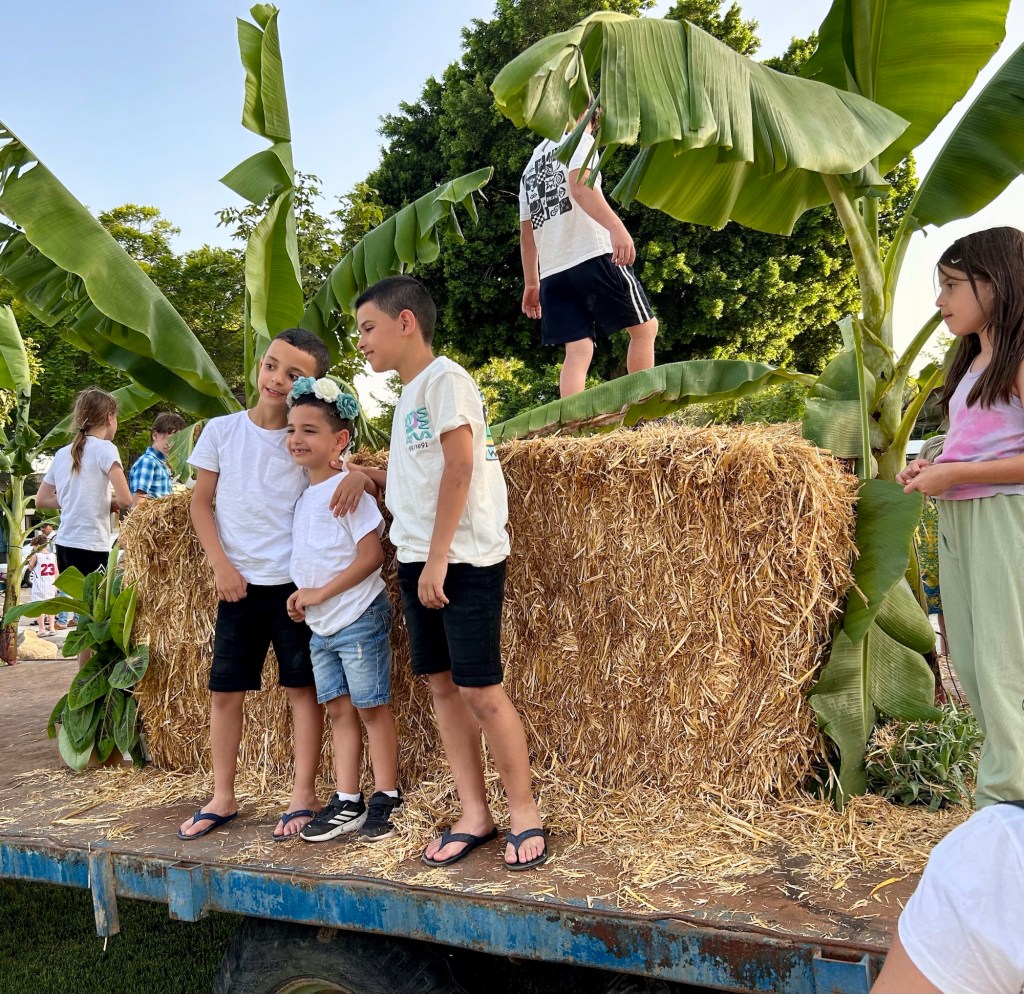
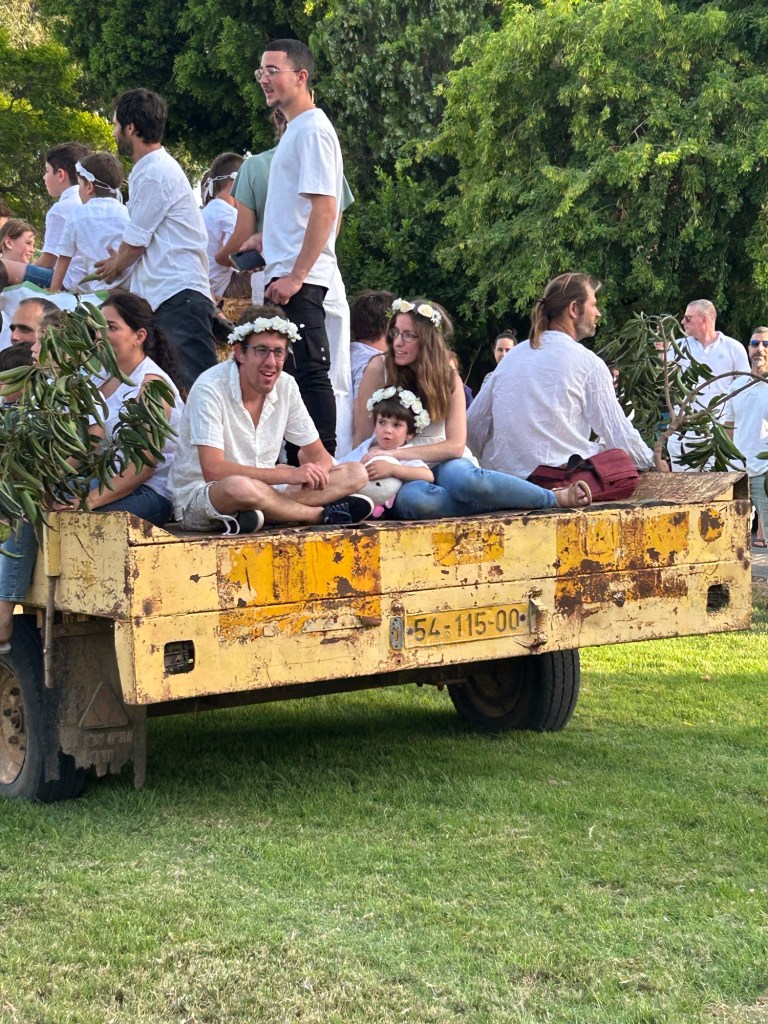
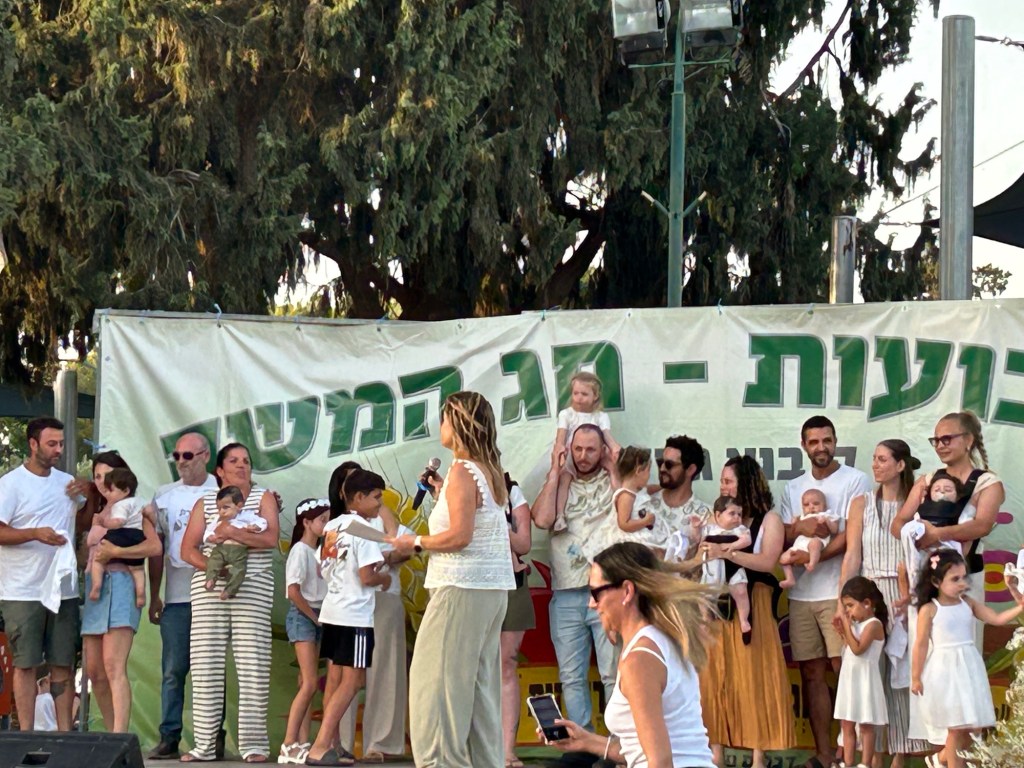


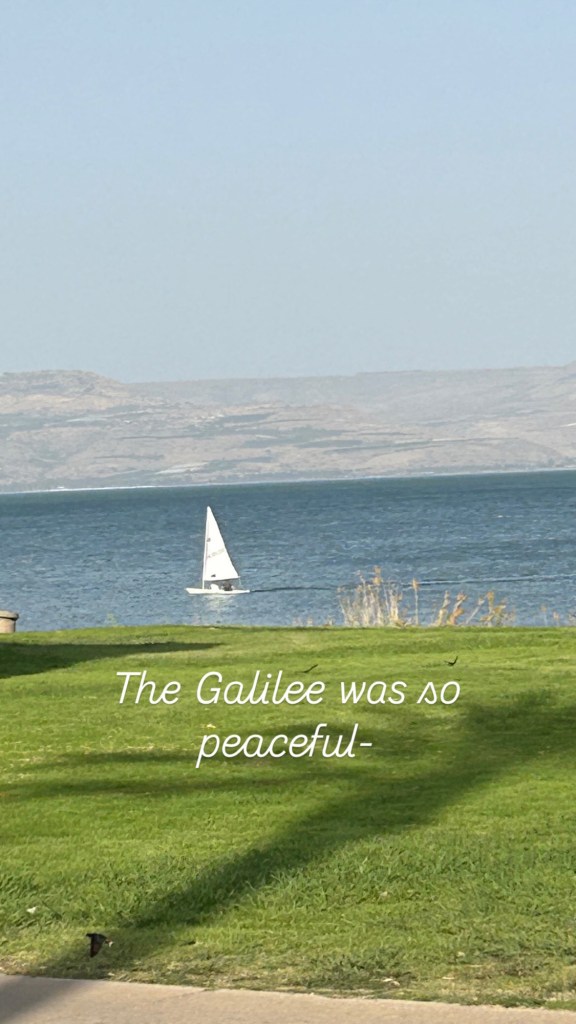


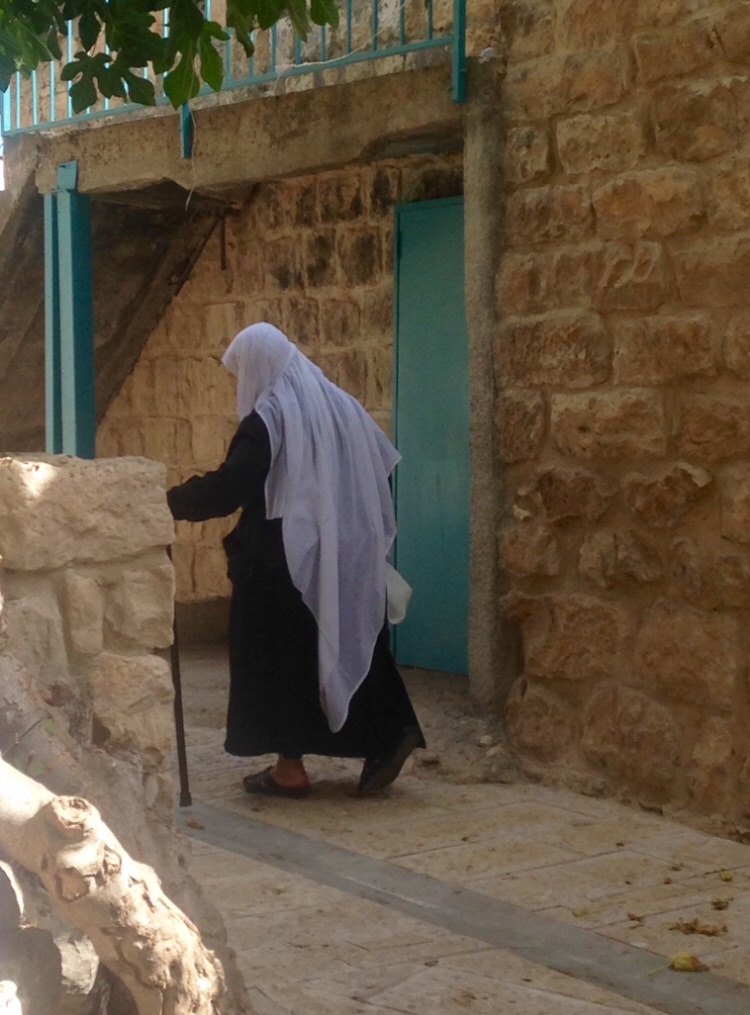


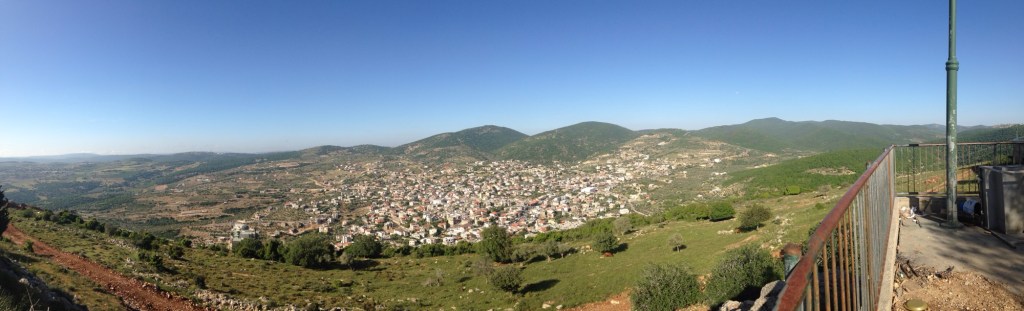
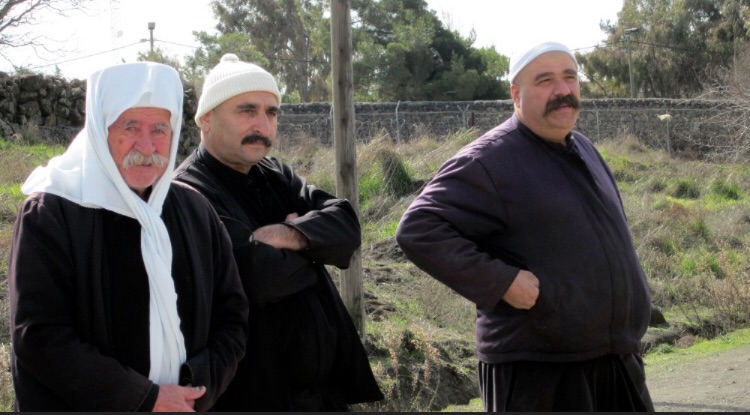


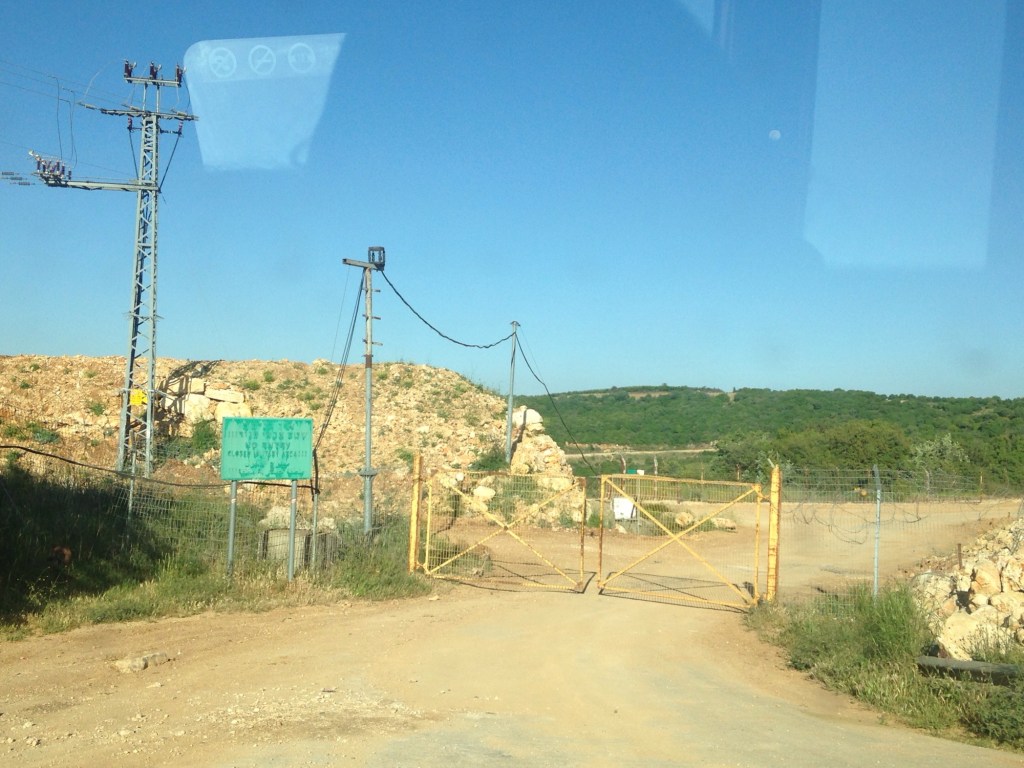

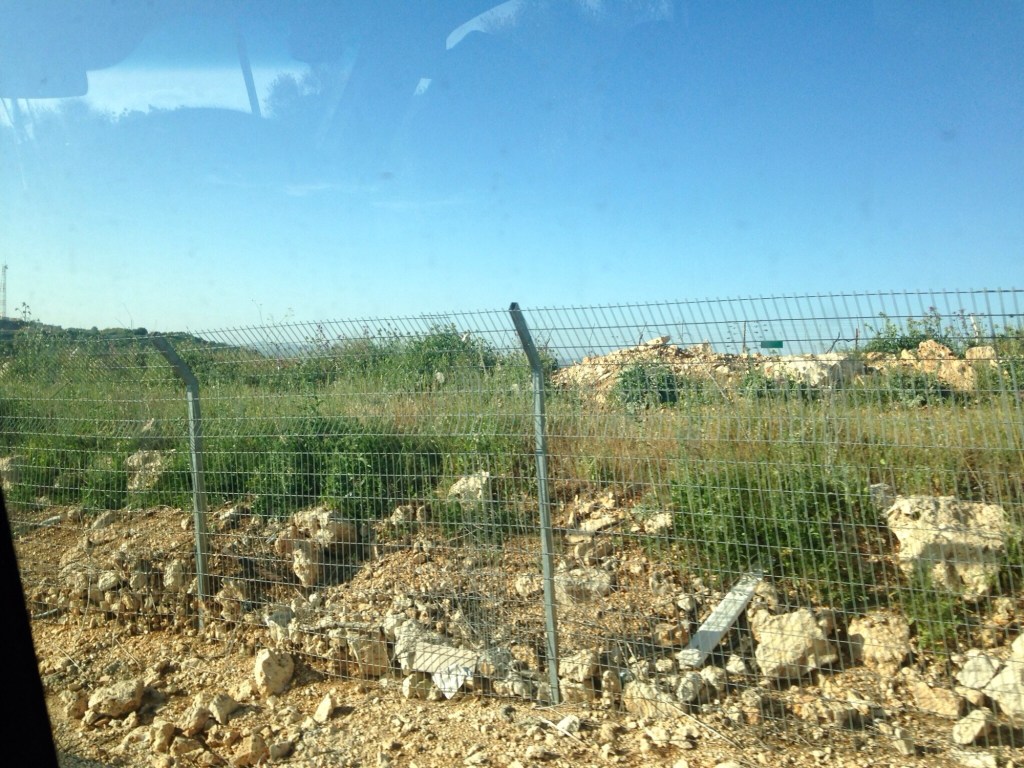


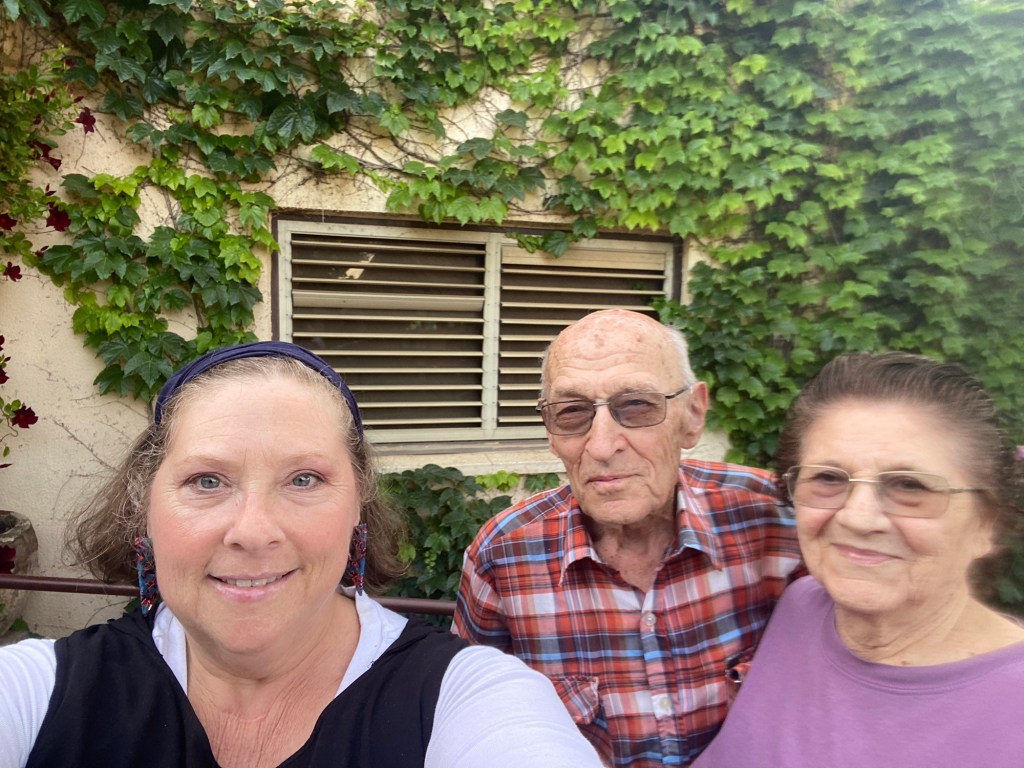
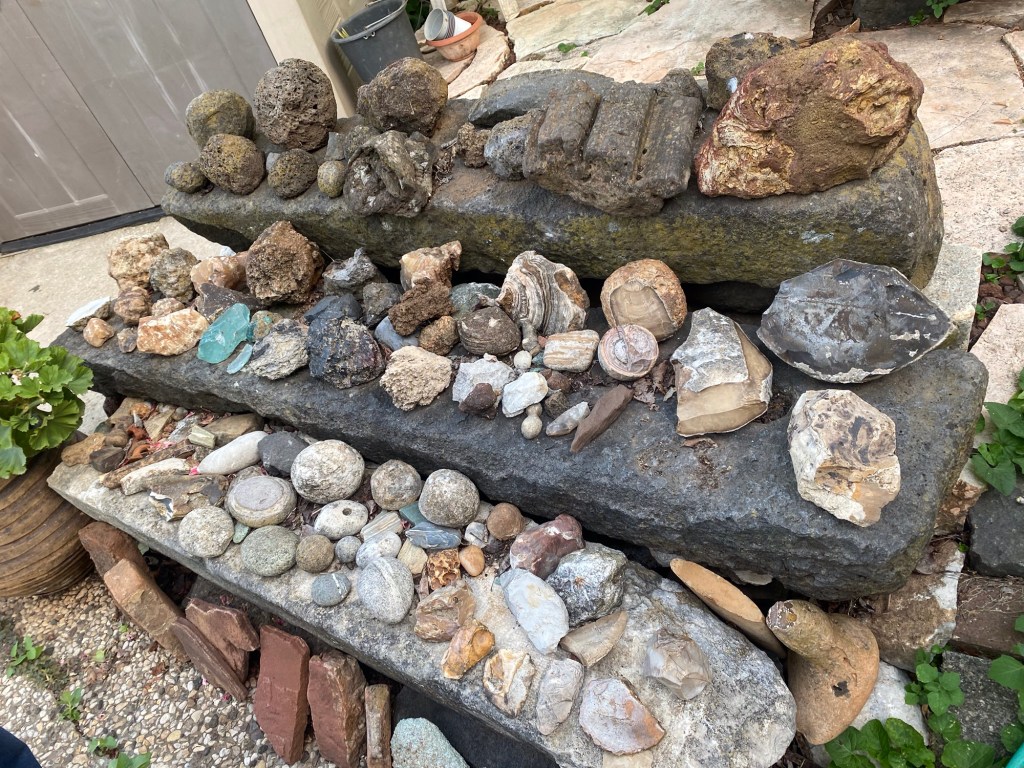


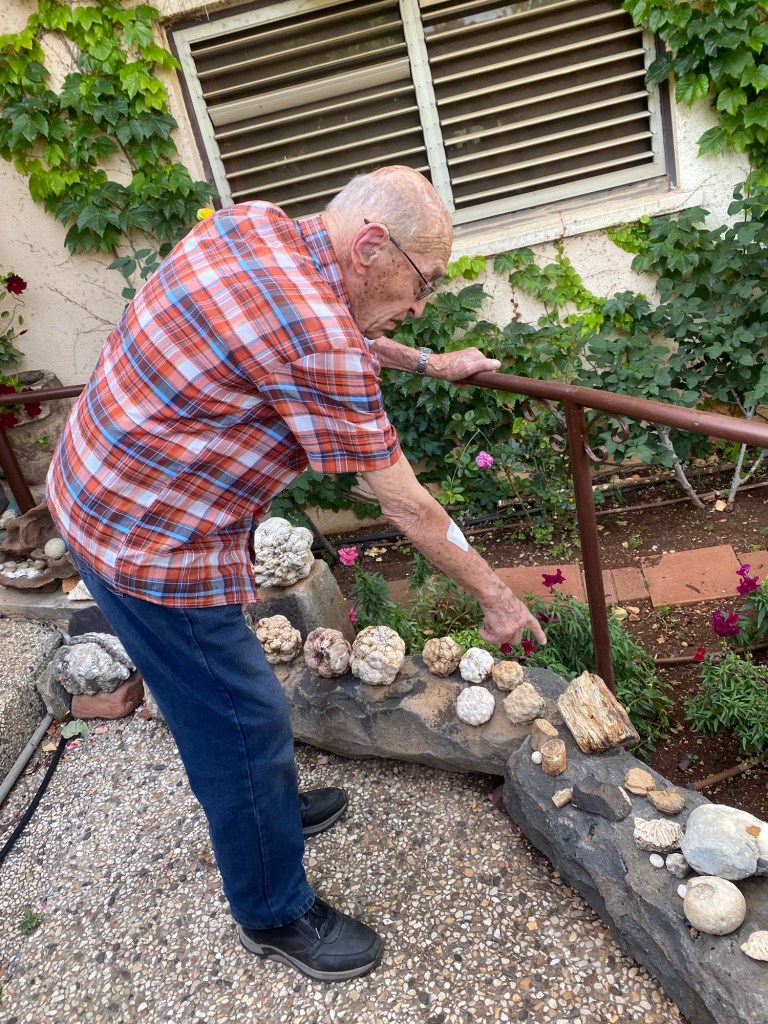
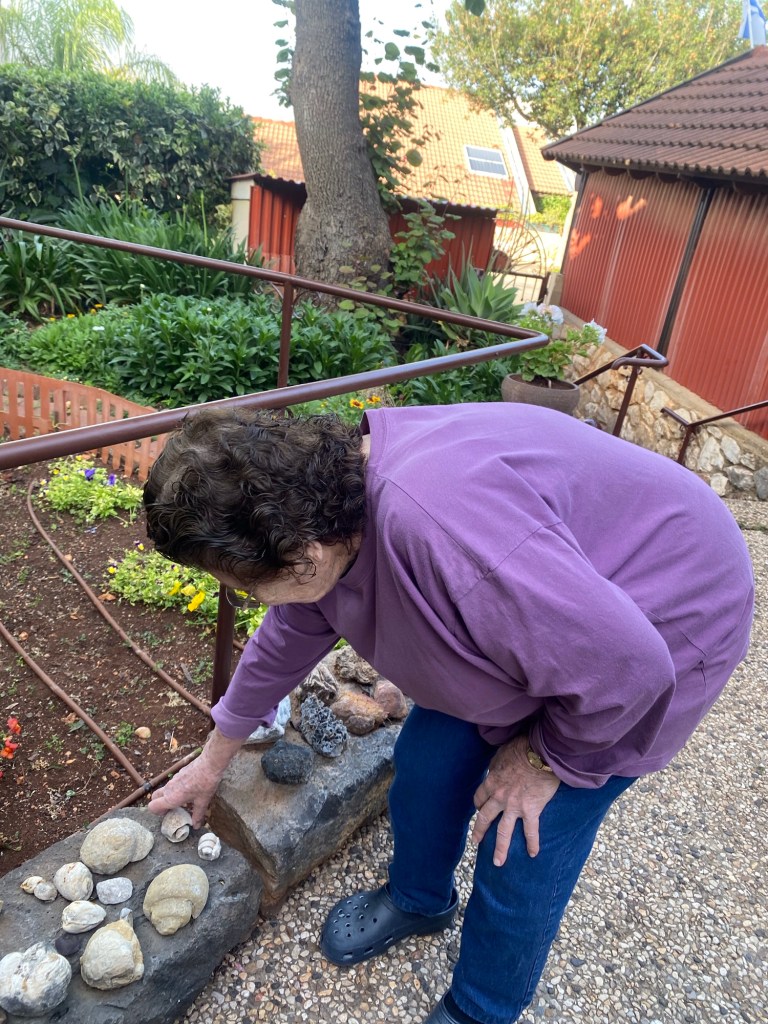
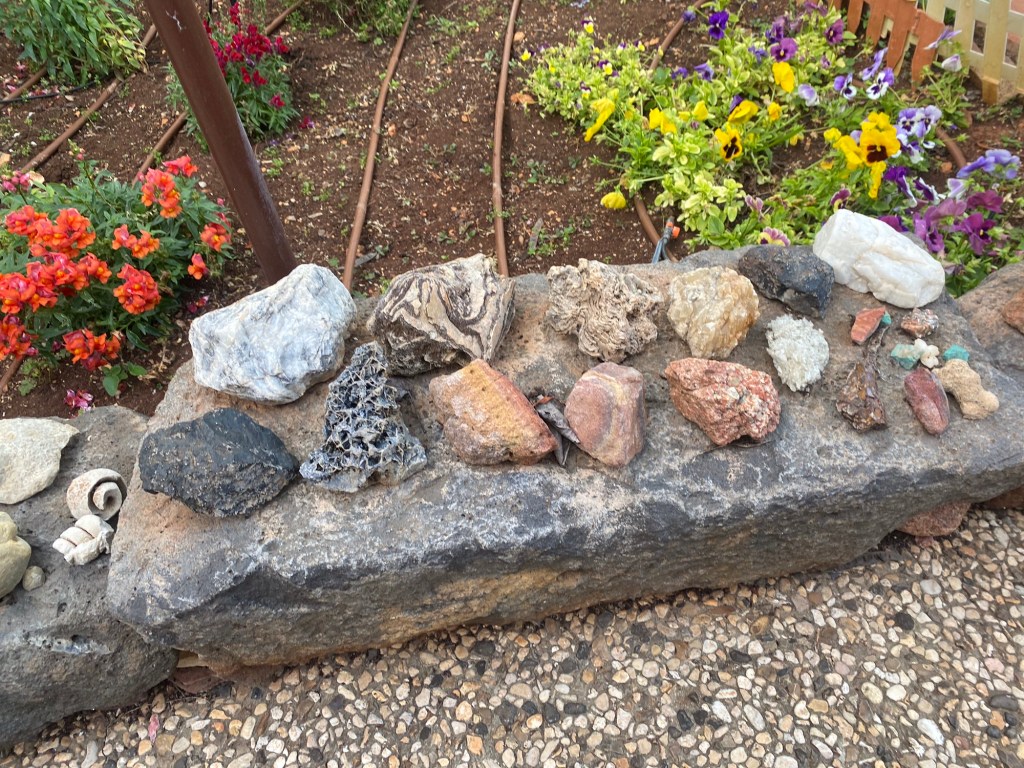


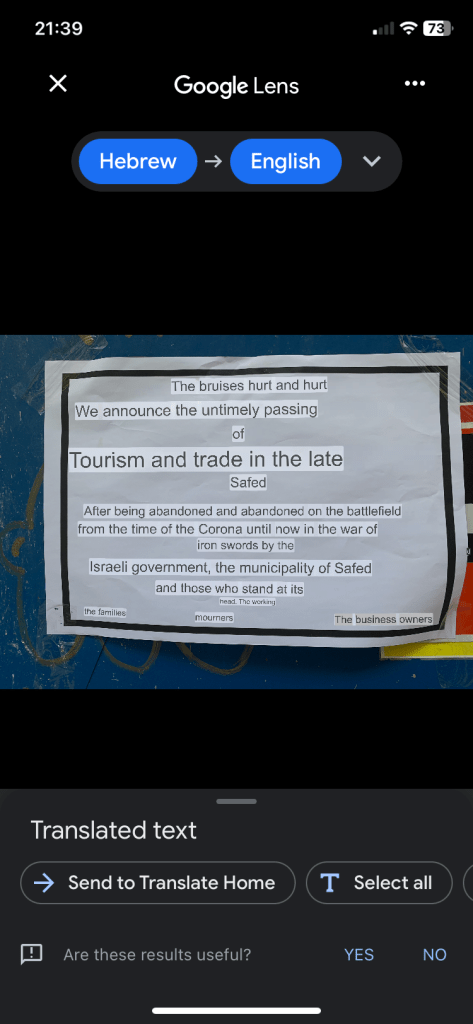

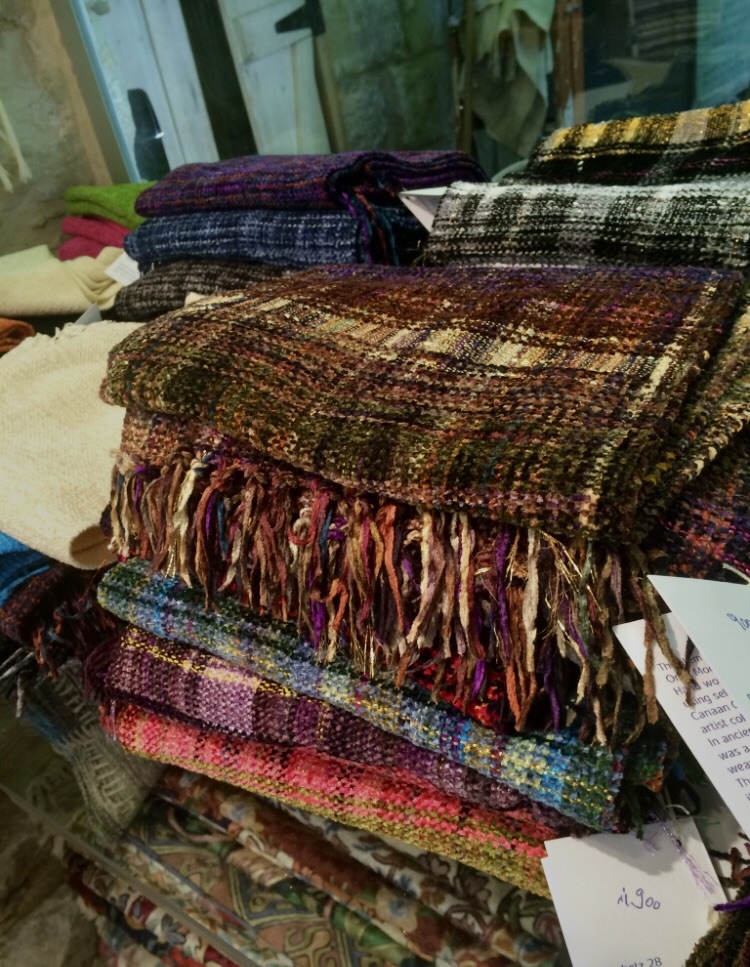


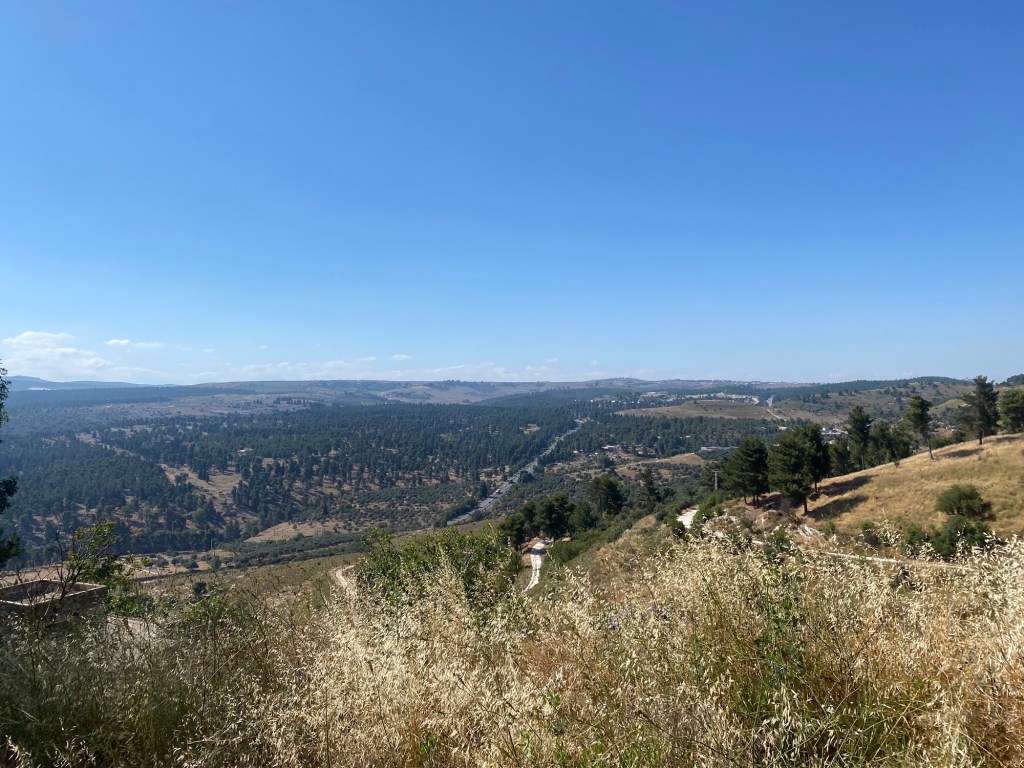


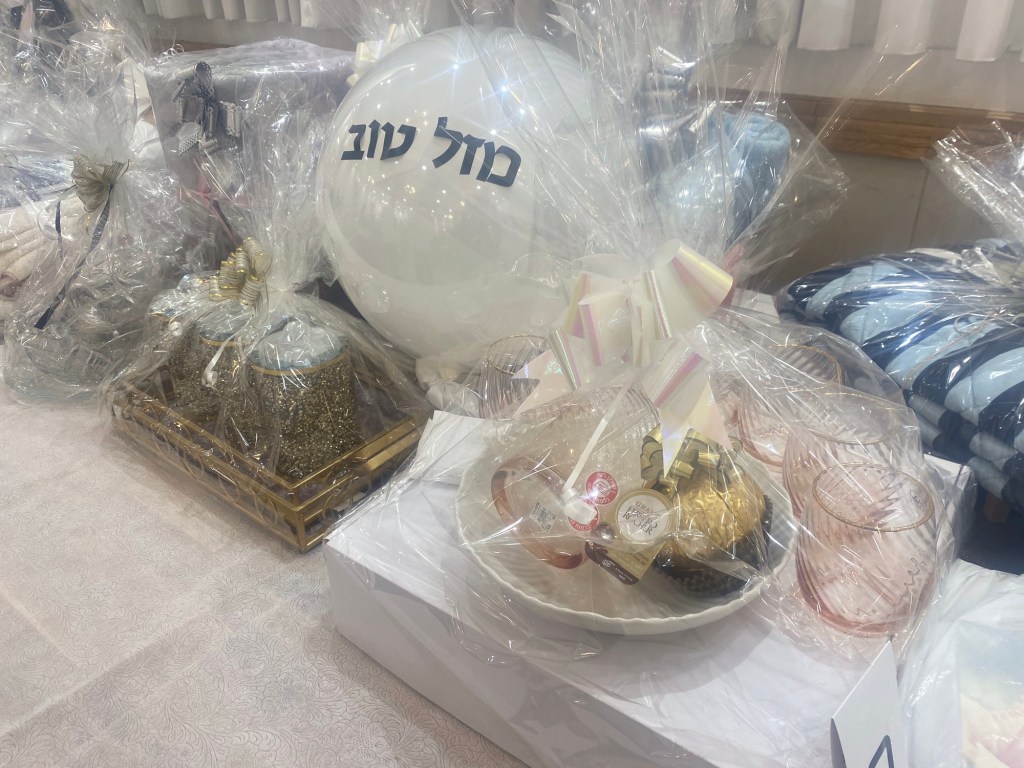

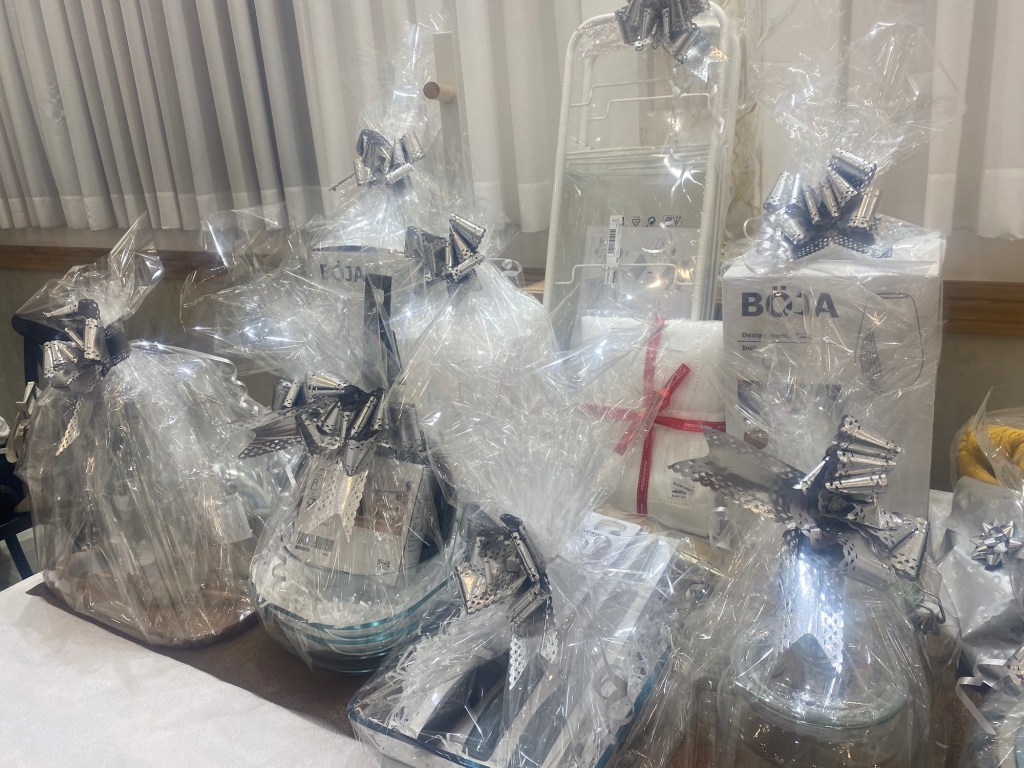


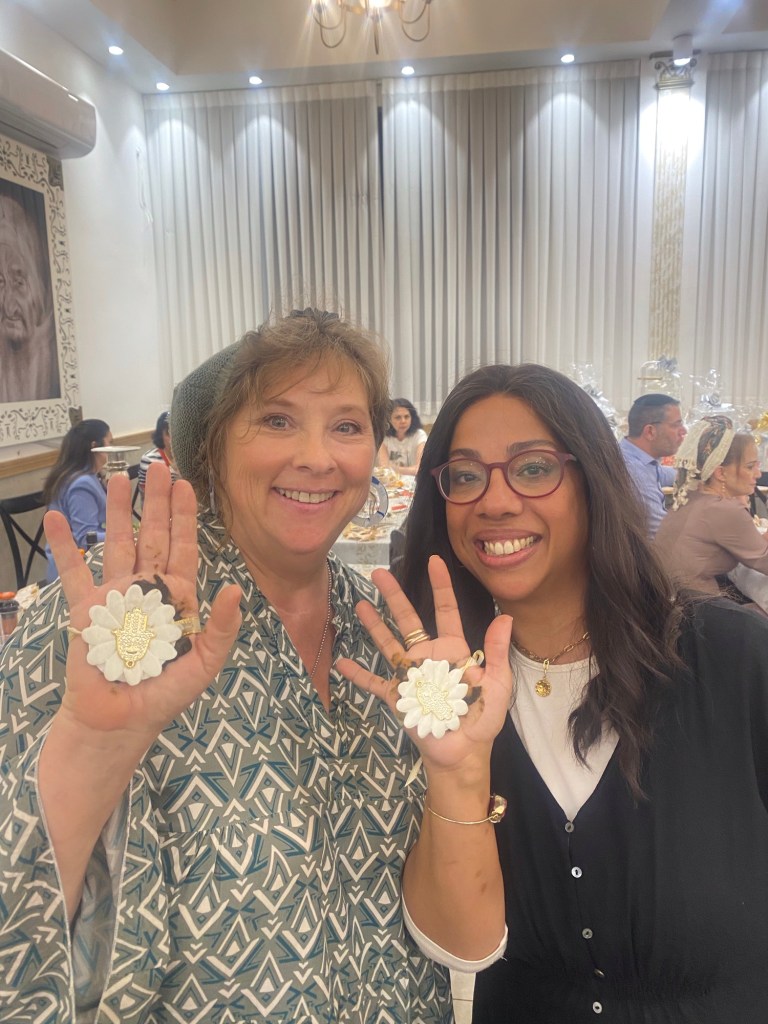

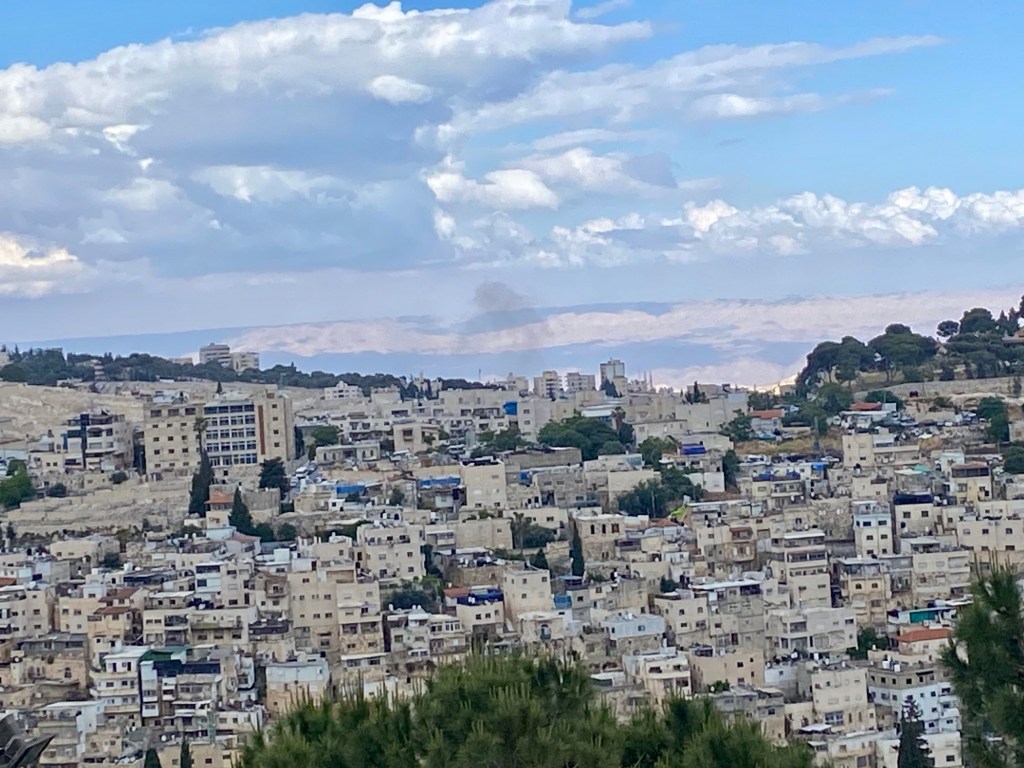
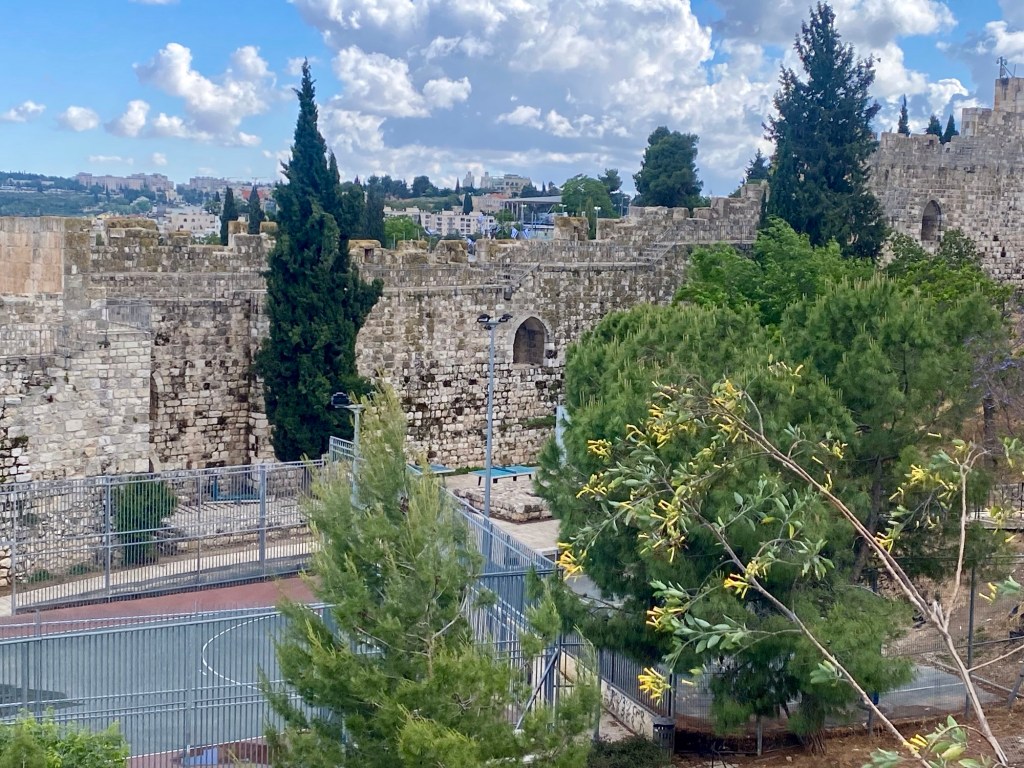
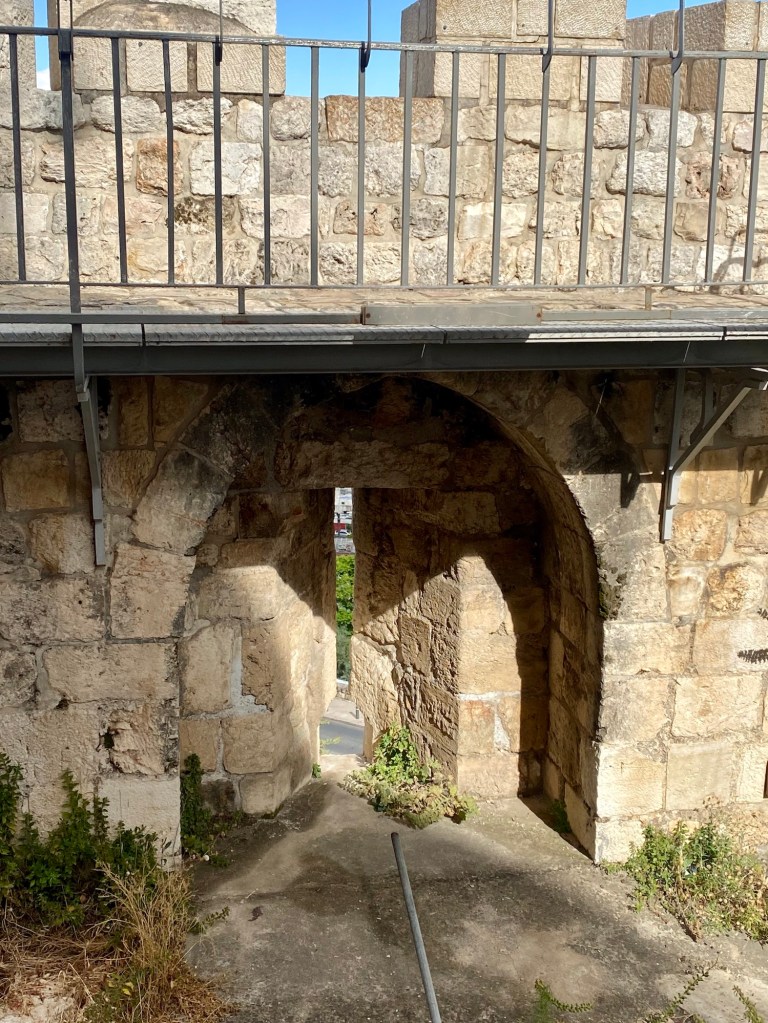
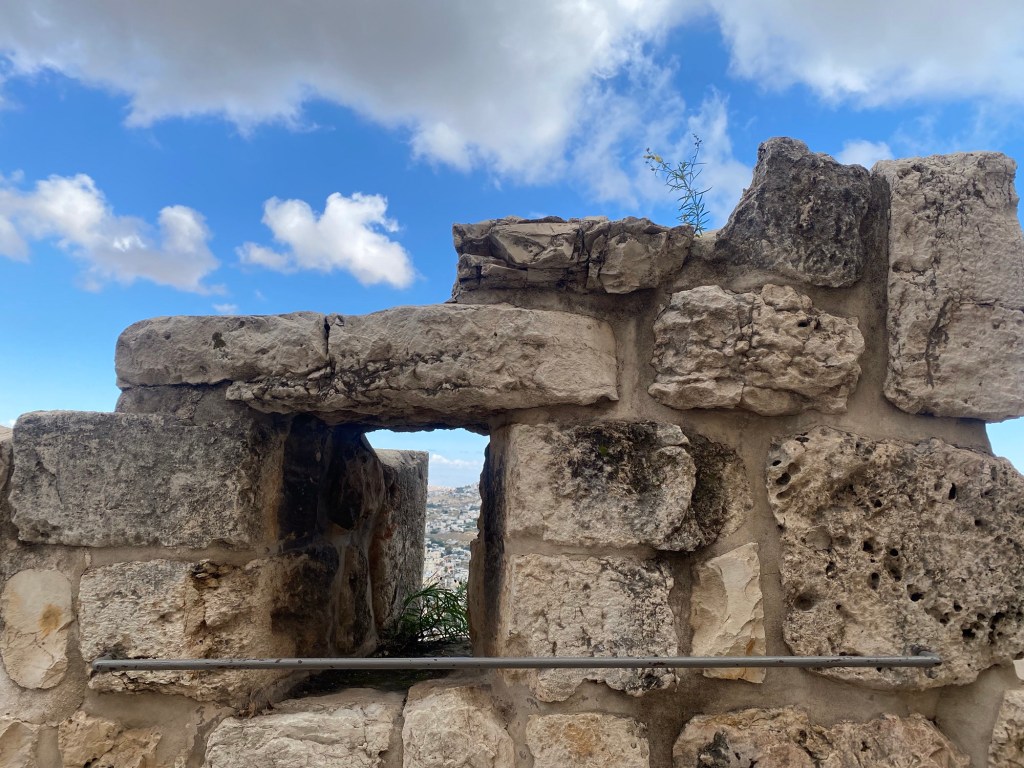

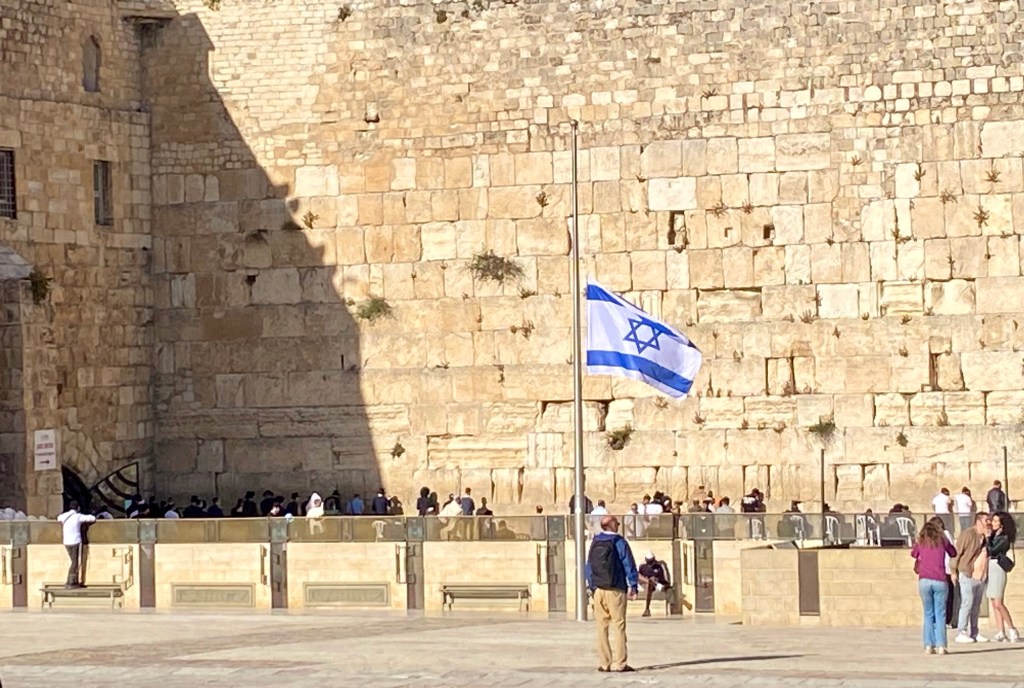
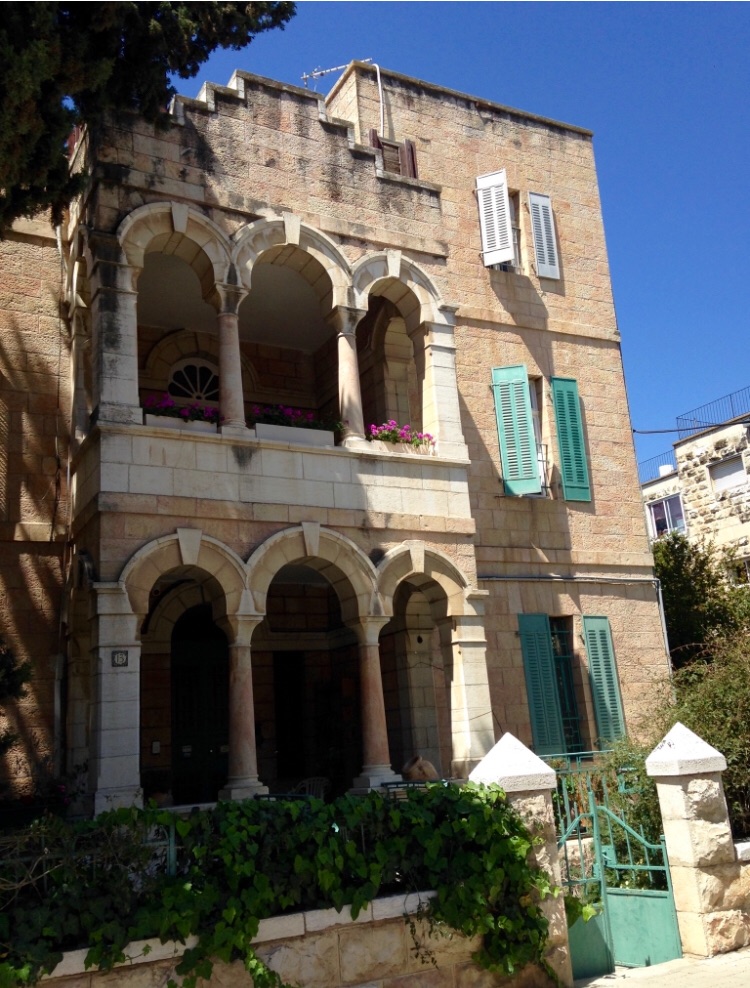


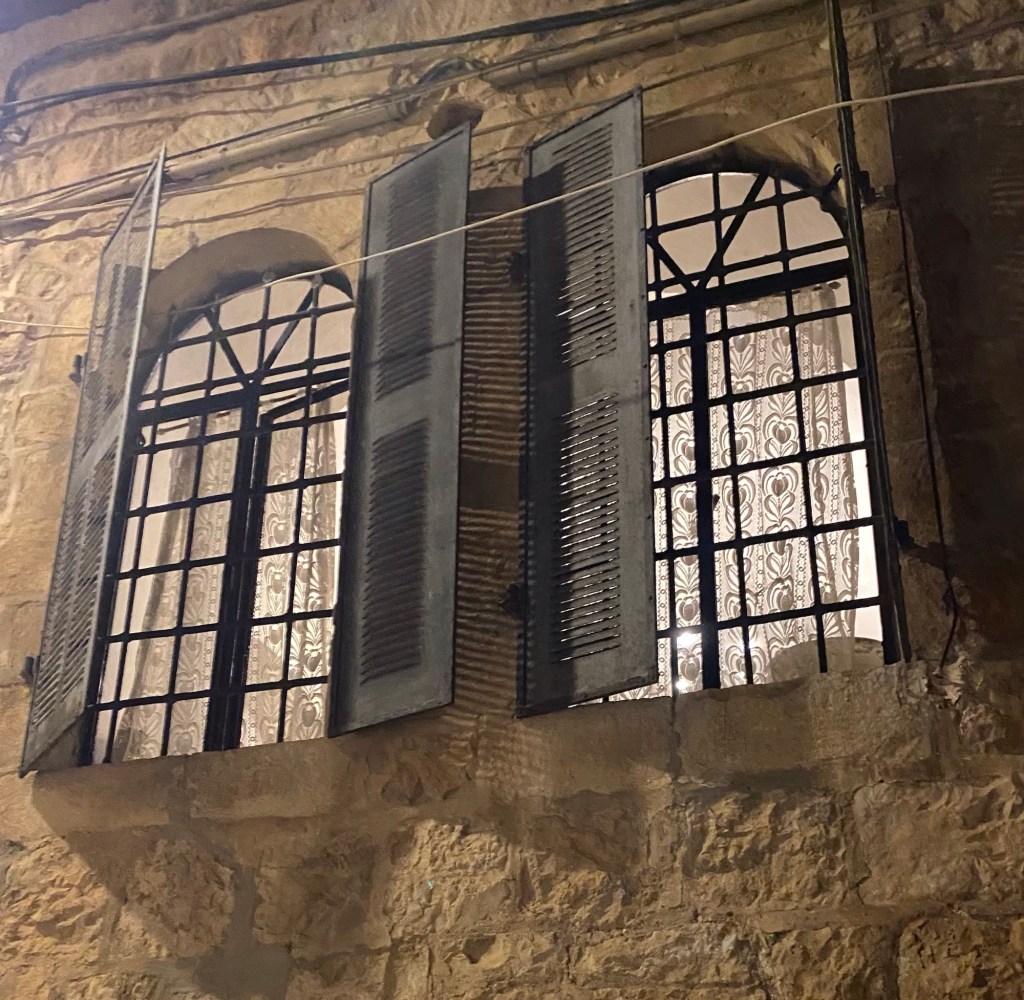


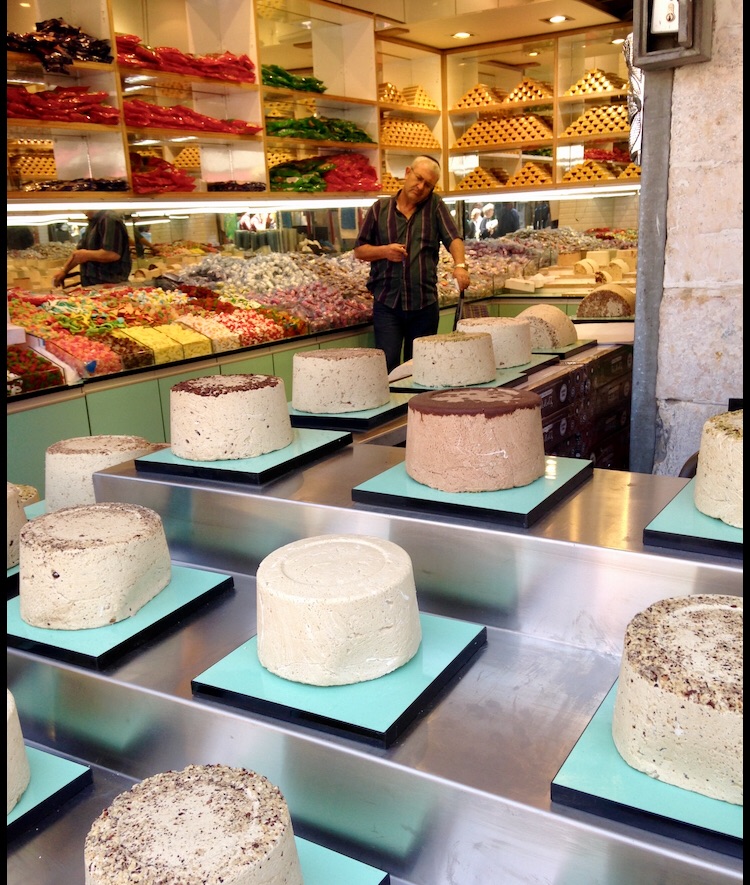
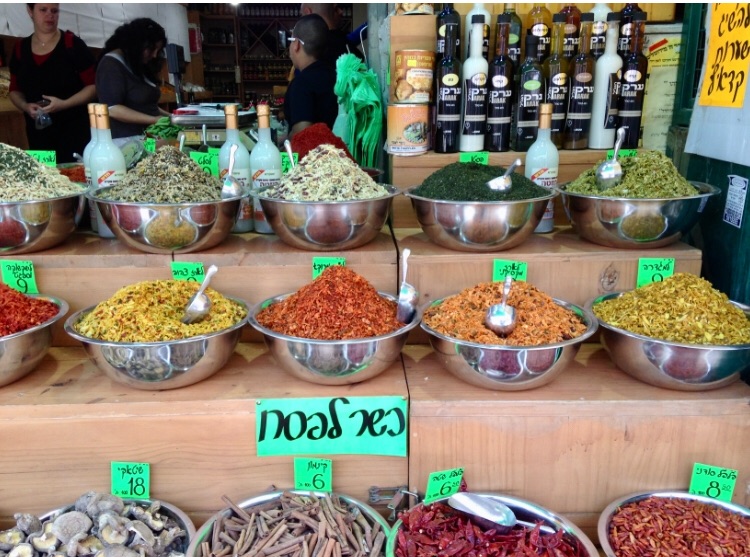

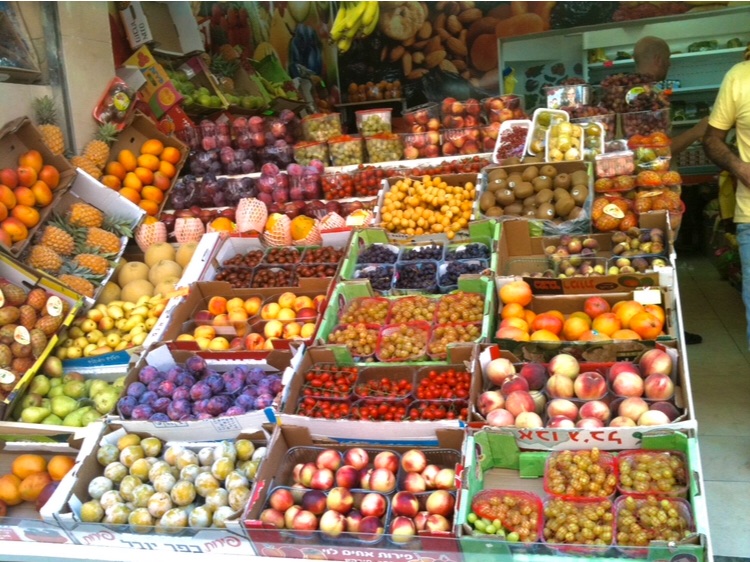


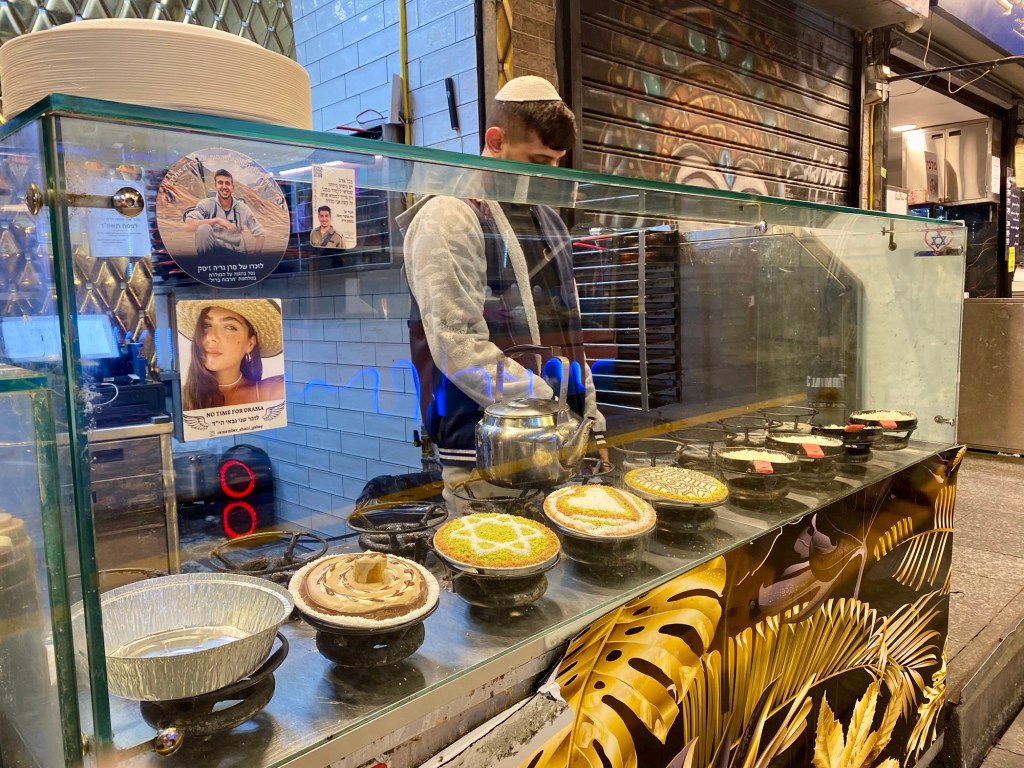
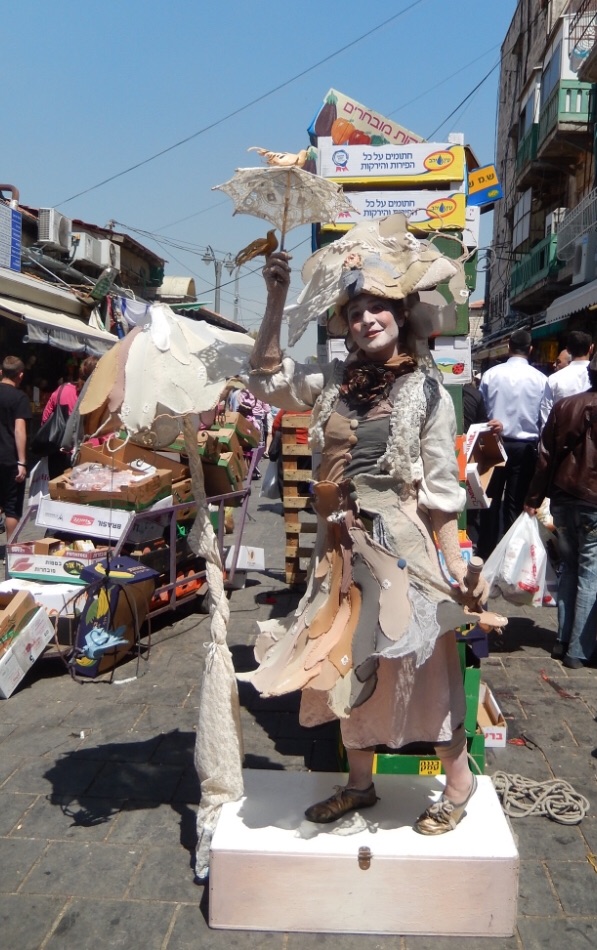


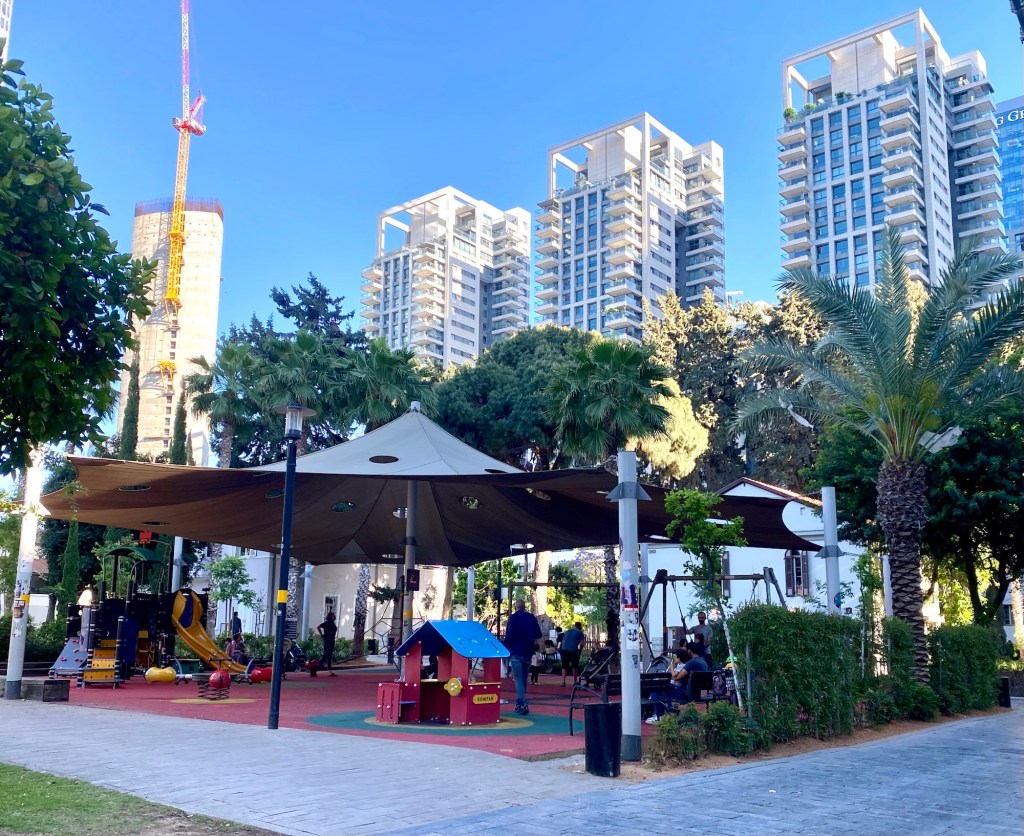
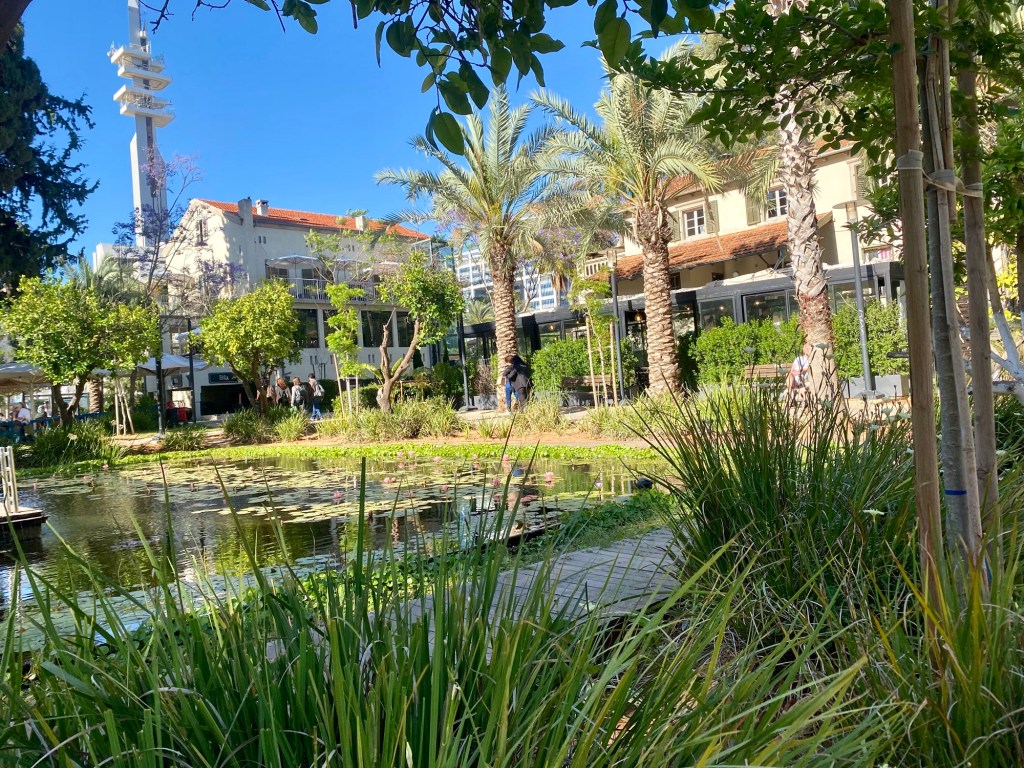


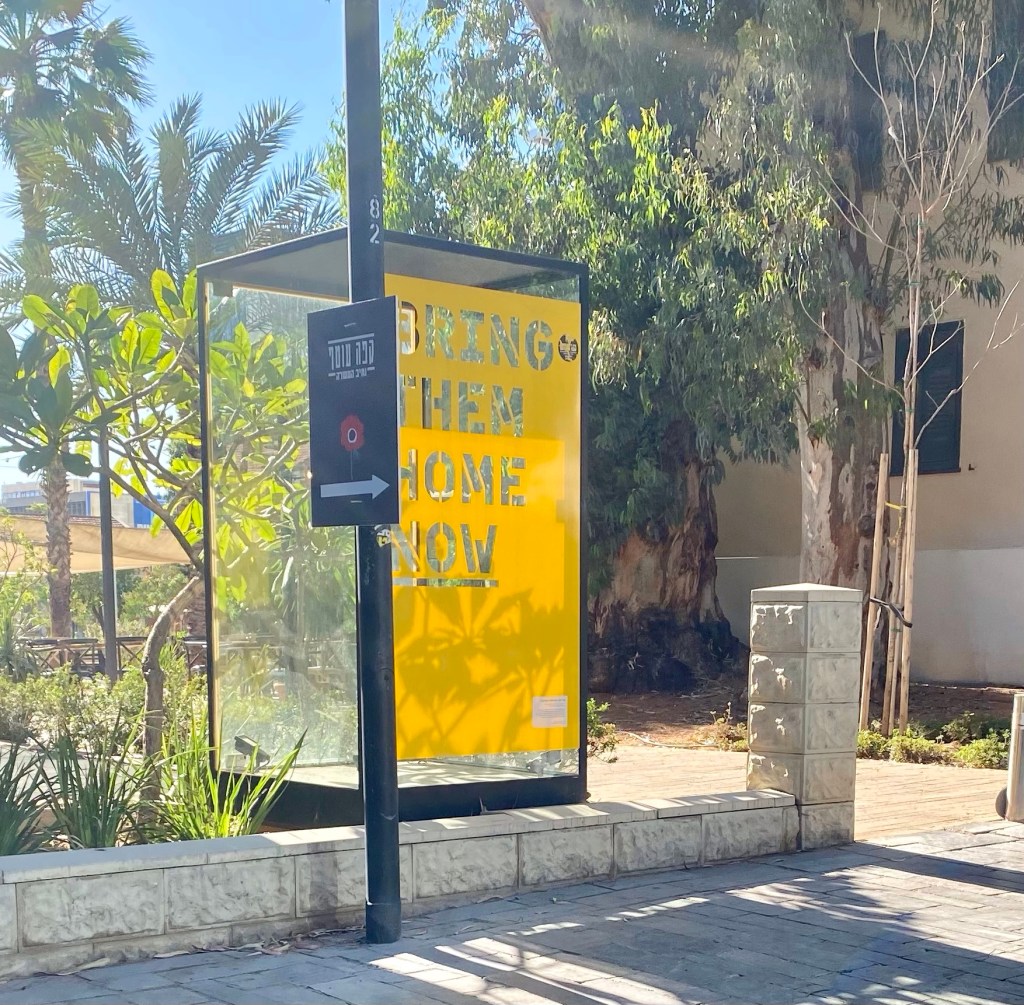

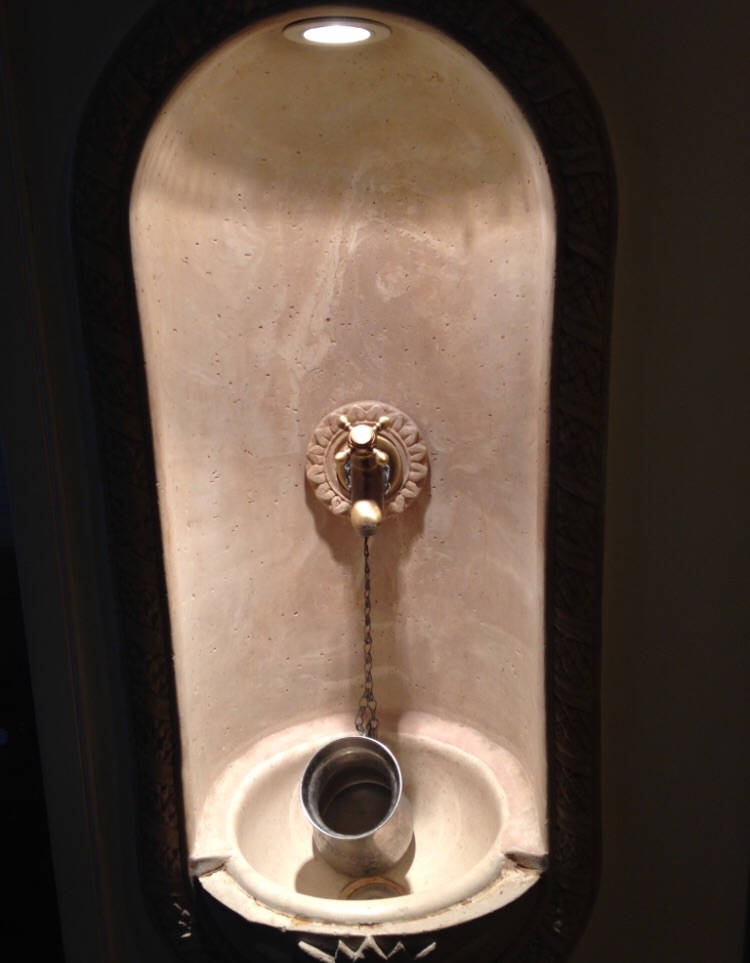


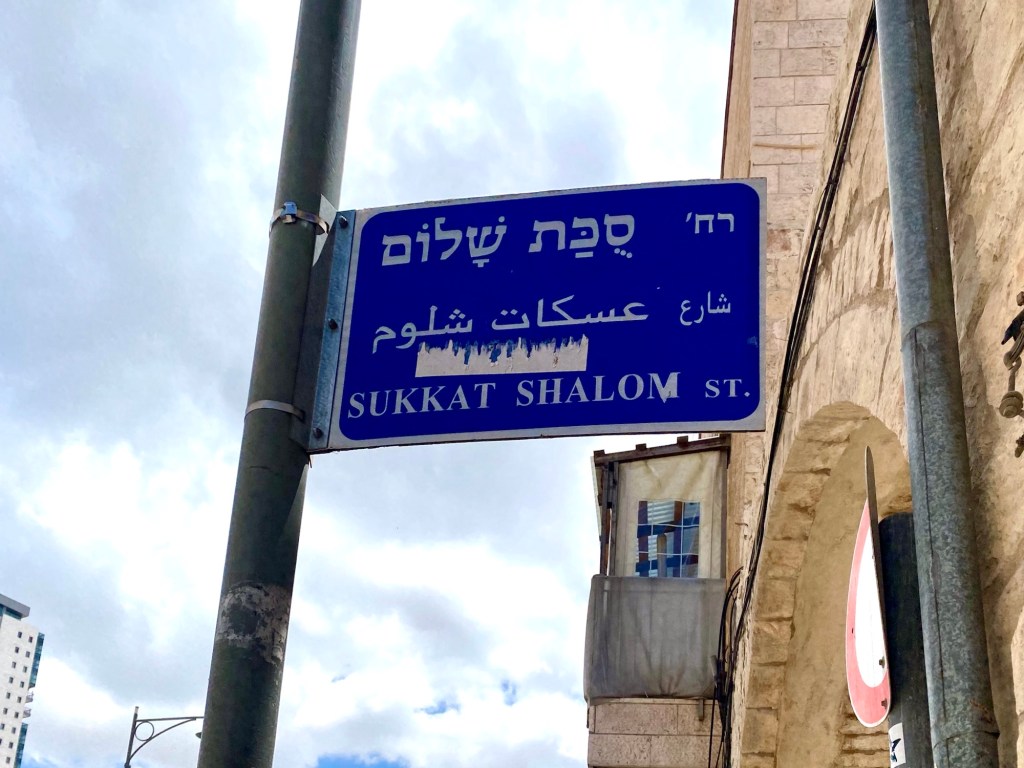


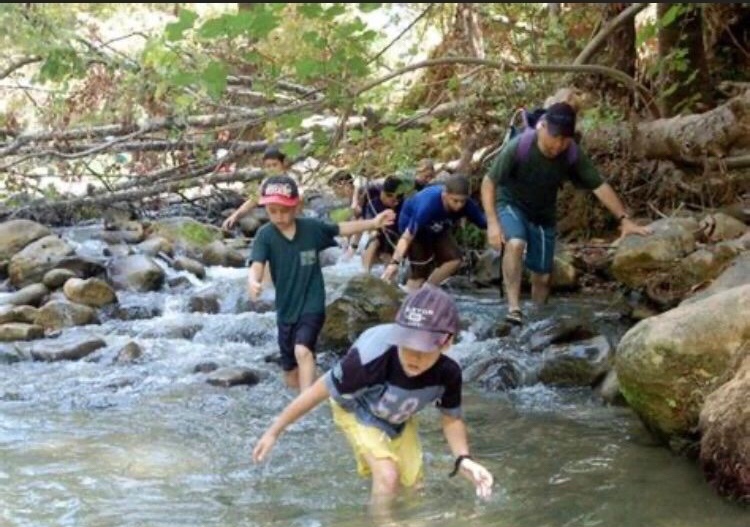


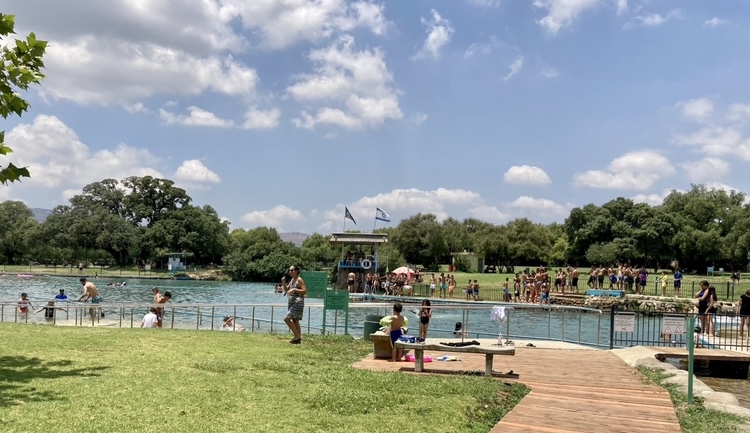
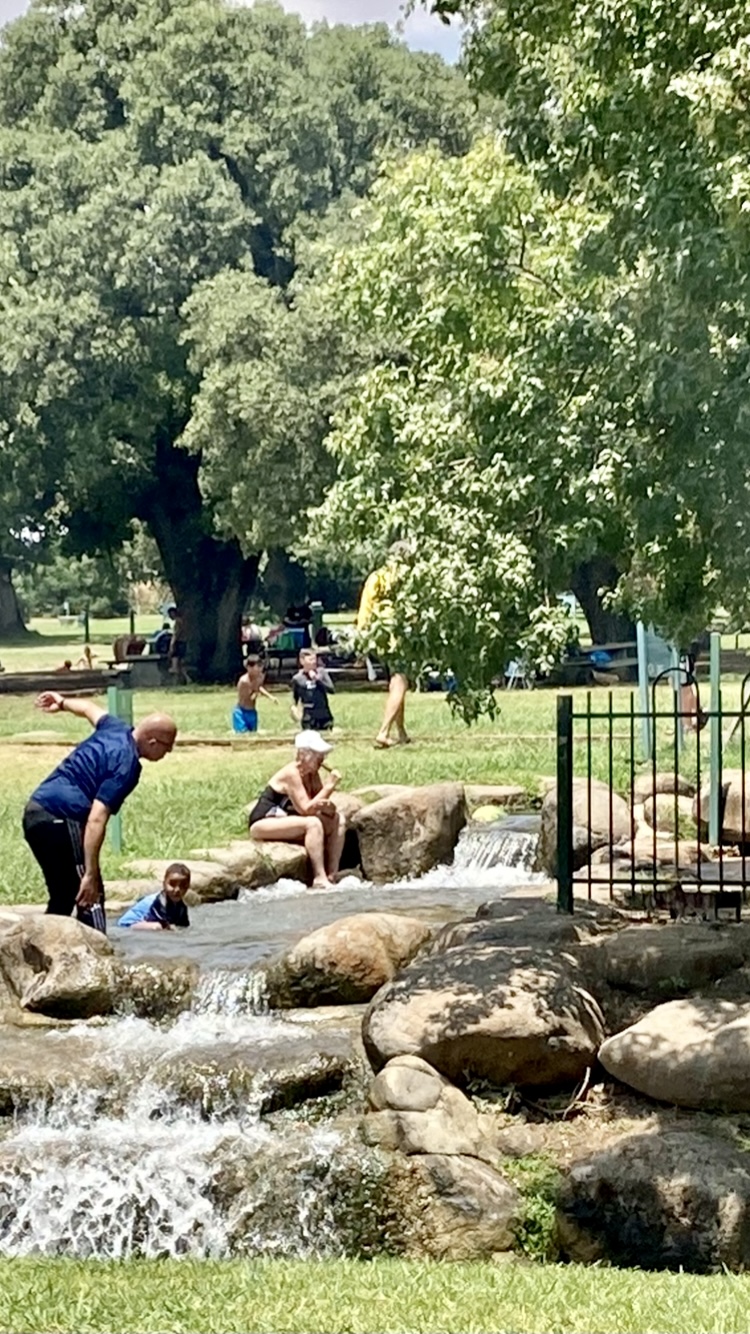
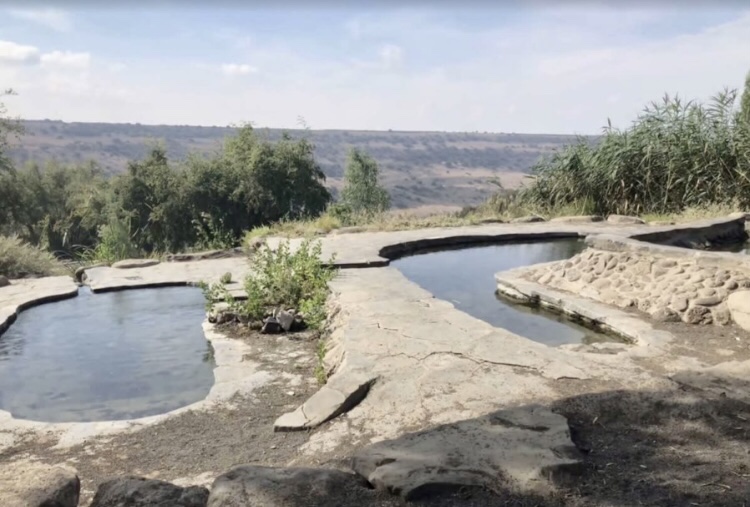

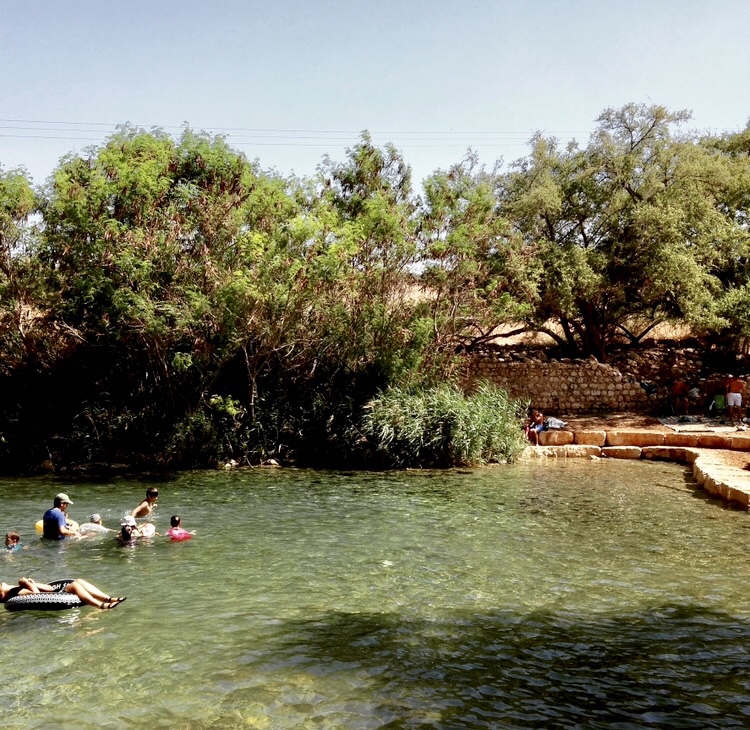


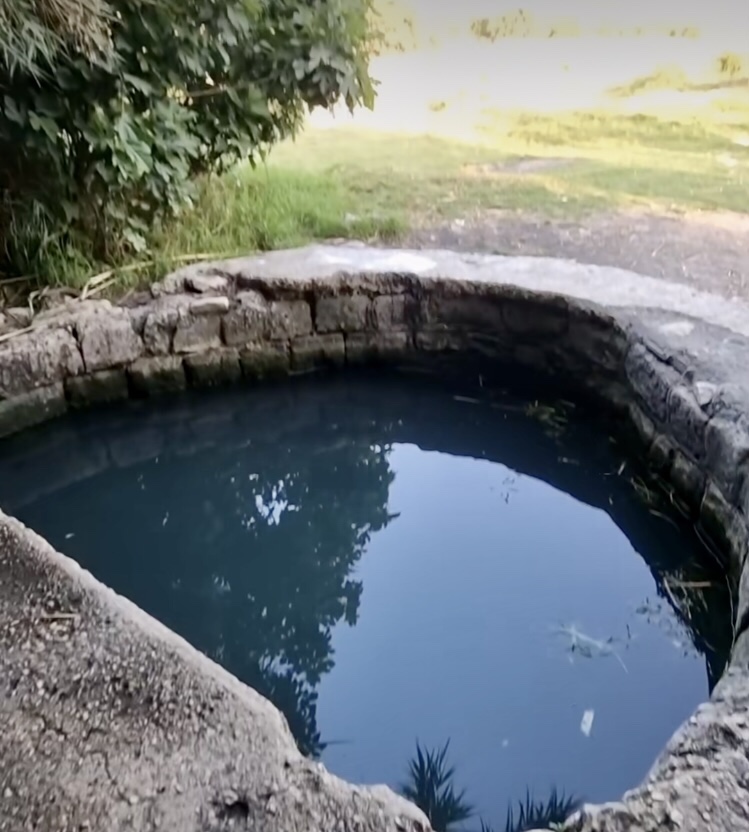

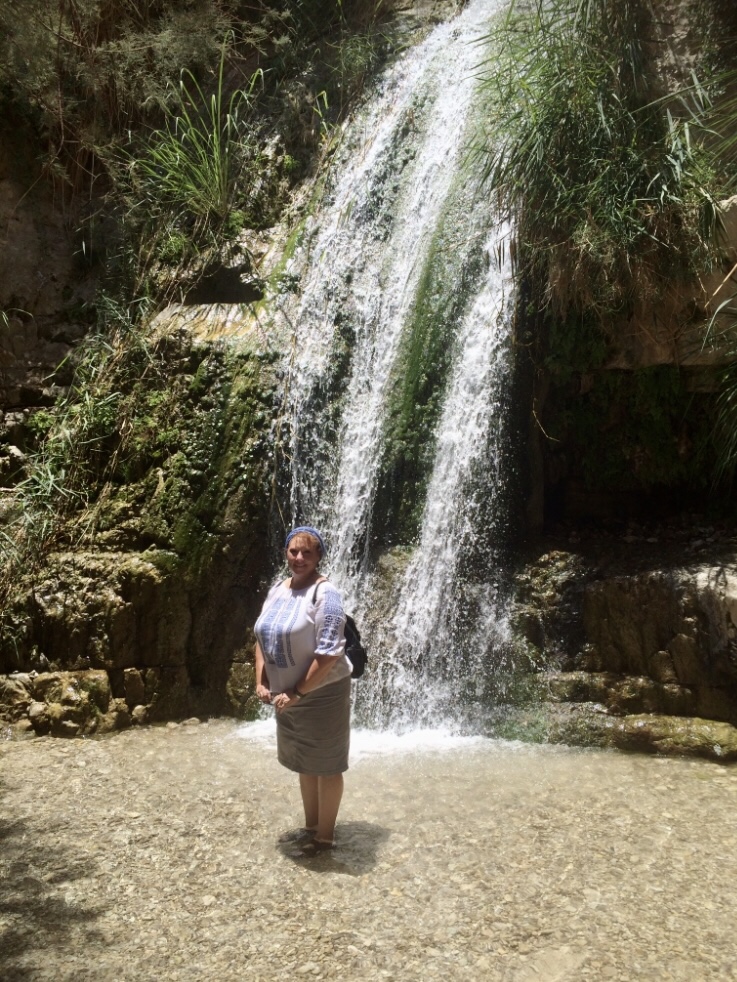

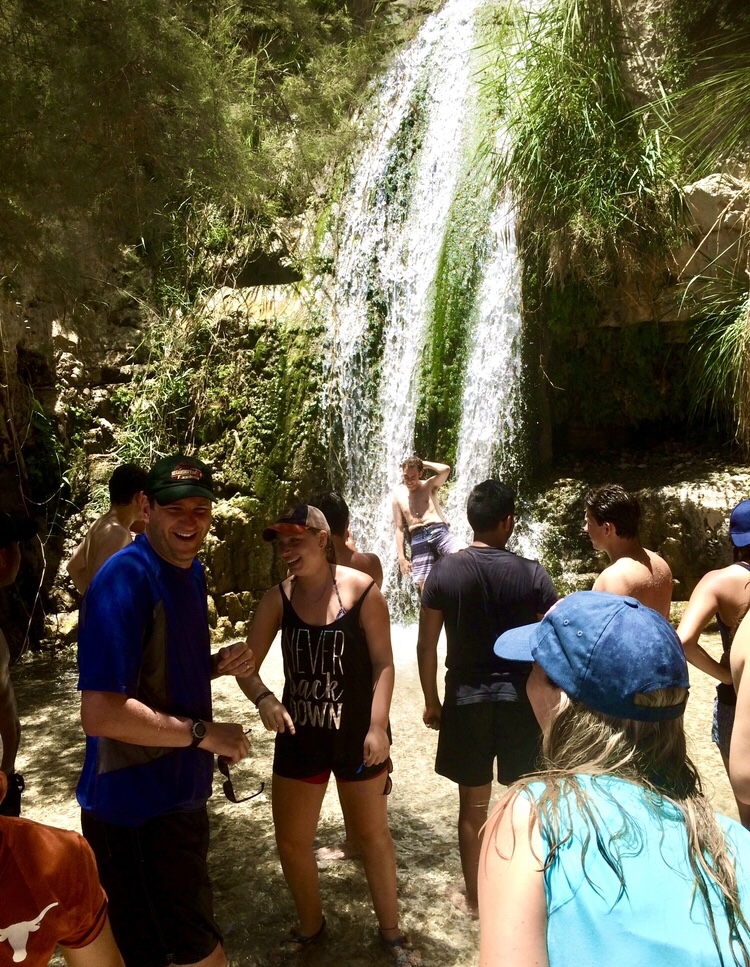


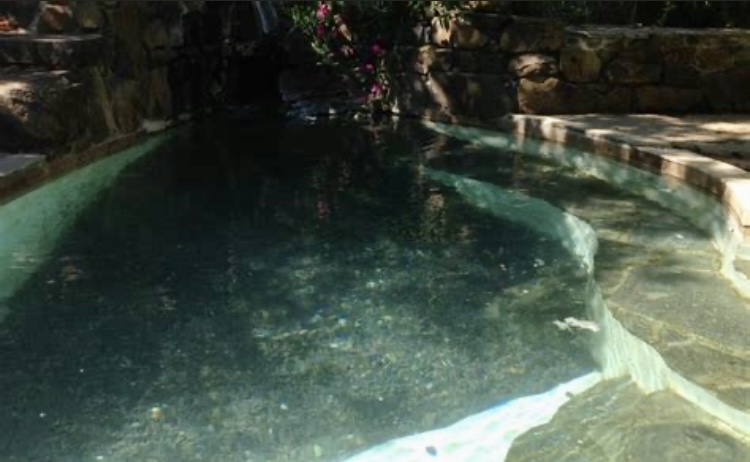

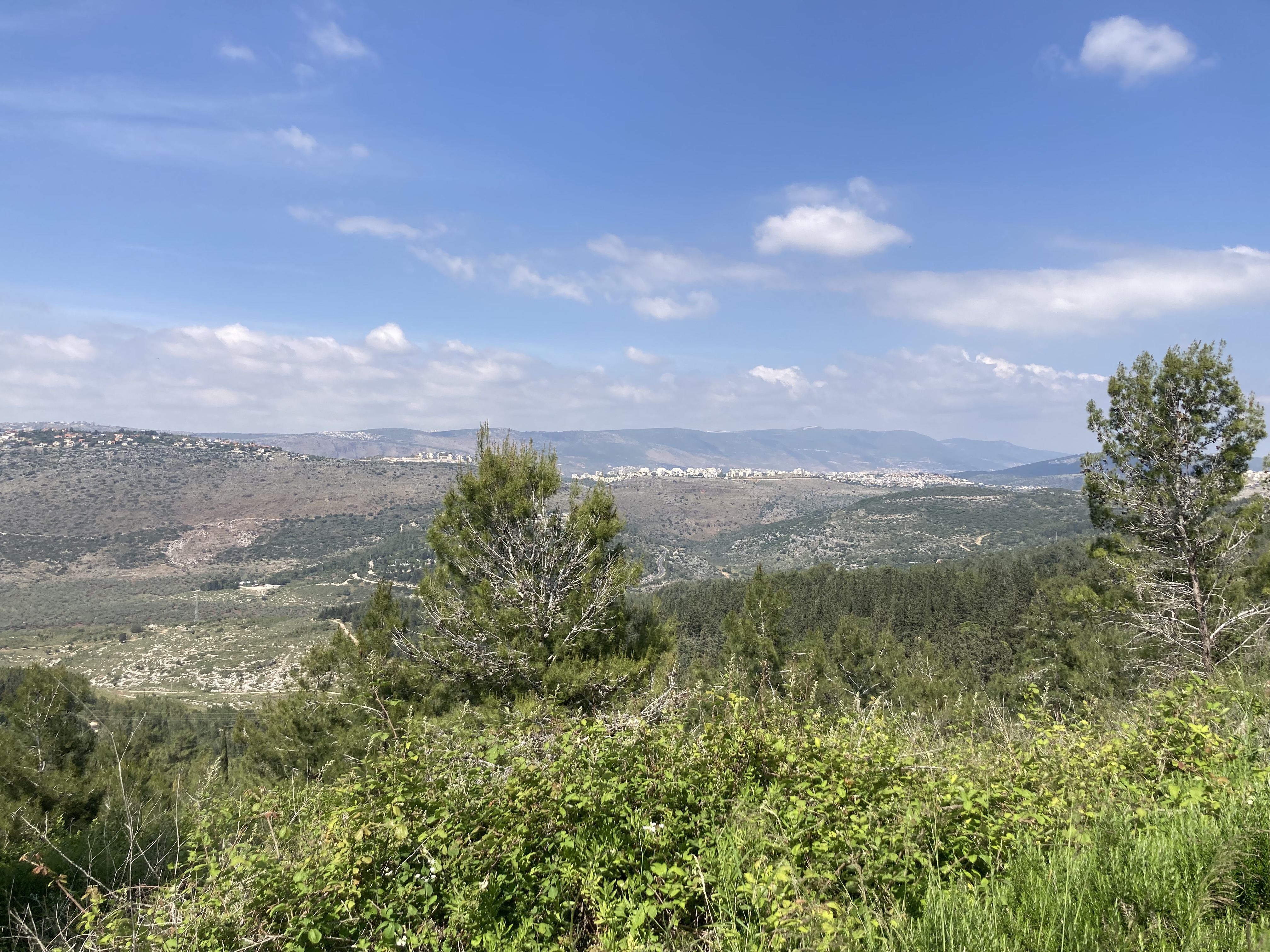
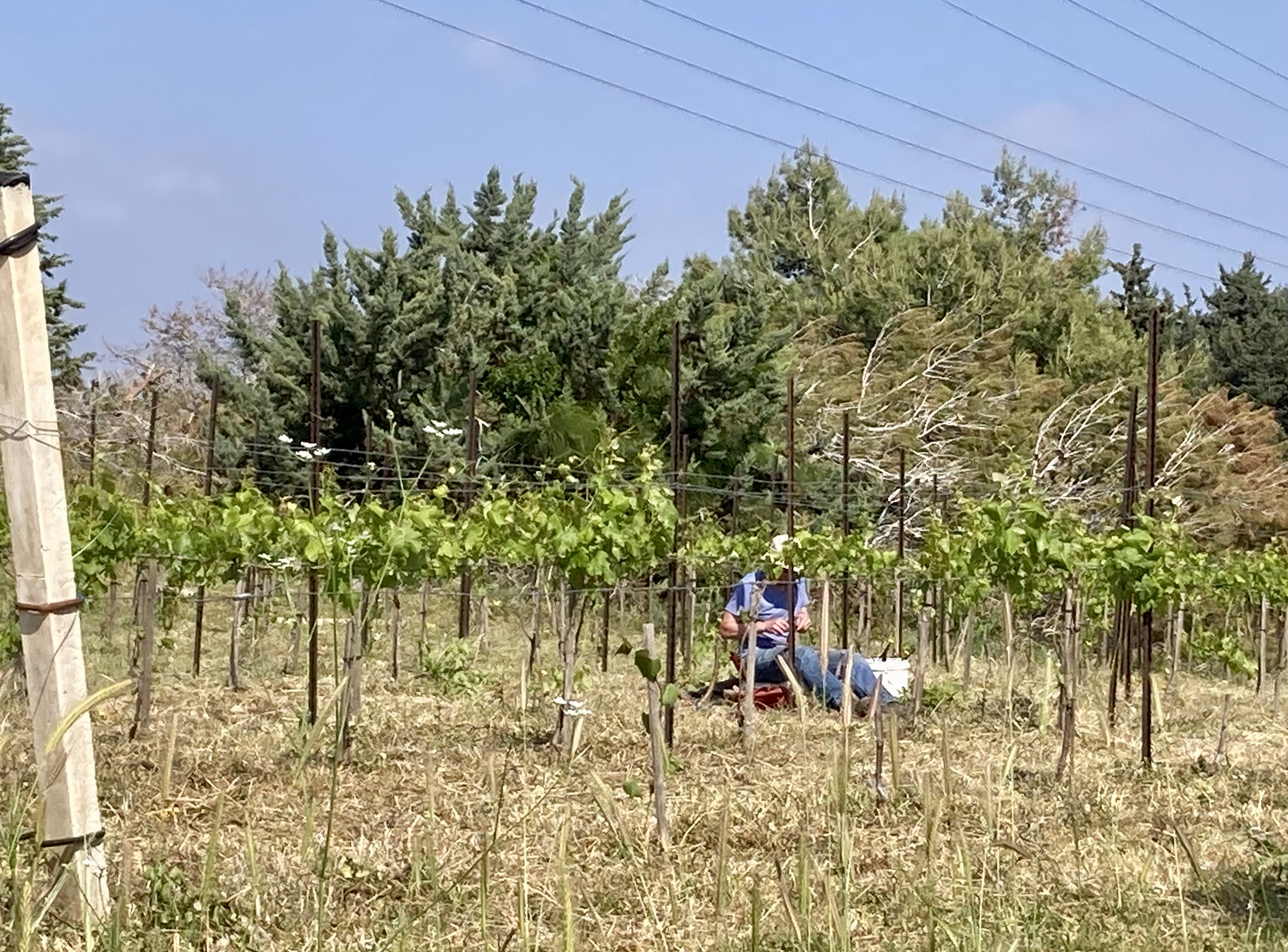
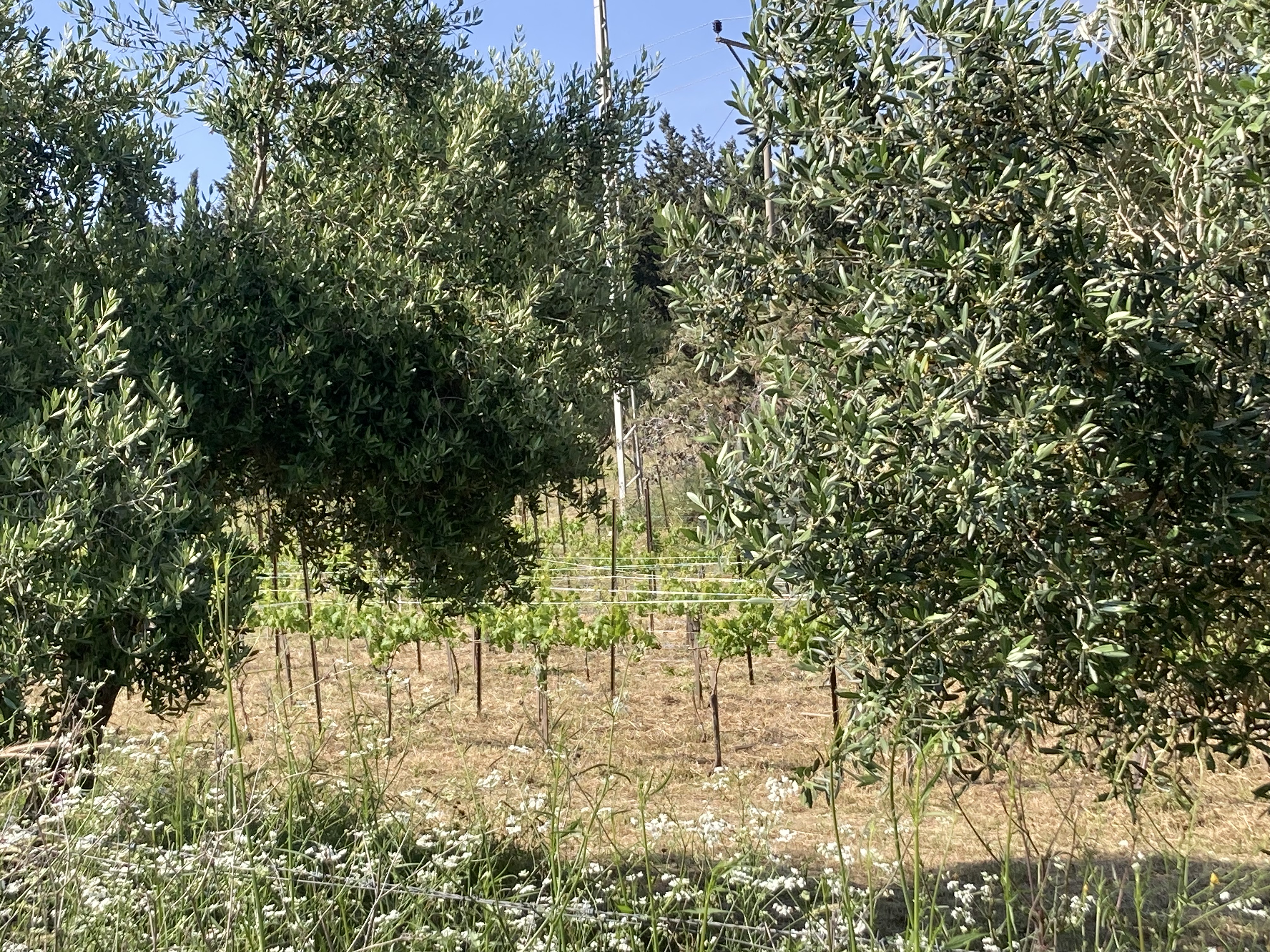
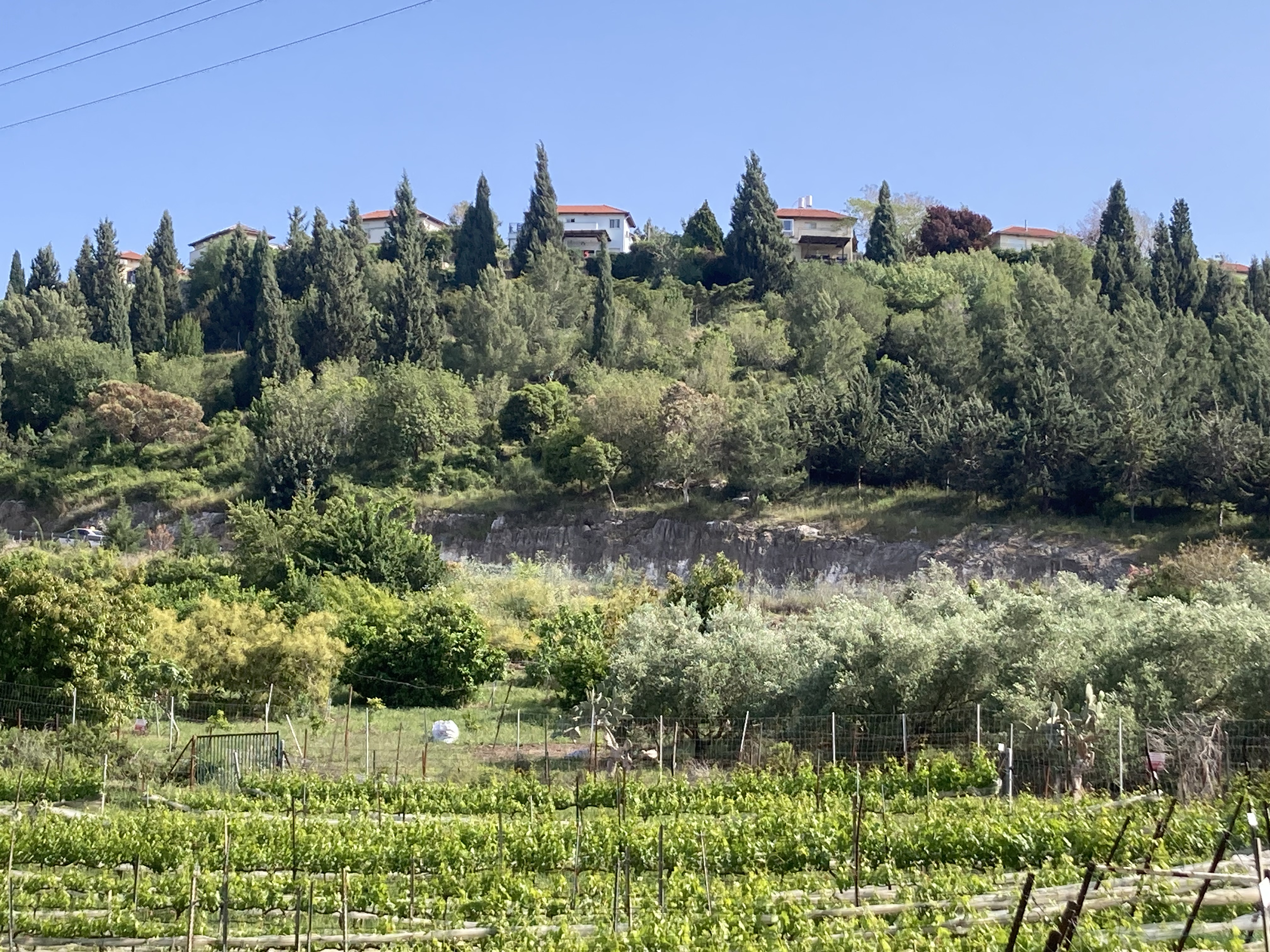
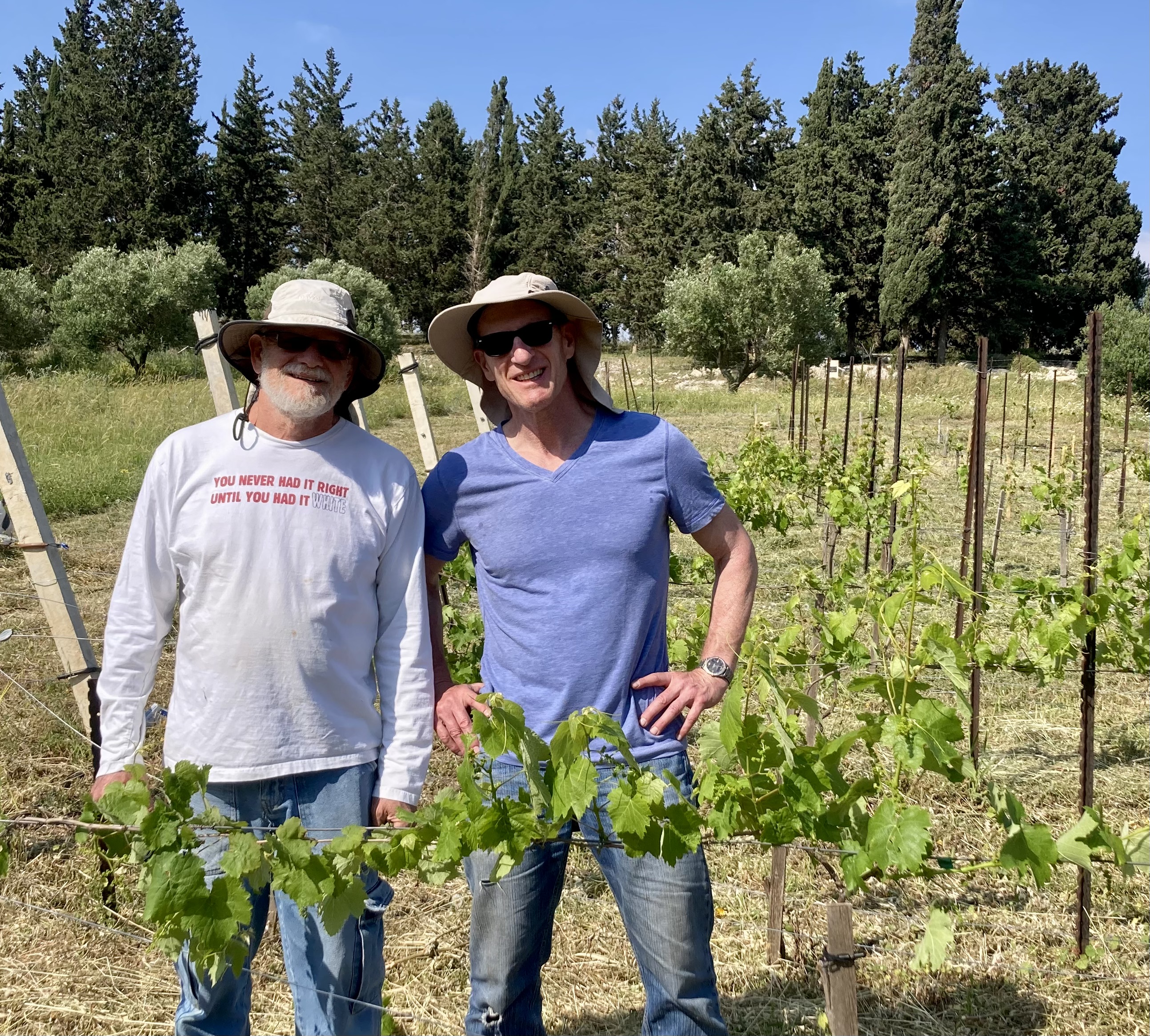
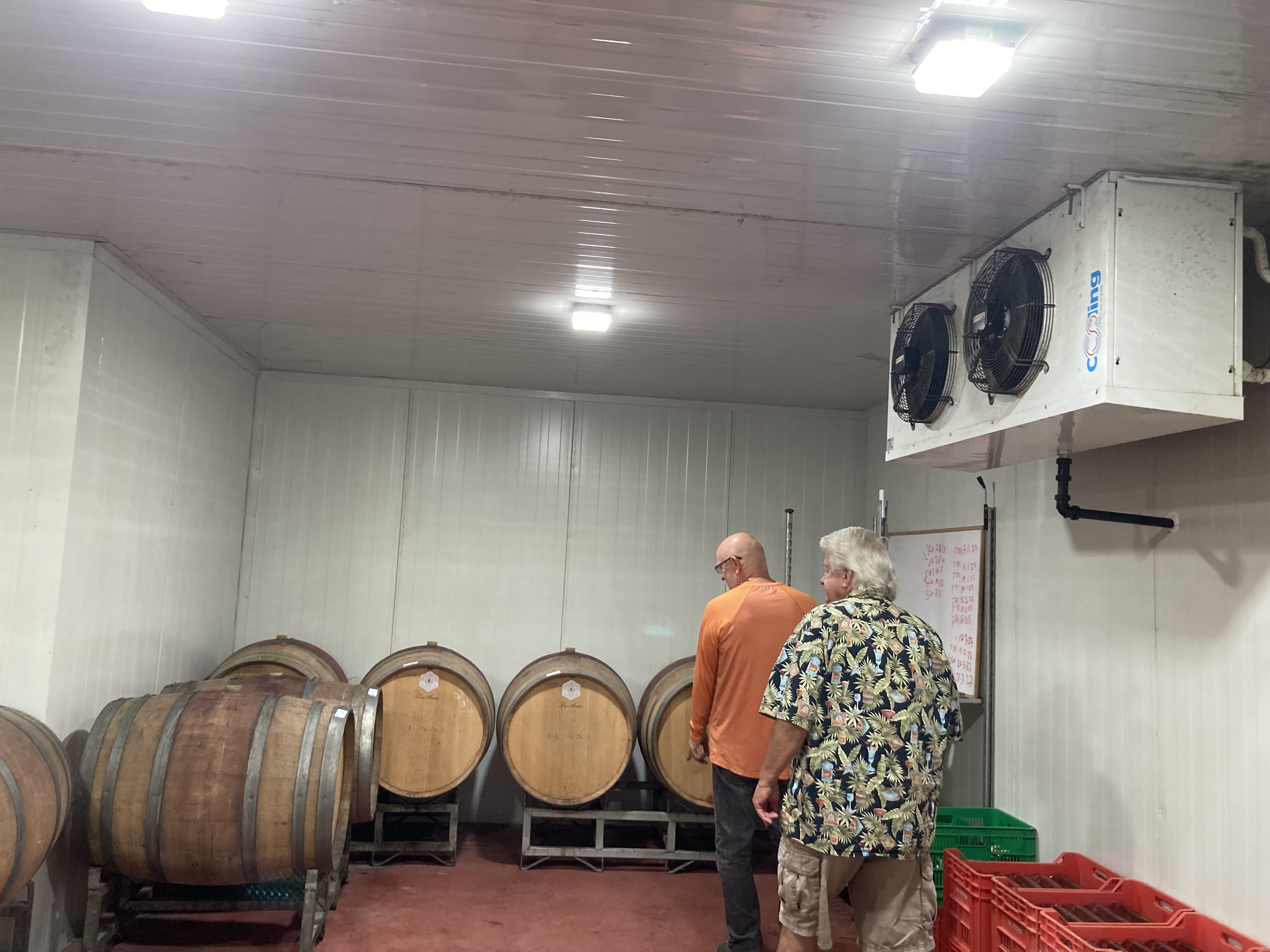

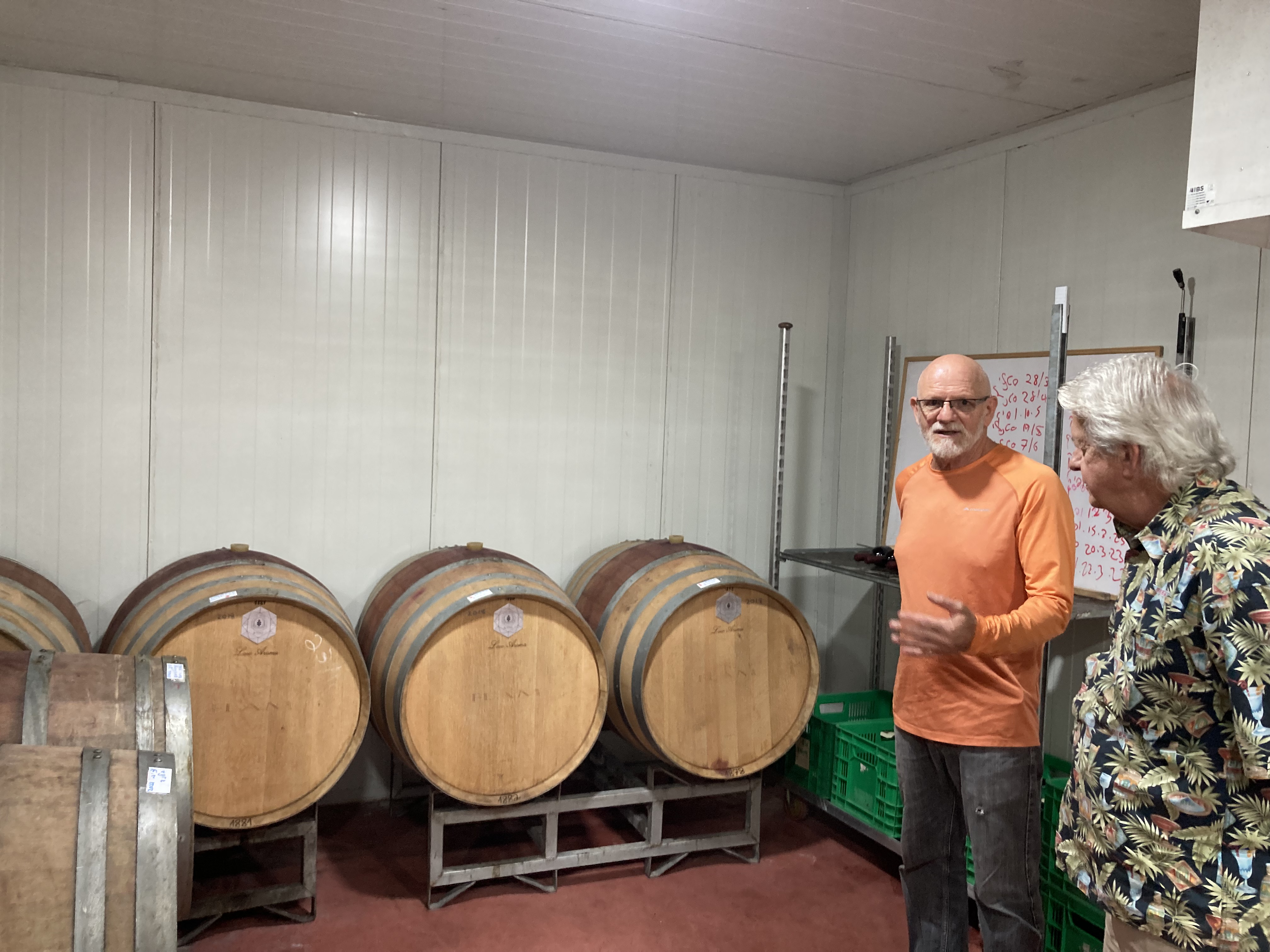
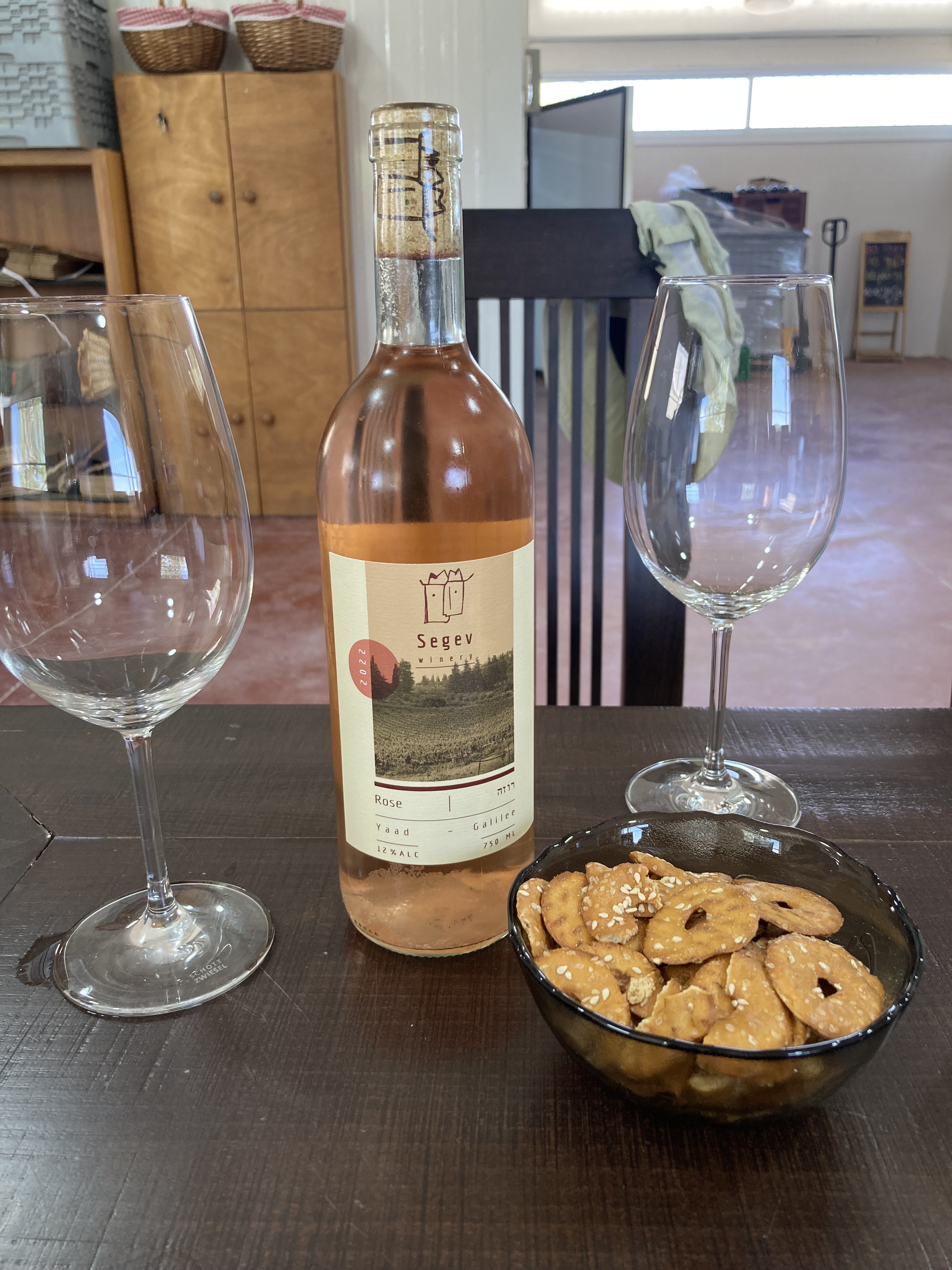
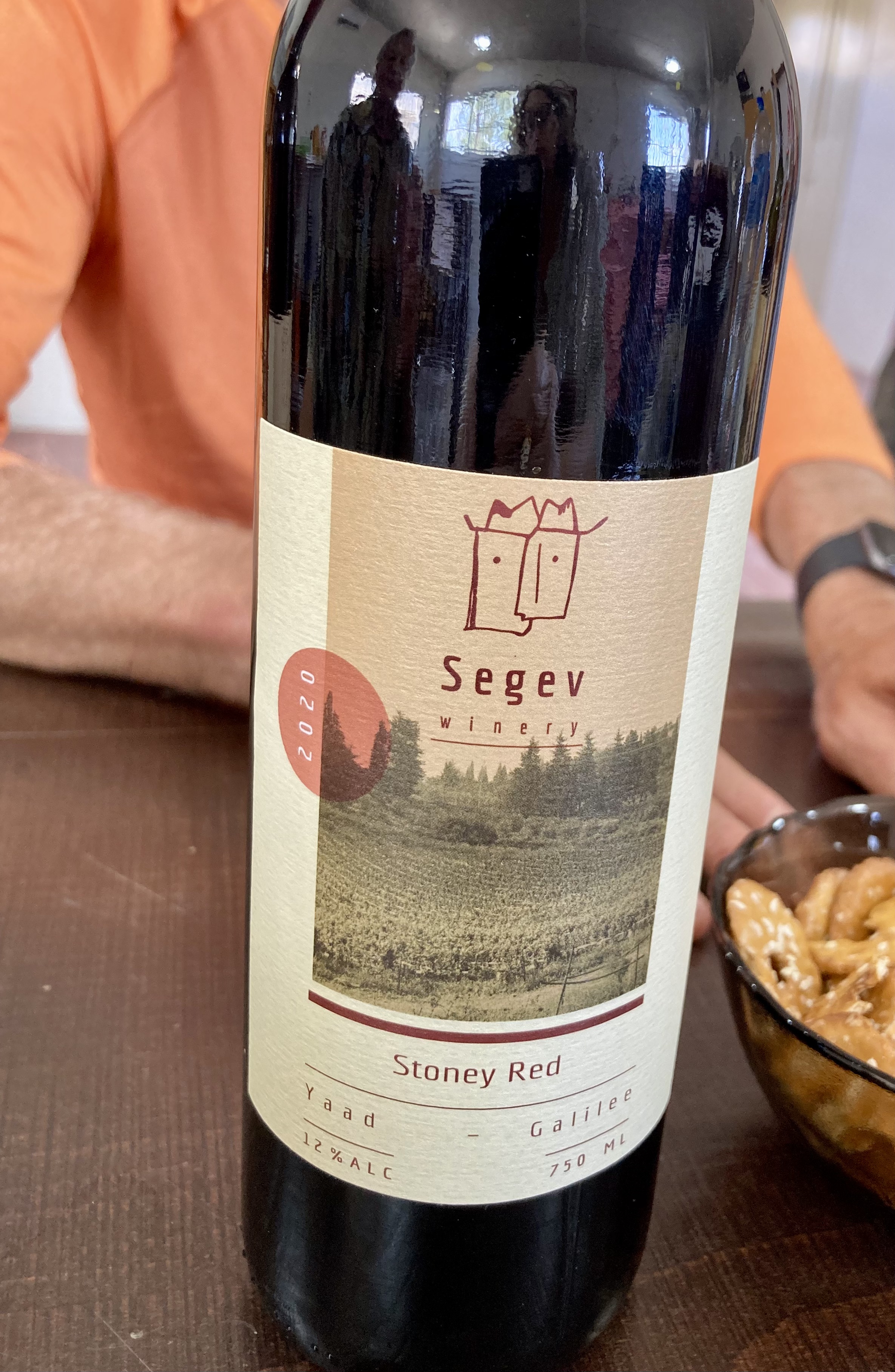


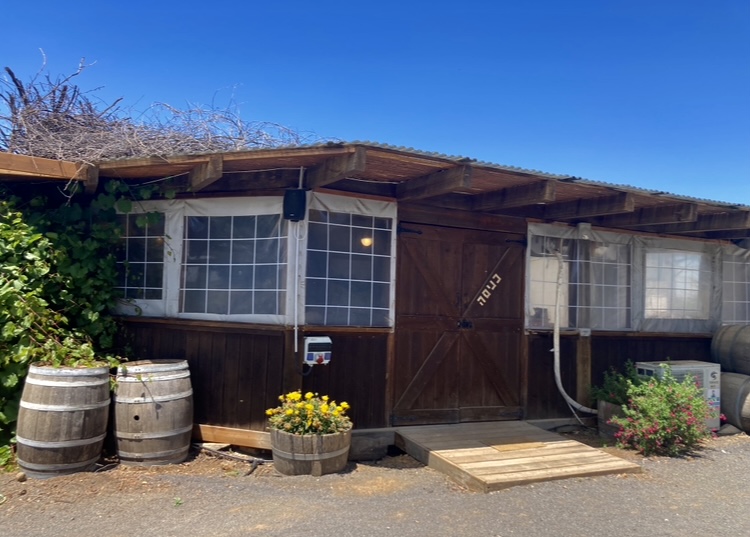
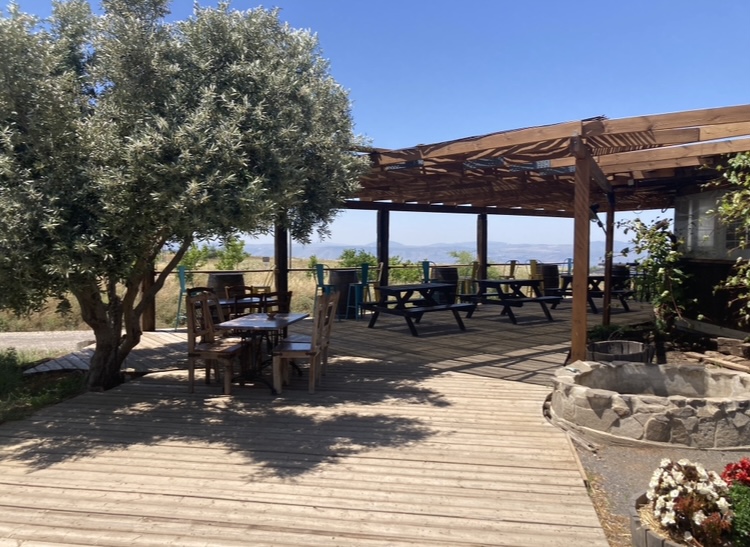

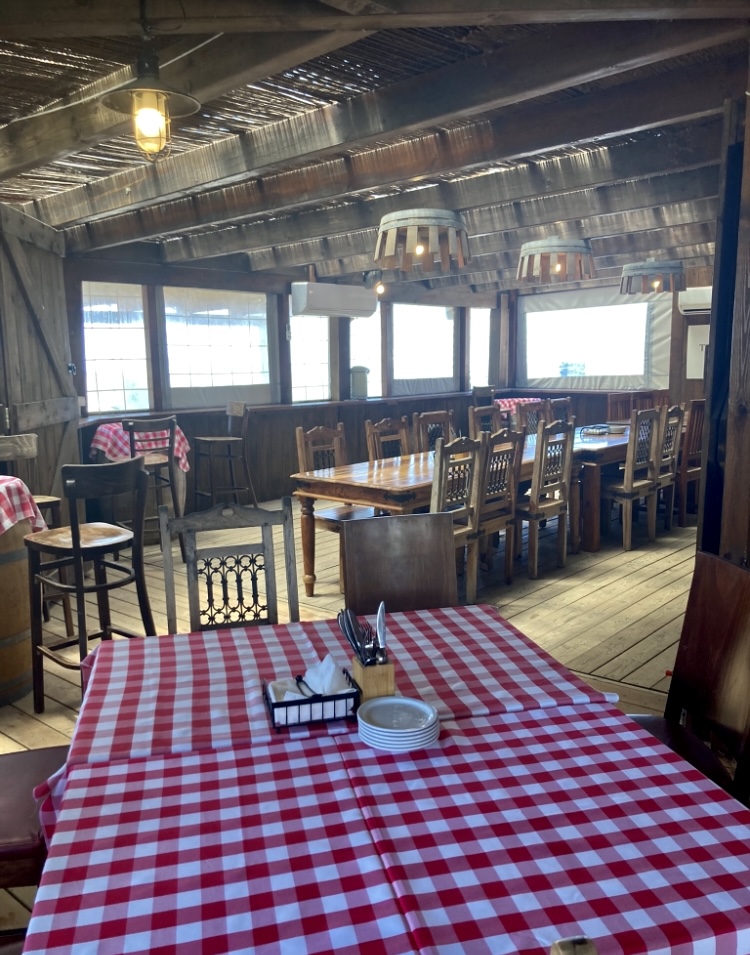
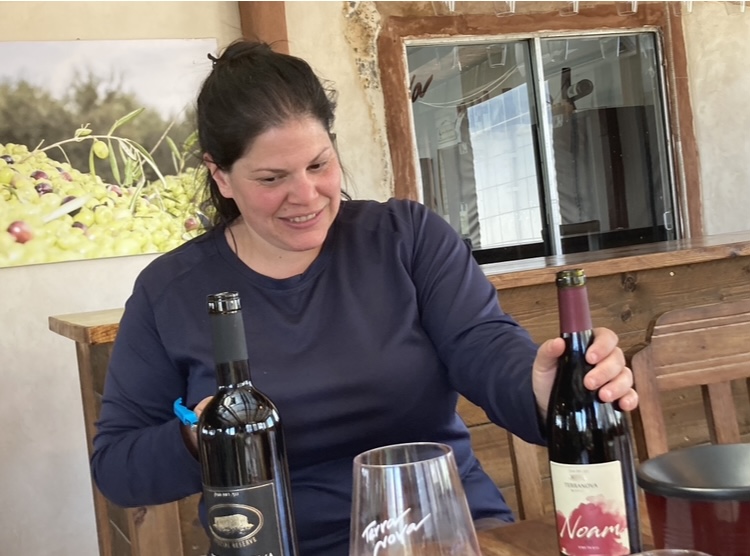
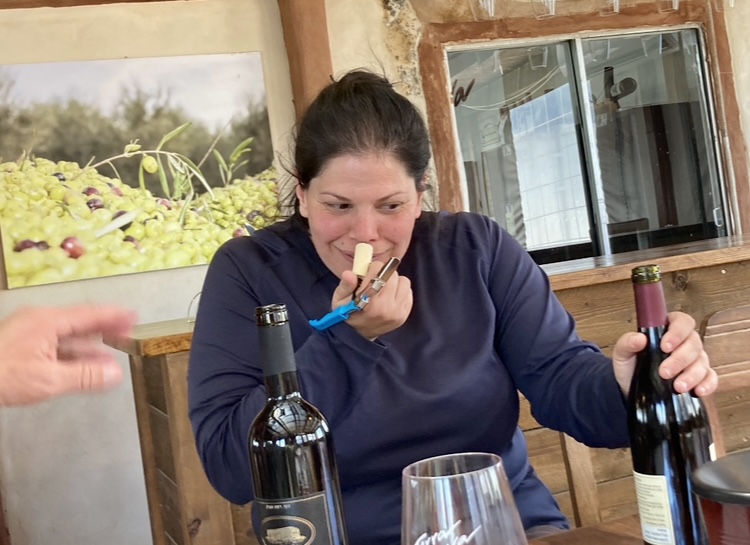
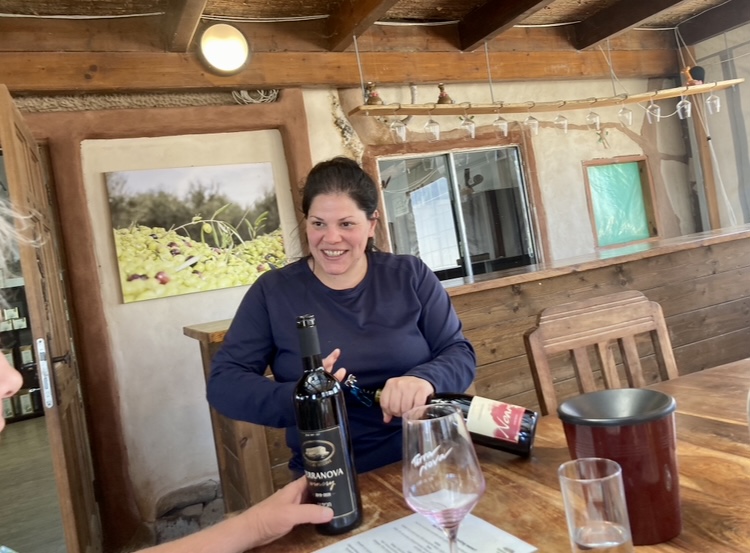
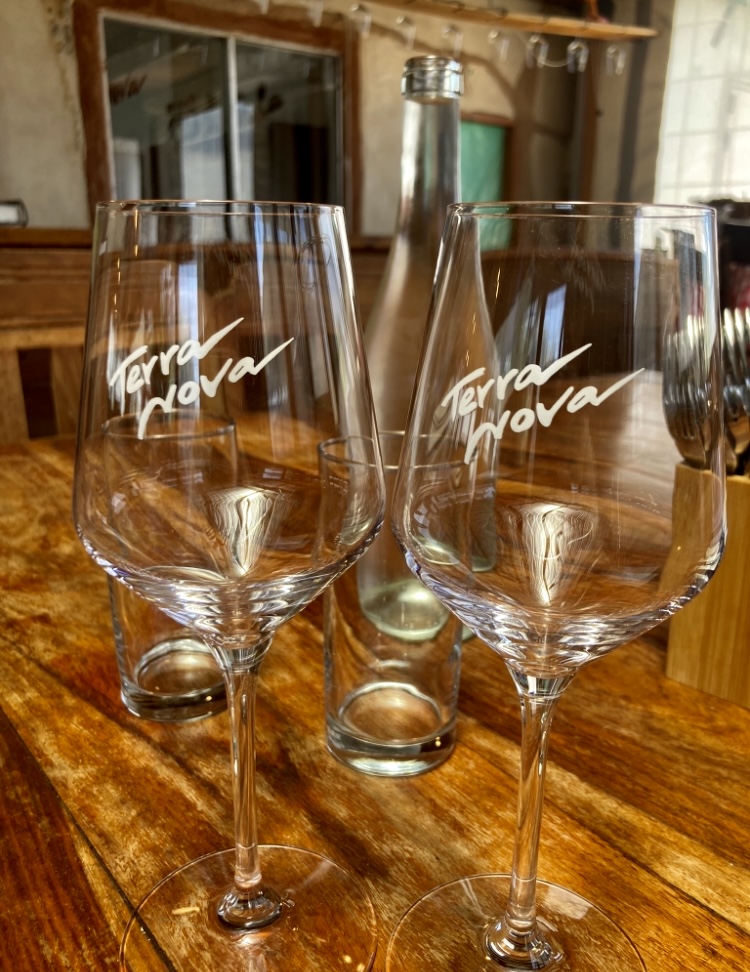

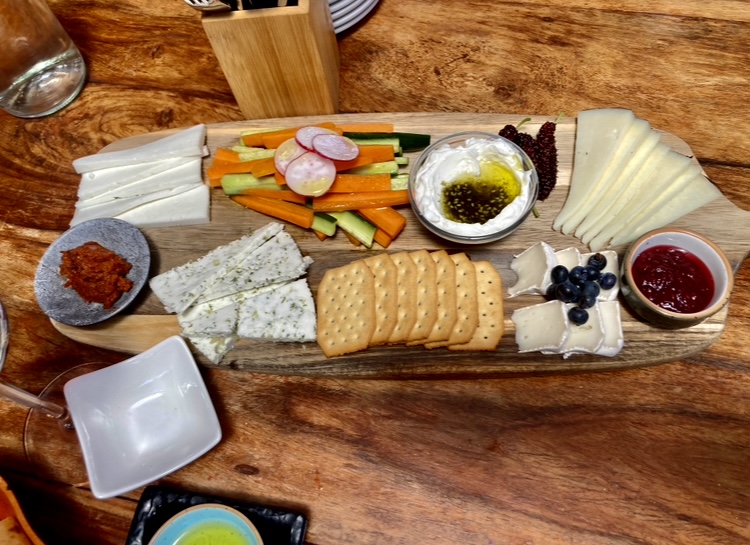

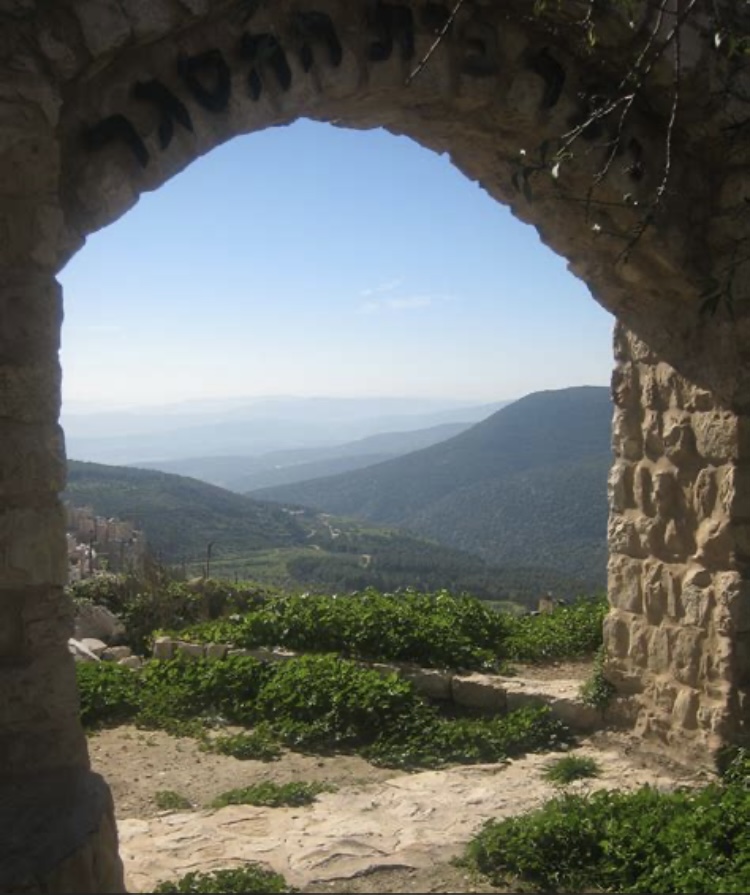
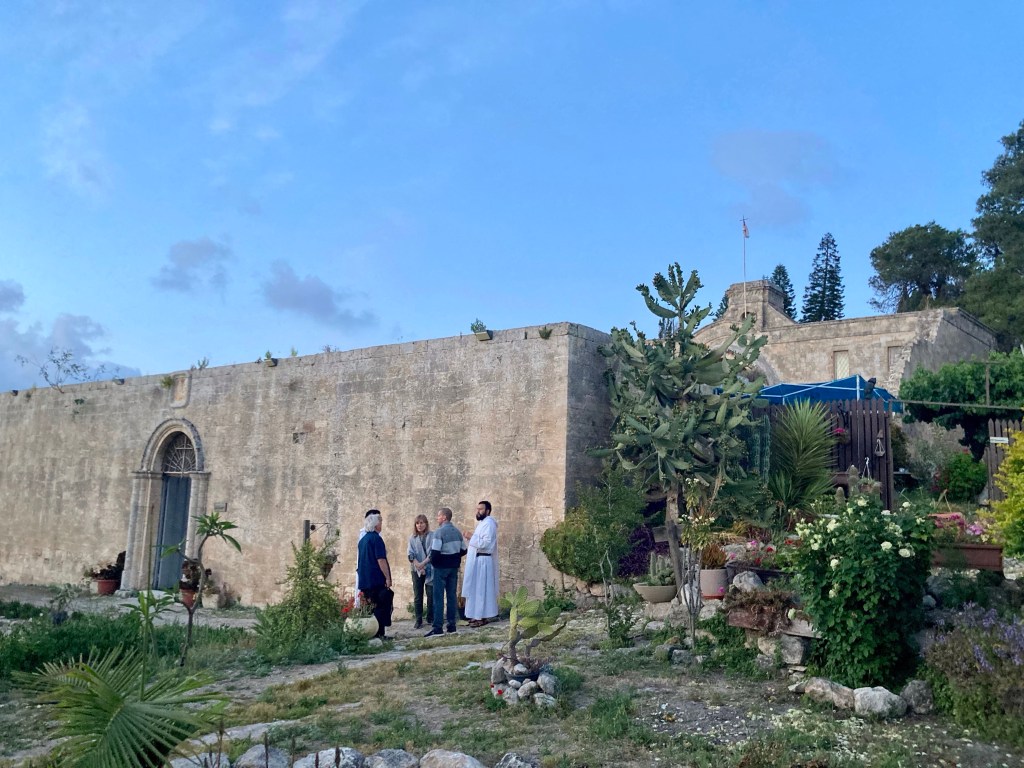

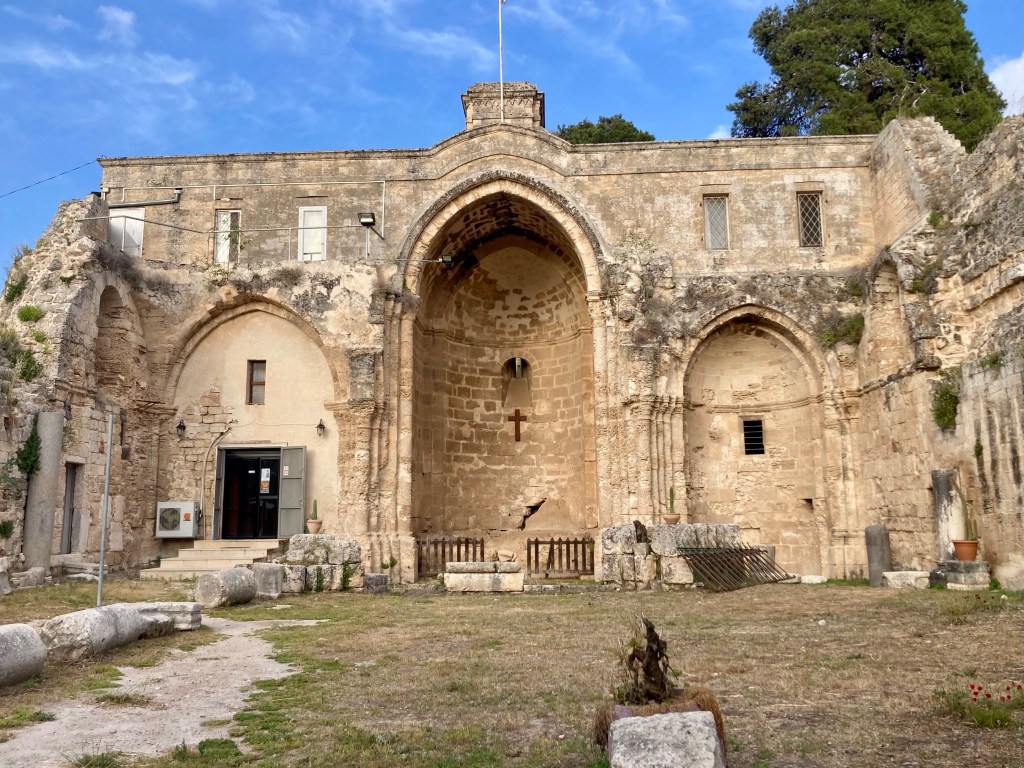


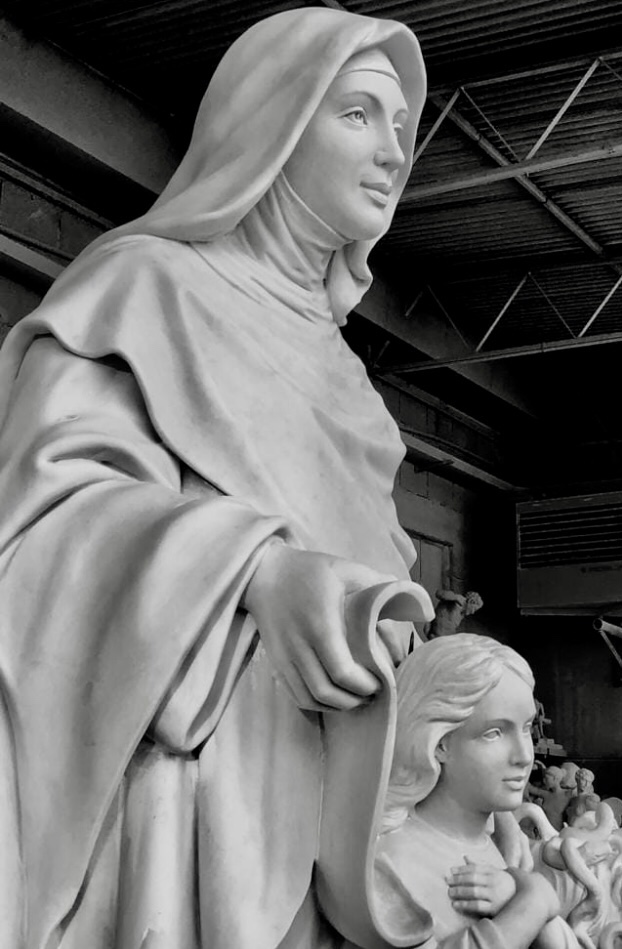

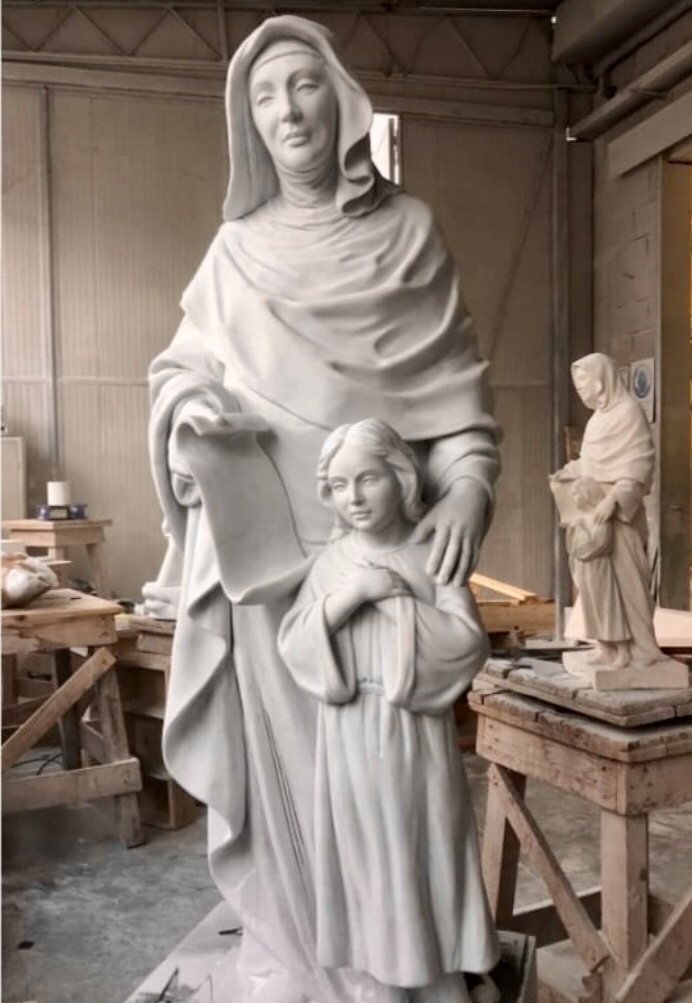

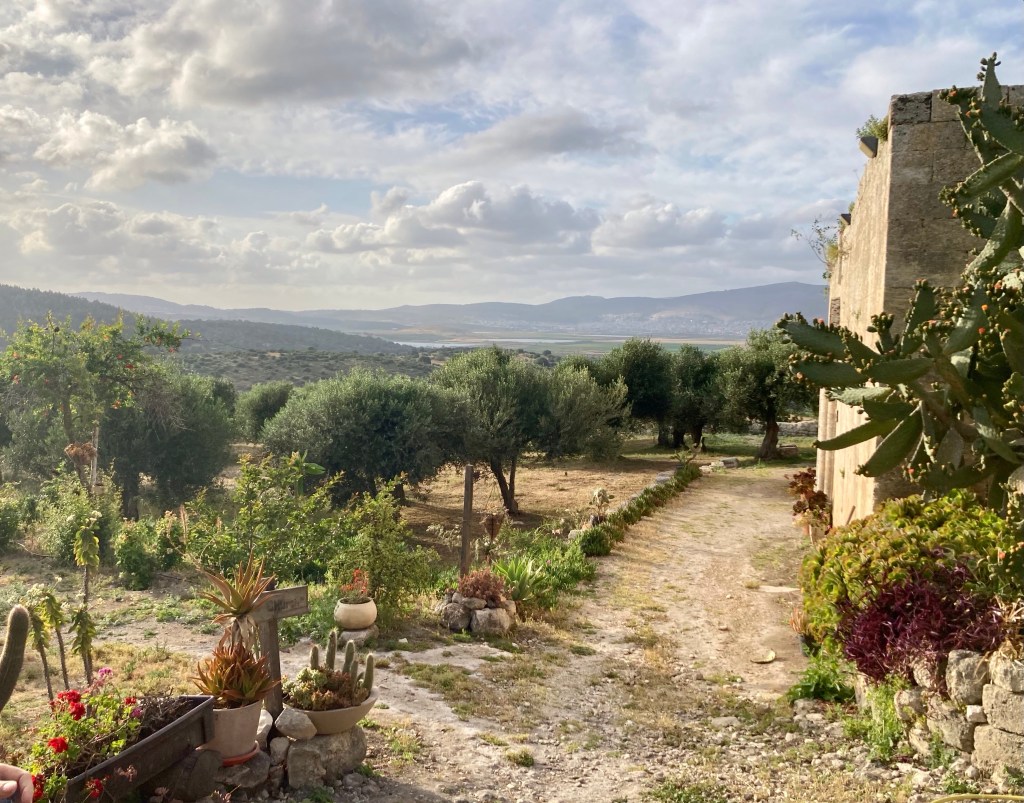


 Israel Dreams