"When G-d will return the captivity of Zion, we will be like dreamers. Then our mouths will be filled with laughter and our tongues with glad song." Psalm 126
We survived a bit of a scare attack over the weekend. Psy-ops? I don’t know? Grounded in some reality? Perhaps…
Last week there were several ‘direct hits’ in Gaza, Lebanon, Syria and Iran. Several key players, masterminds of the Islamic terror world were eliminated by direct drone and missile attacks. Even this morning there was a huge explosion at a missile launching site in Iran.
We do not know who is taking out these key members. Some say it’s Israel and Mossad. Others the US. There have been many retaliatory attacks on US bases throughout the Middle East lately. There are rumors that in Iran it’s an internal job. Whatever the case there is more and more pressure on Israel, especially in the North.
On Friday, we received news that the mayor of a Haifa suburb had told all his residents to invest in a generator and to have enough food, water and necessities to last at least a week. The military would be so overwhelmed it might be more expedient to rely on yourself. This, after two Hizbulla missiles were shot down over Haifa on Friday. It turned out to be ‘misinformation.’
In the meantime Israel has set a deadline of the end of January for an agreement being led by a multinational group to try to force Hizbulla to move away from the Israeli border. The agreement seems less likely as the days go by and it looks more threatening because Hizbulla forces refuse to move back.
The Lebanese Patriarch of the Maronite Catholic Church, Beshsra Al-Rahi, called for the removal of every rocket launchpad between every home; the removal of all missiles from homes and schools; UNFIL to enforce resolution 1701 pushing all Hizbulla troops off the Israeli border fence, back 2 km (no man’s land) and away from the Lebanese border. Nasralla has said no such. So it looks like there might be a showdown starting next week. The thought of 150,000 missiles pointed directly at us is a wee bit daunting-
At present 72,000 Israelis have been displaced from their homes in the North alone. Since there are no tourists, many citizens who lack family or friends who will shelter them, have been put up in hotels along the Sea of Galilee. Makeshift schools have been set up for the children. Some are being squeezed into the schools in Tiberias and the local communities.
Hizbulla in the North is a proxy for Iran, just as the Houthis in Yemen South Red Sea and Hamas in Gaza. Of the three, Hizbulla is much more greatly funded, trained, weaponized and numerous. Last week, in his latest trip to Israel, US Secretary of State, Antony Blinken, was assured that “ Israel would not surprise the United States by an attack on Hizbulla without prior notification.”
So we are now waiting…. You would never know as people go on with their daily lives here as best as possible. Stores and schools and services are open. There is plenty of traffic and people seem busy.
Yesterday we went to visit an Arab Christian friend who lives in the Galilee. She has two Maronite Christian families from Metulla living in the two apartments underneath hers. They were empty apartments and the landlord let the displaced famI lied live there temporarily. Claudia is a tour guide. She has so much knowledge and understanding of the history of Israel from many different perspectives. We have gone so many places with her. As during COVID, she again has no business.
Claudia also teaches classes on Israeli cooking, Biblical cooking and culture. We took a long walk with her into the fields adjacent to her apartment.
Look closely at the pictures above. What do you see? A field? Yes. What else? Grasses and weeds? Perhaps. But they hold a hidden treasure, for now that the rains have come everything had begun to sprout and turn green. All of these ‘weeds’ are edible!!!! The wild asparagus and celery. The dandelions and lettuces. The loof. And most have medicinal properties known by people in Biblical times and passed down through the generations to today.
Wild celery
When we returned to Claudia’s, she gave us a little class on how to prepare each. Some were sautéed. Some would be dried (hyssop) to make zataar, the herb that is used in many foods here. Other plants would be boiled first, then wrung out (to remove any bitterness) and then sautéed.
Claudia seasons the hot pan with garlicSome of our leaves, sorted, washed and driedAsparagus and wild celeryNo longer just weedsKhobezeh looks like a wild geranium but much larger leaves. Ayilt. A type of wild romaine lettuce stir fried with onion
During the winter months, you see older women…Bedouin and Druze, mostly, out in the fields foraging. The women are everywhere along the country roads, stooped over with their aprons and plastic bags. Wild mustards are prevalent and are a special delicacy. Some leaves (loof) are large. These are destemmed, steamed and then stuffed with rice, onions, lentils and herbs, rolled up and then steamed again.
Loof grows in rocky places. It has a huge purple Jack-in-the-pulpit type flower. Claudia in her kitchenFresh labanehBiblical brunch!!!Slicing pita
We feasted on homemade labaneh, a cultured dairy product made with the goat milk Claudia got from a lady down the street. She had made pita bread in her tabun (outdoor metal oven) the day before. We had a type of feta cheese. The greens and dairy were drizzled with fresh Galilee olive oil. We had olives and homemade humus from her store of dried chickpeas. On some of the greens, Claudia cracked eggs and let them steam- a green shakshuka. On top of this she put a dollop of Zhug, a very very spicy hot pepper and herb mixture. It was all quite delicious. All homemade with fresh, local ingredients.
If you come to Israel in the winter months, not only could Claudia give an amazing tour, but you could also take a cooking class from her. Hopefully you won’t have to dodge missiles.
We survived a bit of a scare attack over the weekend. Psy-ops? I don’t know? Grounded in some reality? Perhaps…
Last week there were several ‘direct hits’ in Gaza, Lebanon, Syria and Iran. Several key players, masterminds of the Islamic terror world were eliminated by direct drone and missile attacks. Even this morning there was a huge explosion at a missile launching site in Iran.
We do not know who is taking out these key members. Some say it’s Israel and Mossad. Others the US. There have been many retaliatory attacks on US bases throughout the Middle East lately. There are rumors that in Iran it’s an internal job. Whatever the case there is more and more pressure on Israel, especially in the North.
On Friday, we received news that the mayor of a Haifa suburb had told all his residents to invest in a generator and to have enough food, water and necessities to last at least a week. The military would be so overwhelmed it might be more expedient to rely on yourself. This, after two Hizbulla missiles were shot down over Haifa on Friday. It turned out to be ‘misinformation.’
In the meantime Israel has set a deadline of the end of January for an agreement being led by a multinational group to try to force Hizbulla to move away from the Israeli border. The agreement seems less likely as the days go by and it looks more threatening because Hizbulla forces refuse to move back.
The Lebanese Patriarch of the Maronite Catholic Church, Beshsra Al-Rahi, called for the removal of every rocket launchpad between every home; the removal of all missiles from homes and schools; UNFIL to enforce resolution 1701 pushing all Hizbulla troops off the Israeli border fence, back 2 km (no man’s land) and away from the Lebanese border. Nasralla has said no such. So it looks like there might be a showdown starting next week. The thought of 150,000 missiles pointed directly at us is a wee bit daunting-
At present 72,000 Israelis have been displaced from their homes in the North alone. Since there are no tourists, many citizens who lack family or friends who will shelter them, have been put up in hotels along the Sea of Galilee. Makeshift schools have been set up for the children. Some are being squeezed into the schools in Tiberias and the local communities.
Hizbulla in the North is a proxy for Iran, just as the Houthis in Yemen South Red Sea and Hamas in Gaza. Of the three, Hizbulla is much more greatly funded, trained, weaponized and numerous. Last week, in his latest trip to Israel, US Secretary of State, Antony Blinken, was assured that “ Israel would not surprise the United States by an attack on Hizbulla without prior notification.”
So we are now waiting…. You would never know as people go on with their daily lives here as best as possible. Stores and schools and services are open. There is plenty of traffic and people seem busy.
Yesterday we went to visit an Arab Christian friend who lives in the Galilee. She has two Maronite Christian families from Metulla living in the two apartments underneath hers. They were empty apartments and the landlord let the displaced famI lied live there temporarily. Claudia is a tour guide. She has so much knowledge and understanding of the history of Israel from many different perspectives. We have gone so many places with her. As during COVID, she again has no business.
Claudia also teaches classes on Israeli cooking, Biblical cooking and culture. We took a long walk with her into the fields adjacent to her apartment.
Look closely at the pictures above. What do you see? A field? Yes. What else? Grasses and weeds? Perhaps. But they hold a hidden treasure, for now that the rains have come everything had begun to sprout and turn green. All of these ‘weeds’ are edible!!!! The wild asparagus and celery. The dandelions and lettuces. The loof. And most have medicinal properties known by people in Biblical times and passed down through the generations to today.
Wild celery
When we returned to Claudia’s, she gave us a little class on how to prepare each. Some were sautéed. Some would be dried (hyssop) to make zataar, the herb that is used in many foods here. Other plants would be boiled first, then wrung out (to remove any bitterness) and then sautéed.
Claudia seasons the hot pan with garlicSome of our leaves, sorted, washed and driedAsparagus and wild celeryNo longer just weedsKhobezeh looks like a wild geranium but much larger leaves. Ayilt. A type of wild romaine lettuce stir fried with onion
During the winter months, you see older women…Bedouin and Druze, mostly, out in the fields foraging. The women are everywhere along the country roads, stooped over with their aprons and plastic bags. Wild mustards are prevalent and are a special delicacy. Some leaves (loof) are large. These are destemmed, steamed and then stuffed with rice, onions, lentils and herbs, rolled up and then steamed again.
Loof grows in rocky places. It has a huge purple Jack-in-the-pulpit type flower. Claudia in her kitchenFresh labanehBiblical brunch!!!Slicing pita
We feasted on homemade labaneh, a cultured dairy product made with the goat milk Claudia got from a lady down the street. She had made pita bread in her tabun (outdoor metal oven) the day before. We had a type of feta cheese. The greens and dairy were drizzled with fresh Galilee olive oil. We had olives and homemade humus from her store of dried chickpeas. On some of the greens, Claudia cracked eggs and let them steam- a green shakshuka. On top of this she put a dollop of Zhug, a very very spicy hot pepper and herb mixture. It was all quite delicious. All homemade with fresh, local ingredients.
If you come to Israel in the winter months, not only could Claudia give an amazing tour, but you could also take a cooking class from her. Hopefully you won’t have to dodge missiles.
“Serendipity: an unplanned fortunate discovery; a common occurrence throughoutthe history of product invention and scientific discovery; findingvaluable oragreeable things not sought for.”
Since moving to the beautiful, diverse, completely random Land of Israel 8 years ago, John and I have learned to flow serendipitously. Around every corner we have found the unexpected… a glorious treasure of a tiny moshav (village) that used to be an art center, abandoned but with the ‘goods’ left behind; a little village that sells fresh goat milk products; secret swimming holes; archaeological and historical sites; an Olympic ice skating center on the Lebanese border; friendly and inviting people who grow organic products or make their own beauty products; beekeepers…. and winemakers.
The view to our house, center mountainDoesn’t this look just like Southern California???Stanley Levin and Joey Fisch
Of course, I called to them in Hebrew… and of course, they answered back in English. They were Stanley Levin and Joey Fisch – grafting new vines onto their rootstock. Stanley, from South Africa; Joey from Chicago. Both had lived right here in the Galilee for ages. They invited us to walk the vineyards and take a look. Marselan, Petit Verdot, Grenache, and other beautiful, green vines. Theirs was a garage winery, Segev Winery, producing under 5000 bottles a year. I had to find out more, so arranged a time when we could go to their yekev, production/tasting cellar.
Both Stanley and Joey started out in the high tech industry. Joey had been growing grapes and making wines “since he was a teen.” Joey worked at Intel in business development, but always kept winemaking in reserve as a hobby. His wife, Gilat, worked at SAP Software with Stanley. On the weekends, Joey and Gilat hosted wine parties in Ya’ad, which is where Stanley and Joey first met. Ya’ad, founded in 1979 as Israel’s first technical moshav, had been allotted some small acreage by KKL/JNF. These were sprinkled throughout the surrounding forested areas and set aside for agricultural use.
In 2010, the JNF saw that much of their land had not been developed. The residents of Ya’ad faced an ultimatum: put the land to use or have it taken back. At the moshav community meeting, Joey and his brother-in-law volunteered to take one parcel or 10 dunam, which is 2 1/2 acres. It was serendipity. They were leased the land and split the property between them, planting olives and grapes. The little mountainside was absolutely perfect for growing grapes. It has deep, rich soil and a great climate. Joey began planting any grape he could find: Petit Verdot, Grenache, Mourvèdre. Because Joey was working full time in high tech, he could only spend vineyard time early mornings and on weekends (which here is just part of Friday and Saturday). He was getting a mere 20-25% yield, throwing away too many unused grapes and lacking in both time and man-power. He needed a partner.
Enter Stanley. He was working in nearby Karmi’el when SAP shut down their branch in 2013, throwing him into early retirement. Serendipity! Stanley decided that “now is the time,” and beside working for a Danish firm part time, he made the switch to winemaking. So he went to Ohalo in the Upper Golan Heights to study the craft for 2 years.
Joey Fisch and Stanley Levin, the two vintners, together began to grow more profusely. In 2014 an entire vineyard of the Marselan grape was planted. They were studying and learning from their mistakes and from experience, gradually becoming more sustainable in their farming. They stopped turning the soil. And they began letting cover crops (weeds) grow, dry out and be cut down but not removed. In this way, a natural type of mulching was established. This led to less drying out of the soil underneath and more nutrients going into the soil. It also added to an increase in good bacteria, resulting in much less use of any chemicals. The first years of production were good ones. All of the processing, the crushing, the aging in stainless steel and the transfer to French Oak barrels was done on site at their small, in-house facility.
Unexpectedly, in 2018, Joey moved to Germany, accepting a full-time position with Deutsche Telecom. He kept his house in Ya’ad, and is still involved in every single operation of the vineyard, just remotely. He returns to Israel for the harvest and at other times during the year. And it was serendipity that we ran into them both a few weeks back.
When John and I returned to find out about Segev Winery, Stanley met us and started the pour with a ‘22 Rosé from Grenache grapes. We finally found the summer wine we had been searching for! A beautiful shade of peachy pink, the Rosé has a nose with citrus and tropical notes, and was fruity, yet crisp and dry. I got a distinct cherry finish on the palette. Only 800 bottles were produced, so at 80 shekel a bottle, we bought 3. It’s a nice wine with salmon or grilled chicken, a great picnic wine or a bottle for just sitting on the porch sipping.
The next wine was their 2019 Vineyard Red Blend. A very deep purple/red wine with a jammy nose, this one was very fruit forward. With overtones of very ripe cherries, it was surprisingly quite light, however had a slightly rough finish… a bit of a sour bite at the end. The Vineyard Blend might become better with a little more age, and was only 70 shekel per bottle. This would be a good one to serve with pasta and mushrooms or lamb.
We moved on to the 2020 Stoney Red. In 2020, Joey and Stanley bought 500 kg of Cabernet Sauvignon grapes from a vineyard near Dalton, on the Lebanese border. Their friend, Gil Schatzberg from Recanati Wines sold them the grapes. Joey was in Germany when the Covid lockdowns went into full force, and Stanley had to isolate due to an exposure to the virus just when harvest was getting under way. So all the picking was done by family and friends while Stanley watched and supervised the entire operation remotely by camera. Schatzberg helped with the fermentation process and production. 40% Cabernet, 40% Marselan and 20% Petite Verdot makes this ruby red gem a well-balanced, very drinkable wine now. With a nose of ripe forest fruits, and a surprising hint of cinnamon at the finish, this is an amazingly good wine. It is absolutely beautifully balanced: 12% alcohol, only 2000 bottles were produced: the price coming in at 100 shekel a bottle. We bought one to add to the collection (but plan to return for more of this one- we have a feeling it will age quite beautifully).
Of course the best is always saved for last. The ‘21 Marselan is a deep crimson, leggy red wine. Redolent of blackberries and a slight bit of chocolate, it is pleasing on the palette leaving a mouth of ripe fruit and slight mint/sage. A great wine with a steak or red meat, it was only 85 shekel a bottle. This wine is sure to get better with age. We bought 2 bottles.
Segev wines are sold locally at their winecellar in Ya’ad (Misgav Regional Council), a few small stores local to Misgav and a few restaurants, including one in Tel Aviv. It was such a pleasure chatting over the wines with Stanley Levin, a great host. We will most definitely go back again!
I jump at any opportunity to make a drive to the wild, pristine Golan Heights. It’s one of our favorite places. Last month we were taking my son to his reserve duty. After we dropped him off we made the short, incredibly scenic drive to Azizo Lavender Farms (see two posts back). As we were leaving Moshav Kanaf, we spotted a large red barnlike structure and a sign for Terra Nova Vineyards. Again, serendipity. It was midweek and still early for Israelis, so when we walked in, we had the entire venue to ourselves.
There was a wide sweeping terrace surrounding the building. The views from the top of the plateau overlooking the Sea of Galilee, the Hula Valley, and mountains to the snow capped Mt. Hermon were reason enough to sit back and relax. What a spectacular place for a party! A wedding, birthday or Bar Mitzvah here would be perfect. Adjacent to the terrace was a large covered pavilion ready to barbecue the fresh Angus beef the Golan is famous for. There was plenty of room for a band and dancing.
Inside were two spacious dining rooms, with rustic, ranch vibes, a large wine bar, and a shop that sells local products: the Terra Nova Wines, olives and olive oils, local honey, soaps, jams and spreads. The menu included wines, cheeses, olives, and all sorts of light fare like quiche. Catering is available for special occasions. It actually felt like we had arrived at a winery in Texas – or California.
John and I got a table and ordered a wine flight and a cheese and olive platter. We asked our server auto tell us about the wines we had ordered and he called Roni to come in from the fields. Completely unasked. Completely unexpected that the vintner himself would take time out of his work to come talk to us. Completely Israeli. So it was a total surprise when a while later, a lovely young girl strided in confidently and pulled up a chair. In perfect American English, she exuberantly welcomed us to her winery. Ah!!! So this was Roni!
We were so taken with it all. And here is where serendipity, those truly chance occurrences steps in. John commented on her completely American accent, and asked if she was from the States. Roni Cohen-Arazia was born in Israel. Her parents were Israeli, but traveled the world and she with them. Roni, age 31, was completely Israeli, grew up outside of TelAviv, but had gone to boarding school in Switzerland. She would visit her parents who lived in Camarillo, California. Her father, Effie Cohen, worked at Amgen in Thousand Oaks!! Oh my goodness, what a small world! We explained that’s where we’re from. My husband worked directly across the barrenca from Amgen. We had many of the same friends it turns out. Who’da guessed??
After high school and IDF service, Roni received her biomedical engineering degree from Tel Aviv University, but found it boring. “I found myself a lot in wine bars and wineries to lift my spirits, and worked through uni in restaurants and wine bars where I learned a lot,” she explained. “I wanted to see the production side, study the fermentation and chemistry of it all. So I went to wine school here in Israel. In Katzrin in the Golan at Tel Hai’s 2 year viticulture program.”
She told us that there were 3 partners at the agricultural co-op in Kanaf. These men, residents of the moshav, had a large dairy farm; grew olives and had berry fields. They had 20 dunams – and in the perfect volcanic Golani soil, with its hot days and cold nights, is perfect for growing grapes. especially Cabernet Sauvignon, Merlot and Shiraz. They later purchased another 11 dunams nearby where Carignon and Vigonier are grown. Roni started working for them at Terra Nova, a boutique winery with a 15,000 bottle a year output, in March of 2021, and in 2022, the original vintner left the entire production line to her! Now that’s serendipity!
Roni poured generously for us as we chatted. We started with their B’reshit, appropriately named… in Hebrew, ‘in the beginning.’ It was a heavy, jammy fruit-forward nose, nice and leggy on the glass. Aged in French oak barrels, B’reshit is a red blend of Shiraz (50%),Merlot (30%)and Cabernet (20%) – 13% alcohol, at 100 shekel a bottle. It had a forest fruit taste with a hint of bell pepper and was surprisingly light and refreshing. It’s a great wine to serve with cheese and olives and would go really well with Italian food. We bought 5 bottles.
The olives, grown and cured right there at the Golan property, were amazing. It was wonderful to be able to sample the different varieties of olives and the olive oils (both a Spanish and a Greek stock). The accompanying cheese and veggie platter was more than generous for all of us to share. Even though it seemed we were drinking a lot, the food and the very long conversation tempered the alcohol. All of the cheeses were made from local goat and cow milk. I am currently working on making the most delicious herbed goat cheese from the recipe Roni got for me. Everything comes from Moshav Kanaf. There was labaneh, humus, and a delicate raspberry jam as well with fresh blueberries and mulberries(tree strawberries) on the side.
We tried a 2020 Terra Nova Winery Special Edition with minty, sage overtones to the nose. I got a nice, subtle smokiness from swirling it and smelling. This wine too, was a leggy red – a blend of Shiraz, Cab, and Merlot. Heavier than the B’reshit with a deep cherry finish, slightly oaky. A great wine with barbecued or smoked meats. We got 4 bottles.
We tried their Barrel 14, another special edition red, very heavy with some intense tannins at the end. The 2020 Carignon smelled of blackberries, but I was also getting hints of peppery spice and olives. It was spicy but with a smoky finish and a bite.
The Noam was absolutely delightful… berries and flowers to the scent. a bright honey taste, but not at all too sweet. For a red, it was bright and flavorful, great with lamb or to serve alongside either a cheese or charcuterie platter. The Noam was a well-balanced very drinkable wine. It is a very different Cabernet, Shiraz blend with a splash of Vigonier (white wine)and we bought 3 bottles.
The wines Roni has blended are all still in barrels aging, so are not ready for tasting yet. This is all fine and good as we can’t wait to go back. The wines do not have Kosher certification. Terra Nova offers a membership club to those who sign up with a very nice discount to members. They sell to private consumers only and will deliver to door in the Golan/Galilee area. This offer includes not only wines, but olives, olive oils and fresh-picked berries.
This past weekend, the citizens of Israel celebrated the last of the Spring holidays. Besides Holocaust Memorial Day, Remembrance of Fallen Soldiers and Victims of Terror Day, Independence Day, and Jerusalem Day, there were the religious festivals. For the Jews there was Pesach with its grand Seder meals; the campfires of Lag b’Omer; the counting of the Omer from Passover to Shavuot and Shavuot, the Feast of Weeks and Spring harvest. The Christians celebrated Holy Week culminating with Easter Sunday, Ascension Sunday and Pentecost. And we all celebrated in our individual villages and cities without too many clashes. Despite what one hears and reads, most Israelis, regardless of their differences, really do want to live quiet, peaceful lives of coexistence.
The Galilee region of Israel is made up of rolling hills, not quite big enough to be called mountains, but beautiful nonetheless. The word Galilee comes from the Hebrew gal, or wave and the landscape is, in fact like the swelling of waves on the ocean. The Galil is indeed a holy land to both Jews and Christians. Much of the combined history interweaves and overlaps in this small strip of land. The Northern Kingdom of Israel; battlefields of Joshua; tombs and burial caves of prophets, martyrs (Channah and her seven sons) and great rabbis; the meeting place and codification of the Mishna; the home of the Blessed Virgin Mary, the Holy Family, the Disciples of Yeshua; Mary of Magdala; the place where Yeshua taught, healed and preached; the mountain where He was transfigured; the place where Mattityahu Ben Yosef/Josephus Flavius was governor and general. It is all here….and more!
On a small ridge, the next hill over from Nazareth, is Tsippori, also known as Sephoris. (I wrote an entire blog on this magnificent site 29 August, 2022) Perched at the top, the ‘Pearl of the Galilee,’ was an ancient First Century city. It was an exceptional place of co-existence, and the capital of the Galil during the Roman occupation. Tsippori was one of the few cities in the Galilee that was not razed by the Romans during their March to Jerusalem in 68 CE. It was a Jewish city, with mikvaot(Jewish ritual baths for purity), synagogues and Jewish homes. But it was also a Roman city, complete with amphitheater, Roman style villas, and a Roman street plan. Built during the last decades BCE, and the first decades CE, Tsippori is about a 45 minute walk from Nazareth. It is also a long morning’s walk to the Sea of Galilee, so it is most likely that Joseph the carpenter (mason) and Jesus were laborers here building the city. After the destruction of the Temple in Jerusalem, 70 CE, many members of the Jewish Sanhedrin and great sages of the Talmud made the Tsippori area their home. Today, the ruins of this large ancient city are preserved under the auspices of the Israeli National Parks. We have visited many times.
I had heard that there was an old church and monastery somewhere on the mountain, uninhabited, in disrepair, long abandoned. John and I had stumbled upon it once, not knowing its amazing history. It just seemed like an old, uninhabited place… and there are so many of those around. We ‘discover’ places in remote areas but have no idea what they are or the significance they held.
A new family of Olim (immigrants) recently moved to our neighborhood. They are an intermarried couple from Argentina. Daniel is a Conservative Jewish man and his wife, Rosa, is a practicing Catholic. In the short time they have lived here, Rosa has gotten to know all the priests and Catholic holy sites in the Galilee. Many of the priests here speak Spanish, so that has been extremely helpful to her. Last week, Rosa told me of a special discovery she made and she wanted to share it with me. She knows we are into history and that I have a blog, so this could be a potential story. It was quite the adventure!
On the back side of the mountain ridge of Tsippori, on a small road that wound through a tiny Jewish village just outside the W fact that St. Joseph was from Nazareth and the Holy Family lived just a short walk away gave this place credence. The basilica was built on the foundation of the home of St. Anne, and was the largest church in that entire vicinity during that time. The dimensions of the church were unusually large, as typical Byzantine churches in the Galilee were quite small, so it must have held a special significance for the early Christians living there. It is exactly proportional in size and orientation to the grand Church of St. Anne in Jerusalem, also built in the 4th century, but intact and still in use today. At the basilica in Tsippori, the roof has long since collapsed, as well as the columns. The mosaic floor is barely visible. It is now mostly grass. Most of the church is now ‘outdoors.’ Behind the altar of the three-arched apse is the foundation of St Anne & St Joachim’s home. As the story goes, it was possibly the birthplace of Mary before they moved to Nazareth.
During the early-mid 1100s, the Crusaders took over St. Anne’s and rebuilt the surrounding walls. The Crusaders held the Holy Family and the Virgin Mary in very high esteem, so they would have revered Mary’s parents as well. They made additions to the Church with vaulted ceilings and more columns on the side apses. A monastery was added to the back, the monastery of Anna. Because this Crusader church was so close to the ‘Horns of Hattin,’ the great battlefield and final conquest of Saladin over the Christians in 1187, this was most likely where the knights would have celebrated their final Mass together. The large Crusader army met their defeat only three miles to the northeast. The church, and all else in the Levantine fell under control of the Ottomans.
The grand church eventually fell to ruins over the centuries. Then in the mid 1800s, the Franciscans, under the Custos of the Holy Land, bought the property (from Arab Bedouins) along with many other sites in Israel, and the remains of St. Anne Church came under their guardianship. Some minor repairs were done to the property in 1859, and a memorial plaque installed, but it was largely left uninhabited except for a few nuns who lived in the monastery for several years in the early 1900s. In 1973, the property was closed due to its dilapidated state and lack of resources. There were so many other holy sites in the Galilee that needed attention. When the new Custos, Pierbatista Pizzaballa (now Latin Patriarchate of the Holy Land), was put in charge of all the properties in 2006, he gave what was left of St. Anne to a newly formed order from Argentina. It was the Order of the Institute of the Word Incarnate (IVE), which “draws its spirituality on the Incarnation and the Consecration to the Blessed Virgin Mary.” It was through this Argentinian tie that Rosa found Fr. Jason and the basilica ruins.
Outside the wallsA welcome from Fr JasonThe old basilica… reconstructed chapel at left apseThe foundations of the home of St Anne &Joaquin behind the altar gateByzantine sandstone. Crusader additions are the darker stonesOuter courtyard was one a huge church interior
Rosa had pre-arranged for me to do an interview, and we were warmly welcomed by Fr. Jason. Speaking in broken English and Hebrew with some Spanish thrown in and Rosa translating, Fr Jason told us of the priests’ personal history living in Israel at St. Anne. When the Institute of the Word Incarnate was granted custody of the property in 2006, the two priests and a seminarian who had traveled to Israel from Argentina found it in complete and utter disrepair. It was absolutely overgrown with weeds and downed tree limbs. The church was crumbling. Part of the old monastery in back of the church was in shambles. One large house in the back was now a Muslim orphanage.
The first stage of their mission was literally to rescue the church, to save it from total decay and to preserve what was left. That took the three men labored nonstop over ten years. The second stage was to prepare it for the arrival of pilgrims: to put in public bathrooms; to create places of quiet meditation with wayside shrines; to study the Hebrew language to communicate with the locals and to educate local tour guides about the place. They have just begun to advertise on social media that this holy site is again open and active. Today St. Anne is a working Latin Rite Catholic church. Masses are at 5pm in Spanish every Saturday. There is Eucharistic Adoration followed by a Rosary in Spanish every Thursday from 4-7 pm. A celebration is being planned for the feast of Sts. Anne & Joaquin on July 26. This last stage complete, it is now an official pilgrimage site.
Since the first days the priests arrived, they have worked hard to partially restore the property, clearing the basilica of old fallen stones; moving fallen columns, weeding and clearing the olive grove adjacent and making gardens. They put in electricity and water and built a little indoor chapel and rectory adjacent to the apse. The indoor chapel has been completely restored. It is tiny, holding only 20 people maximum, but it is beautiful inside. Bounded by high sandstone block walls with a vaulted ceiling reminiscent of the Crusader era, I immediately felt drawn back in time. The scent of incense hung heavy in the air, and the chapel was lit by the pink rays of the setting sun and candlelight. A large golden monstrance was placed front and center on the altar, and Diego, a young seminarian, knelt in silent worship. The most intriguing mosaic plaque, found in situ, hangs on one wall of the chapel and bears a Hebrew inscription. A remnant from the Byzantine era, it is only a fragment and missing tesserae. It was most likely a dedication plaque or a funerary marker from a burial site nearby.
During good weather, Masses are held outdoors in what was once the grand basilica. The old stone door which used to be the entrance to the basilica is now the outdoor altar. It is a most dramatic backdrop and scene for Church services. The priests are hopeful that they can garner enough interest to hold Classical music concerts here summer evenings. Until then people are encouraged to visit, to take in the holy silence, to stroll through the garden and olive grove and to attend Adoration.
Recently, the priests received a gift from a gentleman in Italy of a beautiful Carrera marble statue of St. Anne & the young girl, Mary. It was delivered to the church last week and left in its crate near the outer wall. Funds are currently being raised to pay for a base for the statue and for a contractor to crane it into the church and to install it. These are photos Fr Jason sent of the life size statue when it was still in Italy:
We walked with Fr. Jason and Br. Diego through the newly tended olive grove. They wanted us to look out at the majestic view of the Netofa Valley. Not 100 meters down the hill I spotted it: the blue dome of a building. Living in Israel, I have learned that this can only mean one thing: the tomb of a tzaddik, a great prophet, rabbi or holy person. Orthodox Jews go to the burial sites of the holy tzaddikim to light candles (yarzeit candles) and to pray. It is believed that the prayers made in the vicinity of a holy one and in the merit of that tzaddik, gives the prayers ‘wings,’ so to speak. I inquired from Fr Jason as to who that was, and was told, “It is the tomb of Yehuda haNassi.” I knew this could not be correct because one of the greatest rabbis of all time, Judah the Prince (Yehuda haNassi) was buried not far from there, in Beit Shearim. Yehuda haNassi lived in the 2nd century, CE, A grandson of the teacher, Gamaliel. Yehuda haNassi was also a great teacher and became head of the Sanhedrin (the Jewish Council of 70 elders) when it fled from Jerusalem to the Galilee after the Roman destruction of the Temple. Not only was he sought after for his wise judgements in legal matters within the remaining Jewish community in Israel, but he was also revered as an important sage in Rome. haNassi was most famous for editing and codifying (putting into writing) the Mishna, the books of Oral Law, the traditions and history of the Jewish people that had been handed down throughout the generations verbatim since the time of Moses. Besides the Tanach, (Jewish Scripture), the Oral Law is perhaps the most holy. Yehuda haNassi died in Sephoris in 217 CE. This was definitely not he.
So who was it in the mausoleum below? It had to be someone important from the looks of things. The tomb belonged to Yehuda haNassi’s grandson, Yehuda Nessia, an important man in his own right. He was the last head of the Sanhedrin, the last ‘Prince’ of a long line of rabbis.
After visiting St. Anne’s, we made a little visit to the tomb below before it grew too dark
The grandson, Yehuda was nothing like his grandfather in scholarship or behavior. The great Resh Lakish befriended him and over a period of years tried to inspire Yehuda. There is written history of a dialogue between Yehuda Nessia and Origen at Caesaria (if only I could have been there at that time to overhear!!!) Nessia is known for two religious ordinances: reforming divorce law and allowing the use of liturgical oil prepared by Christians to the Jewish specifications. He did, however, hold firm, and would not allow the use of bread prepared by Christians to be used by Jewish people in any way.
So here we found ourselves at yet another place of coexistence in the Holy Land. A ancient city, Sephoris, shared by Jews and Romans and by Jews and Christians. A Byzantine church next to the final resting place of the last rabbi in a long line of Sanhedrin. Their lives definitely mixed in the Galilee. A few friendships were formed. Heated discussions were a part of life here at times. There seemed to be a “live and let live” policy as long as laws, religious or political, were respected and not violated, the land could be shared. It is that way today in this region. A place Jews, Christians, Arabs and people from all nations call home.
For one week only, the ANU Museum in Tel Aviv is displaying living history. A book, written over 1,100 years ago; passed on for generations; lost and now resurfaced. A mystery as to its exact author. No one knows exactly where it was written. This codex (a codex is handwritten on parchment, before the advent of printing on paper or vellum) is one of the world’s great historical treasures. It is the oldest, most complete Hebrew Bible to date, a bridge between the fragments of the Dead Sea scrolls dating from the First Century BC and other Hebrew writings dating to the Middle Ages. This Bible, known as Sassoon Codex 1053 predates the handwritten Medieval illuminated manuscripts by over a century. And it is coming up for auction at Sotheby’s in May. The codex is expected to break all records and sell for upwards of $50 million. The history behind this magnificent book is a story in itself.
Some time in the late 9th century, probably in Tiberias, a small city on the Western shore of the Galilee, an unknown sofer (scribe) copied the entire Jewish Bible over a period of years by hand on sheepskin parchment. It was most likely transcribed at the time of the great rabbis who wrote the Biblical commentaries of the Talmud. Much of the oral tradition was beginning to be codified in writing during this period. The Sassoon Codex Tanach contains all 24 books of the Torah, the Prophets and the Writings. Christians uphold these books as the Old Testament. Muslims believe the Torah and Psalms were divinely inspired. So this manuscript marks a foundation to Western civilization. The writing is a little bit messy in places in some of the vowels and spelling. But the writing style of the Hebrew only adds to the mystique of this 792 page manuscript.
Historically, Torah and Haftarah scrolls were written completely without vowels or punctuation: all of the pronunciations and chants were passed on exclusively through oral tradition. The Codex Sassoon was written in the Masoretic text. In the early Middle Ages, mostly in Tiberias, the great sages of old, rabbis and scribes known as Masoretes created a body of notes that standardized the Hebrew text of the Scriptures. Vowels were added along with punctuation marks and trope or chant marks, called nickadot (jots and tiddles). The root of the Hebrew word ‘masor’ means to transmit. These notes were added to ensure correct transmission of the traditional oral text and to eliminate any possible human error in copying the Scriptures. The Masora, all the nickadot, are of utmost importance as they instruct the reader exactly how a word is pronounced, thus ensuring the correct meaning. The punctuation ensures the correct grammar, and cantillation marks indicate how the text is chanted, also ensuring correct punctuation (when to pause at the end of a phrase; specific words requiring emphasis; where to stop at the end of a sentence or paragraph).
The earliest Hebrew manuscripts found are the Dead Sea Scrolls dating to the First Century BC. They are very incomplete, missing entire books of Scripture. Most of the scrolls are fragments that needed to be pieced together. After a silence of almost 900 years, the Sassoon Codex is a bridge to the ‘modern’ era. It has been carbon dated to the late 800s AD. There are notes of ownership written at the back of the text and a deed of sale written in Aramaic Hebrew was discovered in the middle of the Bible. From this, as well as carbon dating, historians can site its provenance. What is known is that the manuscript traveled throughout the Middle East. Most likely written in the Galilee, Israel, only the wealthiest could have afforded its commission. Eventually it made its way to Damascus, Syria, where the codex was owned by a Khalef ben Avraham. It was sold to Yitzhak ben Yehezki’el Al Attar who, in turn, bequeathed it to his sons, Yezki’el and Maimon ben Attar. Along the way, a leather cover was added and the manuscript was bound in a book. In the 13th century the manuscript found its place in the great synagogue in Makisin (present-day Markada),Syria. Before the synagogue was destroyed by Mongol hordes in the 14th century, the codex was given to a Muslim man named Salama ibn Abi al-Fahkr, for safekeeping, with the promise to return it after the house of worship was rebuilt.The synagogue was never rebuilt. History of the book remained silent for the next several centuries. It was as if the book had completely vanished!
600 years later the leather-bound book resurfaced in Iraq. In 1929, the manuscript was sold to David Suleiman Sassoon (1880-1942), son of a wealthy Iraqi international merchant. Sassoon was born in Bombay, but moved with his mother to London after his father died. Educated in London, and inheriting his father’s business and wealth, his greatest mission in life was to find and collect Judaica and historical Hebrew texts, much of which he bought in Baghdad, Israel, and Persia. Eventually, he would hold the world’s most impressive private collection. Each item received a number, catalogued in the order in which they were added to the collection. One of these included Sassoon Codex 1053, named for its sequential number. It was bought for £350 in 1929 in Baghdad. This copy of the Old Testament is older than the earliest Hebrew Bible now come to light, the Leningrad Codex, written in the 10th century. Sassoon 1053 was possibly written at the same time as the famous Aleppo Codex, but the latter is very incomplete, missing almost 200 pages. Scholars have been aware of the existence of Sassoon’s holding and importance since the 1960s.
David Sassoon passed his extensive collection on to his children. In order to pay his estate’s British tax obligations, many of the tomes were sent to auction or were sold privately between the 1970s and the 1990s. Today most remain in private collections, universities and libraries. His son, Rabbi Solomon David Sassoon, sold Codex 1053 to the British Rail Pension Fund, who, in turn, put it up for auction at Sotheby’s in 1989. The precious manuscript was bought by a dealer for £2,035,000, who turned around and sold it to a Swiss investor, Jacob (Jacqui) Eli Safra, heir to the Lebanese-Swiss Safra banking family. Codex Sassoon 1053 then became known as Safra JUD002. Safra had the original leather cover completely rebound to keep the integrity of the parchment pages intact.
Mr. Safra allowed Biblical scholar, Prof. Yosef Ofer of Bar Ilan University to study the codex at his home in Geneva as guards stood outside the room. The leather-bound manuscript measures 12” X 14” and is 6” thick, weighing 25.5 pounds. The script on each page is divided into three columns. The Scriptures start with Genesis 9:26, as the first few pages of the folio are missing. To decipher the Masora requires a considerable amount of knowledge for full understanding of all the notes, which Professor Dr.Ofer has. Only a select few people have been able to study the notes found in the margins of texts from the Medieval period. This particular manuscript is incredible! The Hebrew writing is clear and dark, although a bit sloppy in places, without vowels or trope marks. The latter, the nickadot, have been added in a lighter pen at the bottom and top of the Hebrew letters. Notes on grammar, punctuation and inflection are written between the margins and at the top and bottom of the pages are more extensive handwritten notations.
Tickets were free, so the minute I heard about this, I made my reservation. The museum is dedicated to telling the story of Jewish history through archaeological findings, art, writings, artifacts and oral tradition. The Bible on display is encased in a large glass vitrine, and spotlighted so the writing is crisp and clear. Much larger than I originally expected, it is truly amazing that I was able to read these pages. The letters are crisp and clear, but lacking the beautiful ornamentation or ‘crowns’ found at the top of certain letters. The text is quite plain, different from a Torah scroll. Although the edges of the parchment seemed worn and discolored, it was as if this was written recently. Absolutely incredible that something this old could be so well preserved! The margin notes were indecipherable to me, and the notes penned at the top and bottom of each page were tiny and without vowels..
Sharon Mintz, Senior Judaica Specialist at Sotheby’s states that this evolutionary history of the written Tanach “radiates power.” It is one of the most significant books as it documents the foundations of Western society and history. Before Codex Sassoon 1053 is auctioned in New York on 16 May, 2023, it will be on display for one week only in March and April in London, Tel Aviv, Dallas and Los Angeles.
Hanukkah. Hanukka. Chanukah. Chanuka. Chanukkah. Whatever. The holidays are upon us. And for many of my readers that means Advent, Christmas, New Years and Kwanzaa, Kwanza, Kwaanza, Whatever. Let the celebrations: the telling of the story, the decorating, the cooking, the presents and the feasting begin!
We are Americans living abroad. We celebrate American style. Always did. Always will. I love decorating the house seasonally. To make the home warm, inviting, beautiful and fun no matter the occasion is always something I enjoy. And, along with our California neighbors, decorating for Chanukah was no exception. We were not competing with Christmas. It was a festive way of spreading cheer. So when we moved to Israel and put up all the Chanukah decorations (minus the 8 foot Star of David in the front yard made of shiny silver, blue and turquoise Mylar balloons lit by white up lights), our Jewish neighbors thought we were absolutely mishuggeh. Stark raving nuts!! Wow! Those Americans! I don’t care. Now, we have several Israeli friends who stop by just to see the American decorations. I am not worried about assimilation. I know we celebrate the heroism of Mattityahu, Judah, Shimon, Yochanan and the Maccabees who valiantly fought the Greeks, the Seleucids, the Syrians. They faced certain destruction of Israel, their ancestral homeland. They faced annihilation of their religion, Judaism. They saw the defilement of their sacred Temple, yet they fought on to victory. They reclaimed the Temple and saved Judaism. The commemoration of these events are recorded in the books of the Maccabees and in the writings of Josephus. We celebrate this season of Light in the darkness for eight days. Lighting the menorah/chanukiyyah; chanting the blessings; singing great songs that just get better each year; playing games and eating fried foods to remind us of the miracle of the oil that lasted eight days in the Temple.
This year is especially great. When I was back in the States a few weeks ago, all the stores had their holiday wares out. Target had really nice kitchen towels 2/$5!!! Beautiful banners and signs. Window clings. World market had ornaments for Chanukah (OK- so I bought a ton of gorgeous fruit and veggie blown glass ornaments to hang up in the sukkah… can’t we just skip ahead to fall?). Don’t even get me started on HomeGoods, Marshalls and TJMaxx!! Sofa pillows and bathroom towels. PJs for the entire family. They even had Chanukah pet offerings, which I did not get. This time we brought back six full suitcases. Oy to the world-
This year, we’ll try to have over a just a handful of guests: our dear Russian-Israeli neighbors. They are nuts over America and I brought back several goodies for them including the candy they requested. Chanukah jelly-bellies anyone? My old Ulpan teacher and her family. We’ve stayed in touch for years and they’ve become dear friends. Then on Thursday, our son comes home. His university has been on Chanukah break, but he’s been called up for army reserves for most of it. No matter. On Friday three of his school friends are also arriving. They are international students. One is Jewish from Argentina. One is German, and the other American, both Christian. So we’ll be doing a combined Shabbat/Chanukah/Christmas weekend for all to feel included. The more the merrier. (Please, G-d, let my back hold up!!)
Anyway, before we dig into these glorious recipes – I’m just super excited this year! – let me show you some of our table settings past. I use my good blue and white china, which I especially love for the holidays. Before anyone makes any comments about blue and white being dairy plates…I’ve always had this as my good dishes. They are our meat holiday dishes. So, please…. For Chanukah I have my blue tablecloth. At least one Chanukiyyah/Menorah is out as a centerpiece. I use fairy lights, shiny dreidels and gold foil wrapped gelt/coins scattered about. This Shabbat, I’ll combine my white and gold dishes with the blue for a more festive feel.
Last week I sent John to the store to get a few things. One item on the list was fresh ginger. He returned with this:
O.K. I can’t blame him. It does look like ginger. But what the heck are these knobby things? Turns out they are Jerusalem artichokes, or what we called Sunchokes back in California. Actually here they are called tapuah Yerushalmi, or Jerusalem potatoes. They are not potatoes, and I don’t think they grow in Jerusalem, at least I’ve never seen any in the ground there, but…what to do with them???? I can’t believe I actually came up with this recipe, but it was the best, silkiest, richest, most decadent soup!!!! Please, try this one sometime this winter. You must. You won’t regret it. It’s dairy, but you can use plant-based milk if you want to keep it vegan. We always have one complete dairy day during Chanukah to commemorate the heroine, Judith. She vanquished the Seleucid army by plying their general, Holofernes, with warm milk, honey, cheese and wine until he fell into a stupor. Then she cut off his head. When the army saw her come out of his tent holding the head of their top general, they all fled. (Did you know that after the Madonna paintings this is the most widely represented piece of art in both sculpture and oil painting? Botticelli, Caravaggio, Michelangelo, Donatello, Artemesia Gentilleschi and Gustav Klimt to name but a few). Now for the recipe:
Jerusalem Artichoke & Chestnut Soup
Ingredients :
1 leek, sliced thinly, white part only
3 medium white or yellow carrots, peeled, cut in chunks
4 cups sunchokes, peeled & cut into chunks
2 cups (4 100gram pre-packaged) roasted chestnuts
5 cups water or veggie broth
2 veggie boullion cubes, if not using broth
2 large sprigs fresh rosemary
1 large sprig (5-7 leaves) fresh sage, plus some for garnish
Sea salt, pepper
1 cup milk or half and half (can use Rich’s large milk or cream substitute or plant milk)
Sauté leek slices in bottom of heavy pot. When translucent, add veggie chunks and water or vegetable stock, herbs, and spices. Bring to a gentle boil, then let simmer about 30 minutes or until vegetables become tender. Blend thoroughly with an immersion blender until the consistency is silky smooth. It will be on the thick side. Add the milk or milk substitute. Serve hot with a garnish of chestnuts and a sprig or two of rosemary or sage.
Yes, I shall serve the French brisket and techineh cookies from my last blogpost on the last night of Chanukah, which is also Christmas. Hans and James, you will be well taken care of. Friday night Shabbat, we will have turkey, stuffing, cranberry sauce and sweet potato latkes. I’ll do regular potato latkes and applesauce on Sunday. But as an appetizer for both evenings, I shall serve these amazing Levantine meatballs with Whisky Fig Old Fashions as a cocktail. I’m calling them Levantine because they have claim not just by the Israeli, but also the Lebanese or Moroccan or Persian or Syrian. In any case, they are decidedly Middle Eastern and incredibly delicious – and easy to make. You can serve them as a main dish over rice with a green vegetable on the side. I will give each guest a small plate of four meatballs with toothpicks to enjoy before the festive meal gets underway.
Levantine Meatballs with Pomegranate Glaze
makes 30 ping-pong sized meatballs
Ingredients:
For the meatballs-
Large red/purple onion peeled and chopped fine, reserving 1/4 cup for glaze
1 pound ground lamb (if you can’t find lamb, substitute beef, but seriously try to get lamb)
2 eggs
3/4 cup chopped fresh flat leaf parsley
1/3 cup chopped fresh mint leaves
2 tsp ground cumin
1 tsp coriander, ground
1 1/2 heaping tsp cinnamon
1 tsp salt
1/2 tsp ground black pepper
1/2 tsp ground allspice
1/2 cup bulgur wheat (burgil)
For the glaze-
1/4 cup red/purple onion, reserved from above
1 cup pomegranate syrup (found in MidEast stores) or pomegranate concentrate
3 Tbsp honey
1 tsp balsamic vinegar
2 tsp baharat (mixture of allspice, cumin, black pepper, ground cloves, salt, ground cinnamon)
The first thing is to cook the glaze while all else is getting ready. In a small saucepan, add in all above ingredients for glaze. Heat over medium heat until just before a boil sets in. Then turn down heat to low and simmer while meatballs are prepared. The volume of the sauce will be reduced.
Place uncooked bulgur in a medium bowl. Pour about 1cup (or a little more) boiling water over top and let sit. In a large bowl, combine ground lamb, onion, chopped herbs, eggs and spices. When bulgur has puffed up and absorbed the liquid, drain well with a colander. Add grain to meat mixture and mush together all the ingredients with your hands. In a large skillet, heat up a bit of olive oil until hot and shimmery. Form meat into ping pong sized balls and add to skillet. Brown meatballs on all sides. Transfer to a baking dish. Pour reserved pomegranate glaze over top. Finish cooking by baking 20 minutes in a 350*F/170*C oven. To serve, pour a bit of the glaze over meatballs and garnish with pomegranate arils and mint leaves.
My last recipe can be served as a hearty lunch or as a side dish. It’s pareveh, which in Kosher talk means it’s neither meat or dairy: it’s a neutral food that can be served with everything. It, too, uses bulgur, which really is a staple food here. I figure, why leave you with an open bag of bulgur, which you might not use up, so here’s another healthy, hearty dish (served cold or at room temperature). And yes, I brought back 3 bottles of Brianna’s dressing with me. Go figure-
Harvest Bulgur Salad
Ingredients:
1 cup uncooked bulgar wheat
3 cups boiling water
1 medium orange sweet potato
1 small red onion, peeled and chopped fine
1 avocado, medium ripe, diced
1/3 cup dried cherries or cranberries
2 red gala apples, diced
1/3 cup Brianna’s Blush Wine vinaigrette dressing (or recipe below)
Preheat oven to 400*F/200*C. Bake the sweet potato until just tender (20-30 minutes depending on size). Don’t overtake! In large bowl, pour boiling water over bulgur. Let stand about 30 minutes to puff up and absorb the water. Drain very well using a large colander. Transfer bulgur to large bowl. Peel and diced baked sweet potato. Add in chopped onion, avocado, apple and sweet potato cubes. Add in dried fruit. Mix gently just to combine. Toss with Brianna’s dressing or with dressing recipe given below.
Vinaigrette: mix well following ingredients-
1/3 cup sunflower or canola (or avocado or pumpkinseed oil)
1/4 cup sweet blush or white wine
1/4 cup champagne or white wine or forest fruit vinegar
1/2 cup water
1 Tbsp honey
1/4 tsp ground cloves
1/4 tsp allspice
1 tsp cinnamon
1/2 tsp sea salt
1/4 tsp ground black pepper
juice of 1/4 onion (hack: use a garlic press to squeeze out onion juice!) and reserved pulp
Combine above ingredients. Using funnel, pour into nice bottle. Cap. Shake well before using.
Where did the summer go? It’s still pretty warm here in the MidEast upper 30*sC/90*sF and now the humidity from the Mediterranean has kicked in making for balmy (sounds more romantic than miserably sticky) nights. We’re headed off to the UK for cooler climes and my daughter’s wedding to the most wonderful English gentleman! Then it’s off to the States to meet our new grandbaby and visit family for a little bit… so I’ve prewritten and scheduled some posts for when I’m gone. In the meantime-
Last week I had to drive my son up to his old base in the Golan Heights because he had reserve duty. Men and women are called up twice a year for a week or two to retrain and fill in spots as needed. This happens until they are in their 40s, depending on the unit. It’s a necessary part of defense here: one needs to be ready to go at a moment’s notice in case of emergency.
Anyway, I love the drive into the Golan. It’s so wild and pristine and gorgeous up there. Free roaming Angus cattle. Fruit orchards. Horses and cowboys. Tanks and soldiers in training. Mountains. Open space. Military bases. Crusader fortresses and Biblical ruins. Druze men roadside selling carob and date honey, apples, olives, and other local delicacies. I could tell it was the end of summer and only a few weeks until the Jewish New Year and fall festivals because…. Pomegranates!! Apples!! The trees were heavy with fruit and the orchards open to pickers. So I just HAD to. Pick. Waaaay too much, but the prices were so cheap! Like $0.60/pound or 4NIS/kg.
Rosh HaShannah, the Jewish New Year is celebrated both religiously and culturally. To represent the sweetness of the year, we eat apples dipped in honey. We eat apple cakes, apple fritters, apple noodle casseroles (kugels), apple salads. You get the idea.
So I came home with my boxes and boxes and immediately set to work. I wanted to do things I could preserve or freeze for when we get back from our trip. So, here are two of my creations: Apple Butter and Apple Lukshen Kugel. Enjoy!
SPICED APPLE BUTTER
The apple butter works great with cream cheese and peanut butter on bread. Or just plain bread. Or stirred into oatmeal on a cold winter day.
Ingredients:
5 pounds (2.5 kg) apples, unpeeled, washed and cut into chunks
4 TBSP apple cider vinegar
juice of 2 lemons
1/2 cup maple syrup
1/2 cup packed dark brown sugar
2 TBSP cinnamon
1 tsp ground cloves
1/2 tsp allspice
1/2 tsp ginger
1/2 tsp nutmeg
1/4 cup bourbon, whiskey or brandy (optional)
Place all the above ingredients into a large pot and cook uncovered over medium heat. Stir occasionally. In about an hour the apples will have become very soft. Blend thoroughly using an immersion blender. Reduce the apple butter to lowest flame. In a separate pot, boil Mason jars (I use 1/2 pint jars) and lids (not screw-top bands) for 20 minutes to sterilize. Ladle the hot apple butter into the hot empty jars. Place lid on top. Then screw on the sealing ring band. You should get 7-8 jars per batch. Submerge filled jars in a hot water bath (not boiling- just a simmer) for 20 minutes. Remove jars and let cool. Keeps up to 1 year in dark pantry. Refrigerate after opening.
SWEET NOODLE PUDDING WITH APPLES: LUKSHEN KUGEL
This is THE quintessential dairy comfort food for Ashkenazi Jews. You can eat it hot or cold, for breakfast, lunch, dinner or snacks. It’s a main dish. it’s a side dish. It’s a dessert. But ask 5 Jewish mommas how they make it and what you’ll get is a headache: raisins or no raisins? Apples, pineapple, dried fruit or plain? Streusel crust, cornflake crust or plain? And then there’s the spices….oy vey! Is it a crime to use ginger and nutmeg or do we just tick to cinnamon? Full fat or low-fat. Everyone has their own opinion….and of course, mine is the best (wink wink). The best thing about it is that if you make a big batch, it freezes and defrosts incredibly well, so I do 3-4 at a time (and have a kugel to send back with the university kid).
This recipe makes 1 9X12 inch (23X30cm) baking dish which cuts to 12 generous pieces.
Ingredients:
1 12 ounce package extra wide egg noodles
4 eggs
1 cup sour cream or plain yogurt
4 ounces (114 grams) cream cheese
1 1/2 cups cottage cheese
1/2 cup sugar (I prefer coconut sugar)
6 TBSP butter
1 tsp vanilla
1/2 cup raisins
3 small apples, peeled and sliced thinly
1 cup cornflakes
Boil noodles in salted, boiling water for no longer than six minutes. They should be al dente, not mushy. Drain noodles and rinse well. Return the noodles to the pot along with 3 TBSP of the butter. keep heat on low flame just to melt the butter. Stir noodles until coated. Preheat oven to 350*F/170*C. Grease the Pyrex baking dish. In a very large mixing bowl, combine the cream cheese and sugar until smooth. Add in eggs, sour cream or yogurt, cottage cheese, spices and vanilla. Mix thoroughly. Fold in noodles, then raisins and apple slices. Pour into prepared baking dish. In separate bowl, lightly crush the cornflakes. Add 3 TBSP melted butter, 1/4 cup (coconut) sugar and 1 tsp cinnamon. Mix well and spoon over noodle pudding. Bake for about an hour or until the kugel is firm and crispy on the top. A cake tester should come out clean- Delicious!
I’d now like to introduce you to a very special young lady. Batya Deltoff is 16 years old. We became friends with the Deltoff family because we moved to Israel around the same time and the Deltoff kids played Little League baseball on my husband’s team. That was over 7 years ago. Batya is from Toronto, Ontario, Canada. This straight-A student hopes to be a anesthesiologist one day, but until then she’s happy to hang with her girlfriends. And cook. Cooking is her creative outlet. She has this intuitive sense of what goes with what and is both experimental and fearless. Ethnic foods from Asian to Middle Eastern specialties are the most exciting for Batya to prepare. And she doesn’t use a recipe! It’s all done from memory of what she’s eaten and enjoyed and from taste. She cooks regularly for her parents and 3 siblings – “but they pay the fee of cleaning up after me,” she jokes. I had the good fortune of watching her and cleaning up after her last week.
This recipe has Iraqi origins and is called Kubbe. It’s a hearty soup or stew and can be eaten by itself as an appetizer or meal or served over couscous. The kubbe makes a huge pot and it freezes well. Man, is this delicious. perfect for the holidays, especially the cooler nights of Sukkot.
To me Batya’s Kubbe tasted like a hybrid Jewish-Mexican style borscht. It has lovely vegetable chunks in a tomato-beet broth. Then there are these dumplings that look just like matzah balls. One bite into the balls gives a meaty taste explosion because they are stuffed with a magnificent ground meat mixture. It’s delish and healthy and oh-so-satisfying. I was worried that it would be too spicy for me, but the range of spices complement the soup. And you can always add sriracha or Tabasco for added heat.
BATYA DELTOFF’S AMAZING KUBBE
Ingredients: SOUP-
1 large yellow or white onion
3 large carrots, peeled
3 medium potatoes, peeled
1/2 large cabbage or 1 small cabbage
4 medium roasted, peeled beets or 1 large prepackaged cooked beets
2 TBSP olive oil, plus extra for oiling hands
200 grams canned chopped tomatoes in juice
6 cups water
4 tsp sweet paprika
1 tsp ground black pepper
3-4 tsp cumin
2 squeezed lemons, pips removed
1 TBSP slat
1 TBSP sugar
MEATBALL DUMPLINGS-
1.5 lb ground beef (3/4 kg)
2 TBSP sweet paprika
2 tsp cumin
1/4 onion, minced fine
2 cloves garlic, crushed
1/2 tsp salt
1/2 tsp ground black pepper
1/2 tsp ginger
DOUGH FOR THE KUBBE BALLS-
3 cups white semolina
1 tsp salt
1 1/2 cups very warm water
Instructions: Peel and cut carrot and potatoes into bite sized chunks. Slice cabbage. Peel onion. Reserve 1/4 onion, and cut the rest into bite sized pieces. In a large stock pot, heat up the olive oil and when shimmery add the above veggies. Cook over medium heat to soften. Add in the cooked beets, also cut into bite size cubes. Pour in the canned tomatoes with the juice. Add enough water to completely cover the veggies (about 6 cups). Stir in the spices. Let come to a boil, then after 3 minutes, turn the flame down to medium low. Begin the dough: in a large mixing bowl, add the semolina and salt. Mix to incorporate. Add in 1 1/2 cups of very warm water, stirring as you go. Let sit for about 10 minutes. It will set up to be a granular gooey paste. To make the meatballs: in another large bowl add the ground beef, onion, garlic and spices. Mix well.
Semolina dough sets upBeef mixture
To make the Kubbe balls, oil your hands and a ladle well with olive oil. Pinch a golf-ball sized piece of dough and flatten in the palm of your hand, making special care to flatten out the edges. Place a nice ball of the ground meat mixture in the center of the dough (in your hand). Pull the ends of the dough up to cover, and pinch off the ball at the top, completely surrounding the meat. Make sure there are no holes. Place kubbe in a greased ladle and lower it down into the hot soup. Continue for the rest of the balls. You can also put in plain meatballs without the dumpling coat. See photos-
Let the soup come back to a slow boil, then reduce heat to simmer and cover. Let cook about an hour on low. This is best eaten the next day, and makes a great Shabbat lunch.
If you are keeping Kosher, serve it with a generous dollop of Tofutti imitation sour cream. If you are not worried about Kosher status, sour cream is a great add for the top.
We visited Israel for the first time in 2011, when I was still a homeschooling mom. Because we used a modified Classical curriculum, my children and I immersed ourselves in history, literature, art, philosophy, ancient languages (Hebrew and Latin), and culture. Israel, a land steeped in Biblical, Hellenistic, Jewish, Roman, early Christian, Byzantine, Muslim and Crusader history was a place where my young son and I could actually walk out much of what we had learned in books. For us, it was truly exiting, and I knew we had to somehow be a part of this fantastic place. We first stumbled upon Tzippori in 2011, and wound up moving to a town just 20 minutes to the north. Last winter, my husband, John, and I decided to visit once again. Come with us to one of the most phenomenal archaeological discoveries in the 20th century (right in our back yard!!).
Perched like a bird on top of a high hill in the middle of the Lower Galilee is the city of Tzippori (which means bird in Hebrew). It was first built by Hellenistic (Greek) Jews around 125 BCE, and was chosen for its prime location on the main trade route between Egypt and Damascus, the Via Maris. It was also on the route from Akko on the Mediterranean to the Sea of Galilee. On several occasions, the city was attacked by marauding bands, and finally Herod Antipas, the great builder, undertook its reconstruction in 37 BCE. He employed many different tradesmen from stonemasons to carpenters and the top artisans of the day to create what the historian Josephus would call “the pearl of the Galilee.” As it is only 3.5 miles (a 45 minute walk) from Nazareth, it is more than probable that Joseph the carpenter and foster-father of Jesus was employed here, as was Jesus himself.
Lower Tzippori, a sprawling city adjacent to modern-day Nazareth, in background
By 4 BCE, the Romans were fully entrenched in the Holy Land. Many times they were fought off by zealots, but Tzippori was different. The newly remodeled city was full of Roman sympathizers, often times at odds with the local Galileans. Because Sephoris (as it was called by the Romans) was a “City of Peace,” it was spared destruction from Vespasian and Titus like most of the other towns and cities that were razed by the Legion between 66 and 73 AD. In fact, at one time, Vespasian had over 7500 troops quartered here. For its time, Tzippori was a very wealthy city as evidenced by the many magnificent buildings and especially the mosaics…some of the best in the world! Craftsmen were not only locals, but employed from Egypt, Greece, Rome, experts in the latest styles of carving, fresco painting and tile work. Let’s visit, shall we?
The archeological ruins in the lower part of the city included a colonnaded cardo, the Roman term for the large main thoroughfare. On either side of the cardo, merchants’ shops stood. From the excavation, we get a wonderful picture of daily life in the first century. Glass bottles with remnants of exotic perfumes were discovered; ceramics and stoneware vessels containing grains and pulses; exquisitely crafted jewelry (a gold earring with gemstones, bracelets, an olive leaf head wreath of gold) have been uncovered in situ. Historians note that farming in the rich Jezreel Valley soil and shepherding was done outside the city walls. Fish were brought in fresh from the Mediterranean and Sea of Galilee. In the center of the city were government buildings, a synagogue, and a bank or treasury. Most citizens in this mixed Jewish and Roman city worked for the government under Herod Antipas. There were scribes, tax collectors, judges, lawyers and merchants.
A large villa was unearthed in 1987. The many rooms contained floors of magnificent mosaics. It is called “The Nile House” because the floor in the main hall has a large mosaic depicting the celebration of the Nile River, with a number of separate scenes of different events. In one corner, the river flows from the mouth of an animal on whose back sits a Nile god. In another a reclining female holds a basket of fruit. There are papyrus and lilies in the stream, and the center figure is a picture of a man on a column with a rod called a Nilometer, which measured the height of the river. Surrounding are mosaics showing wild animals in hunting mode. In the room adjacent, the mosaic floor depicts Amazons hunting. The Amazons were a mythical race of female warriors originating from the Caucasus, they settled in Cappodocia (Turkey) and mated with the neighboring Gargarensians, keeping only the girls that were born. The word Amazon comes from the Greek ‘a’ meaning without and ‘mazos “ meaning breast. Legend has it that these women cut off their right breast in order to be better archers…. Anyway, you can see the Greek (Hellenistic) as well as the Egyptian influences in this ancient metropolis (The Greeks invaded Israel in about 150 BCE influencing many Jewish people in Israel to adopt their culture. Centuries before, the Jews were scattered throughout the ancient world in the First Diaspora, hence Hellenized Jews).
Measuring the riverAnimals hunting on the NileHunting sceneAmazon warrior mosaicGreek warriorGreek satyr
One of my favorite places is the tile merchant’s/ mosaic artist’s showroom. Just as we would go to a carpet warehouse or flooring store today, people in the first century could visit the tile showroom and see samples of floor designs. It’s absolutely great!! The ‘warehouse’ had sample designs in little cubicles, offering a variety of geometric shapes, borders, floral and figurative designs. Plus a sample board to choose the colors and sizes of the tesserae!! I don’t think you can find this anywhere else in the world!
Ancient flooring showroom!Beautiful but busyNice colorsI’ll take this for the salonMy bedroom selectionvery fancy!
Close up of tesserae samples… 68 varying shades in all
For those of you who are interested in feats of engineering, one of the first considerations when building a city is water. How does a team of engineers get water to a city without digging wells? Israel is situated in a desert/sub-Saharan zone. It only rains in the winter: the rest of the year is bone dry. Especially in ancient times, cities were built atop hills and mountains for obvious defensive reasons. So getting water uphill was quite the engineering problem. In the Nazareth mountains nearby flowed underground springs. These springs were channeled in six separate aqueducts which converged outside Tzippori into an enormous hand-hewn cistern or reservoir. This huge underground storage chamber is 260 meters long and 12 meters deep with a volume of 4300 cubic meters. It was in use from the first through the seventh centuries. From the reservoir, the water then ran into a sedimentation chamber, and filtered into another reservoir or holding tank. Enormous amounts of water then exited via a large lead pipe with a filtering sluice at one end. It is truly a marvel to see this sophisticated system! From the reservoir the fresh water was carried by aqueduct into Tzippori. The tremendous build up of water pressure from the reservoir to the small viaducts propelled the water uphill. The remarkable engineering feat actually carried running water through the town and into each house, providing fresh water for drinking, cooking, washing, sanitation, and the ritual Jewish purification baths called mikvaot as well as to the Roman bathhouse in the lower city.
If you’re brave, you can actually descend and walk through the water system.Viaduct for waterSediment tank. Heavier objects sunk and clean water flowed through the small holeWaterways carried fresh water throughout the cityRemains of a water viaduct leading to the ruins of a home
There are just so many interesting things to see here. Let’s head back to the cardo: we were smitten with the actual tracks made by the heavy wagon wheels on the stone streets. A representation of an ancient cart built upon wheels and axels found there is on display. Seeing this really brings the place to life as we could envision a bustling city teaming with life and wagons laden with building materials.
Back in 2011, Max and I got most excited over our tremendous ‘discovery.’ As soon as we saw this graffiti etched into the paving stones on the wide city street, we knew exactly what they were. We had read about this in our Rome studies, so to see it up close for reals: WOW!!! Before I explain, I’ll let you look at the photos and you can try to guess what they were-
Best example. What is this?This is just a fun throw-in.An etching of the menorah of the Holy Temple in Jerusalem
So what are all these odd markings? They are street games. During times of boredom, children, merchants, and soldiers alike used to throw knucklebones. Small bones or cubiyot, like dice would be rolled into a designated area etched into the street and points would be racked up. For the adults (and street punks?) it was a game of great skill and often involved placing bets. Sometimes, as in the photo uppermost right, the grids would be stacked in a line and the game resembled cribbage or backgammon as the player would move their pieces from grid to grid. Is this super cool or what???
Now we make our way up the mountain to the upper part of Tzippori. Again, we can see the influence of Rome. Every metropolis needs entertainment, and as one would expect, there is a nice sized amphitheater carved into the north side of the mountain. It was built in the late first or second century AD and had seating for 4000. On ground level in front was the orchestra (the place for the chorus during the Greek period, reserved for honored guests during Roman times. The elevated stage or scena was made of marble and wood. Behind would be large scaffolding for the backdrops with costuming below and balconies for soliloquies above. At this particular site, metal scaffolding has been added so one can get a general idea of the design. Rows of seating were hewn out of the bedrock and covered with marble slabs. Most have been raided and repurposed for building by other civilizations, a very common occurrence. The bottom rows remain intact.
The vomitoriumwas the passage where the audience exited or entered (spewed forth) not would you old ordinarily think of those raucous Romans.
The remains of a spectacular Roman residence built at the beginning of the third century AD were found towards the mountain’s plateau. This villa, along with most of the other structures in Tzippori, was destroyed in the great earthquake of 363 AD. The villa would have had most spectacular views, and because of its proximity to the theatre, indicates a high status of the owner. It has now been enclosed to preserve what is left including Israel’s finest mosaic, the Mona Lisa of the Middle East. The mansion was built according to a popular Roman floor plan. The main room of the sprawling villa was the triclinium, or dining room walled on three sides open to spectacular views and a colonnaded portico facing the Mount Carmel Ridge of Haifa. Cubiculum, or bedrooms, were located off the main hall. Also, just off the dining room, was an indoor bathroom (picture below) with running water below the latrine hole. The walls of the villa were once covered in beautiful frescoes as evidenced by the remains of paint on the existing walls. Many of the rooms had mosaic floors with colorful patterns, the most ornate in the dining salon contains scenes from the life of Dionysus, god of wine. The mosaic is comprised of 1.5 million stones in 23 colors.
Main vestibule in villaEntrance to cubiculum from aboveThe bathroom would have had a toilet chair over the hole. The inscription reads “to health” in GreekThe blue light indicates where running water flowedTriclinium viewed from aboveSpectacular mosaics. Center panels are the life of DionysusDepiction of daily lifeHercules loses the drinking game with Dionysus and is carried awayMona Lisa of the Middle East: gorgeous!View of Mt Carmel in distance
Now for a bit of interesting history. The Romans finally decided to subjugate these living in Israel. Why after so many years? The Jews paid taxes at the Holy Temple in Jerusalem. The taxes exacted by the Romans were exorbitant and bleeding them dry (hence the “render unto Caesar…” speech). Many refused or just could not pay, which oftentimes led to enslavement. The Romans worked seven days a week except for State/religious festivals. The Jewish people insisted on keeping the Sabbath: every Saturday was a day of complete rest in which no work at all was done. When in the early 30s-70 AD, this new cult of Jewish believers in Yeshua (Jesus) as their promised Messiah started springing up, not only was Shabbat kept, but now Sunday was held by these nascent Christians as the Lord’s Day. The Romans were losing a day’s labor from the Jews and two days labor from the Messianics. It was going too far! Plus bands of Jewish zealots were springing up trying to shake off their hoke of bondage to Rome.
In 66-68 AD, the Roman legions led by Vespasian and his son, Titus, landed on the shores of Akko in Israel. They spent the next two years routing out all the Jewish people living in the towns and countryside of the Galilee region. It was during this time the Jewish general Mattityahu Ben Joseph was captured (later becoming Josephus Flavius, the historian to Rome). Many Jews were expelled. Many were taken as slaves. Many killed. Many traveled south towards Jerusalem. By 70 AD, the Romans captured their prize jewel, the eternal capital of the Jewish people: the city of Jerusalem. The walls were breached after a long siege and after a bloodbath, the Roman army seized the city and razed the holy Temple (see Arch of Titus in Rome). This marked the beginning of the great diaspora in which most of the Jewish people were either taken into captivity or were dispersed throughout the world.
Jerusalem, the Holy City since King David, had always been the spiritual or religious center for the Jewish people. It was where the Sanhedrin (the main body of the court of law) assembled. Home to the great priests, rabbis and Torah scholars of the day. it was a major center of learning in the ancient world. Many of these great sages of old (khazal) escaped Jerusalem and went south to Yavne (south of modern day Tel Aviv) or north toward Tzippori. For the first part of the new millennium, the Oral Law or Mishnah (companion to the Torah), which had been handed down from generation to generation, was codified, much of it in Tzippori. Great sages of Judaism, Yehuda haNasi and Rebbe Eliezer lived in this city arguing, discussing and writing the heart of the Talmud. The remains of a large synagogue from the first century are here, but the structure was mostly destroyed in the great earthquake.
Early Christianity/Catholicism also had their own Oral Traditions that had been handed down from generation to generation (Dormition and Assumption of Mary; home of the Holy Family; sites of miracles). One of these traditions states that Mary’s parents (grandparents of Jesus), Joaquin and Anna, were originally from the city of Tzippori. During the times of the Crusaders, a large church and monastery were erected at the site of their purported home. It was called Deir Anna or the Monastery of St Anna.
There is a Crusader fortress at the very top of the mountain. It was destroyed by the Mamaluks under Baybars, then rebuilt in the 18th century by Daher Al Omar, the Bedouin ruler of the Galilee. During this time period, Tzippori, called Sephoris by the Romans, was now renamed Safouriyeh thus Arabizing the Hebrew.
Last, are the ruins of a large synagogue from the second century. It was a center of activity for the sprawling city, and reflected not only its Jewish heritage and connection (commemoration of) the destroyed Second Temple, but also has Greek, Roman and Eastern influence as seen in the mosaics. There is a large central medallion of the zodiac with both Hebrew and Greek writing. Side panels depict the accoutrements of the Temple worship: shofarim (trumpets), menorah (lamp stand), incense table, showbread table, bulls for sacrifice, jars of olive oil, baskets of fruit containing the seven species of plants native to Israel. At the other end of the synagogue floor are mosaic representations of the Biblical story of Abraham: Abraham feeding the angels, Abraham and Sarah, and Father Abraham’s ascent up Mt Moriah with his son, Isaac on the donkey. A side band in Hebrew reads that the floor was “donated with generous funds by ….. in memory of their son, …. “ So it keeps the tradition of a memorial plaque. The geometric design is more Eastern than Western. Even though the synagogue is now a museum, pre-arranged weddings and Bar Mitzvahs can take place on the site. When we were there, a group was gathering for a Bar Mitzvah. A portable ark with Torah was being wheeled onto the main floor and a bima was being set up. It’s another example of living connection to the past.
When we moved from the greater Los Angeles area to Israel, we really felt we’d be giving up a lot. We were pretty spoiled, because LA/Hollywood is supported by “The [Entertainment] Industry” and so many of our friends and neighbors were connected in some way… stunt men, costume designers, editors, composers, musicians. We had so many musical genres represented from pop to hip hop and rap to Broadway, jazz and the best in classical with the Los Angeles Opera, Los Angeles Philharmonic, LA Master Chorale and smaller opera companies, choruses, and conservatories. We were never at a loss for entertainment from rock concerts to childrens’ choirs and loved our summers at the Hollywood Bowl and season tickets to the opera.
I really didn’t know what to expect culturally when we first moved, but I was told that each large city had its own first-rate music conservatory. This was important, as our son was a trumpet player, and I wanted to afford him the opportunity to continue his lessons and have performance venues as well. In addition, throughout the year different cities and kibbutzim host all types of concerts and festivals featuring both local Israeli talent as well as talent brought in from abroad.
Music speaks to the soul and as such, is so important across cultures. We’ve had the chance to experience firsthand the local flavor of the Arabic music and have visited some of their music schools. We’ve enjoyed Yemenite bazooki concerts and French café style entertainment. The Ethiopians have brought with them their own heritage in liturgy and contemporary music and the immigrants from the former Soviet bloc countries are known for their early training in the classical arts. We’ve found Arab Christian bagpipe bands in Nazareth, a hold-over from when Scottish missionaries came to the Holy Land in the 1800s. And we even have a good friend who is the promoter of heavy metal concerts coming to Israel.
Each year, our local music conservatory hosts a fundraising concert with all the proceeds going back into community programs. At first, we were reticent to go, but now look forward to this event as the range of musical talent is representative of the diverse fabric of our society. There is a beautiful women’s chorus made up of religious Jewish, Arab Christian and Druze and secular young ledies. They sing liturgical, folk and classical chorale pieces.
There are several sopranos, who sing the standard art song repertoire in Italian, French, German and even Arabic:
Our mid-sized city has so much talent, including a young woman cellist who has won several international competitions and will go on to study music after her army service; Russian siblings, ages 11 and 13, pianists who both perform solo and duets; a flutist from Canada and a Ukrainian balalaika player who has been performing professionally since he was six and now serves in the IDF, but made the time to play at this concert.
Karmi’el is one of several cities that prides itself on its Children’s Village. There are 200 children from grades 1-12 who live on the spacious and well-manicured campus. Some are orphans, but many come from broken, abusive or disfunctional families. Separated into 16 “mishpachtim” or family groups, they live in large, specially designed homes with sponsor parents and their families. All the kids attend the public schools, but return to the village for afternoon activities, clubs, music and dance lessons, therapy and sports. In this well-rounded program, the older children help with volunteer service projects within the city. Their success rate in academic excellence, reintegration into society, military service, sports and entertainment is unparalleled. One of the young men recently won Israel’s version of The Voice, Junior. Each year, they put on an amazing show for the community at our local theatre arts complex.
Just before the first wave of lockdowns due to the pandemic, John and I went to a hands-on drumming workshop in Nazareth. It was tremendous fun learning about the darbouka, made of wood or aluminum and covered with leather from donkey, goat, camel or skin, each having a different sound. Demonstrations even included a fish-skin covered tambourine, a bandir, based on the ancient models. The last clip in this series was an ancient Aramaic song from the book of the prophet Jonah: the prayer he made from the belly of the fish. The melody itself is centuries old.
During the summer, neighboring Tsfat hosts a three day Klezmer music festival. At Kfar Blum, a kibbutz in the Upper Galilee, there is a weeklong classical music festival. The kibbutz operates a first class hotel and the venues, for both indoor and outdoor concerts are said to be quite pleasant. The festival features vocal and instrumental music with world class guest artists from throughout the world. Jerusalem hosts an international oud festival (an ancient stringed instrument), and the Red Sea resort city of Eilat is famous for its international jazz festival.
In years past, in the Galilee, there was the twice annual Jacob’s Ladder Festival with the best in bluegrass, Celtic, and blues. Most festivals here are very family friendly with activities and workshops for even the youngest. In the early summer, on the shores of the Sea of Galilee at Ein GeV kibbutz, there is an choral music festival of mostly Hebrew and European choirs. It also includes a competition.
Speaking of competitions, Israel has been placing first in the Eurovision Competition, a huge international “Who’s Got Talent?” show broadcast throughout Europe. Israel hosted last year in Tel Aviv. The Abu Ghosh Music Festival (just south of Jerusalem) is home to a classical vocal competition in the Spring. Vocalists come from all over the globe. Performances are held in ancient churches and cultural arts centers in the area. Master classes are open to the public.
We had tickets to the Liturgical Festival, but because it was during the pandemic, the events were all livestreamed.
There’s something here for everyone. If you’re into indie, the InDNegev Festival each October is the place to be. The event has grown each year since 2007, and now includes art exhibitions, poetry readings, movies, and huge parties lasting all night. As with several of these types of festivals, camping is strongly encouraged. Every winter, there is also a Grateful Dead festival with live music cover bands as well as dance tents and hippie art shows. If raves are your thing, then there’s the Minus 424 (meters below sea level) Dead Sea Rave. Electronica, lots of DJs and laser light shows have festival goers dancing from sunset to sunrise with the red desert mountains as part of the surreal backdrop. And not to be outdone by America’s Burning Man Festival, there is the infamous Midburn Festival in the Negev Desert each October. A combination Woodstock, Coachella and Burning Man, the participants themselves are the ones who create the performances. They set up an entire weeklong installation in the desert. It has become so popular, that you need to know someone who is part of the event in order to get a ticket.
Israel is truly a crossroad of the world. Because of its proximity to Africa, and due to the influence of our Ethiopian, Eritrean, Nigerian and Ugandan immigrants and visa holders, there are several AfroBeat, AfroJazz, heritage and Reggae concerts throughout the year. Every city has multiple entertainment venues, and most events are free to the public, like the Nuite Francaise which even included a wine and cheese bar and ballroom dancers!
And of course, we have our own mega stars singing pop, hip hop, and indie folk. All during the summer, our Israeli entertainment icons perform concerts in amphitheaters all over the country, many are free, sponsored by the municipality.
(Warning: the next two video clips include bright, flashing lights-)
The very popular Hatikvah 6
Static & BenEl, a high energy boy band, is extremely popular here
Saving our favorite Israeli performer for last: John & I first heard the music of Idan Raichel in Los Angeles in 2010. We saw him at different locations in California and we haven’t missed one of his concerts here (which always sell out in hours). Idan first started performing (accordion) at age 12. He’d play for the dancers at the Karmi’el Dance Festival every year. Last year he, most deservedly, received an honorary PhD in philosophy from BarIlan University and has been named Israel’s Poet Laureate. His music is not only beautiful, but the words! About the beauty of life, of love and friendship, of peace and unity. Many international recording stars have teamed up with Raichel to form the world-beat Idan Raichel Project. It truly is peace through music. So I leave you with this- Enjoy!
Solo performance at the Elmaa Arts Center, Zichron Yaakov


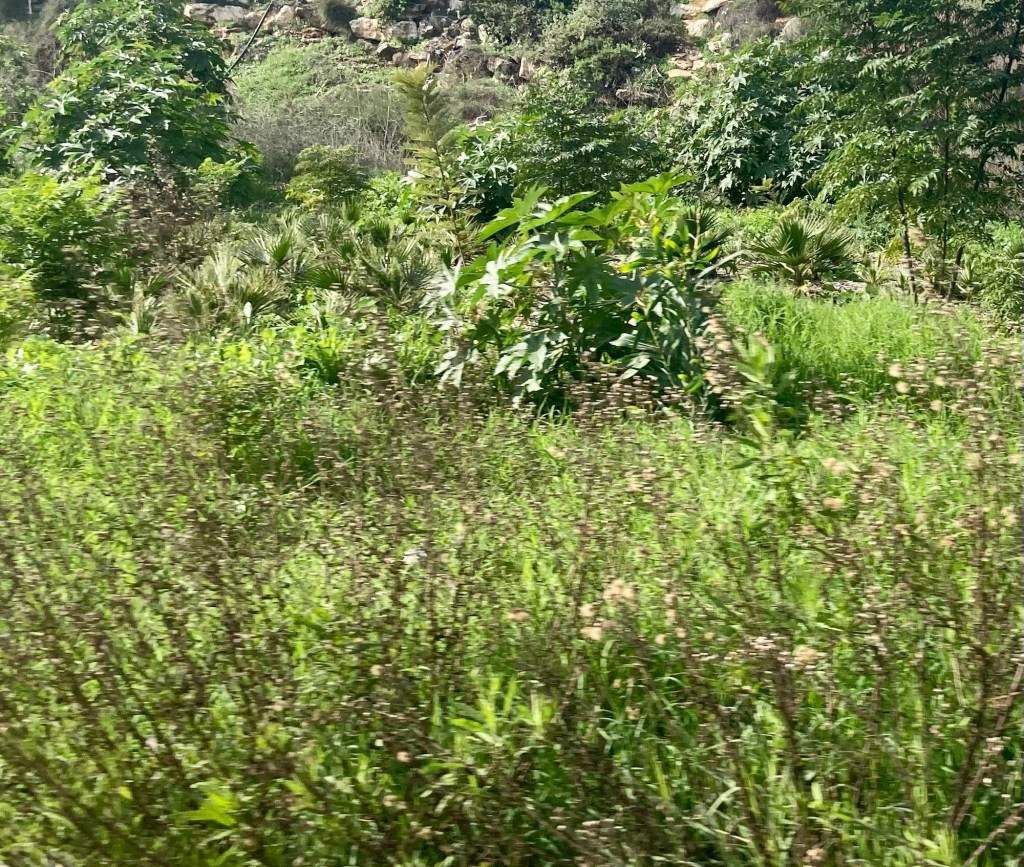


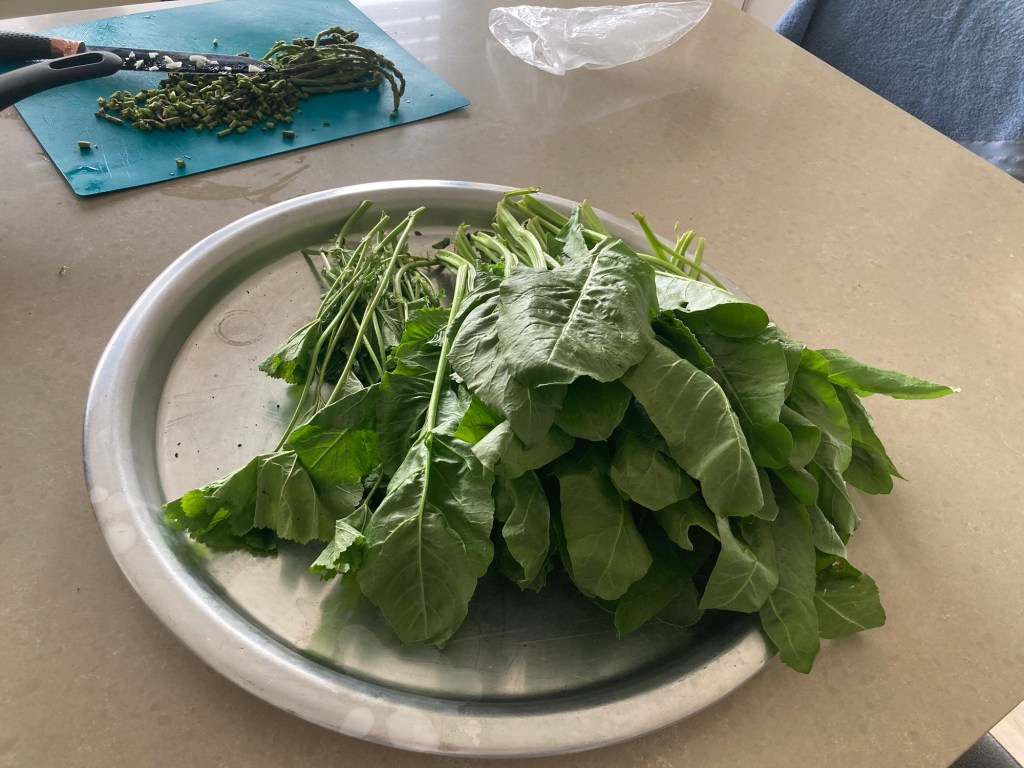


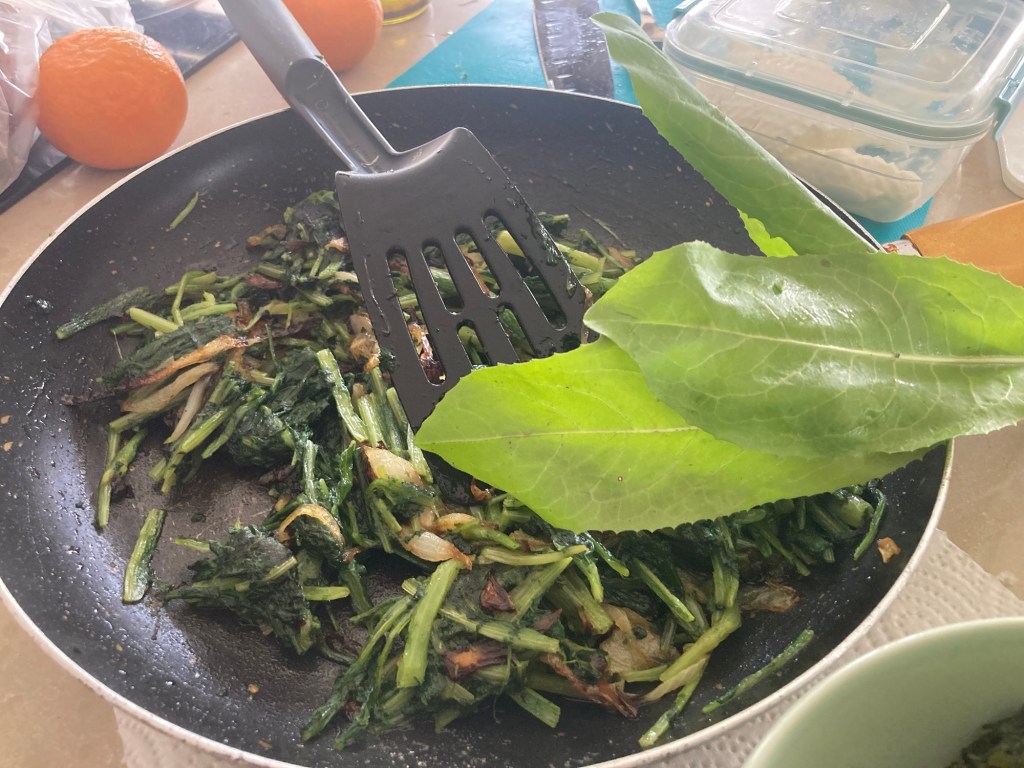


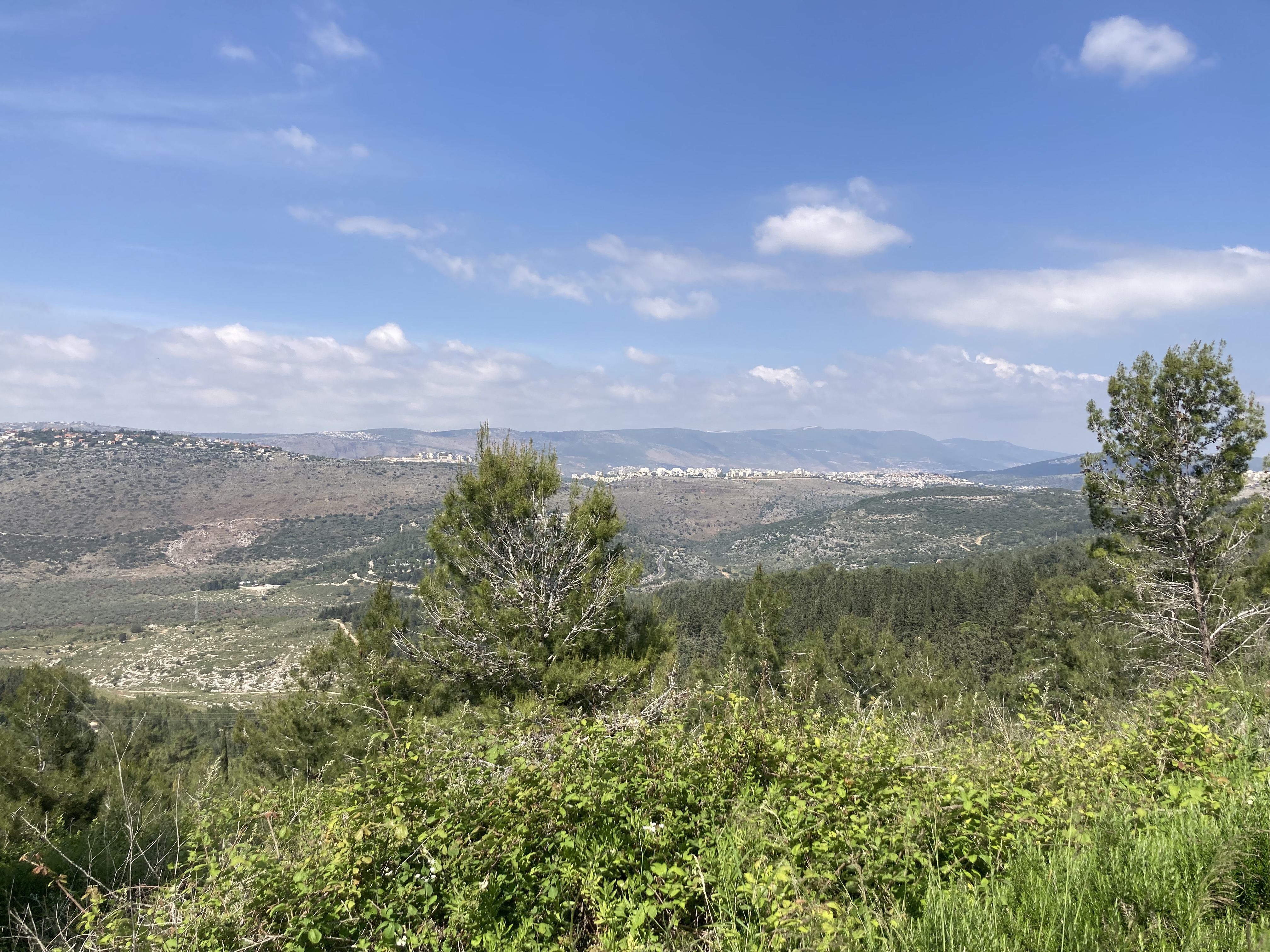
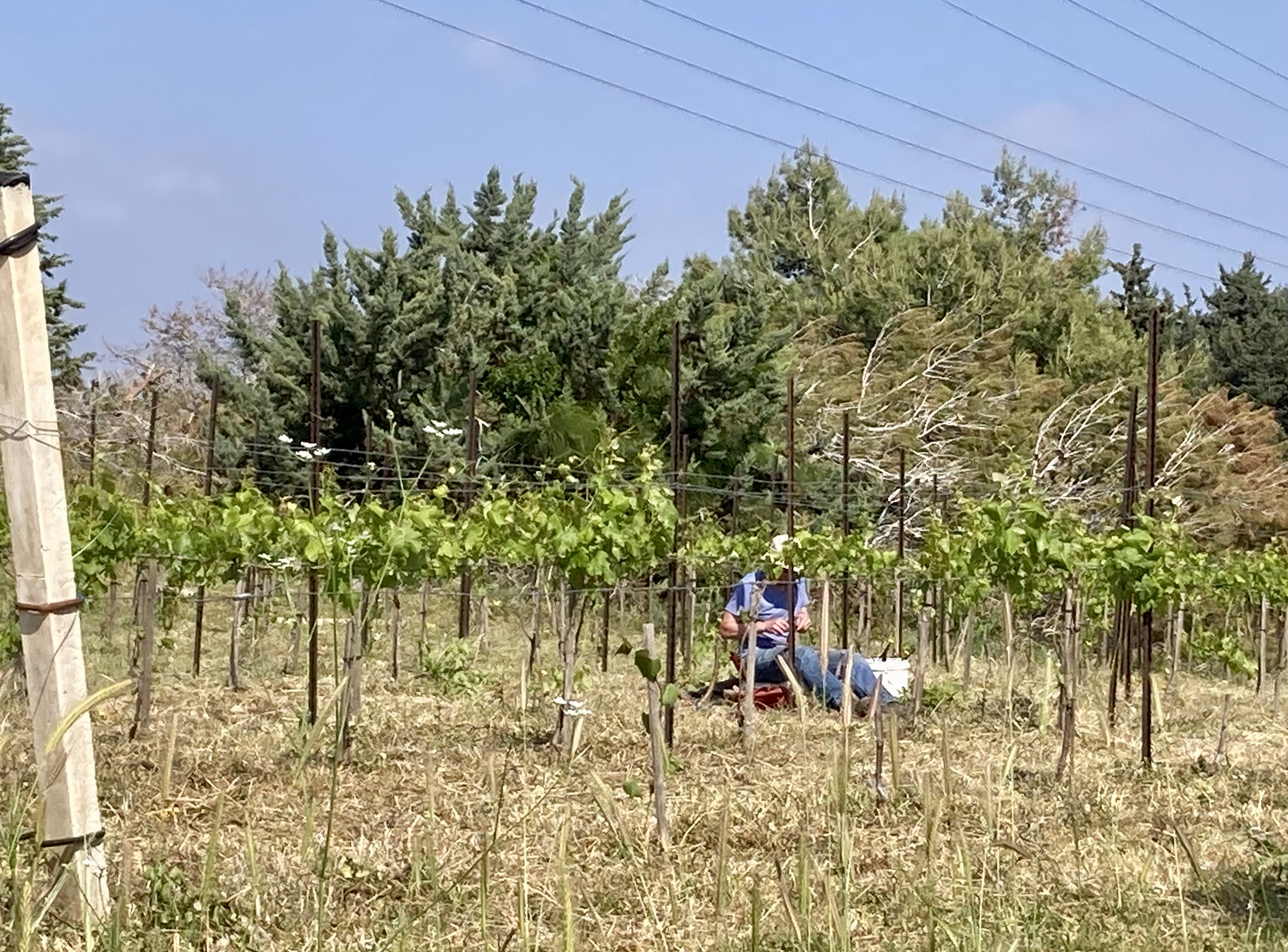
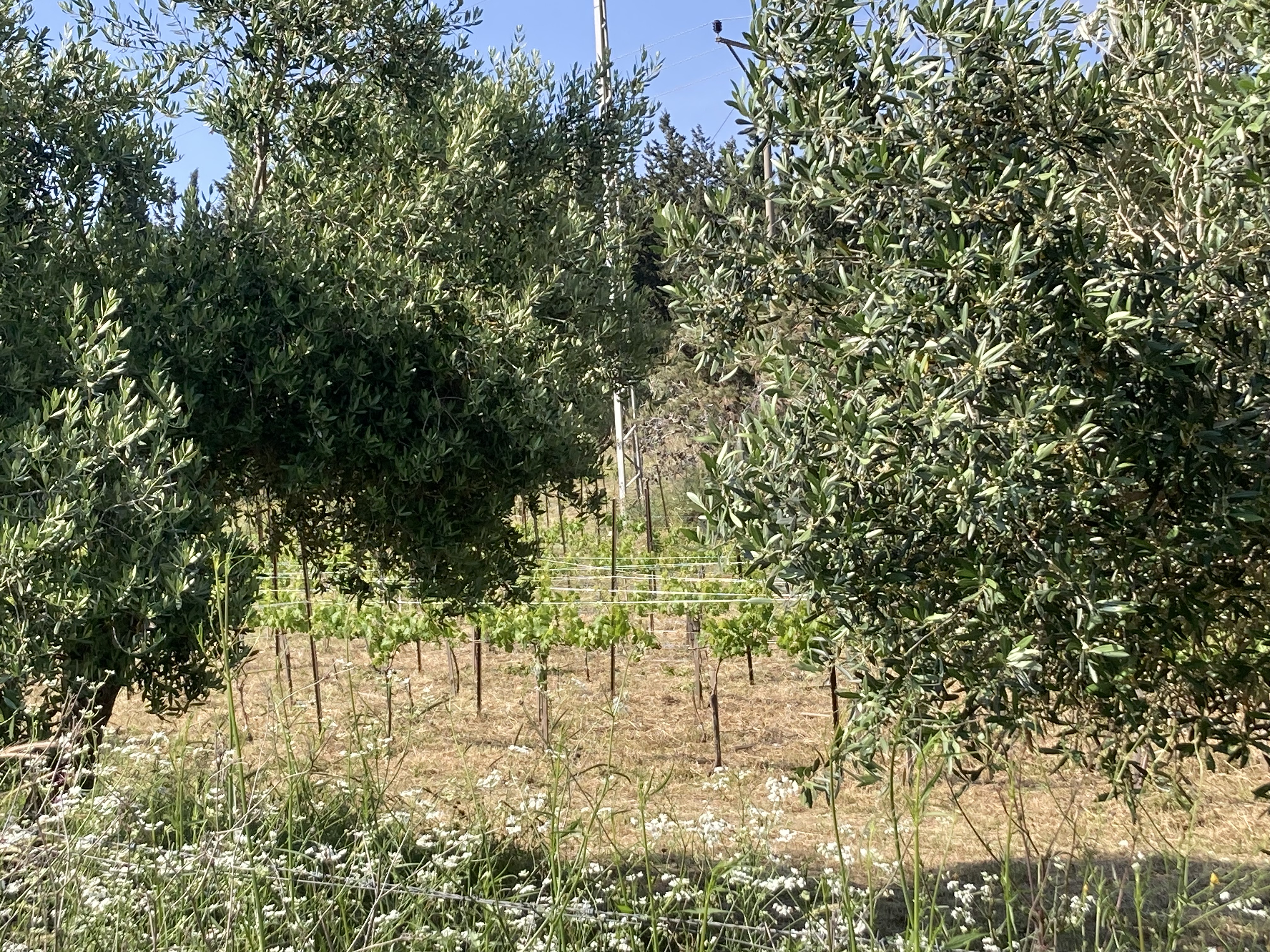
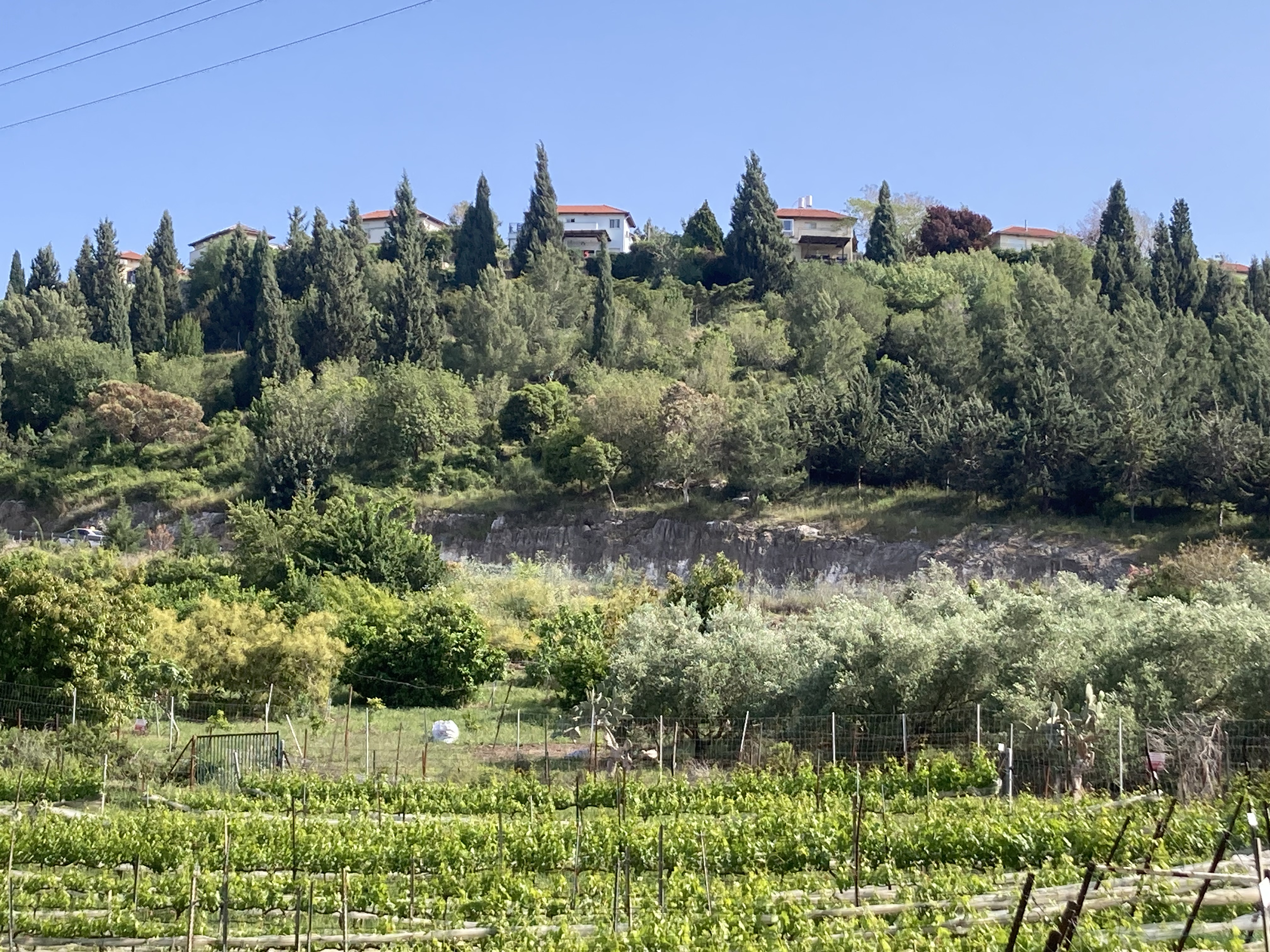
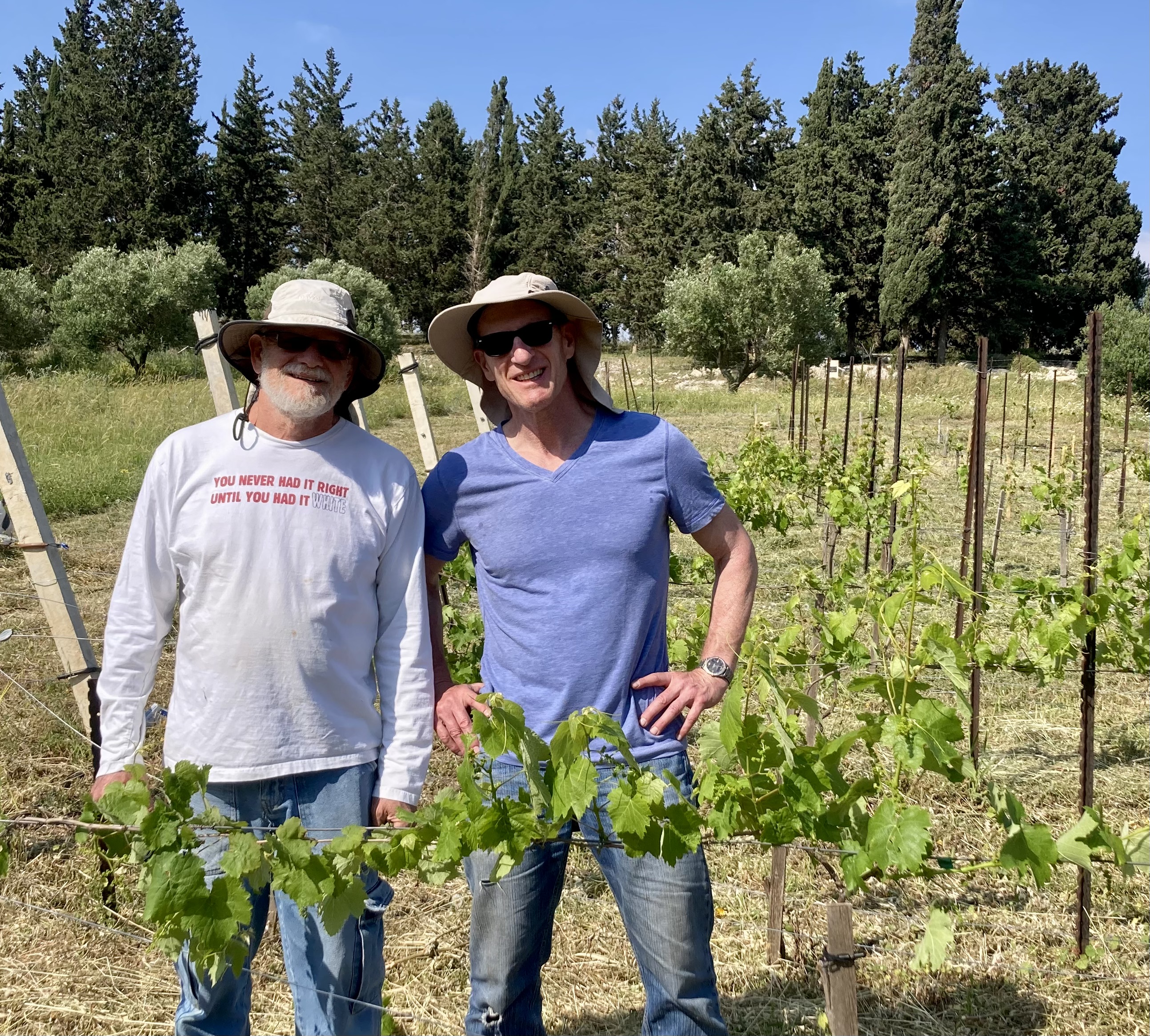
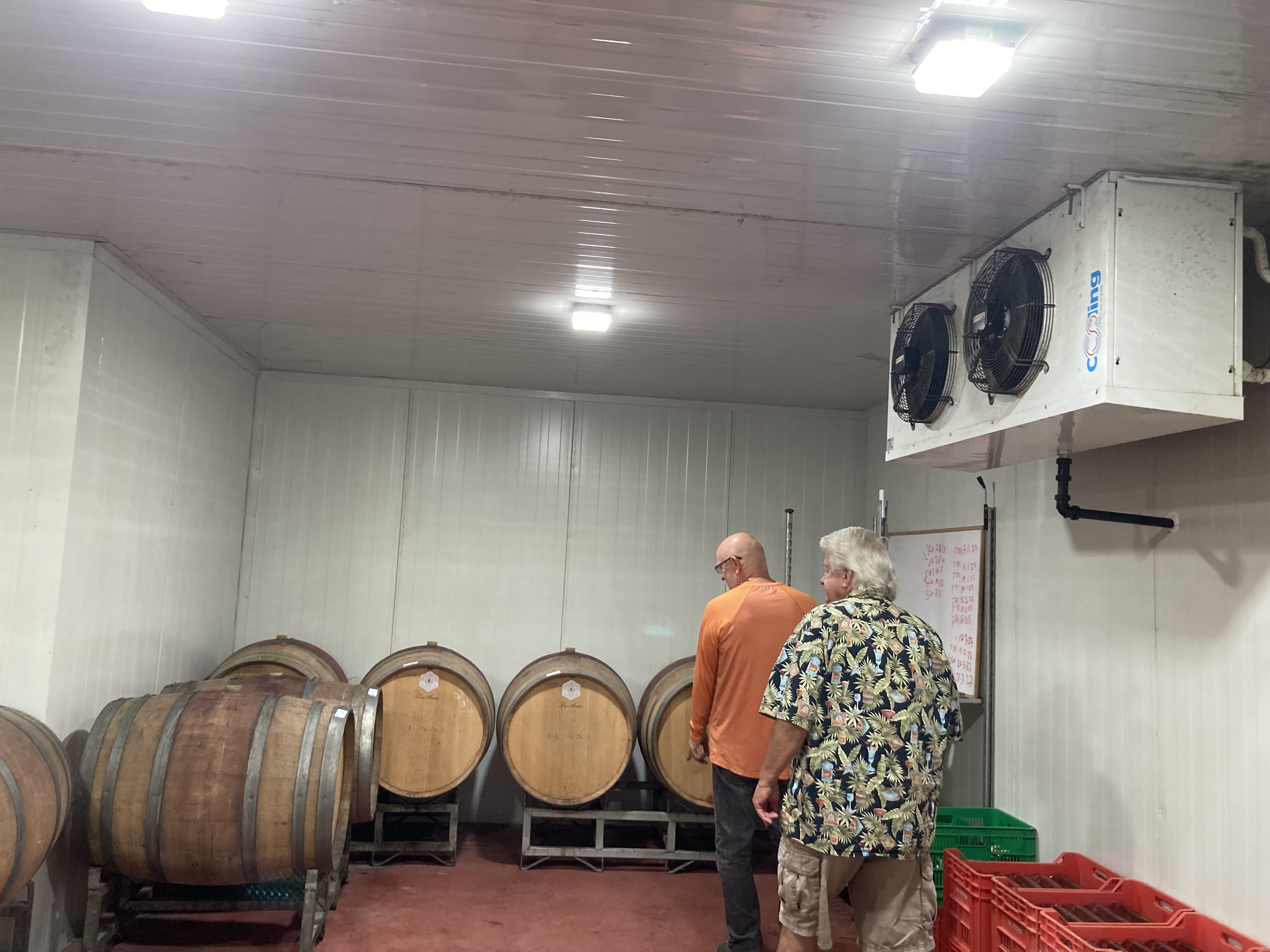

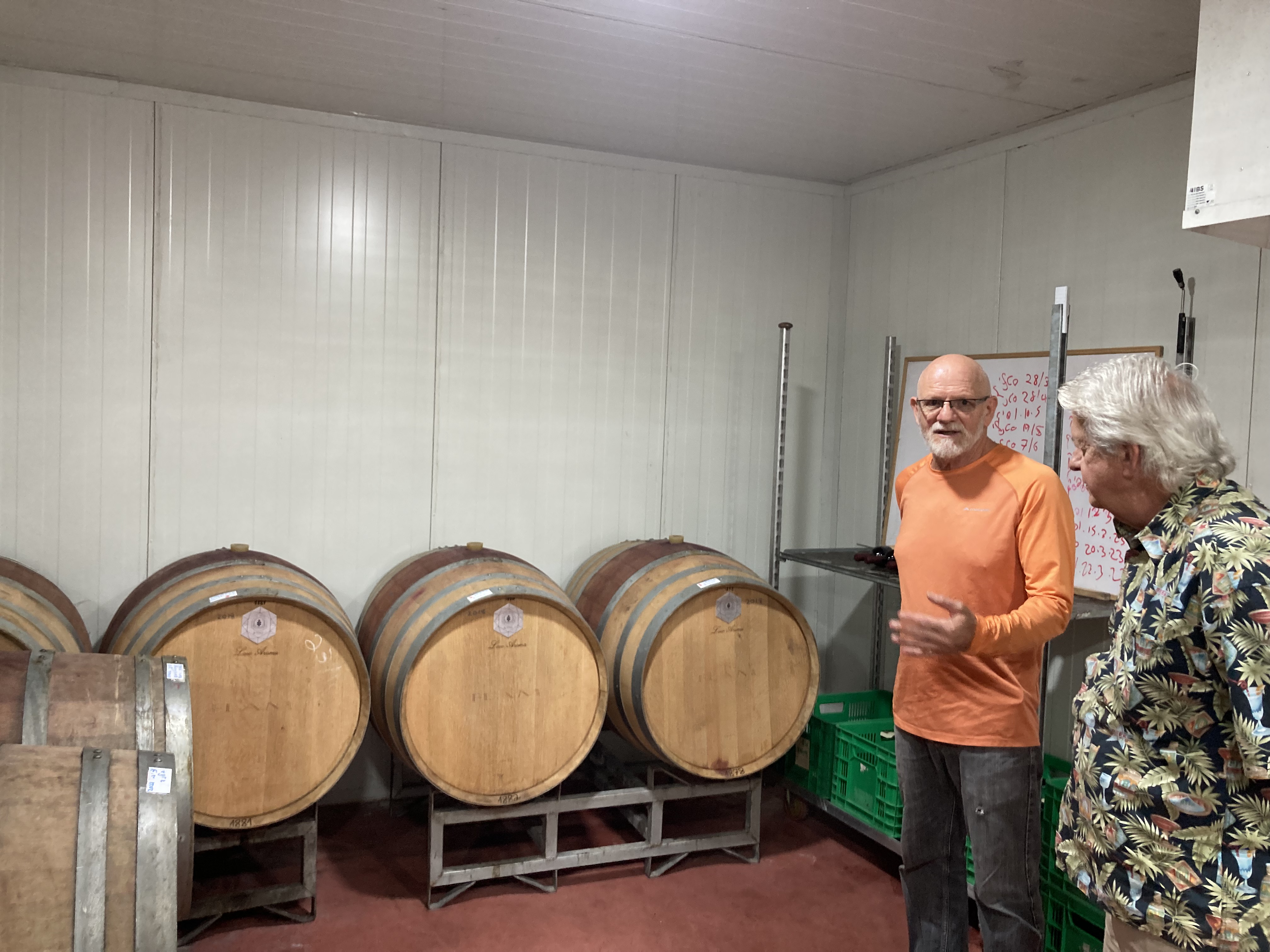
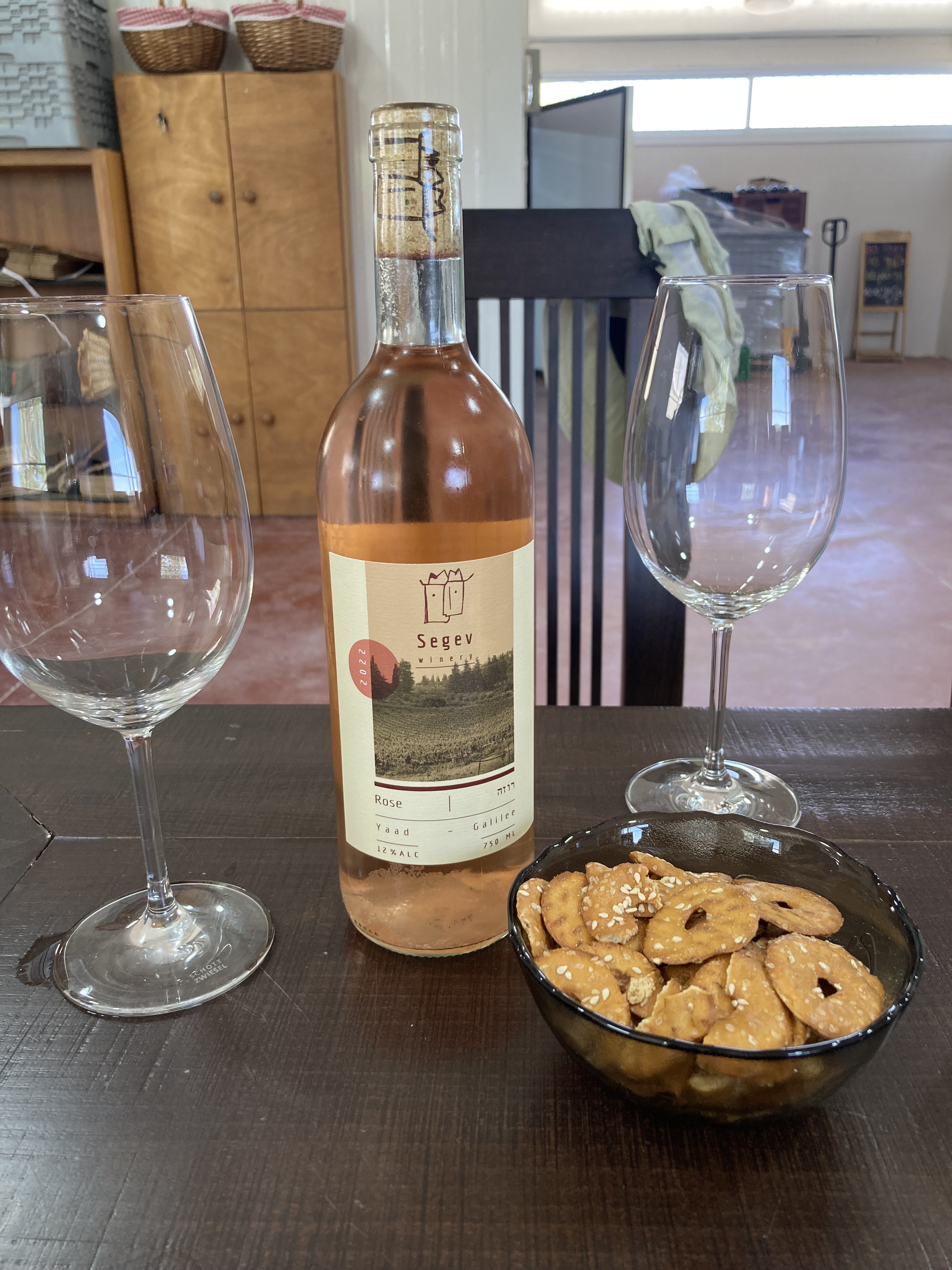
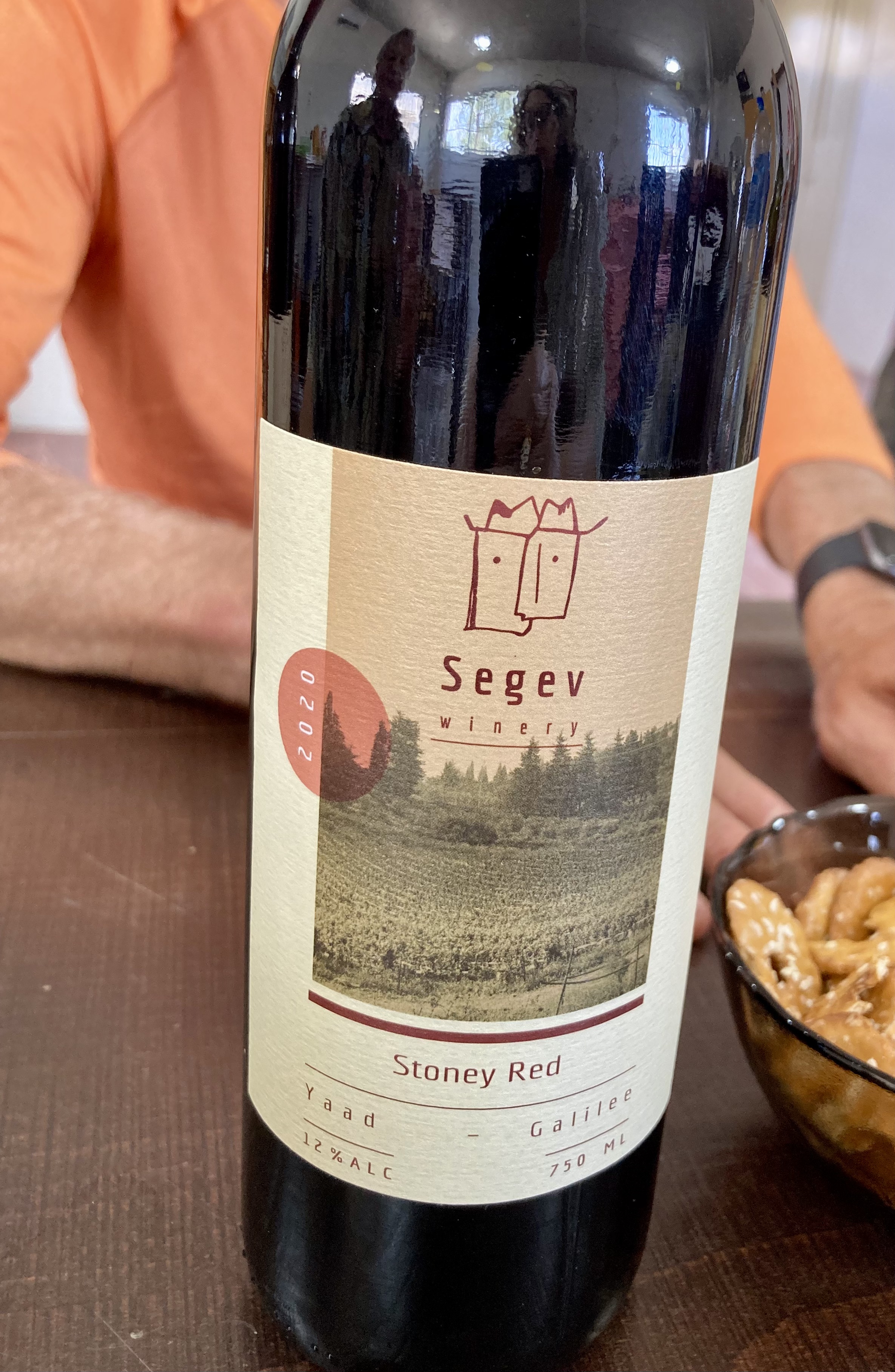


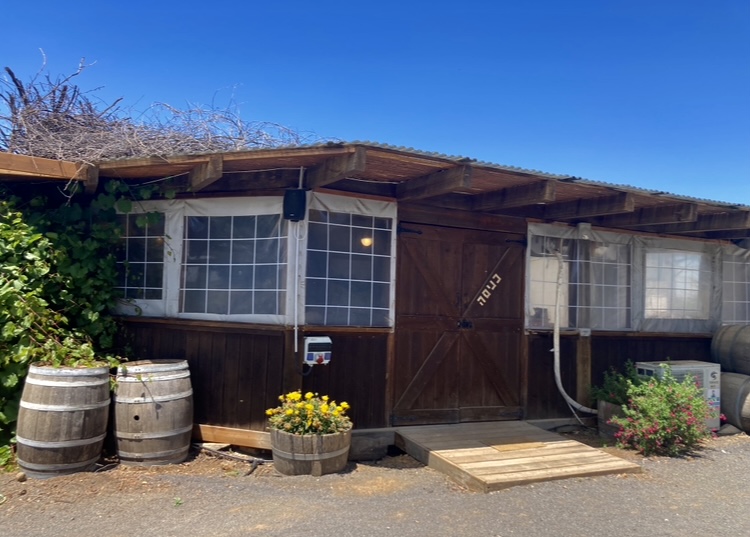
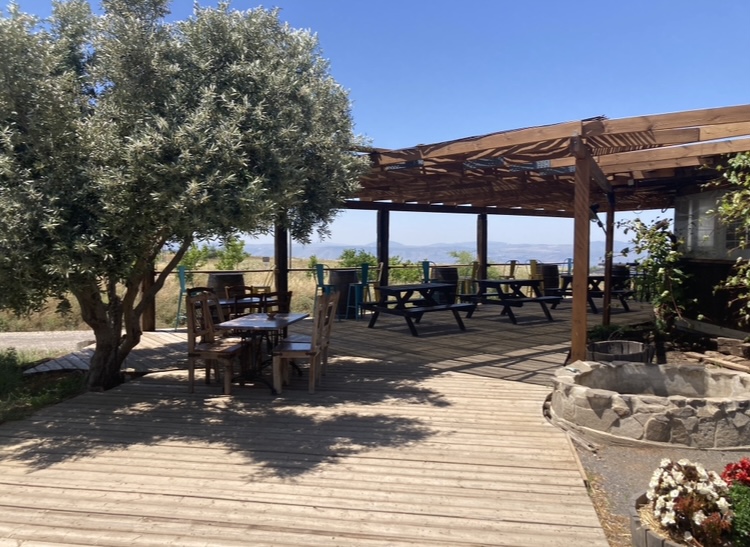

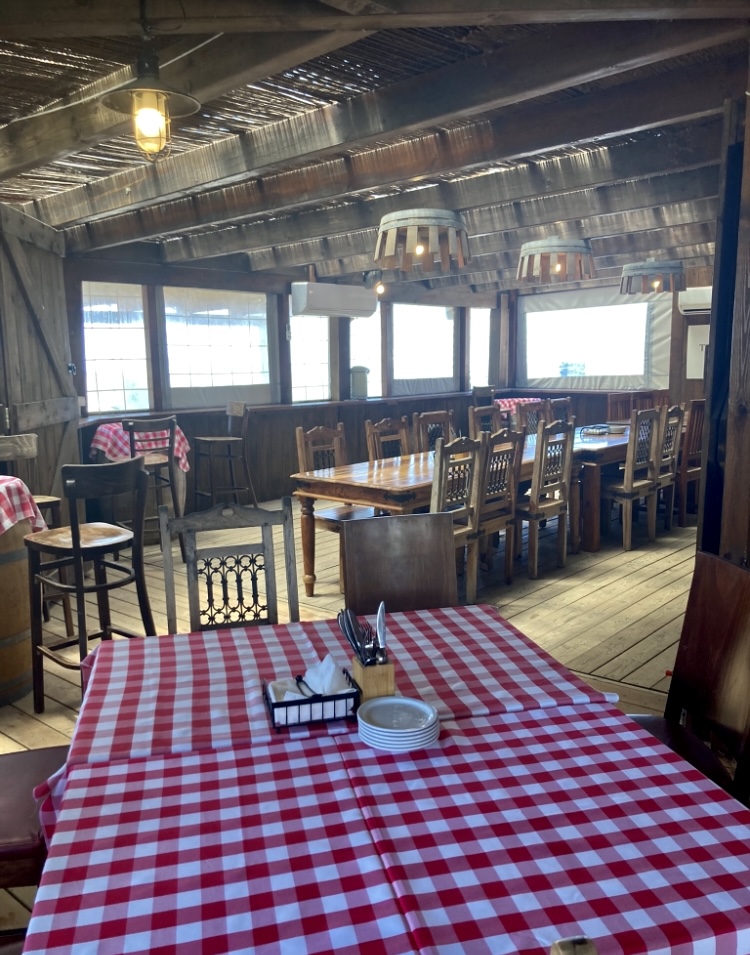
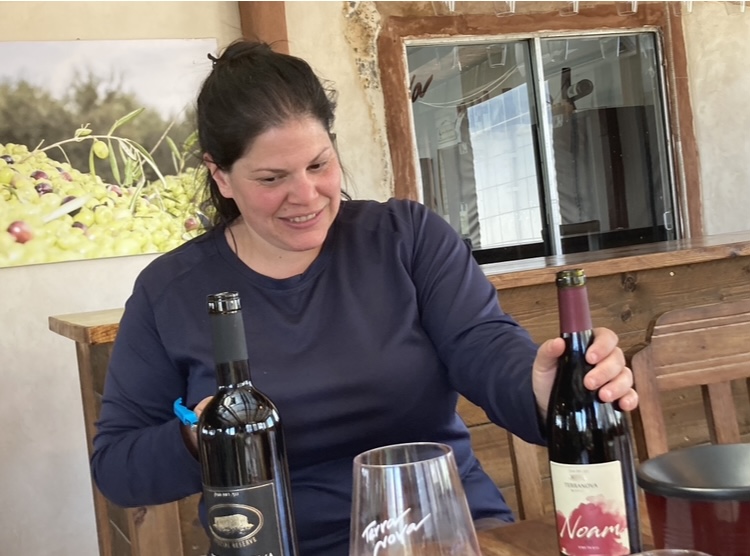
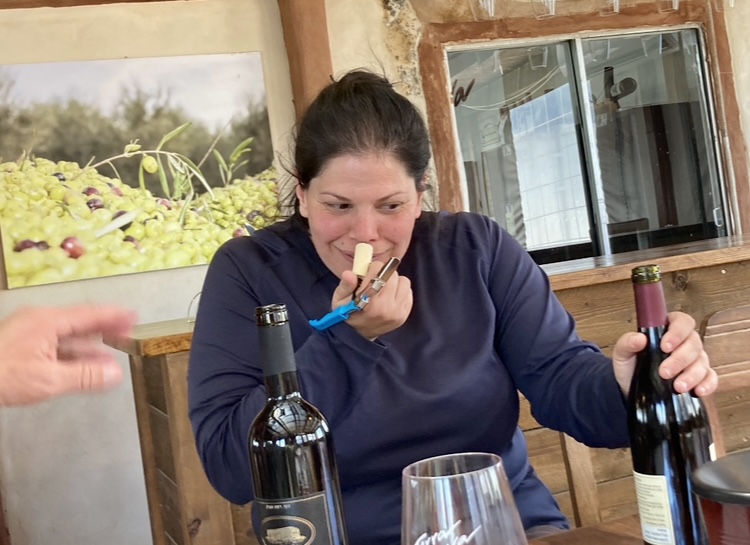
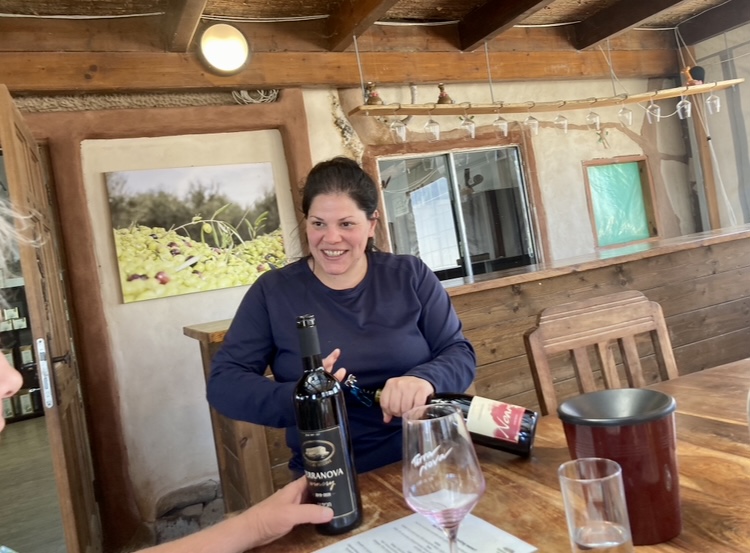

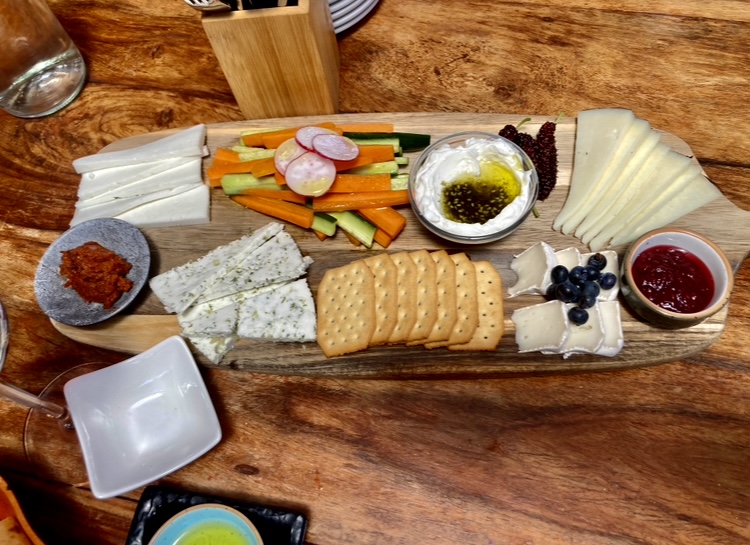

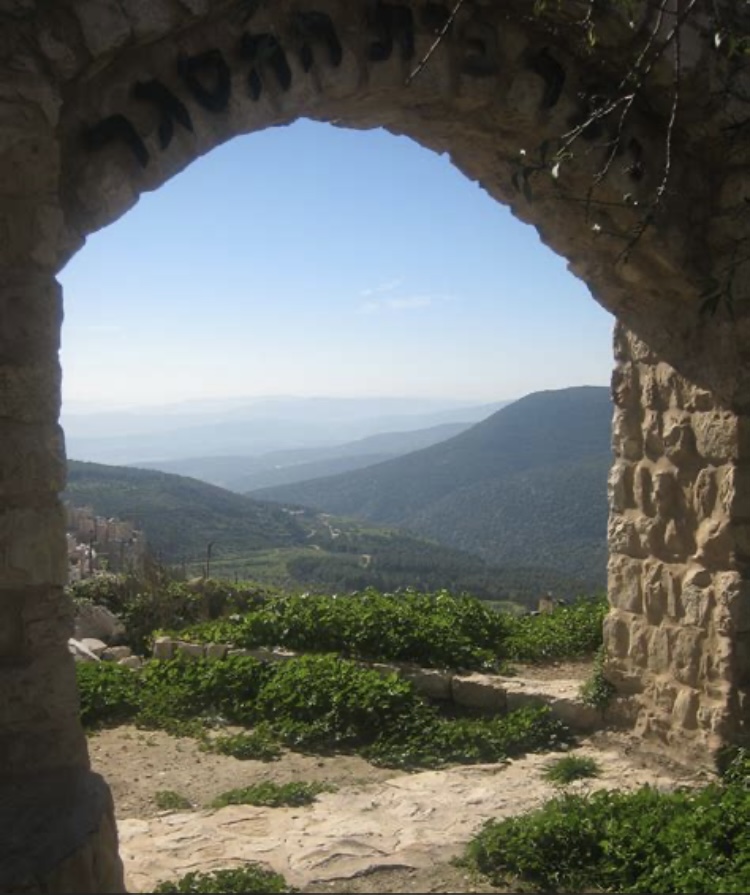
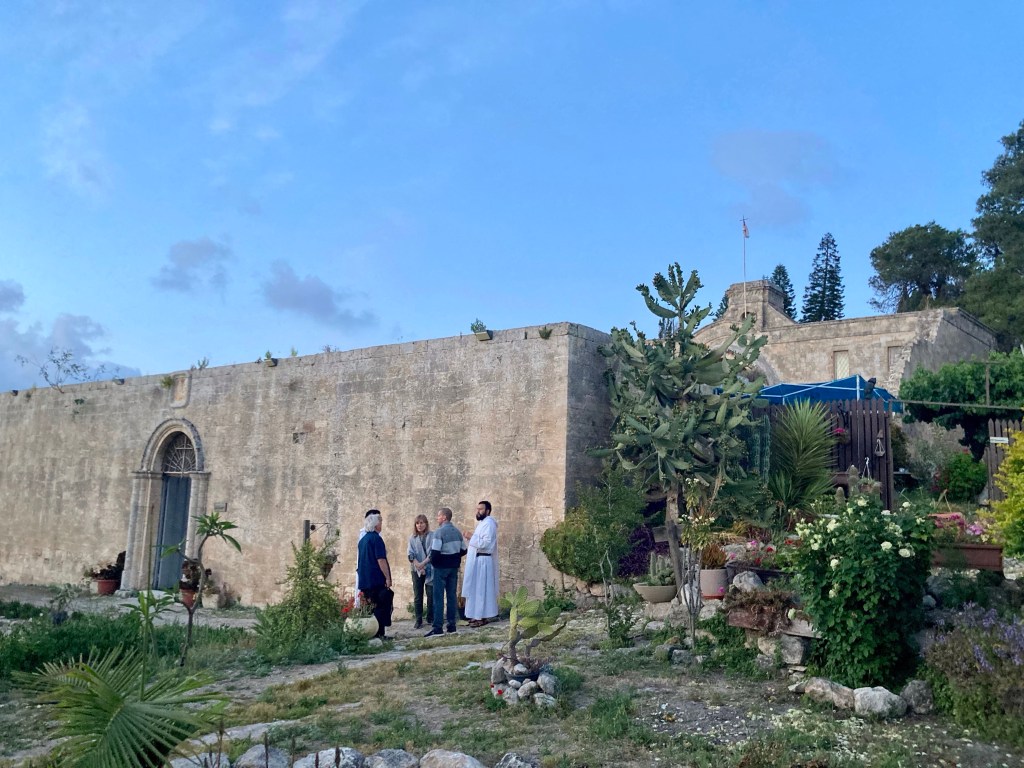

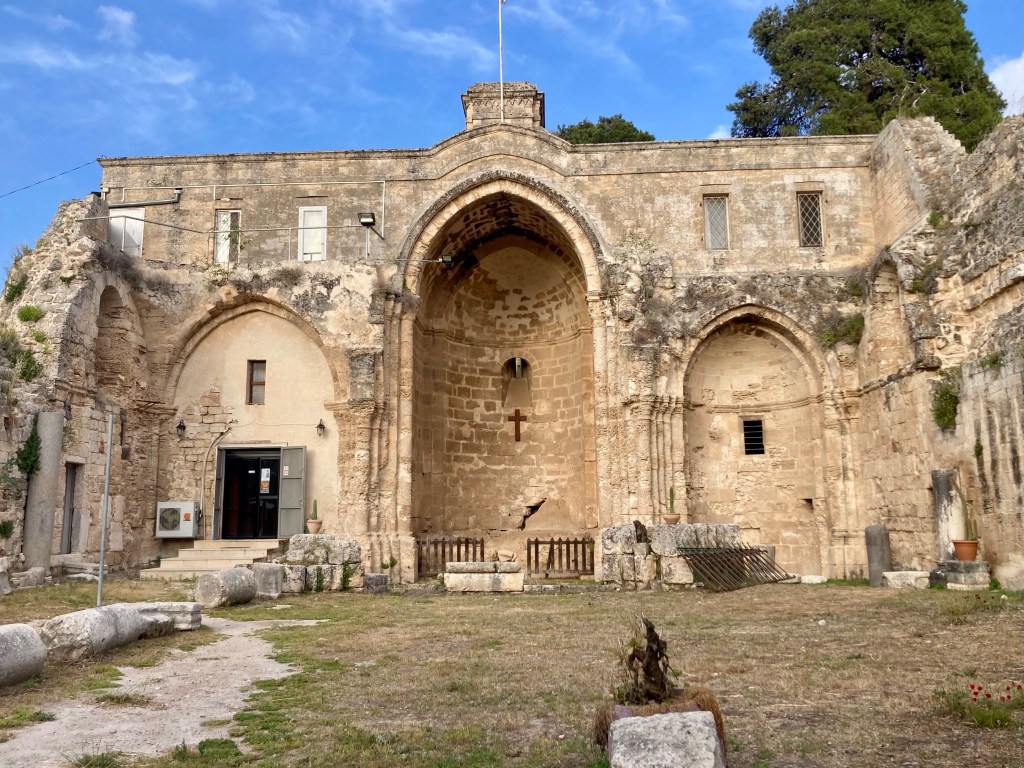


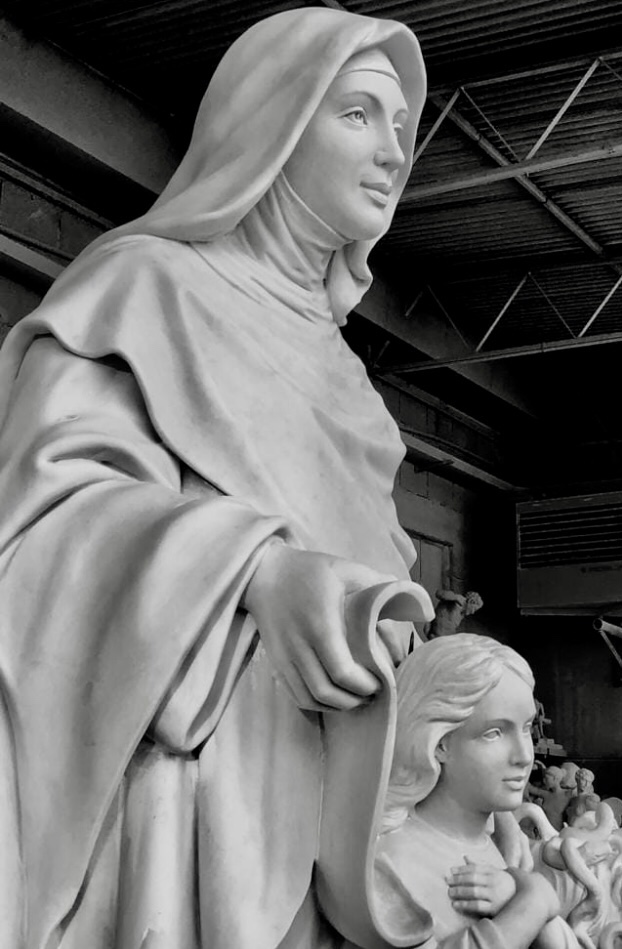

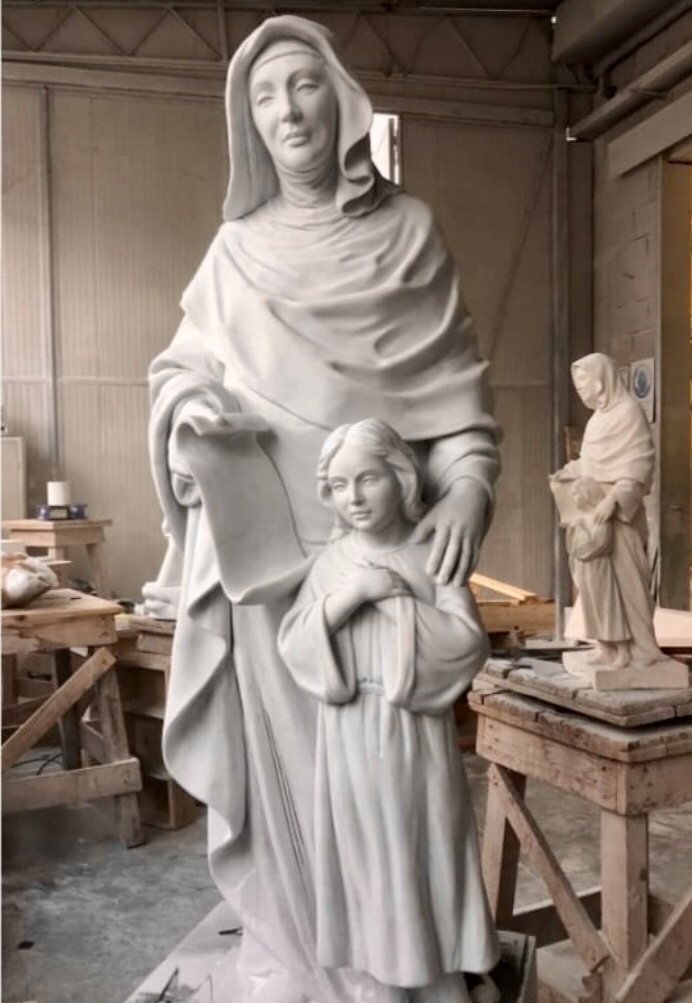

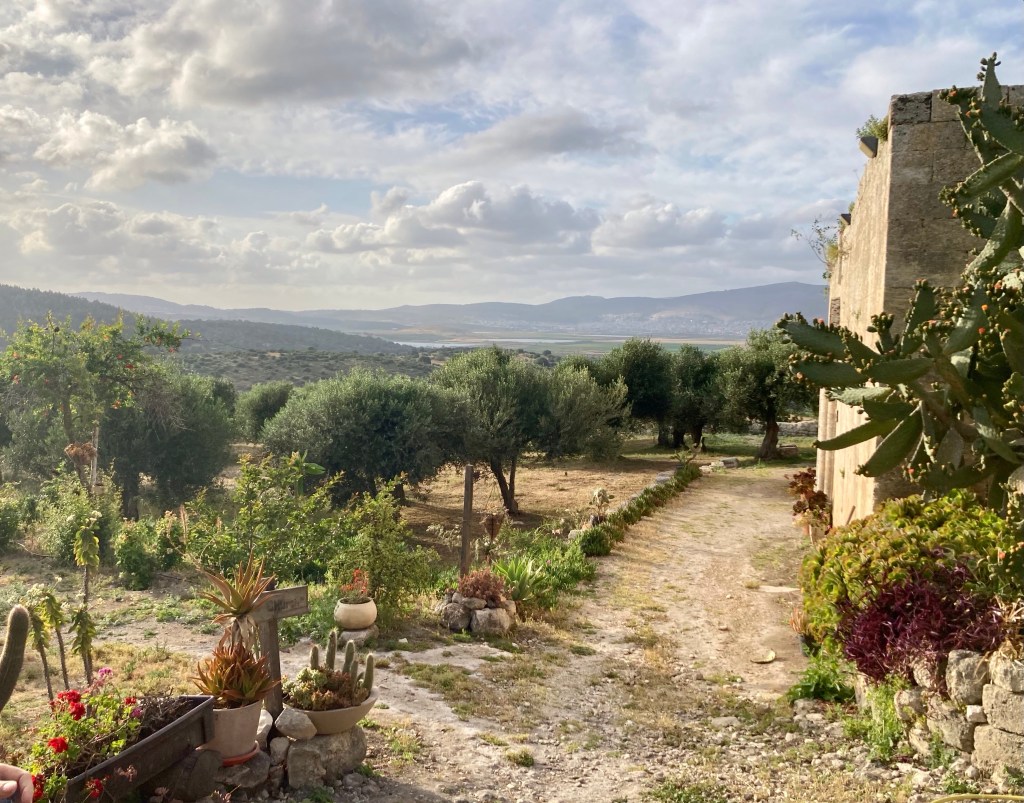


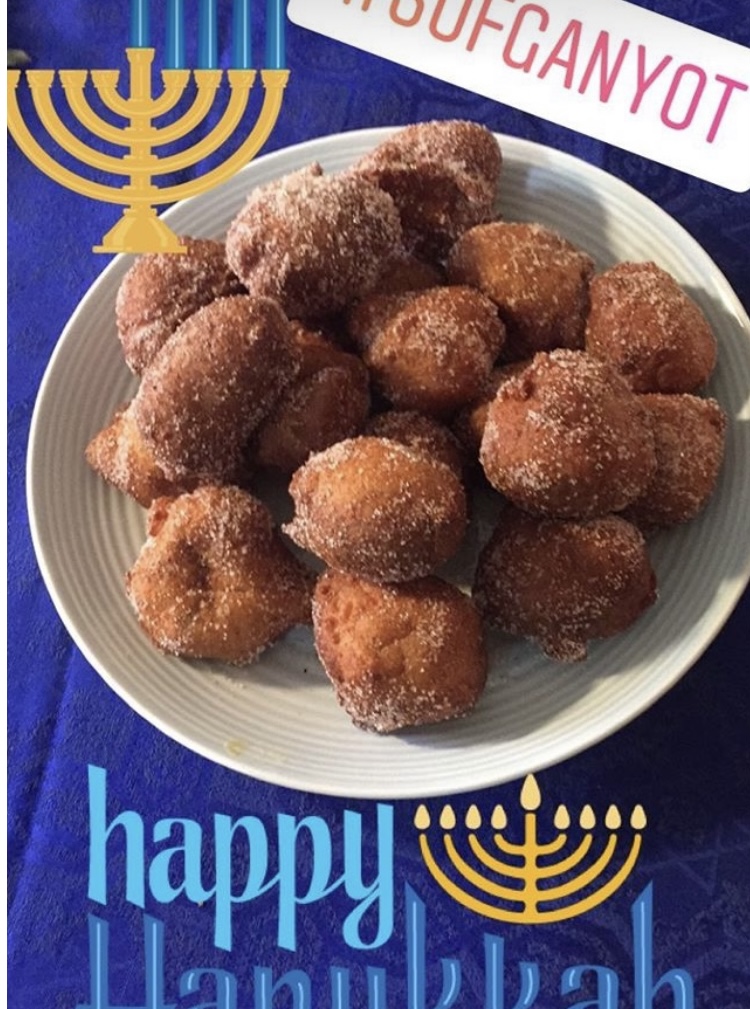

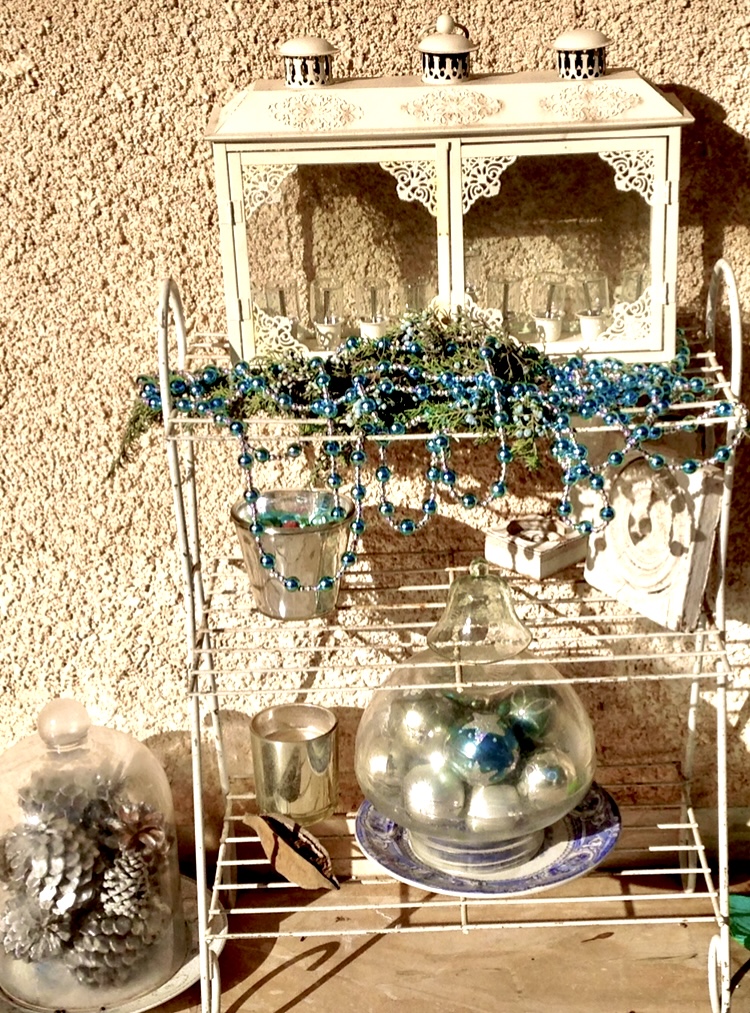



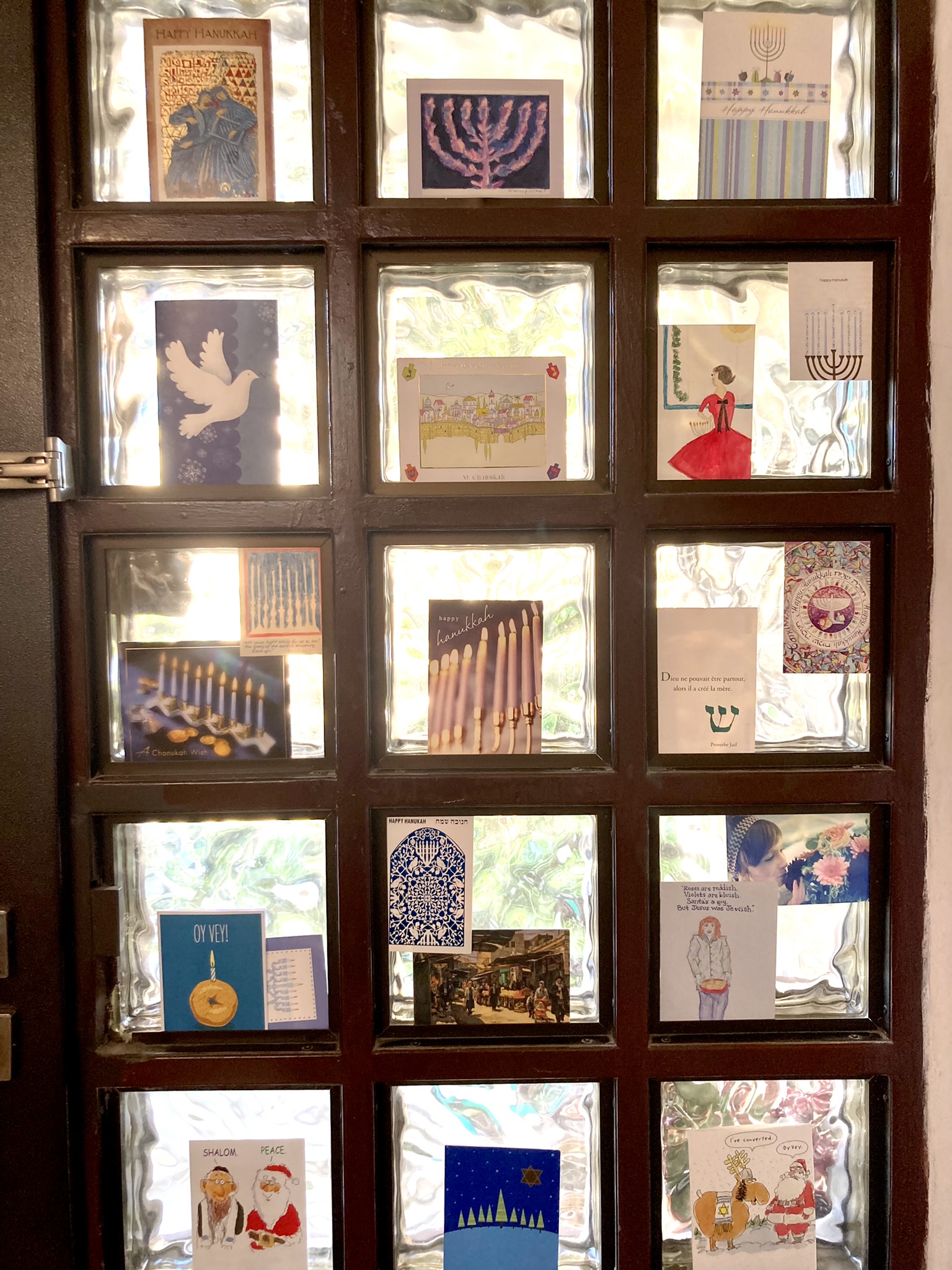


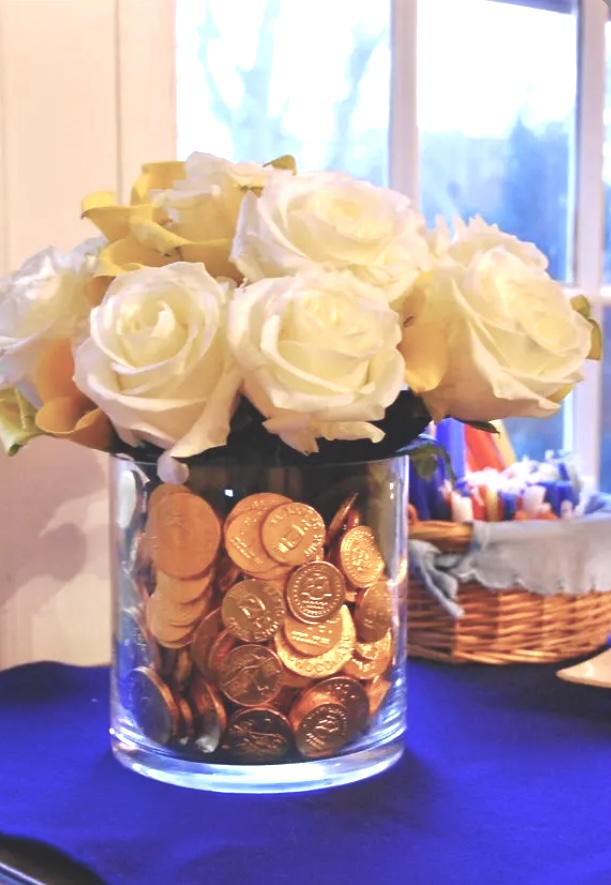

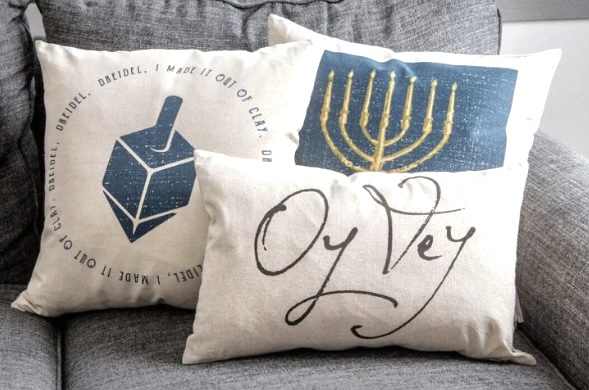


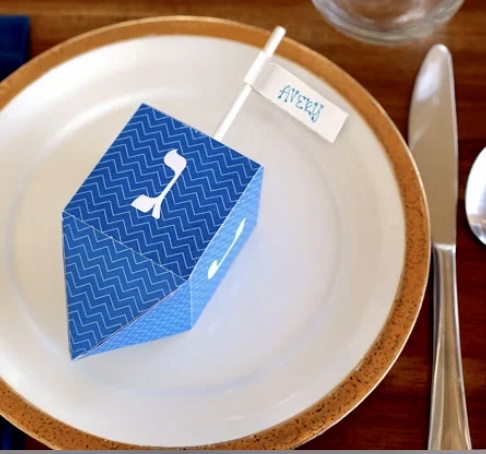

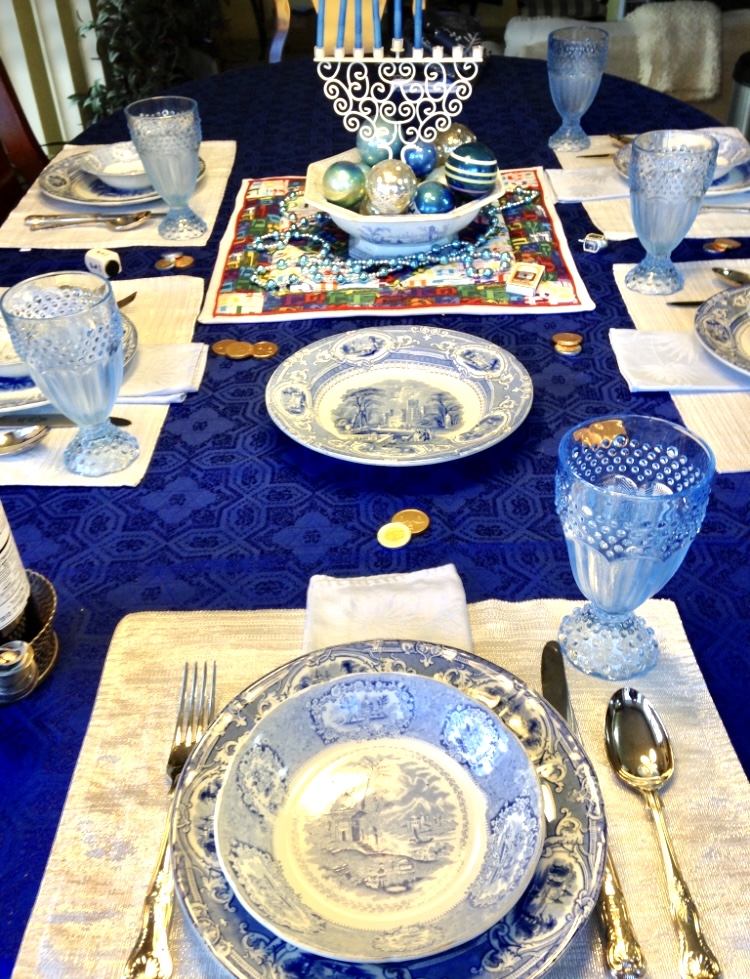
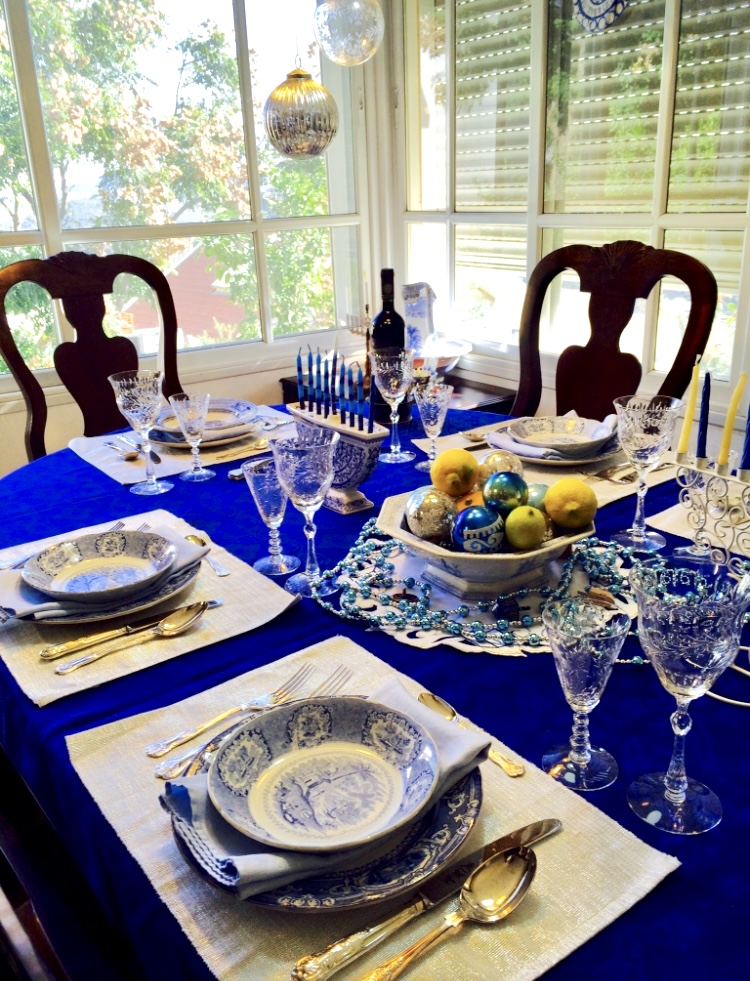
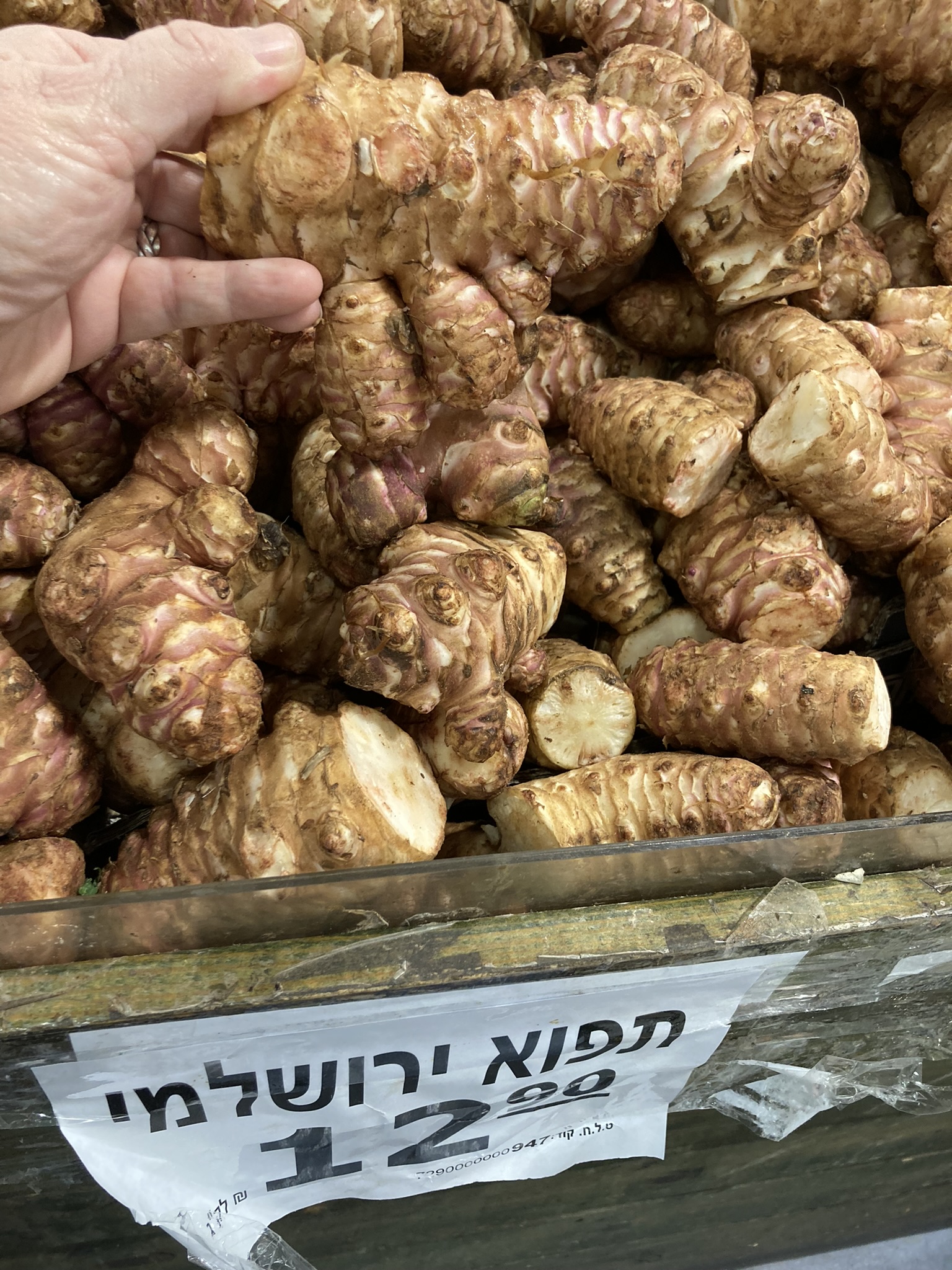






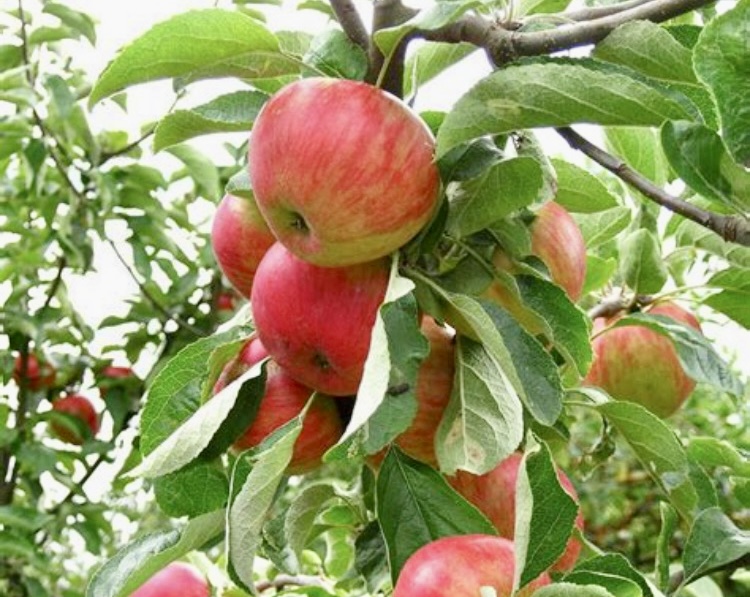
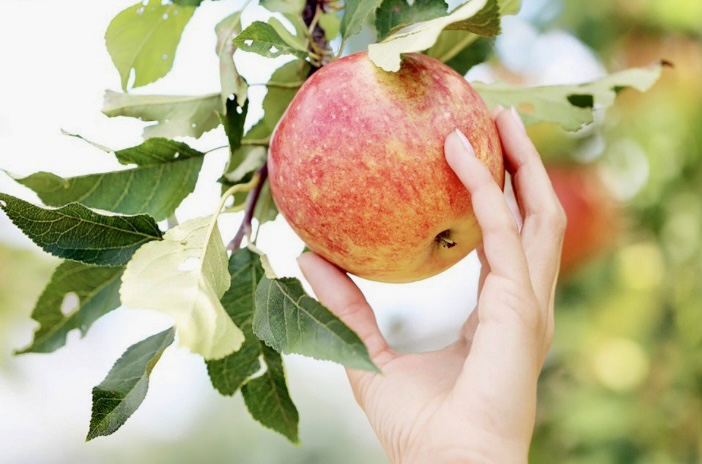

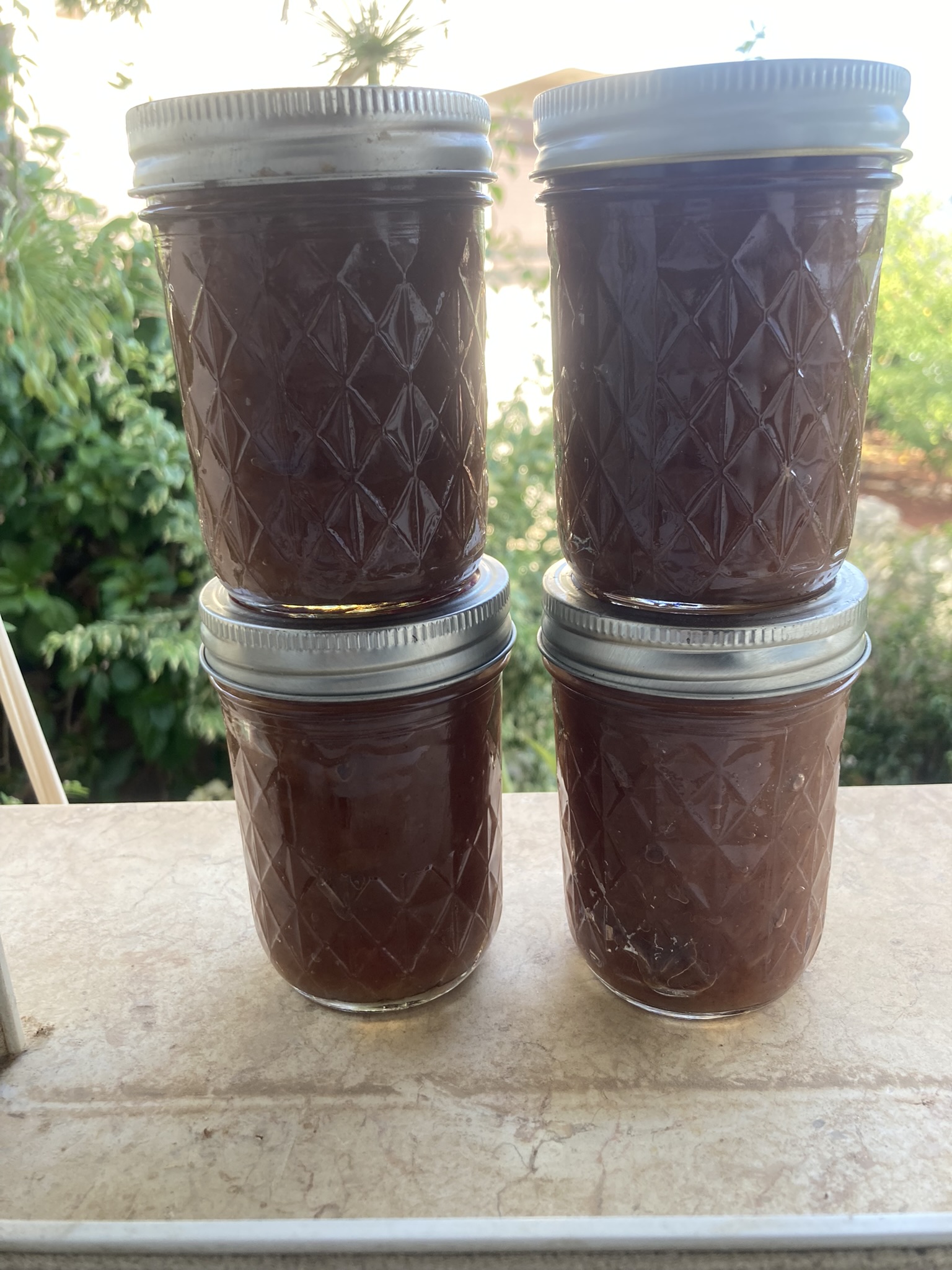

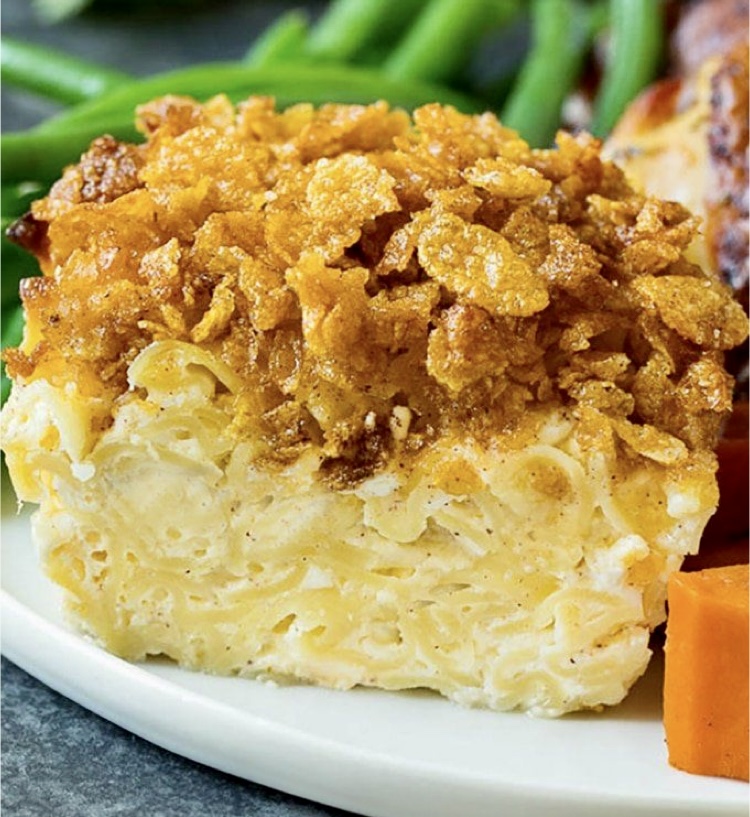
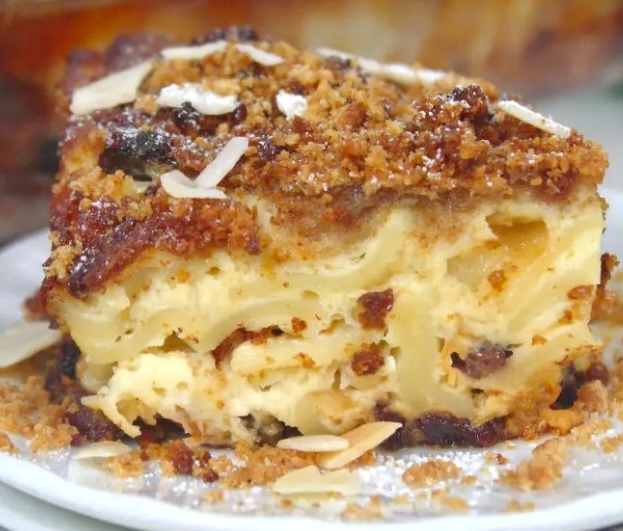
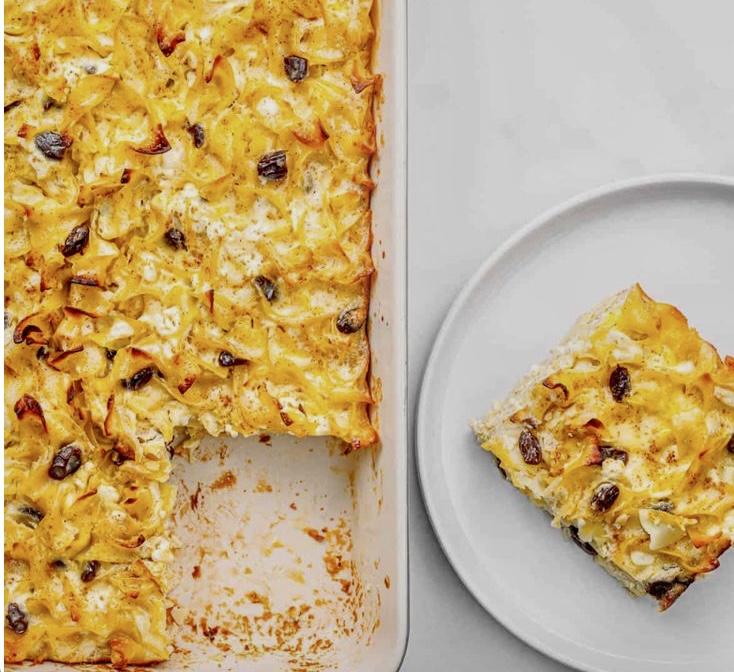


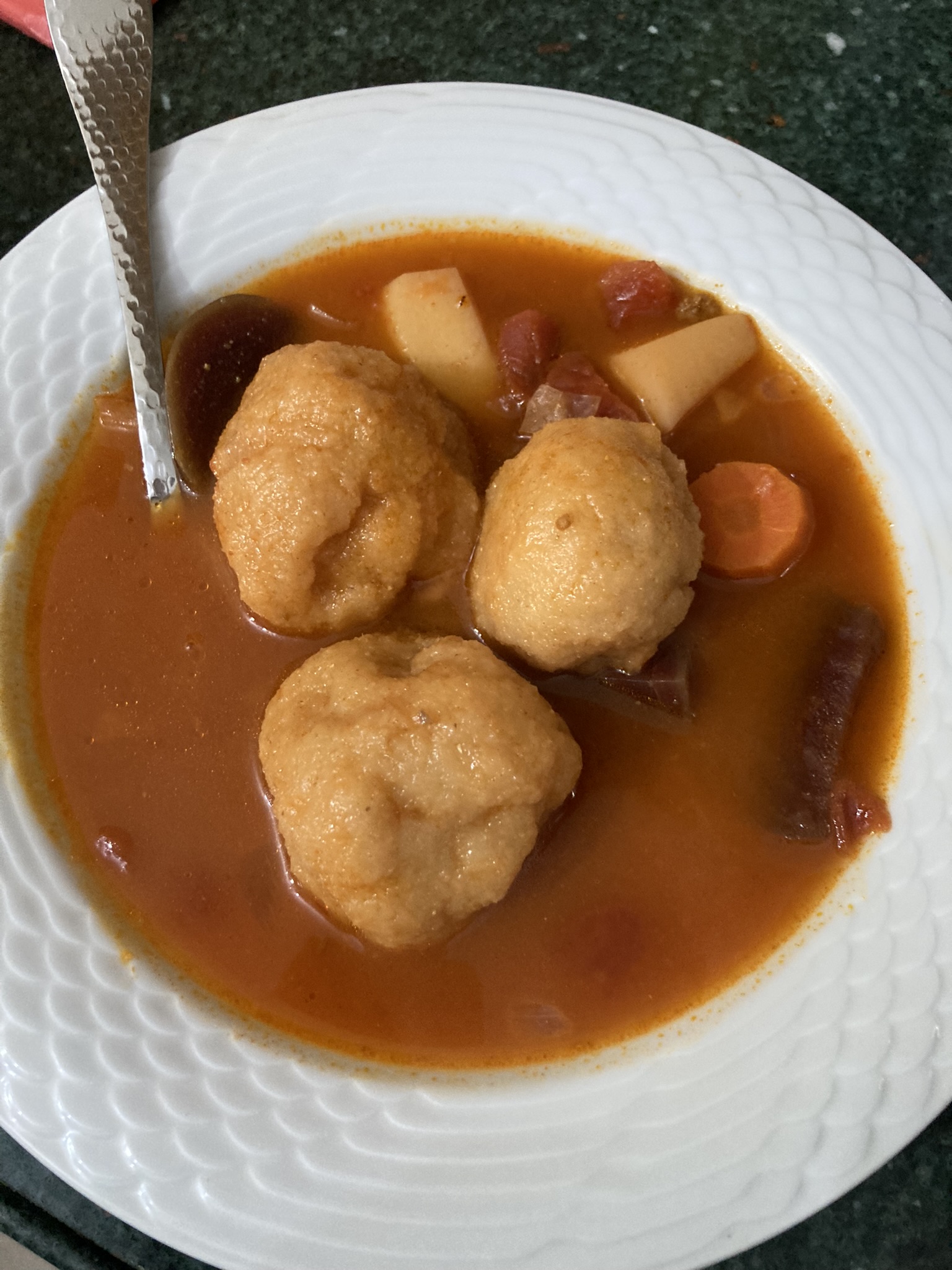
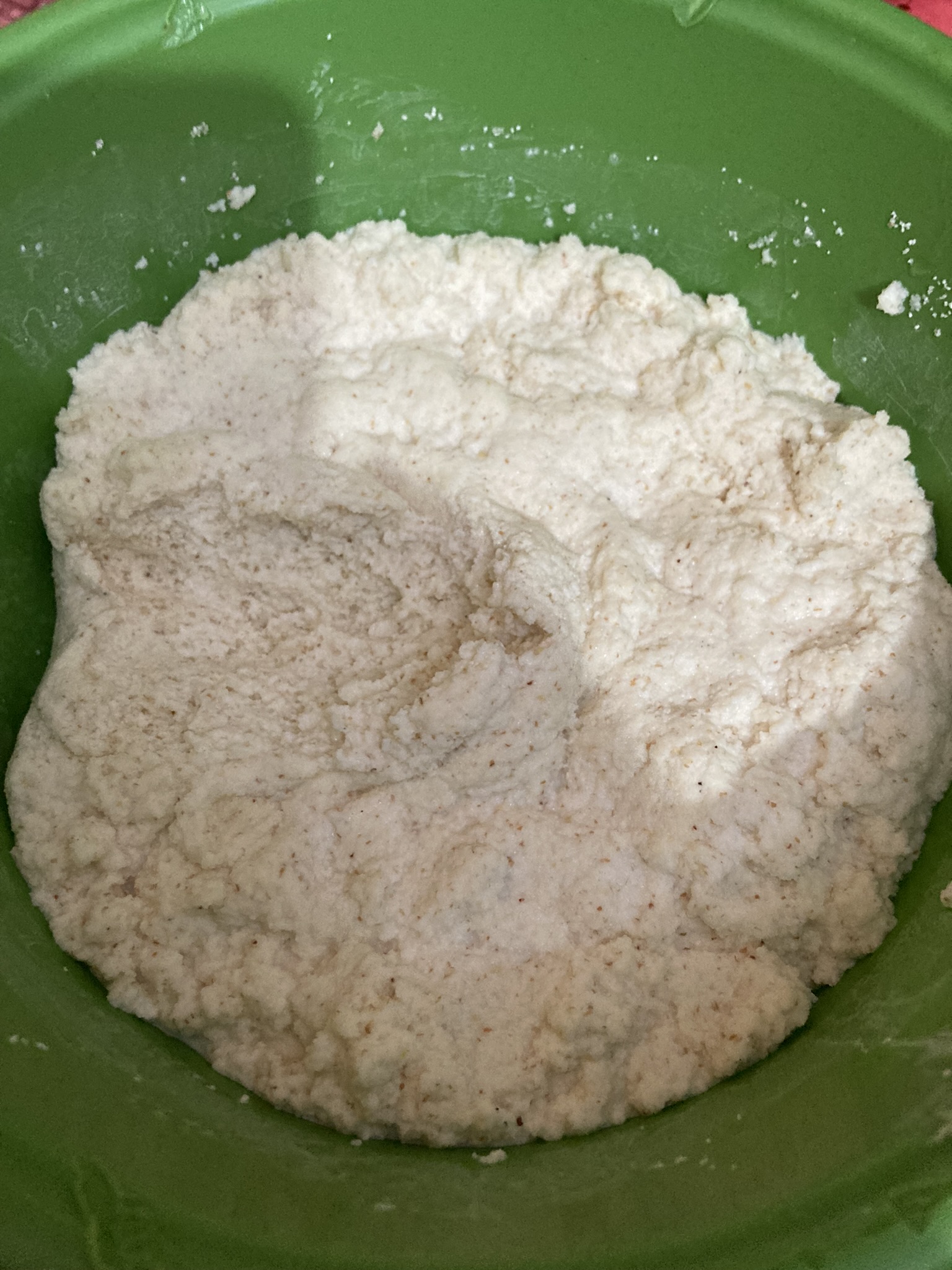

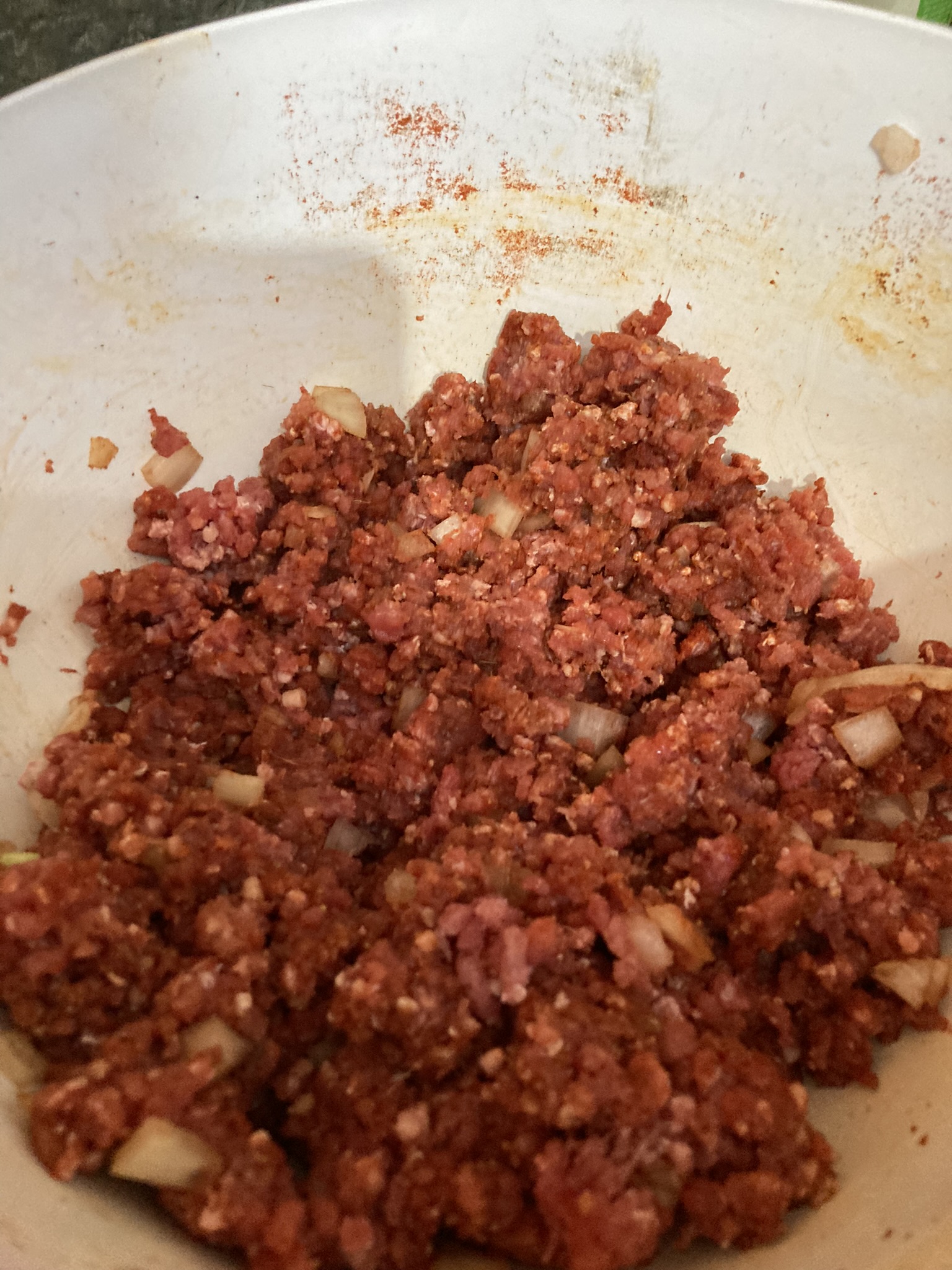
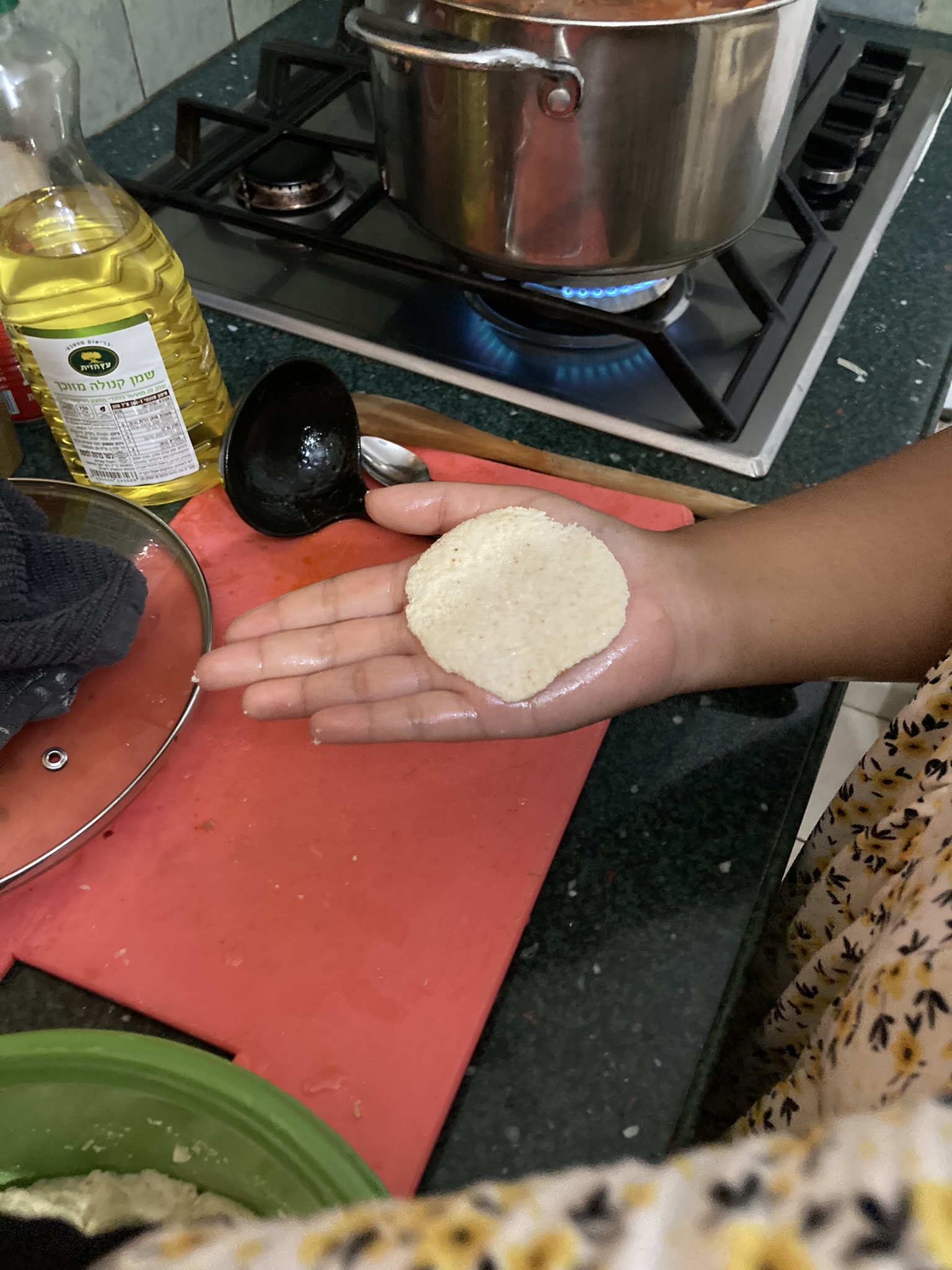


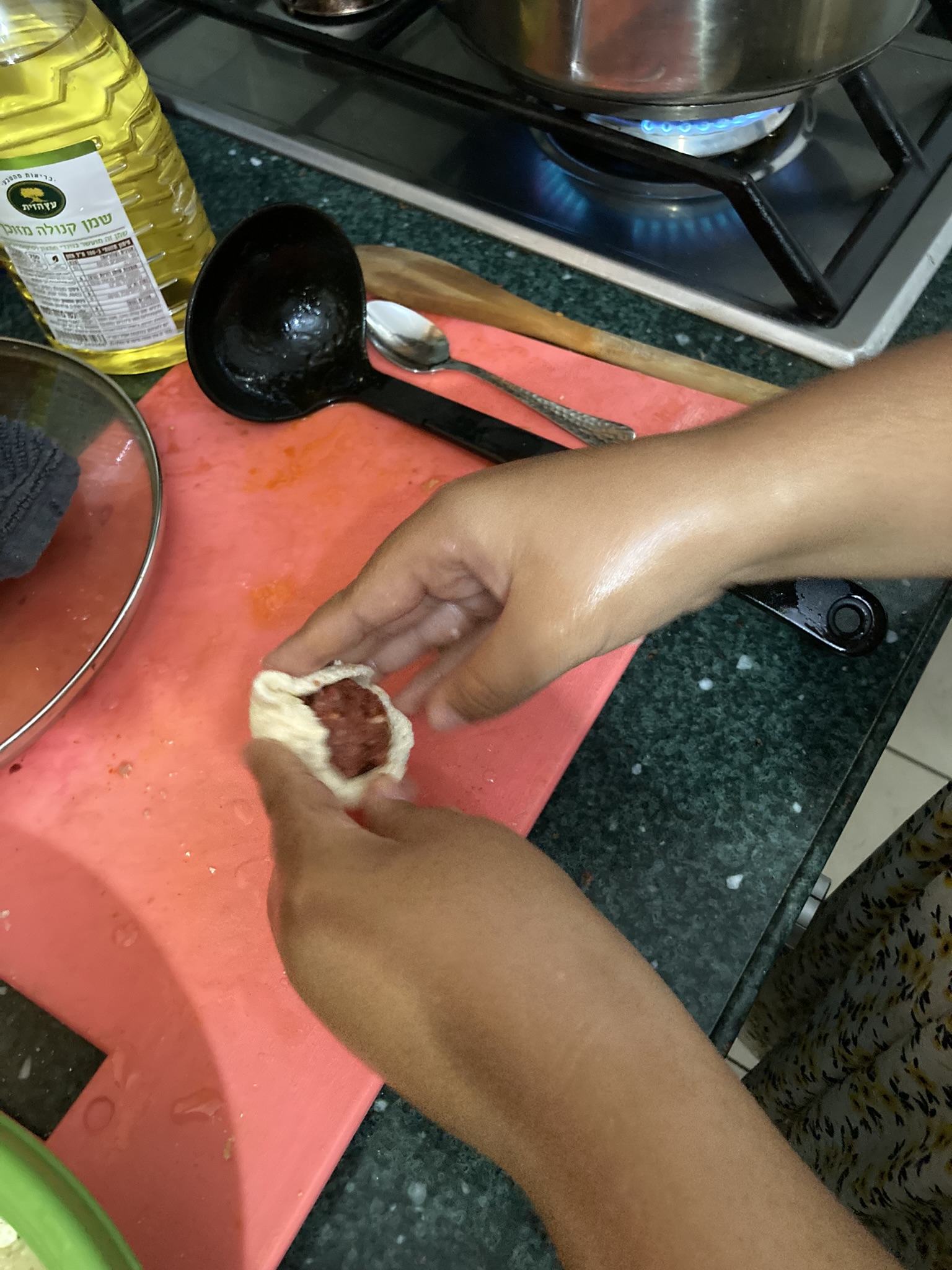

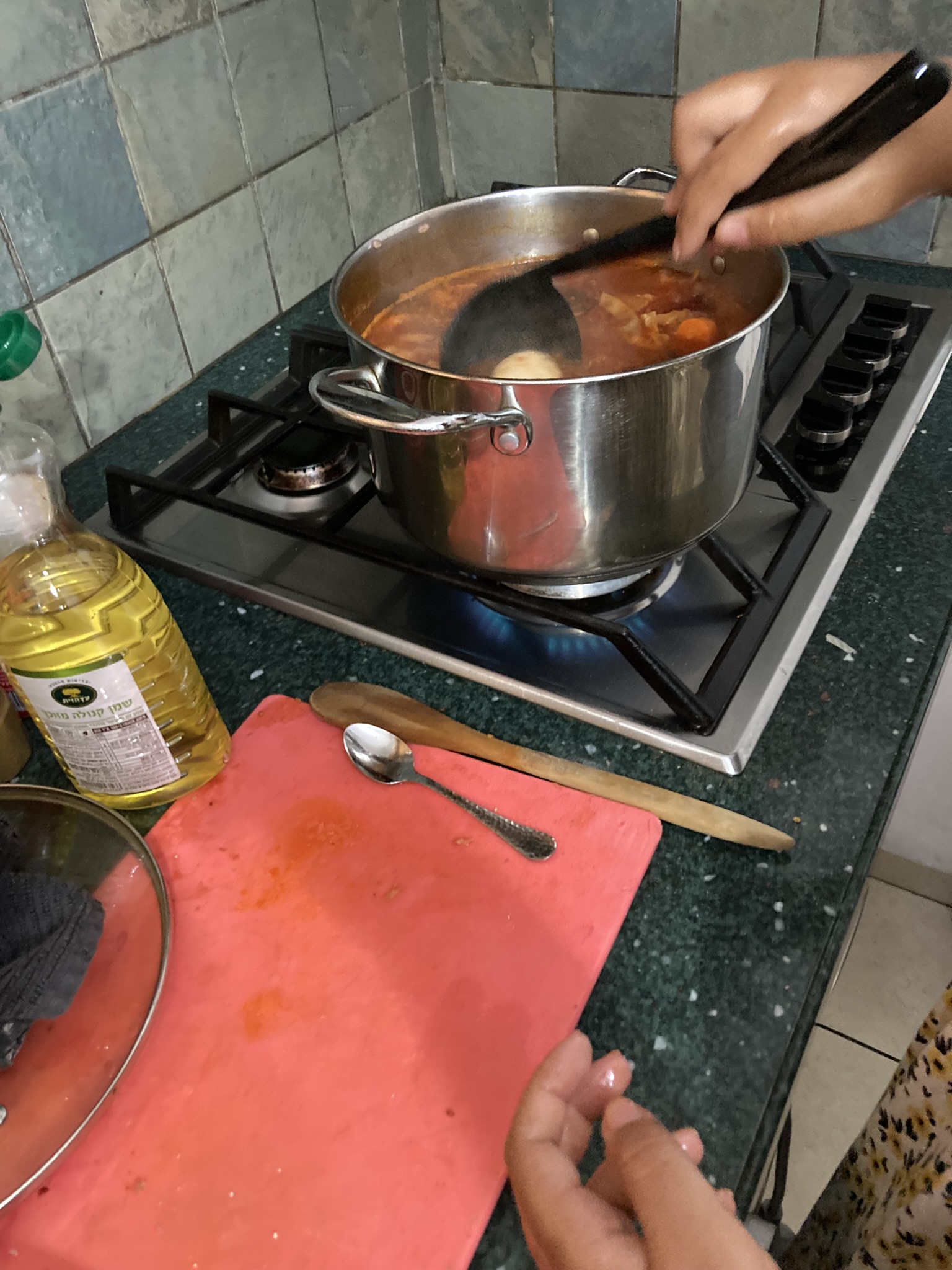


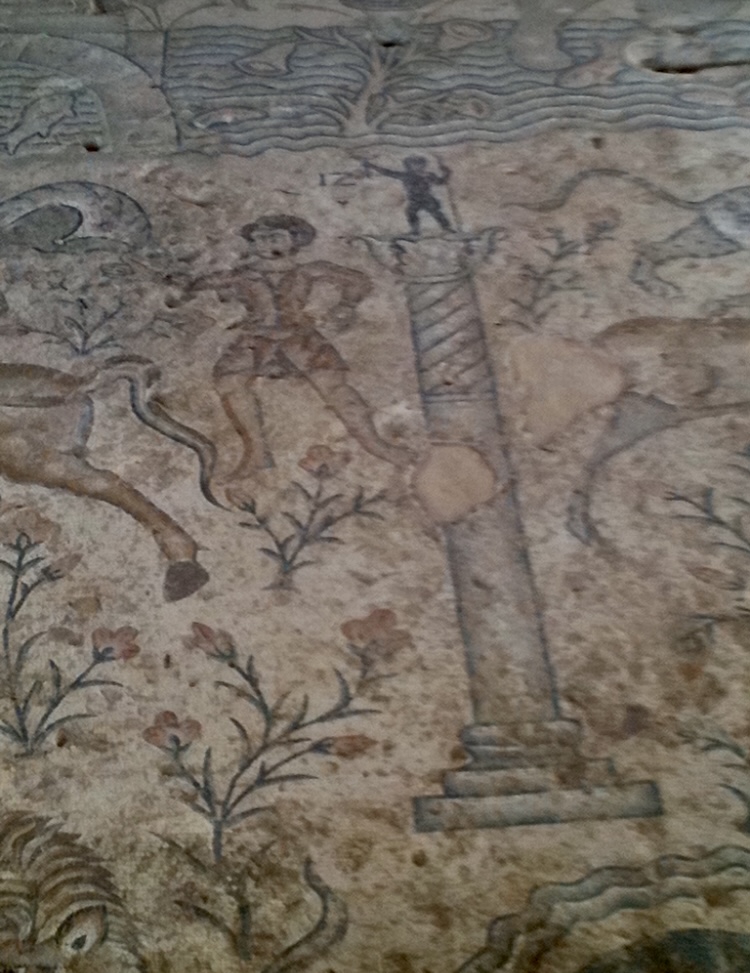
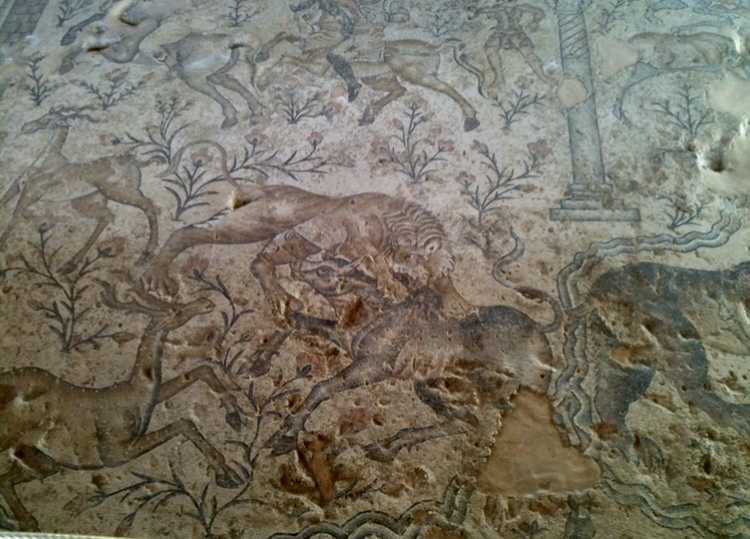

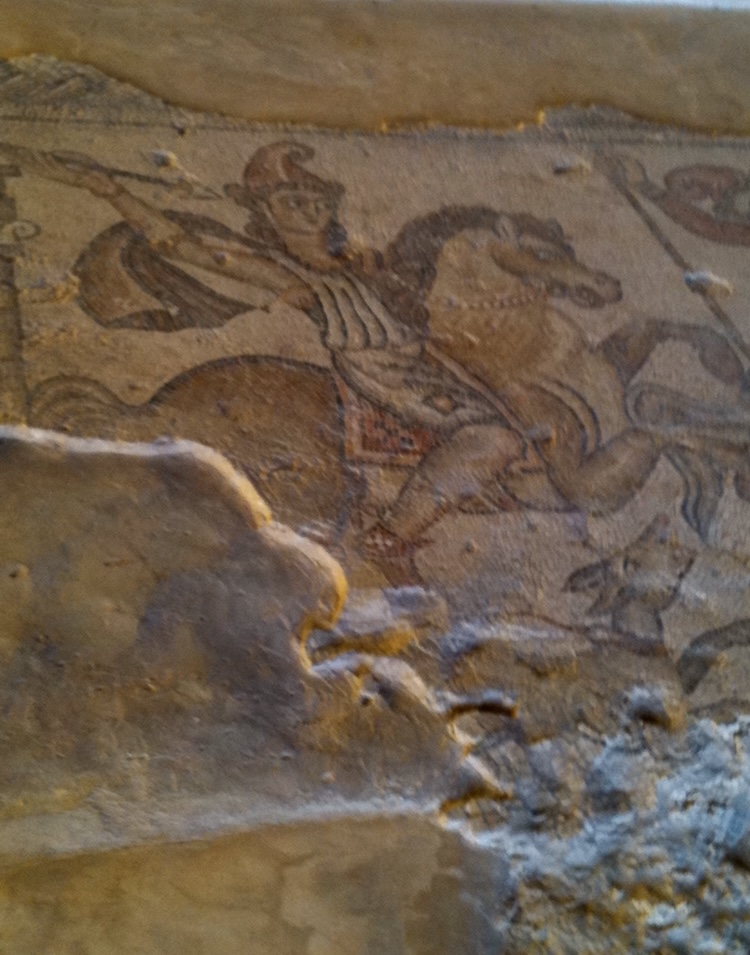
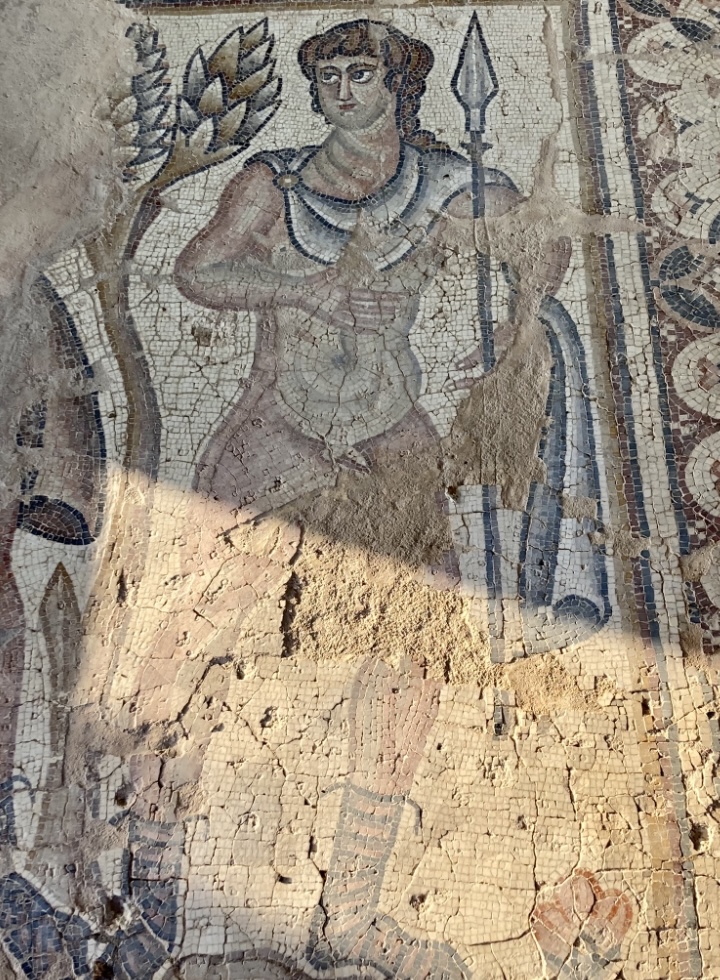

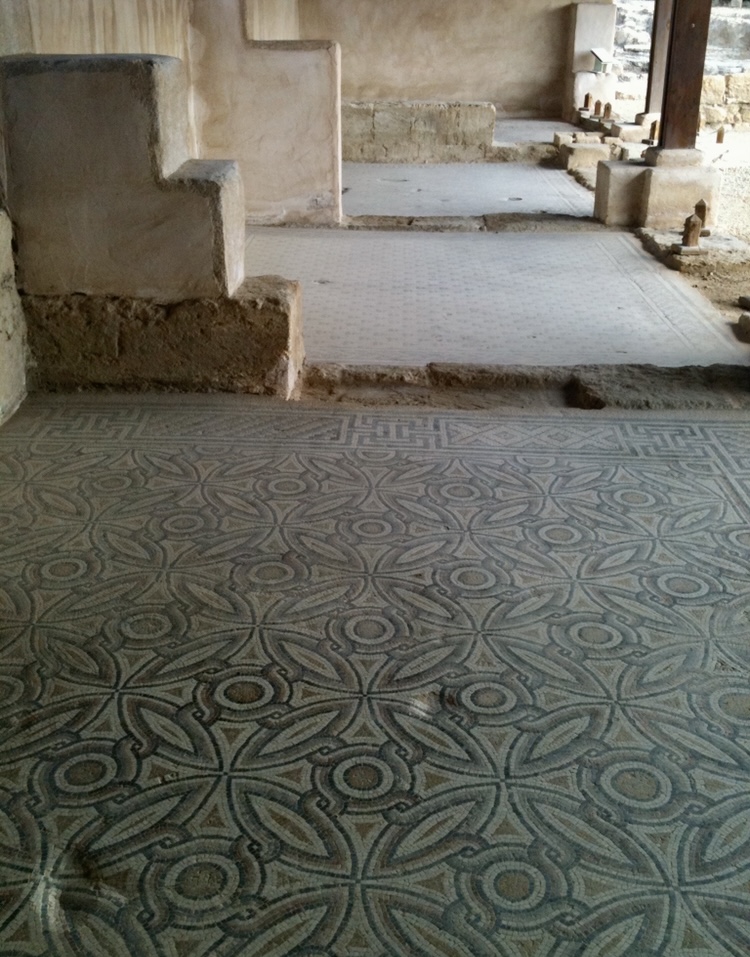
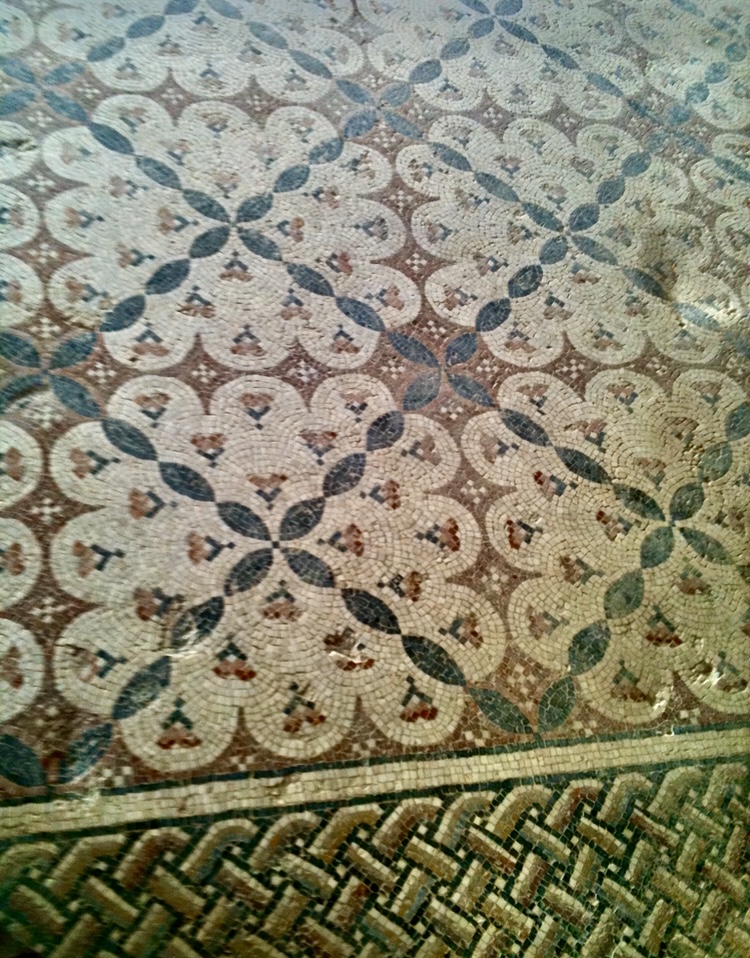
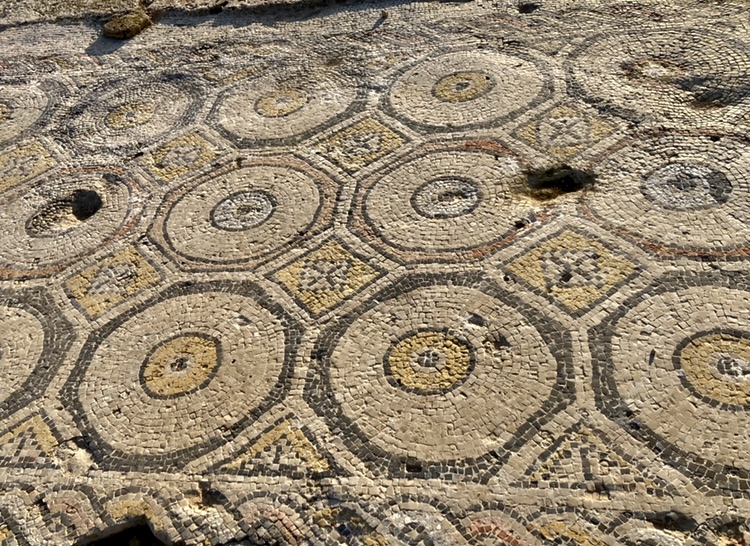
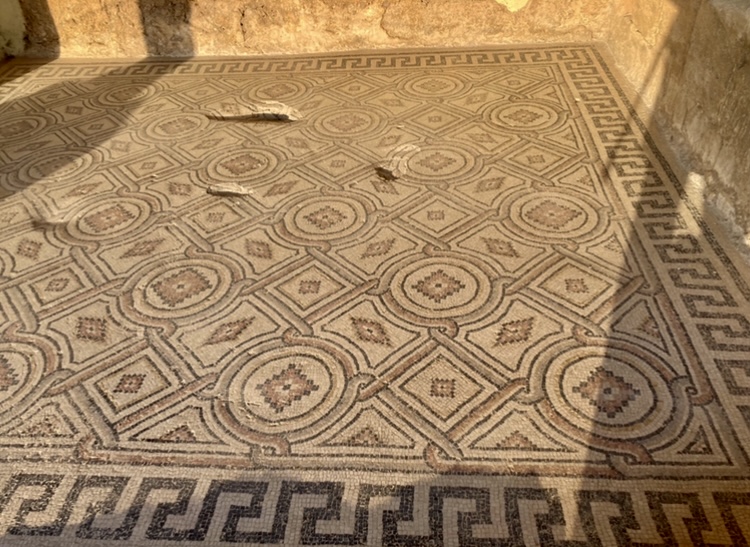
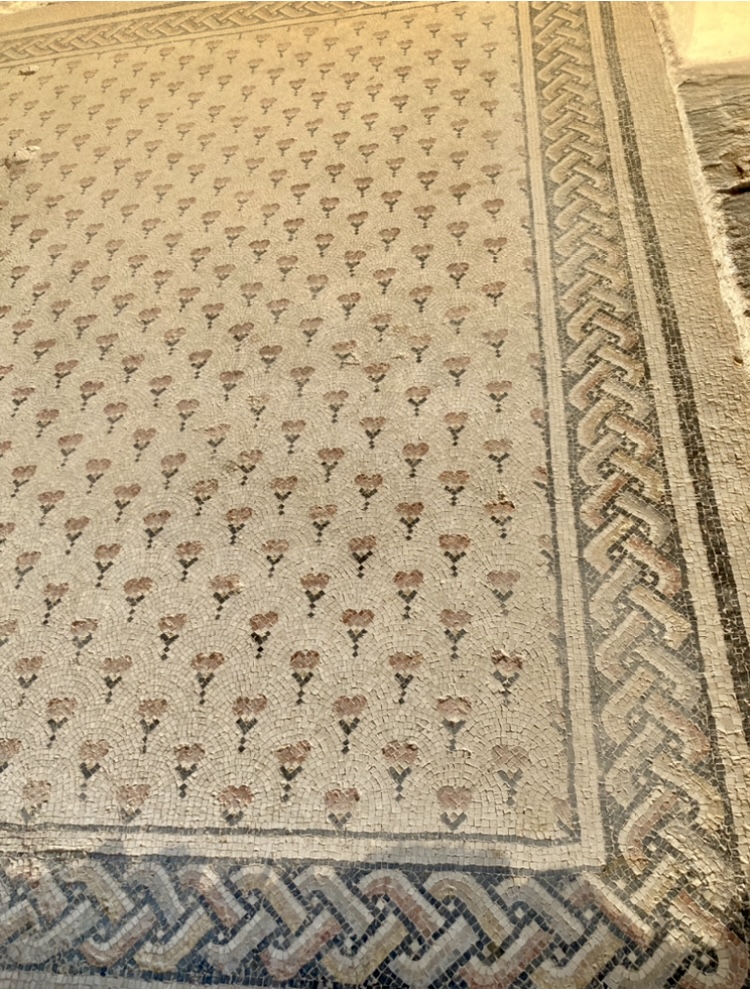
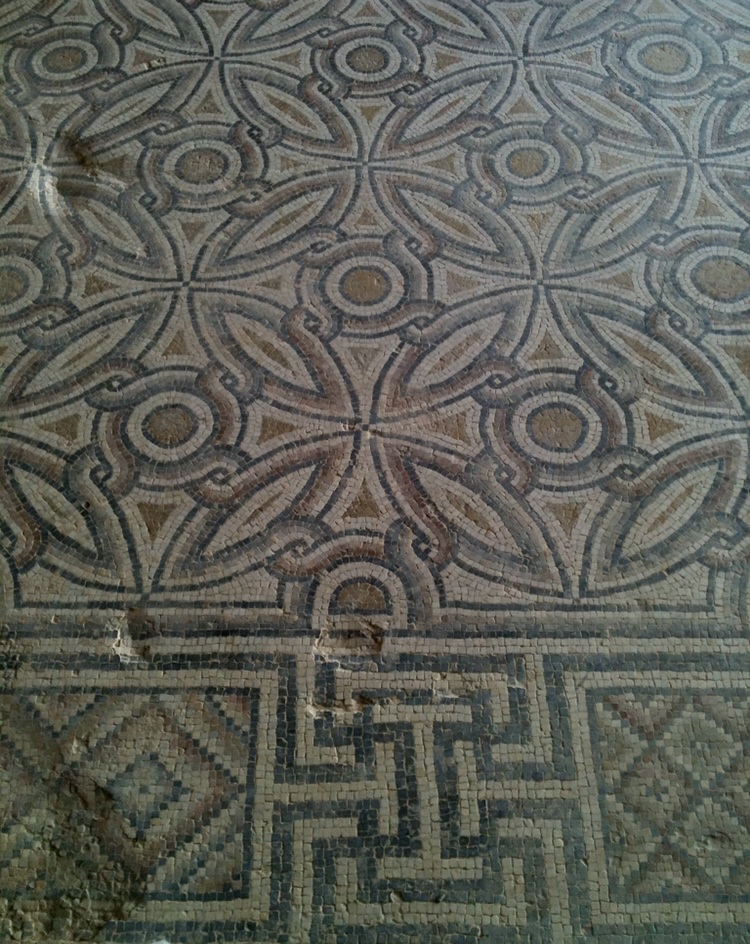
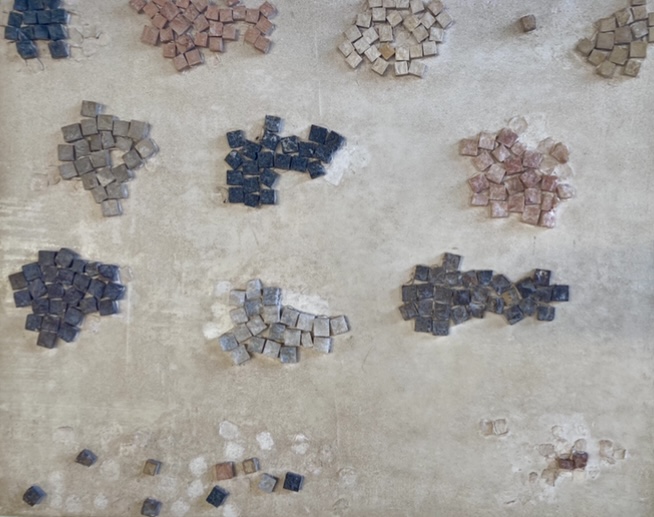
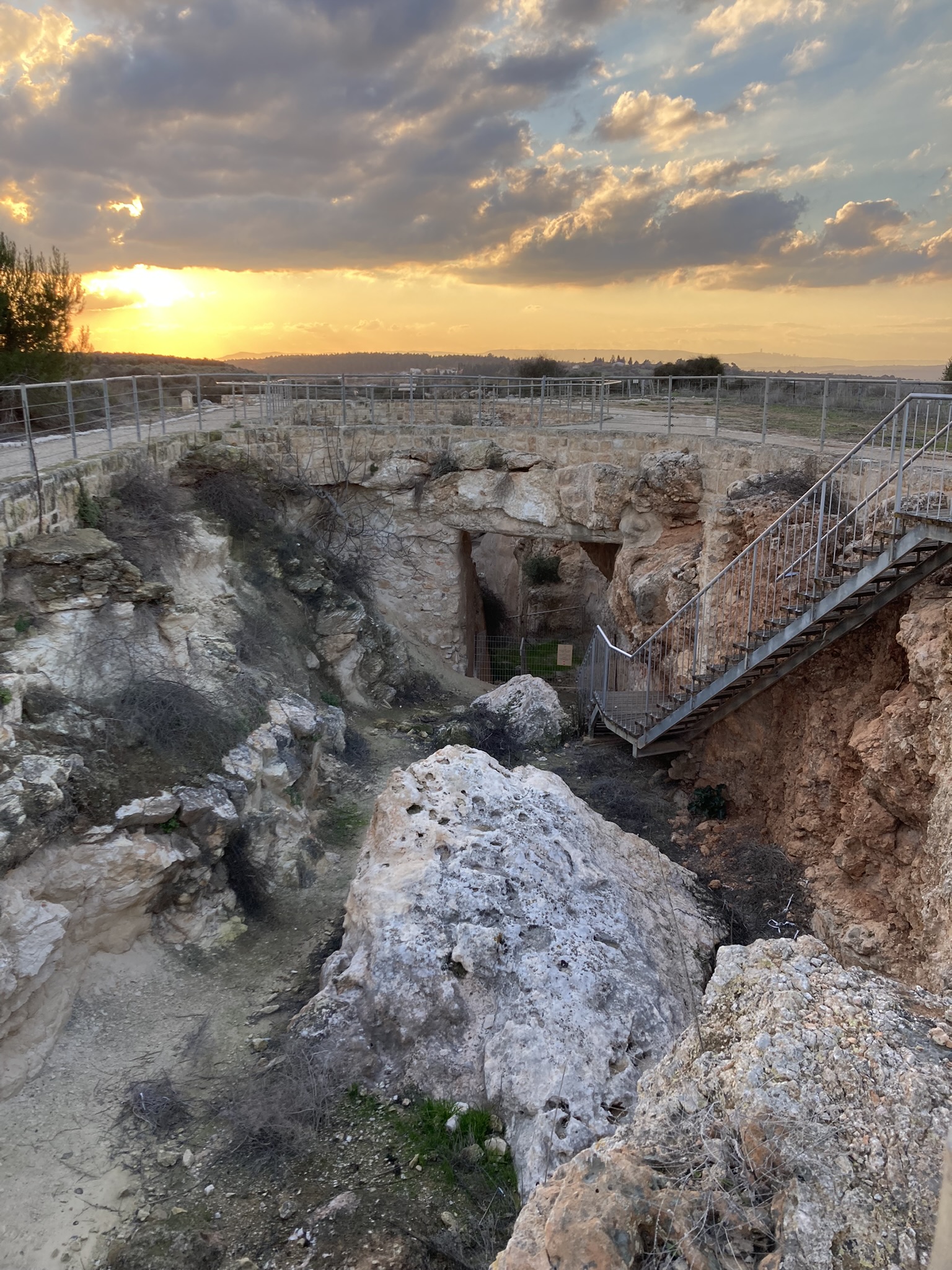


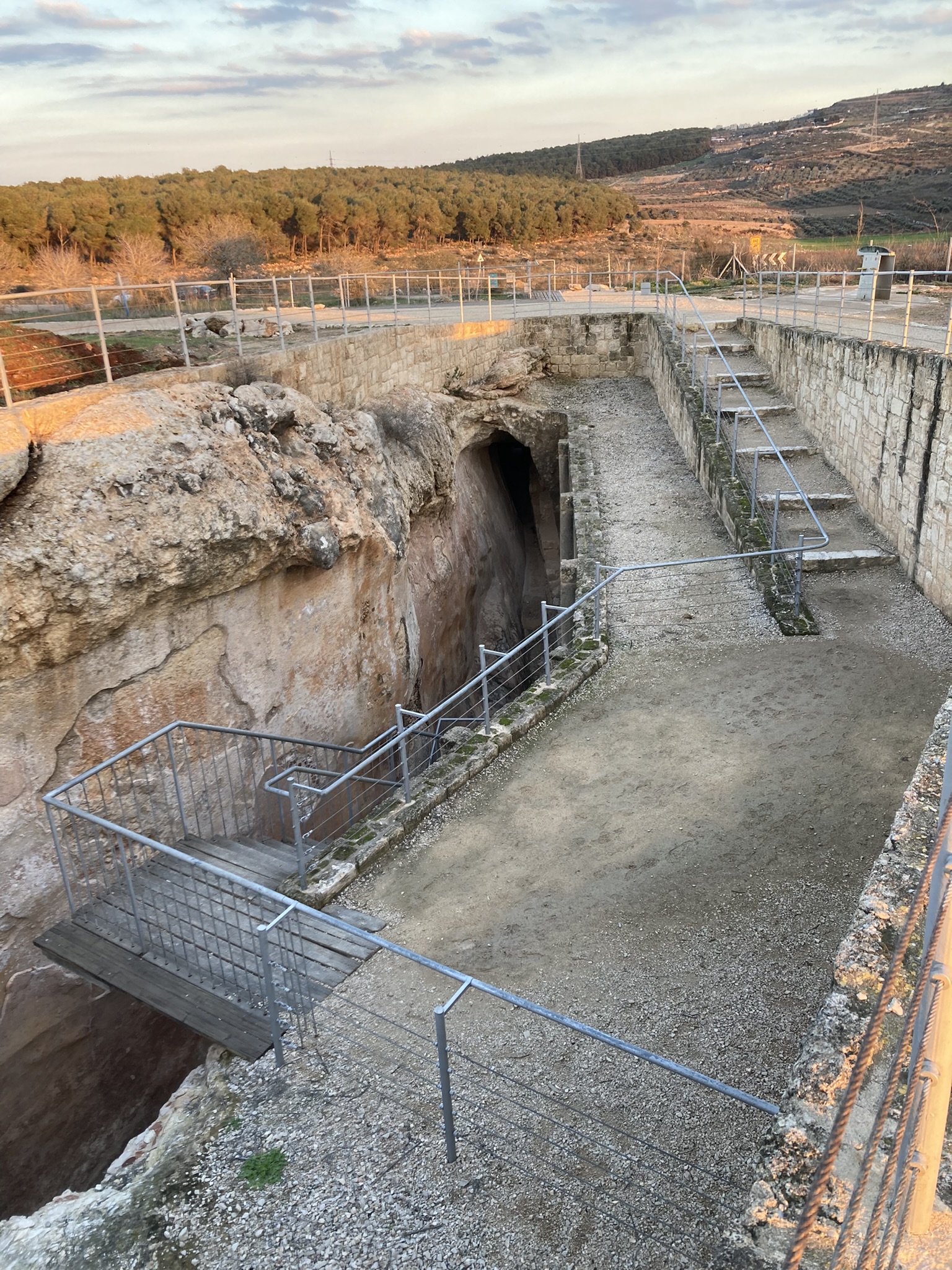
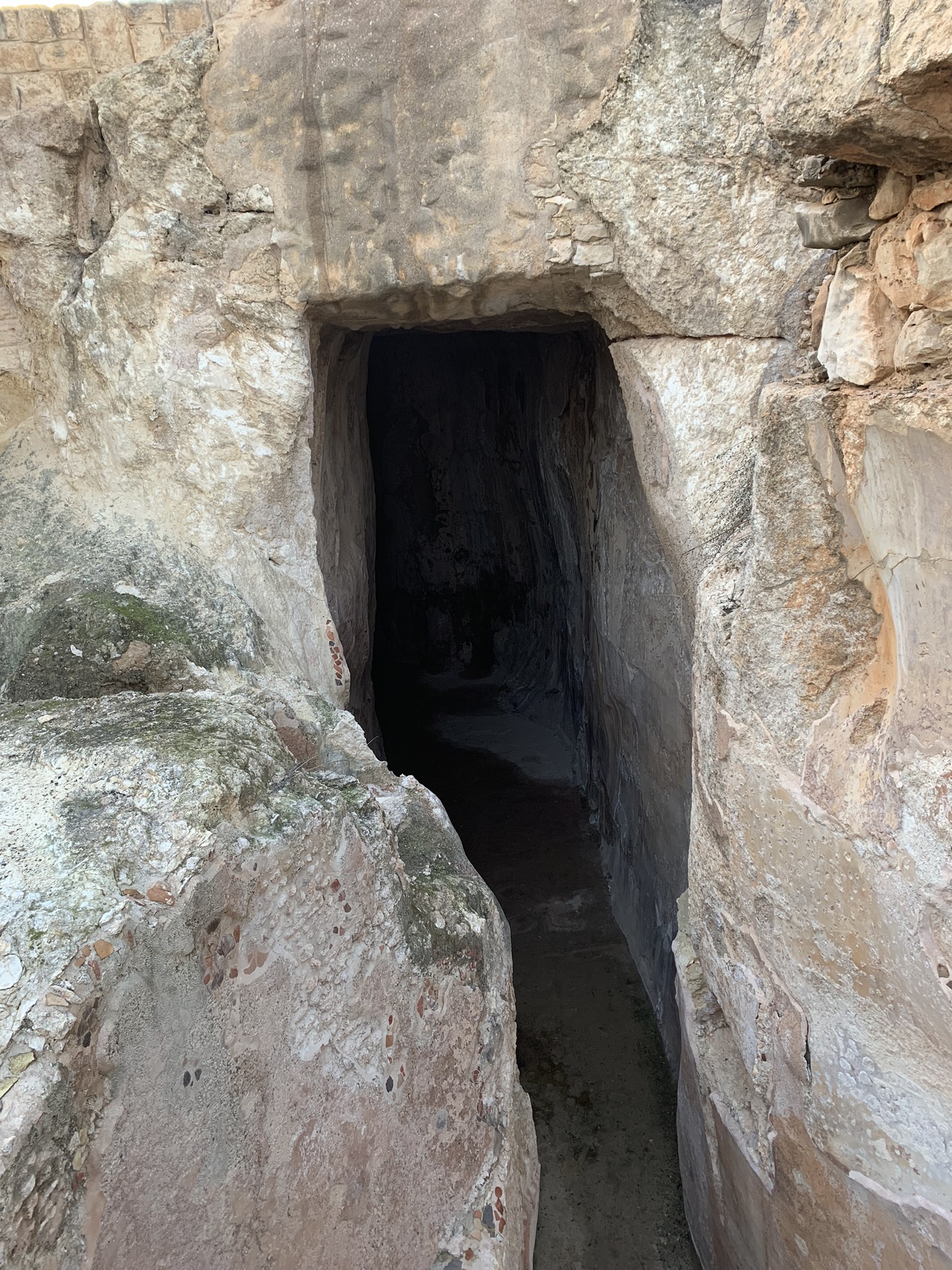
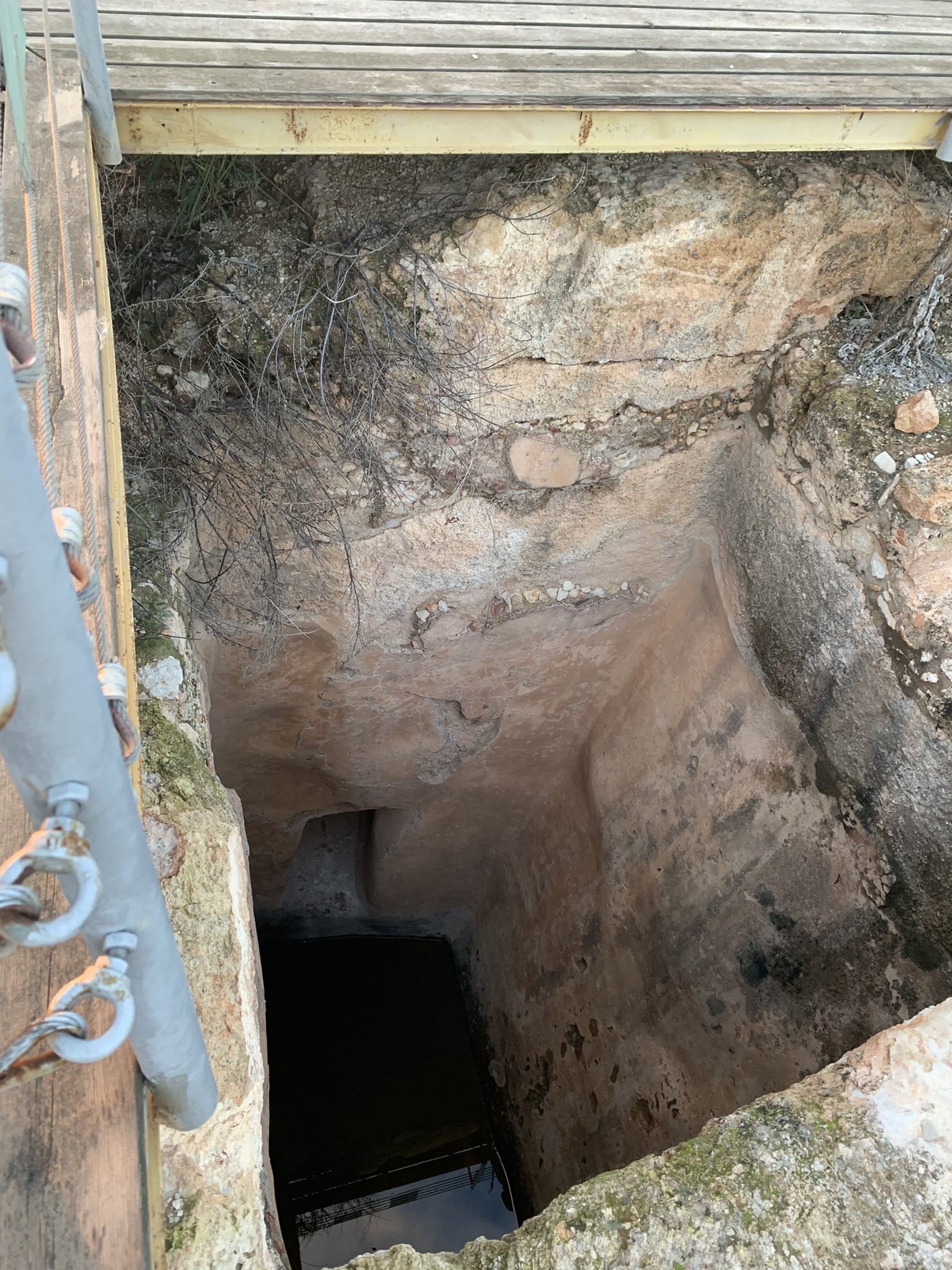


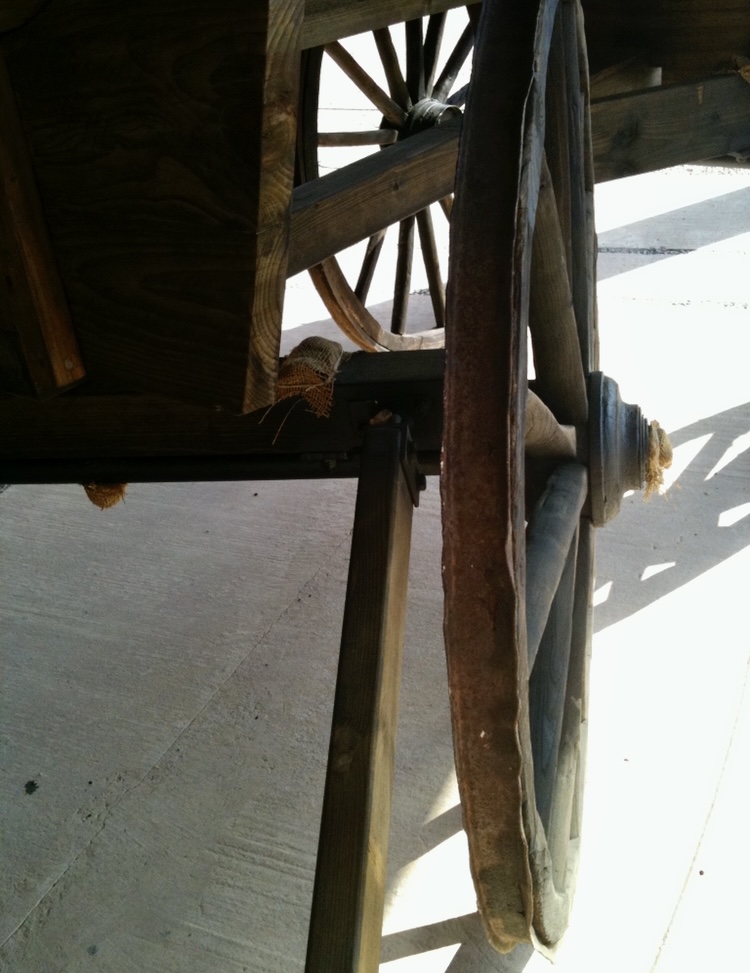


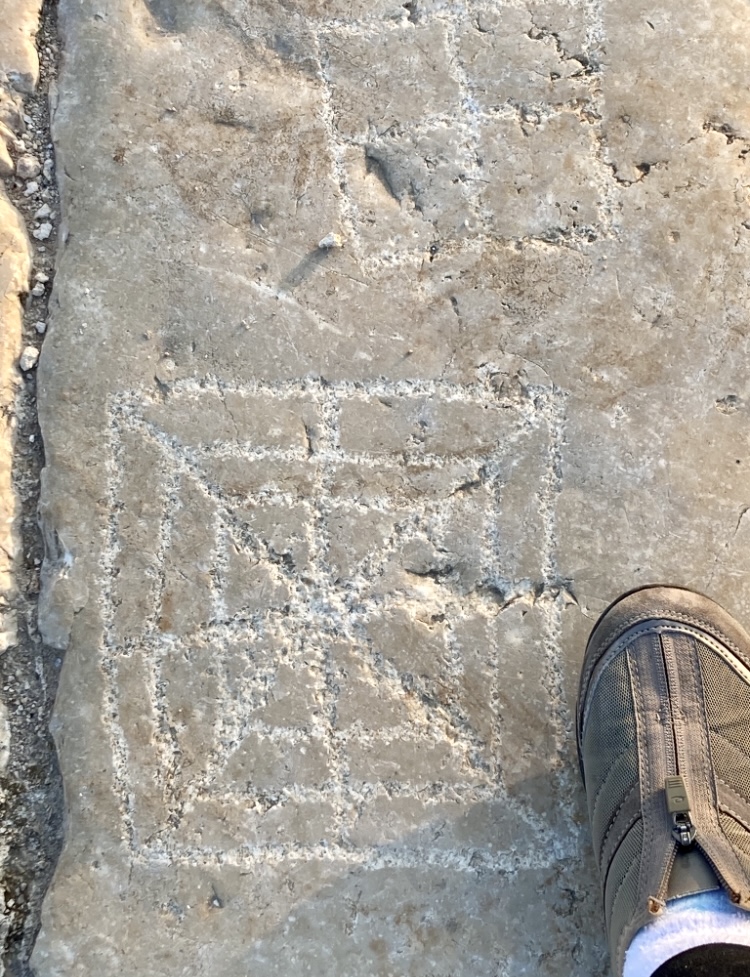


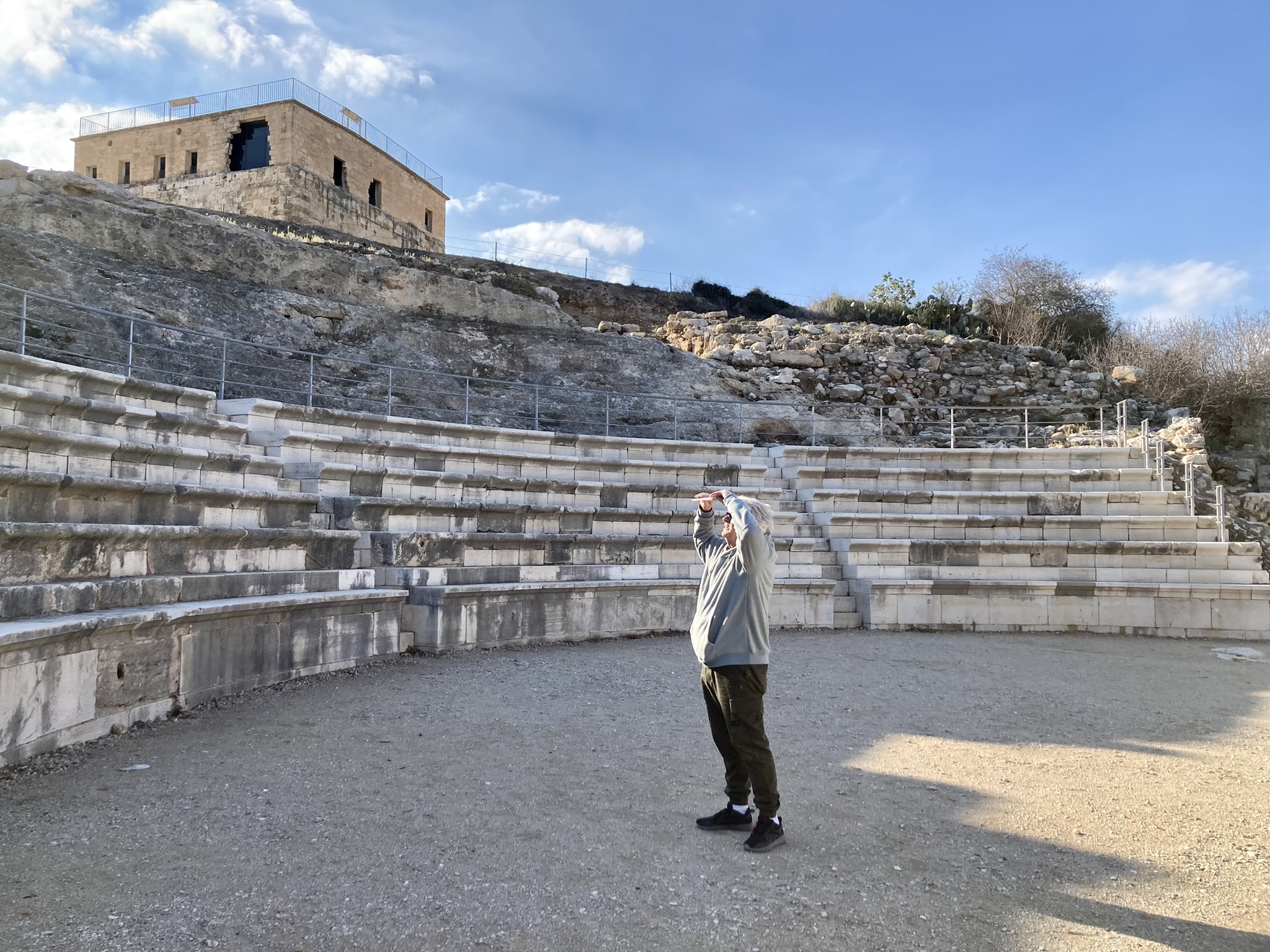

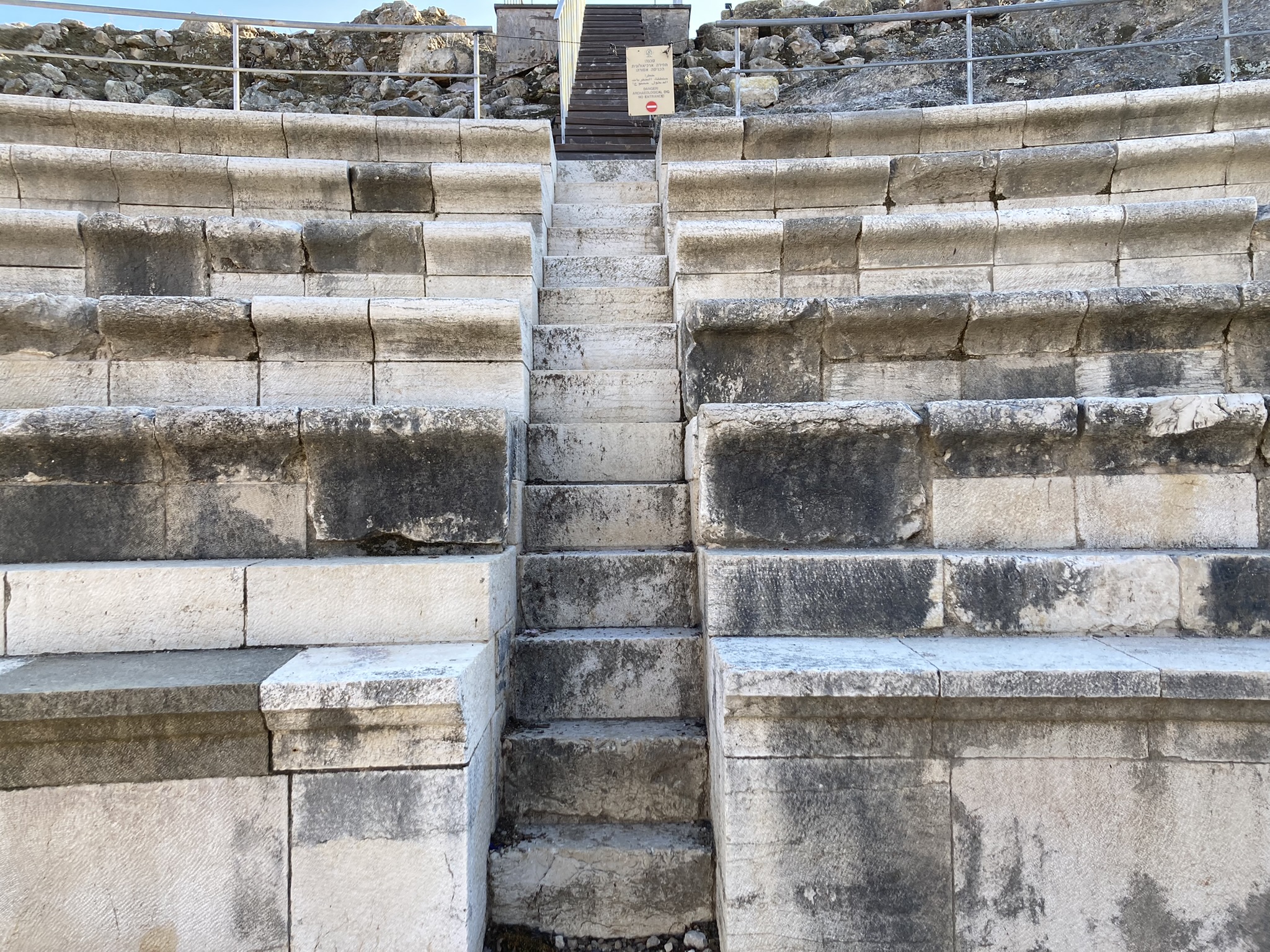
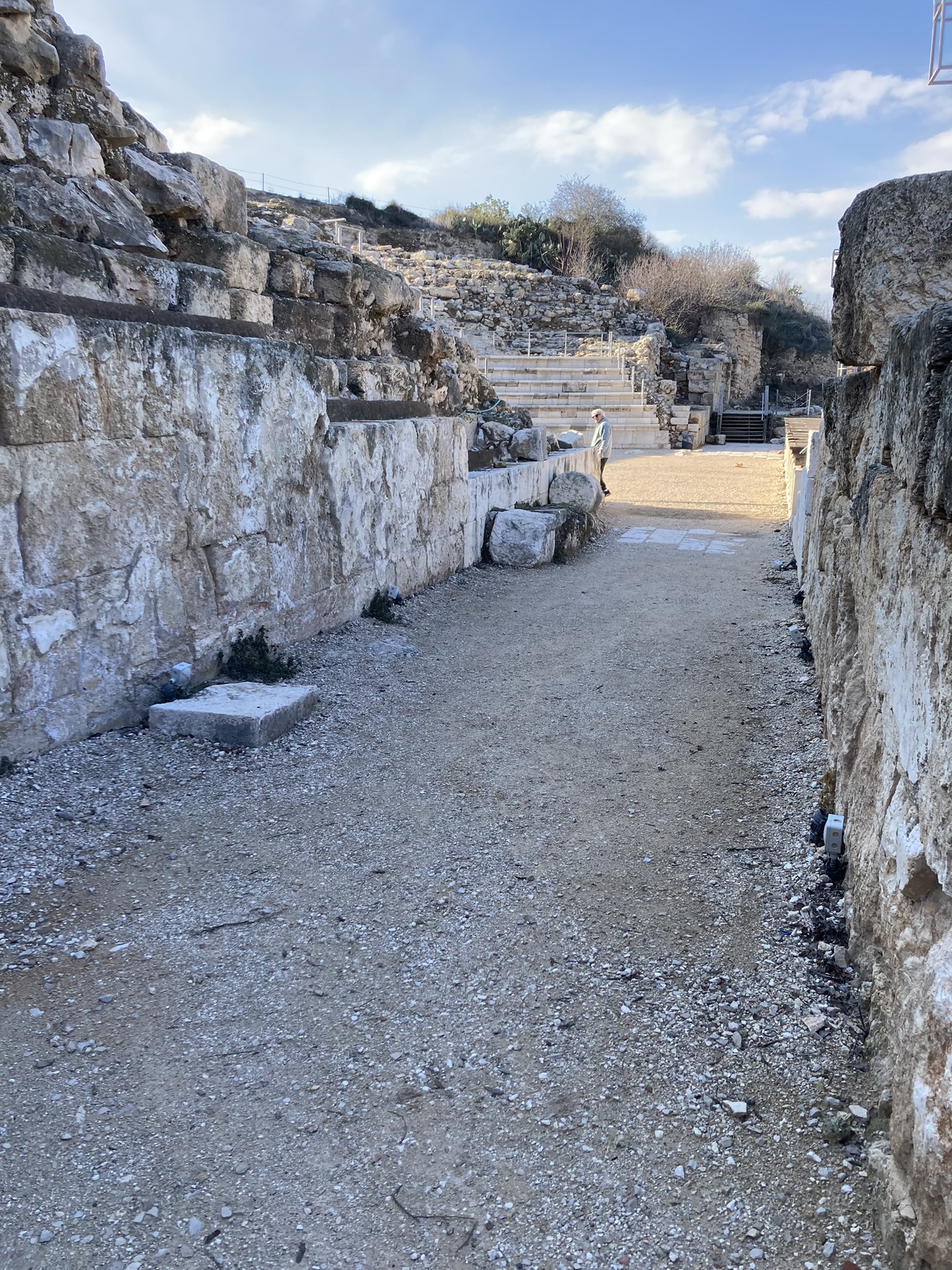


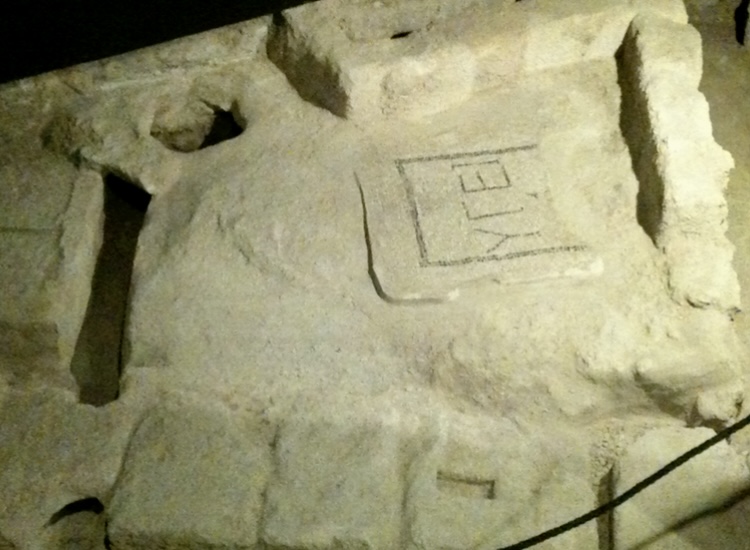

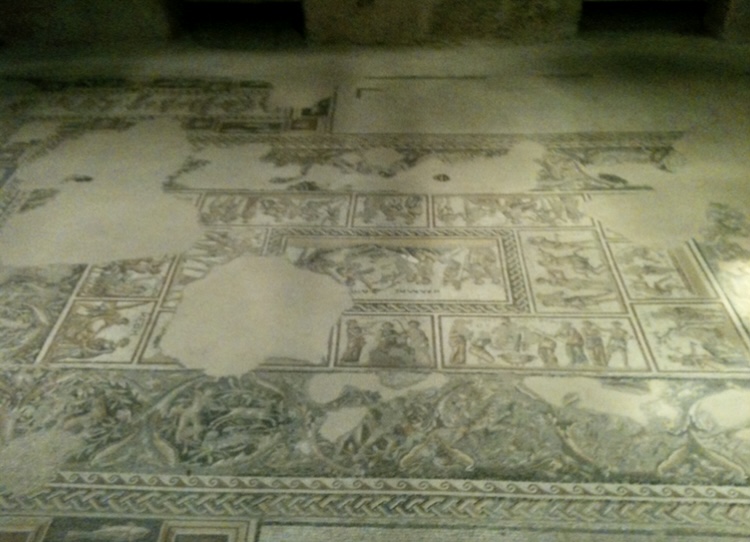
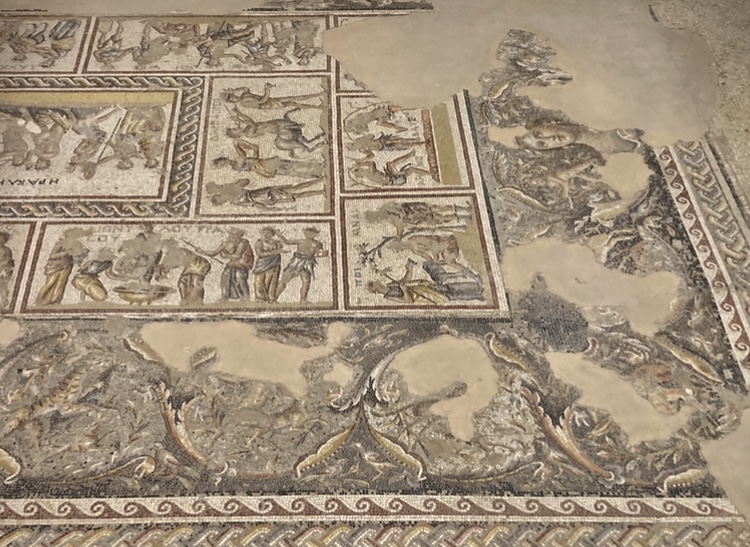


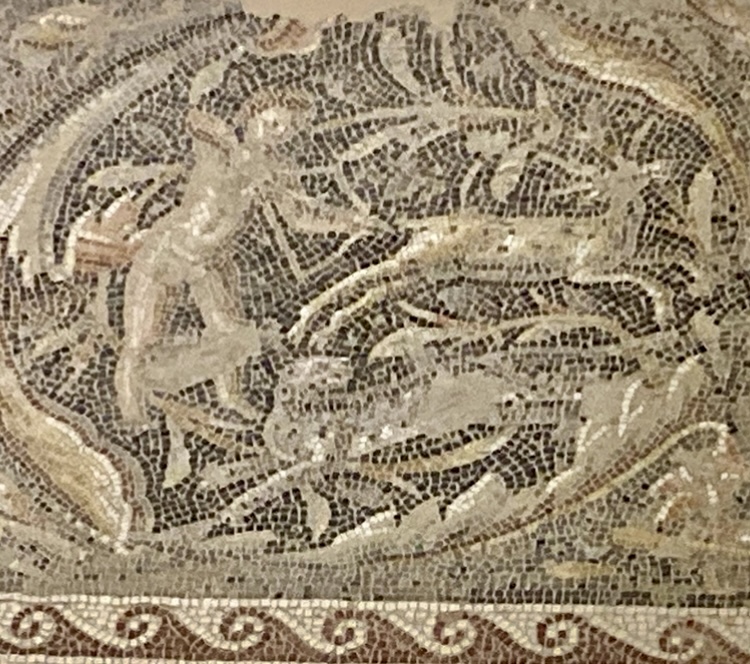
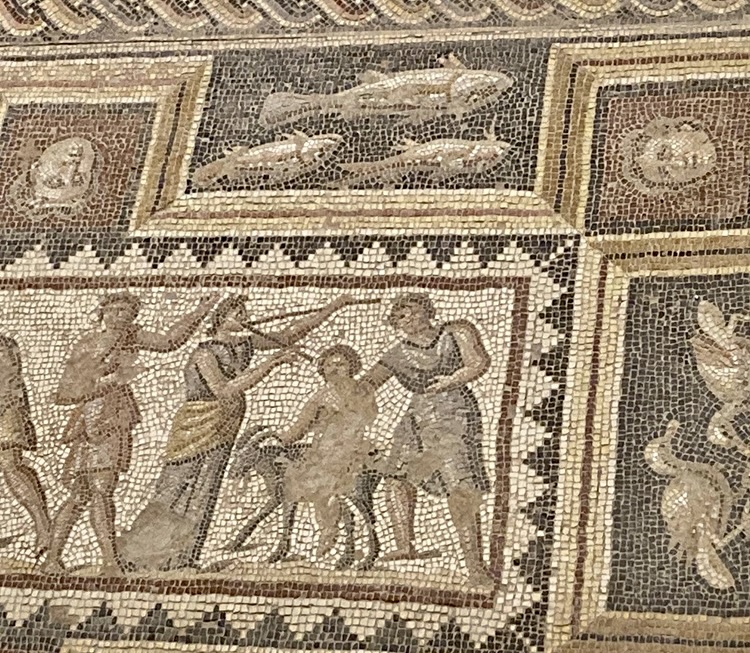
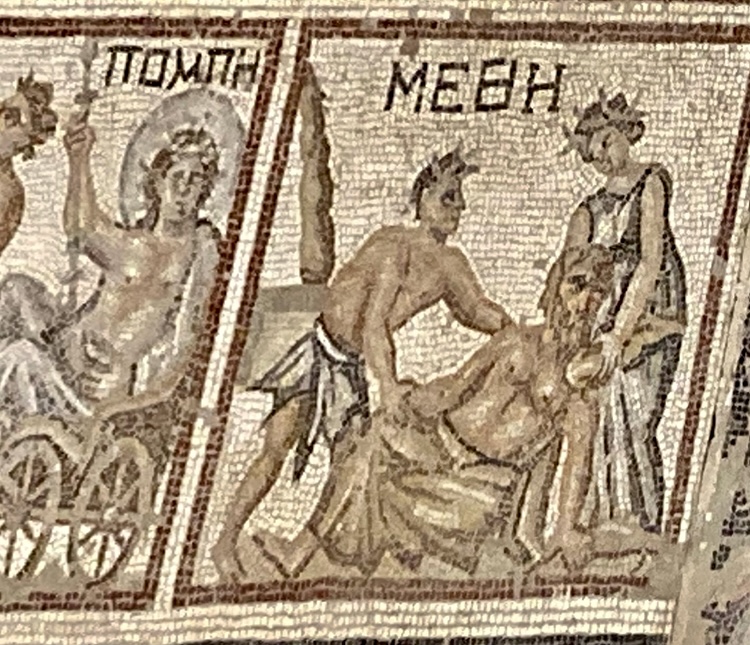


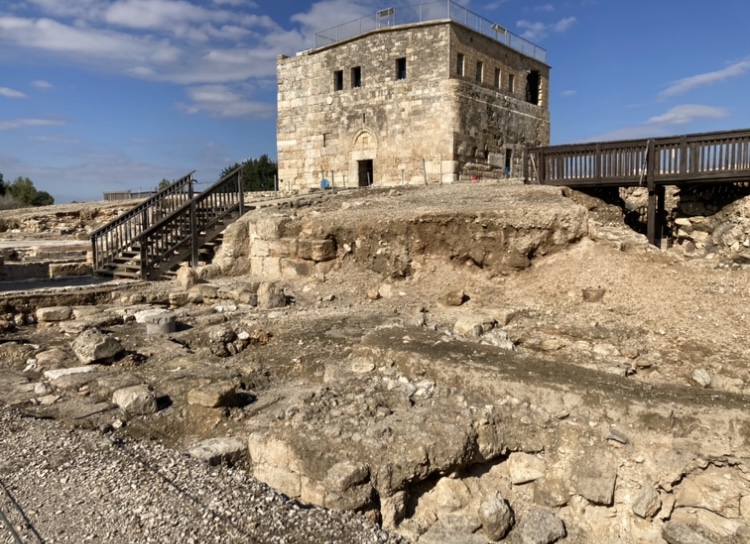


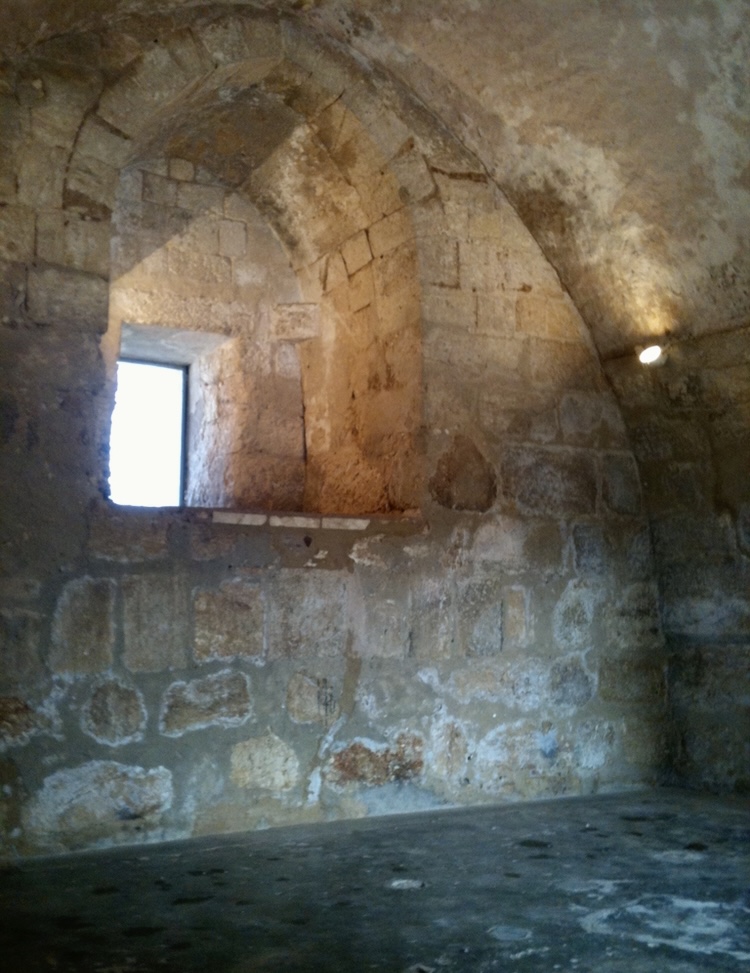
 Israel Dreams