"When G-d will return the captivity of Zion, we will be like dreamers. Then our mouths will be filled with laughter and our tongues with glad song." Psalm 126
A friend recently reminded me of the goodness of the L-rd. Living here in Israel, John and I are a believing and praying people. We have seen so many prayers answered from large to small almost on a daily basis (We are still waiting for some to be answered. For some of you Special Ones who read this blog, know that your prayers are being lifted up by us on a daily basis.)
It’s really hard for us to be in a state of unbelief or disbelief as we encounter archaeological sites that absolutely prove beyond the shadow of a doubt that the words in the Scriptures are at the very least historically accurate. We have visited the oldest city gate in the world that has been uncovered. It’s from pre-Canaanite times and is the place where Abraham met with the kings to discuss the ransom of his nephew, Lot, who was taken captive. You can read the exciting story in Genesis 13. It’s in Dan, on the Lebanese Border. We׳ve visited so many places that attest to the veracity of the Bible, so…..
The ancient city has been closed off. Its sandstone walls were so delicate they began to crumble after excavation.This is the oldest fortified city ever found. It dates to around 1900 BCE !!The city gate where Abraham met with the 5 kings in Genesis 13. The gate has been sealed due to rapid erosion.
Anyway, one of our daily prayers is for the protection of all the IDF soldiers, wherever they are stationed. We pray this in the morning and at dinner. But we have added: protect them from every booby trap and every kidnapping attempt. We have received multiple answers to prayer on this one…
In yesterday’s news –
Yesterday in Khan Younis, Gaza, more than 20 Hamas terror operatives emerged from a tunnel in an ambush attempt on an IDF encampment.They approached firing machine guns and RPGs. Some terrorists actually breached the encampment, engaging in close combat with the Kfir Brigade troops. The IDF radioed for backup and airstrikes killed 15 operatives while 8 escaped back into the tunnel. A kidnapping attempt of 4 soldiers was narrowly averted. The IDF is actively pursuing the remaining operatives. An extensive investigation is underway to draw all necessary conclusions. Hamas has continuously tried to kidnap soldiers throughout the conflict. So far, all their attempts have proved unsuccessful. 3 Israeli soldiers were wounded and medivac’ed to local hospitals in Israel. – Hamal News
In other news, we all keep hearing about “settler violence.” It’s big news. “Settler violence” is the grossly over exaggerated stories of the Jewish families living in Judaea and Samaria (West Bank). Many are farmers and shepherds. The farmers have extensive vineyards and orchards. They grow dates, pomegranates, grapes, olives, and herbs and spices among other things. Many are artisans, making food, wine, ales, cosmetic products, candles, crafts and spice blends. Many are shepherds, grazing their herds of sheep and goats…and cows…across the fields to graze.
I’ve spoken with residents in Tekoa, Itamar, and Efrat. I have read police reports and incidents reports from the Binyamin and Yesha Regional Counsels. There are thousands of incidents of Arab gangs who pull up the plantings of the Israelis, who lie in wait for them in ambush. There are videos of gangs ambushing settlers, throwing large rocks at them and the livestock. There are videos of these marauding gangs setting fire to the grazing pastures of the Israelis. Yet all you hear about is settler violence.
These gangs are not ignorant. They stage attacks and wait for the shepherds to defend themselves, filming everything so that it looks like the settlers are the instigators, not the defenders. And it makes international news.
Today marks theone year yarzeit (memorial of a death) of the murder of Yonatan Deutch, a Maglan Unit soldier who was on his way to Ofra (community in Samaria) to see his fiancée, Emunah. At Mehola Junction on Route 90, just south of the West Bank border line, his car was ambushed and shot at by West Bank terrorists. His car veered off the road and he was shot multiple times.
In the exact spot where his life was cut short, his family and friends chose to respond not with despair, but with hope and strength. They opened a pop-up coffee shop, ‘Cafe Jonni.’ Here travelers can stop for refreshment and remembrance. It is a sign of Israeli resilience. It is a statement to the Arabs and to all the world that “Am Yisrael chai,” the People of Israel live.
Jonni and Emunah, above, Cafe Jonni belowMehola is a tiny Jewish village surrounded by Arab villagesYou can see Mehola, where the killing occurred is just past the border line
As of this morning, the Magen David Adom paramedics were called to the scene of another Arab attack on Israeli shepherds (settlers). One was injured very lightly by a bullet that strafed his head. The other shepherd was shot and is in fair condition in a regional hospital. They were driving in a semi protected ATV, called a Ranger, which overturned while herding their cattle. The pair were ambushed. This is the story from i24 News:
Because i was informed that my blogposts are just way too long, i shall end it here on a positive note.
In other news, just in time for the new school season and the fall holidays, a Nefesh b’Nefesh sponsored plane load of 225 new olim (immigrants) landed at Ben Gurion Airport yesterday morning. These families from the United States have decided to make the exciting journey to live in Israel. The youngest is 9 months old and the oldest is 82. There were also several Lone Soldiers, coming by themselves to enlist in the army. May their absorption and Aliyah experience be easy, joyful and smooth as they transition to their new lives as full Israeli citizens.
They were met at the airport with bands, balloons and crowds of well wishers
To all those readers and old friends who have emailed and called us since Thursday out of concern for the plight of Christians in the Holy Land and for those who want further clarification, thank you for reaching out.
I know the news that does eventually make its way to your parts of the world comes piecemeal at best, and at worst, with twisted narratives. In the past two weeks there have been several different slanders, accusations and confusing stories from Judaea and Samaria (West Bank) and from Gaza. Of course, the international community seems to get involved before having all the facts, so once again….here we go.
First, leading newspapers around the world have headlined with dramatic photos of starving babies…the humanitarian aid crisis and mass starvation of the Gazan people. The above photograph appeared on the front pages of the NYT, the UK’s DailyExpress, and was picked up by Sky News, BBC, CNN and other media outlets. The young boy, Mohammad alMatouq suffers from a rare genetic condition and muscle disorders unrelated to starvation according to independent investigative journalist, David Collier. Mohammad’s mother as well as his younger brothers, who was photoshopped out of the picture is healthy. This is not to diminish the immense tragedy, but to give context. There is an undeniable humanitarian crisis unfolding in Gaza.
But not for the reasons you’ve been told. This is a story that goes way back. I have covered it numerous times. No one wants to see people in a famine – especially innocent children. They deserve dignity as human beings, not suffering for political gain. Since the beginning of the war, there have been continual attempts made to get food, medicine and supplies into Gaza.
Unfortunately, the situation is a complete balagan or crazed mess. Hamas still rules Gaza. Despite Israeli attempts to get desperately needed supplies to the people, Hamas operatives dressed as civilians storm the trucks, kill the drivers and commandeer the goods. They pirate it for themselves and then sell it off at inflated prices to those willing to pay. It’s basic extortion. What was meant to be given away as free assistance is being sold on the black market at exorbitant rates. Also, Hamas operatives have been using the food as incentives for people to join up with them. Basically, you help us, and we’ll let you have food. Tragically, death and suffering are part of the terror group’s modus operendi. Victimizing the innocent civilians helps the cause of Hamas by provoking the outrage of the world. The truth, however, is essential.
The United States has subcontracted with the GHF (Gaza Humanitarian Fund) to set up heavily guarded independent aid centers at different marked locations throughout the Strip. Although it was reported falsely that IDF soldiers were firing on people waiting in line to receive their donations, it was actually Hamas operatives. So far 13 American contractors have been killed while attempting to distribute goods. Still, the endeavor is ongoing and seems to be helping many people who are in distress.
The UN is also involved. There are currently 1046 trucks piled high with assistance (food, hygiene products, baby formula and bottles, water, tents, medicine, sunscreen, diapers) millions of tons of supplies all waiting inside Gaza. Not outside. Inside the border of Gaza. It’s owned by the United Nations (UNICEF, UNaid, UNHumanitarian Relief) But they will not allow it to pass through to the people. Why?
The UN is following the orders of Hamas. They are using starvation as a negotiating tool with Israel. Israel has allowed the trucks in after inspection for weapons and contraband. The US has implored the United Nations to let it pass through to the people, but the UN has flatly refused. Hamas has insisted the UN escort the aid. Even Egypt has told the Washington Post that Hamas is stealing the cargo.
Ambassador Mike Huckabee traveled to Gaza last Friday to assess the situation for himself. He surveyed the area, saw the drone footage of the pallets and trucks in the parking lots and saw for himself the rotting produce.
Over 2 million TONS of aid sits rotting in the sun in Gaza
Israel has started parachuting aid packages directly into the tent cities and neighborhoods in which civilians are known to be residing. Whether that will fall into nefarious hands or not remains to be seen, but Israel and the U.S. are doing the absolute best they can to mitigate the dire circumstances. The global communities are imploring Israel (not Hamas) to sign a ceasefire agreement.
There is no ceasefire because Hamas will not acquiesce. They refuse to let the remaining 51 hostages go. They refuse to lay down their weapons. They have rejected ALL negotiations, deals or opportunities to end this. The onus lies on them.They refuse to give up power. Even if it means starving their own people. This is not about peace. It is about power. Despite all this, Israel has agreed to a pause in all military operations from 10am to 8pm “every day until further notice” in order to allow aid corridors to be established for safe passage of trucks to reach the civilians. Today, over 100 semis have been allowed free passage defended by the IDF, who seeks not only to protect its own people, but to protect those who are in opposition. Jordan and the UAE have air dropped 25 tons of aid into Gaza.
Backed by UN funding and Qatari billions, this entire war has been needlessly prolonged and the plight of the innocent civilians is turned inside out into victimhood for the sake of world sympathy. The IDF, the Israeli government and the Jews are the villains in this distorted propaganda war.
In other news, the so-called “visa crisis” addressed by Ambassador Huckabee has been completely resolved. The person who was holding up entry visas for Christian tour groups to come to Israel has been fired. It was discovered, upon investigation that a far right religious Jewish government worker was denying entrance visas to what he believed to be missionary groups. He’s gone. Paperwork expedited. Case closed.
Mike Huckabee has been one busy man lately. He was present at the scene of the “church burning” in the (West Bank) Christian town of Tayibe last week. His words were completely mangled once it reached the press to make it sound as if he was condemning Jewish setttler terrorist acts. He did not say this, only that the case should be completely investigated and anyone who causes damage to a religious or heritage site as an act of terror should come under full force of the law.
For complete clarification and visual proof -with some absolutely damning evidence – I refer you to Josh Waller and Luke Hilton:Please watch this short explanatory video and pass on the information.
In addition, a bit of a more lengthy video that fully explains the entire situation and the settler violence. It is fully researched and well presented.
No, Israeli citizens are not targeting Christians. And neither is the IDF. From everything I have witnessed since we have been in Israel over the past decade, is that Israelis (for the most part) treasure antiquities and historical sites. They preserve and not tear down. There is a respect for other religions (for the most part), as long as a person is behaving in a law abiding orderly manner. There will always be those outliers and extremists who cause trouble, however.
There are the ultra observant from all religions who look down upon and cause trouble for others. From the Haredim Orthodox Jews who shout out, harass and abuse Christian tourists to Catholic priests throwing rocks at Jewish settlers. From Muslim violence against Christians and Jews they consider infidels and occupiers to the extremely secular who dislike all super religious. It is evil. I in no way condone bad behavior. It needs to be examined, rebuked and prosecuted. But it is far and beyond the exception to normal life here.
Jews do not “target” Christians or their holy sites. Synagogues, churches and mosques, unless proof is given that they are being used for purposes of terror or criminal intent, are holy and to be respected. There is freedom of worship here. It is a sacred and basic human right. Any reports to the opposite are verifiably false and libelous.
Tourism is a huge source of revenue for Israel, so anything that would endanger it is discouraged. Besides Jewish people from around the world, Christians of all denominations have been our biggest supporters in our fight for truth and freedom. We share common ancestry and a common morality as dictated by the Scriptures.
From some of the calls we received, quite a few people had heard that the Jews were persecuting and killing Christians and the IDF was routinely demolishing churches as some sort of sick and twisted hate crime. Not true. This is propaganda. Please seek out the truth for yourself from reliable sources. These include Pulse of Israel; The Israel Guys; Israel Video Network the Philos Project, Shadi Khalloul and United With Israel.
In his article, Is Gaza Starving? Searching for Truth in an Information War, Matti Friedman writes, “ In a blizzard of ideological fiction, how are sane citizens in Israel, or anywhere else, supposed to know what’s true and to do the right thing? It’s not an exaggeration to say, as we’re seeing right now, that the answer to this question is a matter of life and death”
This is an unusual year here in Israel. For the first time in many years, Passover, the Roman Catholic, Orthodox, Coptic, and general Christian population celebrate concurrently their Holy Week. It is an exciting and special time to visit the Holy Land. This year, convents and hostels are filled with Christian pilgrims – many of them have traveled from Poland, the Philippines, Mexico and South Korea. Jewish people from the United States and Canada have come to celebrate Pesach with family living here. Still, the recent war has kept the multitudes away for the most part.
For the Jews, last Shabbat led right into the Pesach/Passover Seder. Families gathered together. Army units had their Passover Seders in dining halls and in the fields. Everyone celebrated the story of the liberation from Egypt under Pharaoh, the crossing of the Red Sea by Moses and the Children of Israel in Exodus, and ate the festive meal. During the seven days of Chag ha Matzot (the Matzah holiday) or Khol ha Moed, the intermediate days, Israelis head to to the hills and mountains hiking and to the shores of Lake Kinneret (Sea of Galilee) camping. For those that stay in the cities, museums are all free.
As the Seder feasts wound down in the wee hours of last Sunday morning, Holy Week started for the Christians. Thousands gathered with palms for the traditional Palm Sunday walk. Tens of thousands of pilgrims came from all over the world. The crowds were still not as large as in most years, but the festivities started at BethPage at the top of the Mount of Olives, Har Zeitim. The Latin Patriarch and the Franciscan Custos of the Holy Land blessed the palms and the participants in the walk. The Arab Israeli Scouts from Jerusalem, Nazareth and Ibillin led the procession.
Arab Israeli Scouts lead the procession with drums and bagpipes
The walk starts at the top of Mt. Olives and winds its way down through East Jerusalem. Spectacular views of the Temple Mount, Old City and all of Jerusalem are one of the high points of the walk which traces the path of Jesus from the starting point to its finish within the Holy City. The entire walk is about 3 miles. As in the Gospel accounts, people wave palm and olive branches and sing Hosannas and great Hallels. Security is tight with armed soldiers ready against any act of terror. Helicopters circle overhead for added protection for the walkers.
Mexican pilgrimsInternational throng with palmsThe Franciscans A group of nunsFr. Francesco Voltaggio with the NeocatechumensThe Hebrew CatholicsSweeping views of JerusalemKoinonia John the Baptist from ItalyA procession of Hebrew Speaking CatholicsThe pilgrims enter the Lion Gate into the Old City
And even Jesus showed up for photo ops…
On Wednesday, Maronite Catholics, indigenous Arameans and Lebanese and Syrian Catholics living in the Holy Land, celebrated the blessing of the Holy Oils and the lighting of the Blessed Candles. Their congregations are mostly to be found throughout the North, where the majority of the Christian population is either Maronite of Orthodox Christian. Their population centers are Nazareth, Fassuta, Jish, Me’ilya, Tarshicha, Ibillin and Sh’faram.
Yesterday, the Orthodox Christians (Greek, Russian, Eastern) and the Roman Catholics celebrated Holy Thursday, the beginning of the Triduum, or three-day holy period, concurrently. Eastern rite/Orthodox priests and patriarchs led the procession through their churches with the carrying of the cross for their congregation to venerate.
Cardinal Pierbatista Pizzaballa, the Latin Patriarch, commenced the Catholic liturgies at the Church of the Holy Sepulchre. There was a solemn procession from the place of the crucifixion to the stone where Jesus was wrapped and then throughout the church to the tomb where Jesus was interred. The faithful gathered to reverence, kiss and touch objects to the holy stone slab.
As soon as the Roman Catholic rite was finished, the church was cleared so the Orthodox worshippers could celebrate their liturgy. This is scheduled to happen throughout the weekend.
For the first time, in order to to accommodate all branches of the faith, the Roman Catholics will hold their Easter Vigil at the Holy Sepulchre very early in the morning – 06:30 am on Saturday morning. “Catholics must enter the New Gate between 05:30 and 06:00 am. After 06:00 am, the gate will be closed for entry to the Vigil Mass. Entry into the Basilica will be difficult due to extensive security apparatus in place on this day for the Orthodox Holy Fire ceremony. All those participating in the Latin Mass, will be obliged to leave the church after he Mass. No one will be permitted to remain, as the entire church will be cleared for the Orthodox worshippers.”
The Orthodox Holy Fire is the oldest recorded continual miracle. It has occurred in the Holy Sepulchre…the tomb where Jesus’ body laid… for 2000 years. The Orthodox priest enters the sepulchre at midnight with the Paschal candle and waits in darkness as the worshippers congregate throughout the basilica with their candles. A blue fire comes down and miraculously lights the candles. The flames burn cold for about 10 minutes afterward. This will be the eternal flame from the pascal candle that burns throughout the year in Jerusalem. You can view the entire spectacle onYouTube. It is quite fascinating!
Passover ends this Shabbat for the Jewish people. Saturday night, as the Christians celebrate the start of Easter, Jews in Israel will be celebrating Maimouna. This party at the conclusion of Passover, comes from Morocco. But it has taken hold of the entire Jewish population here. It is a time of great merriment as pastries and tea and candies are piled high on golden trays. The revelers wear bright colors and lots of gold jewelry. There is music and dancing and fun to be had by all.
I wish all of my readers a meaningful, holy and happy feast. Next year I Jerusalem!!!!
This past weekend, the citizens of Israel celebrated the last of the Spring holidays. Besides Holocaust Memorial Day, Remembrance of Fallen Soldiers and Victims of Terror Day, Independence Day, and Jerusalem Day, there were the religious festivals. For the Jews there was Pesach with its grand Seder meals; the campfires of Lag b’Omer; the counting of the Omer from Passover to Shavuot and Shavuot, the Feast of Weeks and Spring harvest. The Christians celebrated Holy Week culminating with Easter Sunday, Ascension Sunday and Pentecost. And we all celebrated in our individual villages and cities without too many clashes. Despite what one hears and reads, most Israelis, regardless of their differences, really do want to live quiet, peaceful lives of coexistence.
The Galilee region of Israel is made up of rolling hills, not quite big enough to be called mountains, but beautiful nonetheless. The word Galilee comes from the Hebrew gal, or wave and the landscape is, in fact like the swelling of waves on the ocean. The Galil is indeed a holy land to both Jews and Christians. Much of the combined history interweaves and overlaps in this small strip of land. The Northern Kingdom of Israel; battlefields of Joshua; tombs and burial caves of prophets, martyrs (Channah and her seven sons) and great rabbis; the meeting place and codification of the Mishna; the home of the Blessed Virgin Mary, the Holy Family, the Disciples of Yeshua; Mary of Magdala; the place where Yeshua taught, healed and preached; the mountain where He was transfigured; the place where Mattityahu Ben Yosef/Josephus Flavius was governor and general. It is all here….and more!
On a small ridge, the next hill over from Nazareth, is Tsippori, also known as Sephoris. (I wrote an entire blog on this magnificent site 29 August, 2022) Perched at the top, the ‘Pearl of the Galilee,’ was an ancient First Century city. It was an exceptional place of co-existence, and the capital of the Galil during the Roman occupation. Tsippori was one of the few cities in the Galilee that was not razed by the Romans during their March to Jerusalem in 68 CE. It was a Jewish city, with mikvaot(Jewish ritual baths for purity), synagogues and Jewish homes. But it was also a Roman city, complete with amphitheater, Roman style villas, and a Roman street plan. Built during the last decades BCE, and the first decades CE, Tsippori is about a 45 minute walk from Nazareth. It is also a long morning’s walk to the Sea of Galilee, so it is most likely that Joseph the carpenter (mason) and Jesus were laborers here building the city. After the destruction of the Temple in Jerusalem, 70 CE, many members of the Jewish Sanhedrin and great sages of the Talmud made the Tsippori area their home. Today, the ruins of this large ancient city are preserved under the auspices of the Israeli National Parks. We have visited many times.
I had heard that there was an old church and monastery somewhere on the mountain, uninhabited, in disrepair, long abandoned. John and I had stumbled upon it once, not knowing its amazing history. It just seemed like an old, uninhabited place… and there are so many of those around. We ‘discover’ places in remote areas but have no idea what they are or the significance they held.
A new family of Olim (immigrants) recently moved to our neighborhood. They are an intermarried couple from Argentina. Daniel is a Conservative Jewish man and his wife, Rosa, is a practicing Catholic. In the short time they have lived here, Rosa has gotten to know all the priests and Catholic holy sites in the Galilee. Many of the priests here speak Spanish, so that has been extremely helpful to her. Last week, Rosa told me of a special discovery she made and she wanted to share it with me. She knows we are into history and that I have a blog, so this could be a potential story. It was quite the adventure!
On the back side of the mountain ridge of Tsippori, on a small road that wound through a tiny Jewish village just outside the W fact that St. Joseph was from Nazareth and the Holy Family lived just a short walk away gave this place credence. The basilica was built on the foundation of the home of St. Anne, and was the largest church in that entire vicinity during that time. The dimensions of the church were unusually large, as typical Byzantine churches in the Galilee were quite small, so it must have held a special significance for the early Christians living there. It is exactly proportional in size and orientation to the grand Church of St. Anne in Jerusalem, also built in the 4th century, but intact and still in use today. At the basilica in Tsippori, the roof has long since collapsed, as well as the columns. The mosaic floor is barely visible. It is now mostly grass. Most of the church is now ‘outdoors.’ Behind the altar of the three-arched apse is the foundation of St Anne & St Joachim’s home. As the story goes, it was possibly the birthplace of Mary before they moved to Nazareth.
During the early-mid 1100s, the Crusaders took over St. Anne’s and rebuilt the surrounding walls. The Crusaders held the Holy Family and the Virgin Mary in very high esteem, so they would have revered Mary’s parents as well. They made additions to the Church with vaulted ceilings and more columns on the side apses. A monastery was added to the back, the monastery of Anna. Because this Crusader church was so close to the ‘Horns of Hattin,’ the great battlefield and final conquest of Saladin over the Christians in 1187, this was most likely where the knights would have celebrated their final Mass together. The large Crusader army met their defeat only three miles to the northeast. The church, and all else in the Levantine fell under control of the Ottomans.
The grand church eventually fell to ruins over the centuries. Then in the mid 1800s, the Franciscans, under the Custos of the Holy Land, bought the property (from Arab Bedouins) along with many other sites in Israel, and the remains of St. Anne Church came under their guardianship. Some minor repairs were done to the property in 1859, and a memorial plaque installed, but it was largely left uninhabited except for a few nuns who lived in the monastery for several years in the early 1900s. In 1973, the property was closed due to its dilapidated state and lack of resources. There were so many other holy sites in the Galilee that needed attention. When the new Custos, Pierbatista Pizzaballa (now Latin Patriarchate of the Holy Land), was put in charge of all the properties in 2006, he gave what was left of St. Anne to a newly formed order from Argentina. It was the Order of the Institute of the Word Incarnate (IVE), which “draws its spirituality on the Incarnation and the Consecration to the Blessed Virgin Mary.” It was through this Argentinian tie that Rosa found Fr. Jason and the basilica ruins.
Outside the wallsA welcome from Fr JasonThe old basilica… reconstructed chapel at left apseThe foundations of the home of St Anne &Joaquin behind the altar gateByzantine sandstone. Crusader additions are the darker stonesOuter courtyard was one a huge church interior
Rosa had pre-arranged for me to do an interview, and we were warmly welcomed by Fr. Jason. Speaking in broken English and Hebrew with some Spanish thrown in and Rosa translating, Fr Jason told us of the priests’ personal history living in Israel at St. Anne. When the Institute of the Word Incarnate was granted custody of the property in 2006, the two priests and a seminarian who had traveled to Israel from Argentina found it in complete and utter disrepair. It was absolutely overgrown with weeds and downed tree limbs. The church was crumbling. Part of the old monastery in back of the church was in shambles. One large house in the back was now a Muslim orphanage.
The first stage of their mission was literally to rescue the church, to save it from total decay and to preserve what was left. That took the three men labored nonstop over ten years. The second stage was to prepare it for the arrival of pilgrims: to put in public bathrooms; to create places of quiet meditation with wayside shrines; to study the Hebrew language to communicate with the locals and to educate local tour guides about the place. They have just begun to advertise on social media that this holy site is again open and active. Today St. Anne is a working Latin Rite Catholic church. Masses are at 5pm in Spanish every Saturday. There is Eucharistic Adoration followed by a Rosary in Spanish every Thursday from 4-7 pm. A celebration is being planned for the feast of Sts. Anne & Joaquin on July 26. This last stage complete, it is now an official pilgrimage site.
Since the first days the priests arrived, they have worked hard to partially restore the property, clearing the basilica of old fallen stones; moving fallen columns, weeding and clearing the olive grove adjacent and making gardens. They put in electricity and water and built a little indoor chapel and rectory adjacent to the apse. The indoor chapel has been completely restored. It is tiny, holding only 20 people maximum, but it is beautiful inside. Bounded by high sandstone block walls with a vaulted ceiling reminiscent of the Crusader era, I immediately felt drawn back in time. The scent of incense hung heavy in the air, and the chapel was lit by the pink rays of the setting sun and candlelight. A large golden monstrance was placed front and center on the altar, and Diego, a young seminarian, knelt in silent worship. The most intriguing mosaic plaque, found in situ, hangs on one wall of the chapel and bears a Hebrew inscription. A remnant from the Byzantine era, it is only a fragment and missing tesserae. It was most likely a dedication plaque or a funerary marker from a burial site nearby.
During good weather, Masses are held outdoors in what was once the grand basilica. The old stone door which used to be the entrance to the basilica is now the outdoor altar. It is a most dramatic backdrop and scene for Church services. The priests are hopeful that they can garner enough interest to hold Classical music concerts here summer evenings. Until then people are encouraged to visit, to take in the holy silence, to stroll through the garden and olive grove and to attend Adoration.
Recently, the priests received a gift from a gentleman in Italy of a beautiful Carrera marble statue of St. Anne & the young girl, Mary. It was delivered to the church last week and left in its crate near the outer wall. Funds are currently being raised to pay for a base for the statue and for a contractor to crane it into the church and to install it. These are photos Fr Jason sent of the life size statue when it was still in Italy:
We walked with Fr. Jason and Br. Diego through the newly tended olive grove. They wanted us to look out at the majestic view of the Netofa Valley. Not 100 meters down the hill I spotted it: the blue dome of a building. Living in Israel, I have learned that this can only mean one thing: the tomb of a tzaddik, a great prophet, rabbi or holy person. Orthodox Jews go to the burial sites of the holy tzaddikim to light candles (yarzeit candles) and to pray. It is believed that the prayers made in the vicinity of a holy one and in the merit of that tzaddik, gives the prayers ‘wings,’ so to speak. I inquired from Fr Jason as to who that was, and was told, “It is the tomb of Yehuda haNassi.” I knew this could not be correct because one of the greatest rabbis of all time, Judah the Prince (Yehuda haNassi) was buried not far from there, in Beit Shearim. Yehuda haNassi lived in the 2nd century, CE, A grandson of the teacher, Gamaliel. Yehuda haNassi was also a great teacher and became head of the Sanhedrin (the Jewish Council of 70 elders) when it fled from Jerusalem to the Galilee after the Roman destruction of the Temple. Not only was he sought after for his wise judgements in legal matters within the remaining Jewish community in Israel, but he was also revered as an important sage in Rome. haNassi was most famous for editing and codifying (putting into writing) the Mishna, the books of Oral Law, the traditions and history of the Jewish people that had been handed down throughout the generations verbatim since the time of Moses. Besides the Tanach, (Jewish Scripture), the Oral Law is perhaps the most holy. Yehuda haNassi died in Sephoris in 217 CE. This was definitely not he.
So who was it in the mausoleum below? It had to be someone important from the looks of things. The tomb belonged to Yehuda haNassi’s grandson, Yehuda Nessia, an important man in his own right. He was the last head of the Sanhedrin, the last ‘Prince’ of a long line of rabbis.
After visiting St. Anne’s, we made a little visit to the tomb below before it grew too dark
The grandson, Yehuda was nothing like his grandfather in scholarship or behavior. The great Resh Lakish befriended him and over a period of years tried to inspire Yehuda. There is written history of a dialogue between Yehuda Nessia and Origen at Caesaria (if only I could have been there at that time to overhear!!!) Nessia is known for two religious ordinances: reforming divorce law and allowing the use of liturgical oil prepared by Christians to the Jewish specifications. He did, however, hold firm, and would not allow the use of bread prepared by Christians to be used by Jewish people in any way.
So here we found ourselves at yet another place of coexistence in the Holy Land. A ancient city, Sephoris, shared by Jews and Romans and by Jews and Christians. A Byzantine church next to the final resting place of the last rabbi in a long line of Sanhedrin. Their lives definitely mixed in the Galilee. A few friendships were formed. Heated discussions were a part of life here at times. There seemed to be a “live and let live” policy as long as laws, religious or political, were respected and not violated, the land could be shared. It is that way today in this region. A place Jews, Christians, Arabs and people from all nations call home.
For one week only, the ANU Museum in Tel Aviv is displaying living history. A book, written over 1,100 years ago; passed on for generations; lost and now resurfaced. A mystery as to its exact author. No one knows exactly where it was written. This codex (a codex is handwritten on parchment, before the advent of printing on paper or vellum) is one of the world’s great historical treasures. It is the oldest, most complete Hebrew Bible to date, a bridge between the fragments of the Dead Sea scrolls dating from the First Century BC and other Hebrew writings dating to the Middle Ages. This Bible, known as Sassoon Codex 1053 predates the handwritten Medieval illuminated manuscripts by over a century. And it is coming up for auction at Sotheby’s in May. The codex is expected to break all records and sell for upwards of $50 million. The history behind this magnificent book is a story in itself.
Some time in the late 9th century, probably in Tiberias, a small city on the Western shore of the Galilee, an unknown sofer (scribe) copied the entire Jewish Bible over a period of years by hand on sheepskin parchment. It was most likely transcribed at the time of the great rabbis who wrote the Biblical commentaries of the Talmud. Much of the oral tradition was beginning to be codified in writing during this period. The Sassoon Codex Tanach contains all 24 books of the Torah, the Prophets and the Writings. Christians uphold these books as the Old Testament. Muslims believe the Torah and Psalms were divinely inspired. So this manuscript marks a foundation to Western civilization. The writing is a little bit messy in places in some of the vowels and spelling. But the writing style of the Hebrew only adds to the mystique of this 792 page manuscript.
Historically, Torah and Haftarah scrolls were written completely without vowels or punctuation: all of the pronunciations and chants were passed on exclusively through oral tradition. The Codex Sassoon was written in the Masoretic text. In the early Middle Ages, mostly in Tiberias, the great sages of old, rabbis and scribes known as Masoretes created a body of notes that standardized the Hebrew text of the Scriptures. Vowels were added along with punctuation marks and trope or chant marks, called nickadot (jots and tiddles). The root of the Hebrew word ‘masor’ means to transmit. These notes were added to ensure correct transmission of the traditional oral text and to eliminate any possible human error in copying the Scriptures. The Masora, all the nickadot, are of utmost importance as they instruct the reader exactly how a word is pronounced, thus ensuring the correct meaning. The punctuation ensures the correct grammar, and cantillation marks indicate how the text is chanted, also ensuring correct punctuation (when to pause at the end of a phrase; specific words requiring emphasis; where to stop at the end of a sentence or paragraph).
The earliest Hebrew manuscripts found are the Dead Sea Scrolls dating to the First Century BC. They are very incomplete, missing entire books of Scripture. Most of the scrolls are fragments that needed to be pieced together. After a silence of almost 900 years, the Sassoon Codex is a bridge to the ‘modern’ era. It has been carbon dated to the late 800s AD. There are notes of ownership written at the back of the text and a deed of sale written in Aramaic Hebrew was discovered in the middle of the Bible. From this, as well as carbon dating, historians can site its provenance. What is known is that the manuscript traveled throughout the Middle East. Most likely written in the Galilee, Israel, only the wealthiest could have afforded its commission. Eventually it made its way to Damascus, Syria, where the codex was owned by a Khalef ben Avraham. It was sold to Yitzhak ben Yehezki’el Al Attar who, in turn, bequeathed it to his sons, Yezki’el and Maimon ben Attar. Along the way, a leather cover was added and the manuscript was bound in a book. In the 13th century the manuscript found its place in the great synagogue in Makisin (present-day Markada),Syria. Before the synagogue was destroyed by Mongol hordes in the 14th century, the codex was given to a Muslim man named Salama ibn Abi al-Fahkr, for safekeeping, with the promise to return it after the house of worship was rebuilt.The synagogue was never rebuilt. History of the book remained silent for the next several centuries. It was as if the book had completely vanished!
600 years later the leather-bound book resurfaced in Iraq. In 1929, the manuscript was sold to David Suleiman Sassoon (1880-1942), son of a wealthy Iraqi international merchant. Sassoon was born in Bombay, but moved with his mother to London after his father died. Educated in London, and inheriting his father’s business and wealth, his greatest mission in life was to find and collect Judaica and historical Hebrew texts, much of which he bought in Baghdad, Israel, and Persia. Eventually, he would hold the world’s most impressive private collection. Each item received a number, catalogued in the order in which they were added to the collection. One of these included Sassoon Codex 1053, named for its sequential number. It was bought for £350 in 1929 in Baghdad. This copy of the Old Testament is older than the earliest Hebrew Bible now come to light, the Leningrad Codex, written in the 10th century. Sassoon 1053 was possibly written at the same time as the famous Aleppo Codex, but the latter is very incomplete, missing almost 200 pages. Scholars have been aware of the existence of Sassoon’s holding and importance since the 1960s.
David Sassoon passed his extensive collection on to his children. In order to pay his estate’s British tax obligations, many of the tomes were sent to auction or were sold privately between the 1970s and the 1990s. Today most remain in private collections, universities and libraries. His son, Rabbi Solomon David Sassoon, sold Codex 1053 to the British Rail Pension Fund, who, in turn, put it up for auction at Sotheby’s in 1989. The precious manuscript was bought by a dealer for £2,035,000, who turned around and sold it to a Swiss investor, Jacob (Jacqui) Eli Safra, heir to the Lebanese-Swiss Safra banking family. Codex Sassoon 1053 then became known as Safra JUD002. Safra had the original leather cover completely rebound to keep the integrity of the parchment pages intact.
Mr. Safra allowed Biblical scholar, Prof. Yosef Ofer of Bar Ilan University to study the codex at his home in Geneva as guards stood outside the room. The leather-bound manuscript measures 12” X 14” and is 6” thick, weighing 25.5 pounds. The script on each page is divided into three columns. The Scriptures start with Genesis 9:26, as the first few pages of the folio are missing. To decipher the Masora requires a considerable amount of knowledge for full understanding of all the notes, which Professor Dr.Ofer has. Only a select few people have been able to study the notes found in the margins of texts from the Medieval period. This particular manuscript is incredible! The Hebrew writing is clear and dark, although a bit sloppy in places, without vowels or trope marks. The latter, the nickadot, have been added in a lighter pen at the bottom and top of the Hebrew letters. Notes on grammar, punctuation and inflection are written between the margins and at the top and bottom of the pages are more extensive handwritten notations.
Tickets were free, so the minute I heard about this, I made my reservation. The museum is dedicated to telling the story of Jewish history through archaeological findings, art, writings, artifacts and oral tradition. The Bible on display is encased in a large glass vitrine, and spotlighted so the writing is crisp and clear. Much larger than I originally expected, it is truly amazing that I was able to read these pages. The letters are crisp and clear, but lacking the beautiful ornamentation or ‘crowns’ found at the top of certain letters. The text is quite plain, different from a Torah scroll. Although the edges of the parchment seemed worn and discolored, it was as if this was written recently. Absolutely incredible that something this old could be so well preserved! The margin notes were indecipherable to me, and the notes penned at the top and bottom of each page were tiny and without vowels..
Sharon Mintz, Senior Judaica Specialist at Sotheby’s states that this evolutionary history of the written Tanach “radiates power.” It is one of the most significant books as it documents the foundations of Western society and history. Before Codex Sassoon 1053 is auctioned in New York on 16 May, 2023, it will be on display for one week only in March and April in London, Tel Aviv, Dallas and Los Angeles.
We visited Israel for the first time in 2011, when I was still a homeschooling mom. Because we used a modified Classical curriculum, my children and I immersed ourselves in history, literature, art, philosophy, ancient languages (Hebrew and Latin), and culture. Israel, a land steeped in Biblical, Hellenistic, Jewish, Roman, early Christian, Byzantine, Muslim and Crusader history was a place where my young son and I could actually walk out much of what we had learned in books. For us, it was truly exiting, and I knew we had to somehow be a part of this fantastic place. We first stumbled upon Tzippori in 2011, and wound up moving to a town just 20 minutes to the north. Last winter, my husband, John, and I decided to visit once again. Come with us to one of the most phenomenal archaeological discoveries in the 20th century (right in our back yard!!).
Perched like a bird on top of a high hill in the middle of the Lower Galilee is the city of Tzippori (which means bird in Hebrew). It was first built by Hellenistic (Greek) Jews around 125 BCE, and was chosen for its prime location on the main trade route between Egypt and Damascus, the Via Maris. It was also on the route from Akko on the Mediterranean to the Sea of Galilee. On several occasions, the city was attacked by marauding bands, and finally Herod Antipas, the great builder, undertook its reconstruction in 37 BCE. He employed many different tradesmen from stonemasons to carpenters and the top artisans of the day to create what the historian Josephus would call “the pearl of the Galilee.” As it is only 3.5 miles (a 45 minute walk) from Nazareth, it is more than probable that Joseph the carpenter and foster-father of Jesus was employed here, as was Jesus himself.
Lower Tzippori, a sprawling city adjacent to modern-day Nazareth, in background
By 4 BCE, the Romans were fully entrenched in the Holy Land. Many times they were fought off by zealots, but Tzippori was different. The newly remodeled city was full of Roman sympathizers, often times at odds with the local Galileans. Because Sephoris (as it was called by the Romans) was a “City of Peace,” it was spared destruction from Vespasian and Titus like most of the other towns and cities that were razed by the Legion between 66 and 73 AD. In fact, at one time, Vespasian had over 7500 troops quartered here. For its time, Tzippori was a very wealthy city as evidenced by the many magnificent buildings and especially the mosaics…some of the best in the world! Craftsmen were not only locals, but employed from Egypt, Greece, Rome, experts in the latest styles of carving, fresco painting and tile work. Let’s visit, shall we?
The archeological ruins in the lower part of the city included a colonnaded cardo, the Roman term for the large main thoroughfare. On either side of the cardo, merchants’ shops stood. From the excavation, we get a wonderful picture of daily life in the first century. Glass bottles with remnants of exotic perfumes were discovered; ceramics and stoneware vessels containing grains and pulses; exquisitely crafted jewelry (a gold earring with gemstones, bracelets, an olive leaf head wreath of gold) have been uncovered in situ. Historians note that farming in the rich Jezreel Valley soil and shepherding was done outside the city walls. Fish were brought in fresh from the Mediterranean and Sea of Galilee. In the center of the city were government buildings, a synagogue, and a bank or treasury. Most citizens in this mixed Jewish and Roman city worked for the government under Herod Antipas. There were scribes, tax collectors, judges, lawyers and merchants.
A large villa was unearthed in 1987. The many rooms contained floors of magnificent mosaics. It is called “The Nile House” because the floor in the main hall has a large mosaic depicting the celebration of the Nile River, with a number of separate scenes of different events. In one corner, the river flows from the mouth of an animal on whose back sits a Nile god. In another a reclining female holds a basket of fruit. There are papyrus and lilies in the stream, and the center figure is a picture of a man on a column with a rod called a Nilometer, which measured the height of the river. Surrounding are mosaics showing wild animals in hunting mode. In the room adjacent, the mosaic floor depicts Amazons hunting. The Amazons were a mythical race of female warriors originating from the Caucasus, they settled in Cappodocia (Turkey) and mated with the neighboring Gargarensians, keeping only the girls that were born. The word Amazon comes from the Greek ‘a’ meaning without and ‘mazos “ meaning breast. Legend has it that these women cut off their right breast in order to be better archers…. Anyway, you can see the Greek (Hellenistic) as well as the Egyptian influences in this ancient metropolis (The Greeks invaded Israel in about 150 BCE influencing many Jewish people in Israel to adopt their culture. Centuries before, the Jews were scattered throughout the ancient world in the First Diaspora, hence Hellenized Jews).
Measuring the riverAnimals hunting on the NileHunting sceneAmazon warrior mosaicGreek warriorGreek satyr
One of my favorite places is the tile merchant’s/ mosaic artist’s showroom. Just as we would go to a carpet warehouse or flooring store today, people in the first century could visit the tile showroom and see samples of floor designs. It’s absolutely great!! The ‘warehouse’ had sample designs in little cubicles, offering a variety of geometric shapes, borders, floral and figurative designs. Plus a sample board to choose the colors and sizes of the tesserae!! I don’t think you can find this anywhere else in the world!
Ancient flooring showroom!Beautiful but busyNice colorsI’ll take this for the salonMy bedroom selectionvery fancy!
Close up of tesserae samples… 68 varying shades in all
For those of you who are interested in feats of engineering, one of the first considerations when building a city is water. How does a team of engineers get water to a city without digging wells? Israel is situated in a desert/sub-Saharan zone. It only rains in the winter: the rest of the year is bone dry. Especially in ancient times, cities were built atop hills and mountains for obvious defensive reasons. So getting water uphill was quite the engineering problem. In the Nazareth mountains nearby flowed underground springs. These springs were channeled in six separate aqueducts which converged outside Tzippori into an enormous hand-hewn cistern or reservoir. This huge underground storage chamber is 260 meters long and 12 meters deep with a volume of 4300 cubic meters. It was in use from the first through the seventh centuries. From the reservoir, the water then ran into a sedimentation chamber, and filtered into another reservoir or holding tank. Enormous amounts of water then exited via a large lead pipe with a filtering sluice at one end. It is truly a marvel to see this sophisticated system! From the reservoir the fresh water was carried by aqueduct into Tzippori. The tremendous build up of water pressure from the reservoir to the small viaducts propelled the water uphill. The remarkable engineering feat actually carried running water through the town and into each house, providing fresh water for drinking, cooking, washing, sanitation, and the ritual Jewish purification baths called mikvaot as well as to the Roman bathhouse in the lower city.
If you’re brave, you can actually descend and walk through the water system.Viaduct for waterSediment tank. Heavier objects sunk and clean water flowed through the small holeWaterways carried fresh water throughout the cityRemains of a water viaduct leading to the ruins of a home
There are just so many interesting things to see here. Let’s head back to the cardo: we were smitten with the actual tracks made by the heavy wagon wheels on the stone streets. A representation of an ancient cart built upon wheels and axels found there is on display. Seeing this really brings the place to life as we could envision a bustling city teaming with life and wagons laden with building materials.
Back in 2011, Max and I got most excited over our tremendous ‘discovery.’ As soon as we saw this graffiti etched into the paving stones on the wide city street, we knew exactly what they were. We had read about this in our Rome studies, so to see it up close for reals: WOW!!! Before I explain, I’ll let you look at the photos and you can try to guess what they were-
Best example. What is this?This is just a fun throw-in.An etching of the menorah of the Holy Temple in Jerusalem
So what are all these odd markings? They are street games. During times of boredom, children, merchants, and soldiers alike used to throw knucklebones. Small bones or cubiyot, like dice would be rolled into a designated area etched into the street and points would be racked up. For the adults (and street punks?) it was a game of great skill and often involved placing bets. Sometimes, as in the photo uppermost right, the grids would be stacked in a line and the game resembled cribbage or backgammon as the player would move their pieces from grid to grid. Is this super cool or what???
Now we make our way up the mountain to the upper part of Tzippori. Again, we can see the influence of Rome. Every metropolis needs entertainment, and as one would expect, there is a nice sized amphitheater carved into the north side of the mountain. It was built in the late first or second century AD and had seating for 4000. On ground level in front was the orchestra (the place for the chorus during the Greek period, reserved for honored guests during Roman times. The elevated stage or scena was made of marble and wood. Behind would be large scaffolding for the backdrops with costuming below and balconies for soliloquies above. At this particular site, metal scaffolding has been added so one can get a general idea of the design. Rows of seating were hewn out of the bedrock and covered with marble slabs. Most have been raided and repurposed for building by other civilizations, a very common occurrence. The bottom rows remain intact.
The vomitoriumwas the passage where the audience exited or entered (spewed forth) not would you old ordinarily think of those raucous Romans.
The remains of a spectacular Roman residence built at the beginning of the third century AD were found towards the mountain’s plateau. This villa, along with most of the other structures in Tzippori, was destroyed in the great earthquake of 363 AD. The villa would have had most spectacular views, and because of its proximity to the theatre, indicates a high status of the owner. It has now been enclosed to preserve what is left including Israel’s finest mosaic, the Mona Lisa of the Middle East. The mansion was built according to a popular Roman floor plan. The main room of the sprawling villa was the triclinium, or dining room walled on three sides open to spectacular views and a colonnaded portico facing the Mount Carmel Ridge of Haifa. Cubiculum, or bedrooms, were located off the main hall. Also, just off the dining room, was an indoor bathroom (picture below) with running water below the latrine hole. The walls of the villa were once covered in beautiful frescoes as evidenced by the remains of paint on the existing walls. Many of the rooms had mosaic floors with colorful patterns, the most ornate in the dining salon contains scenes from the life of Dionysus, god of wine. The mosaic is comprised of 1.5 million stones in 23 colors.
Main vestibule in villaEntrance to cubiculum from aboveThe bathroom would have had a toilet chair over the hole. The inscription reads “to health” in GreekThe blue light indicates where running water flowedTriclinium viewed from aboveSpectacular mosaics. Center panels are the life of DionysusDepiction of daily lifeHercules loses the drinking game with Dionysus and is carried awayMona Lisa of the Middle East: gorgeous!View of Mt Carmel in distance
Now for a bit of interesting history. The Romans finally decided to subjugate these living in Israel. Why after so many years? The Jews paid taxes at the Holy Temple in Jerusalem. The taxes exacted by the Romans were exorbitant and bleeding them dry (hence the “render unto Caesar…” speech). Many refused or just could not pay, which oftentimes led to enslavement. The Romans worked seven days a week except for State/religious festivals. The Jewish people insisted on keeping the Sabbath: every Saturday was a day of complete rest in which no work at all was done. When in the early 30s-70 AD, this new cult of Jewish believers in Yeshua (Jesus) as their promised Messiah started springing up, not only was Shabbat kept, but now Sunday was held by these nascent Christians as the Lord’s Day. The Romans were losing a day’s labor from the Jews and two days labor from the Messianics. It was going too far! Plus bands of Jewish zealots were springing up trying to shake off their hoke of bondage to Rome.
In 66-68 AD, the Roman legions led by Vespasian and his son, Titus, landed on the shores of Akko in Israel. They spent the next two years routing out all the Jewish people living in the towns and countryside of the Galilee region. It was during this time the Jewish general Mattityahu Ben Joseph was captured (later becoming Josephus Flavius, the historian to Rome). Many Jews were expelled. Many were taken as slaves. Many killed. Many traveled south towards Jerusalem. By 70 AD, the Romans captured their prize jewel, the eternal capital of the Jewish people: the city of Jerusalem. The walls were breached after a long siege and after a bloodbath, the Roman army seized the city and razed the holy Temple (see Arch of Titus in Rome). This marked the beginning of the great diaspora in which most of the Jewish people were either taken into captivity or were dispersed throughout the world.
Jerusalem, the Holy City since King David, had always been the spiritual or religious center for the Jewish people. It was where the Sanhedrin (the main body of the court of law) assembled. Home to the great priests, rabbis and Torah scholars of the day. it was a major center of learning in the ancient world. Many of these great sages of old (khazal) escaped Jerusalem and went south to Yavne (south of modern day Tel Aviv) or north toward Tzippori. For the first part of the new millennium, the Oral Law or Mishnah (companion to the Torah), which had been handed down from generation to generation, was codified, much of it in Tzippori. Great sages of Judaism, Yehuda haNasi and Rebbe Eliezer lived in this city arguing, discussing and writing the heart of the Talmud. The remains of a large synagogue from the first century are here, but the structure was mostly destroyed in the great earthquake.
Early Christianity/Catholicism also had their own Oral Traditions that had been handed down from generation to generation (Dormition and Assumption of Mary; home of the Holy Family; sites of miracles). One of these traditions states that Mary’s parents (grandparents of Jesus), Joaquin and Anna, were originally from the city of Tzippori. During the times of the Crusaders, a large church and monastery were erected at the site of their purported home. It was called Deir Anna or the Monastery of St Anna.
There is a Crusader fortress at the very top of the mountain. It was destroyed by the Mamaluks under Baybars, then rebuilt in the 18th century by Daher Al Omar, the Bedouin ruler of the Galilee. During this time period, Tzippori, called Sephoris by the Romans, was now renamed Safouriyeh thus Arabizing the Hebrew.
Last, are the ruins of a large synagogue from the second century. It was a center of activity for the sprawling city, and reflected not only its Jewish heritage and connection (commemoration of) the destroyed Second Temple, but also has Greek, Roman and Eastern influence as seen in the mosaics. There is a large central medallion of the zodiac with both Hebrew and Greek writing. Side panels depict the accoutrements of the Temple worship: shofarim (trumpets), menorah (lamp stand), incense table, showbread table, bulls for sacrifice, jars of olive oil, baskets of fruit containing the seven species of plants native to Israel. At the other end of the synagogue floor are mosaic representations of the Biblical story of Abraham: Abraham feeding the angels, Abraham and Sarah, and Father Abraham’s ascent up Mt Moriah with his son, Isaac on the donkey. A side band in Hebrew reads that the floor was “donated with generous funds by ….. in memory of their son, …. “ So it keeps the tradition of a memorial plaque. The geometric design is more Eastern than Western. Even though the synagogue is now a museum, pre-arranged weddings and Bar Mitzvahs can take place on the site. When we were there, a group was gathering for a Bar Mitzvah. A portable ark with Torah was being wheeled onto the main floor and a bima was being set up. It’s another example of living connection to the past.
The last day of our three day desert adventure this past December was incredible in several ways: it was midweek and there was no one else for miles so we were alone in the desert – a special experience; we were able to cover a tremendous amount of territory and make it to three amazing and different archaeological sites; we were trying to do it all before the predicted high winds, sandstorm and first major storm of the winter hit.
Our adventure started early in the morning at the ruins of Susya, an ancient city that was excavated from 1985-2000. On the eastern fringe of Mount Hebron, southeast of BeerSheva in the area once walked by Abraham and the Patriarchs of monotheism, settled by the tribe of Yehuda (Judah), a large town was built by Jews after the Roman destruction of Yerushalayim. It is one of the most unusual ancient towns we’ve ever visited, a town filled with mystery. Sometimes there is only so much that archaeologists and anthropologists can put together from their findings. Stones are uncovered which tell only part of a story. Without first-hand written records or documents much is left to speculation.
Susya was a fortified city built on a high plateau, excellent for defense. As in most ancient towns, it was surrounded by a high stone wall at one time. It was built after 70AD and lasted until the end of the Byzantine or beginning of the early Arabic period. After that, it seemed to have been abandoned. Why? A mystery. The town had homes separated by streets and alleys, but most of the homes and businesses (potter, forge, olive production, wine production) took place underground! Homes were connected by subterranean passageways. Many of the ”buildings” were carved out caverns. Huge underground chambers, many linked together. Why? Was it for defense? If so, from who? Perhaps because it was cooler underground in the summer and warmer in the winter? Without written documents, it’s difficult to piece together the whole story.
Even though there were above ground ruins, most of the findings were subterraneanSusya was a very large, organized townSteps leading to one of the many underground dwellingsIn a hole in the ground lived … not a hobbitWelcome to our cave!This was the cave of the ironsmith:the walls are black from the forge
More than 70 of these underground spaces have been uncovered at Susya. What is known is that it was a Jewish city. Both private and public mikvaot (ritual baths used for purification purposes) were found. Such a large number of these purification baths testifies to the great importance of their adherence to Torah law.
These are remains of ancient mikvaotIt was used for ritual purity bathingThe descent led to a deep pool filled with running natural water
The crown of the city is its spectacular synagogue, which is still fairly well preserved, considering its age. The entrance to the synagogue can be approached through a large arched portico surrounding a central congregating area. An enormous round stone, which can be rolled by many strong men along an outer track, can block the main entrance to the courtyard. From the portico, there are high steps and Doric columns leading into the large worship/study area.
The floor of the synagogue is covered with a well-preserved mosaic floor. The mosaics include two menorah/lampstands, a shofar, lulav branches and etrog, and an immense zodiac calendar. There are many blessings written in Aramaic including one that reads, ”remembered be for good the comforter Yeshu’ the witness and the comforter that [……]”. What does this mean? Was it an early Messianic community? Was that why they were so concerned with defense? Was it part of another group?The rest of the inscriptions are all typically Jewish. There is a raised platform or bima and a space where the ark containing the Torah scrolls would have been kept. The synagogue also had an upstairs gallery for women. But here, too, in the synagogue are escape tunnels and stones to roll across doorways to block the ebterances and exits. From whom were they hiding and trying to escape? So far, archaeology gives us no clues….Today the synagogue is used for weddings and Bar Mitzvahs.
The next stop on our desert adventure was at an overlook along the high cliffs of the Maktesh Kattan. A maktesh is a geological formation that only occurs in the Negev. There are three of them here, kattan meaning the smallest. It’s s a completely sunken hole, a huge round crater that was naturally formed as the ground there collapsed millennia ago. We were beginning our descent onto the desert floor. I got out of the car to take photos and John got out… well… to be John.
I really shouldn’t have been nervous at all when he scurried down to the edge of the ledge. He’s done it at the Grand Canyon. He did this at Maktesh Ramon years ago. I think he’s part mountain goat. Truly. Still, I just about had a heart attack and he got some pretty great pics: the Thelma & Louise remnants of an old car crash; the white and blue stripes signifying the Israel Trail (seriously, who would hike down this cliff into the desert?); a hidden party terrace.
The road we traveled was tortuous… a real snake path. No safety barricades on some of the cliff edges. Hair-raising! The panoramas absolutely gorgeous! Once on the desert floor, we quickly headed for the painted desert. Mineral deposits left not only lots of iron, but also copper, magnesium, manganese, sulfur. I forgot to mention that this was in the area of Biblical Gomorra….hmmm…. There were huge chunks of iron ore in the sands – and tons of white snails! In the desert sands!! Snails! Still, my first reaction when I saw the beautiful palette of colors? Make-up!!! The shades of pink, rose, purple, yellow, red, brown, orange, ochre. Nothing short of magnificent!!
We still had two places to visit. No time to dally! Back in the car and on to Tamar Fortress in the Arava part of the desert, about 30 miles or so south of the Dead Sea. Tamar was once just an oasis, a desert watering hole where the Moabites and Edomites used to frequent. Mayaanot, underground springs surrounded by date palms, or tamar in Hebrew (yes, my Hebrew name means date palm). The place was well known to the ancient Israelites. It is mentioned in the Scriptures. During the reign of King David, it was the southernmost outpostfor the tribe of Judah. King Solomon built a fortress here, serving not only defensive purposes, but it was strategically positioned to monitor caravans traveling to and from distant places in the east, and to protect the southern copper mines. We read in the book of Kings that King Josiah destroyed the pagan idols that had been set up there. Archaeological remains are always confirming the words of the Bible. It is an irrefutable claim that the Jews inhabited the land of Israel from ancient times. Tamar Fortress (excavated by archaeologist and adventurer, T.E. Lawrence ”of Arabia”) is an incredible fortified walled city. Strata upon strata of different civilizations have built layer upon layer. Ancient Israelites, Greeks, Romans, Mamelukes, Ottomans. And at the top of the hill, the offices for the generals of Great Britain during the period of the British Mandate in the early 1900s. Today it serves as a museum to the history of the area.
Walking the streets of Biblical TamarFrom Biblical times at the base to modern UK office at topAncient Roman entrance to bathhouseGreco-Roman agoraStrata of archaeology diggingBunker from the1967 6-Day War
It was getting on in the afternoon, one of the shortest days of the year. The trip had been an incredibly hard one for me, as I was still in the process recovering from an extensive spinal surgery. I was exhausted. My legs stiff and heavy. The wind was picking up and a dusty haze was limiting visibility. We had one more stop: the Nabatean city of Mamshit (pronounced MomSHEET). So we pressed on.
Mamshit was a Nabatean city. The Nabateans were spice traders. Their caravans of camels traveled from what is now Saudi Arabia, through Jordan, through Israel to the Mediterranean laden with frankincense, mhyrr, spices and jewels. Mamshit sits at a crossroads on the spice route. A permanent settlement was established here in the first century BC. It consisted of villas for its wealthy inhabitants as well as khans, or inns for travelers!and large and extravagant stables. It is believed that they were also breeders of stallions from the stables and implements they found in situ. By the second century AD Mamshit had been annexed by the Romans. The extravagant building projects continued.
The sandstorm was just beginningThe city was incredibly well preservedstairs led to a second story of this villaCourtyard of a luxurious desert innThis set of stables used to be quite extravagantThe remains of a large Nabatean villa
The Nabateans were converted from their polytheistic idol-worshipping religion to Christianity by the third century. At the beginning of the fifth century, two magnificent churches were built here: the Western Church and the Eastern Church (named for their locations in the city). They were in use until the Arab conquest in 636AD. After that time, Mamshit ceased to exist. The Western Church was a basilica shaped church, built at a high point in the city. It was entered through a colonnaded courtyard or atrium. The main part of the church was divided into three parts: a central nave and two side aisles. At the front was a semicircular apse marking the sire of the altar and the direction of prayer. The floor was paved in mosaics featuring geometric patterns, birds, two peacocks and inscriptions.
Apse of the churchMosaic floor of central naveEarly Christian Eucharistic carvingSteps leading up the porticoSideaisle of the basilicaThe weirdest baptistry Ive ever seen. Each side of the cross was a gap wide enough to fit one personThere were steps on all sides of the cross leading down to a hole that was at least ten feet deep!
The day was growing short. The wind was whipping sand through the air. I was most exhausted, but we wanted to see the other church and the ”Nabatu house.” John and I (foolishly) split up. He was more able to make the long haul and climb the stepped ruins up to the Eastern church – and he was able to get some great photos of the frescoed walls and mosaics. He said there was also an incredibly deep baptismal pool there as well and that the mosaics here were incomparably beautiful and really well preserved.
Remains of frescoed wallsGreek inscriptionThe baptismal well was very deepCentral apse
Iwent to visit the largest villa, known as the Nabatu house as well as a three room bathhouse next to it. The public bathhouse ( because you know – Romans!) was made of three rooms: the caldarium, a forced air steam sauna and hot pools; a frigidarium, a cold water pool from the reservoir for a quick plunge after the sauna; and a forum or dressing/social room. The furnace room consisted of red bricks heated by a massive fire and clay pipes through which the hot air flowed. It was all very interesting.
I really don’t know what happened next. I was walking with two crutches. The pavement was really quite uneven. Theres a metal pole sticking up from the ground about three inches. It was very windy and getting very cold. My legs were very heavy and my body aching. My back was screaming at me. I was trying to take pictures… and I went down. Really hard. I felt whatever surgery corrected in my back completely shift. I screamed, but there was no one else around. And that marked a dramatic end to our Negev adventure. The drive home was dusty with limited visibility. We made it just in time- through a sandstorm and before the rains hit. Since then I’ve been laying low, literally, and have been enjoying our rainy season. The winter has finally arrived with storm after storm. We made our trip just in time. It was totally worth it. Until the next adventure –
Fresco, Ascent of Elijah, on the wall of Stella Maris
I love that everywhere we go in Israel, there is a biblical or historical site. They are everywhere. For the past month, we have been on the trail of the prophet Elijah. Our balcony overlooks Carmel Ridge, where much of the Biblical story takes place. It’s about 40 minutes from our house, so when friends offered to take us to Mukhraka (‘the place of the fire’ in Arabic) last month, we jumped at the opportunity. They were going for the sweeping panoramas. We were hunting Elijah, Eliyahu in Hebrew.
On the southeastern slope of Mount Carmel, the prophet had his famous showdown with King Ahab and the prophets of the god Baal. In this encounter, described in 1 Kings 18:1-40, Elijah issued a challenge to 450 pagan priests over whose god could make it rain. Before an assembly on the summit of Carmel, he called on the priests to seek fire from Baal to light their sacrifice. When Baal failed to respond to their pleading, Elijah built an altar to the L-rd, pouring mega-gallons of water (this was during an extreme drought!!!!!) on top of his own sacrifice. Immediately, fire from heaven consumed his waterlogged offering. Directly down the steep slope of this mountain runs the Kishon Stream, just as it was written in the Bible attesting to us the fact this was the correct location. Elijah tells his servant to go look out to sea to see if there is any sign of rain. From this spot, one can look far off in the distance to see the Mediterranean(another verification of the site). Soon after, the storm began and Elijah outran the chariot and horses of King Ahab down Mt. Carmel to the Jezreel Valley below. When I was a kid, we used to think Elijah was the fastest man alive because he could outrun Ahab’s chariot. Today, now that I’ve been to Mukhraka, I think he was smart. As we stood atop the mountain looking down, we could not even begin to imagine what it must have been like to drive horses and chariot down a steep, very rocky slope. Avoiding trees. Flash flooding. Mudslides. It must have taken endless hours. So much faster and much more direct to just make one’s way by foot!!
Mukhraka today is a Carmelite monastery open to the public. The gardens are well-kept and peaceful. In the center courtyard a monument to Elijah stands. Inside the small chapel is an altar with 12 stones from the site, just like the 12 stones the prophet erected for his altar on this spot. But the prize is climbing to the rooftop for the panorama. You can see for miles and miles in all directions. In the North, you can see all the way to the mountains of the Lebanese border. To the west is the Mediterranean Sea. To the east, the view encompasses the Jezreel Valley, Mount Tabor, Nazareth and the surrounding areas, and to the South one can see Megiddo, Ceasaria, Netanyahu and all the way to Tel Aviv!!! It’s absolutely breathtaking!!!
Elijah the prophet was known to hide out in a cave on the Carmel ridge because King Ahab and Queen Jezebel were both seeking out the prophets of G-d to kill them – and for Elijah in particular. This is where the story gets even more interesting. Here in Israel, you will often find different locations for each Bible story. Because the Roman Catholics, the Greek Orthodox, the Protestants, the Jews, the Druze and the Muslims will not worship at the same site together, there are multiple locations (i.e. The Holy Sepulchre vs the Garden Tomb; three sites of Capernaum; three sites for the Sermon on the Mountain; the Western Wall for Jews and the Temple Mount for Muslims, different sites of the Annunciation to the Virgin Mary). After researching and asking many people and tour guides, we found four different caves of Elijah. Each religion swears theirs is the correct one. So, here goes-
The Jewish Cave of Elijah is at the very base of Mount Carmel near Bat Galim Beach in Haifa. It’s not terribly well known. To find it, you must go up a flight of steep steps to a person’s private residence. The old stone home is built right atop the entrance to a cave. Finding it is not so easy as it’s not well marked and the cave is behind a large set of wooden double doors. Once inside, there is a divided cavern – one side for the women and one side for men, as prayer is segregated by sexes in Judaism. At the back of this cavern is a smaller chamber in the rock where the Holy Ark containing the Torah scrolls are kept. All in all, the cavern is spacious, dimly lit and musty. Could this be the place?
The next Cave of Elijah is a story unto itself. We were equally unprepared for this one. My husband and I heard that there was another cave at the top of the western cliff of Mt Carmel in Haifa, just 140 meters up the hill above the Jewish cave. Literally surrounding the cave is the Roman Catholic Church of Stella Maris, run by the Carmelite order. The Carmelites were founded upon Mount Carmel during the Crusades by hermit monks who lived in caves like the prophet Elijah had done. Many of the monks here were killed by the Muslims in the 1400s, but resettled the mountain in 1631, purchasing the land outright from Emir Jorabay with mediation from the French. They erected the monastery, but were expelled by Al Omar in 1767. Not daunted, the Carmelite monks received patronage from the Turkish Sultan and the French and were allowed to return and expand their building. During Napoleon’s siege of Akko eight miles to the north, the building was converted to a French hospital for the wounded soldiers. In 1821, Abdullah Pasha, the governor of Akko tore down the church, but it was rebuilt in 1836. It became an influential institution to the city of Haifa, attracting a large Arab Christian population. Furthermore, the ‘rediscovery’ of the Holy Land in the late 1880s (Mark Twain) brought more visitors and pilgrims to the area. In 1887, a hostel was built around the cave and church. Many brought their sick who came for the chance the spirit of Elijah would heal them. The large complex of monastery, basilica, lighthouse (which we see from our balcony every night), and surrounding gardens stand to this day.
Before I get back to Elijah, there’s another thread I want to share (that happens all the time here. I’ll go for one story and find three other fascinating ones as well!!). A mysterious, invisible straight line links seven monasteries from Ireland to Israel. They were built independently of one another from the sixth to the sixteenth centuries and are all very far apart from each other, yet all in a line. As the story goes, the archangel Michael fought a great battle in heaven with Lucifer/Satan, eventually hurling him from heaven to earth. It is said that the line of churches follows the path of Michael’s sword, the tip landing in Haifa on Mt Carmel. The first monastery is located on the island of Skellig Michael in Ireland…on to St. Michael’s Mount in Cornwall, UK…Mont-Saint-Michel in Normandy, France…Sacra di San Michele in Turin, Italy…Monte Santangelo, Italy….Simi Monastery, Greece… and Stella Maris. And all were supposedly built by direct request from an apparition of St. Michael, Archangel.
We made it up the mountain to Stella Maris Church just in time for the Mass. The church was reminiscent of many I’d seen in France or Italy. It was astoundingly beautiful, but strikingly different, because the raised altar was built over top of Elijah’s Cave. The walls were marble imported from Italy, as was the mosaic floor. Stained glass panels told the story of Elijah, and overhead was a stunning cupola with frescoed panels depicting Elijah, King David, other prophets, and Mary. Just beyond the pews were three steps down into the grotto, where pilgrims go to pray and light candles, much as in the Jewish cave. Above the altar was a large statue of the Virgin Mary holding baby Jesus. Suspended from her hand is a large scapular. Mary, patroness of the Carmelites, gave this scapular to one of the monks in the 1200s. Many Catholic faithful today wear it. A tiny bit like a talit kattan worn by Jewish men or a mezuzah, the scapular is a prayer placard suspended around the neck by cords or fringes. It rests over the heart and between the scapula bones at the back. Of all the Elijah caves we visited, this was certainly the most impressive.
At the southwestern face of the Carmel Ridge is the site that Protestant Christians claim is the true cave of Elijah. There are no fancy churches, no places for prayer or lighting of candles, no holy books or gardens….just a lonely walk to a cave in the side of the mountain. It was roped off and quite inaccessible to humans – except for a couple of creepy life-sized dolls. Were they supposed to be representations of the famous prophet? The site certainly had that desolate feel of a place a hermit would live or a place one would go to seek escape. But those dolls!!! What were the people that put them there thinking???
The last cave of Elijah was not on Mount Carmel at all. It was adjacent to the city in which we live! A five minute drive across the highway and a twenty minute hike on a narrow trail. Located between the Arab towns of Nahef and Deir al Assad, we could see the structure high up in the mountain cliffs. John and I had always wondered what it could be? It looked like an ancient Egyptian temple or some type of mausoleum. It was the Muslim site of Elijah’s cave. In Arabic Elijah is known as “El Khader”. During the Byzantine period the Beit ha Kerem (House of Vineyards) Valley was a major center of Christian monasteries. The caves in the hills were used as burial sites for local Jewish residents and also for the early Hebrew Christians of the Galilee. Monks secluded themselves in these numerous caves as well. When the Muslims invaded the land, they took over many of these sites. They built their own shrine at the entrance to one of the larger caverns for their El Khader. Today, Bedouins still go up to the heights to offer sacrifices of sheep and goats… seeing the remnants of a recent Eid sacrifice near the entrance was just a little weird for us.
2 Kings, chapter 2 recounts the famous Bible story of Elijah being taken bodily to heaven in a whirlwind. He had traveled with his disciple Elisha down to the Judaean desert at the Jordan River crossing. There, Elijah instructed Elisha to wait on the western side of the river and not to take his eyes off him as he crossed over and ascended in the whirlwind when a fiery chariot split the sky (but Elisha’s attention was not diverted!!!) and he saw his mentor go up into the heavens. He then received a double portion of Elijah’s anointing – and his mantle.
Last month, our good friend, Marc, wanted to visit that spot at the Jordan River – to see how high the water was after two years of heavy winter rains. The Kinneret (Sea of Galilee) was still full and feeding the Jordan, which down near the Dead Sea is usually just a slimy trickle a couple inches deep. This year, it was supposed to be freely flowing and quite deep. I was dying to go because not only was it where Elijah was taken up, but it was also the exact spot where the Children of Israel crossed into the Promised Land of Israel at Gilgal (near Jericho)after their forty year desert wanderings – Joshua 3. Once we got down there, I learned it was also the site where John the Baptist was immersing his disciples – and where he immersed Jesus. Also, it marks the spot where the leprous Syrian general Naaman dipped seven times in the river at the directive of Elisha. He was reticent to do something so simple, but was immediately cured of his disease (2 Kings 5). So it was quite the holy place!!!
In the Samarian (Shomron) desert, also known as the West Bank, on the border with Jordan, is Qaser Al-Yahud, also known as ‘the baptismal site.’ It had been completely closed since the 1967 War. Following Jordan’s defeat in the war, and their loss of control of the West Bank, the Palestine Liberation Organization under Yasser Arafat began to launch attacks on Israel from the Jordanian territory. The fighting lasted until Black September in 1970 when the troops of King Hussein routed the Palestinians (being supported by Haze Assad of Syria) into Lebanon. The area they left behind had been heavily mined. The old church that stood at the site is still pockmarked with bullet holes. Over the past decade, the IDF has been working to clear the landmines in the immediate vicinity so the Catholic Church and Franciscan monastery there could be used again. Today, it’s under the protection of the Israeli Parks Service and the Franciscans and can now be used for baptisms…once tourists are allowed back after the pandemic closures.
Because there were so few tourists on the Israeli side, we had a fun time to ourselves. Being careful to stay within the confines of the designated paths, we made our way down to the Jordan River. Unlike the crystal clear waters in the North, the Jordan was quite muddy by the time it reached Qaser al Yahud. The Israeli side was quite sparse, but there were an assortment of beautiful churches on the Jordanian side: Roman Catholic, Eastern Orthodox, Russian Orthodox. There were steps leading down to the river for baptisms, and a large chain dividing line that signified the border between Israel and Jordan. It was crazy being so close to the border!
As I was dipping my foot in (I just HAD to do it!) the murky waters, we heard singing coming from the Jordanian side. English voices! Americans!!!! Escorted by an armed guard, an American Evangelical pastor from California had taken some of his congregation on a pilgrimage. I yelled to them from the Israeli side. He was there to baptize them. How lucky for us to be there to see them!!
In total, he baptized six people. Tears were flowing, songs were being lifted heavenward, and you could just tell it was a moment that would forever be sealed in the hearts of those people. By the time we left, the one armed guard was joined by four other Jordanian military. And so we found ourselves at the last point in Elijah’s earthly life. It had been a most interesting journey for us.

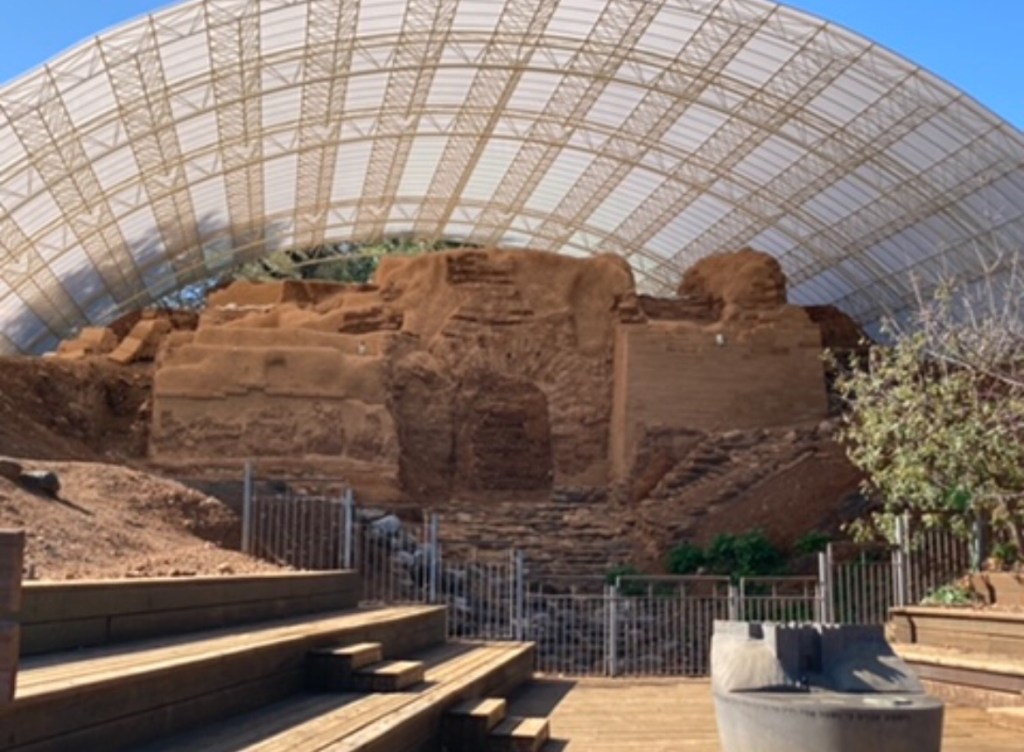


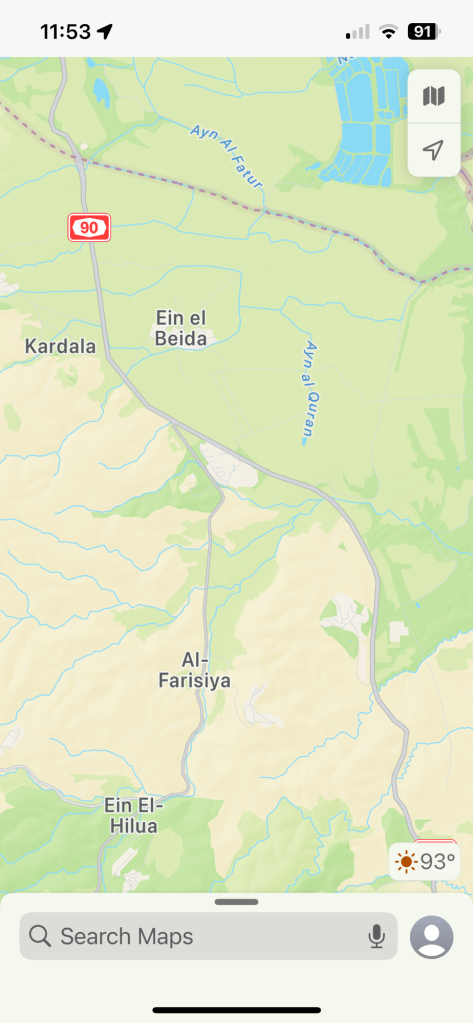
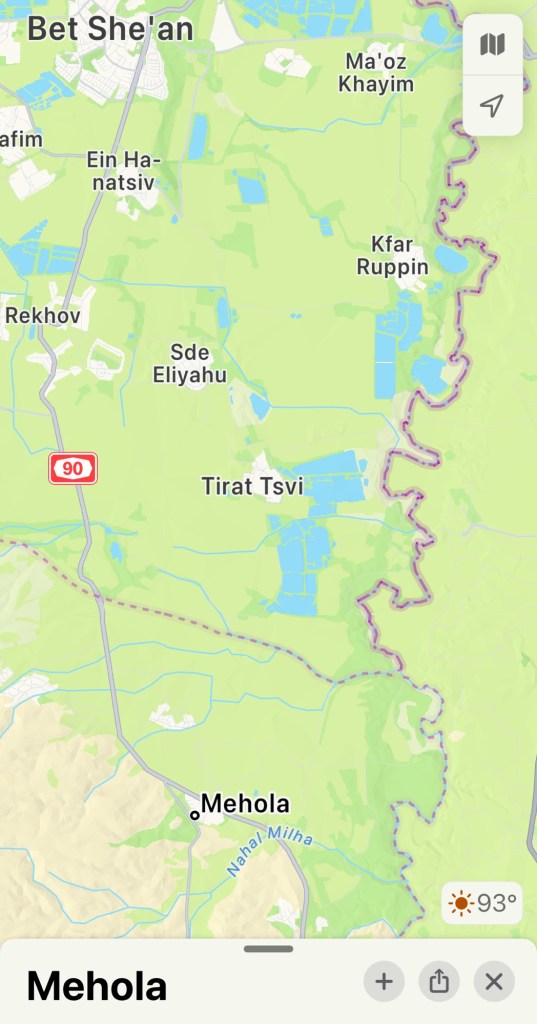






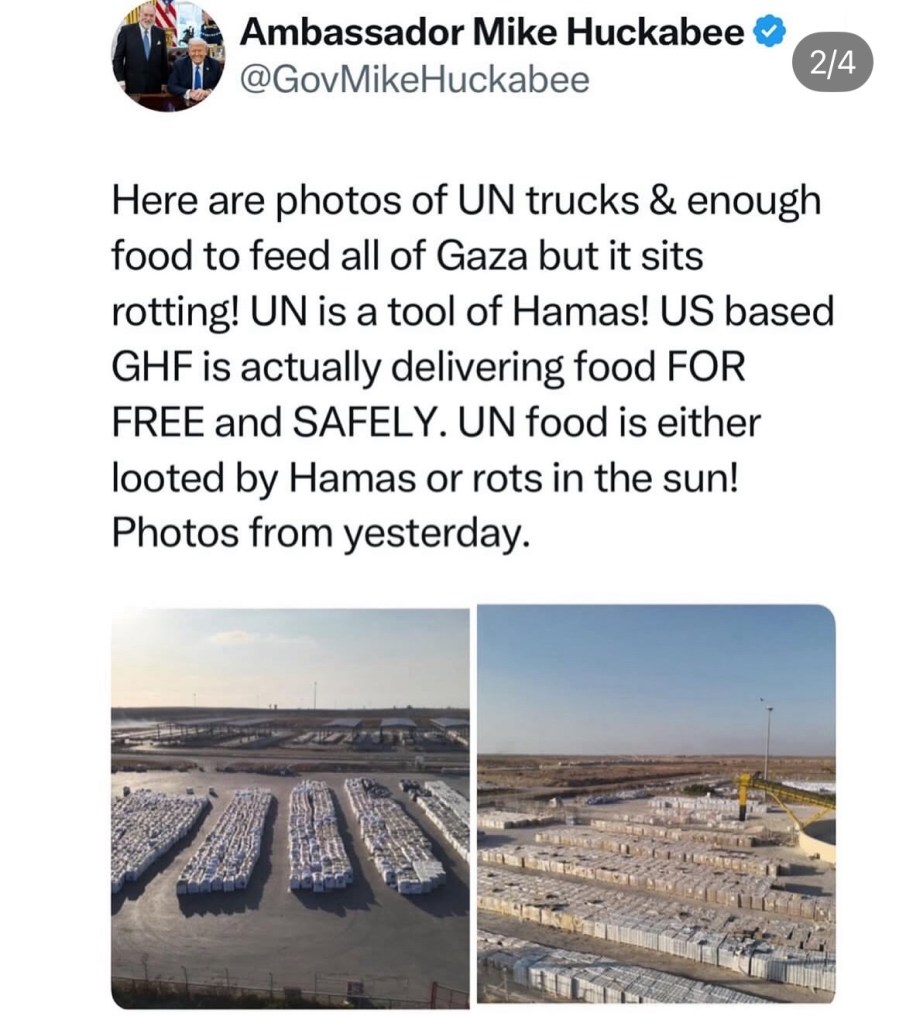


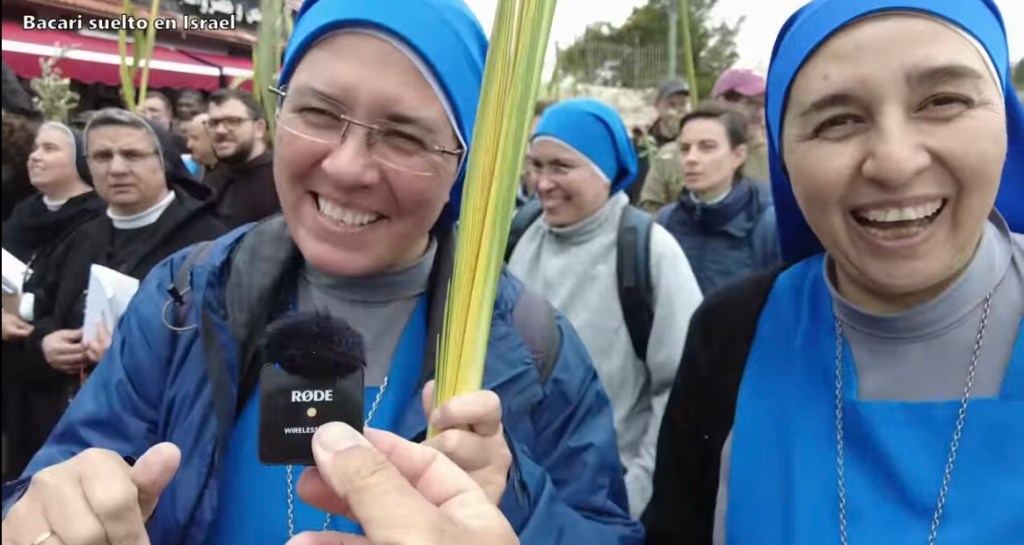
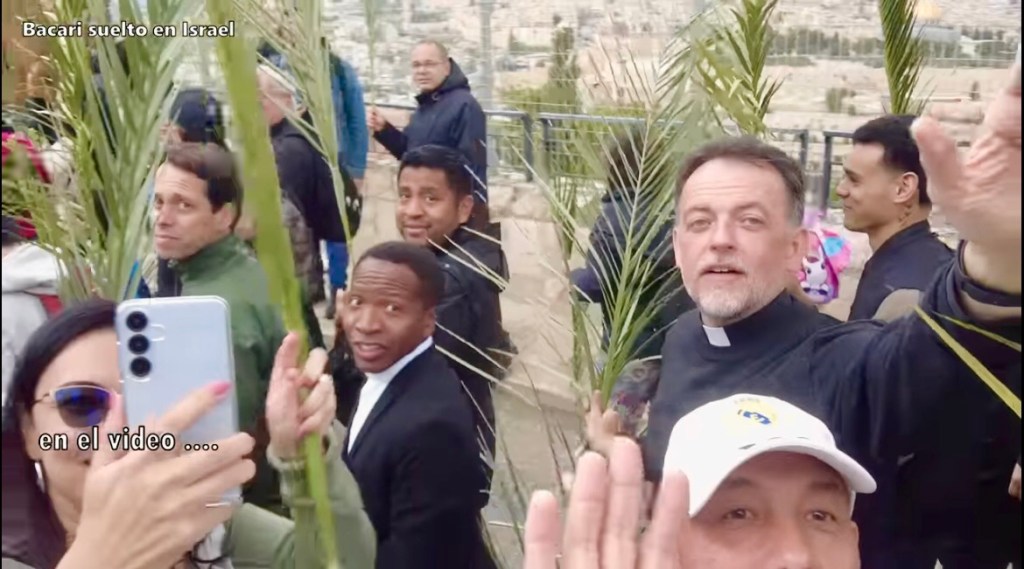


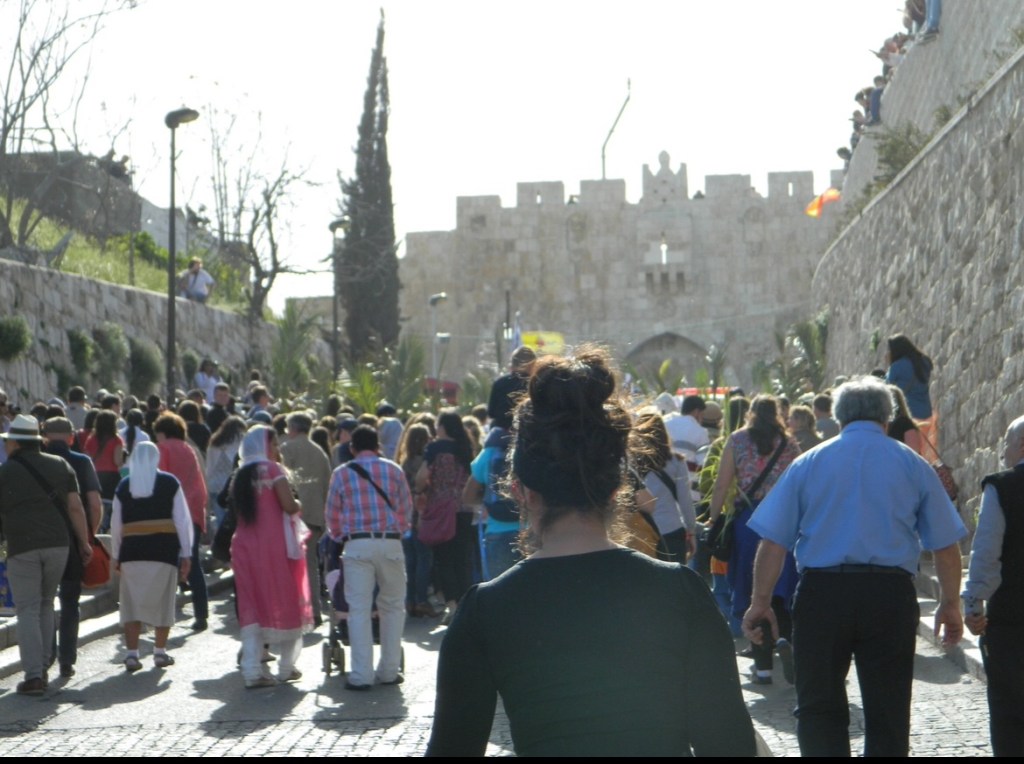


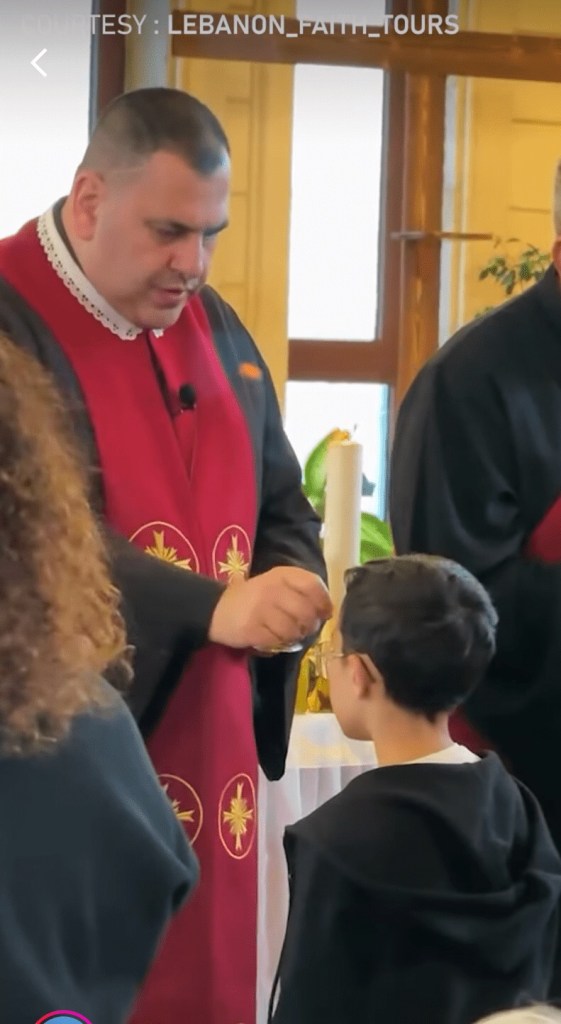


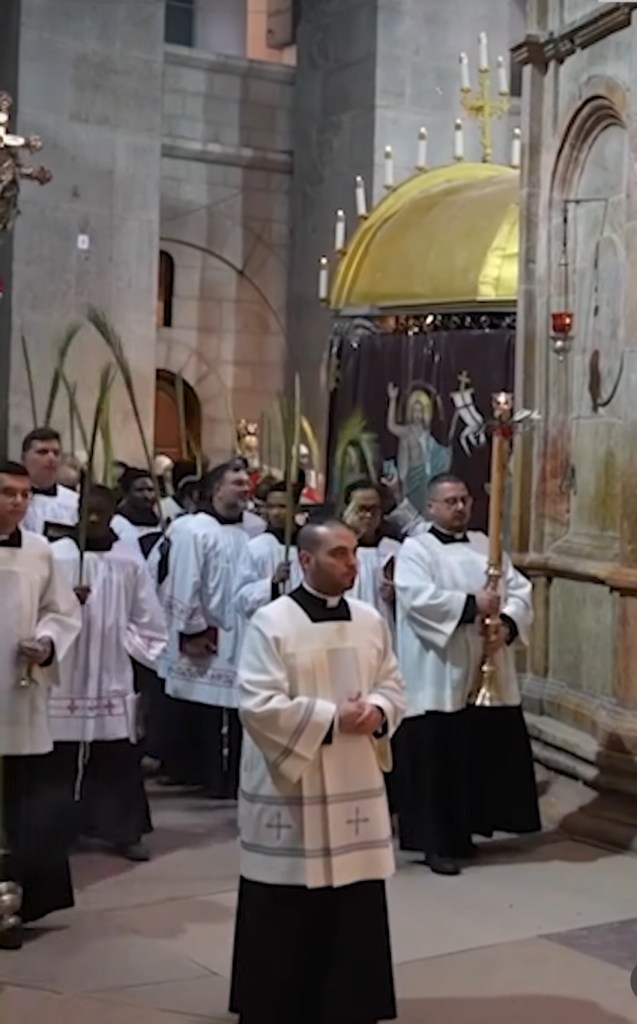
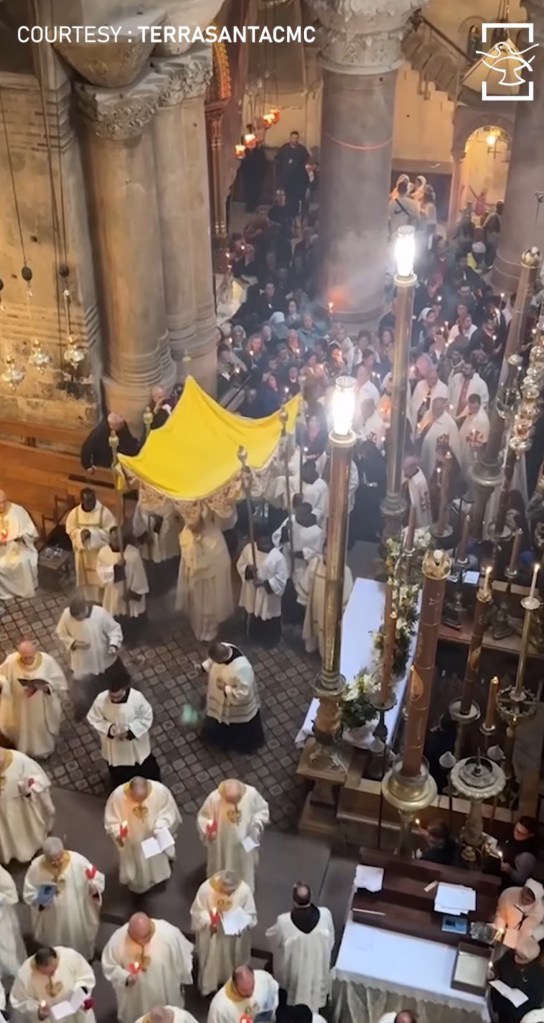

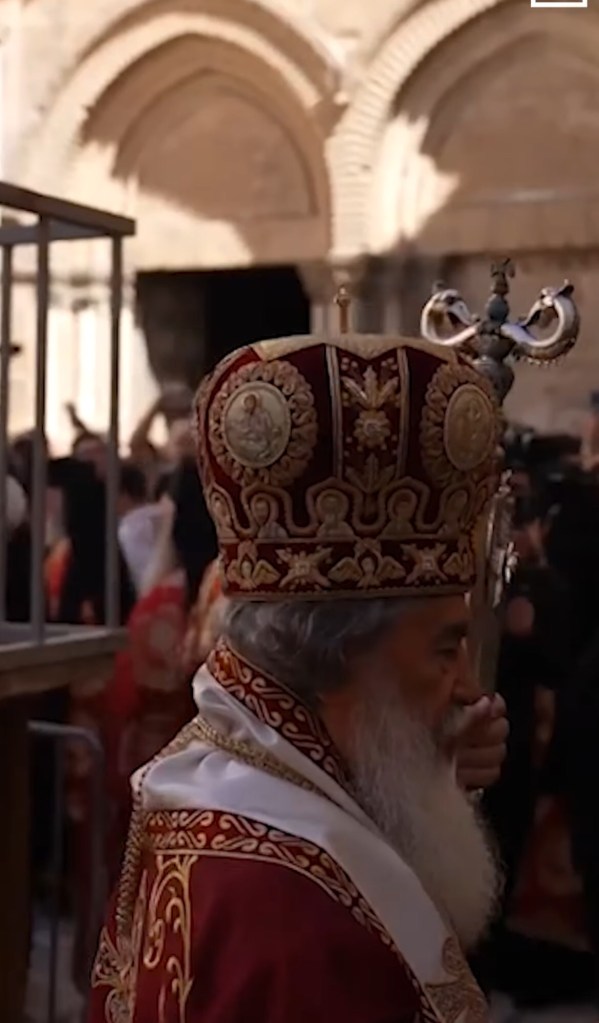
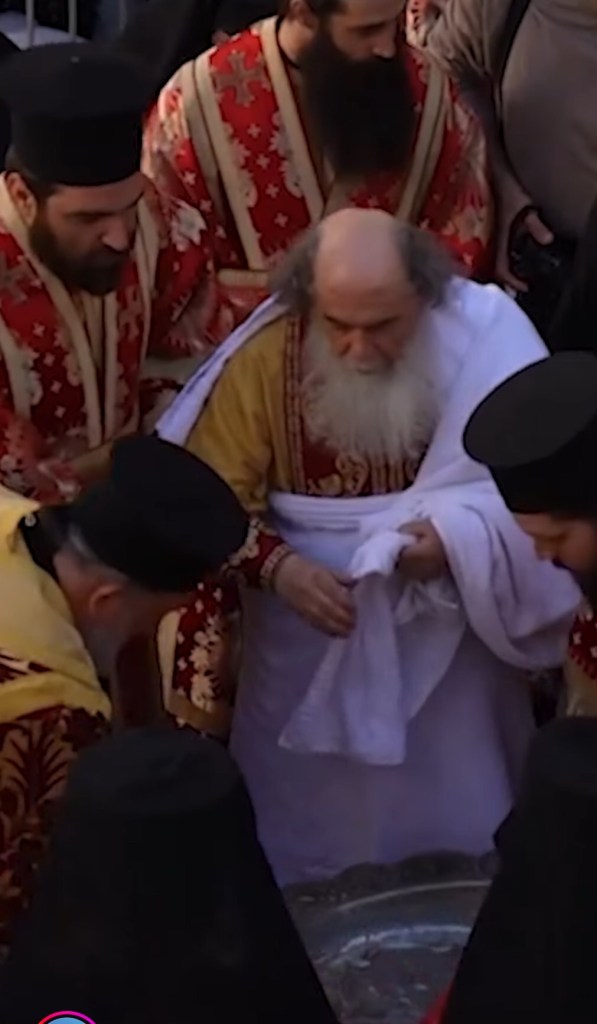


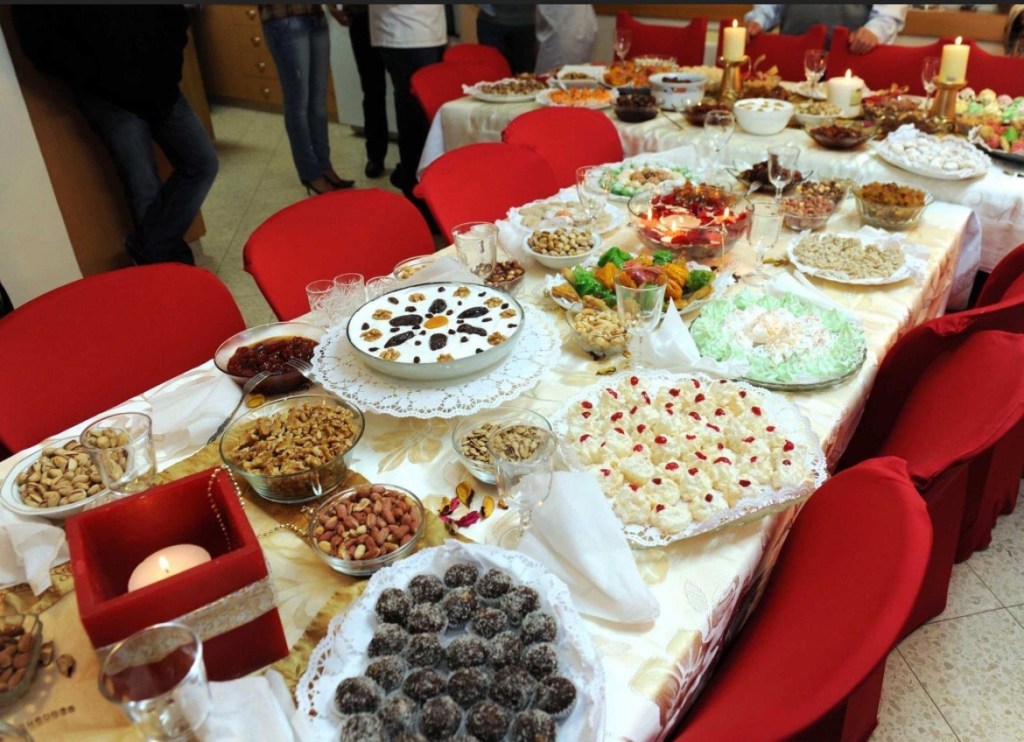


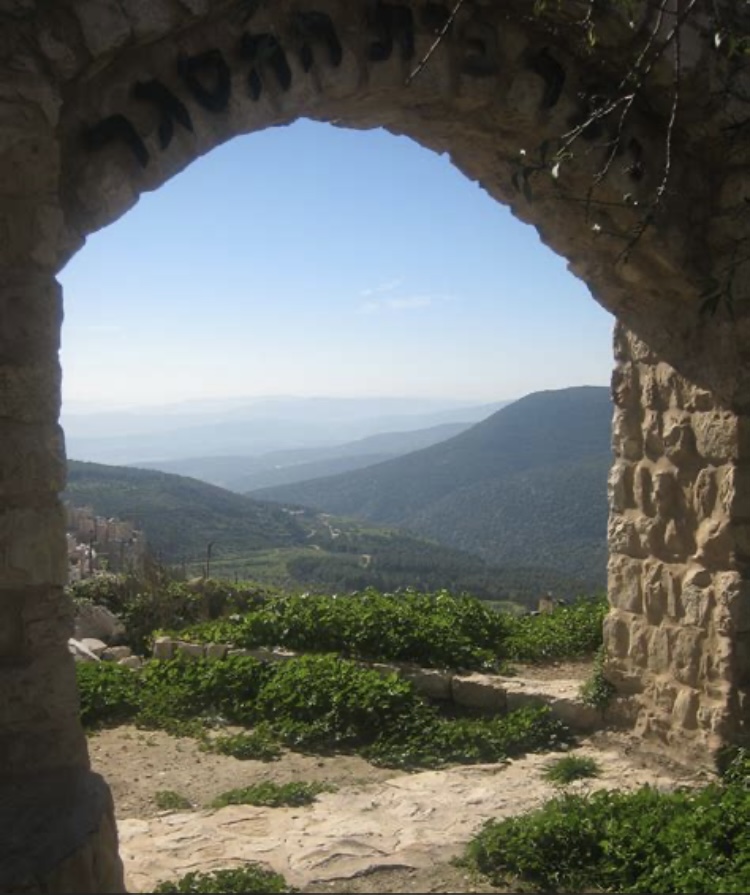
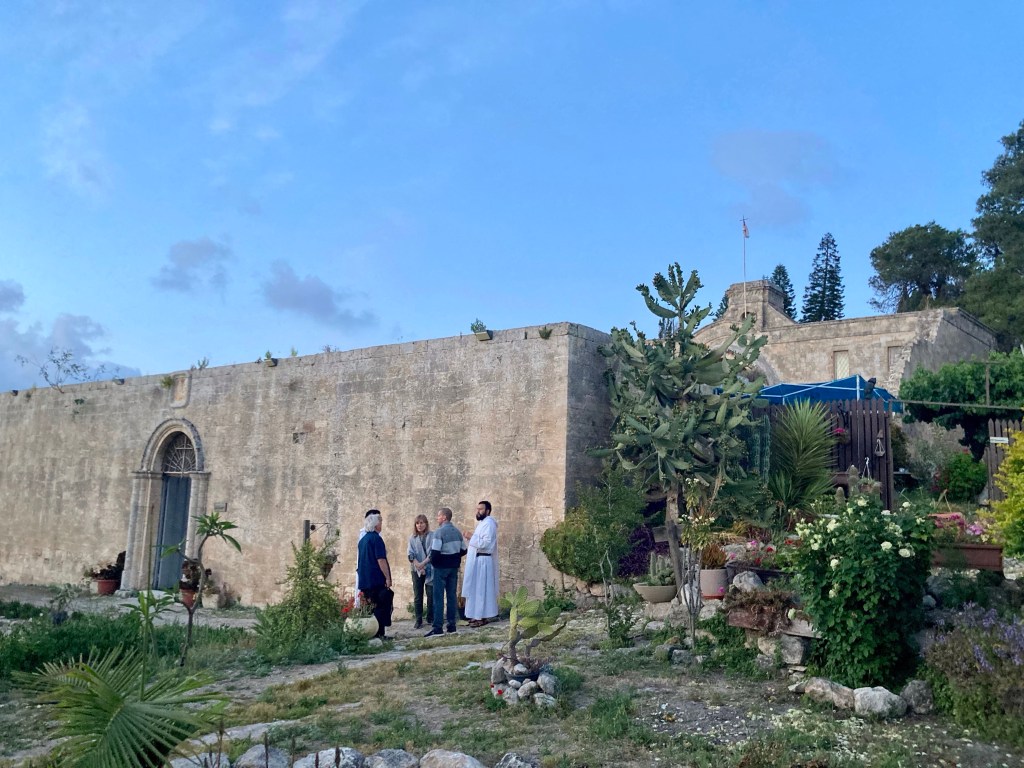

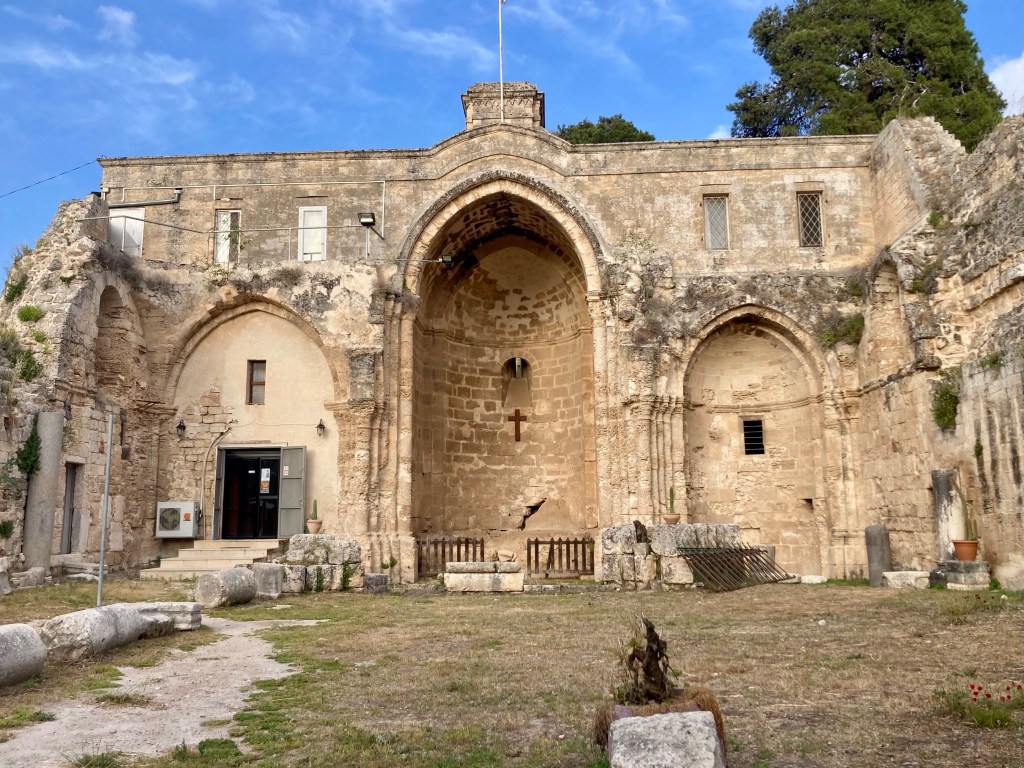


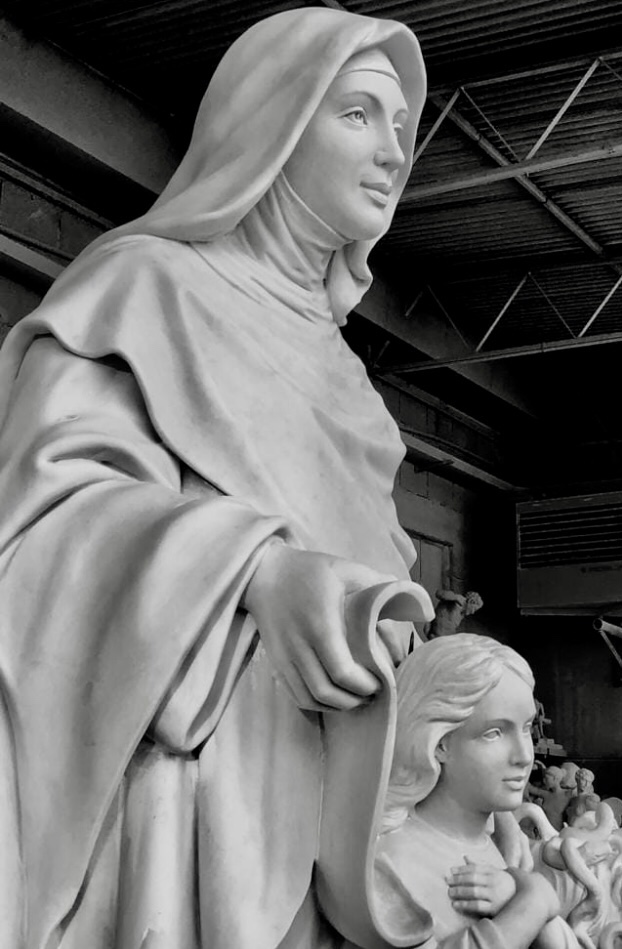

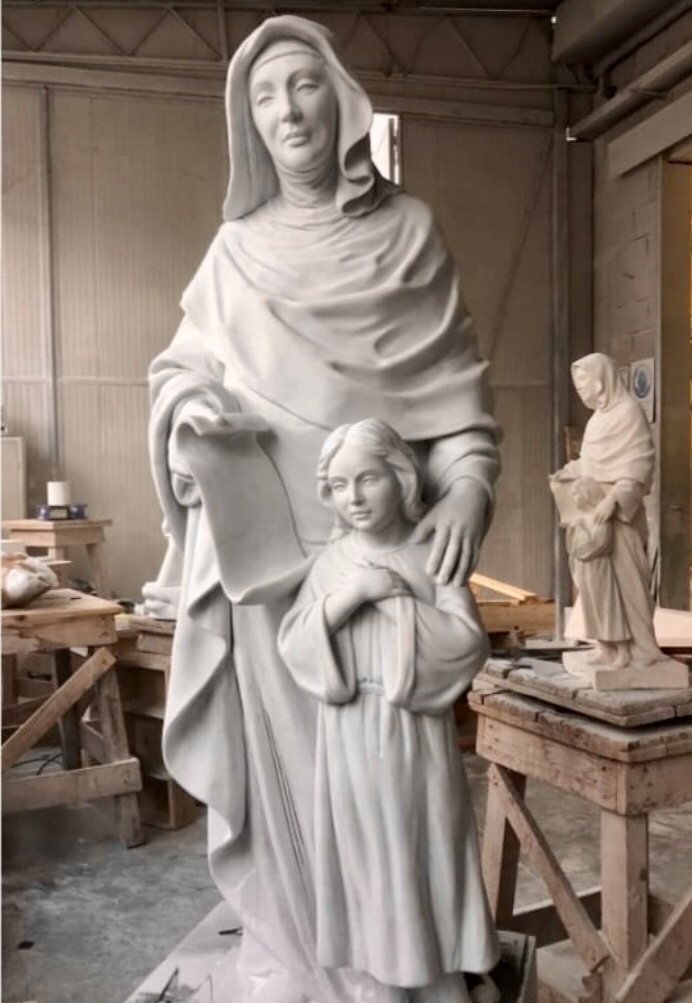

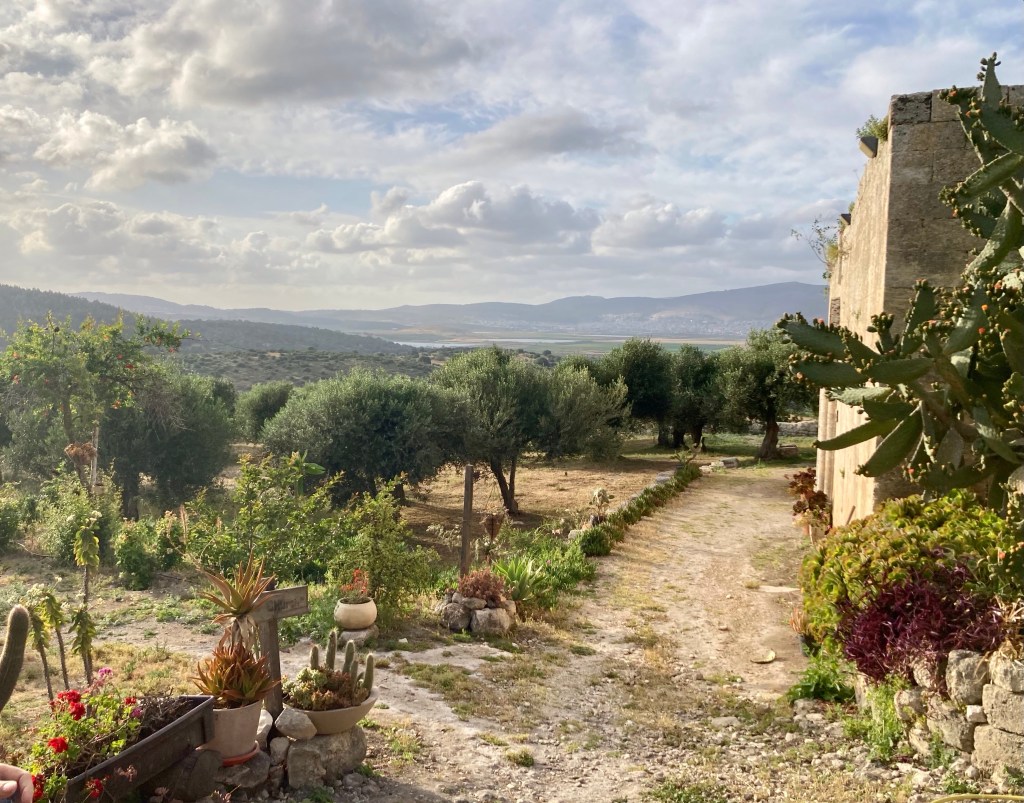


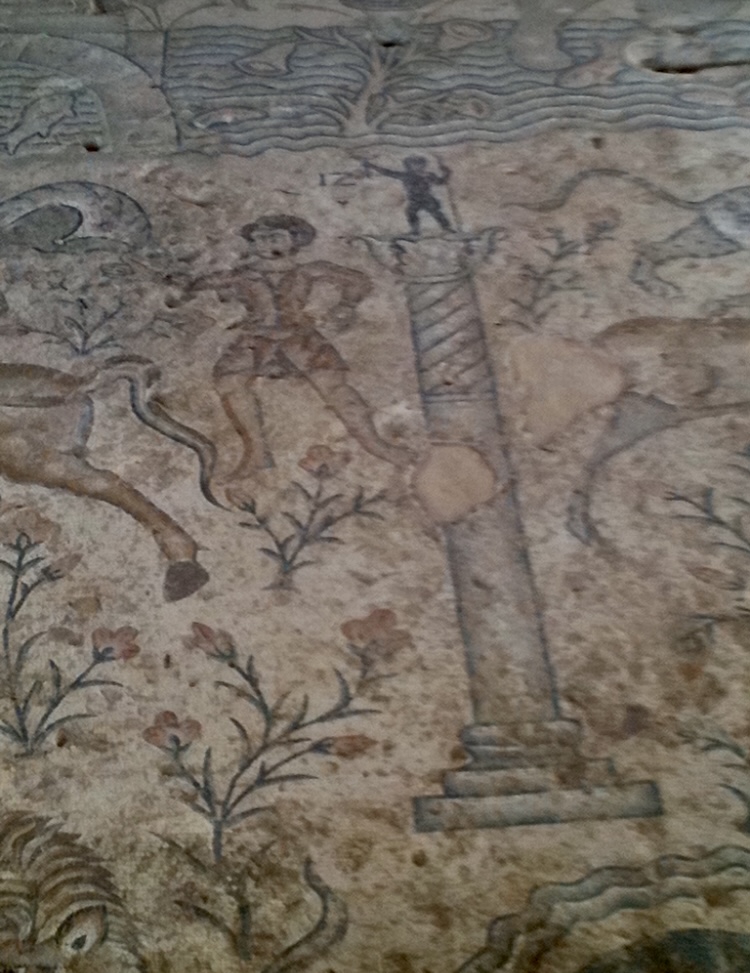
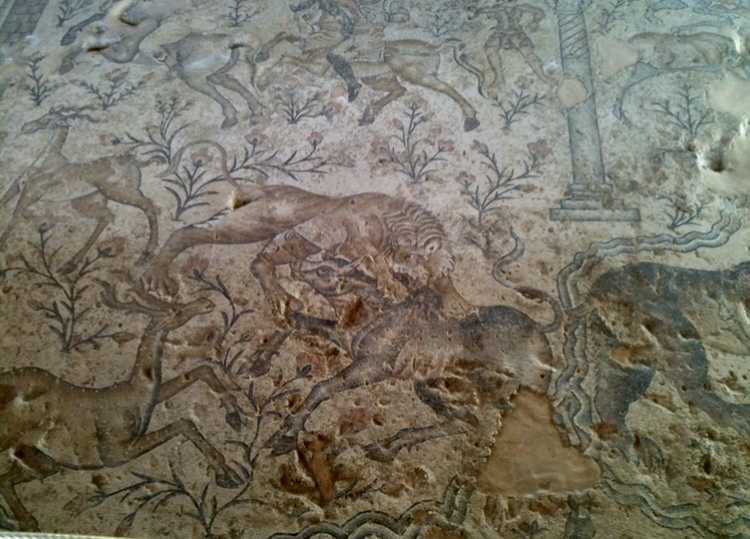

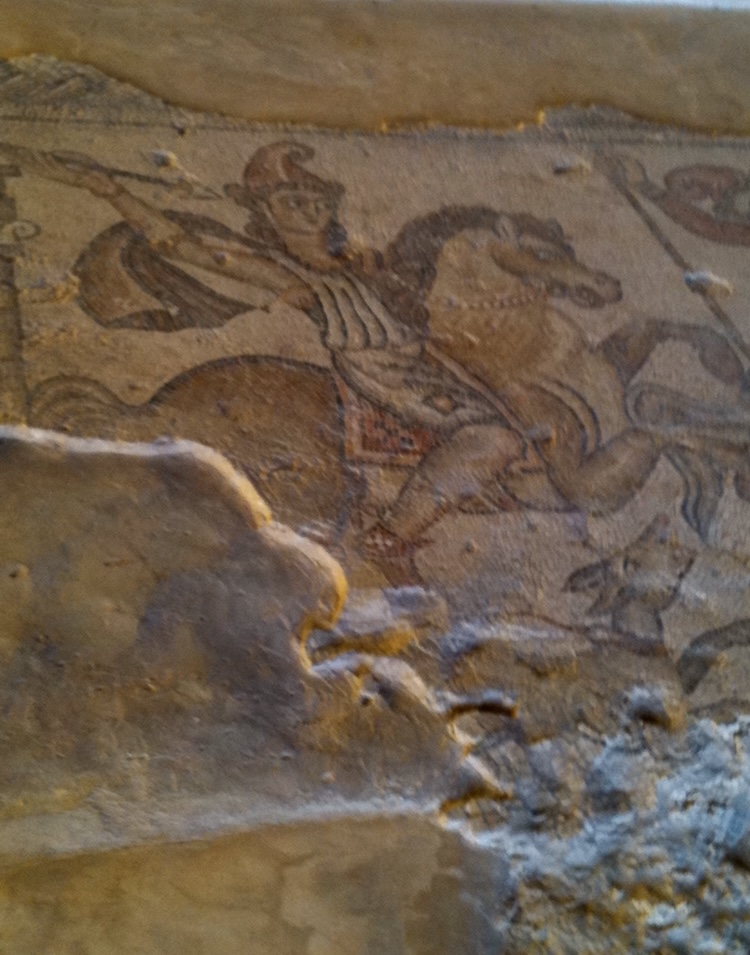
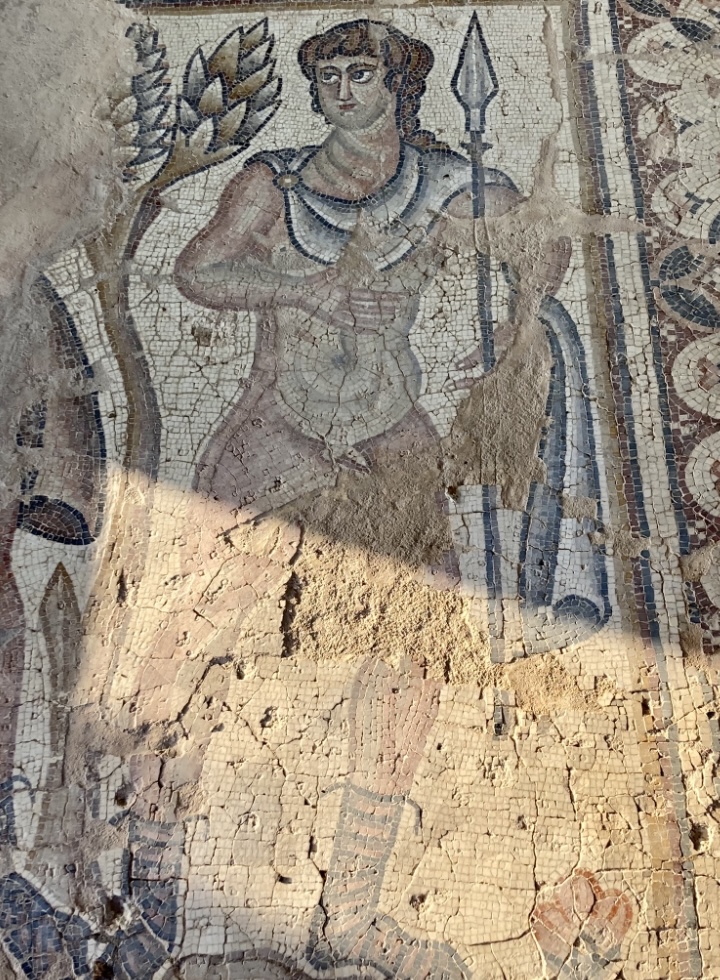

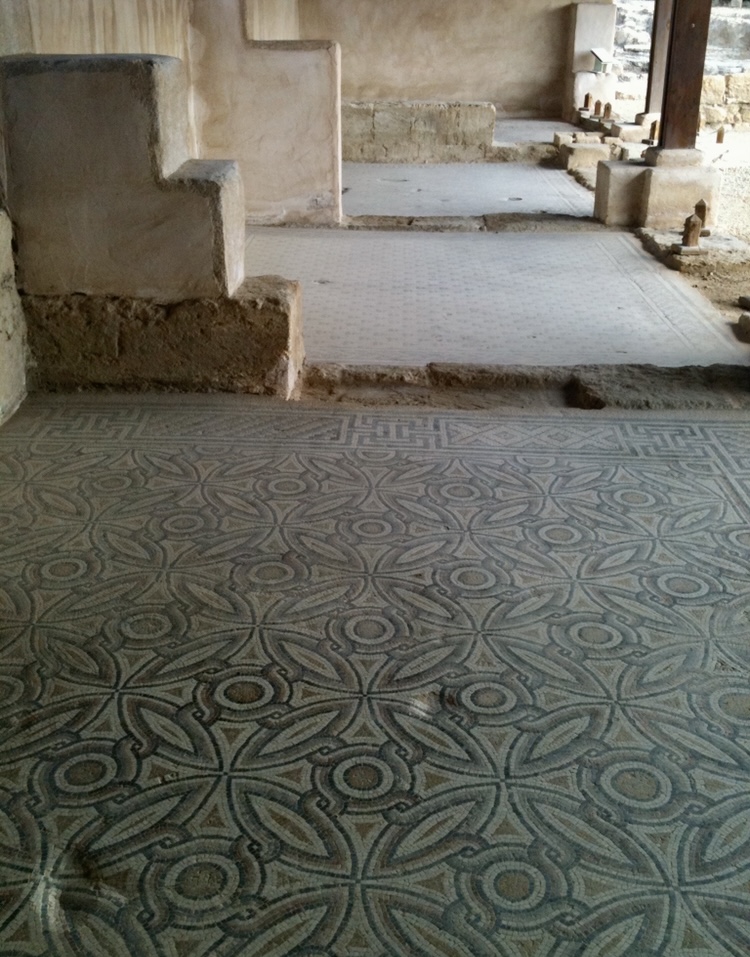
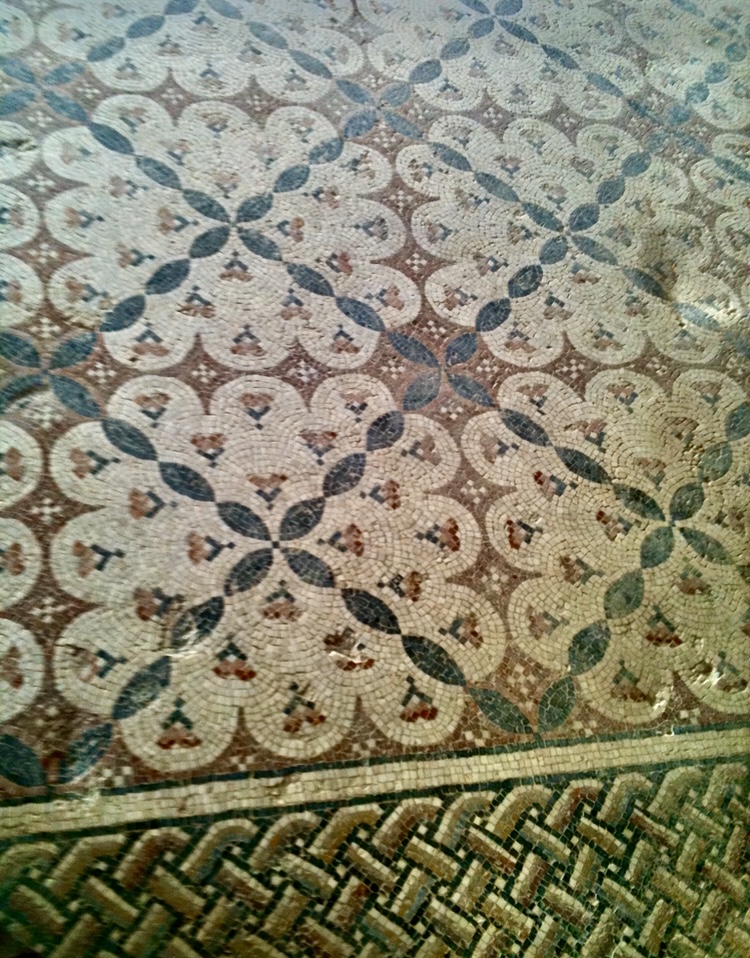
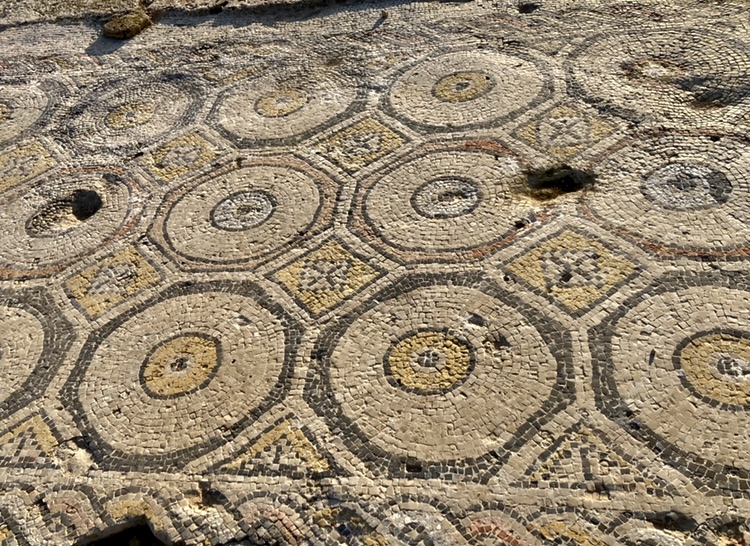
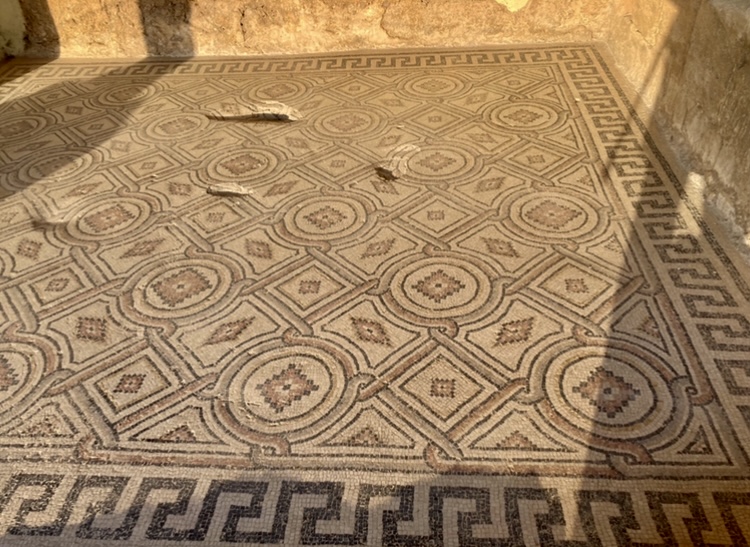
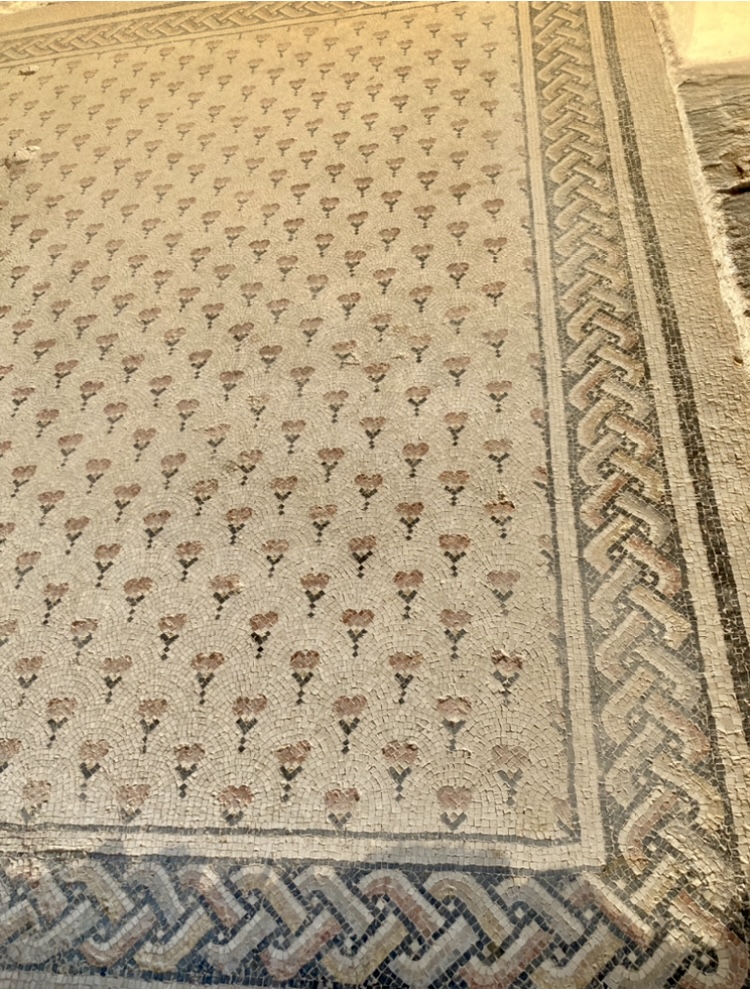
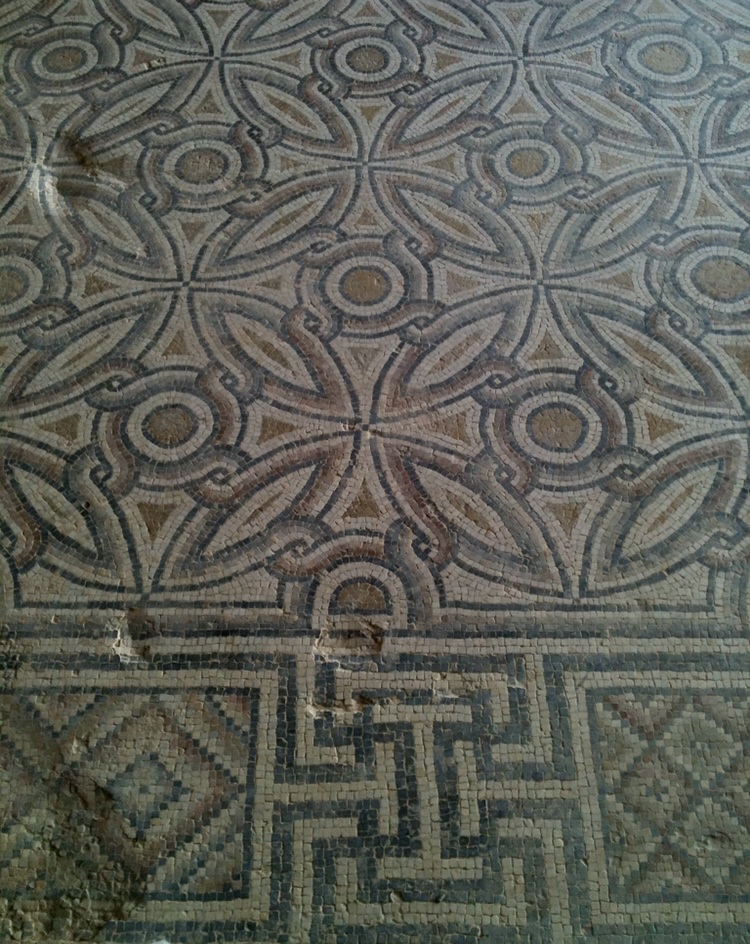
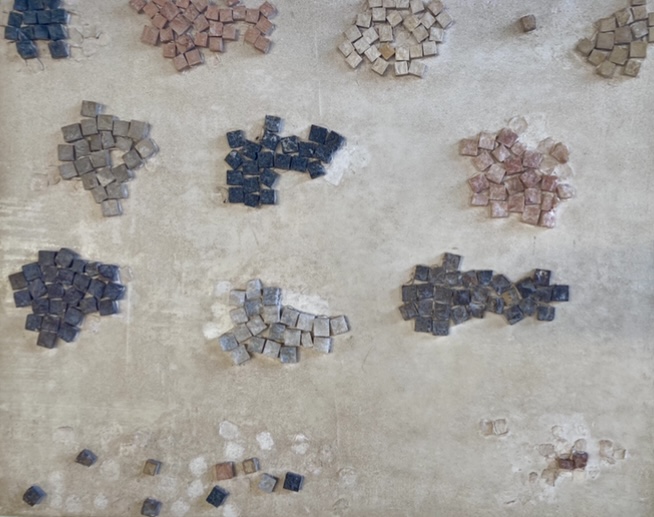
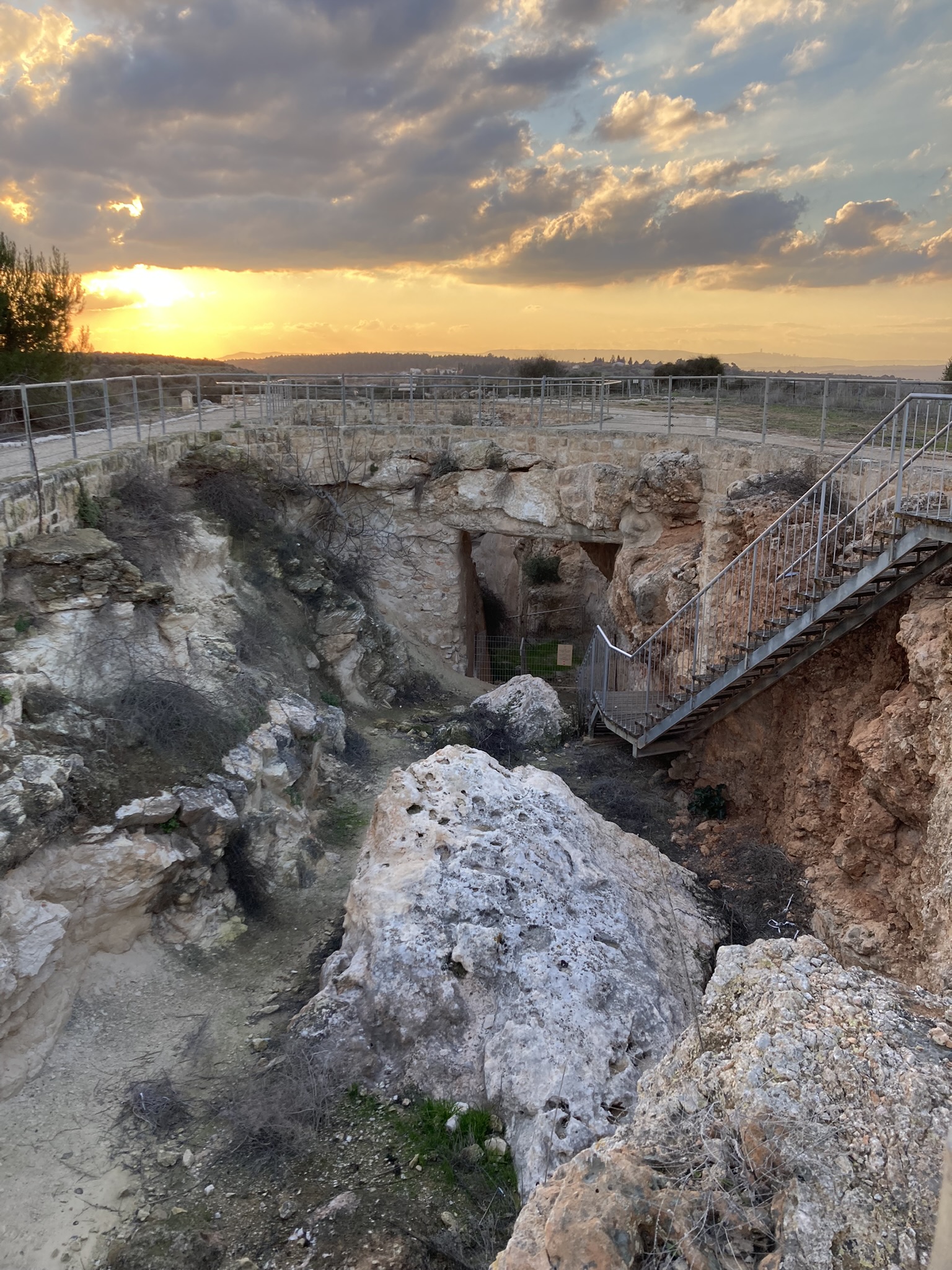


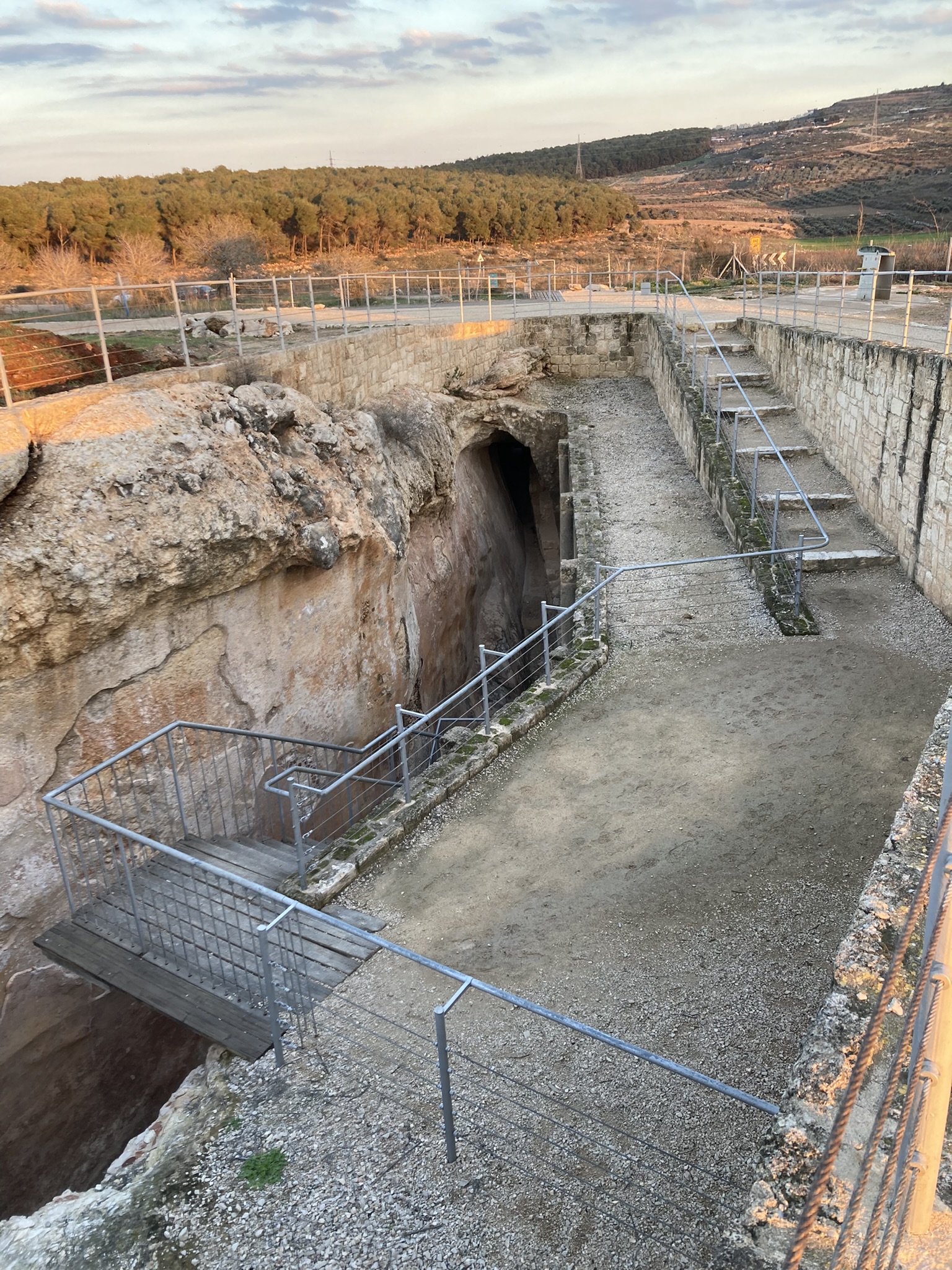
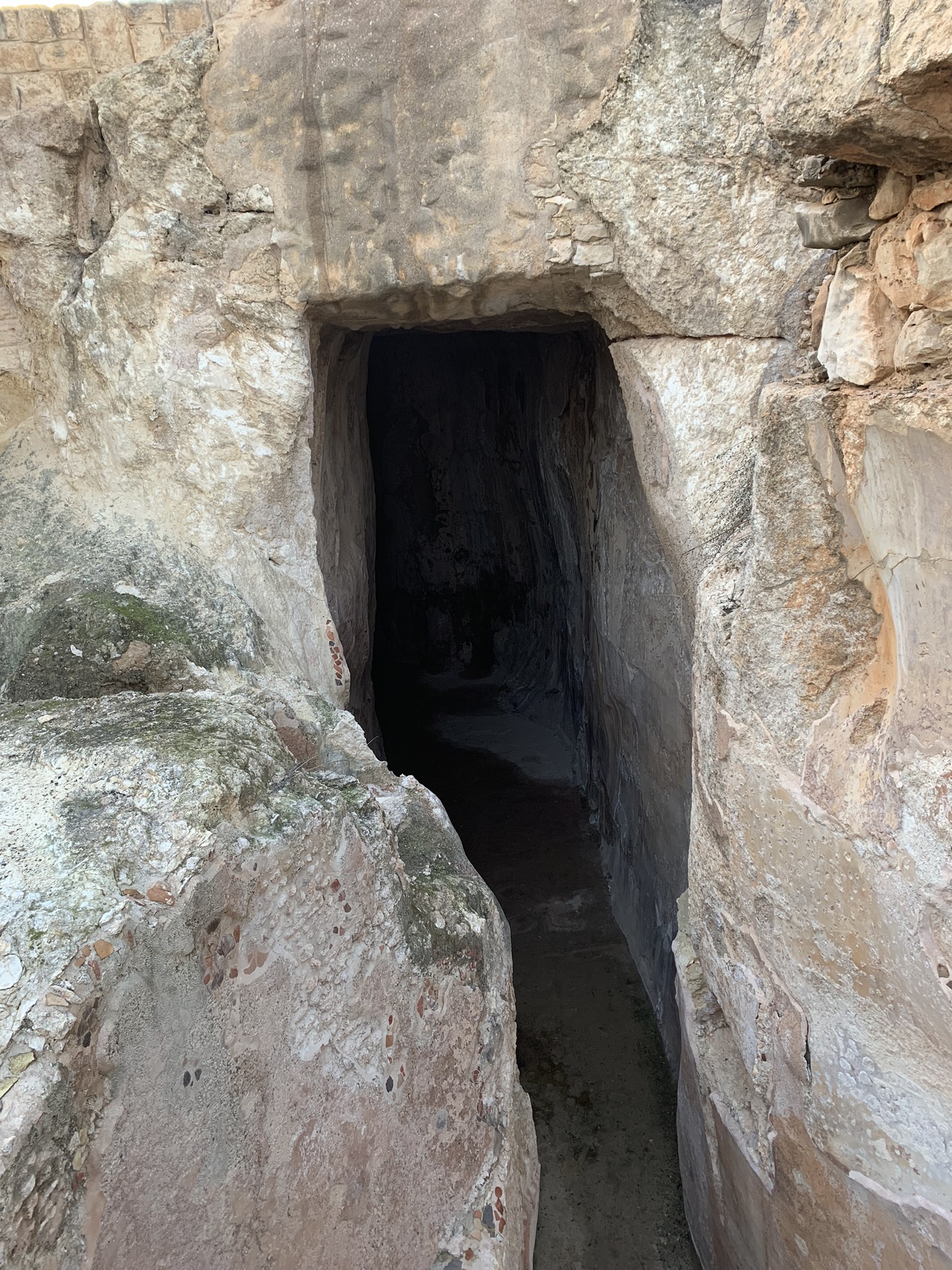
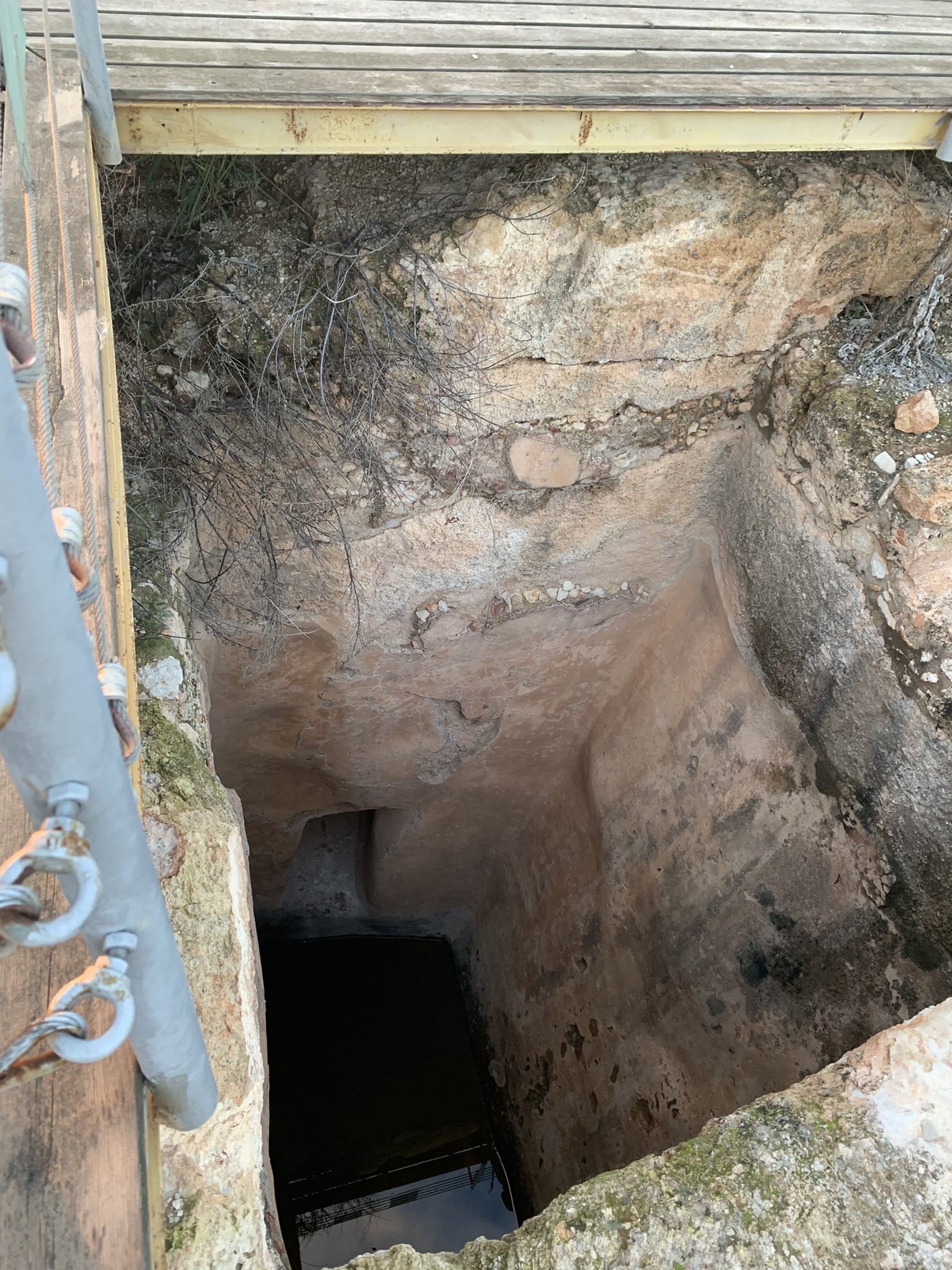


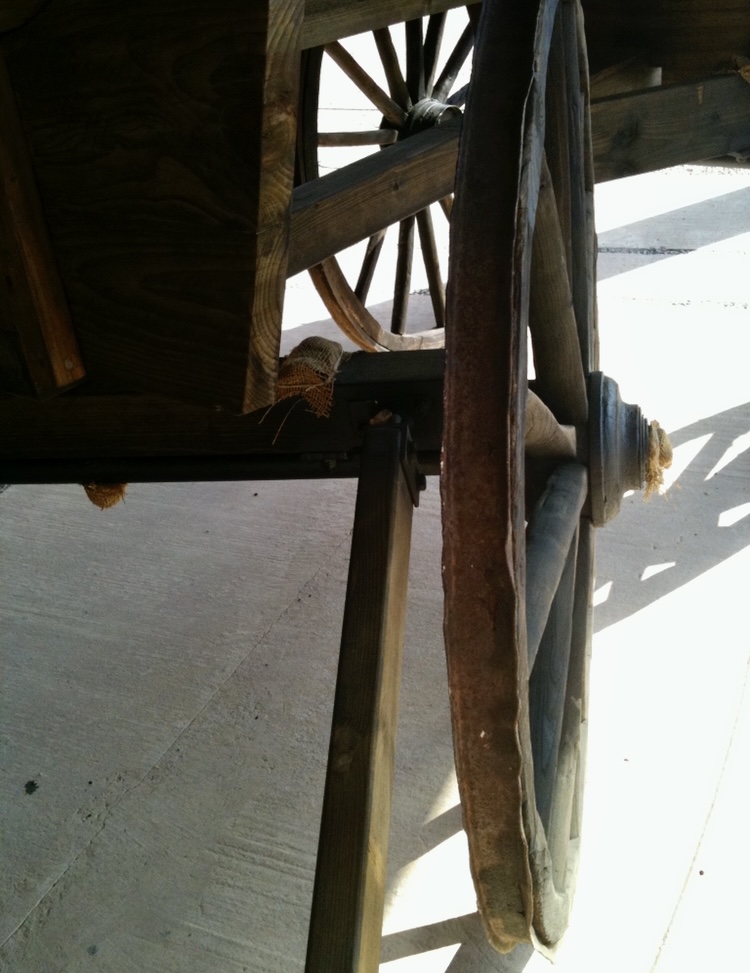


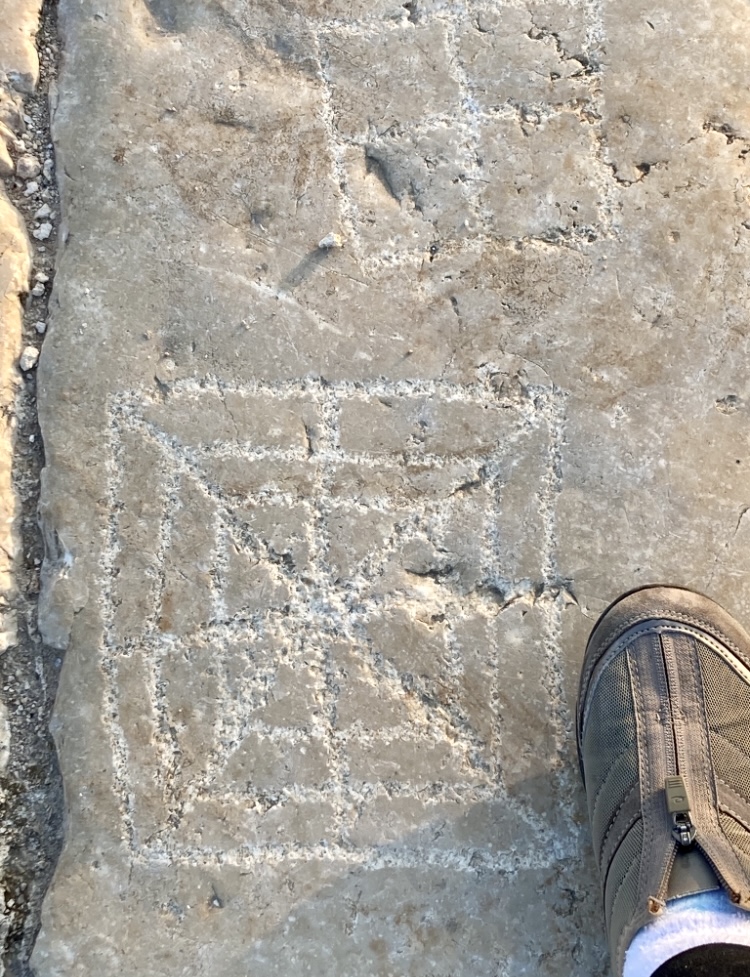


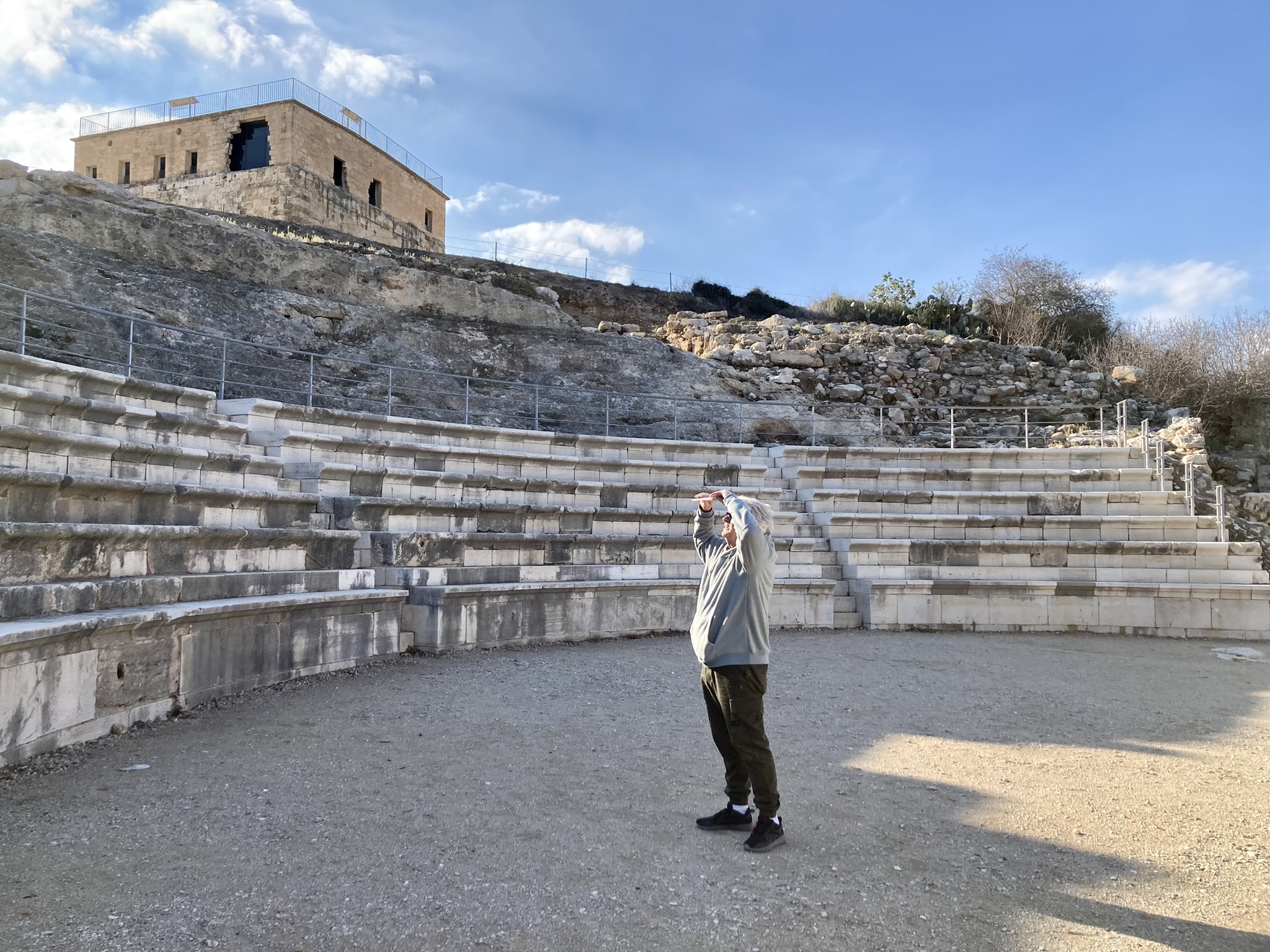

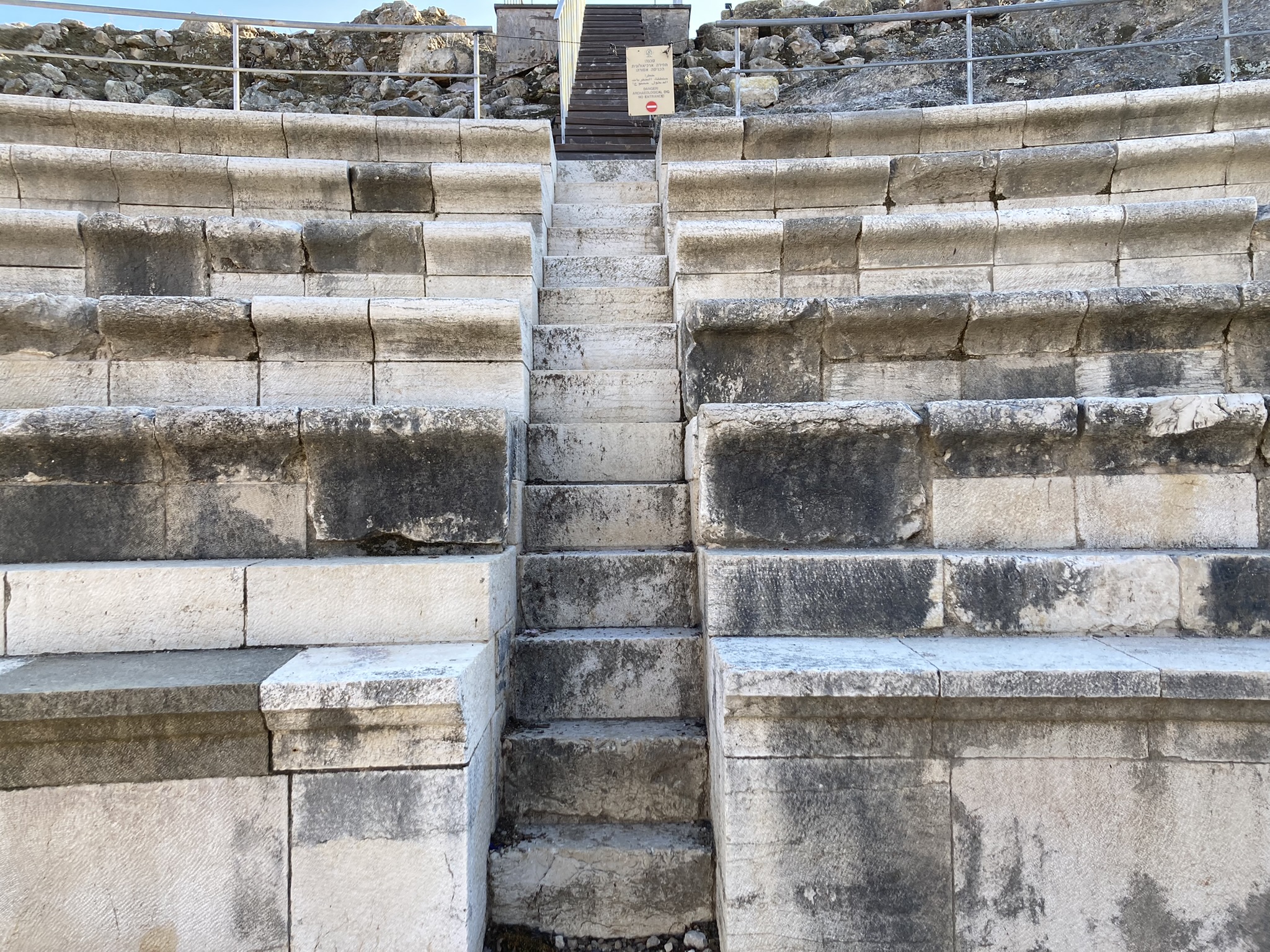
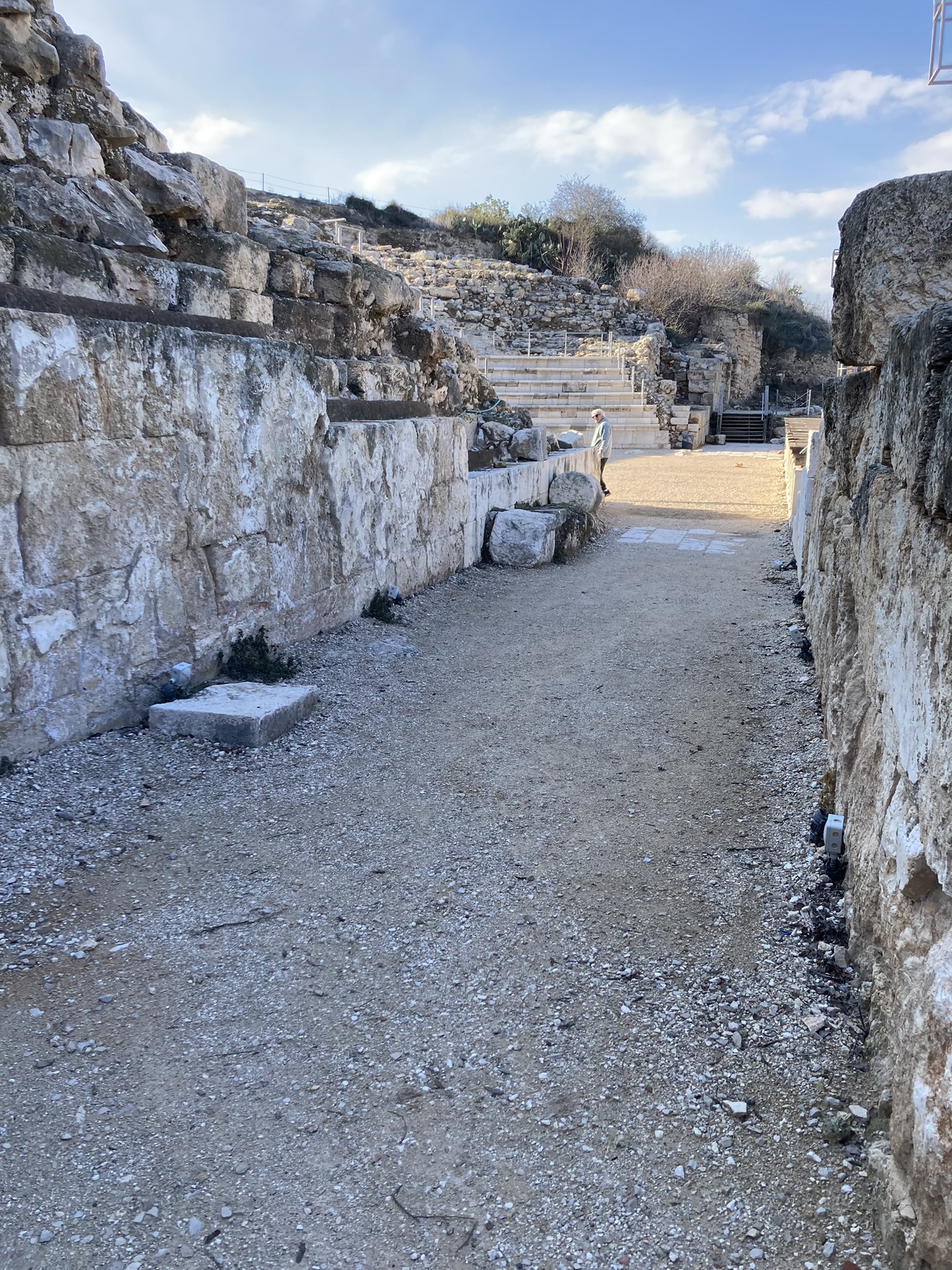


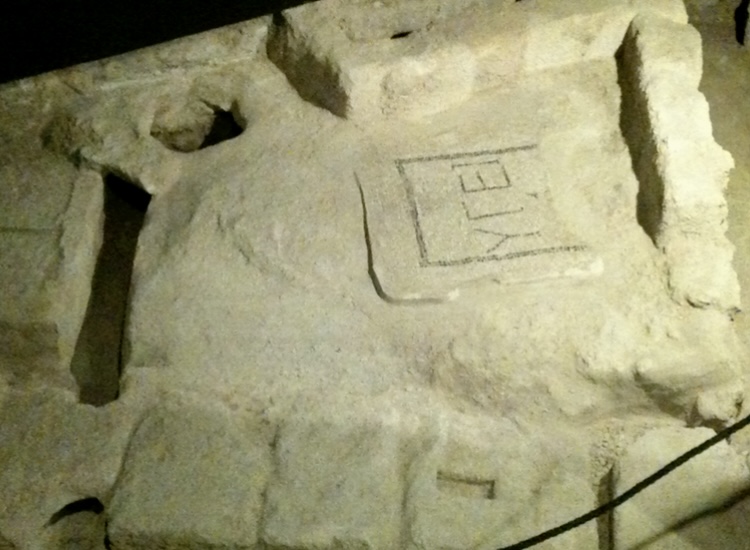

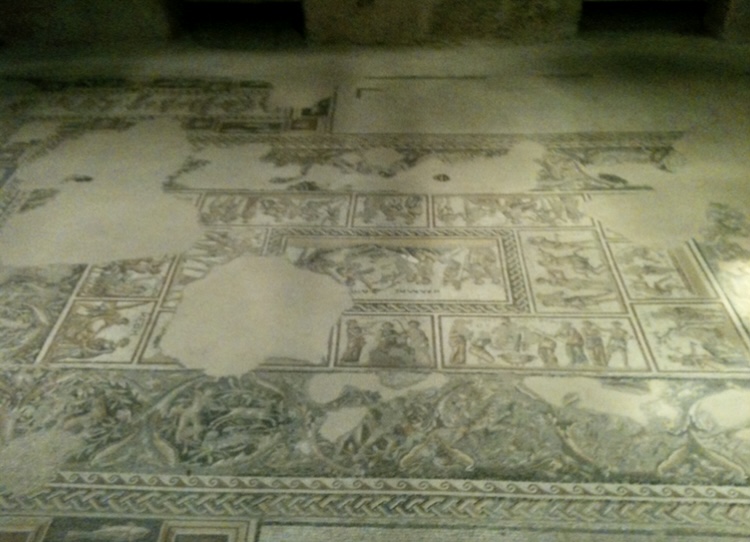
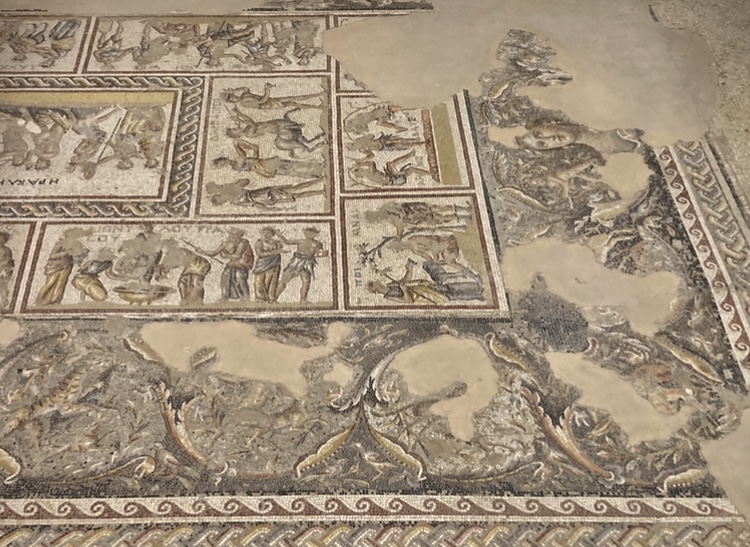


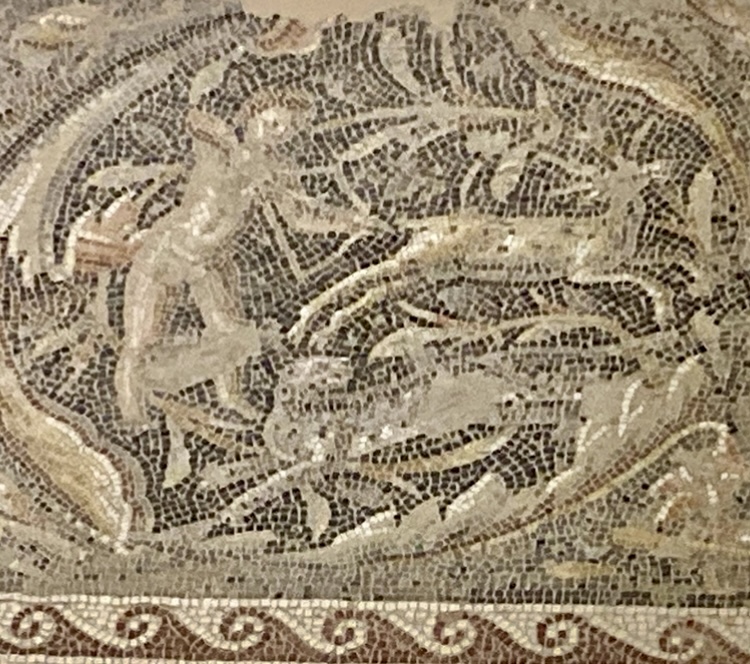
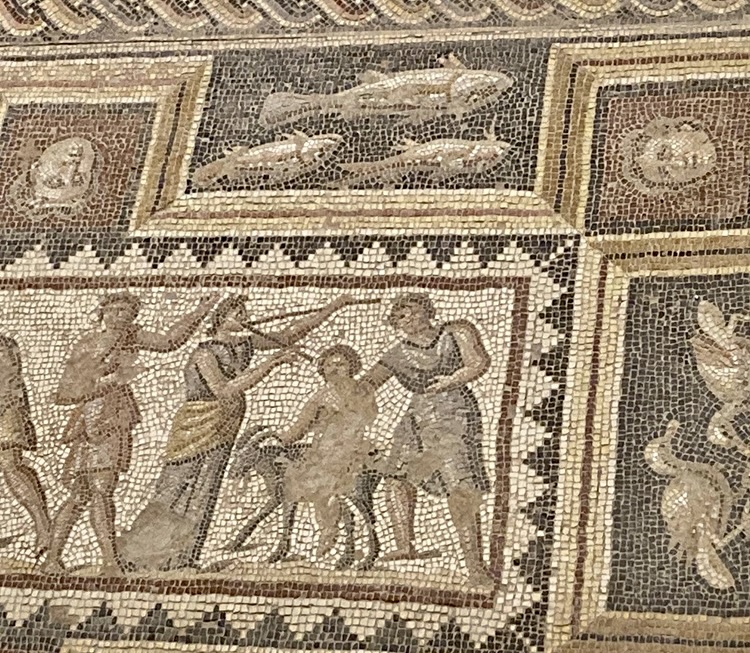
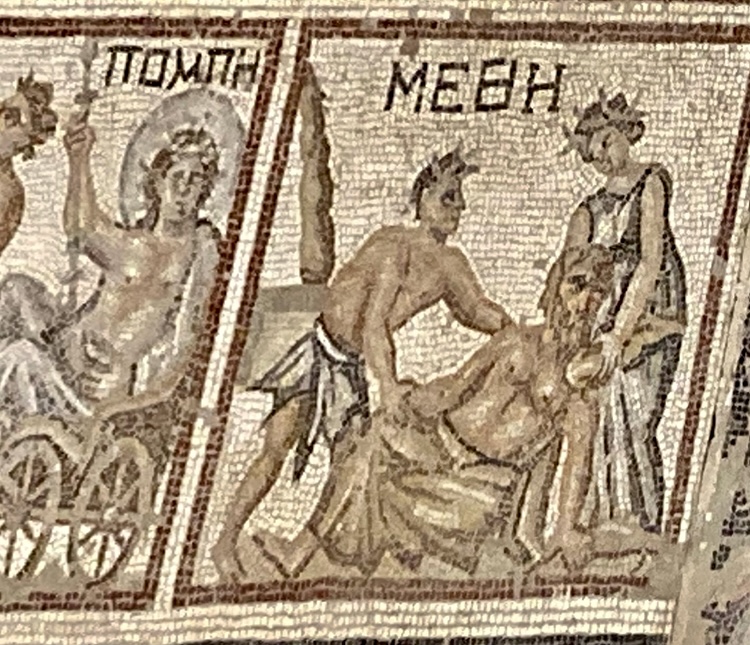


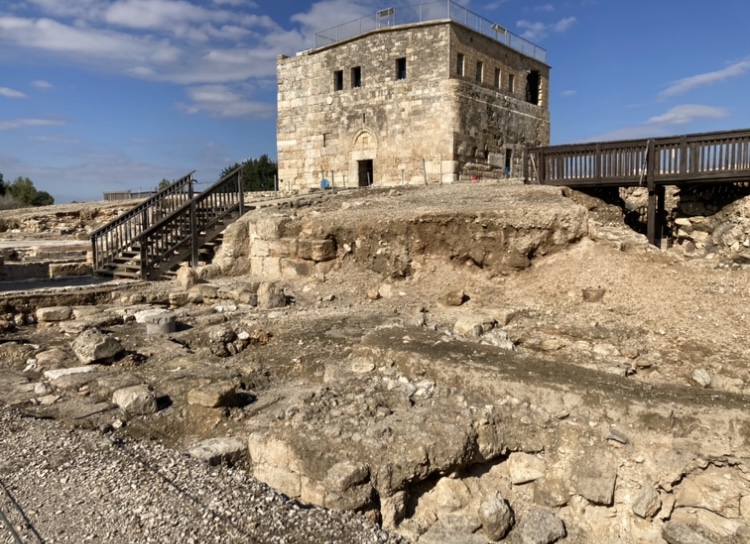


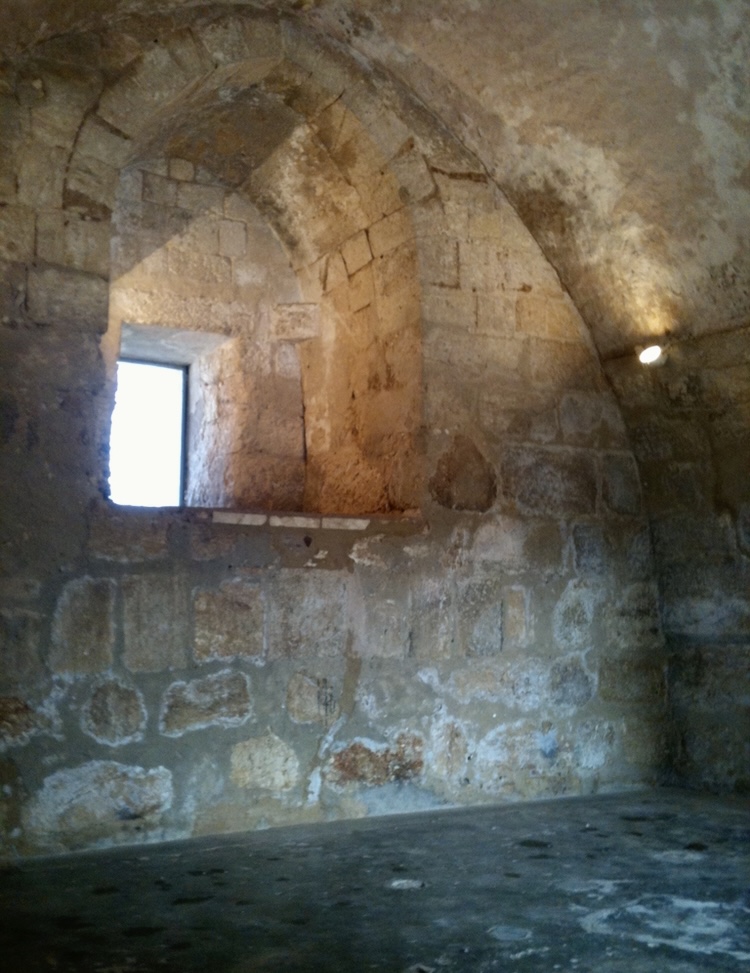
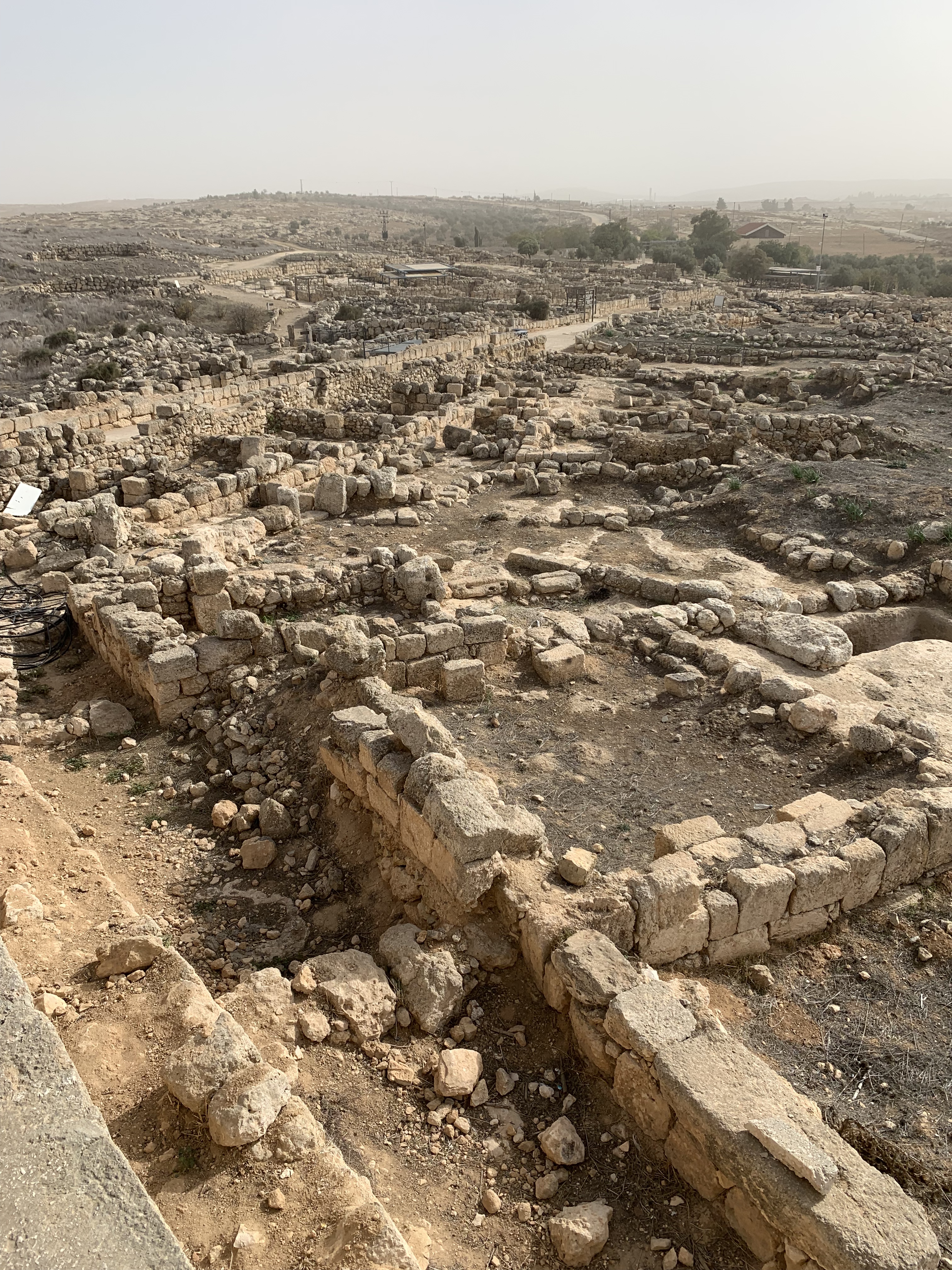
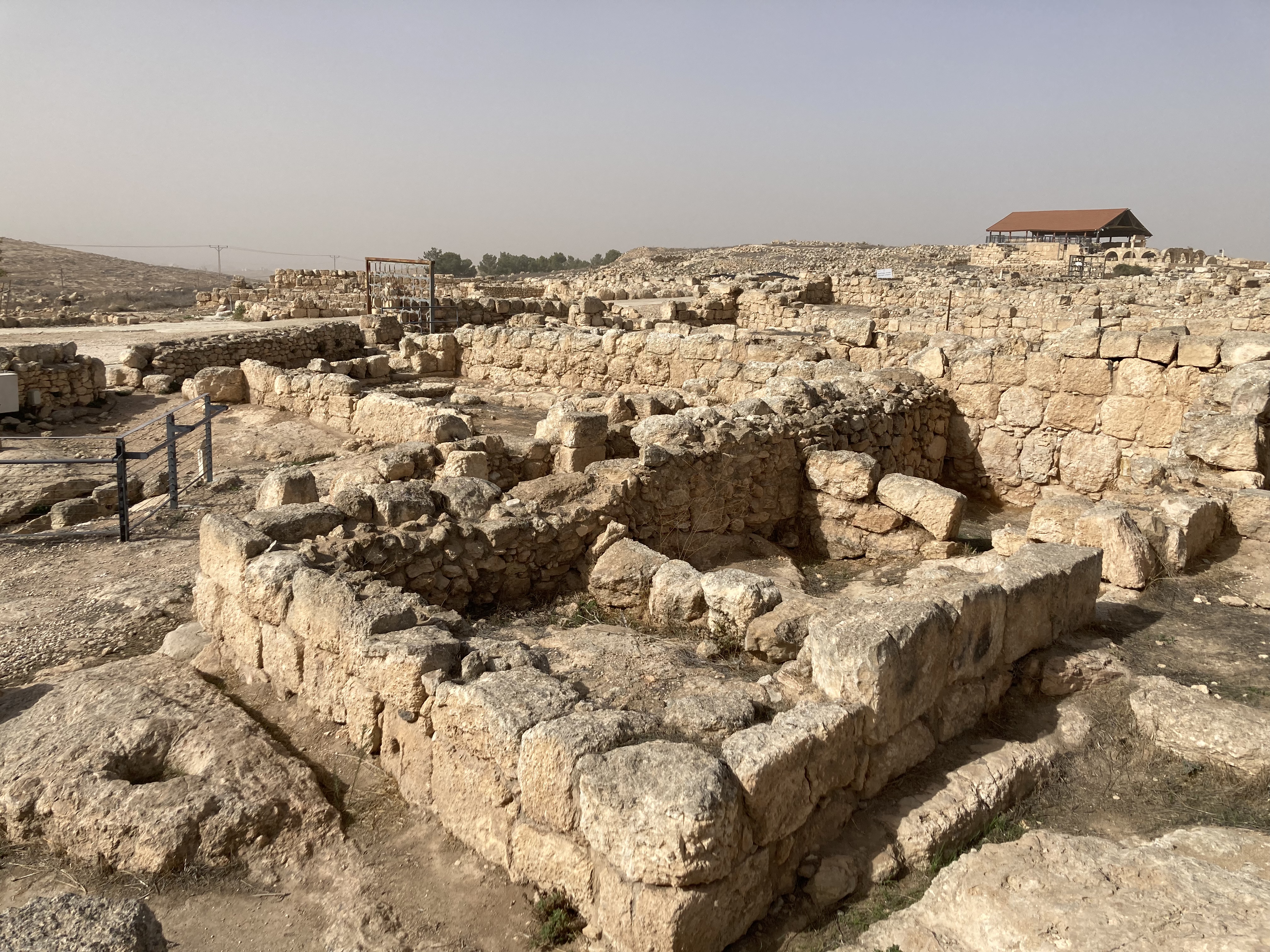
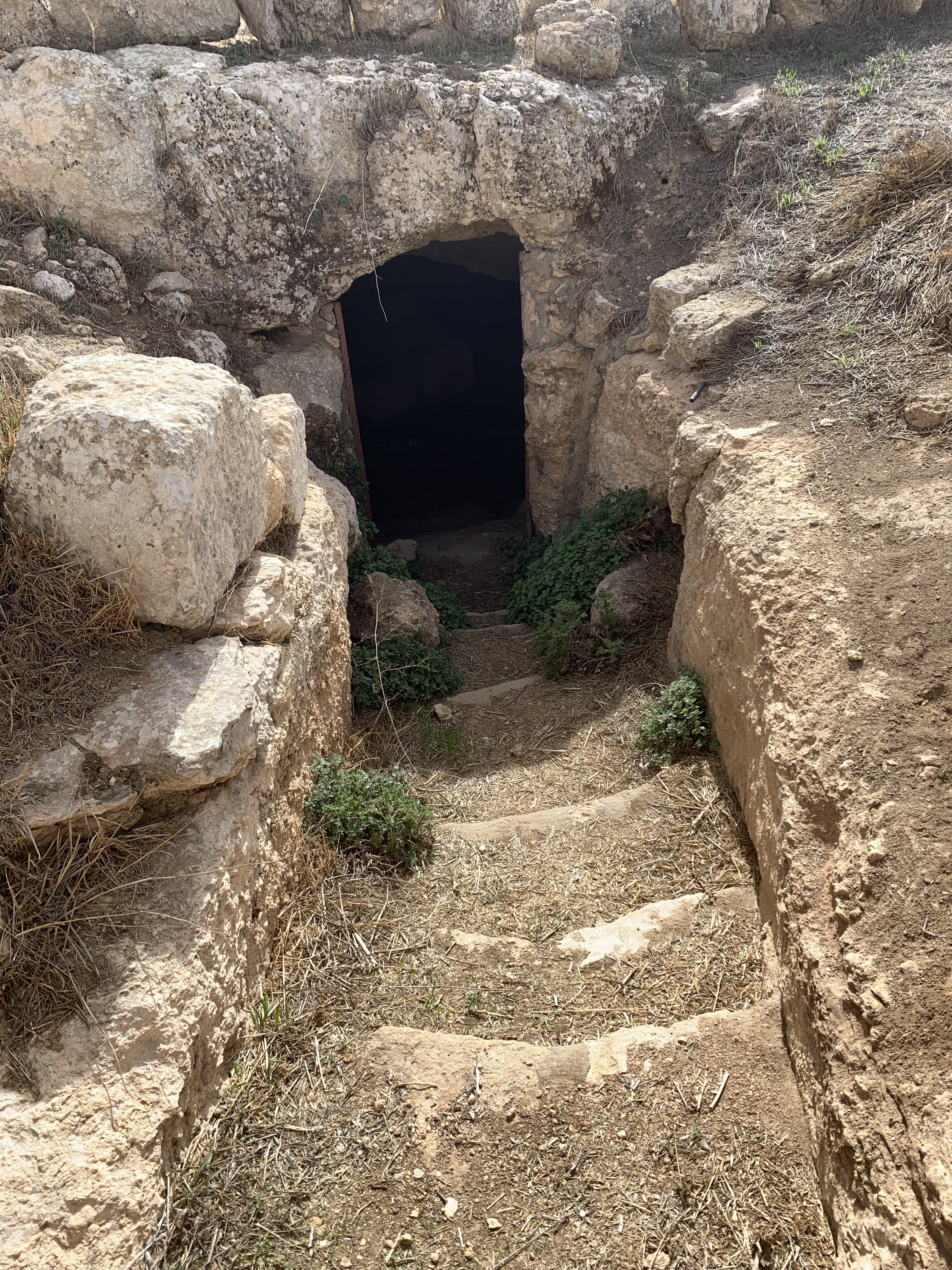


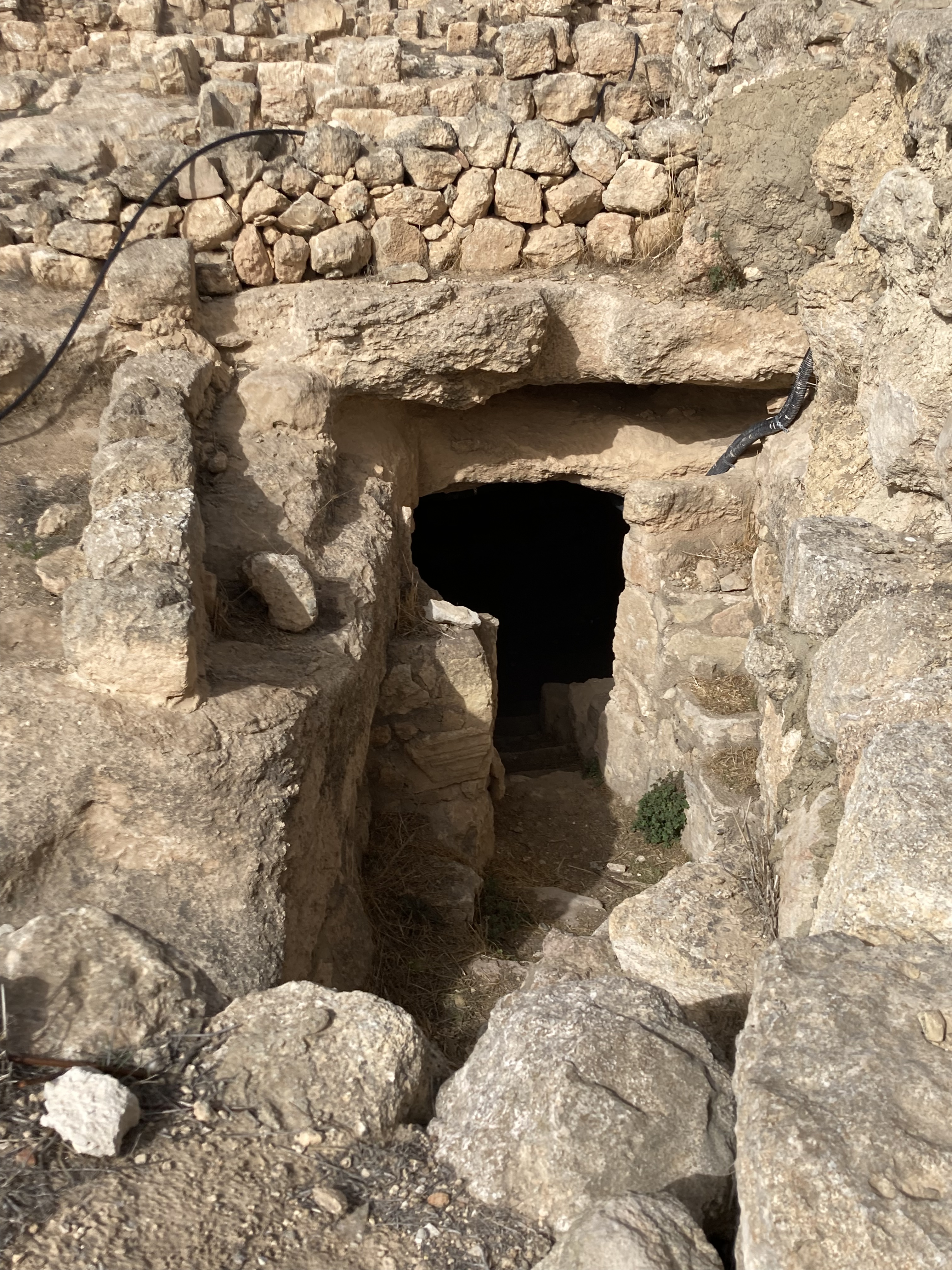
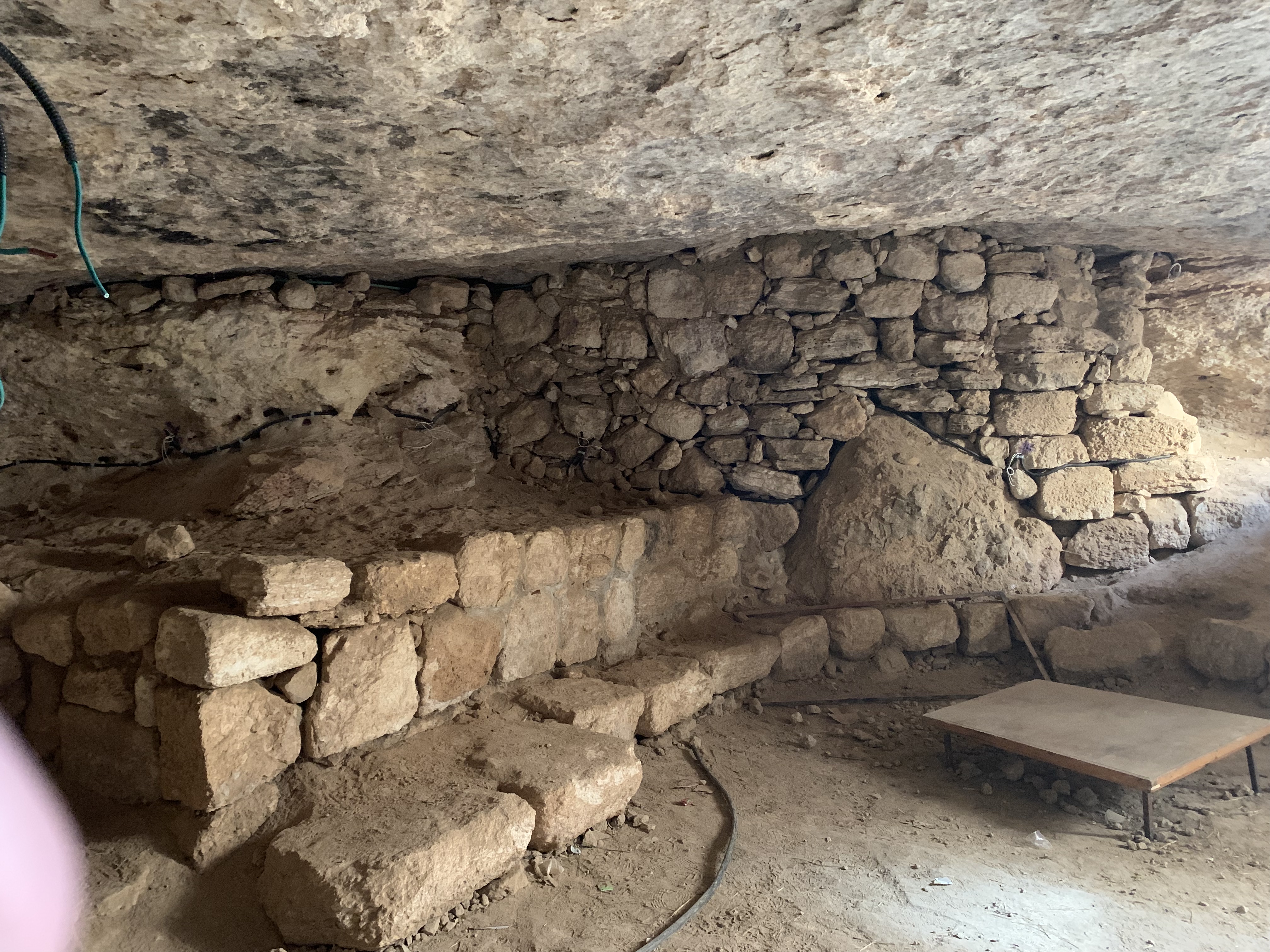


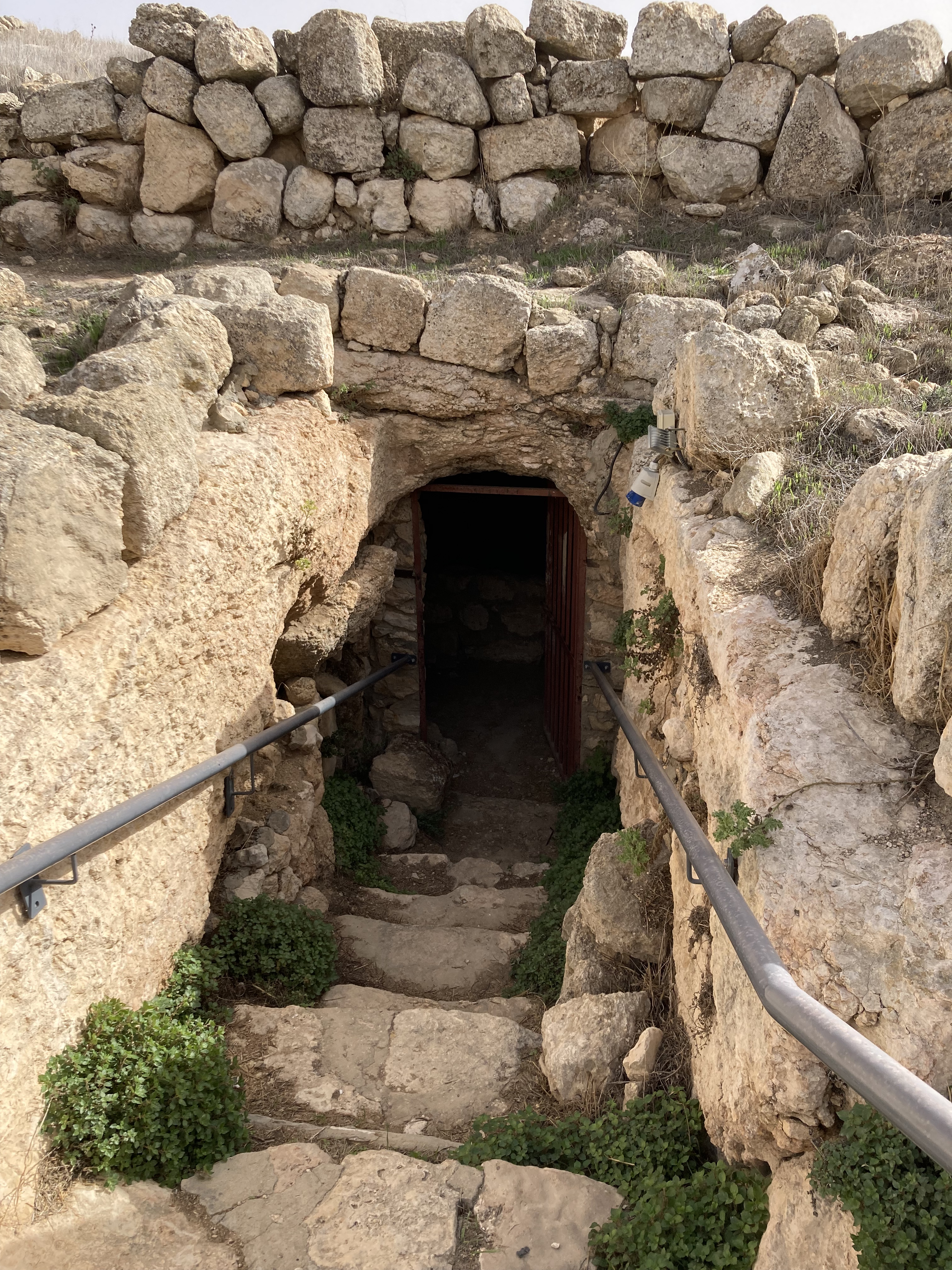
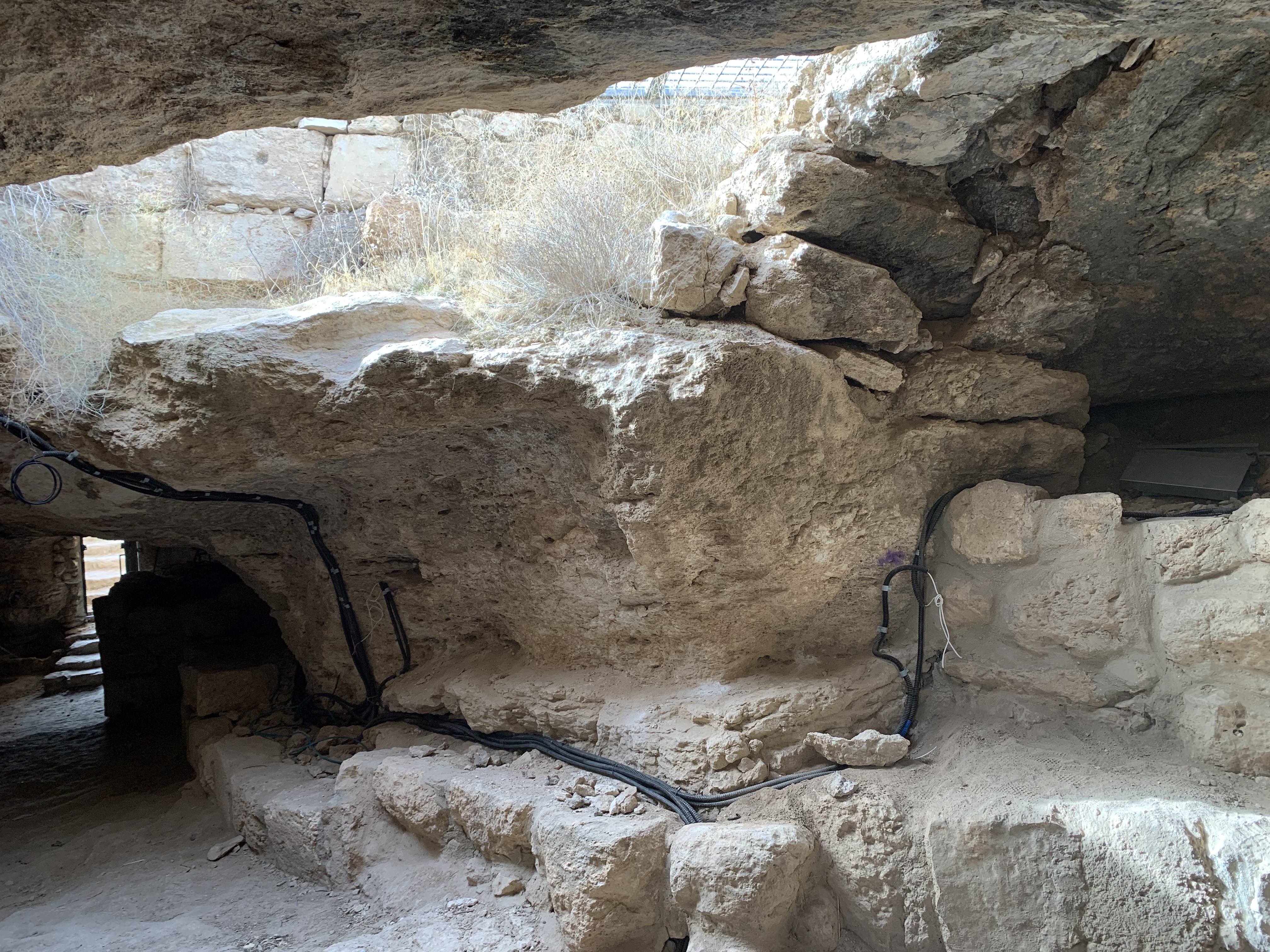



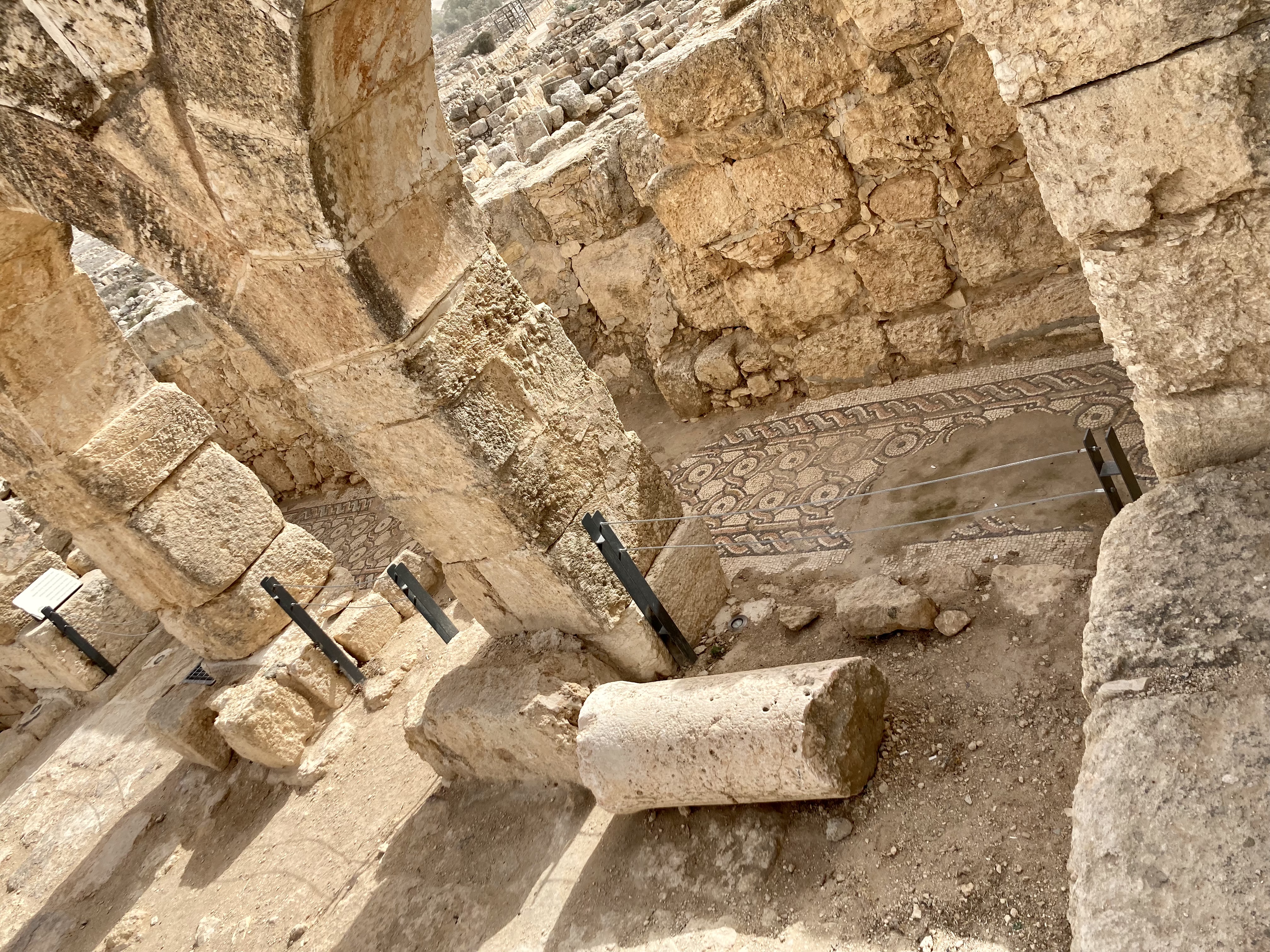


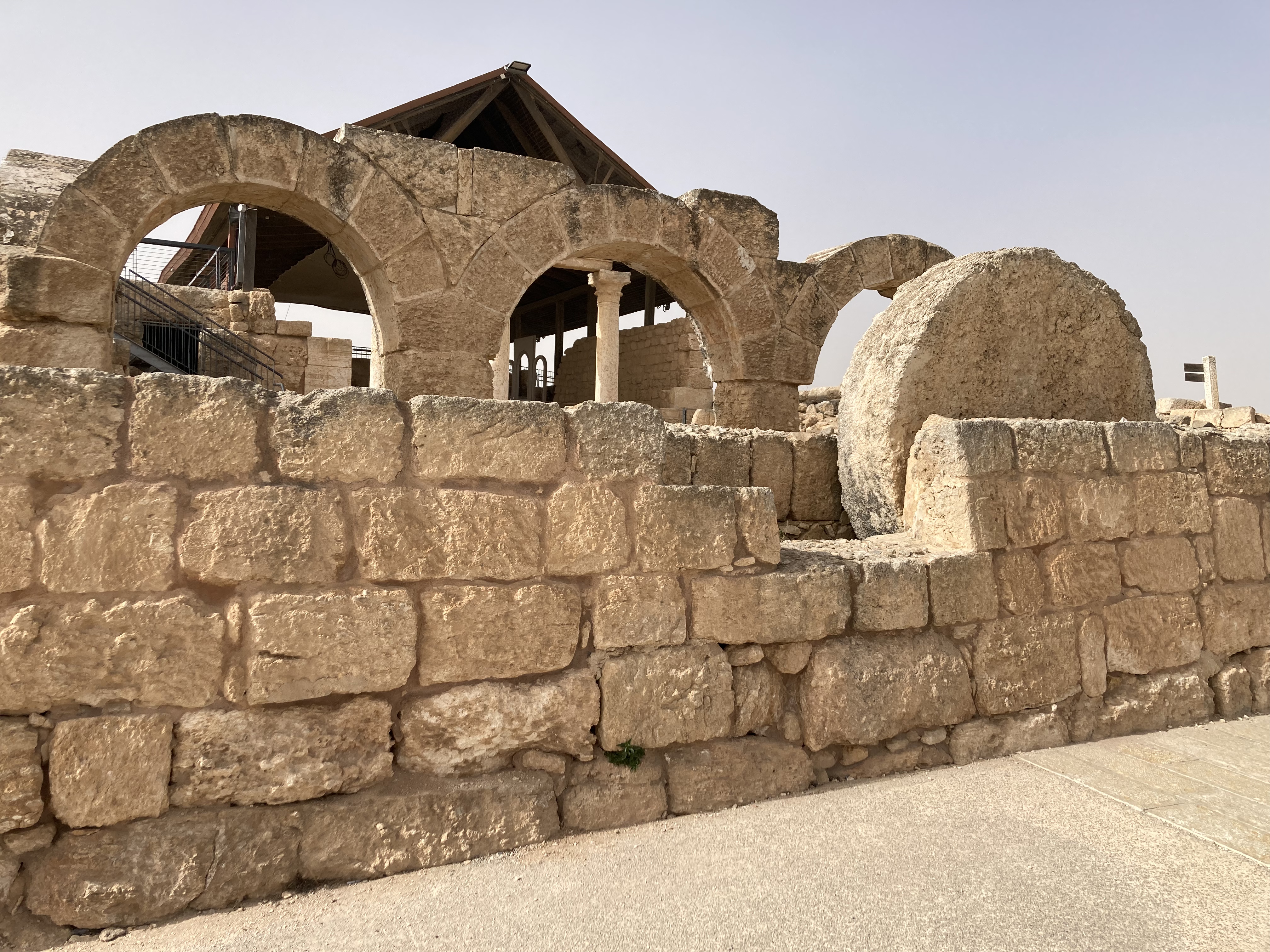

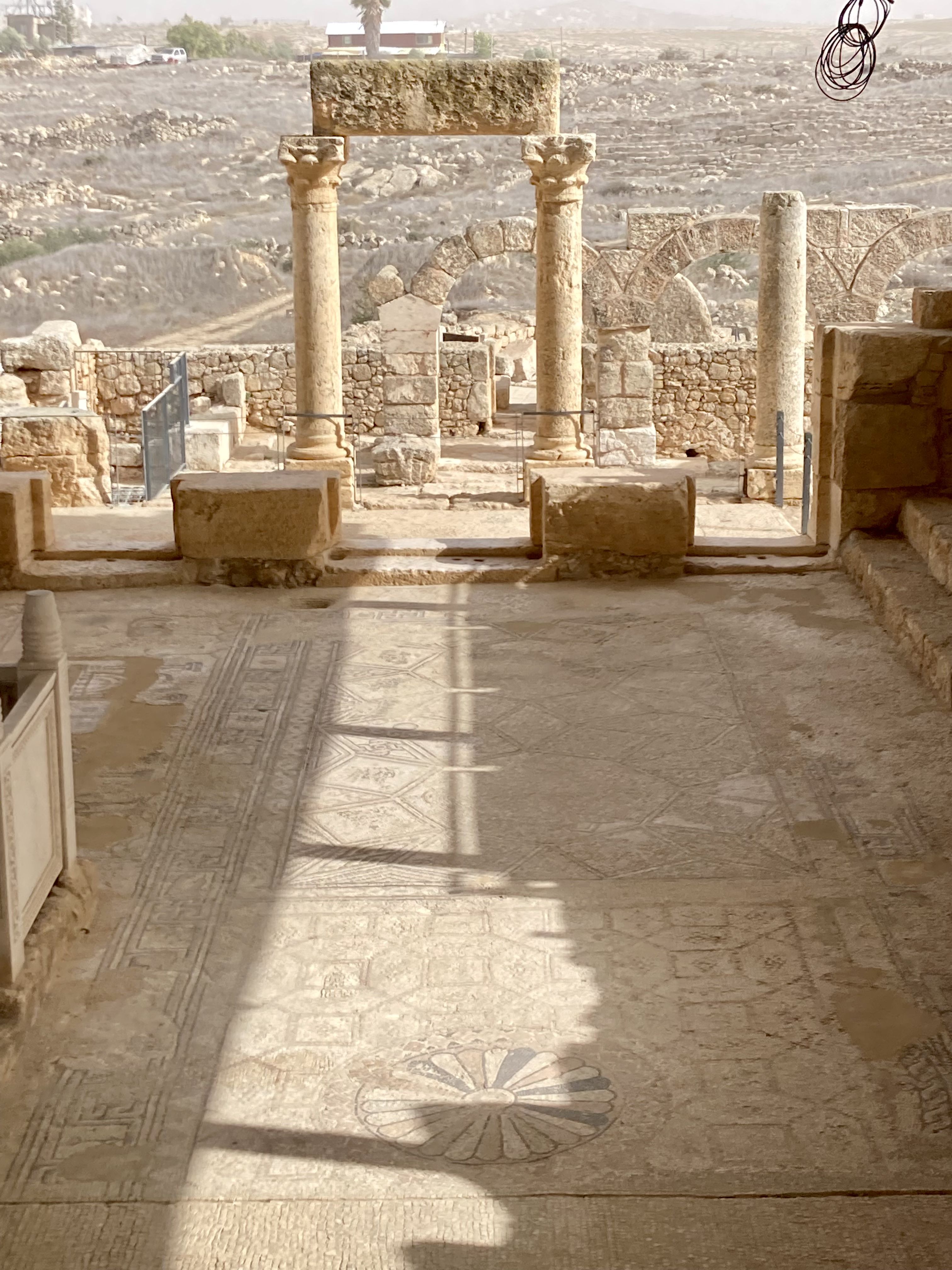
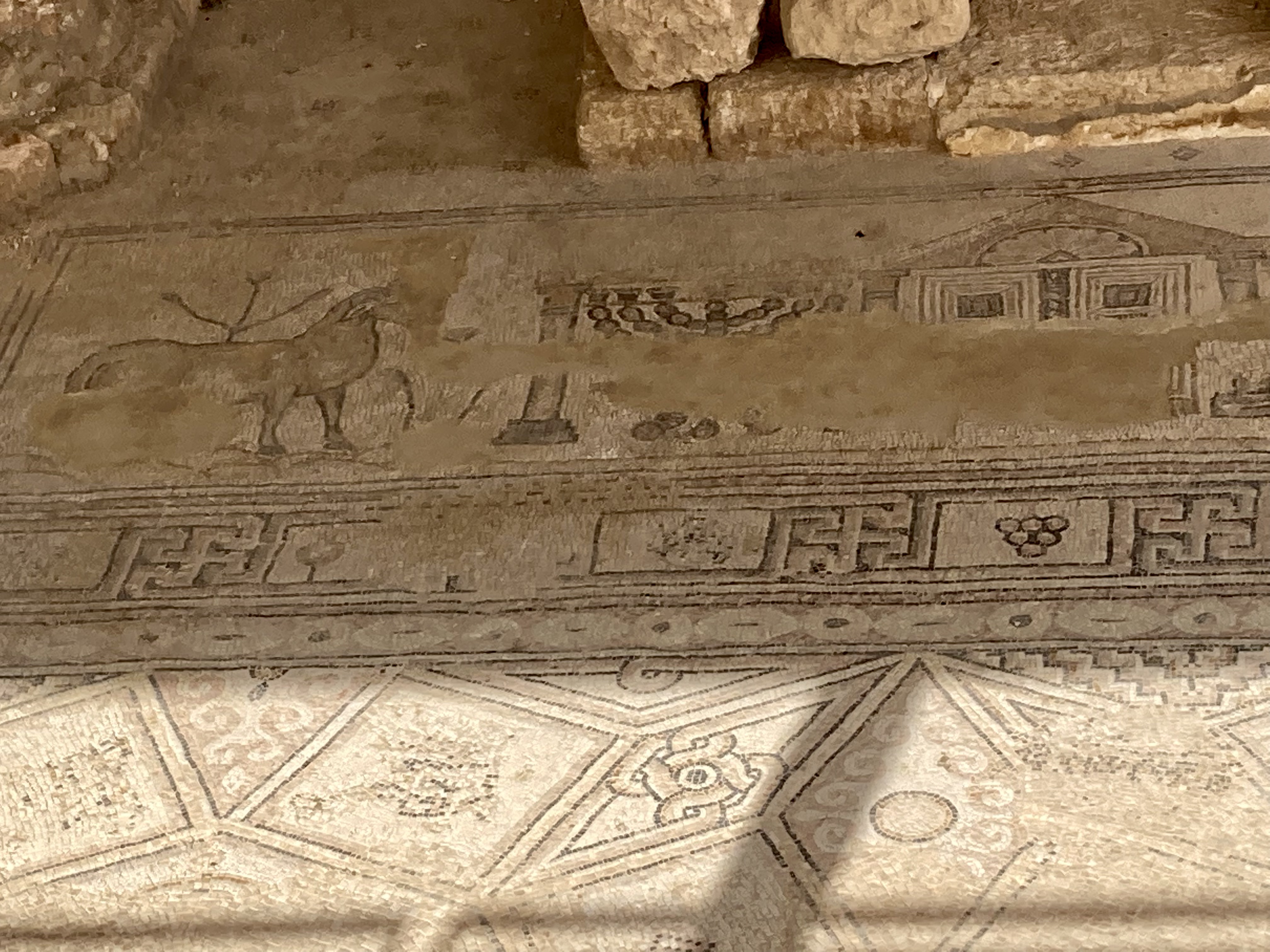


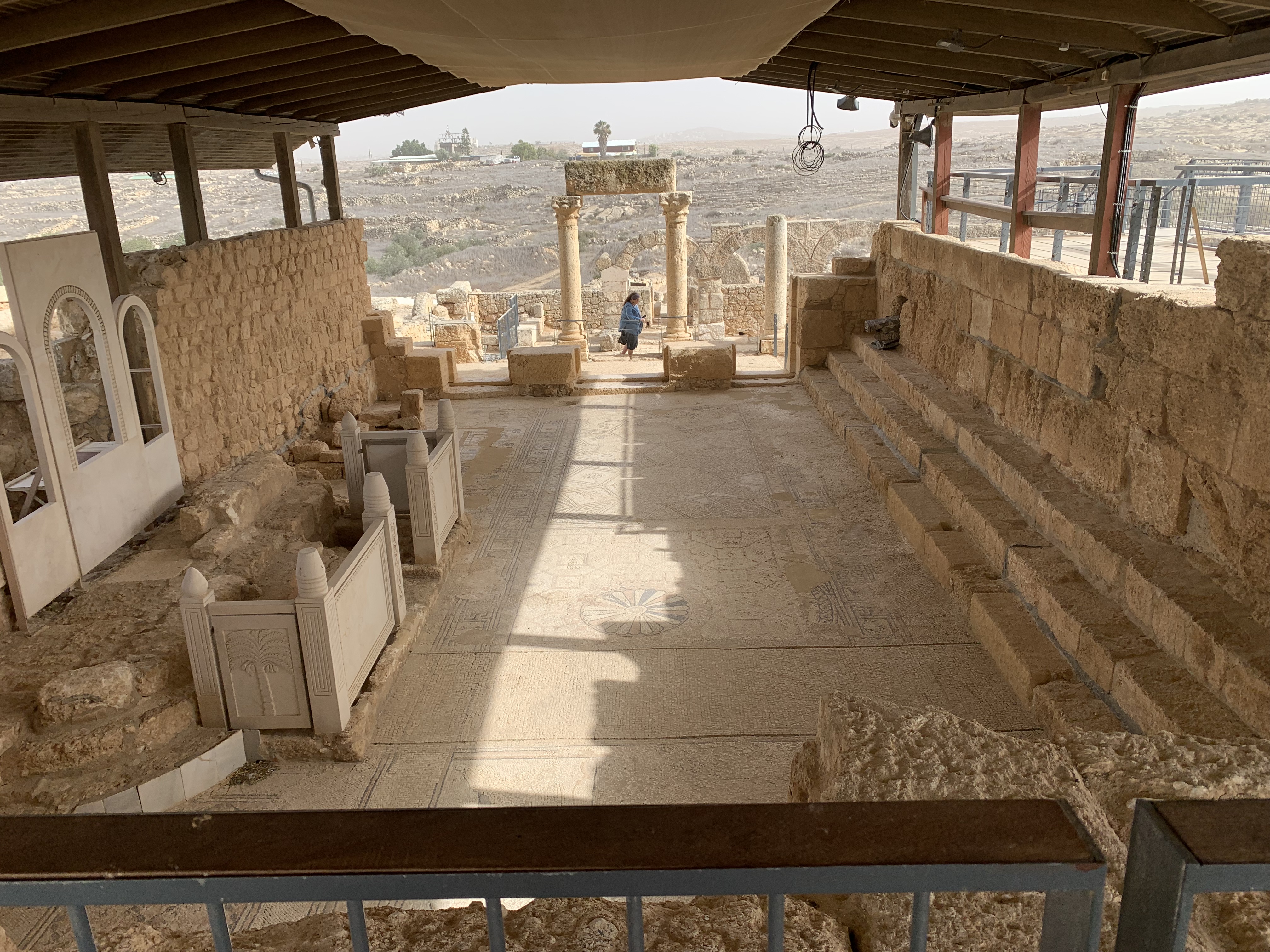


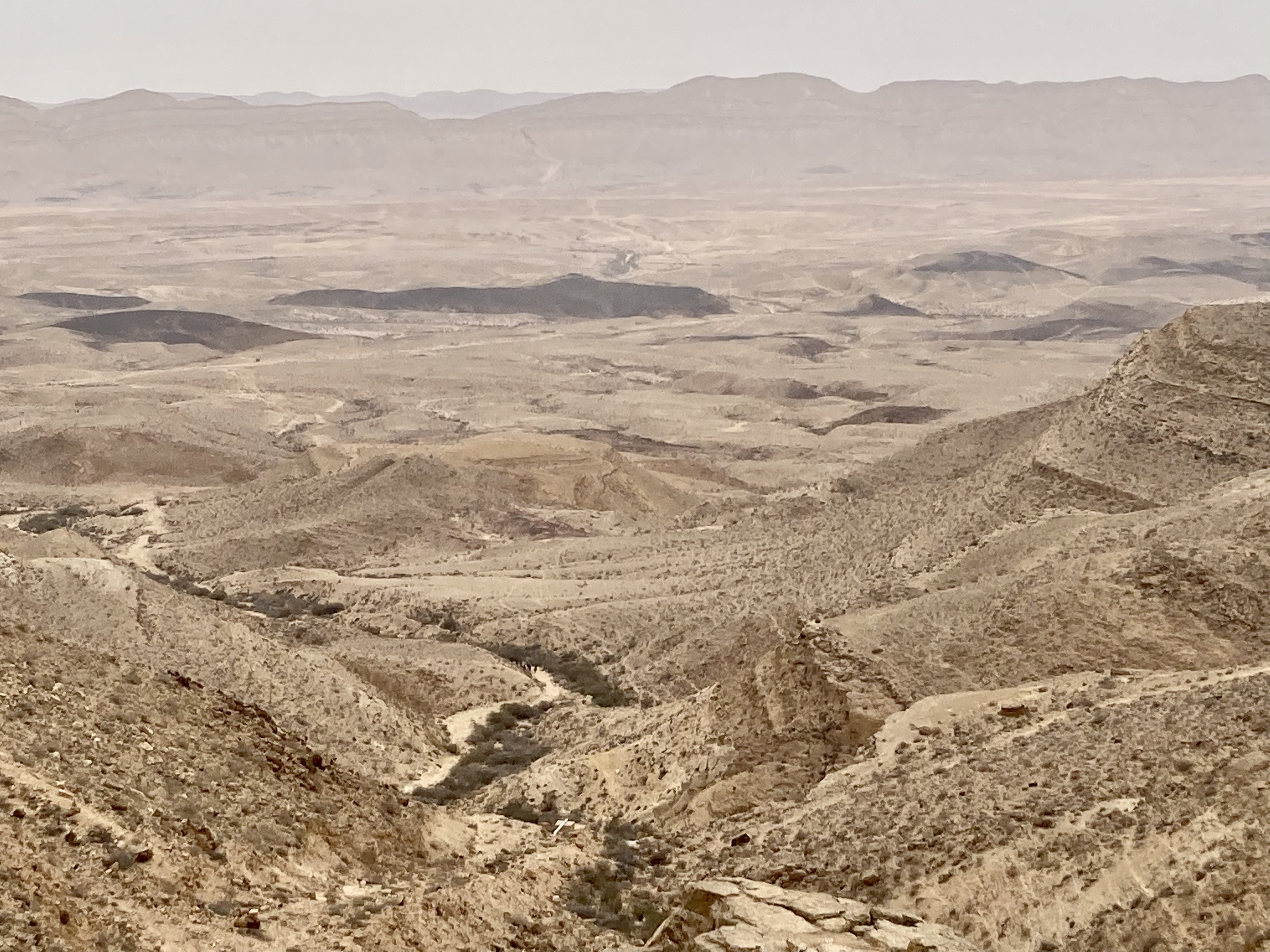
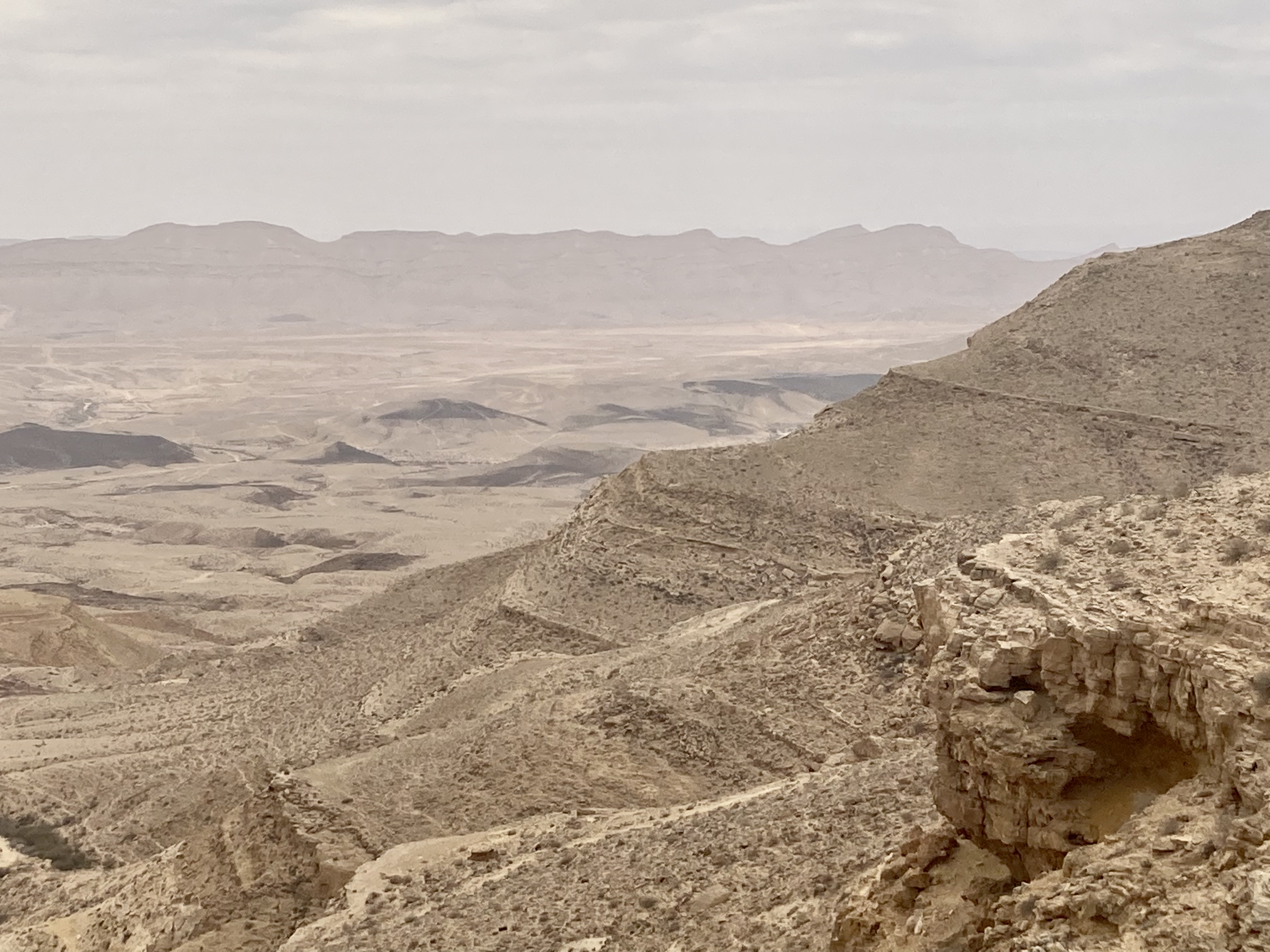
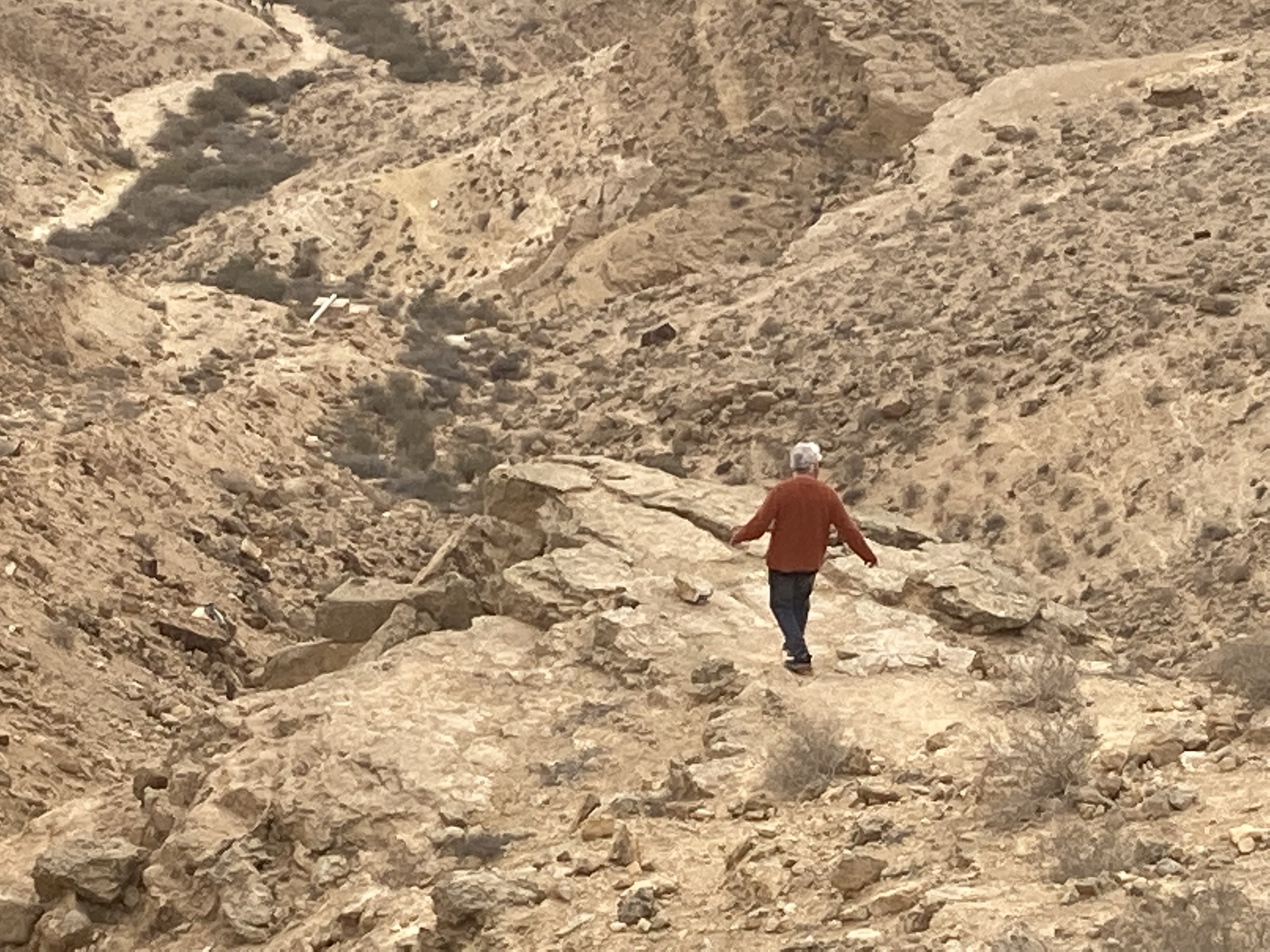


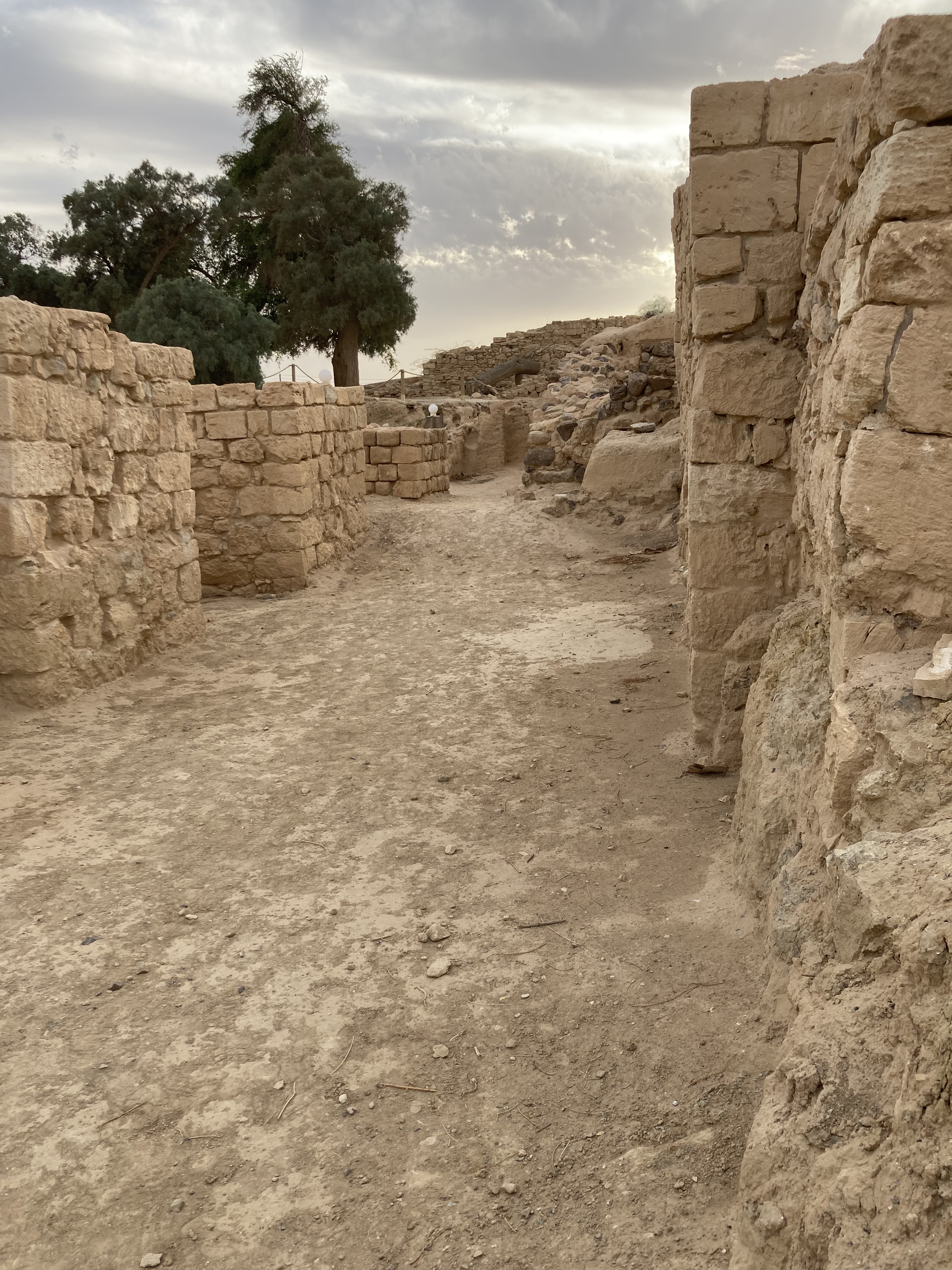
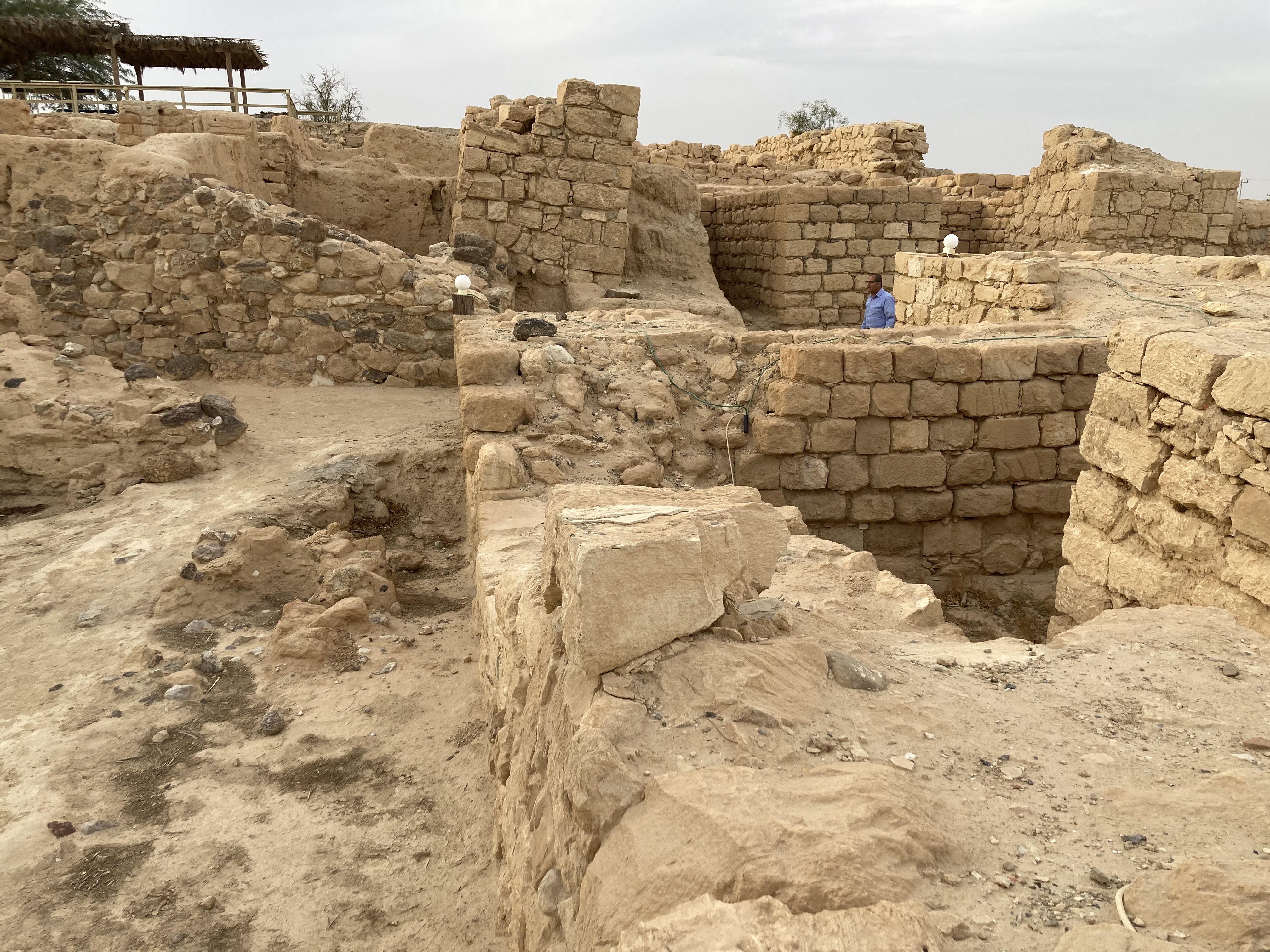
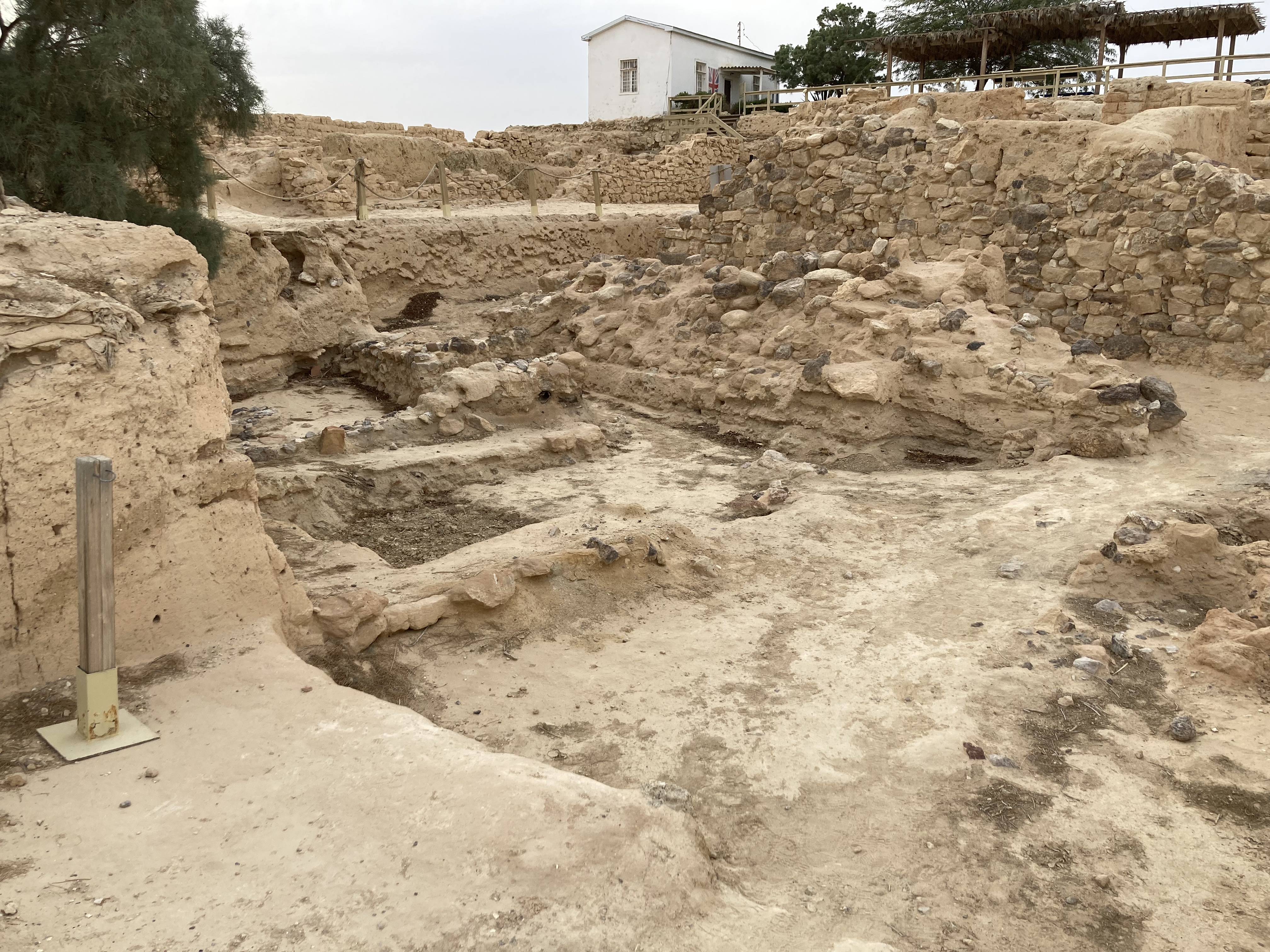

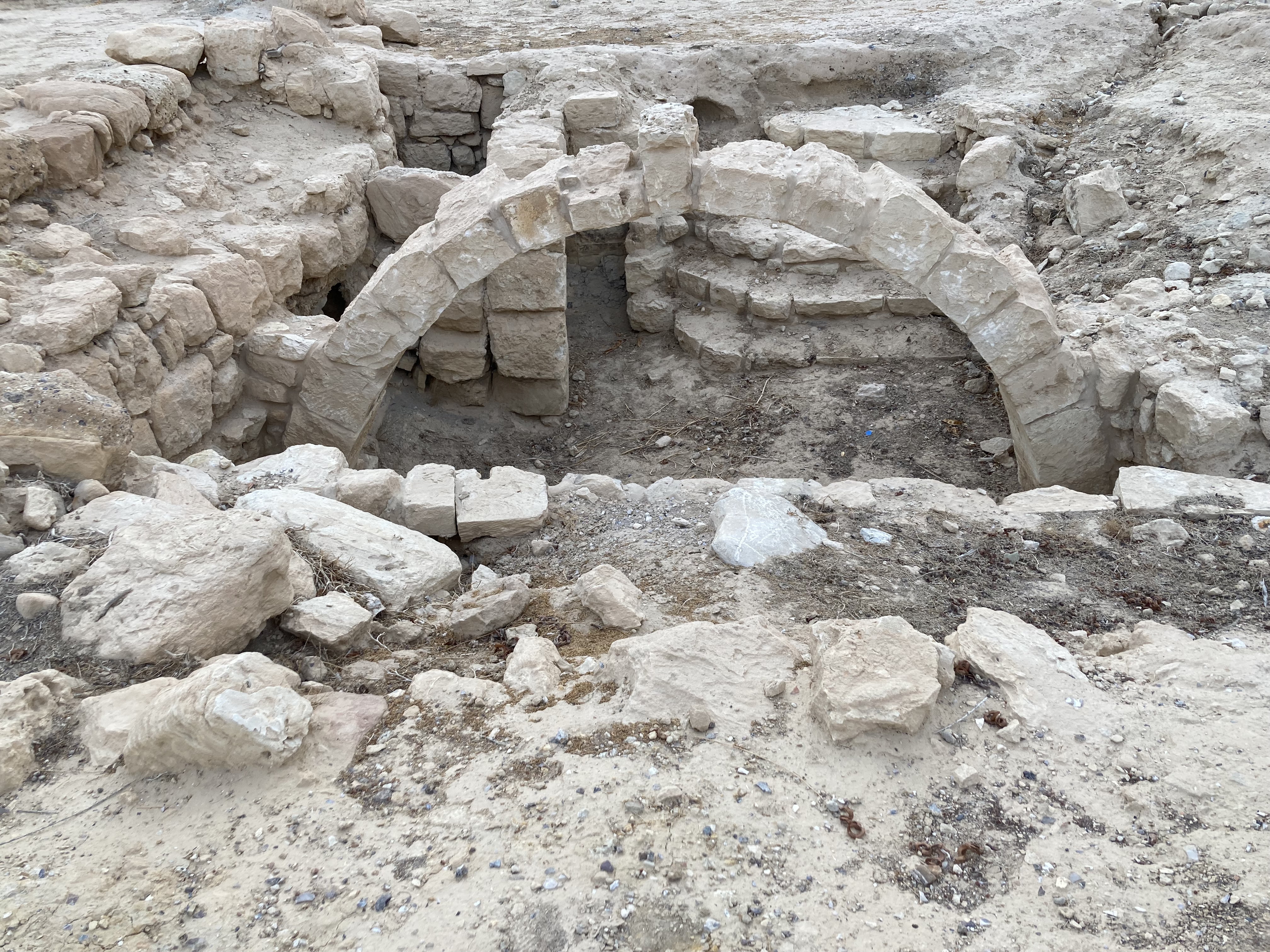
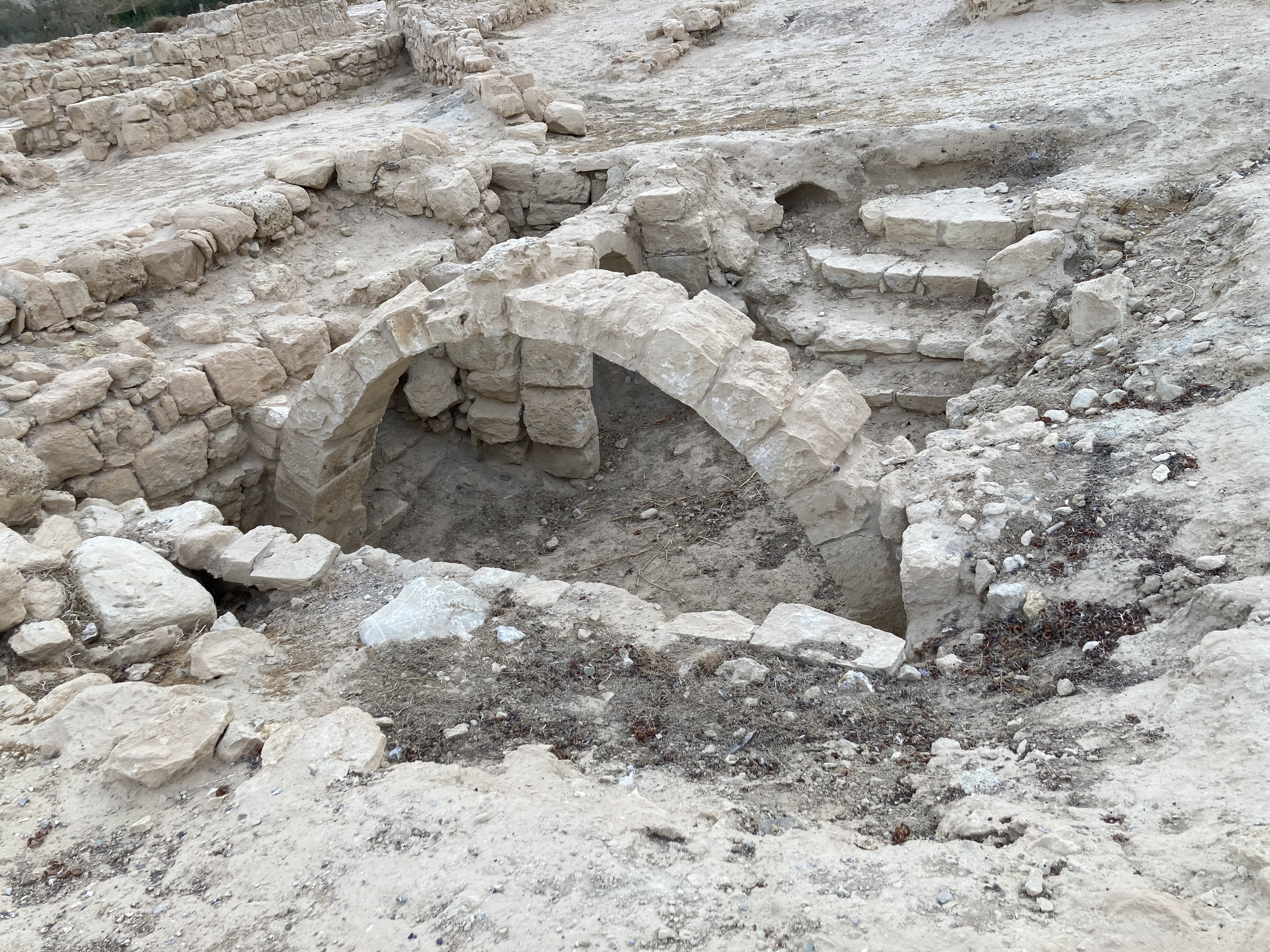
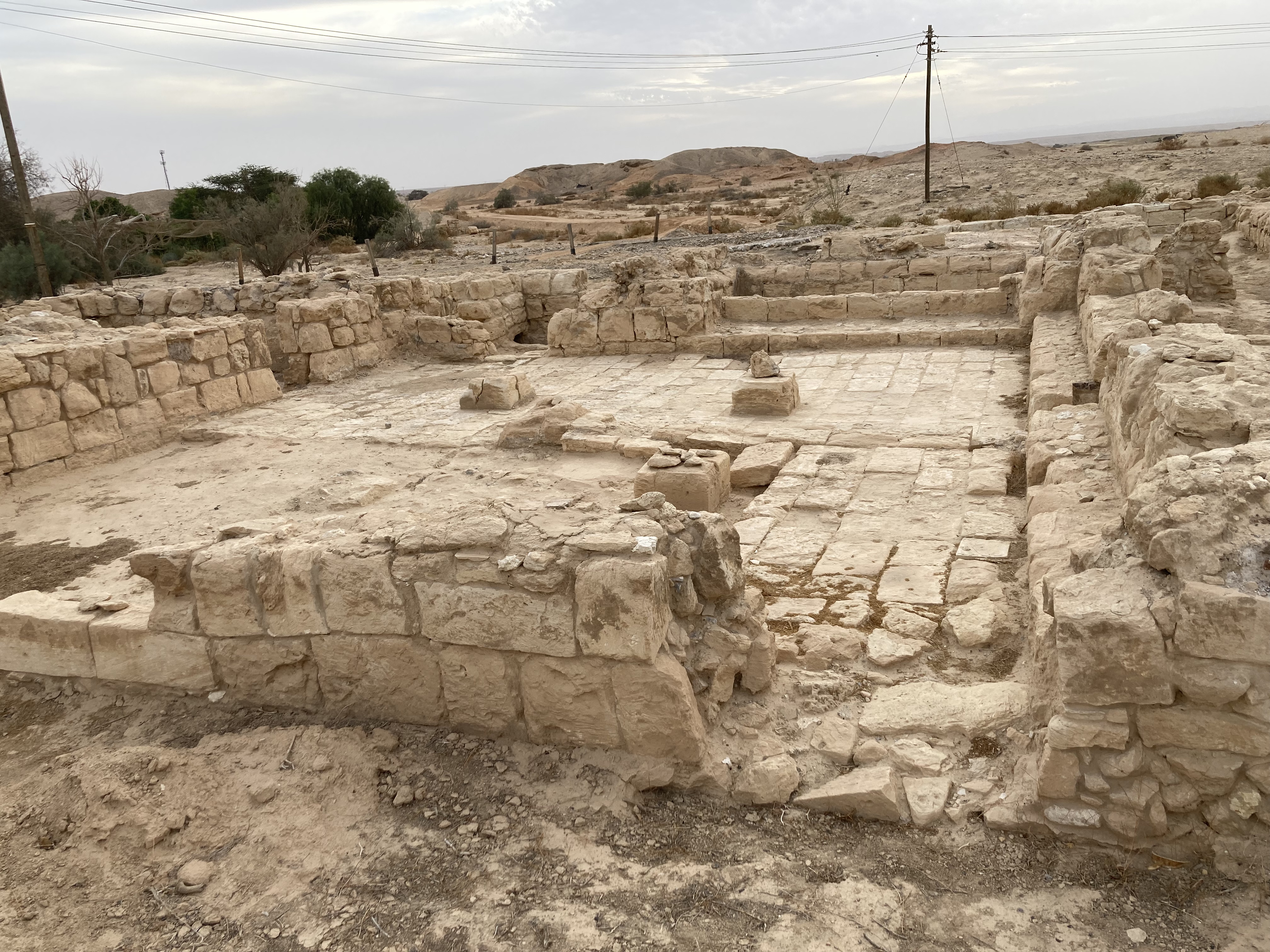




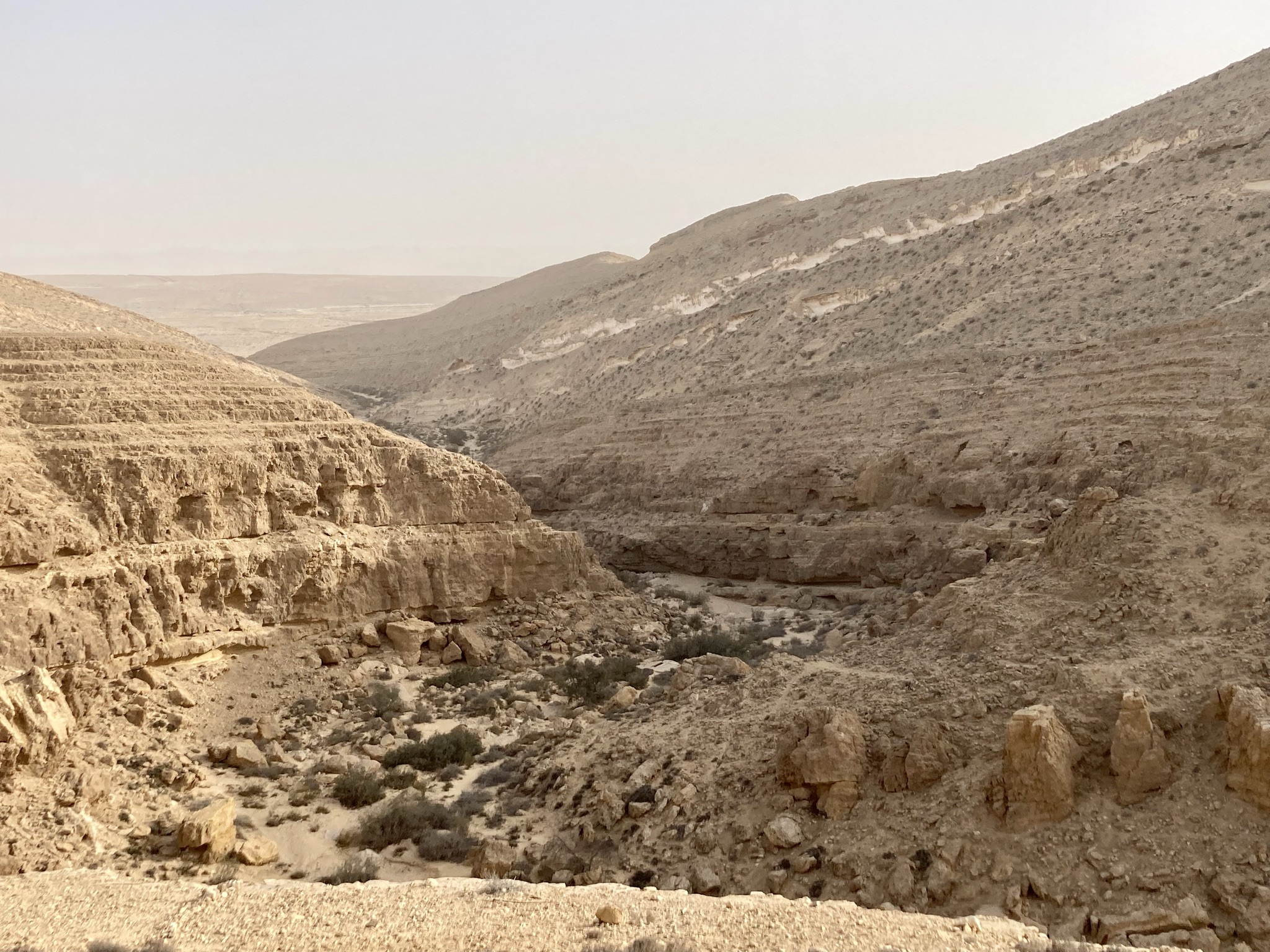


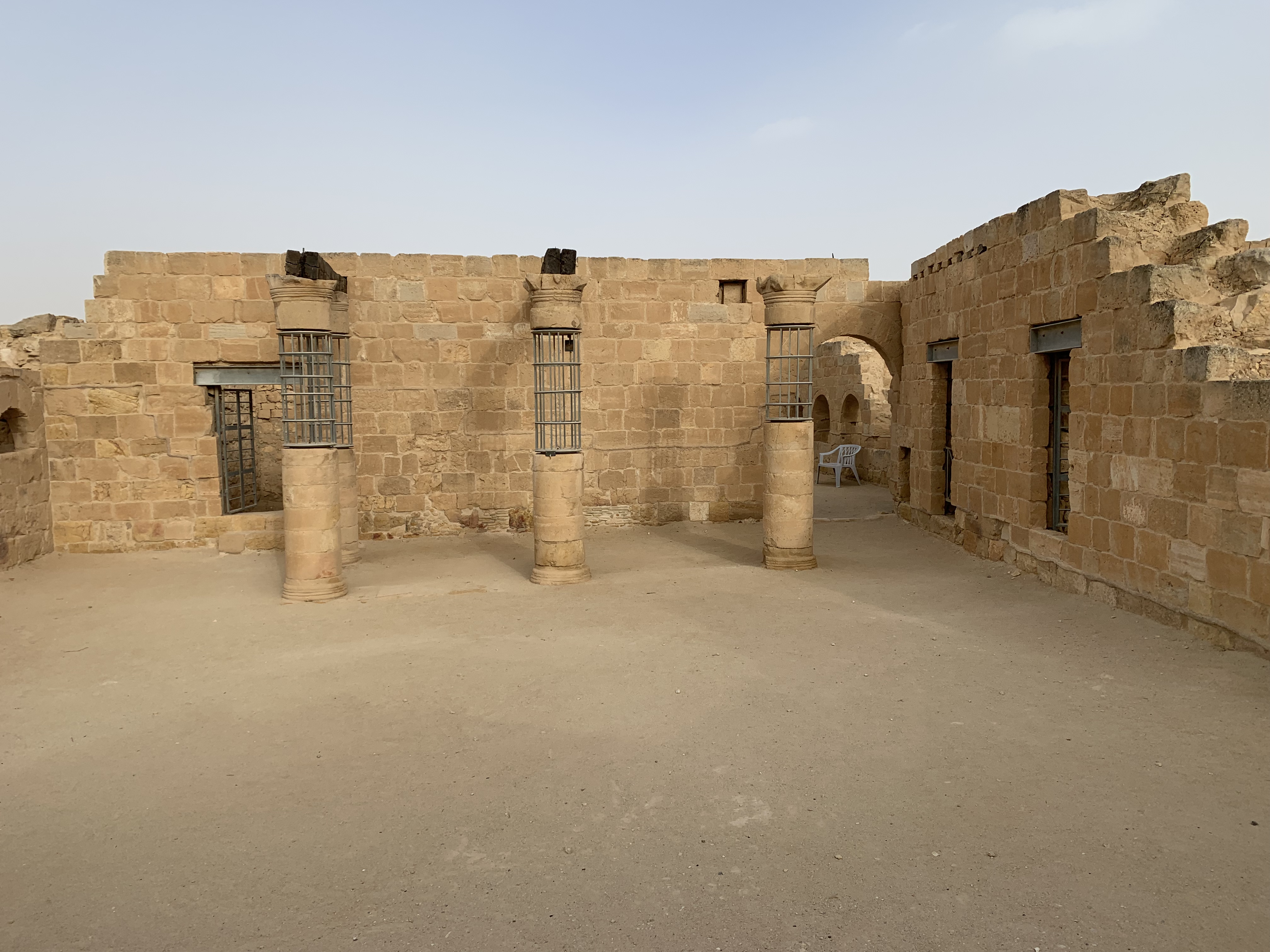


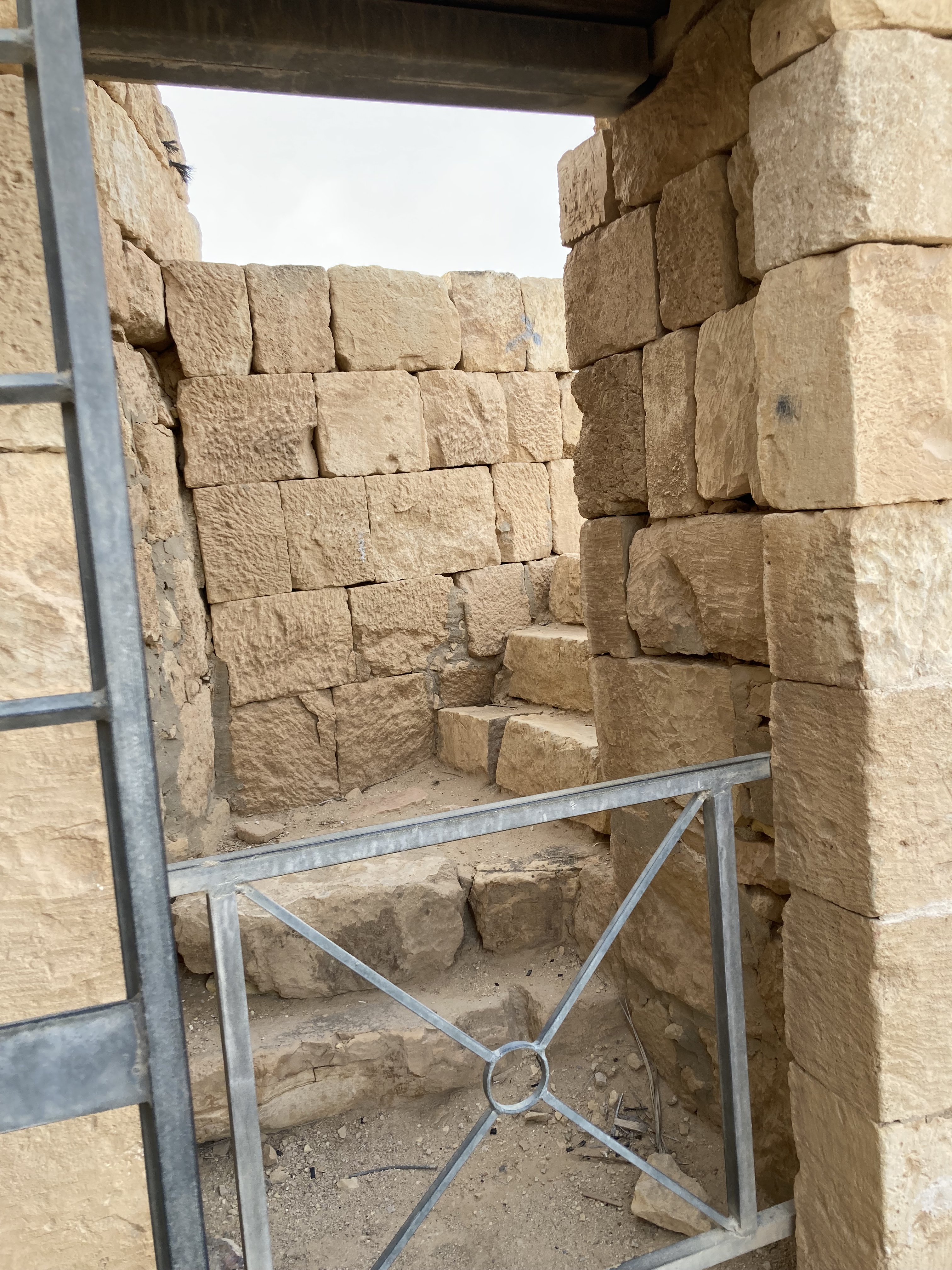


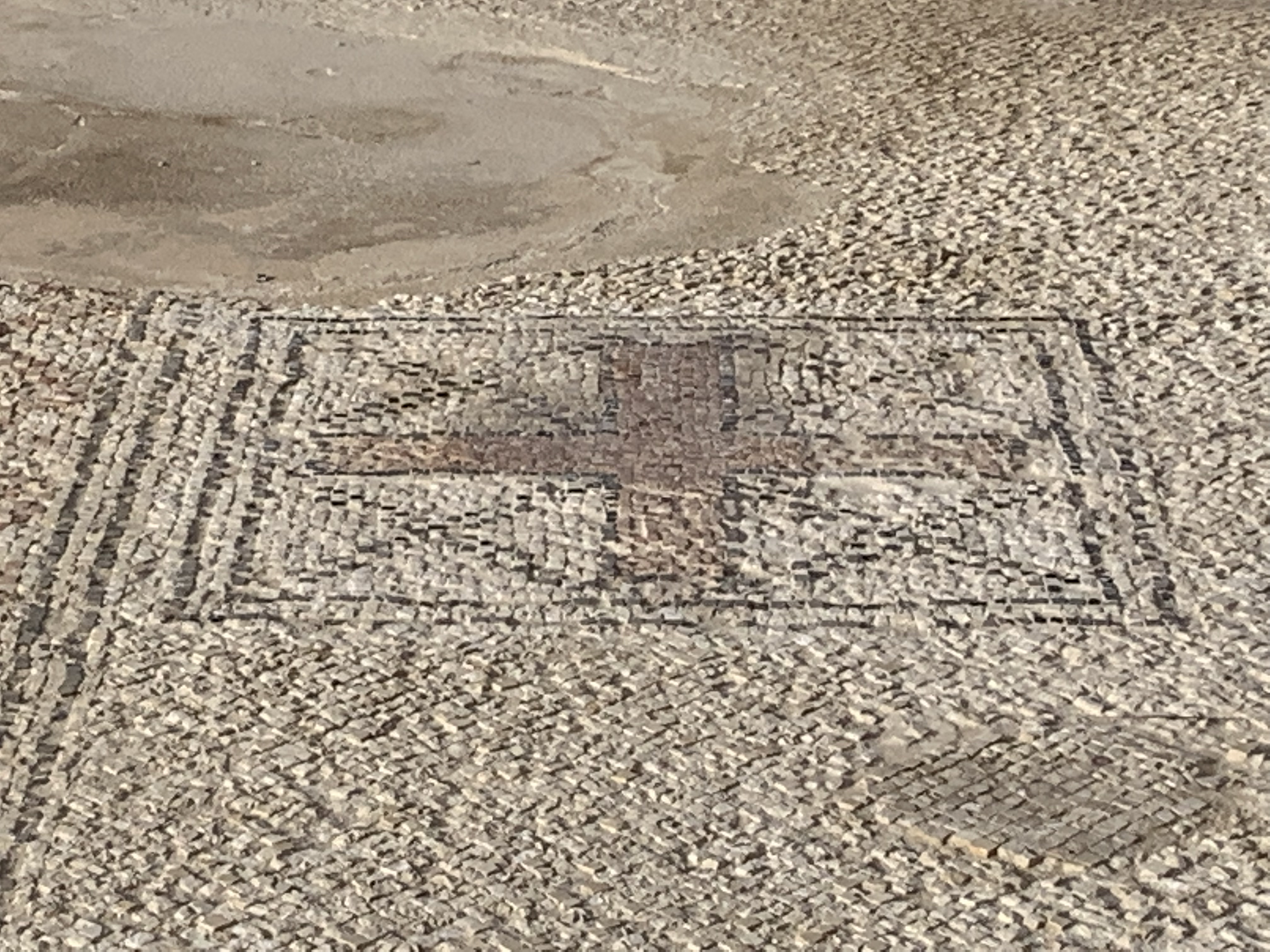
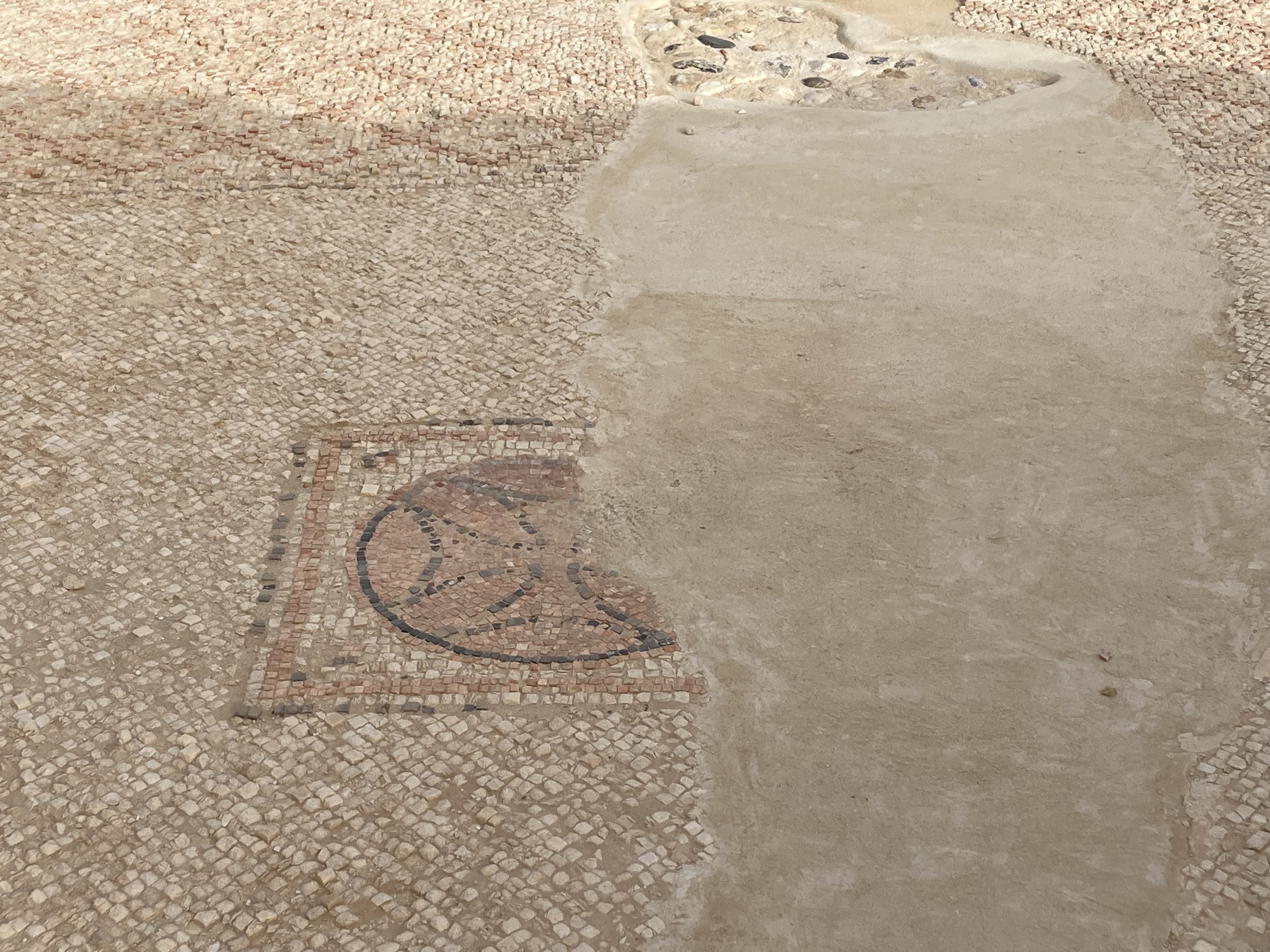

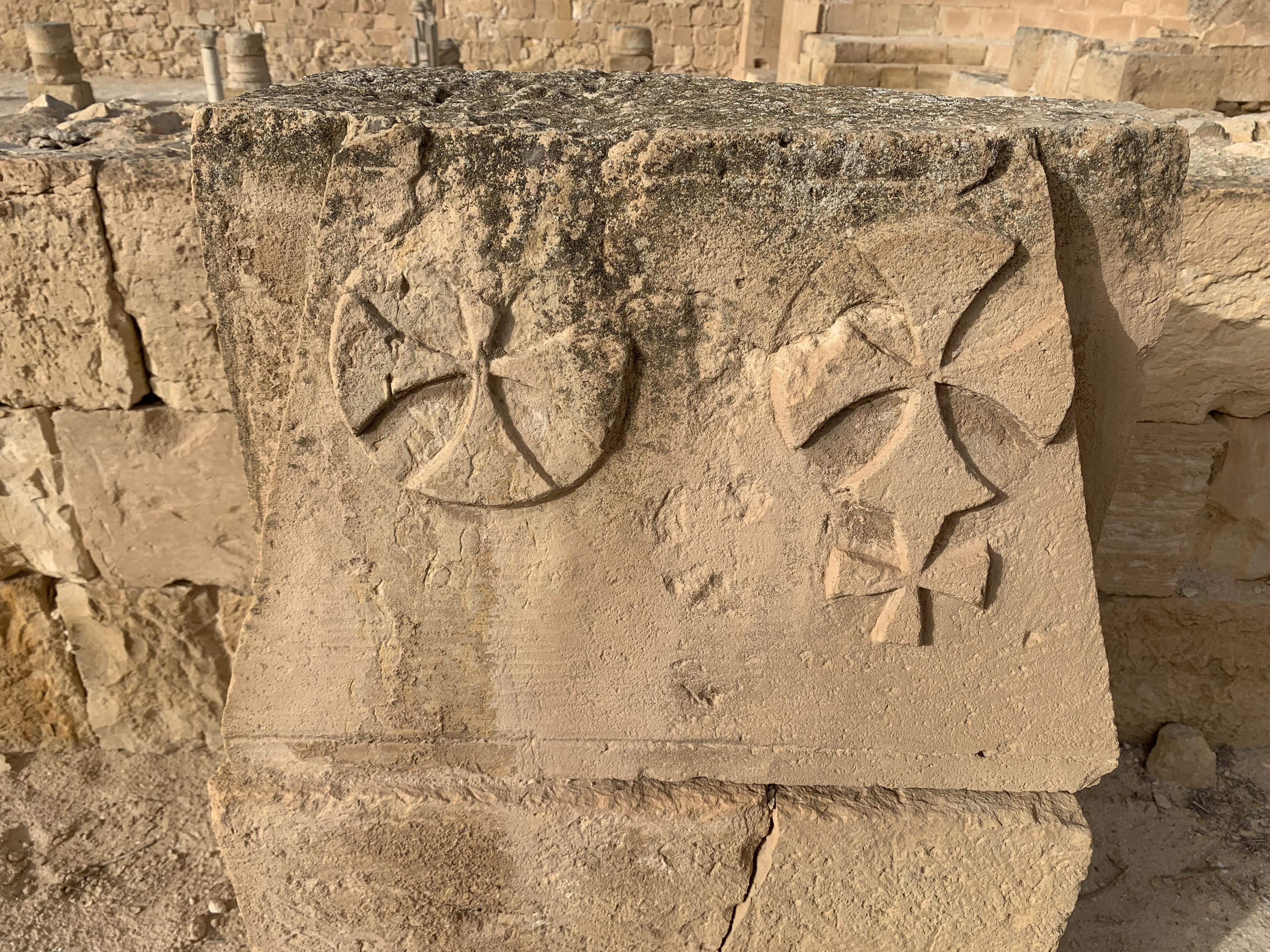


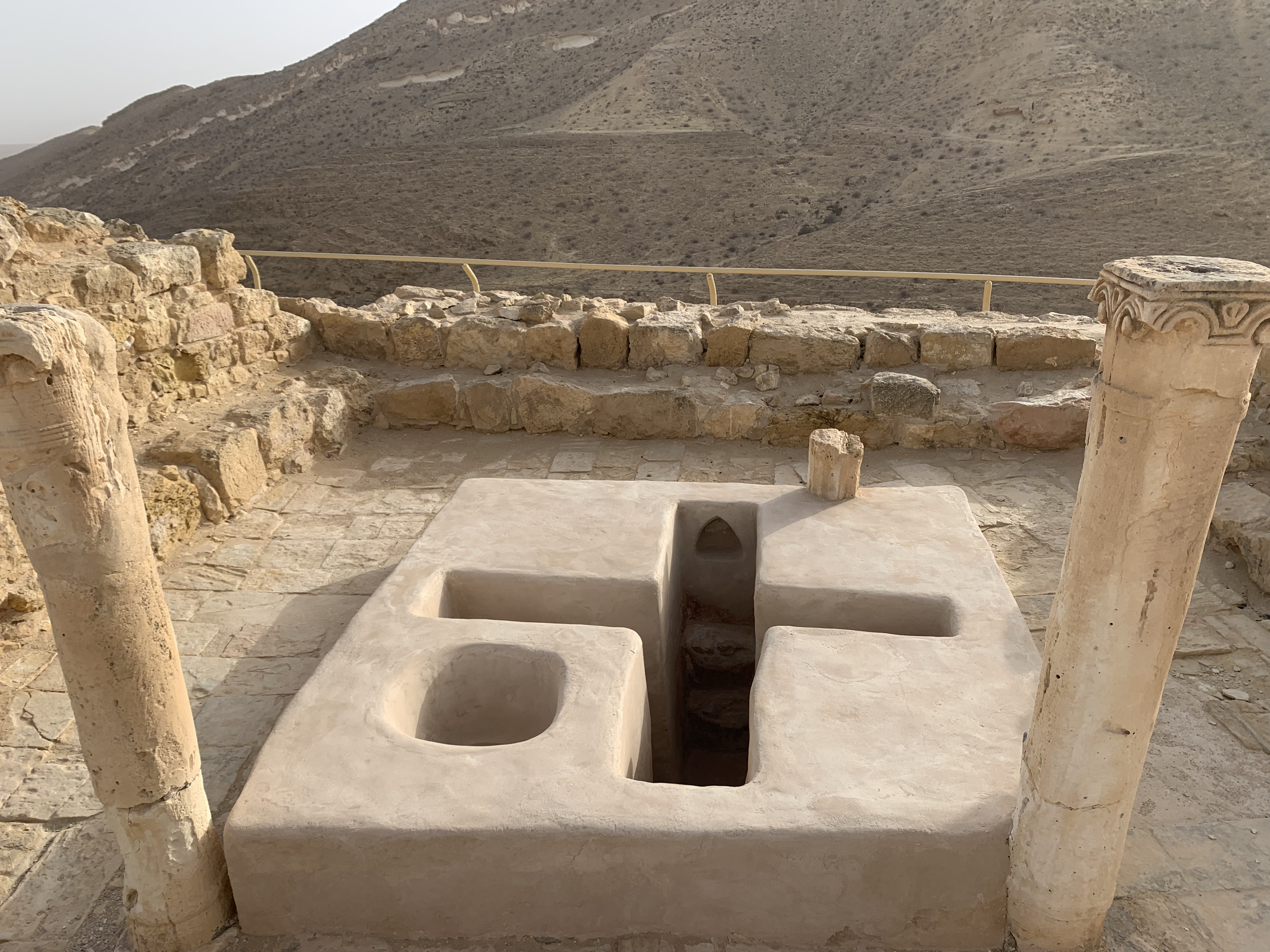


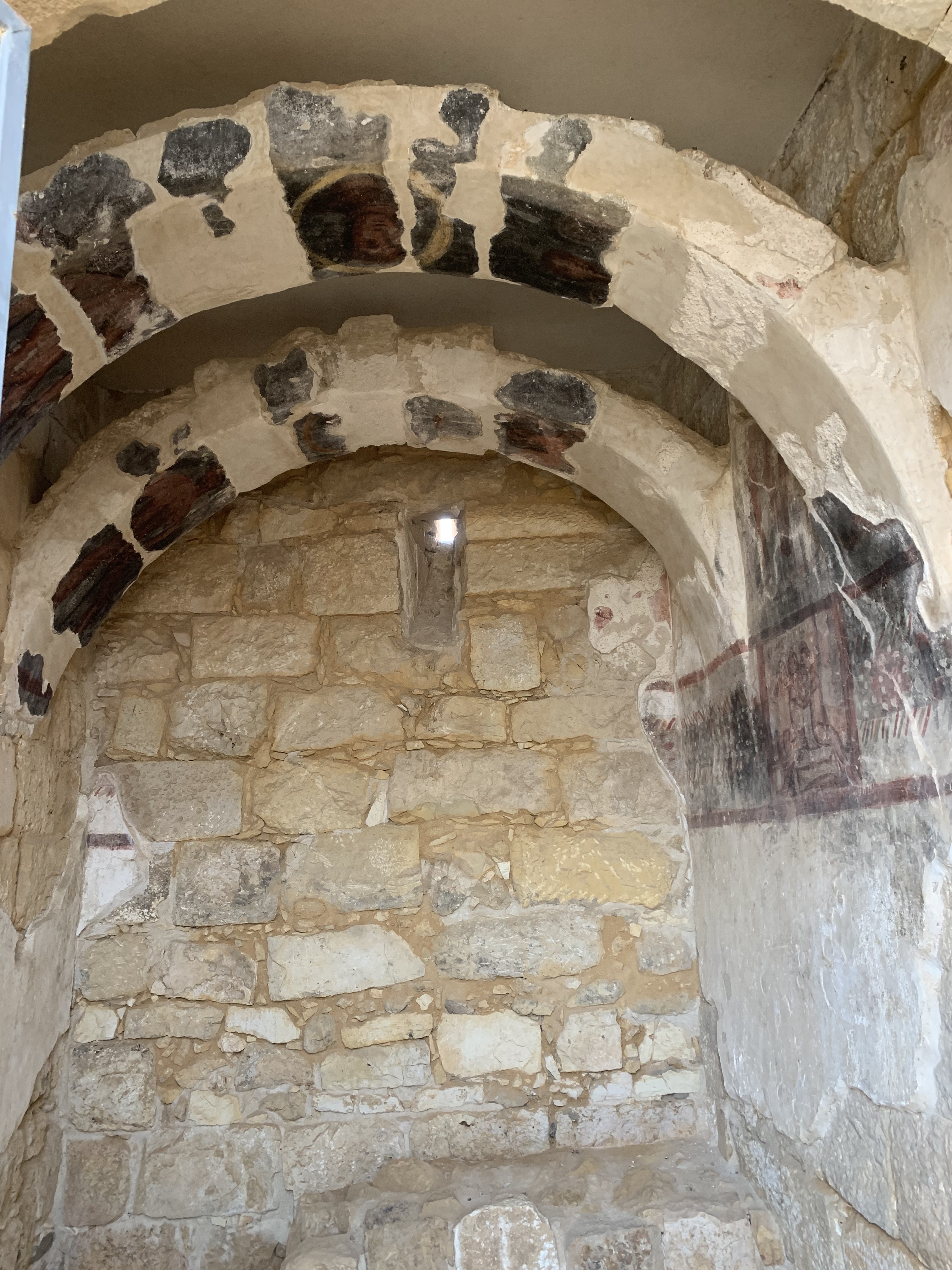


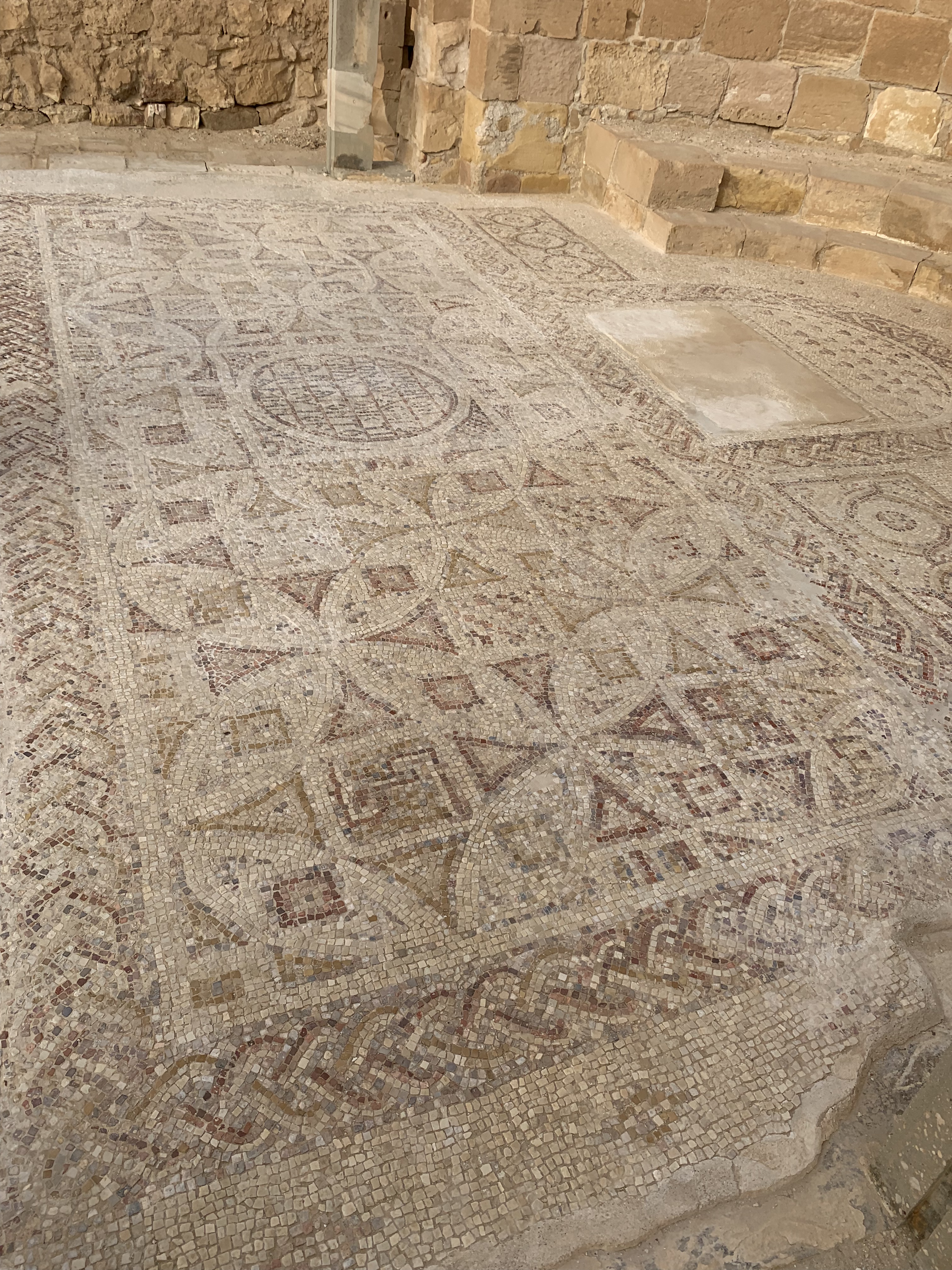

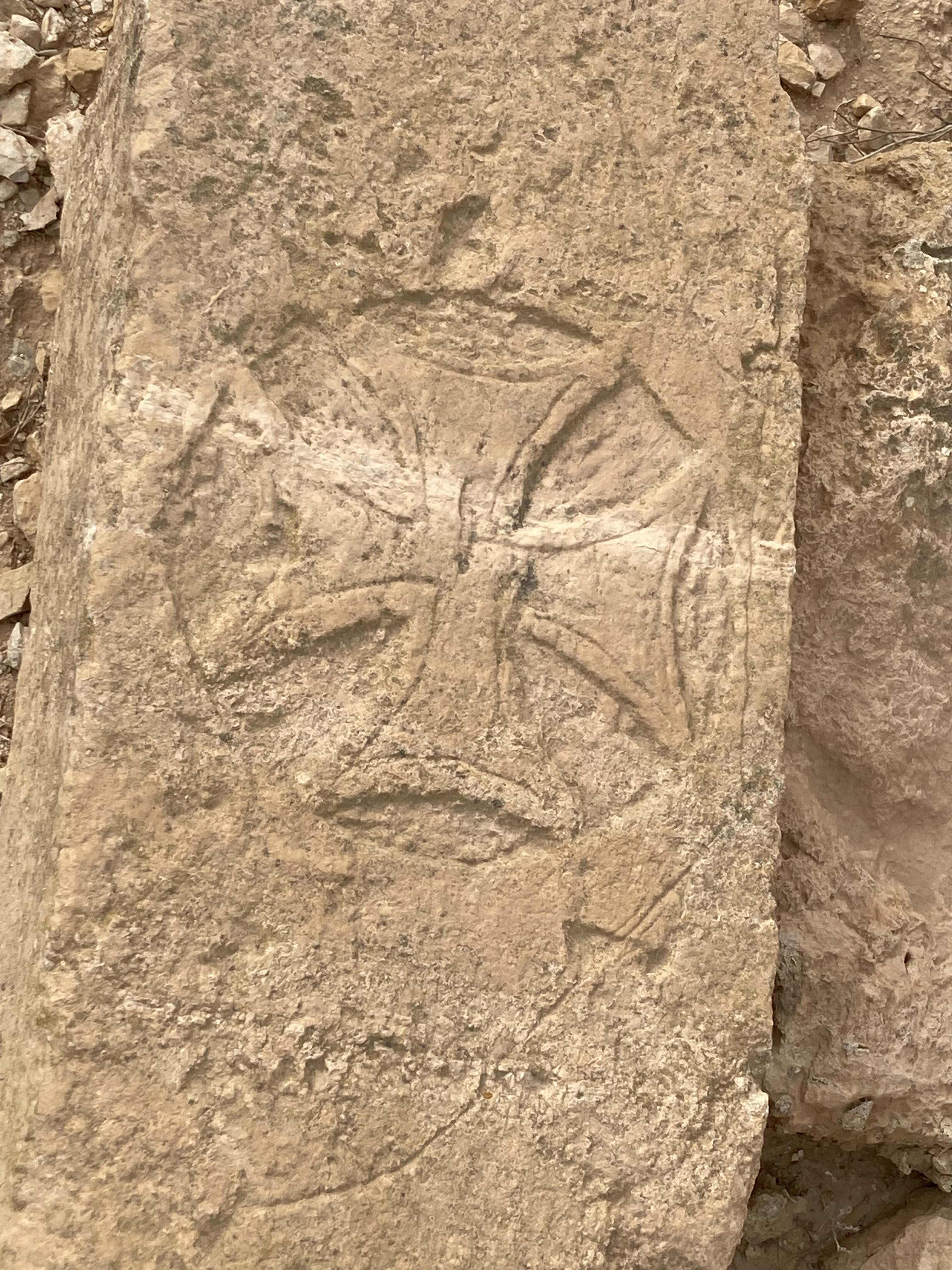


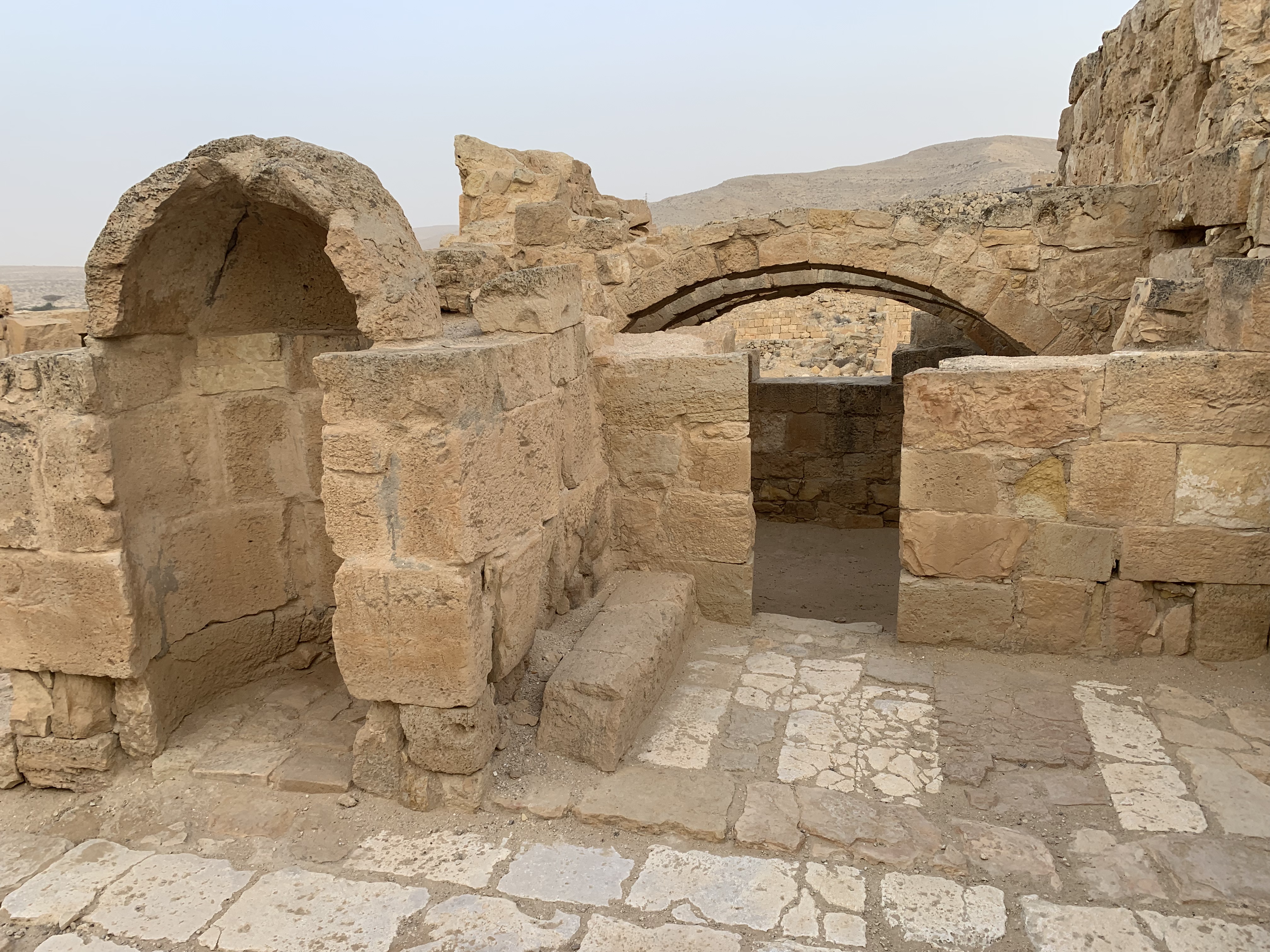


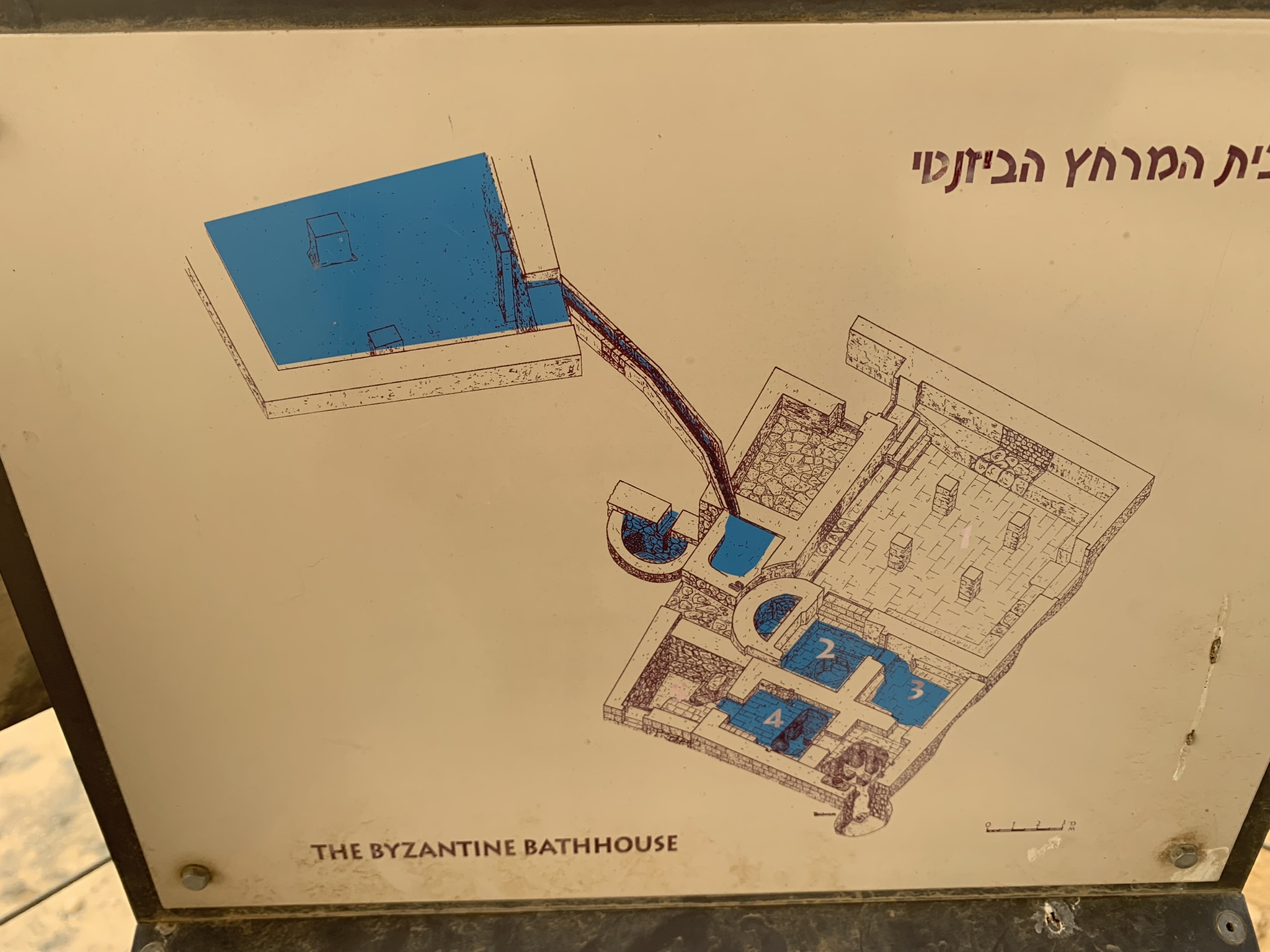


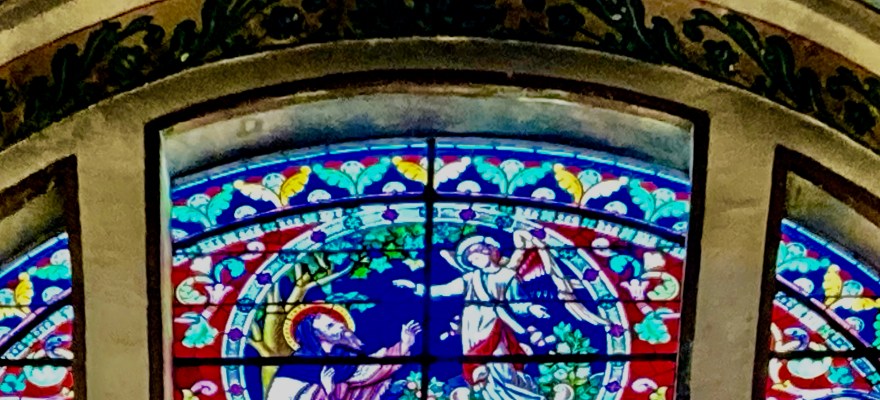

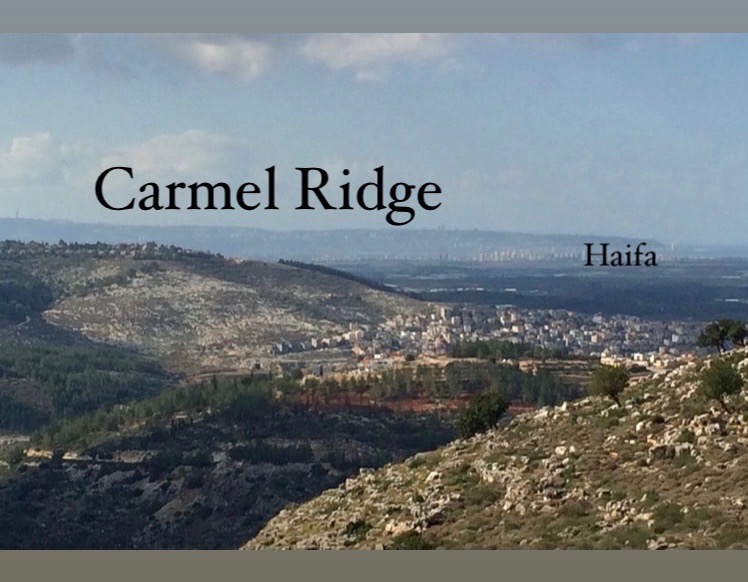


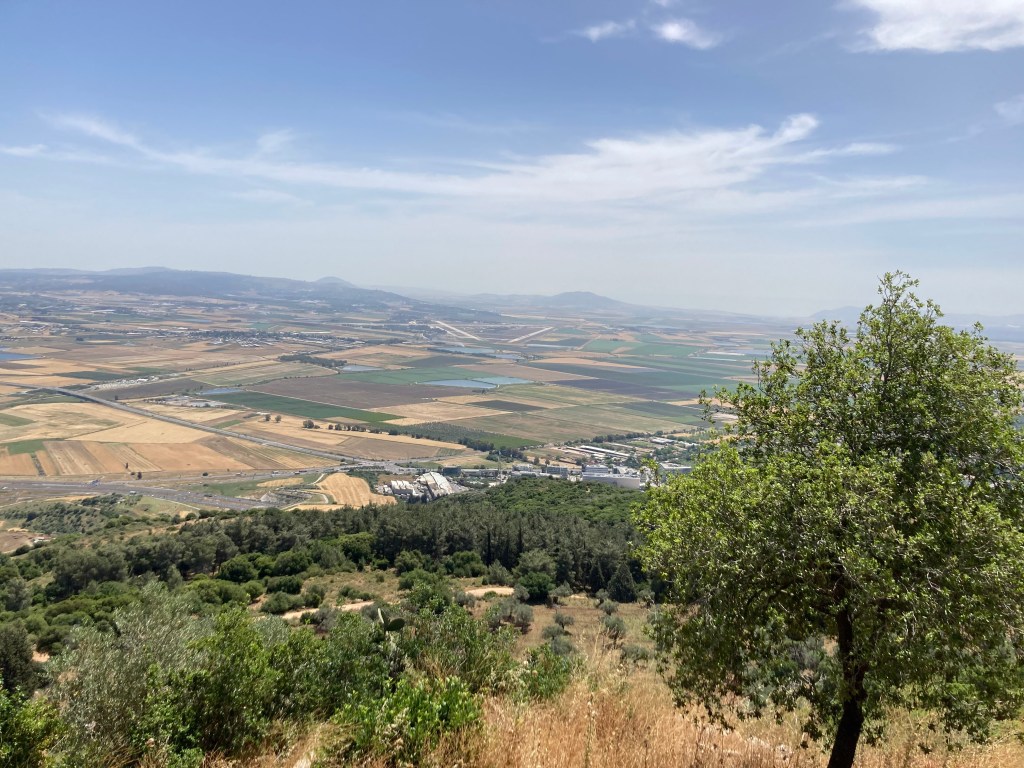
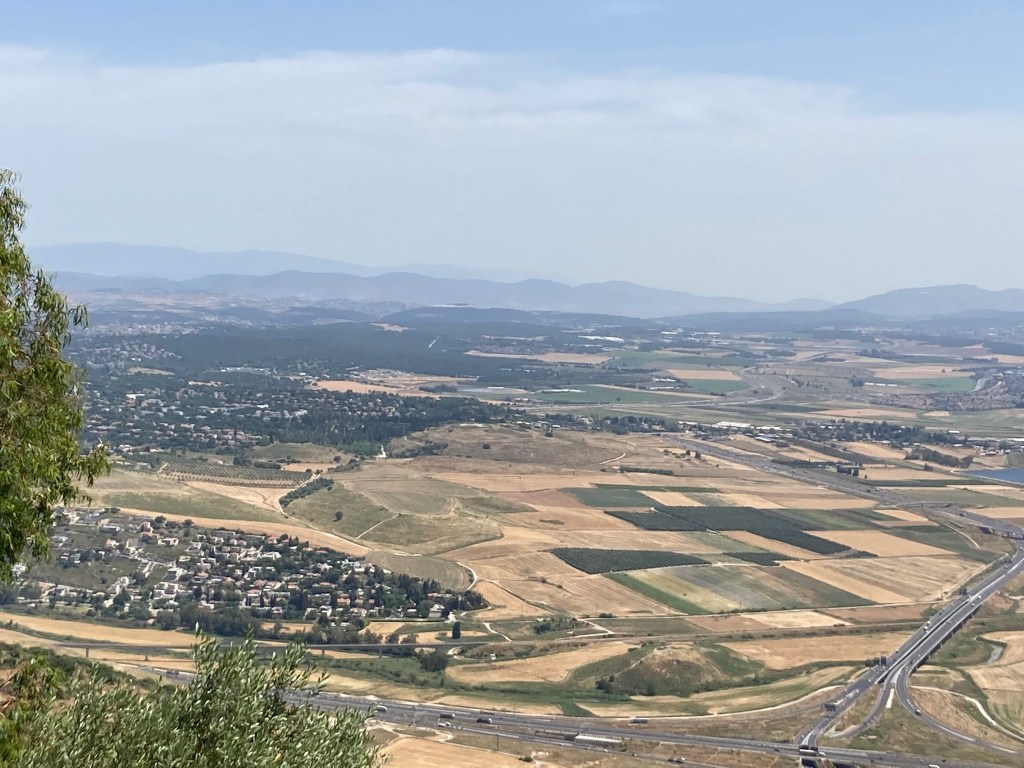
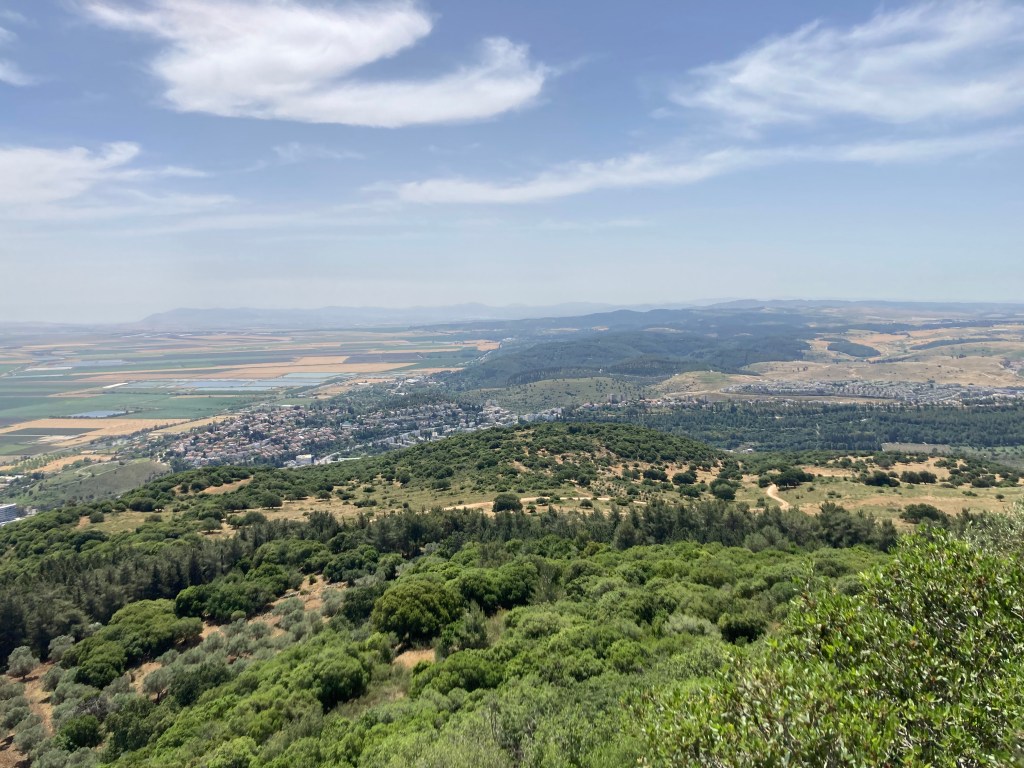
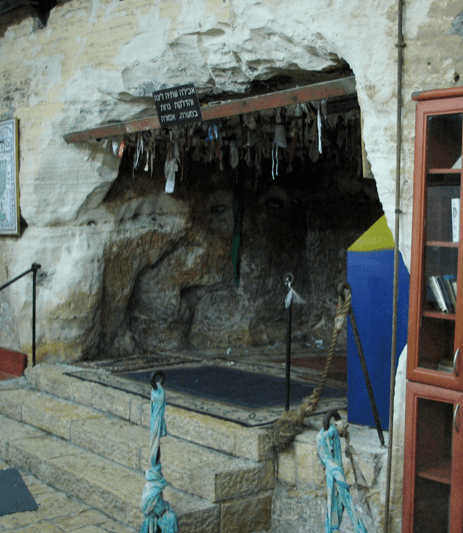

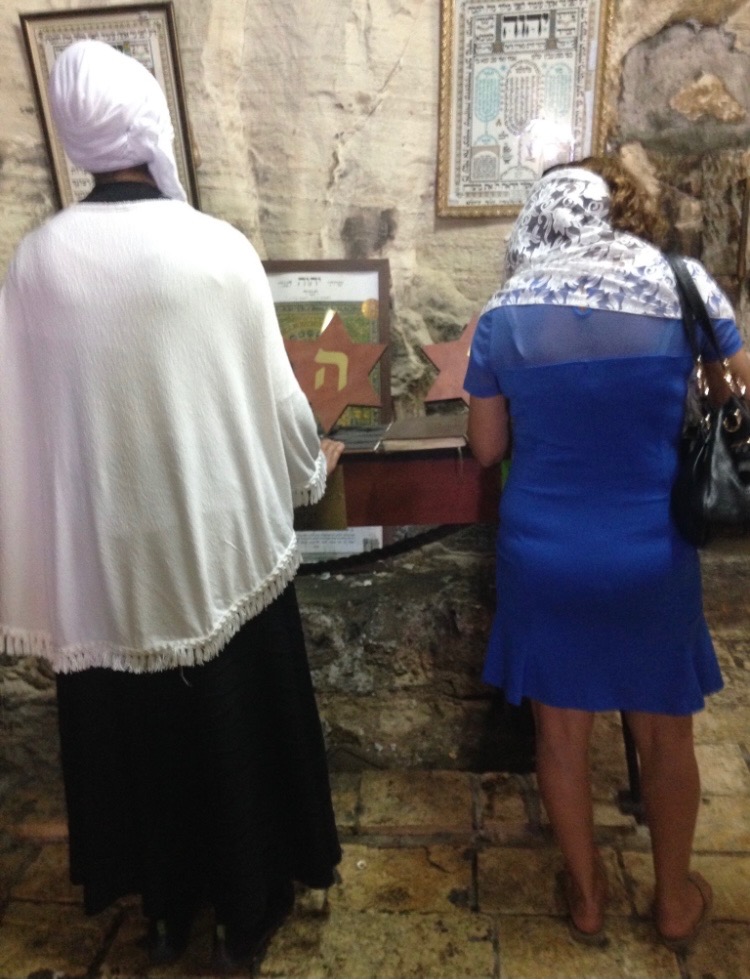
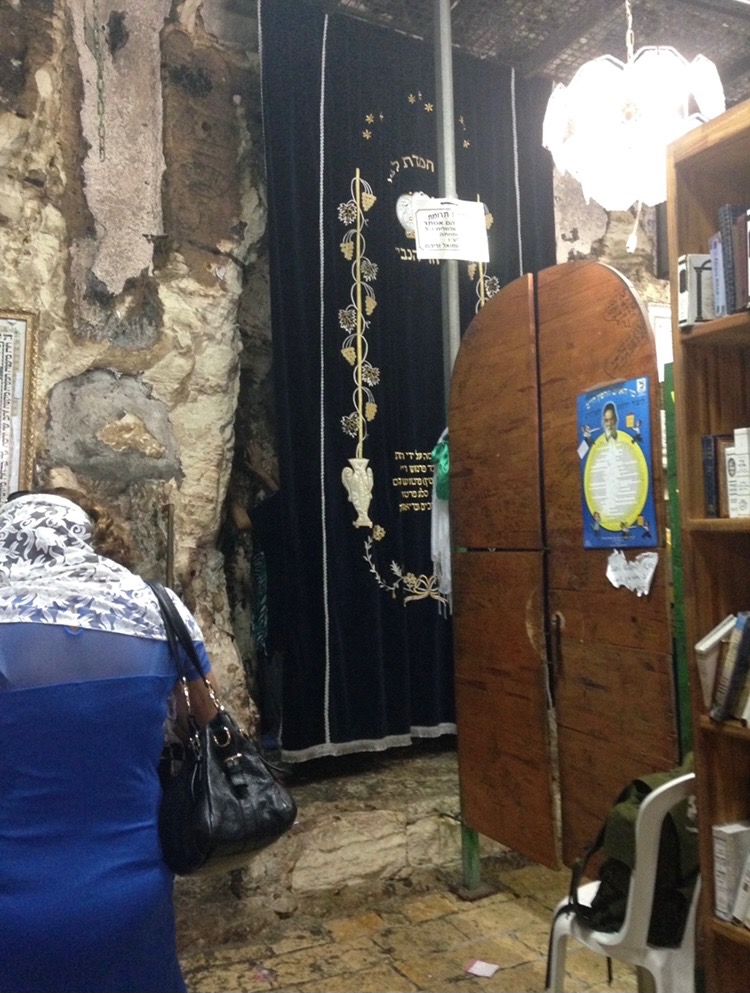

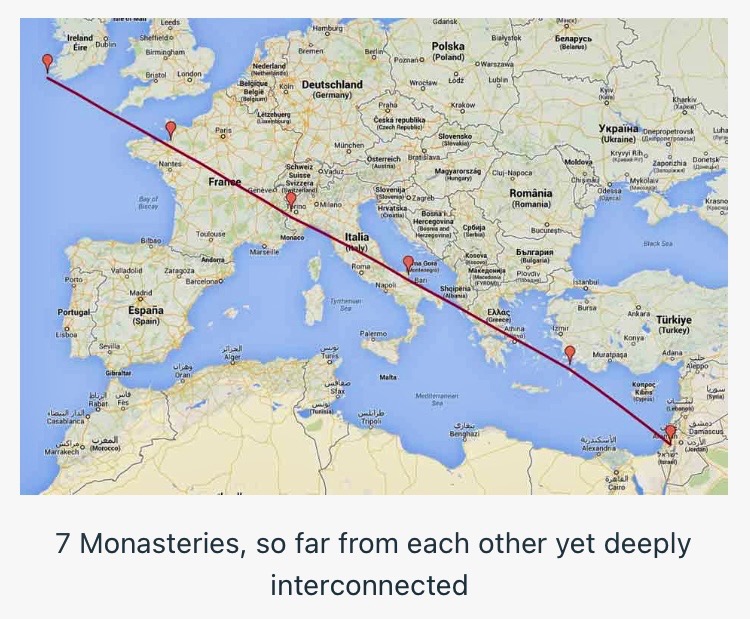
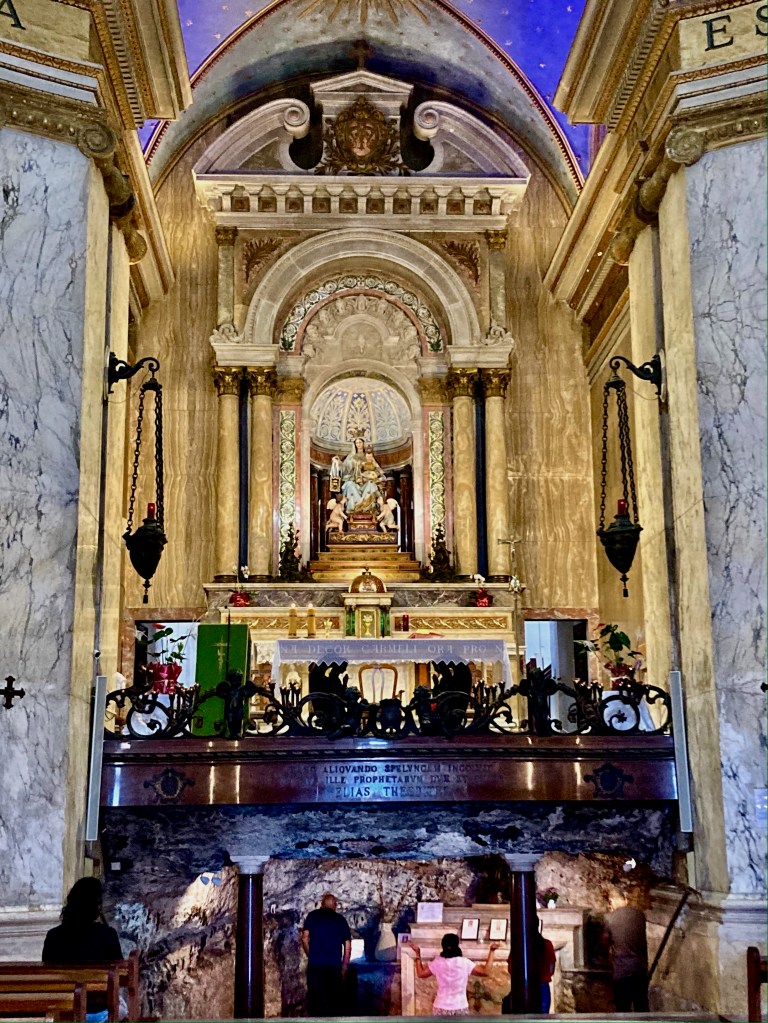
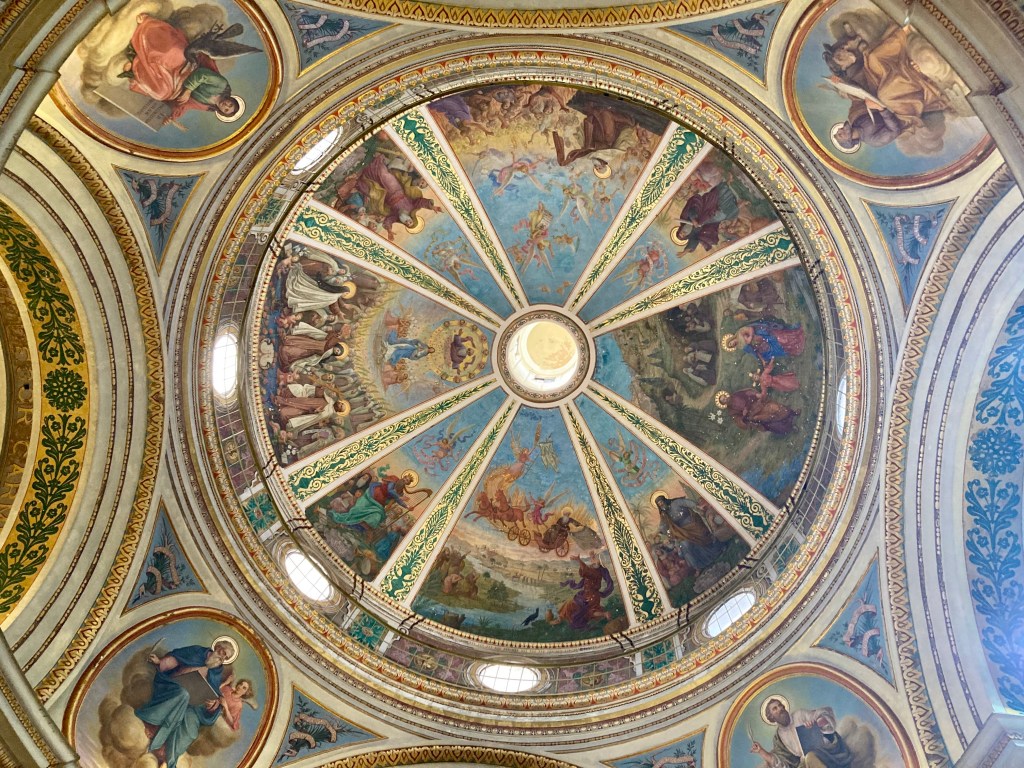


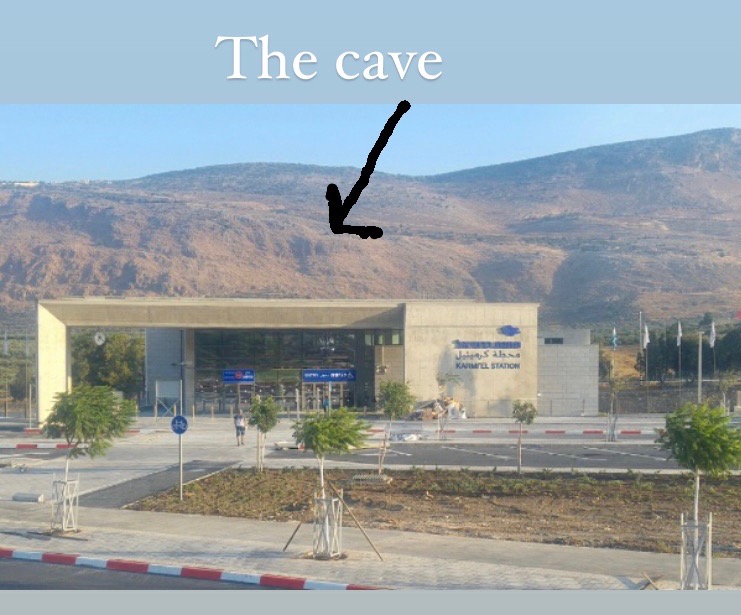

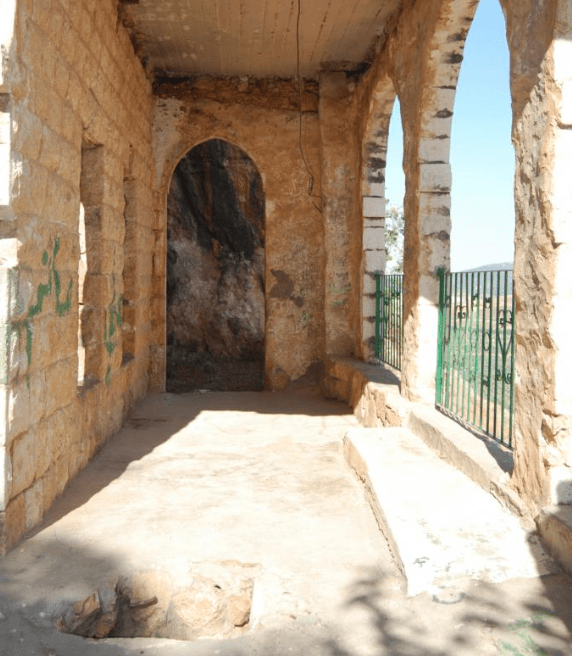

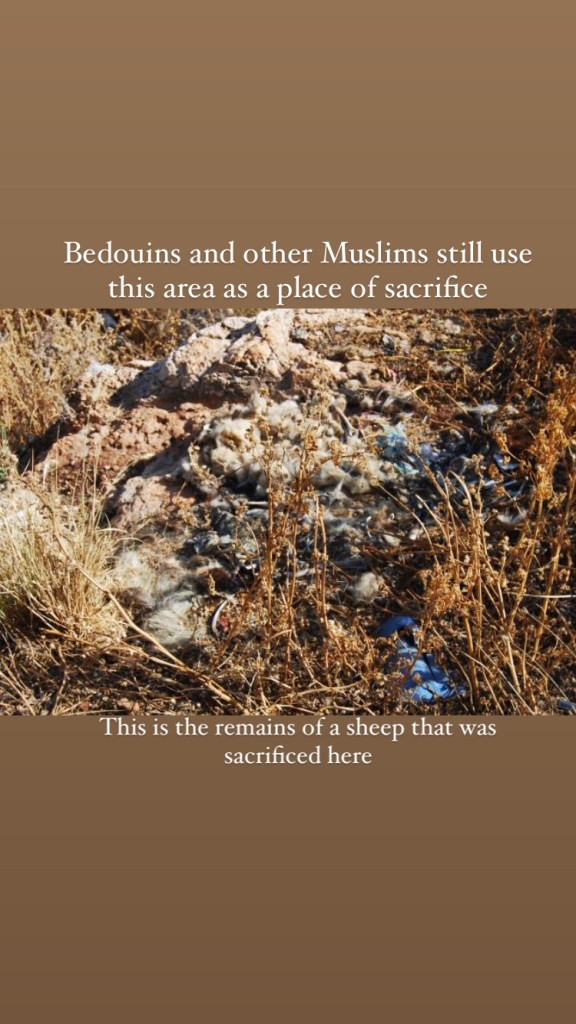
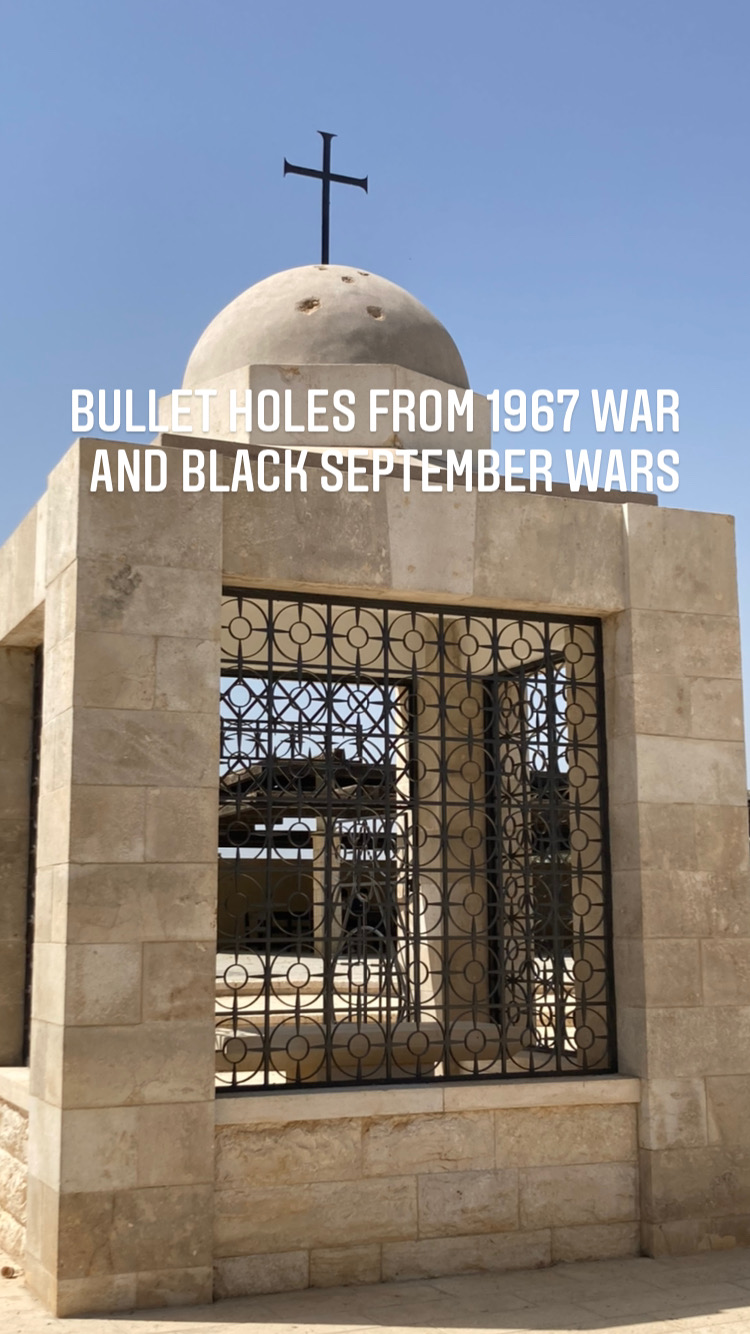


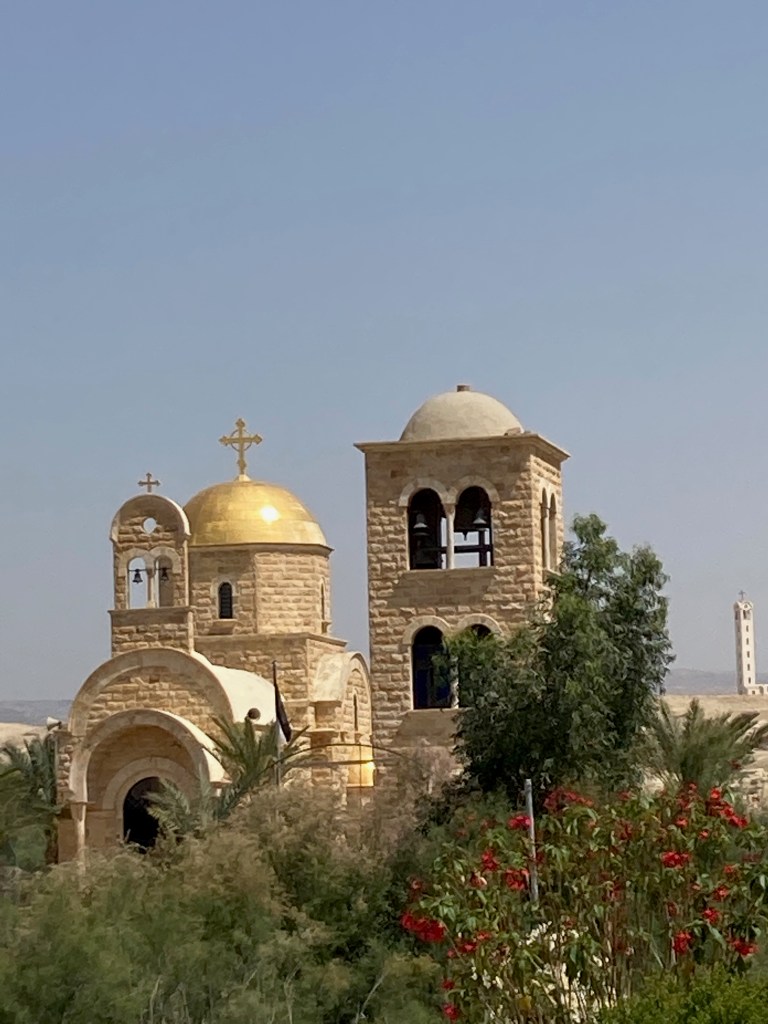


 Israel Dreams