We Do Have a Life…

So yes. To answer several of your many questions: I am seeking counsel. I am seeking a trustworthy confidential, nonbiased clergy in the U.S. to speak with about touches of PTSD and to discuss information I have uncovered (to publish or keep hidden? That is the dilemma).

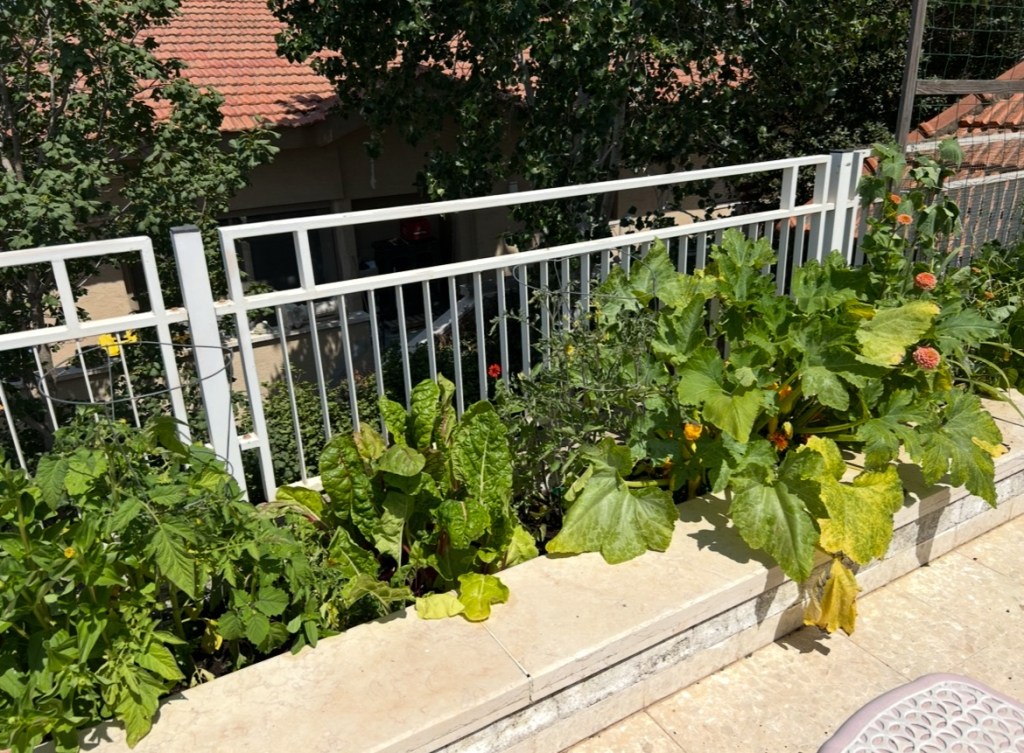
And yes. John and I do have lives. Besides researching and writing (news and features articles as well as articles on religion for other media outlets), we do have other things we do. I love to garden and grow my own heirloom, organic vegetables. We both try to spend at least an hour a day keeping up with the yard and garden.

Also, I study both Tanya and Scripture with the wife of the chief rebbe of Tsfat every Monday and Thursday morning. It gives me perspective on life, and I love to study. I lead a Torah study on Thursday nights through Partners in Torah. It deepens my faith and I love to share all the interesting and relevant tidbits from the Hebrew. My partner is amazing and she challenges me to do better in my life as well. John and I have another group on Tuesday evenings and once a month we facilitate a couples group (international group). This next meeting we will be discussing combatting antisemitism. So that takes care of some of our spiritual life.

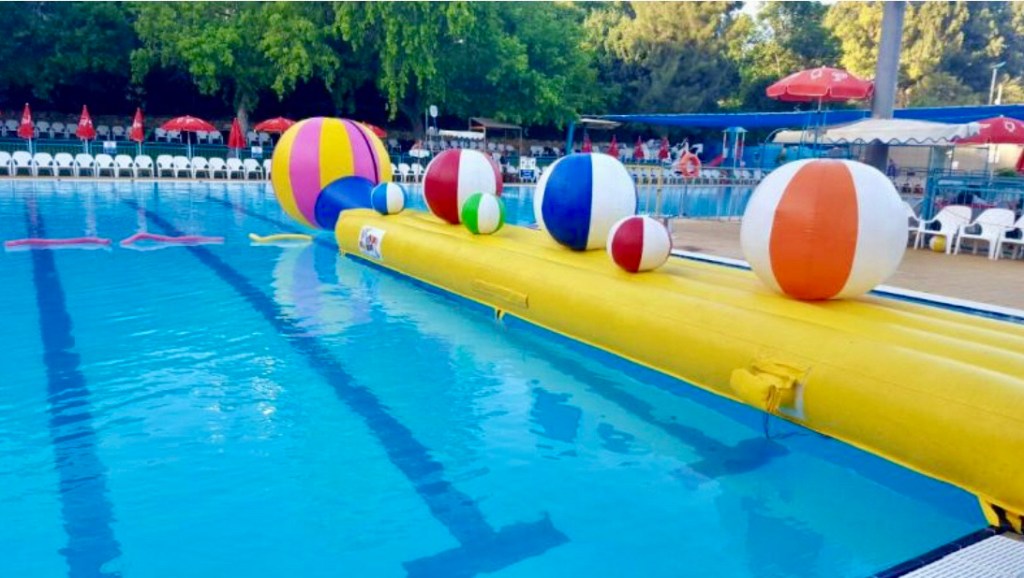
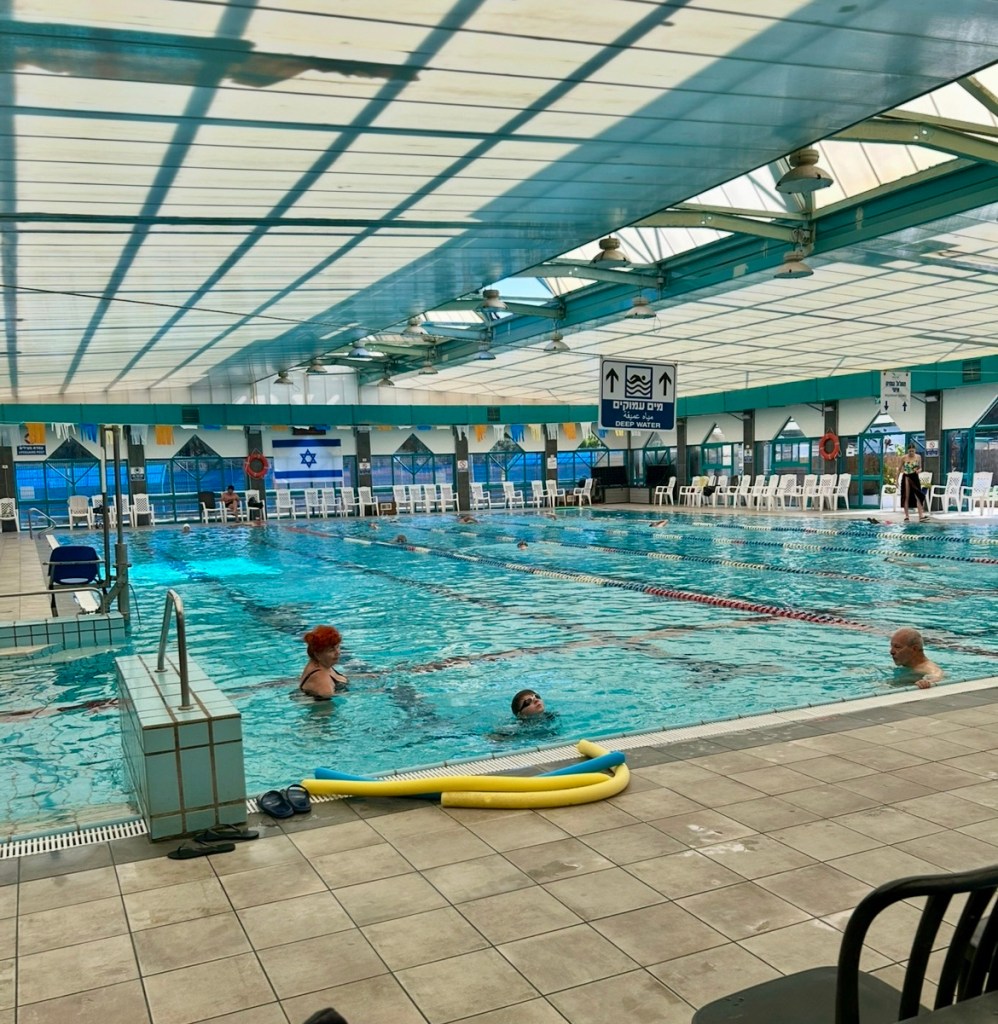
Every Monday-Thursday I try to spend 60-90 minutes in the pool to keep mobile and flexible. Every community in Israel has its own community swimming pool. Most have Olympic sized swimming pools. Because we live in a larger city, the municipality has built the “Country Club” (Jews allowed) with tennis courts, workout/fitness rooms, sauna, steam room, indoor Olympic pool, huge outdoor pool, jacuzzis, spa/massage rooms and classroom for Pilates, Yoga, Feldencrais, Karate, Spinning, and other classes. Classes are offered throughout the day and evening. Membership is a nominal fee. All classes included. Lockers and spa treatments are extra.
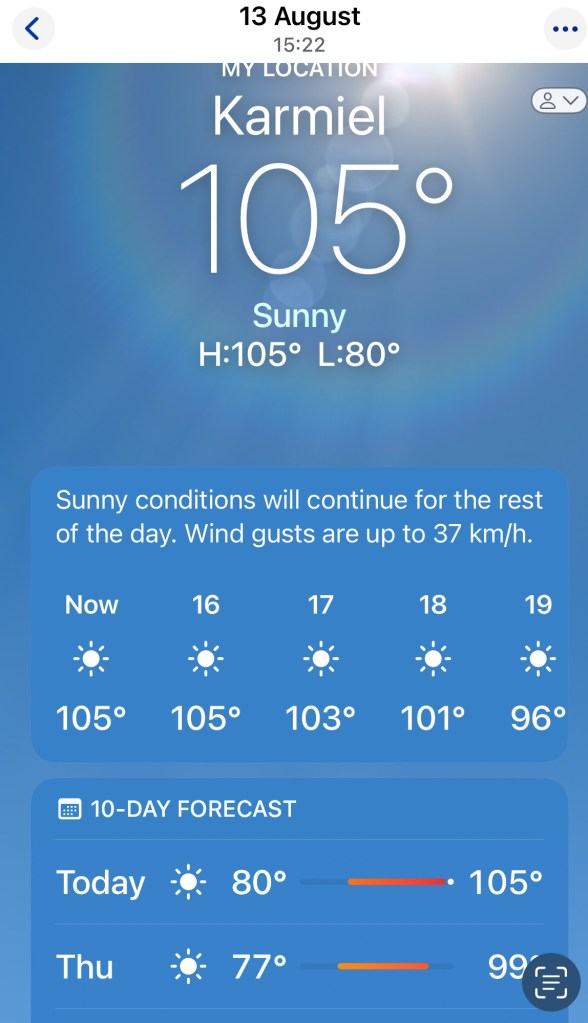
We just ended the worst heat wave of the year (I hope), so our activities were quite limited all last week-
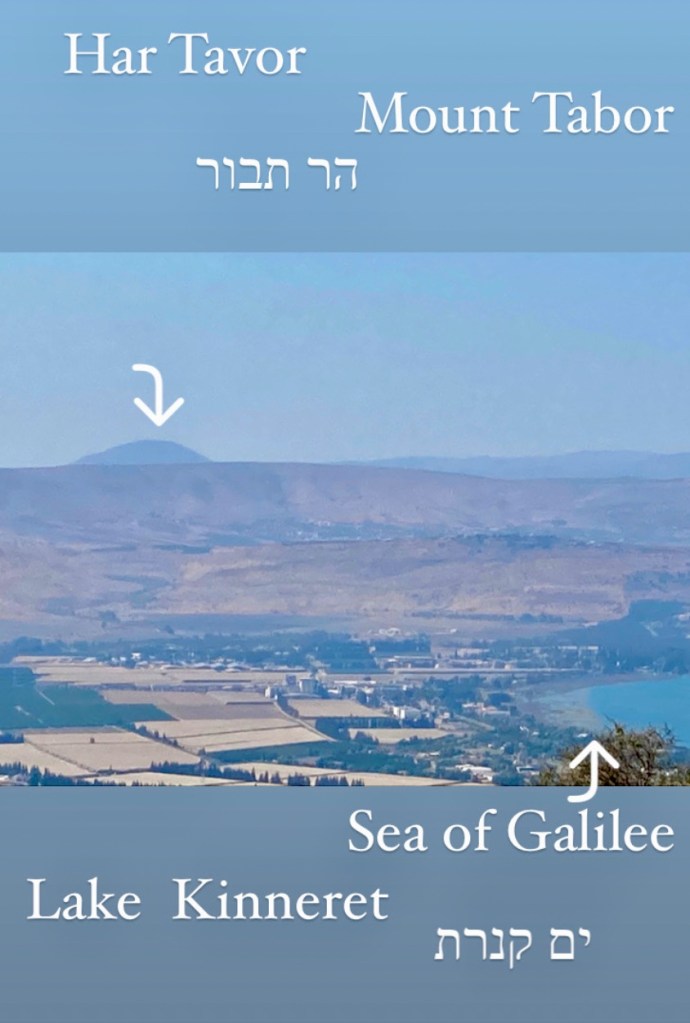
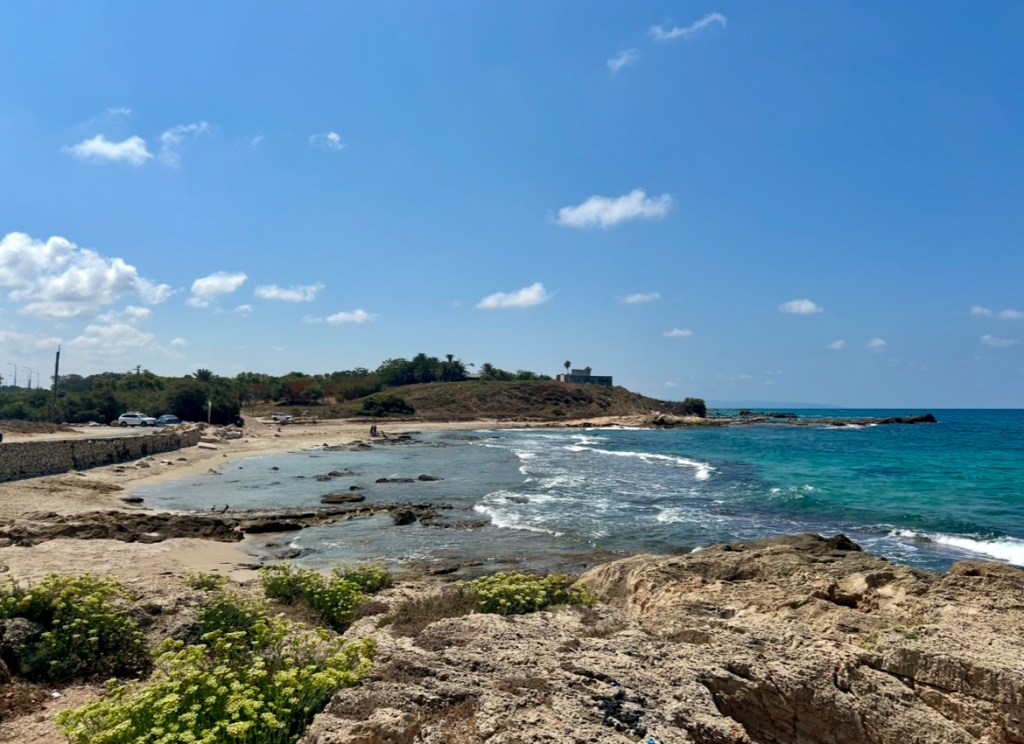
But when the weather is good, we like to go for hikes in nature. Another great thing about living in Israel is the appreciation and love for nature. The JNF has planted so many forests, which are always within a few minutes drive. There are hiking trails everywhere. Mountains, gentle hills, forests, lake trails, beach trails and trails that follow wadis (canyons), streams and rivers. We have our favorite places, and love to find new trails close by where we can walk the dog. We especially love the trails leading to spectacular views! And those are abundant!!

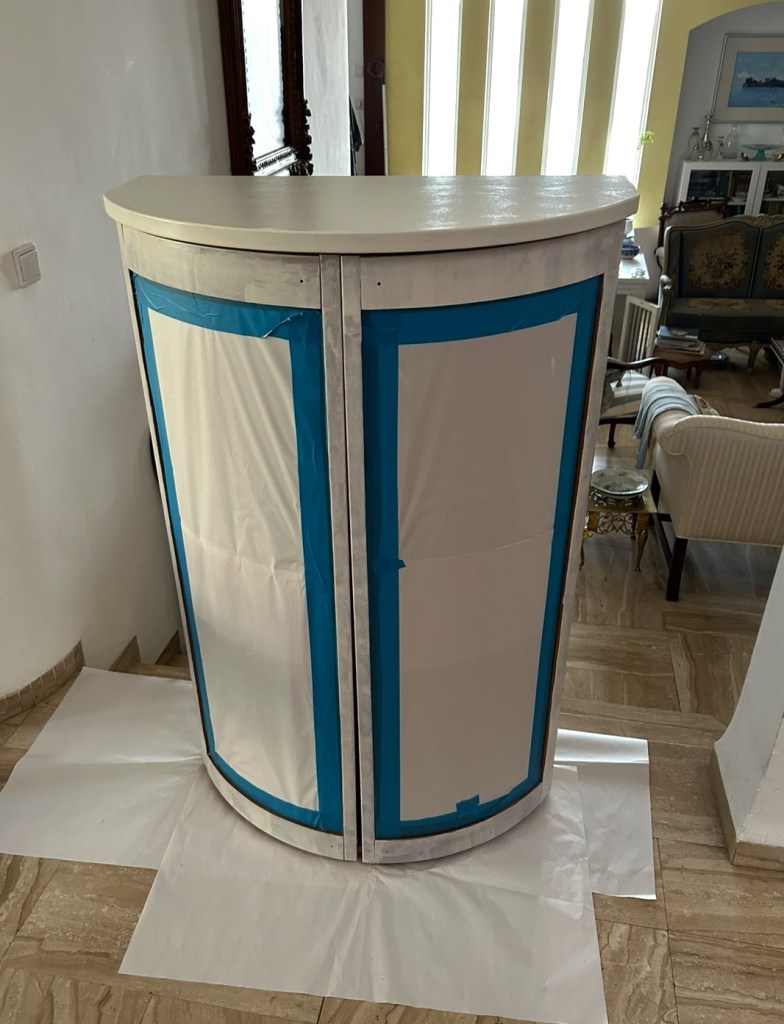
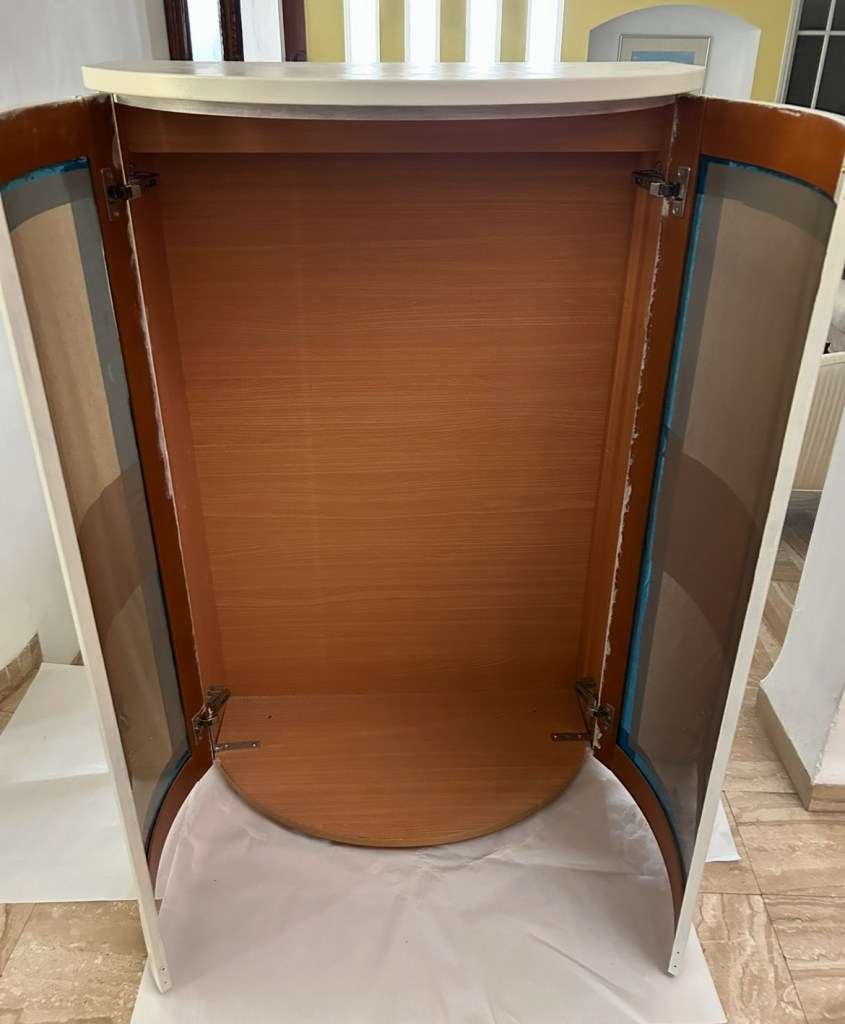
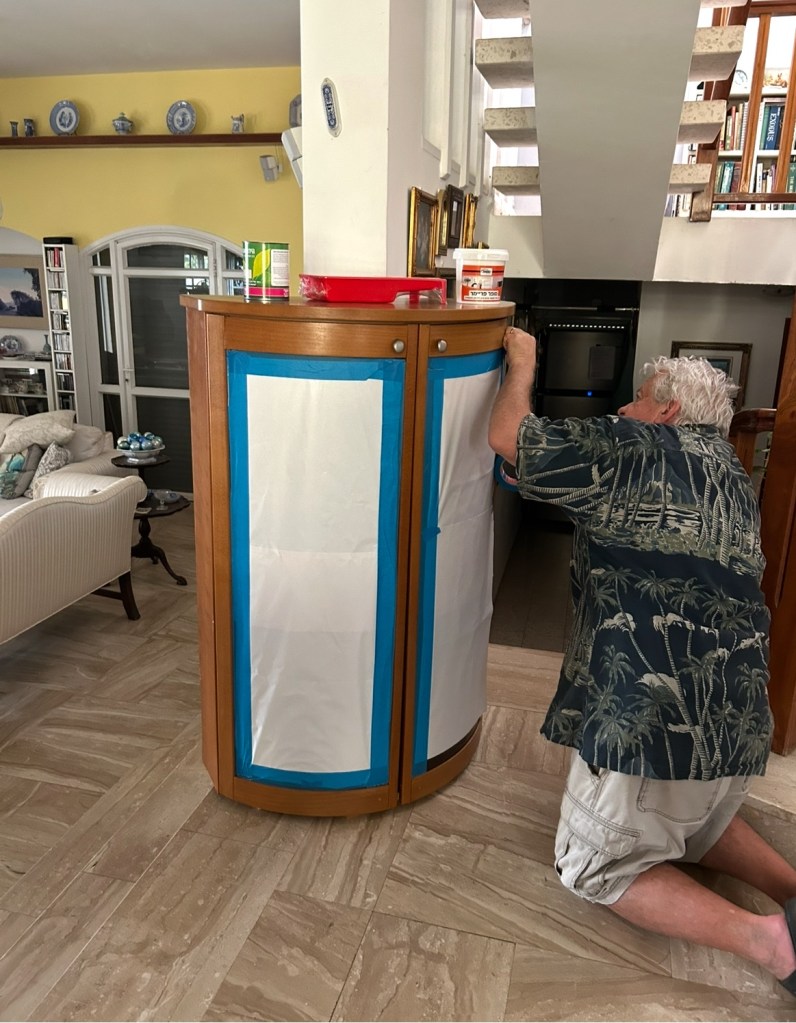
Our latest project has been another fun one. Back in the States, I had an antiques shop for over 25 years. I sold mostly China, crystal, silver, jewelry and smalls, but also had furniture and art. It was a fun and productive outlet. I would occasionally find or buy old furniture, refinish and then resell it. Just a couple weeks ago, John found a mid century modern china cabinet on the side of the street. People throw away some amazing things here. He rescued it and shlepped it home. Nice piece, but it had a huge and ugly bright orange base that had to go. We decided to paint the entire piece white and replace the door knobs. I’ve ordered some gorgeous blue and white toile wallpaper to go on the back wall. Can’t wait for it to arrive!
So those are just a few of the things we do. There’s lots more. There are always new things to see and new places to discover here. Especially in the archaeological community. We try to keep abreast of the new digs with exciting findings in our area. The locations are usually within an hour drive. We have nearby wineries and local farms where we can get honey and produce. Artisanal dairies are a popular place to visit here for different cheeses, yogurts and other dairy products.

Plus cooking. Unlike in America, where there is plenty of pre-prepared food (everything from elaborate salad mixes to side dishes and entrees), in Israel – at least up here in the periphery- it’s much harder to find. There are a couple places that offer pre-cooked meals to pick up on Friday morning for the Shabbat. That’s about it. So I do all my cooking from scratch, which takes longer, but is fresher and healthier.

I’m always learning new ethnic recipes from the many cultures that are here. The Israeli palate is entirely different that the Western palate, the spices are very different. It took me awhile to get used to cinnamon andcloves to be used with meat; turmeric in everything; pickled everything; sumac and zata’ar. But I’ve learned to incorporate flavors of the Middle East into much of my cooking. I’m really hoping to get some Ethiopian recipes in the near future, as I’ve just made friends with some lovely Ethiopian women.

Another benefit of living here is that it has proven to be the perfect launch for trips to Europe. For us, flying to Europe from Los Angeles was cost prohibitive. In Israel there are flights and cruises across the Mediterranean. Since moving here, we have traveled to Italy, Czech Republic, Hungary, Switzerland, the Netherlands, France, England and Scotland. We try to get to the U.S. once a year to visit family. In September we are going to England, Amsterdam and maybe a stopover in Italy before we return. Our son in London graduates and we have that adorable new grandbaby to visit with our daughter’s family in the Midlands. We will be gone for almost two months.

So for the curious, and for those who have urged me to “get a life,” we have one here. Whether getting together with friends or volunteering to pick vegetables and fruits or just driving to discover new places, it’s all been part of this wonderful adventure.

Blindsided

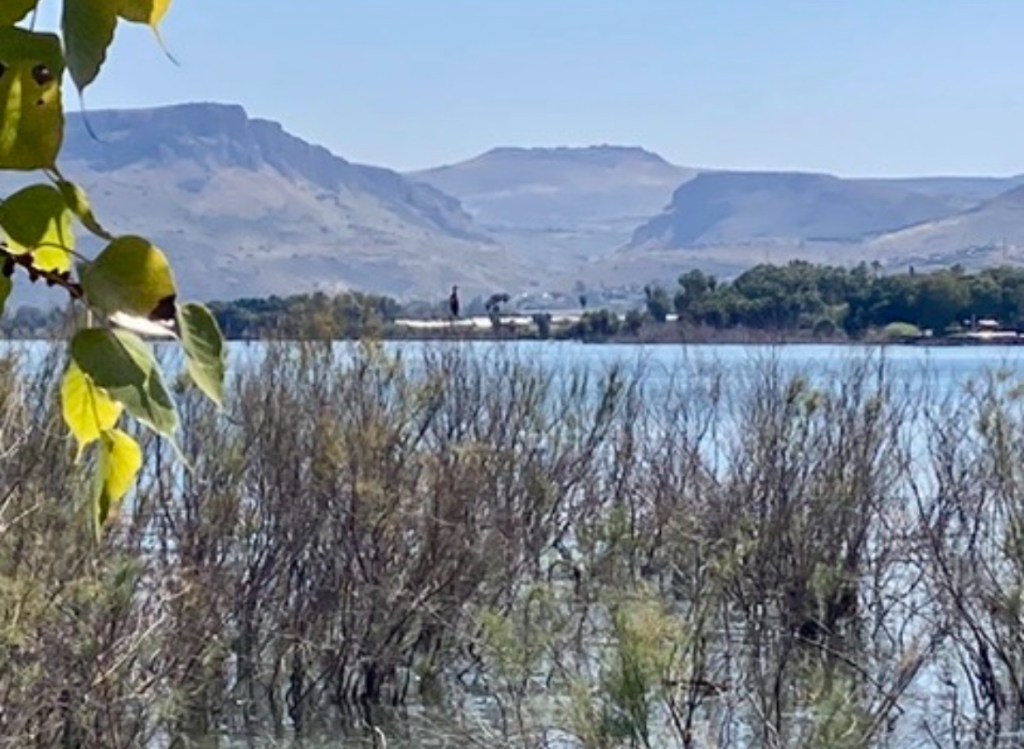
We started off the weekend with a real BANG here in Israel. Literally. There were loud booming sounds around 8am as IDF jets scrambled and intercepted a rocket and a suicide drone over Akko, only about 12 miles down the road. Akko is a world heritage sight on the gorgeous Mediterranean coastline. It is famous for its Crusader structures – immense hospital, Knights Templar dining hall, fortress, tunnels, chapels – as well as its rich history as a trading town and jewel of the Sultanate. This multicultural Arab Muslim and Christian as well as Jewish city is host to a thriving souk, several historic mosques, Franciscan and Orthodox churches, as well as a farmers’ market and numerous synagogues. There’s no other place quite like it, and whenever we have visitors, we make it a point to take them here. Hizbulla has no regard whether they are targeting Jew or Gentile, modern or historical, as long as it’s Israel.

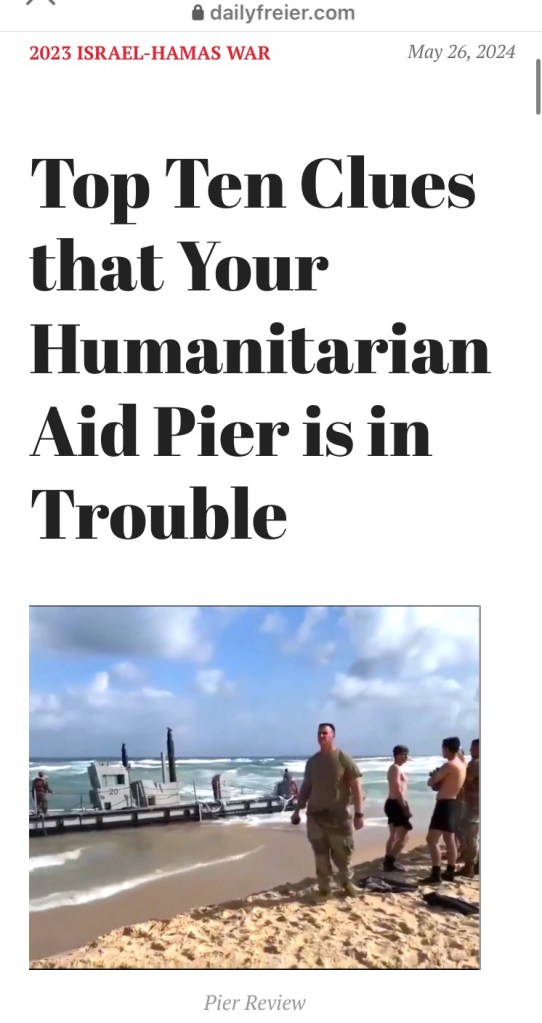
I’m writing another (paid) article on comedy during the war. Israelis find things to make fun of or we would surely go mad. There has to be humor even in the darkest recesses. It’s one of our coping mechanisms and means of survival. So, hopefully by now everyone has heard that the US was building a pier to be able to unload groceries to Hamas…Oops. I mean Gaza. Kinda like door to door same day delivery. Because dropping MREs from airplanes and killing innocent civilians when the parcels fell on their heads just didn’t work. And for some reason, the Biden admin didn’t believe that the 180+ truckloads/ day that Israel was allowing in was getting hijacked by the terrorist organization. How could it be?

So the US sunk over $320 million taxpayer dollars to build a pier. Only, the army engineers were being shot at and were dodging Hamas launched RPGs, so they subcontracted the project over to the UK naval engineers who charged an additional unholy amount to the US. Well, the pier was up and operational for about ten days before it was reported that Hamas operatives were stealing the food off trucks before it could reach the civilian population. “We couldn’t believe it. Eleven trucks were cleaned out by Palestinians on the journey to the World Food Program warehouse in Deir ElBala,” a UN official told Reuters.” “They just basically mounted on top of the trucks and helped themselves to the food parcels.”

A Gaza civilian told our Arutz 12 News, “There is a lot of theft of the aid. It is no longer just Hamas. We see how Gazans just help themselves. There is no one to secure it and in the end it does not reach us. It winds up on the black market in Khan Younis and Rafia. Israel just pulled out of the middle of Gaza and now reverting us in chaos. Every man for himself, looking out for his own interests. Just anarchy.” The news reported that since the start of the war, Hamas has made over $500 million selling stolen goods at inflated prices to those with the most cash.

Also, as if this is not irony enough, the American-designed pier wasn’t built to withstand waves any taller than 3 feet nor could it handle sustained winds of less than 15mph, I kid you not. In fact, every trial of this type of pier has been a complete failure. So you’ll never guess what happened…. No really. I dare you to take a guess.

As Deputy Press Secretary for the Pentagon, Sabrina Singh, stated: On Saturday, May 25, four U.S. army vessels supporting the maritime humanitarian aid mission in Gaza were affected by heavy sea states, causing the motorized pier sections, which are used to stabilize the Trident Pier, to break free from their anchors due to a loss in power. Two of the pier sections washed ashore North of Gaza on the Ashkelon Beach. The other two had to be searched for with the assist of the Israeli navy recovered. Now highly damaged, they remain ‘in the shop’ being fixed by a bunch of local Israeli dockworkers and welders in Ashdod. They will then be towed back to Gaza and reinstated. I’m sure you can only imagine the memes and comedy sketches that have been going around on this subject.

So later Friday, I had morning coffee with another lovely neighbor who I hope to introduce you to soon. Then it was off to write a blogpost, followed by last minute cooking and cleaning for Shabbat. Hizbulla terrorists had been firing rockets and launching suicide drones into Northern Israel and parts of the Golan Heights all day. I believe there were over one hundred, sending many people scrambling into shelters. About an hour before sunset, when preparations are usually at their busiest (Shabbat is like a Thanksgiving meal…only it happens every week), we heard six very loud crashing booms. It sounded like steel beams being dropped into the large metal roll-off trash bin across the street. The whole house shook and the windows rattled. And my red alerts for this area were going crazy. Incoming!!!!

So what did John & I do? We rushed outside with our phones hearing the jets overhead. I needed to get shots of any action. I guess we’re bona fide Israelis now. Many of our neighbors were also in the street looking up, pointing and snapping photos. I managed to capture the puffs of smoke after the Iron Dome interception of six ballistic missiles overhead.

So being officially Israeli, I quickly uploaded all the excitement to my Instagram account @eemahleh and got back to making the salads. John went back in the house and finished setting the table. And the red alerts continued, just not so close to us.

OK. So let me confess. I am addicted to my iPhone. My entire life revolves around it. I’m sure you understand: appointments, recipes, prayers, news, photos, phone, entertainment and more. It’s all there. But on Shabbat, many of us in Israel put aside our electronics for the time of rest. So I didn’t see or hear the news. Few of us did.
Friday evening, shortly after Israelis, religious and secular, sat down to the traditional Friday night (family) meal, phones and TVs off, Joe Biden made his speech. I had heard people say get ready, because his poll numbers seemed to drop after the Trump verdict. Dropping polls never spell out good news for Israel. And BANG! Blindsided!

President Biden in an egregious and bold move on Shabbat, when Israel would neither hear nor respond, held a press conference. Not only was the premise an outright fabrication, but it put our government in a horribly tight spot. I will post the X statement he made to illustrate the point. Note the wording…

Israel has offered a roadmap…”. Neither Netanyahu nor the Knesset members nor the military had any inkling this was constructed, much less even a thing. It came out of nowhere. There was no plan. There were no talks. There was no agreement. Biden was painting Israel into a corner when there would be no immediate response. Shabbat, remember. It was very tricksy. Very evil to do this behind a sovereign government’s back.
Netanyahu has said repeatedly that our mission in Gaza will not be finished militarily until there is no capability from Hamas to regroup, rearm or re-attack. The IDF would not stop the pressure on Hamas until all the hostages were found or brought home. Israel has given Hamas 11 different terms of negotiations including military pauses, trading captives for convicted Palestinian prisoners (and has released 180 in jail for capital crimes since October 7), and has increased aid into Gaza. Hamas has always refused the deals. Flatly.

There will be no withdrawal as long as they continue to lob missiles into central Israel, which is still happening on a near daily basis, albeit with less frequency and intensity. When they wish to surrender completely to the IDF; when Hamas will give back all the hostages live and dead, then the war will be completely over. Not until then. Not when they want to commit the same atrocities and massacre over and over again.

So Biden unrolled his plan for complete Israeli withdrawal from Gaza. For Palestinians to move back into the Northern part of Gaza, where the IDF was just recently still uncovering terror tunnels shafts, rocket launchers next to schools, and arms caches inside mosques. He unrolled his plan for the IDF to withdraw from Gaza as part of plan two….if Israel left in plan one, why was plan two including this? Nothing makes sense. And to trade Israelis held captives for the release of hundreds more terrorists to go back into Gaza. Yes. That insures the complete safety of Israel.

“… the temporary ceasefire would become, in the words of the Israeli proposal, ‘ the cessation of hostilities permanently.’” stated Biden. Hello? The Israeli proposal? What proposal? Sir, there was no such proposal! Phase three insures the return of the dead bodies held by the terrorists since 7 October in return for a complete reconstruction of Gaza. By who? At whose expense? On whose oversight?

Biden then went on in his speech to take a jab at our right-fielded Knesset members who “want to keep fighting for years and hostages are not a priority for them” Shame! He absolutely smeared BenGvir and Smotrich and other government members including Netanyahu. He is trying to divide and throw political dissent into our country, something Israel fell for last year, something that made Israel weak. He then went on to outright threaten the Israeli people with impending economic, military and social defeat if this plan was not supported.

In an unprecedented move, Prime Minister Netanyahu broke with Sabbath tradition and made a public speech. It was a defiant retort to the White House administration. He reiterated that Israel’s conditions for ending the war remain unchanged. Hamas must no longer be able to pose a threat to the state of Israel. Of course, Hamas praised the ‘deal’ and accepted the terms of Israeli withdrawal, permanent ceasefire and increased aid and reparation packages.

So, do you see, that by Hamas accepting and Israel rejecting a plan forward (that they never even saw), makes Israel the bad guy? The international community will pipe up in the coming days: Israel won’t stop fighting. Israel won’t play fair. Israel just won’t give up. Israel just wants genocide. All eyes on Rafah – and away from Biden’s dropping poll numbers.

And of course, the literal backstory… Former President Obama is fully on board with and backs Biden’s (oooooopsy…I thought it was Israel’s) plan to go forward.

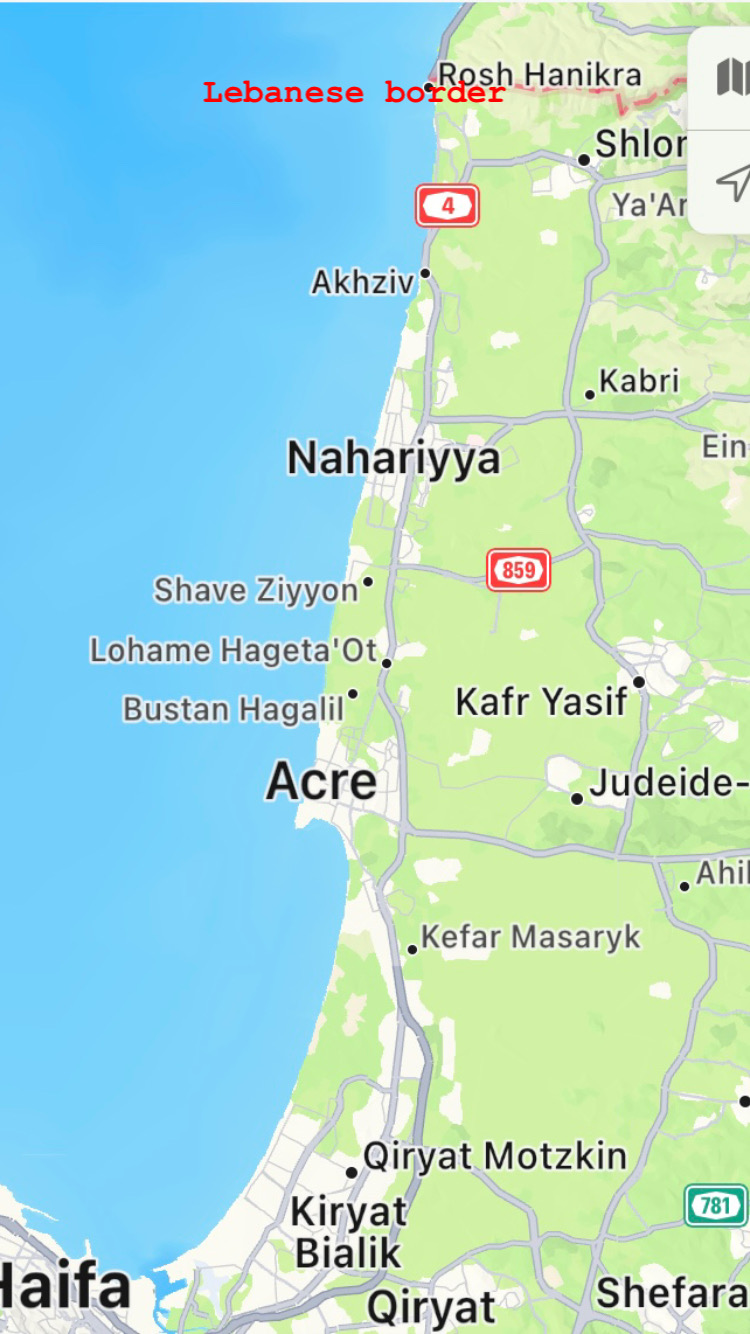
That’s all I have to say, except that all day we’ve been getting red alerts. Bombs on the Golan, rockets fired at Akko, Rosh HaNikra, Nahariyya, Shavei Tsiyon, Achziv – all prime tourist destinations for their natural beauty, stunning coastline, historical sites, or great nightlife. I just received news (another paid article I do yearly: to cover the summer festivals in Israel) that the Tsfat Music Fest, Eilat Jazz festival, Karmi’el Dance Festival are all cancelled due to the war and due to large crowds not being allowed. I am to be updated on the Tel Aviv White Nights, summer concert series in different locations, and other annual citywide extravaganzas. Add to that, our favorite summer haunts are shut down because – you know – the war.

A Huge Favor to my Readers

Yesterday afternoon I went to the shivah house, the house of mourning for the family of Ido Aviv. He had fallen in Gaza as a result of friendly fire. Of course, the home was packed with people sitting on the large, tiled patio and inside the home in the living room and the dining area. There were soldiers, young people older folk, Orthodox and secular Jewish people, Christians and Druze.

In the entrance to their home was a huge sail from a surfboard. It was Ido’s. He loved the water and was not only an avid sailer, windsurfer and surfboarder, but a surf instructor. The sail had a huge Magen David…the Israeli flag emblazoned upon it. All of his army buddies and his friends signed the sail. Notes that said how much they’d miss him, how much they love him. “Sail into the horizon, my good friend…” the words of a beautiful Hebrew song. And of course, on an easel, photographs of the fallen soldier.

I waited to speak to Emmi, Ido’s mother. I gave her a huge hug, held her tight, and we both cried together. I had known her as an acquaintance and daughter-in law of a woman in the English Speakers Club and charitable group we were in together. I can’t begin to imagine the pain. I sat down and spoke for quite some time to the father of Ido’s fiancée. Oh my G-d. How incredibly sad. They had grown up together, knowing each other since they were three. Her father told me the Aviv’s were their best friends and Ido was like a son to him. And he said, “Ido was loved by everybody. Just look around at all his friends here. They have been here for three days and just keep pouring in. Can you believe a 28 year old could have spread so much happiness? His heart was always for the other person and what he could do for them.”

Dear faithful readers, whether you leave comments on this particular blog or not; whether you leave me emails or personal messages or not. I am calling upon you right now. Please. We, as Israelis are in a fight not only to keep the enemies that surround us at bay, but in a true fight against terrorists and proxies of terrorists. Many of us feel we are alone in this fight. All the nations seem to be lining up again us. Even the United States. All we see is news of riots, arrest warrants for our administration and cries of genocide, atrocities committed and apartheid…all untrue.

So please. A simple favor. Will you please send me either in the comment section below or any way that you can – your love and thanks and support for this grieving family. I will deliver them in just ten days, our Remembrance Day for fallen soldiers. I just know it would mean so much to this family to know they do not stand alone.

I thank you in advance. The parents’ names are Mark and Emmi. They speak English (Mark is from the former South African country of Rhodesia). The Aviv’s have other younger adult sons, but I do not know their names-

May we all have a peaceful and joyous Shabbat and weekend,

Tamar

You Got a Line; I Got a Pole

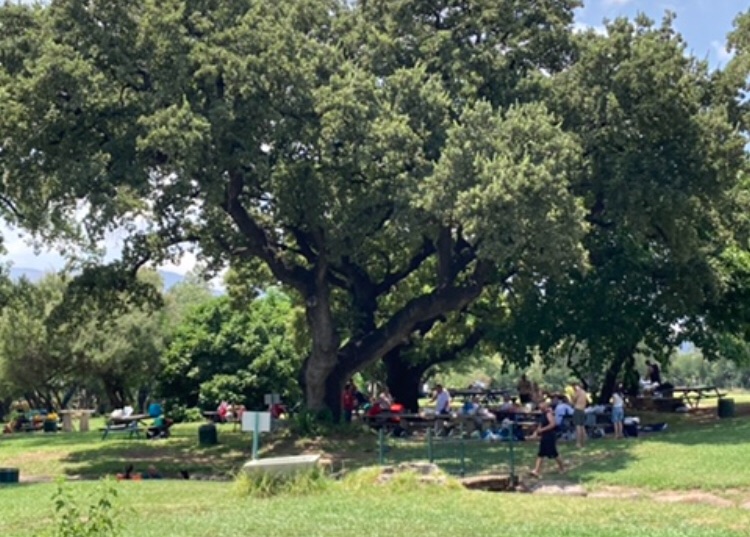
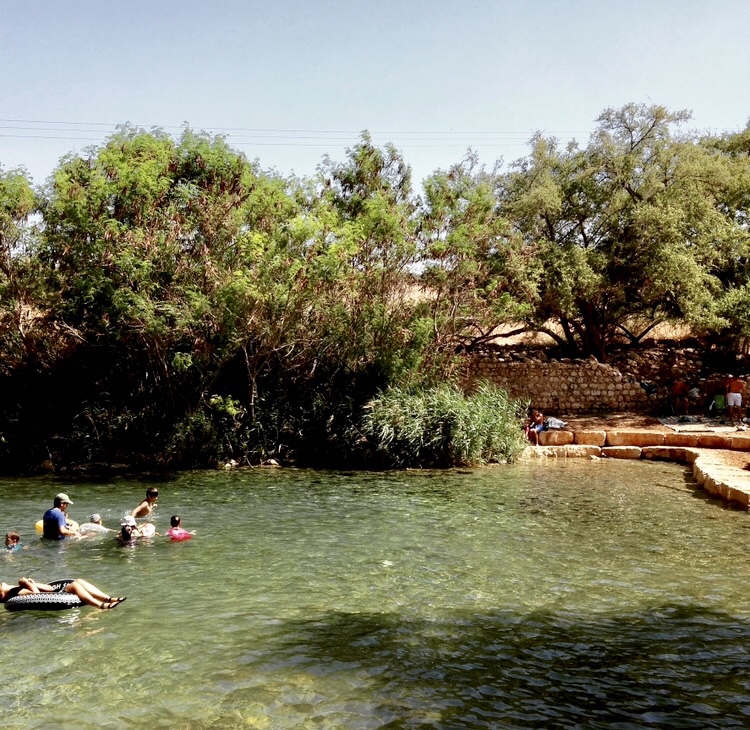
You know summertime has arrived in Israel when the temperature starts to climb and you see your neighbors headed to their cars with towels, chairs, grills, inner tubes and fishing equipment. Yes, most communities have swimming pools, but the locals have their favorite, ‘secret’ spots. The ma’ayanot…natural springs. Swimming holes.

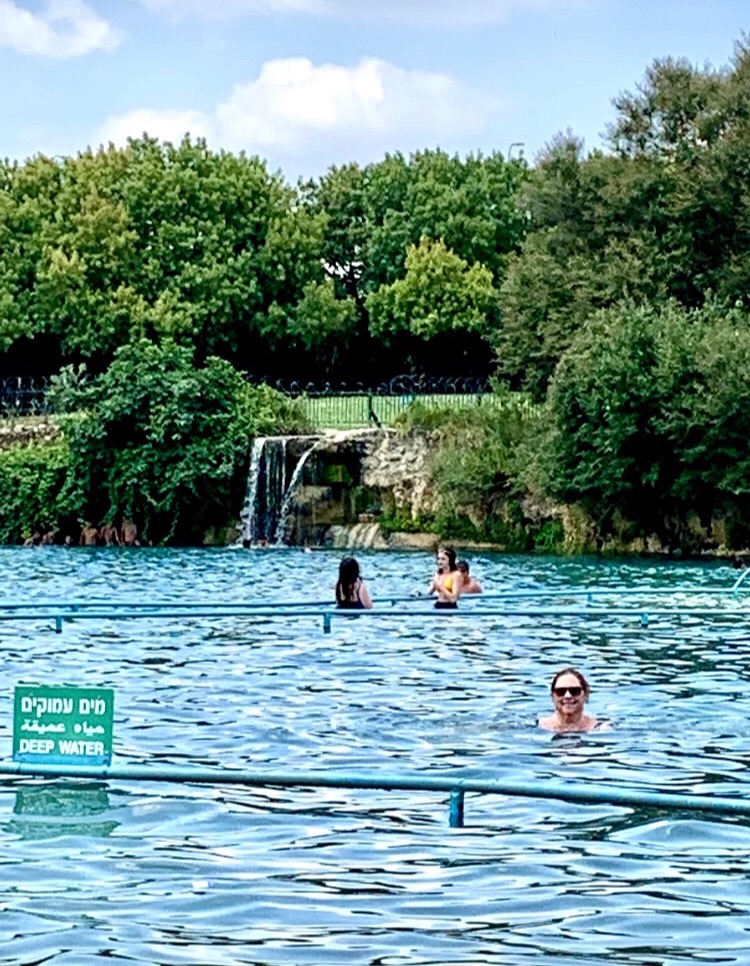
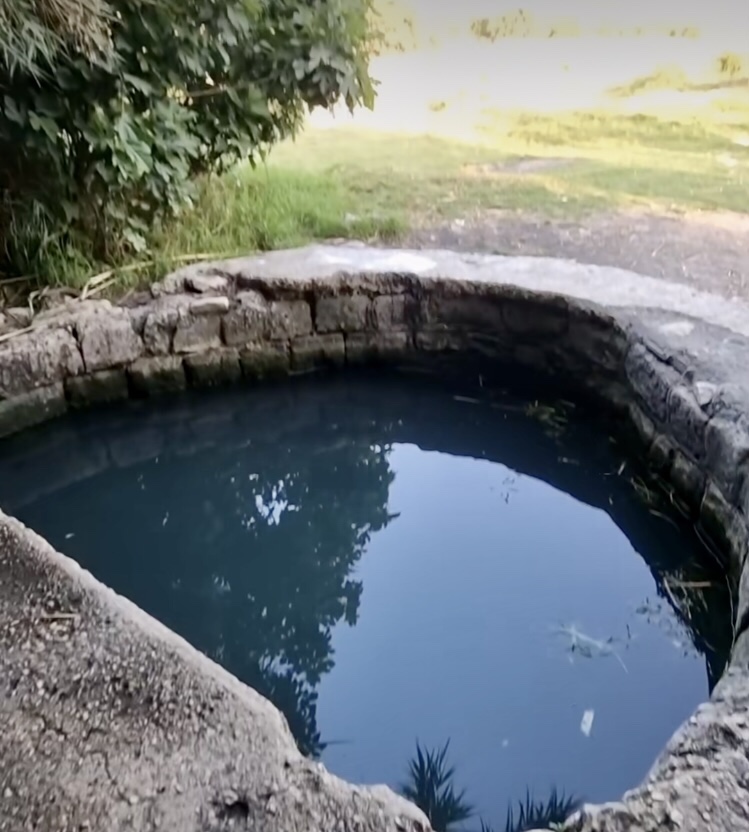
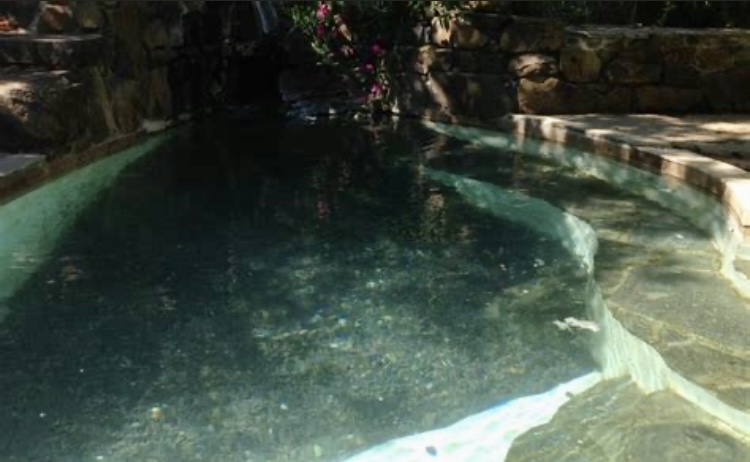
The places to swim are as varied as the individuals. Some are very small and secluded, well off the beaten path. To get to them you first: have to know exactly where you are going; and second: be willing to hike to the spot. Some are more primitive, in a natural state. Others have been blocked or bricked in. For these types, a pipe is inserted into the source of a natural spring and the water diverted into a pool that is surrounded by a natural stone border to create a true swimming hole. The fresh water, circulates through it, flowing through another outlet back to its original course. The new, man-made feature now has continuously flowing natural spring water. It’s quite ingenious.

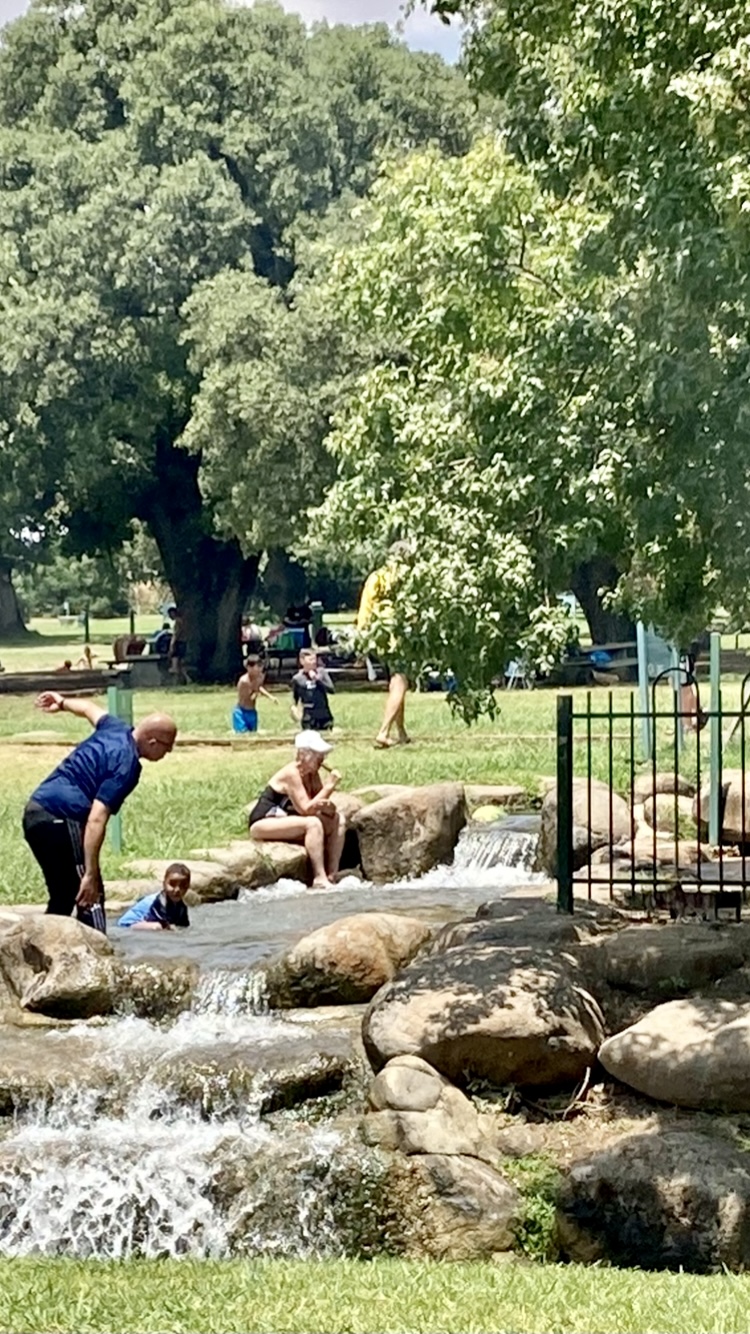
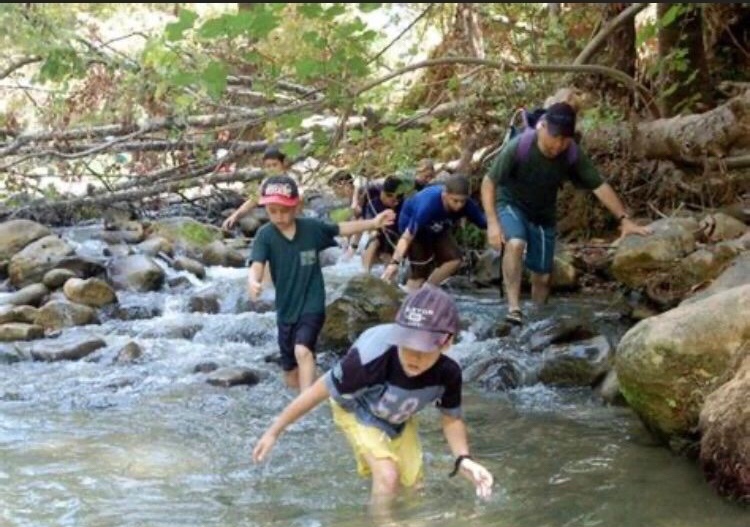
We have discovered quite a few places, some by word of mouth. Northern Israel has both rushing rivers and smaller creeks formed by the melting snowpack on Mount Hermon and its underground aquifers. The depth of the waters vary, and that seems to be the determining factor for families. Adjacent to Kibbutz Snir, are more shallow creeks under the cover of lots of shade trees. It’s a popular place for families to spend the day, grilling, fishing, and wading in the cold water. Nearby, the Dan River has stronger currents, but is still shallow. We’ve seen young boys catching trout here barehanded.

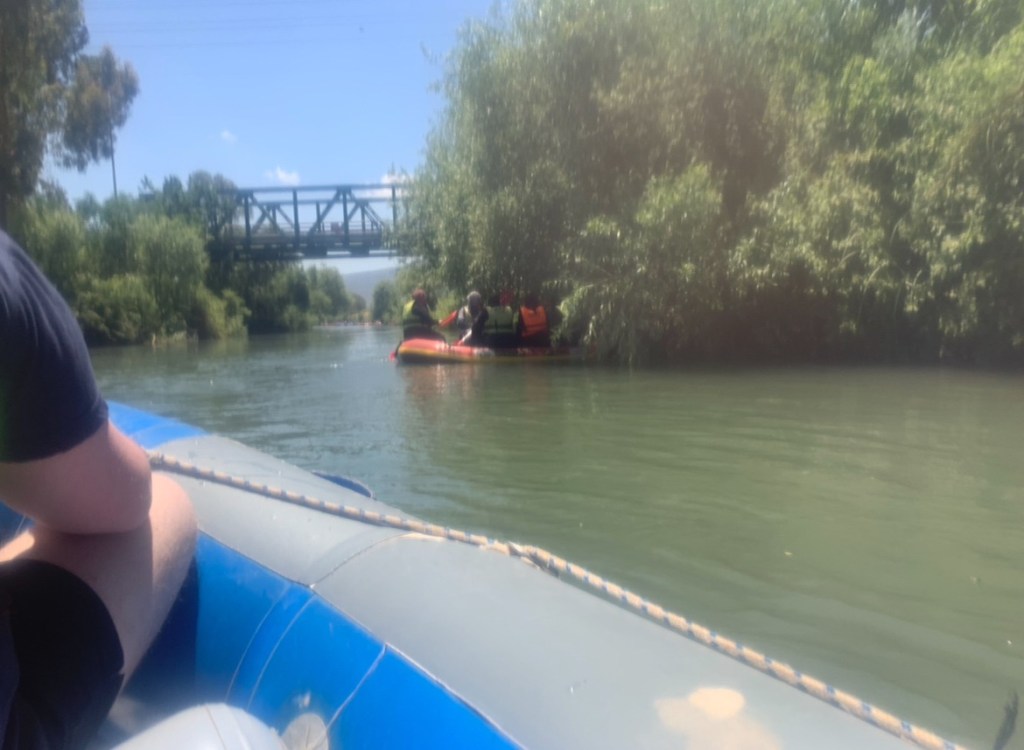
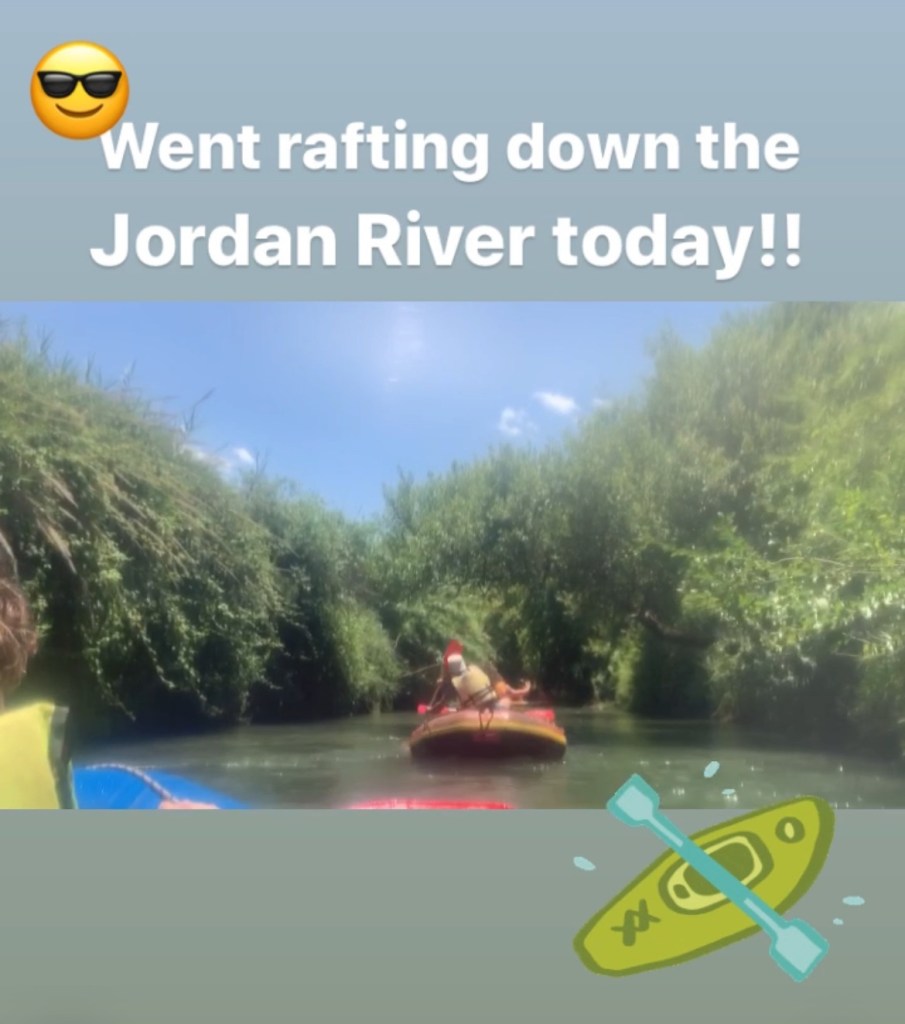
People visit the streams, bringing tents, both for shade during the day, and for overnight camping. Most natural springs and ponds are full of fish- trout, bass, St. Peter’s fish, amnon, levrak, and other species we had never heard of before living here. The men set up their portable grills and by mid-afternoon, the smells of shishlik and kebabim fill the air. Inner tubing and rafting down the Jordan River is another popular pastime for Israelis on hot, summer days.

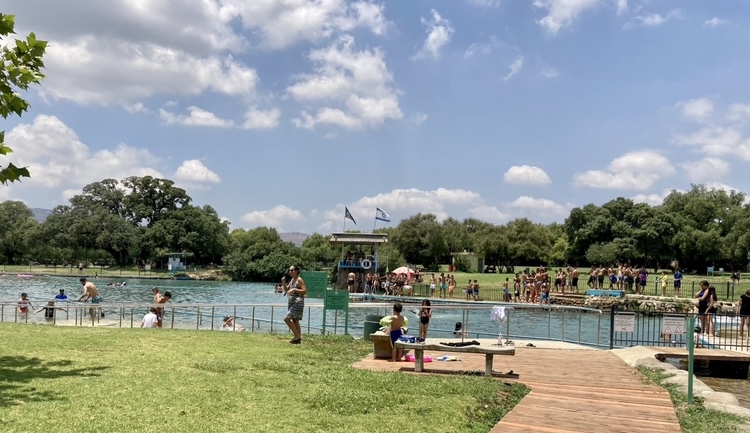
A few miles to the south of Kibbutz Snir, at the north end of the Hula Valley, is Horshat Tal Nature Reserve with tributaries from the Dan River forming large, deep pools. Several of the little lakes are large enough to have lifeguard stations and they get incredibly crowded with swimmers in the heat of the summer. The pools are connected by streams and people stake out picnic tables early in the day, moving them into the flowing streams.

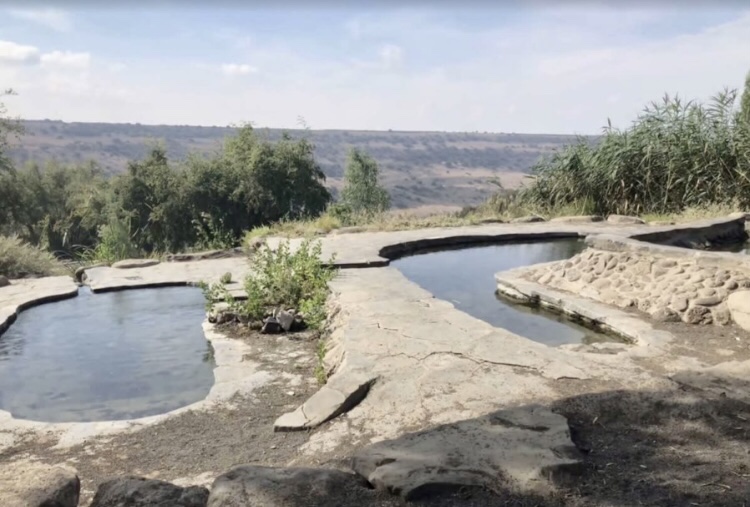
There are several, smaller, more-hidden swimming holes not far away, in the Golan. Just two weeks ago, we saw one at Deir Aziz. Up in the mountains of the Lower Golan, are the ruins of a second century synagogue/basilica. At the foot of the ruins are ancient springs, still flowing. They were once used as mikva’ot, ritual baths, for religious purification. Today, Orthodox Jews still come to immerse in the natural ‘baths’ and they have been bricked in giving more definition. Two of the pools still have their original seven steps hewn from the rock leading into the water

Further to the South, near the city of Beit She’an, is Sachne, or Gan haShloshah Water Park. Here there are natural, deep canals for inner-tubing and swimming; fishing holes; beautifully maintained streams for wading, and many landscaped and manicured pools to cool off in. This well-known park gets super crowded in the summer. There is a snack bar with a full line of refreshments, a gift shop case you forgot to bring your hat or sunscreen and golf carts for rental to travel from one pond to another. For those interested in Biblical history, this park is at the foot of Mt. Gilboa, so it is most likely the place where David and Jonathan and the armies of Israel would come for recreation.

Ma’ayanot can be found throughout Samaria and Judaea (also known as the West Bank). Some of them (if they are close to an Orthodox Jewish village) have certain times when women can use them or men can go. Sexes are separate for modesty reasons. Most are small, deep natural springs that have been bricked to provide sure boundaries. Some have improvised diving boards. Others, tire or rope swings for taking the plunge. Most of these are word-of-mouth springs. Many are named with the Hebrew word Ein, pronounced ‘ayn’ meaning well, as in Ein Oz (Well of Strength), Ein Nov (Well with a View), or Ein Shoko (Shoko’s Well).

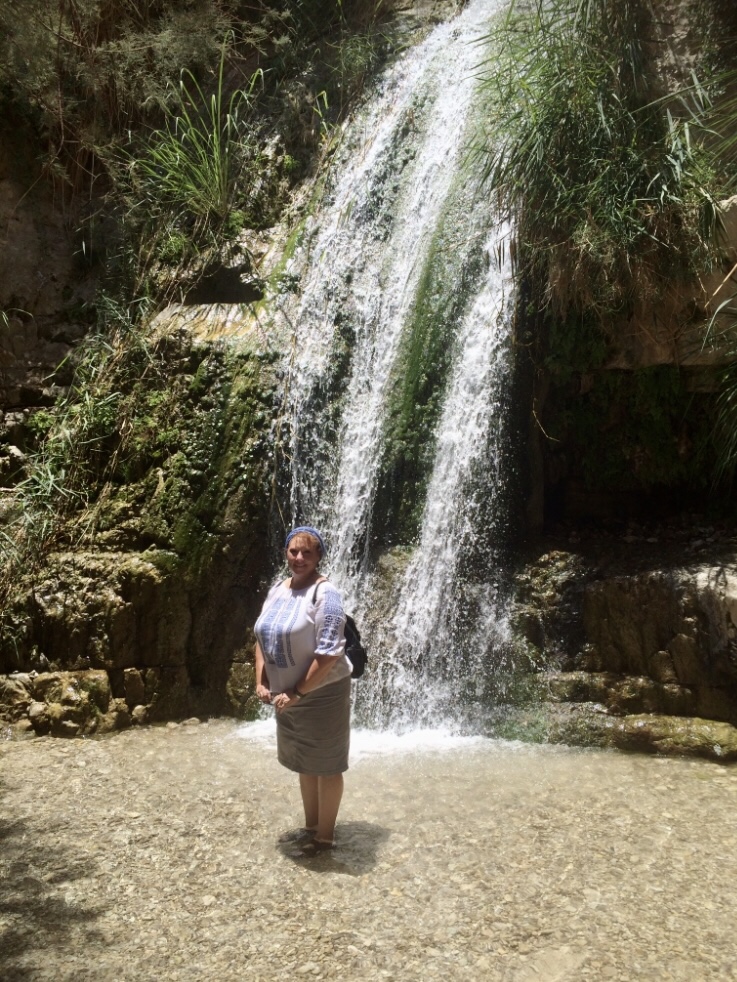
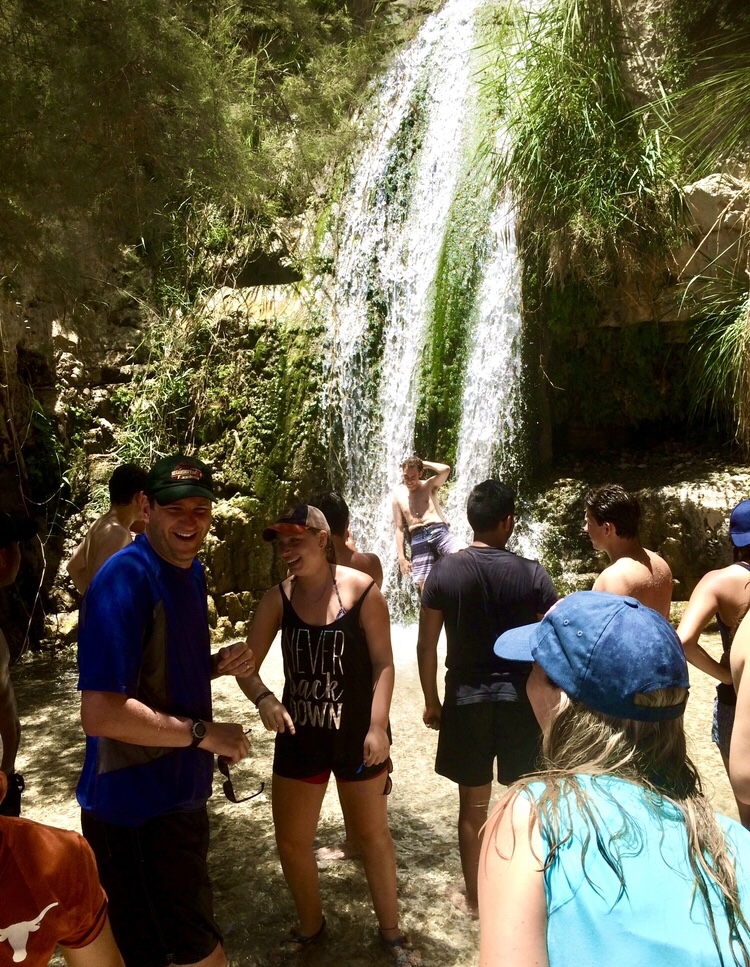
Do you recall the Bible story of David, running from the mad King Saul? The King believed David to be conspiring to assassinate him and take the throne, so Saul and his army followed David out of Jerusalem, into the wilderness. At the mountain oasis of Ein Gedi in the desert, David hid out. Amid the sandstone cliffs and jutting rocks are waterfalls from the seasonal “David River.” The water cascades down the mountain into natural pools. Springs feed the existing ponds, and it is a popular place for tourists. Just the idea of standing under a waterfall or taking shade in a cave where David, Jonathan and Saul were, brings the Bible to life. It’s very exciting. From the cliffs of Ein Gedi, you can look out over the Dead Sea to the east and the Arava Desert to the south. The views are absolutely breathtaking!

According to the Jewish oral tradition which goes into further detail on the stories found in the Torah, the Children of Israel wandered in the desert with Moses, Aaron and Miriam as their leaders. It is said, that everywhere they camped, there was an oasis or ma’ayan found for them by Miriam, Moses’ older sister. They enjoyed quail and manna and had fresh springs of water in the desert. And some of them still exist! Driving in the Negev, you can find signs for “Miriam’s Wells,” take an off-road drive and a short hike and voilà! They are very seasonal, so winter and early spring are the best times to find them.

For the locals, summer is a fun time. Schools are out. The temperature climbs and the humidity rolls in. Life slows down to a snail’s pace as people seek ways to cool down. There are the beaches of the Mediterranean or Lake Kinneret (the Sea of Galilee), although they can be almost unbearable during the day. These are best enjoyed late afternoon/evening. Shade. Seek shade! And cold water. And that means tree-lined, cold water streams. And hidden swimming holes. They can be found throughout the Land. Just ask a young person their personal favorite spot.

A Micronation Within Israel & Parties on the Beach

As I always say, Israel is the most random country. There are adventures and interesting spots in the most unsuspecting of places. It’s another reason we enjoy living here: we never know what we’ll find next. I had heard rumors of Achzivland when I was in high school from friends’ older siblings who’d returned from Israel. Then the stories popped up again when we were volunteering with the army. There were tales of rock concerts, hippies, free love on the beach, artists, celebs and draft-dodging wanderers in the 1960s-1970s.

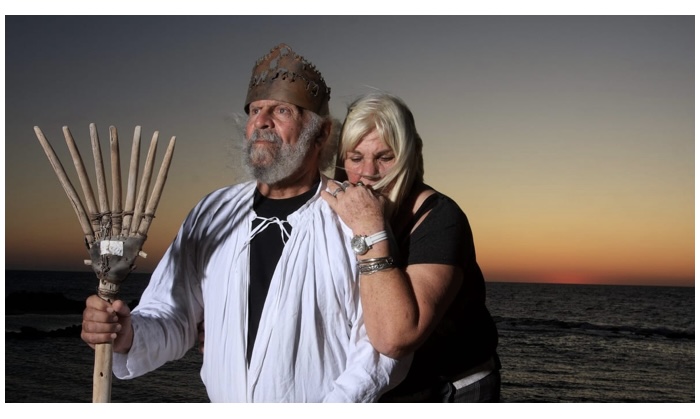
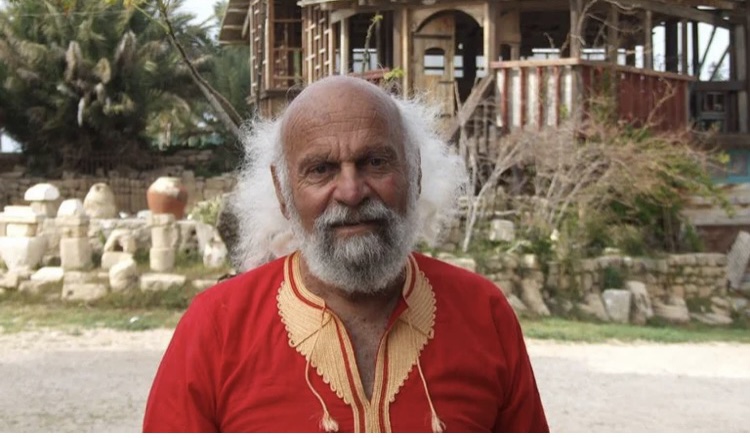
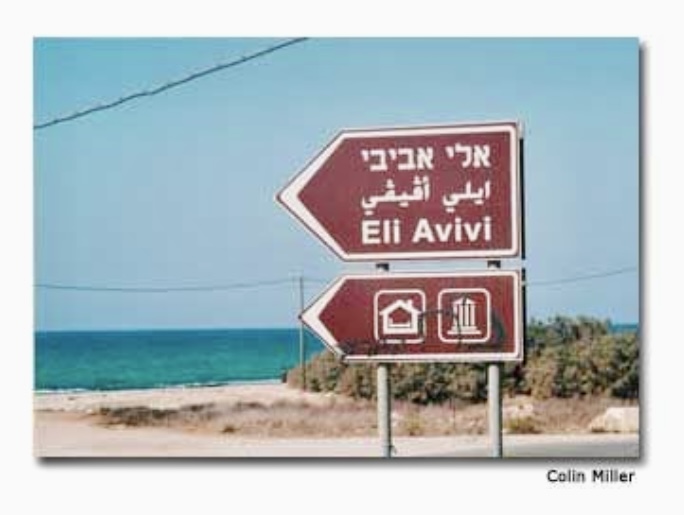
Achzivland is actually its own independent country, the smallest in the world, on the shores of the Mediterranean just 3 miles south of the Lebanese border. The story begins with Persian-born Eli Avivi who immigrated with his family to Israel when he was a baby during the Palestinian Mandate, a time when the British ruled the nascent Jewish state. Always in love with the sea, Eli, who was in his early 20s, was a smuggler. He was involved with the underground navy, pre-IDF: really just a few old fishing boats, a couple freight barges and a decommissioned cruise ship. The British had imposed strict quotas on the number of immigrants after World War II and the numbers were quite low, so Eli would take a small fishing trawler from British Palestine to Cyprus and other European locations to pick up Jewish refugees from the Holocaust and smuggle them at night across the Mediterranean back to their ancestral homeland. After the British withdrew in 1948 and the newly approved (by UN majority vote) nation of Israel fought off the invasion of Arab nations in the War of Independence, Eli Avivi left Israel for colder climates. He worked on fishing boats in the North Sea, in Iceland and Norway for two years. Then he sailed to Africa. But Israel was always calling him back.

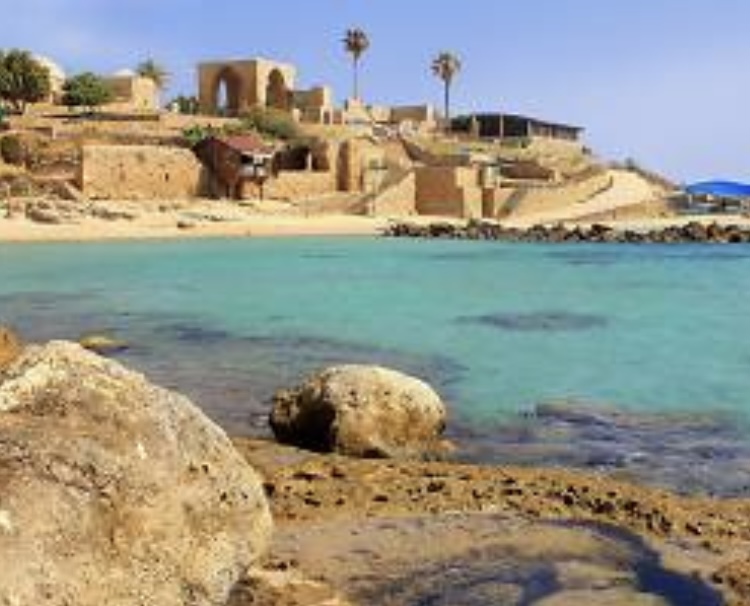
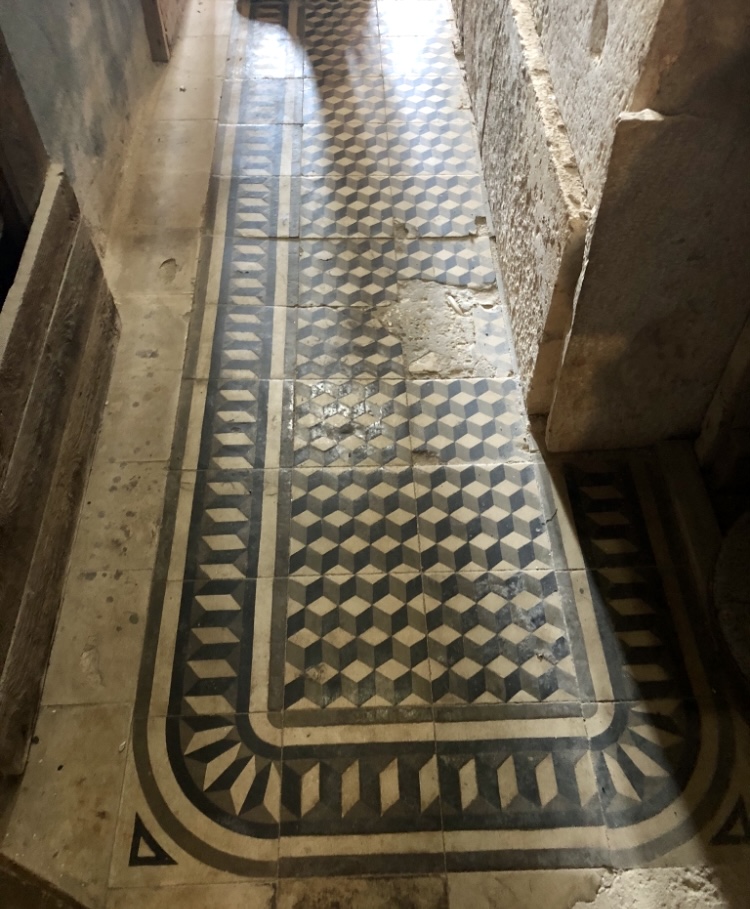
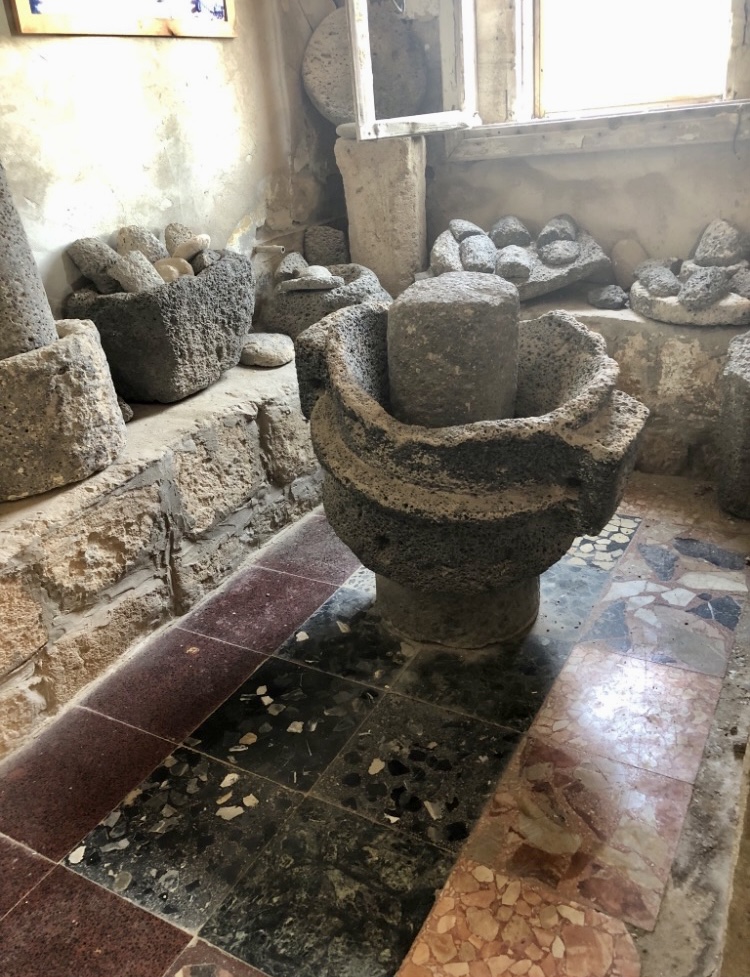
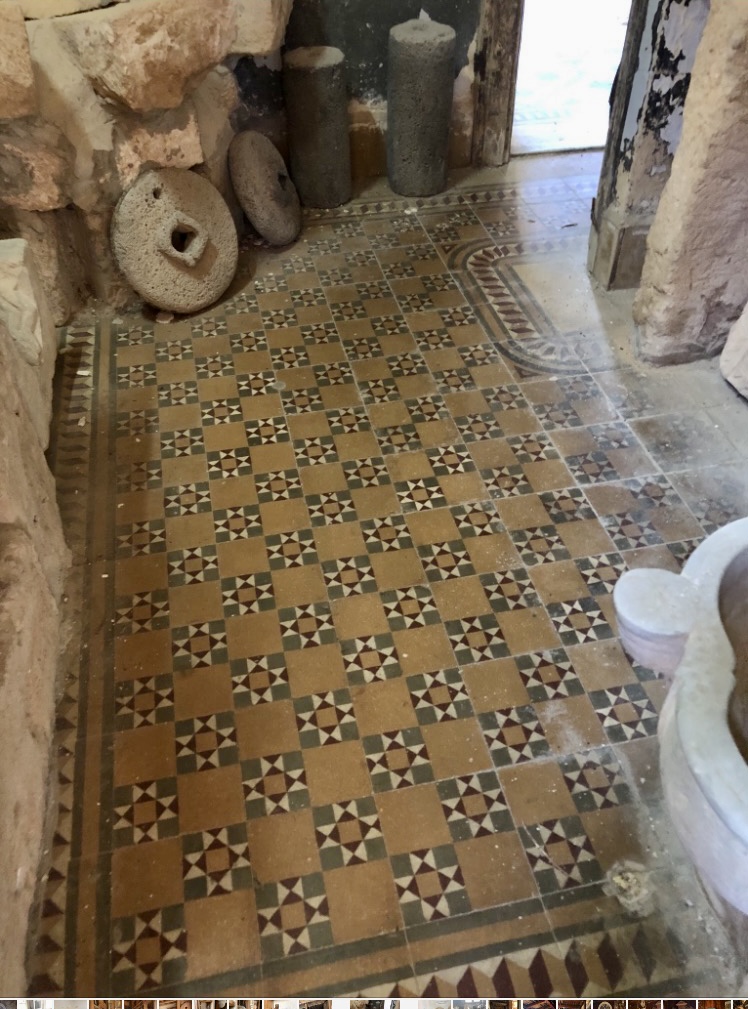
Eli returned to Israel in 1952, settling down at an old abandoned Arab fishing village on the Mediterranean Sea once known as Al-Zeb. The few stone buildings were run down, but there was a certain charm to the compound. To Eli, it was Paradise. Beautifully frescoed plaster walls and magnificent mosaic and tiled floors in each room added to the mystique. Rumor had it that the large house was owned by a wealthy Bedouin sheik and his many wives and concubines. The fishing was excellent, there was a natural-spring well, and it was close to Akko. It was quiet and remote, perfect for a solitary life. The beach-combing and scuba diving were favorite pass-times as well as scouting out the surrounding unplowed fields. Eli picked up all sorts of artifacts and antiquities, his massive collection constantly growing to include pottery, sculptures, ancient Iron Age tools and farm implements, Ottoman and Crusader weapons, glass and coins. Avivi studied the history of his ’new’ home and discovered it went back to Biblical times. It was home to the tribe of Asher and was also inhabited by the ancient Phoenicians who used to trade nearby. What more could a handsome young man want in this Garden of Eden? He was soon joined by the beautiful fashion model, Rina, who became his wife.

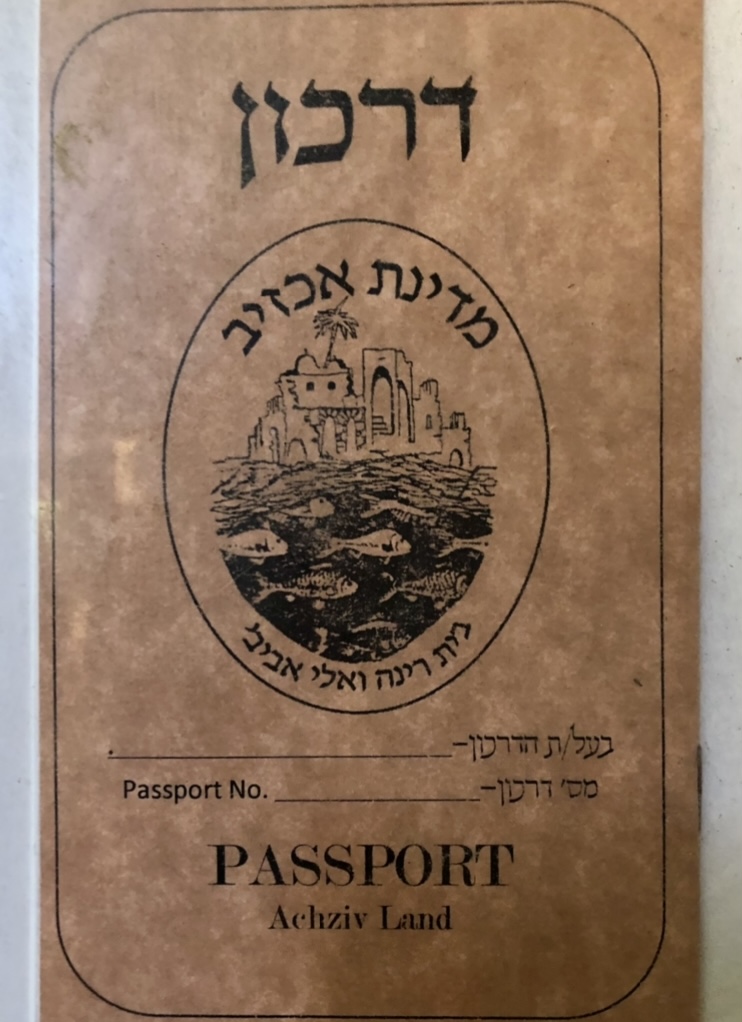
Technically, Eli and Rina were squatters on this 3 1/2 acre piece of prime real estate. The Israeli government repeatedly tried to take the property back, even showing up with bulldozers. After nearly two decades of battles and their refusing to leave, Eli and Rina ripped up their Israeli passports and declared their independence. They held a large press conference and became overnight celebrities in Israel. ”I fought for this country. I loved Israel. But I have no time for the government. I just want to be allowed to live on my own little piece of land, in my own place, in my own way,” he said in a television interview. As an act of protest, Avivi created the State of Achzivland in 1971 with himself as its President for Life. He established a bicameral House of Parliament consisting of Eli and Rina. The new micronation had its own flag, with a mermaid and his house as an emblem. He wrote up a constitution (“The President is democratically elected by his own vote.”), a national anthem and passports.

For all of this Eli Aviv was arrested by the Israeli police and border patrol. He was thrown into jail, but released ten days later when the judge ruled the charge ”Creation of an Independent Country Without Permission” did not exist. Still, he was hounded by the government until he brought a countersuit. The high court ruled he could have a 99-year lease.

Eli and Rina were no pushovers. A group of six Arab PLO assassins tried to infiltrate Israel from nearby Lebanon to commit acts of terrorism in the winter of 1971. The Palestinian terrorists landed their raft on the beach of Achziv on a foggy March morning. The Avivis had seen them approach from their living room window. One wetsuit-clad terrorist met up with a fully-armed Rina as he snuck into the house. Not expecting a loaded rifle and Karl Gustav pointed at his head, he dropped his gun and a bag of grenades and pita breads. Two were wrestled on the beach by Eli and disarmed. The Avivis tied up their captives and fixed a pot of hot tea as they waited for the authorities. The paratroopers, police, Golani brigade – the whole army showed up. The other infiltrators escaped inland and were later caught by the IDF. At this point, the Avivis were national folk heroes.

In the early 1970s, just as today, the world was in upheaval. It was a time of great unrest. The war in Vietnam was raging. The hippie movement was growing. Students were protesting in Europe. The Mideast was in constant turmoil. And the beach at Achzivland was just gaining notoriety. Jewish kids, whose parents sent them after high school to work on a kibbutz would end up there. European hikers and university students found out about this great, laid-back camping area and hostel right on the beach where the only rule was non-violence. They would help out around the property in return for a place to stay and a meal. Nude bathing? No problem. Free love? It was not unheard of. Drugs? While not encouraged, it was not discouraged either. The water was pumped from the well. The bathrooms were rudimentary latrines. The house had no electricity. The young people helped Eli as he constructed his makeshift second story to the house. They helped build additional guesthouses. It was a work in progress. At the time, it was an out of the way local, yet through word of mouth, Achziv attracted artists and bohemians, poets and musicians.

Israeli musicians and rock bands played free, all-night summer concerts on the beach. Soon artists and celebs from around the world were guests there. Young couples came asking Eli to perform marriage ceremonies for them on the beach. He happily complied. In the summer of 1972, the Avivis planned a large Woodstock type music festival. Young people came from Israel, Europe, America, Canada and Australia. From that summer on people from the likes of Bridget Bardot to David Bowie, Leonard Cohen and Bar Rafaeli would drop in. The main house grew in size but not to any code. More bungalows were erected. Electricity and plumbing were eventually installed.

We first visited Achzivland almost three years ago to the day. It was exactly one year to the day that Eli Avivi passed away. Rina was there with several of their old friends remembering times past. Long gone ere the concerts and parties. The main house, now a museum open to the public, was in terrible disrepair. Still, it was not hard to envision groups of revelrers dancing around a fire or hanging around the salon. A few people come by to swim at the beach. But the sun-worshipping youth have now been replaced by large Arab men, their fully-covered wives sitting on the sand. We went again last year and met Ofer, helping out around the property before his army service. His parents were regulars at the beach compound years ago. He remembered the tail end of Achzivland’s glorious past.

Our good friend, Norman (now of blessed memory) had also told us of the place in its heyday. He had come to Israel the summer of 1974 to work on a nearby kibbutz. After his stint there had ended, he met a gorgeous blonde from Sweden. It was an August romance, the tale of the girl that got away. The guests and rock stars that were there. Swimming in the Mediterranean on a moonlit night. Barbecues on the beach. His ”Lagatha” returned to Sweden, he stayed in Israel… and so it goes.

We return infrequently to that idyllic beach. The large lot next door is now a national park/ lifeguarded beach where families come to picnic and swim. The strains of music have been replaced by the sounds of children. It’s a completely different vibe. At Achziv, Rina still rents out cabins called tzimmers, mostly to the locals. They are quite rudimentary, but fitting for the beach. Old timers occasionally spend a summer weekend there, chatting with Rina and recounting tales of the past. If you visit, make sure to bring your passport and have it stamped with the seal of this interesting micronation.

Old Hollywood Glamour in Israel

I love Israel for its absolute randomness. There are just so many amazingly unexpected places to discover here. I had first heard of the old Dolphin House Hotel years ago, but it wasn’t until a few months ago that I had the opportunity to visit the site and learn about its history. A friend of ours took us to brunch at The Breakfast House in the little village of Shave Zion (pronounced SHAH-vay Tsee-YONE in Hebrew).

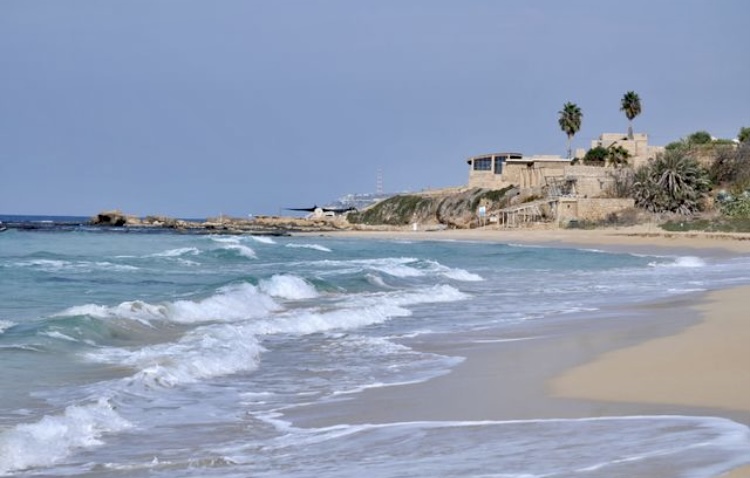
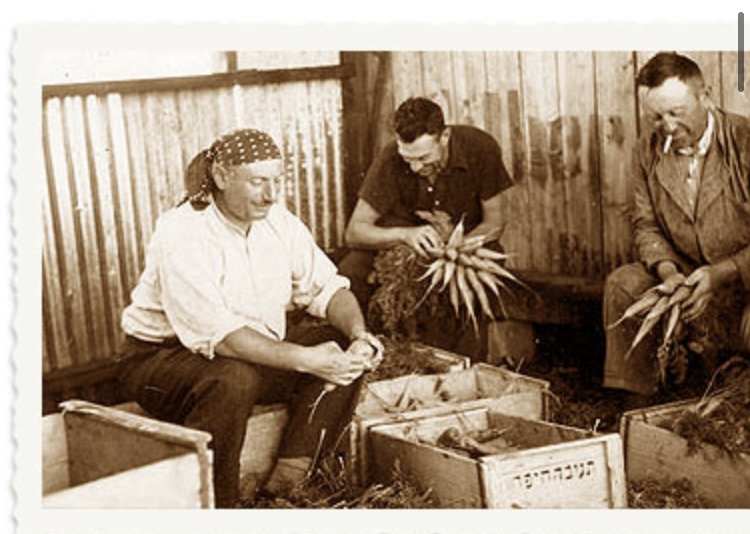
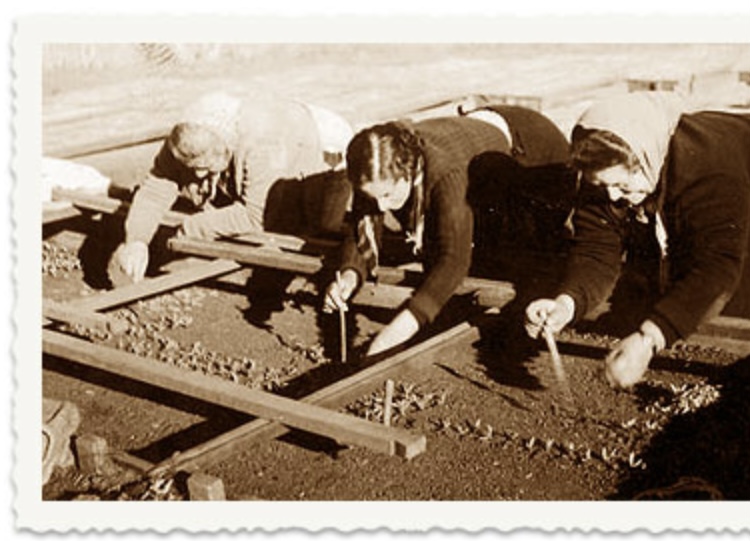
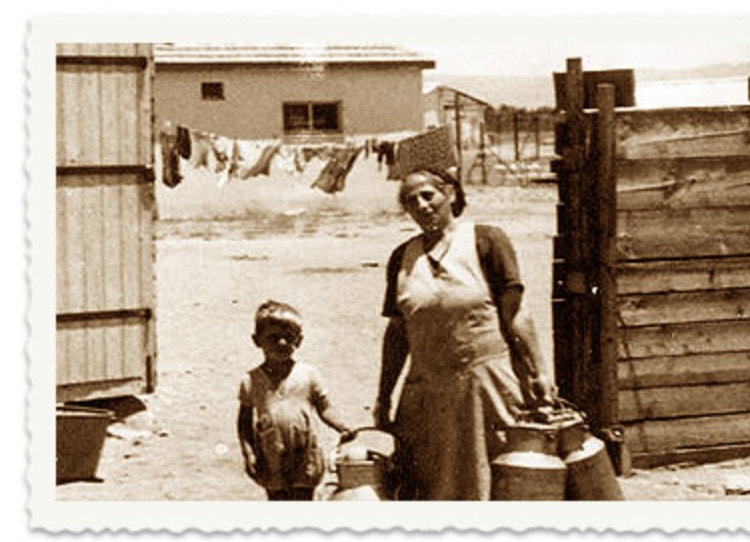
Shave Zion (Return to Zion) population 1209, is located exactly 2 miles between Akko (Acre) and Nahariyya, 5.5 miles south of the Lebanese border. It sits right on the Mediterranean Sea and is one of the most beautiful places to relax and enjoy the sun and sea breezes. It was established in 1938 by a small group of German Jews who were escaping the Nazis. In its early days, the moshav was primarily an agricultural one, growing carrots, wheat, dates and citrus fruits. Fighting off armed bands of Bedouin raiders was not uncommon in the days of the British Palestinian Mandate.

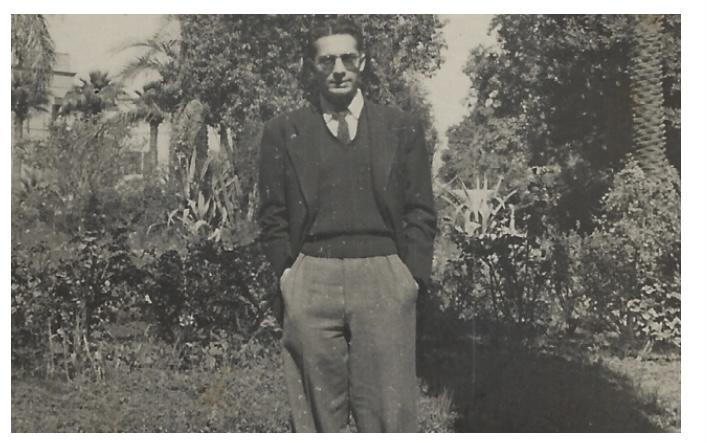
Joshua Malka (1920-2005), was born in Egypt, one of seven children born into an upper-class Jewish family. Speaking Arabic, French, English and Hebrew, he served in the hospitality sector as a manager at the Luxor Hotel in Alexandria waiting on the elites of Egypt including King Farouk. Egypt, however, was becoming increasingly hostile to its Jewish population. Joshua and three of his brothers escaped persecution, immigrating to Israel in 1948, just in time to serve in the IDF during the War of Independence. He was 28 years old.

Afte the war, Joshua, now known as ”Shua,” returned to the hotel industry. He became head of reception at the famous King David Hotel in Jerusalem. At the time, it was Israel’s only luxury hotel serving foreign dignitaries, businessmen and celebrities of the highest order. In the late 1940s, immediately after World War II, Israel saw a huge wave of new immigrants: they were Jewish refugees rising like Lazarus from the concentration camps of Europe, arriving on the shores of the newly-reborn nation with nothing but the clothes on their backs. It was an interesting time for Israel, impoverished from the war with few resources, food rationing and in most places, third world living conditions. Despite all the hardships, the people came with hopes and dreams. It was around this time that the South African movie producer, Norman Lurie started to build a beachfront hotel in Shave Zion.

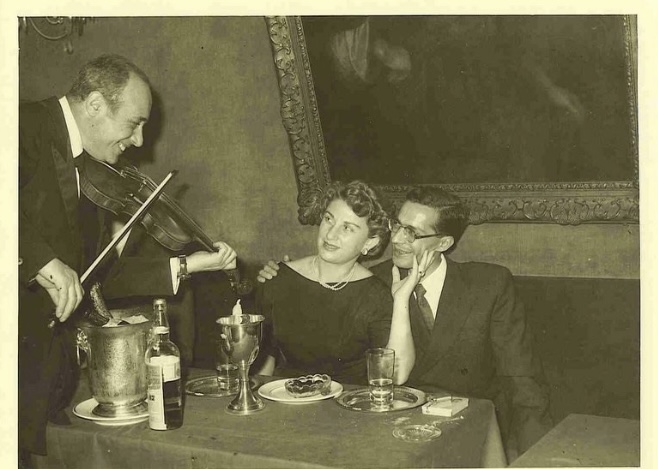
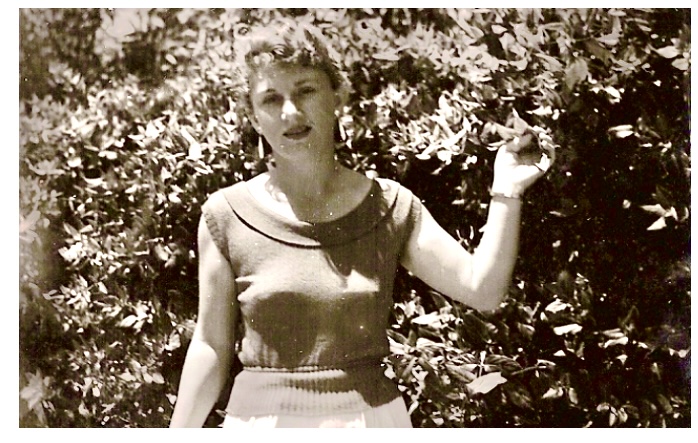
The new Beit Dolfin, The Dolphin House Resort Hotel and Country Club needed a manager. Someone used to working with VIPs, serving them and catering to their unique needs. None other was more suited for this job than Shua Malka. Shua and his gorgeous wife Eva (Chava), herself a Czech refugee who had survived Auschwitz, moved to Shave Zion in 1951. They lived a charmed life. In the winter they would travel to Europe with their young daughter. At night they would scout the hottest Parisian clubs and Berlin coffeehouses for singers and dancers to entertain at Beit Dolfin. While Shua made business connections, Chava would shop for high fashion in London and Milan. They brought back the highest quality furnishings for the new hotel as well as European chefs and entertainers.

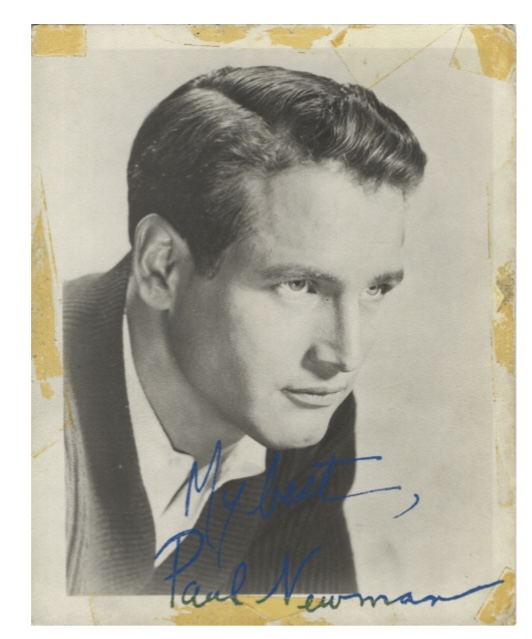
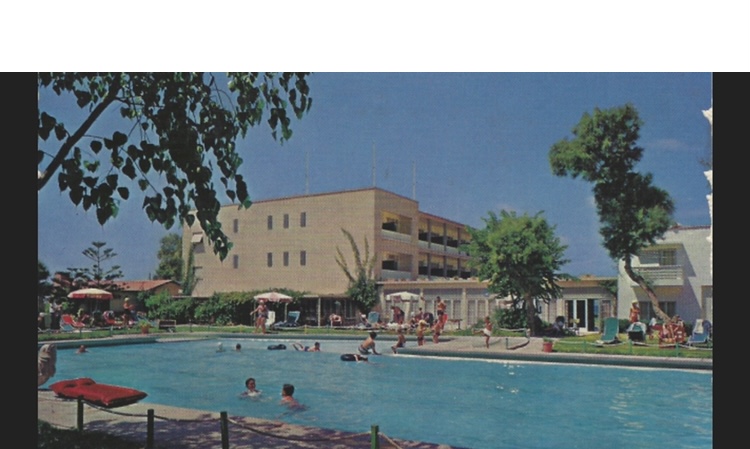
By the mid-1950s, Dolphin House had earned a reputation among royalty, diplomats and Hollywood movie stars. With ”unbeatable scenery and impeccable service,” the luxury hotel had an Olympic-size swimming pool, tennis courts, shuffleboard, library, theatre, synagogue, and activities center. Tsimmerim, private suite cabins on the beach were always in high demand year round. Besides a Kosher dining room, there was a cafe and five-star gourmet chef restaurant. There was a house orchestra, jazz band, and celebrity entertainment. It was not unusual for there to be ballroom dancing one evening, jitterbugging on the terrace the next and Israeli folk-dancing around a huge bonfire on the beach another night. Peter Sellars, Danny Kaye, Elizabeth Taylor, Frank Sinatra and Sofia Lauren were among the most prominent regular guests. Leon Uris wrote his novel, Exodus, from a beach chair on the sand there. Later, during the filming of the major motion picture by the same name, Pat Boone, Eva Saint Marie, Paul Newman and Joanne Woodward would stay at Dolphin House. Kirk Douglas first stayed at the hotel while filming ”The Juggler,” the first full-length Hollywood movie to be filmed in Israel. It was there that he ‘discovered’ the young Dalia Lavie who lived on the moshav. She told him she wanted to be a dancer, and Douglas convinced her parents to let her study ballet in Sweden. Dalia Lavie would go on to become a top model and Hollywood starlet, often playing the role of femme fatale. She is best known for her performance in the James Bond film, Casino Royale.

Beit Dolfin didn’t just bring Beverly Hills style living to Shave Zion, it raised the entire quality of life of the moshav. The resort complex employed round-the clock workers from chefs, waiters and waitresses, cleaning crews, entertainers, valets and chauffeurs, activities leaders, lifeguards, tennis instructors and managerial staff. Private tour guides would escort the guests on hikes and to historical sites throughout the land. The Malkas built a waterfront villa and were the first in Shave Zion (outside the hotel) to own a telephone, television and private car. By the mid-1960s, Shave Zion had one of the highest standards of living in Israel.

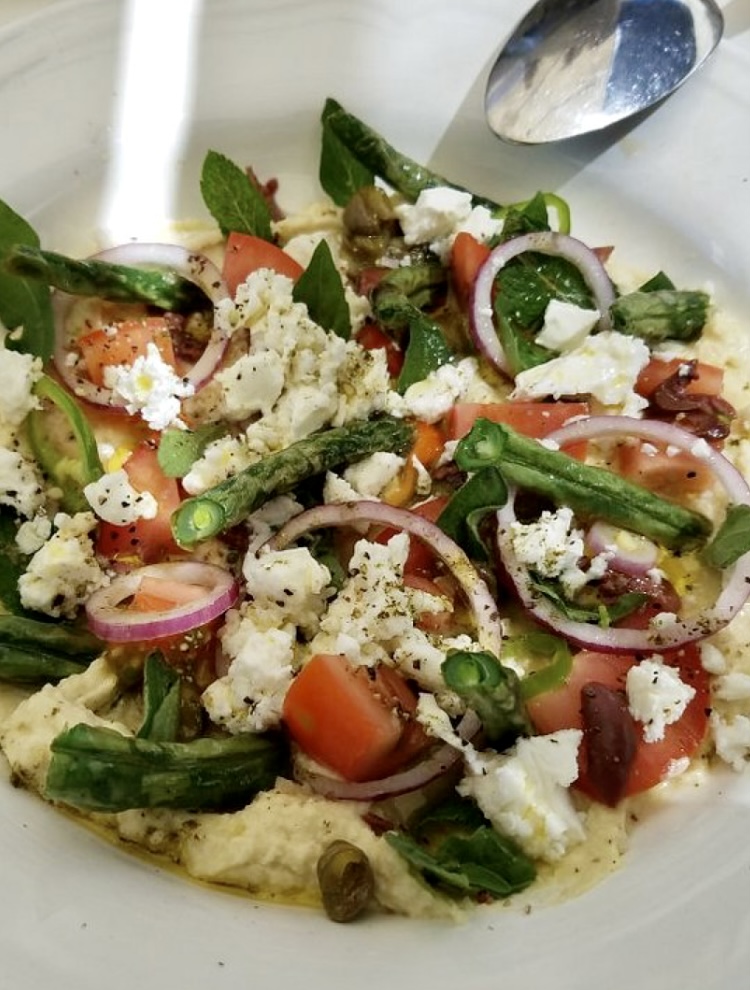
I heard the stories over what is arguably, the best brunch in Israel…The Breakfast Club cafe. We sipped mimosas on the patio – the place is always packed and reservations are an absolute must! It’s a bit out-of- the-way, but easy to find as the village only has one main street, lined with shade trees, boutiques, cafes and pubs. Their scrambled eggs on brioche served with creme fraiche and lox was to die for. My husband ordered the chavita, an omelette topped with asparagus, basil, Mediterranean vegetables and feta, equally delicious.

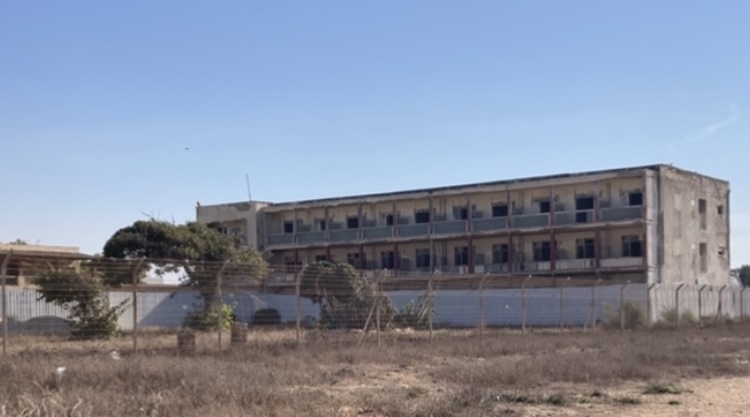
After brunch, we were in desperate need of a walk, so we made our way down the street to see the hotel I had heard so much about. Unfortunate is not the word. Today it is completely abandoned, fenced off, and in absolute disrepair. Sad. Sad. Sad. The bones oof the building are still there, but it is hard to imagine the glory days. We pray someone will buy and restore it to its former self, abuzz with VIPs and alive with activity. Until then, ghosts of the past haunt it halls and memories of music and laughter waft from the balconies of Beit Dolfin.