
I really can’t believe it’s been 8 years now since my 5-week pilot trip to Israel (to see if moving here could work out). Nor can I fathom how 7 years have gone by so rapidly, which marks the time we’ve been here. It’s been a time of discovery, of taking advantage of some great opportunities. It’s been a time of struggle and victory, a period of intense learning and of adventure.
The very nature of adventure is the unsure nature of the results. I’ve learned that sometimes things will go wrong. Very wrong. Sometimes when least expected. Like learning a new language and not having a clue how things work in a different country. Opening bank accounts, reading mail(bills) and emails to find an alphabet completely different than English. A written language with no vowels means one’s vocabulary must be at least as strong as one’s reading skills to get context. There’s an Israeli joke that goes like this: an Oleh chadash (new immigrant) asks someone to read his mail for him; an Oleh vatik (immigrant) ignores the mail he can’t read; Israelis just throw everything in the trash.
Yet, I’ve learned the language enough to get by with some degree of proficiency, although I’m still a long way from fluency. Usually the situation goes like this: “I’ve got this!” I know exactly what I’m going to say. Perfectly. Seamlessly. Without an American accent. Confidently initiating a conversation, I’m quickly blown away by the machine-gun-rapid-fire response in Hebrew that leaves me with mouth wide open and scratching my head. ”Again? I didn’t quite hear it with these stupid masks,” I reply in Hebrew. ”Do you want me to speak in English?” the person asks -if I’m lucky. It’s a humbling experience. Israelis, whether native or those who have been here for many years are usually very quick to correct my grammar. They just love to help. So it’s totally normal for me to have a four-minute lesson at the checkout counter with six other people in line behind me. And also normal for two or three of those people to pipe up and give their teaching on how to remember conjugations and declensions. It’s the Israeli way. Everyone has their own correct opinion on every subject and will not be swayed a millimeter. And only in Israel, when you buy an item, be it a car, a new skillet or shirt, will the salesperson/cashier wish you a ”titkhadshi” which has no direct English translation. The closest I can come to this blessing is ”Use it in good health” or ”Enjoy the new item.” I just love this!!
We have learned to be careful, especially when a person says ”I speak English.” Numbers are especially horrendous for them. There was the time when we were buying a case of wine at a particular winery because the sommelier assured us of a 50% discount if we bought 12 bottles. The 50 was actually 15. When we corrected him, he insisted that’s what he said. 50. We even wrote it down. 15%. ”Yes.Yes. I know. 50.” Another example: When we meet someone at ten thirty, they say ten and a half. “Your appointment is four and a half.” OK then…
We are learning to decipher our own mystically encrypted language (English spoken by Israelis). It was only this year that I finally understood the beauty salon owners who style the long, silky-smooth black tresses of the young Israeli women. They call it ”fen.” As in ”You want me to make you fen, Mommy? I make you fen. You be young and sexy, Mommy.” Actually, they are asking me if I want my hair blown out… as in FAN. Using a blow dryer. Fen. Oooooohhhhh, now I understand. Make fen. Use the blow dryer. And what’s all this ”Mommy” business? I hear it all the time. Not just from men, but among the women, too. That word here has nothing to do with being a mother. It’s a term of endearment. Short for mamtoKAH or ”My Sweet.”
In the beginning even the most mundane tasks were extraordinary feats. You have to LEARN how to ask for a bilingual menu. Just think about that one for a minute. We’ve tried fending for ourselves many times. More often than not, we’ve learned to ask for help – especially when it comes to things medical. Finally we’ve learned to navigate the beaurocracy of the socialized medical system with all its paperwork, forms, and gatekeepers. We’ve learned to lean on other more ”in-the-know” friends to get us in with the right/best doctors. Here it’s called Protektzia. It’s very necessary. Coming from the rather cushy life, hospital experiences have surprised us. It’s bring your own towels, water pitcher/bottles, straws, emesis basin, food, even babysitter who will be there 24/7 to advocate for you. It’s a necessity here. It’s not a luxury. Everyone has a family member or paid mittapellet to stay with them bedside.
I’ve found humor in the most unexpected things. The word for the hospital gown… you know, the one that never comes together where you want it to… is called a keTONnet!!! In Hebrew, this is the biblical word for robe or tunic, as in ‘Joseph’s father, Jacob gave to him a many colored ketonnet.’ I love this!!!! And the nurse thought I was absolutely nuts when I proclaimed “ketonnet?!?! ketonnet??? k’mo Yosef?????” Or when the anesthesiologist says ”I’m going to put you to sleep,” but in Hebrew it’s the same phrase for euthanizing your pet. ”I’m going to put you down now.” Not particularly something you want to hear before your operation. It requires a world of trust in the doctor and faith in the Almighty. Still, there’s nothing like being in a clinic or a hospital and everyone wishing you a speedy recovery, a “feel good,” a ”quick return to health,” or a blessing of G-d that you will be well and the treatment successful… even if it’s for a check-up. Even the security guards and janitors wish people to be well. I think this is humorously precious.
Speaking of Israelisms and Biblical references, the Hebrew language has no real curse words. There’s lots of slang that has been introduced into the culture recently, mostly among the young, from different cultures. But I think it’s pretty funny that to say, ”Go to hell,” is “l’azazel.” Biblically, the azazel was the scapegoat that on Yom Kippur, the Day of Atonement. It carried the people’s sins out into the desert wilderness (off a cliff). And while I’m on the subject of remission of sin: the word ’kappara’ in the Biblical sense is that which covers or is a propitiation for sin as in Yom Kippur, Day of Covering(sin). When someone wants to say ’Oh my goodness!’ a lot of times it’s ’Oy, kappara!’ Also the word kappara is an endearment for Sweetie. A guy will call his girlfriend or wife ’kappara.’ Another idiom that everyone says is ’Barukh haShem’ (praise the Lord). It’s used for a myriad of responses. “How are you doing?” – “Barukh haShem, all is well.” “And your final exam?” ”It’s over, barukh haShem!” The airport: “The lines were small, and, barukh haShem, I got through in no time.” The other prevalent phrase is ’b’ezrat haShem’ or with G-d’s help. ”And your final exam?” ”I’ve studied. B’ezrat haShem, I’ll pass.”
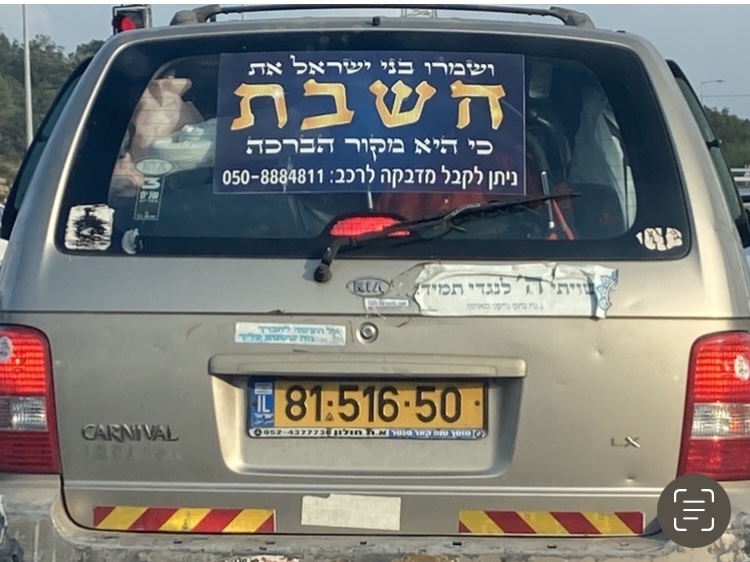
It’s the only country where people paste signs up on their back windshield telling everyone to keep the Sabbath holy. Where the mud flaps on trucks do not have sprawling naked women but the Hebrew phrase, ”There is nothing else but G-d.” It’s like the Deep South in the United States you see billboards saying ’Jesus saves.’ Here there are billboards announcing the imminent arrival of the Messiah. And if you go to Jerusalem, be prepared to see several Jesus figures. Barefooted, white robed, some with donkeys, others wearing crowns of thorns. For reals! There’s a documented condition here called Jerusalem Syndrome. Pilgrims visit the Holy City and become so absorbed in the milieu that they have mental reality breaks. You must Google it.




There was the time when my car completely broke down. It was cold and the rain was coming down in buckets. I was alone. In the industrial sec of Haifa. And it was getting dark. Somehow I managed to call the tow truck myself. I explained where I needed to have it towed. But then things took a turn. The tow company said they would be there between two and four hours from the time of my call. Leave the keys under the mat, the door open, the hazards blinking. What could I do? It involved complete trust. I called a friend to pick me up and I hoped my car would still be there when the tow guy came. But I did it! All by myself! In Hebrew! And it worked!!!!! Victory!!!
We’ve learned to become very flexible. To be open to the experience, to the journey. There’s literally something new and exciting in every little village, around every corner. Israel is ancient. It has a lot of history. We’ve spent the past 7 years really studying Scripture – and then going to the places we read about to put ourselves in that exact spot. How did it feel to be sitting at the oldest, pre-Canaanite gate/entrance to the city where Abram rescued his kidnapped nephew, Lot? What must it have been like to cross the Jordan and enter into the Promised Land? To watch Elijah go up in the whirlwind? To see Naaman the leper get cleansed by dipping in that very same spot seven times? To be there as John was immersing his followers in the River Jordan? We’ve seen ”the high places” with their altars to pagan gods and we’ve seen Asherah poles. We’ve studied Roman history and have visited some of the Decapoli, beautifully preserved ruins of Roman towns with their markets and bathhouses (we studied the anatomy of a Roman town when I homeschooled, so this has been pure delight for me). We’ve climbed on and in aqueducts. Walked through old Crusader ruins. Squeezed our bodies into ancient first century hidden tombs in the mountains. It’s a country where the ancient meets the medieval that kisses the modern. Where an old Crusader hall is now an ice cream shop and an Ottoman khan is now a nightclub.
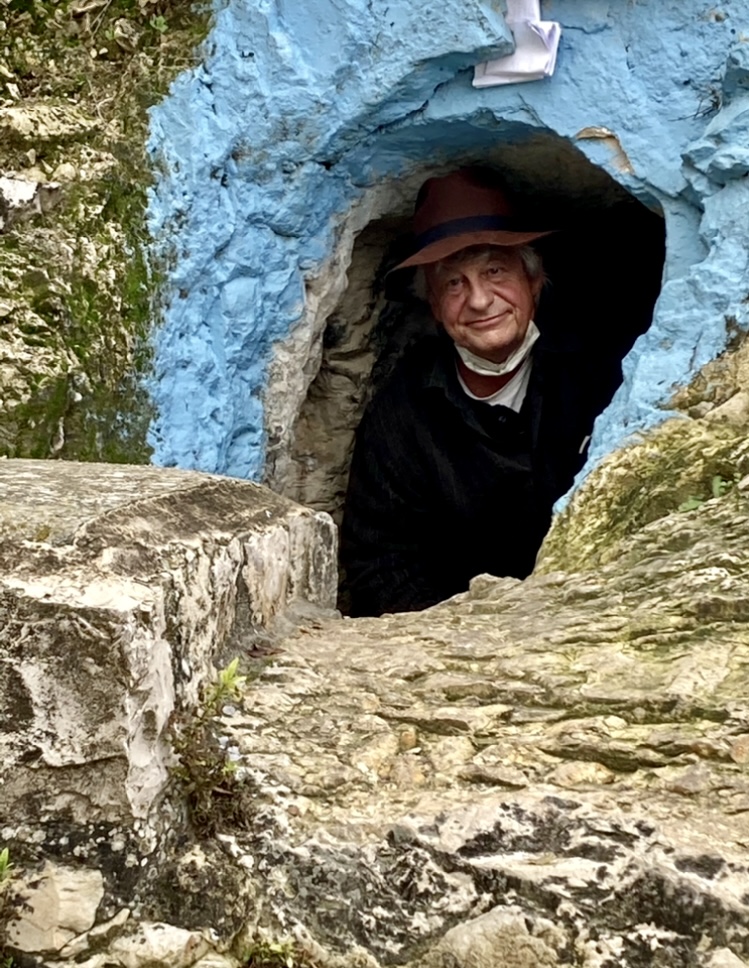


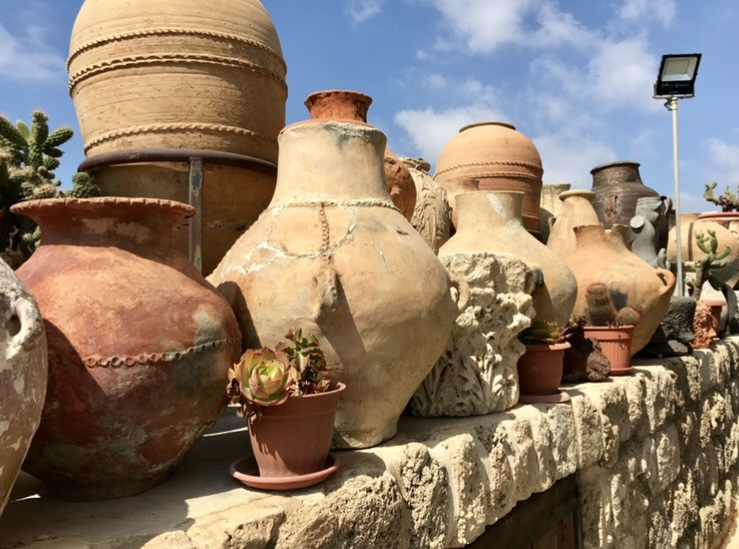


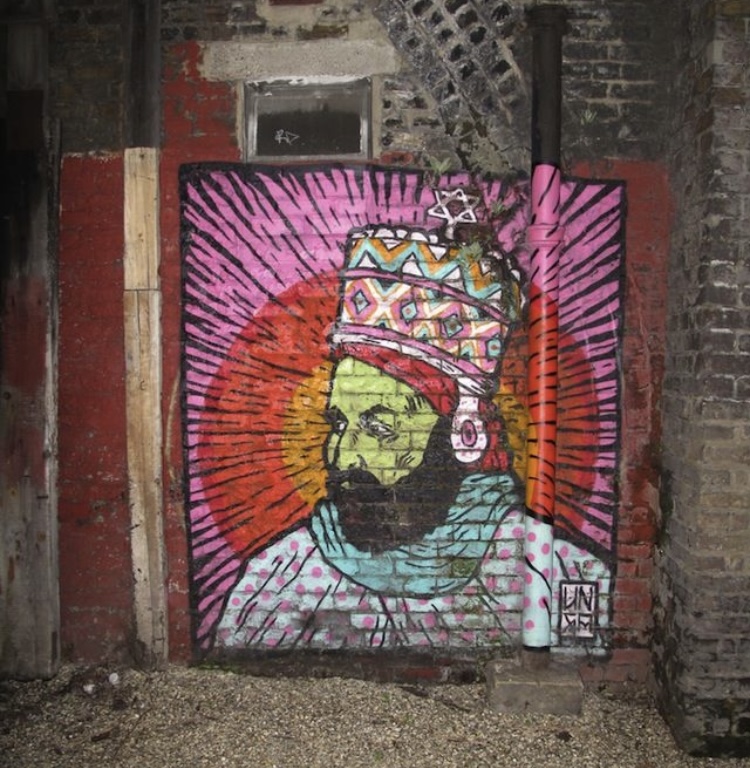
It’s the only country I know of where the street graffiti has Biblical connotations.
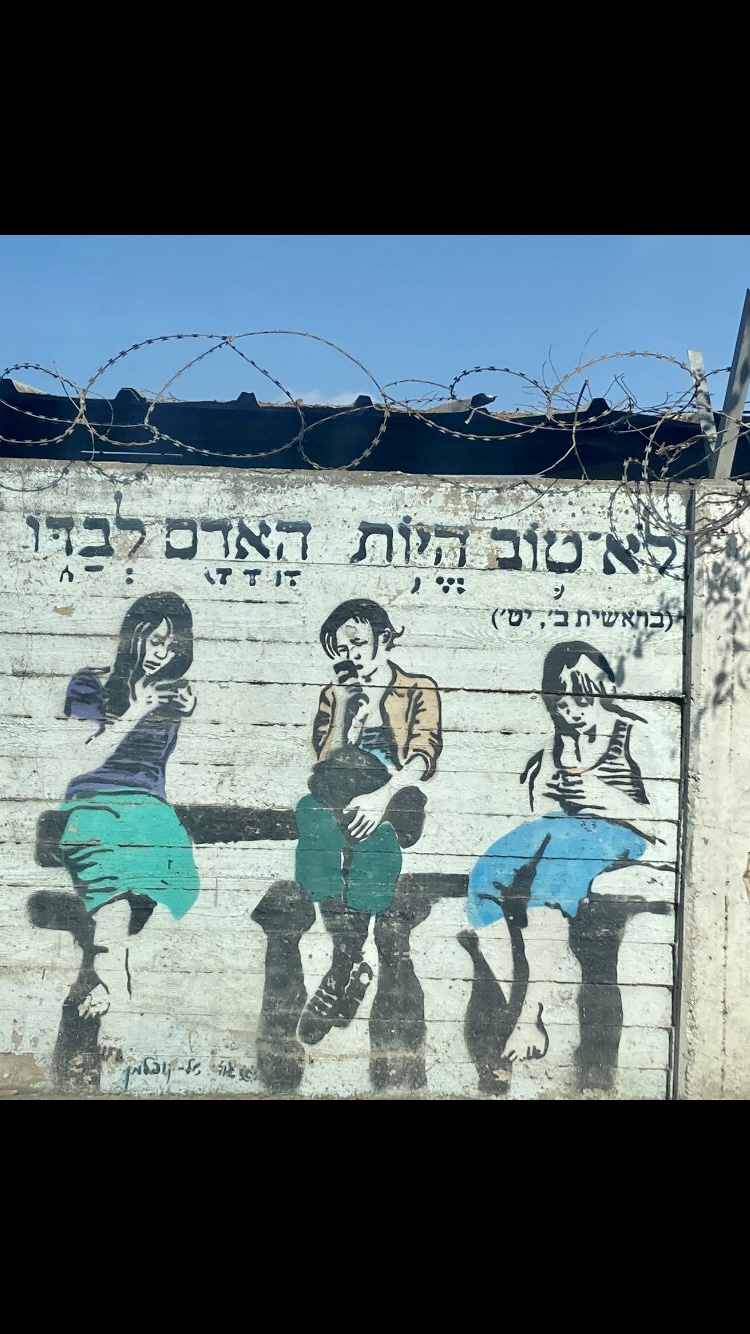
& great social commentary
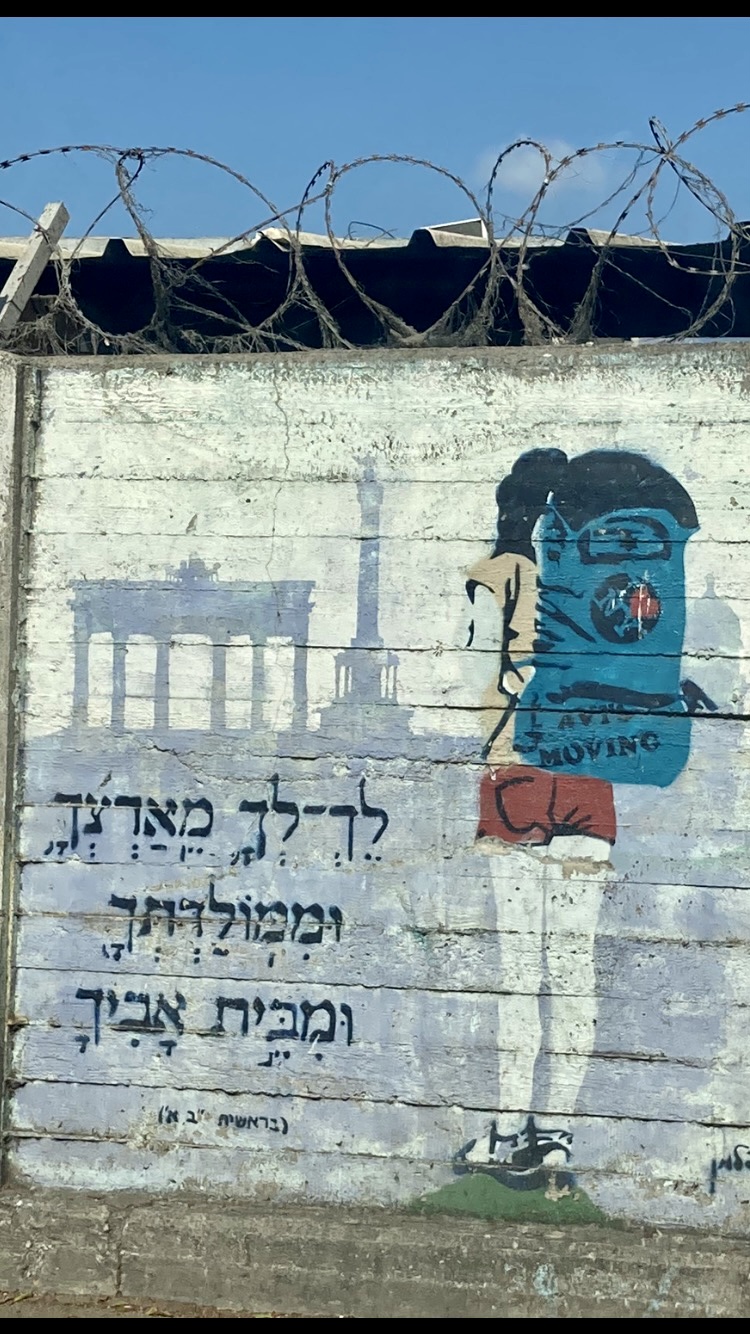
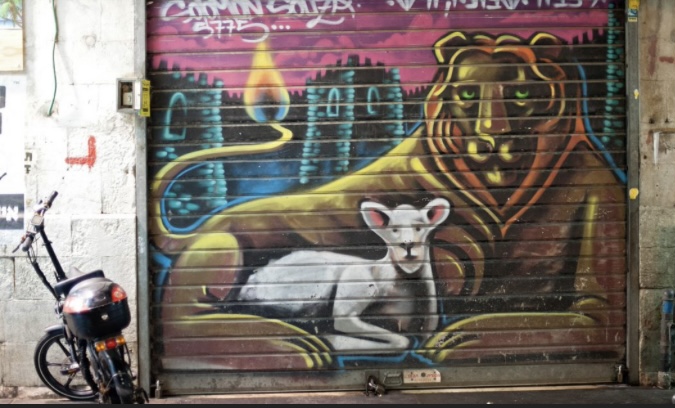

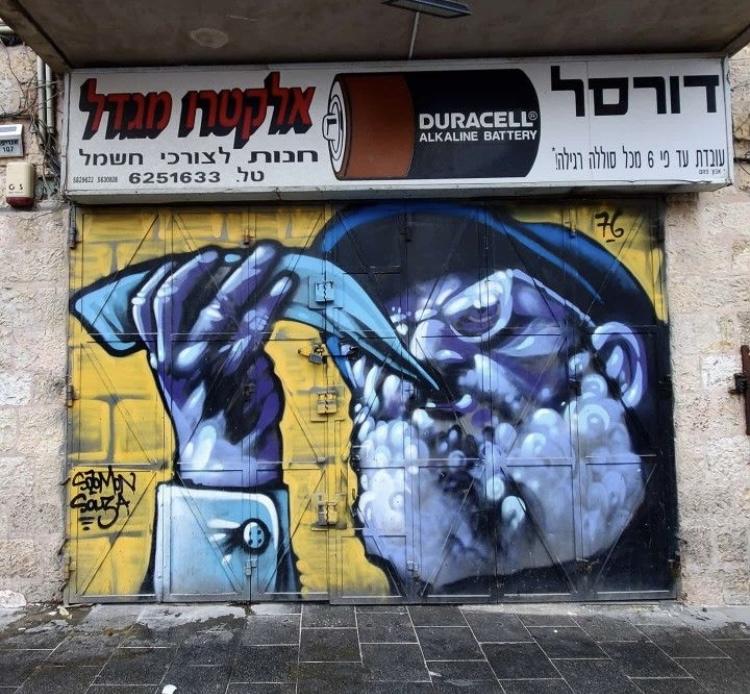
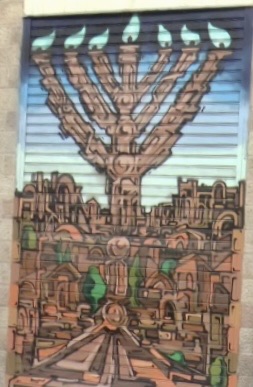
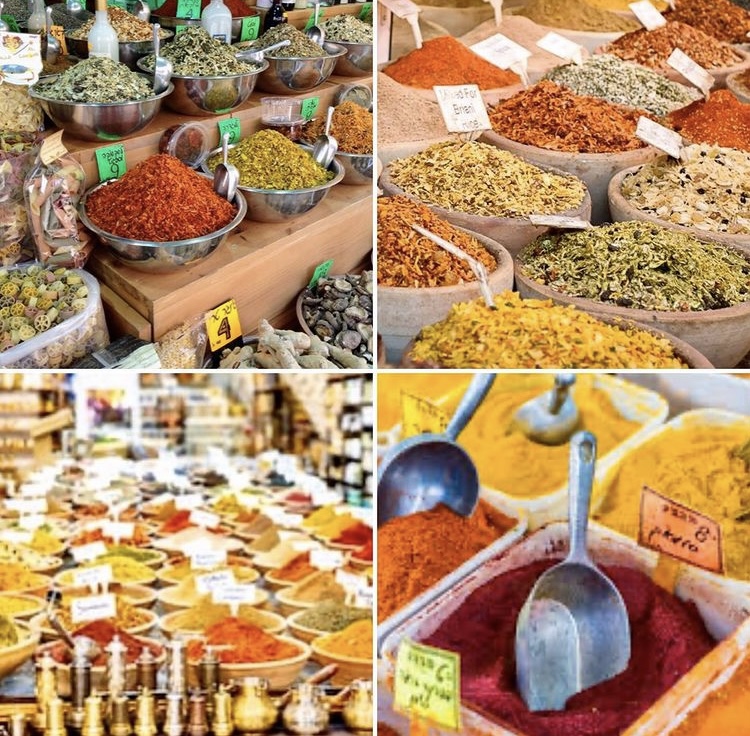
A walk in the shuk (covered open-air marketplace) is filled with the smells of fish, of ripe fruit, freshly baked breads, exotic spices (those colors!!!) and incense. The smell of fruity tobacco is prevalent here, in the shuk where vendors hang out at the entrance to the shops smoking their hookah pipes or playing sheshbesh (backgammon). In fact everywhere you go, whether to the shores of a lake or a restaurant, you will see the men smoking their nargila pipes of tobacco. Israel is a place where grilled cheese sandwiches are called ”toasts” (Anglicized Hebrew) and our toast in Hebrew is actually grilled or roasted bread. Be forewarned! It’s a place where dogs and cats and peacocks roam freely in many restaurants up here in the North. Where golf carts mix in with the regular cars on the streets, slowing traffic for ages. Where the honking of horns is used both to communicate ”nu? the light will soon turn green. Pay attention. Just sayin’” To ”Hi there. How ya doin’?” Or ”Move over NOW!!” The drivers are more than very aggressive here. And my husband has become one of them. In this instance, he’s truly learned to live like an Israeli. If you can’t find a parking spot, use the sidewalk. Make one up. It’s an empty space. Only in Israel have we seen motorized wheelchairs with oxygen tank on the side rolling along the side lane of the freeway, again stalling traffic for miles.

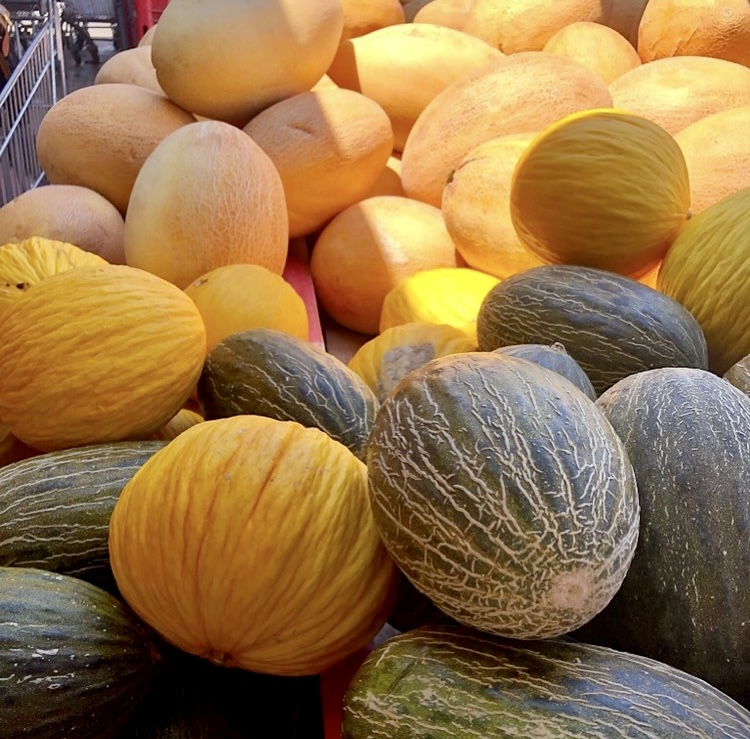
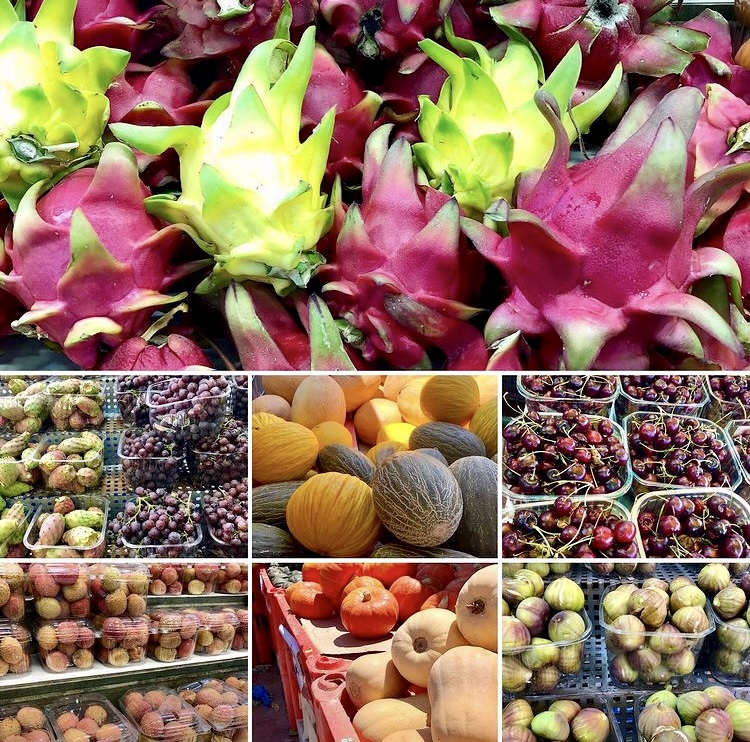
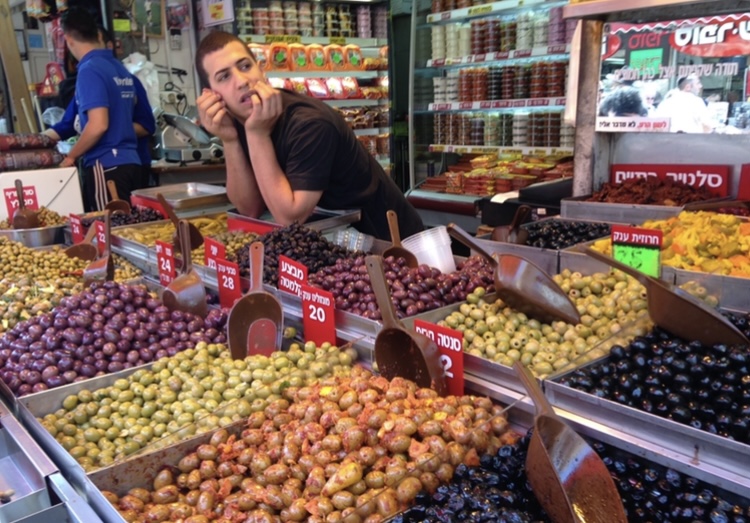
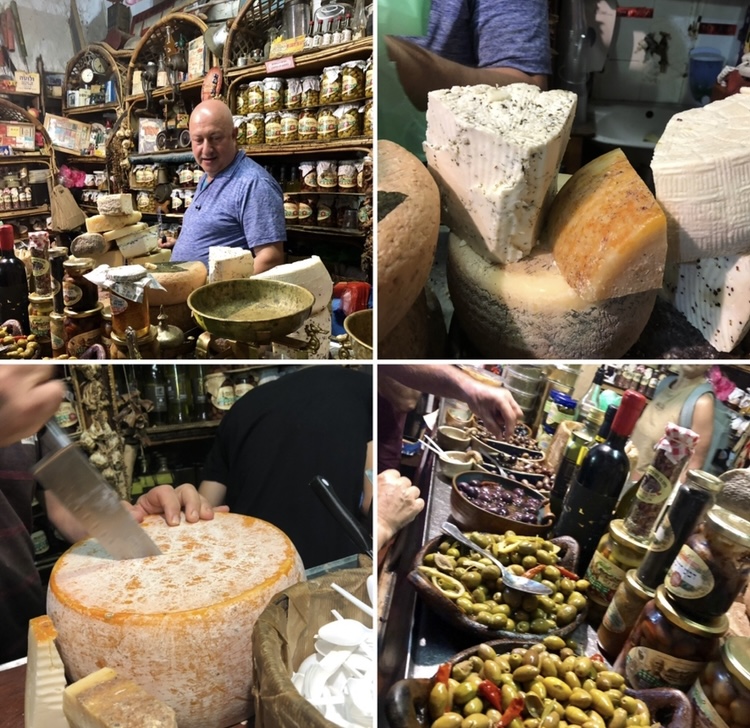
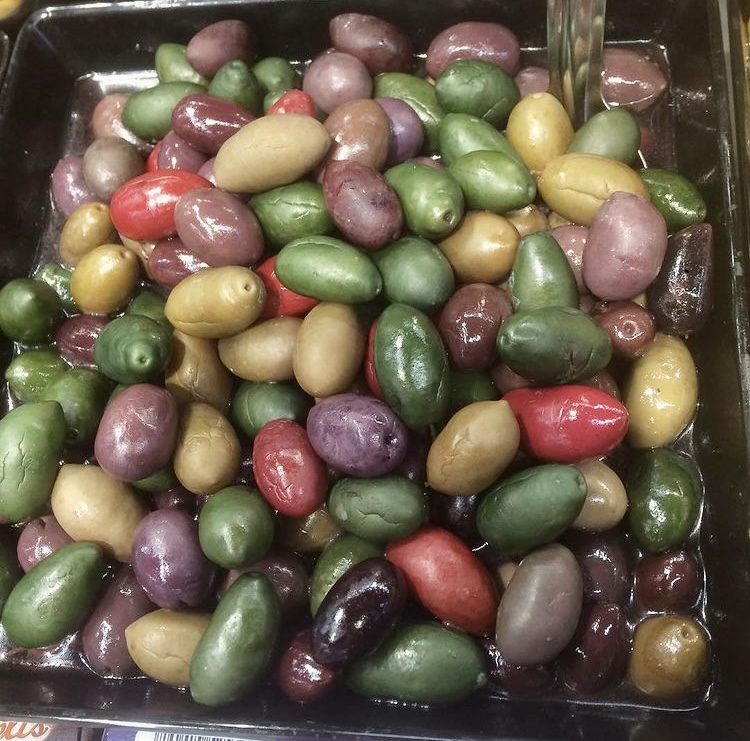
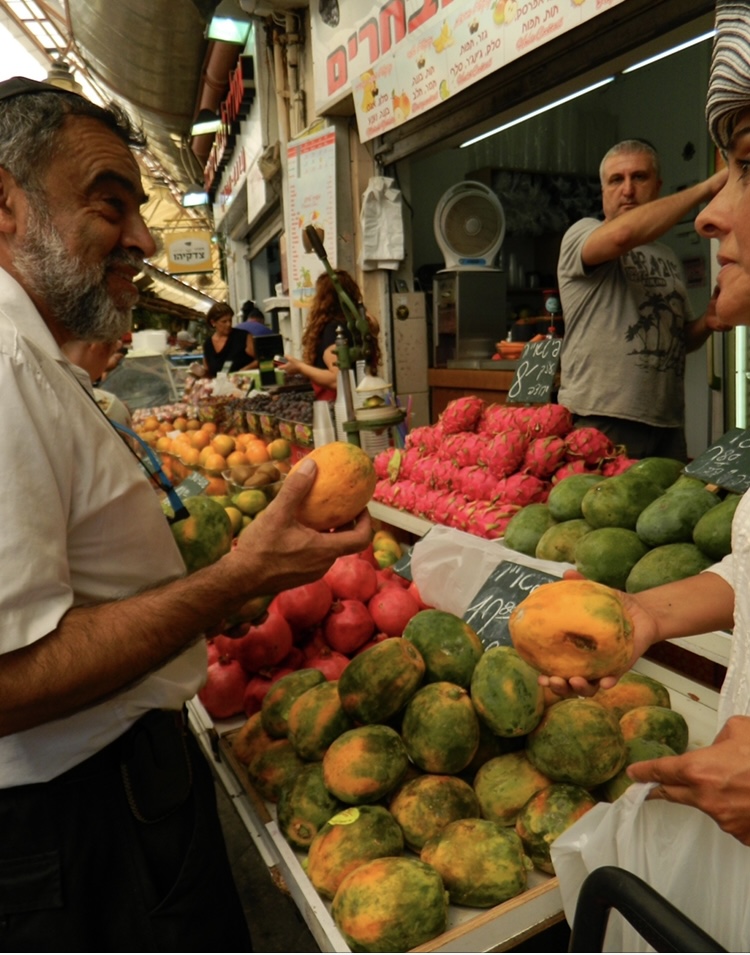


We’ve learned to at least appreciate the different foods here. Israel is a cultural melting pot. Highly spiced North African dishes; stuffed, cooked vegetables from the Middle East; healthy Israeli chopped salads for breakfast; pita bread so fluffy it feels like you’re eating a cloud; shawarma; falafel; firey hot sckhoog sauce; and tangy mango pickled amba sauce are some of the highlights. We’ve gone to restaurants astounded by the sheer amount of food put on the table. I’m not joking when I say there are up to 30 different bowls and small plates of salads, pickles, relishes and dips placed in front of you even before you order the ”real food.”

Hospitality is a real art form in the Middle East. When we go over to someone’s place for just a quick visit, we are usually offered coffees, teas, lemonade, plates of appetizers or snacks, dessert cakes or cookies. We’ve learned that it’s truly rude to say no. Even at places of business – like our printer or the insurance guy – it’s customary to be offered Turkish coffee in teeny tiny paper cups, served black or with sugar. Also bourekas (filo pastries filled with cheese and spinach or mushroom and potato)and plates piled high with little pastries or rugela, bowls of dried fruits or nuts. And for John: ”You want smoke? Cigarettes? Nargila? (hookah)” The first 15-30 minutes of a meeting is chat. Current events. Family. Weather. Travel. This has been very different for us, as we are often reminded: ”You Americans. Always in a hurry. It’s always rush, rush, rush. Never time to enjoy.” There have been dinners that have lasted until 2 am with the guests absorbed in conversation as each course is leisurely brought out. A bite of this. A bite of that. And lots of talking. A restaurant table is reserved for the evening at many places. At first we thought the waiters were completely inept and negligent, as in no service at all. Now I understand that they expect you to enjoy your meal and the company. If you want something, you will ask for it. A different culture indeed.
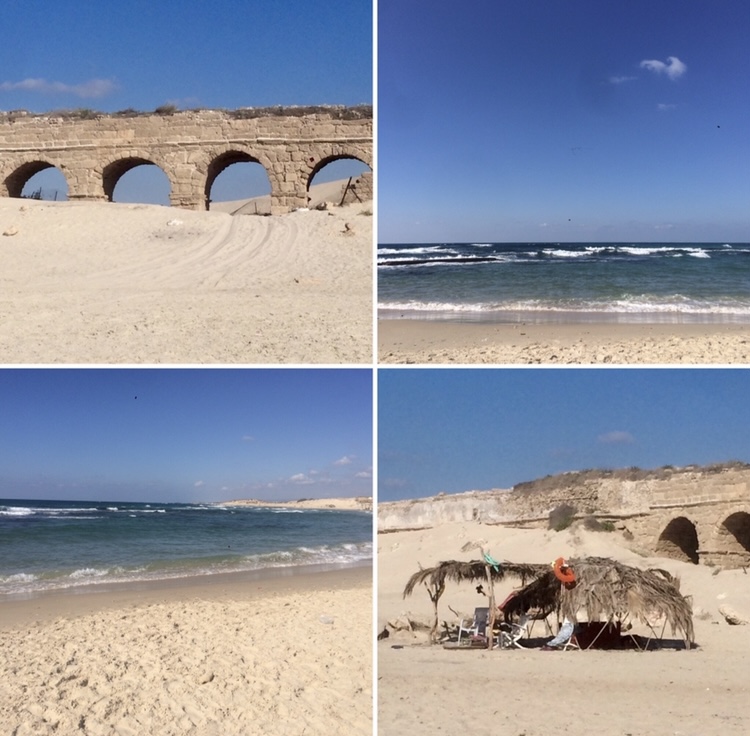
Yes. It has been difficult. My husband and I both have battled cancer successfully (b’ezrat haShem) since we’ve been here. We’ve dealt with family crises. We’ve missed the wedding of one daughter. We’ve become grandparents several times and over thousands of miles. Thank goodness for FaceTime! But we love it here. We have enjoyed the seasons and now measure time by what is growing in the fields or what is available at market. We’ve gotten to know the history here and the many different people. We can now discuss the political scene with some understanding, realizing that every person has their own opinion and everyone thinks their opinion is the only correct one. We’ve enjoyed long nature strolls and days at the beach with a Roman aqueduct as the backdrop. Lazy mornings at a cafe are normal. I think our outdoor cafe culture rivals that of Paris.
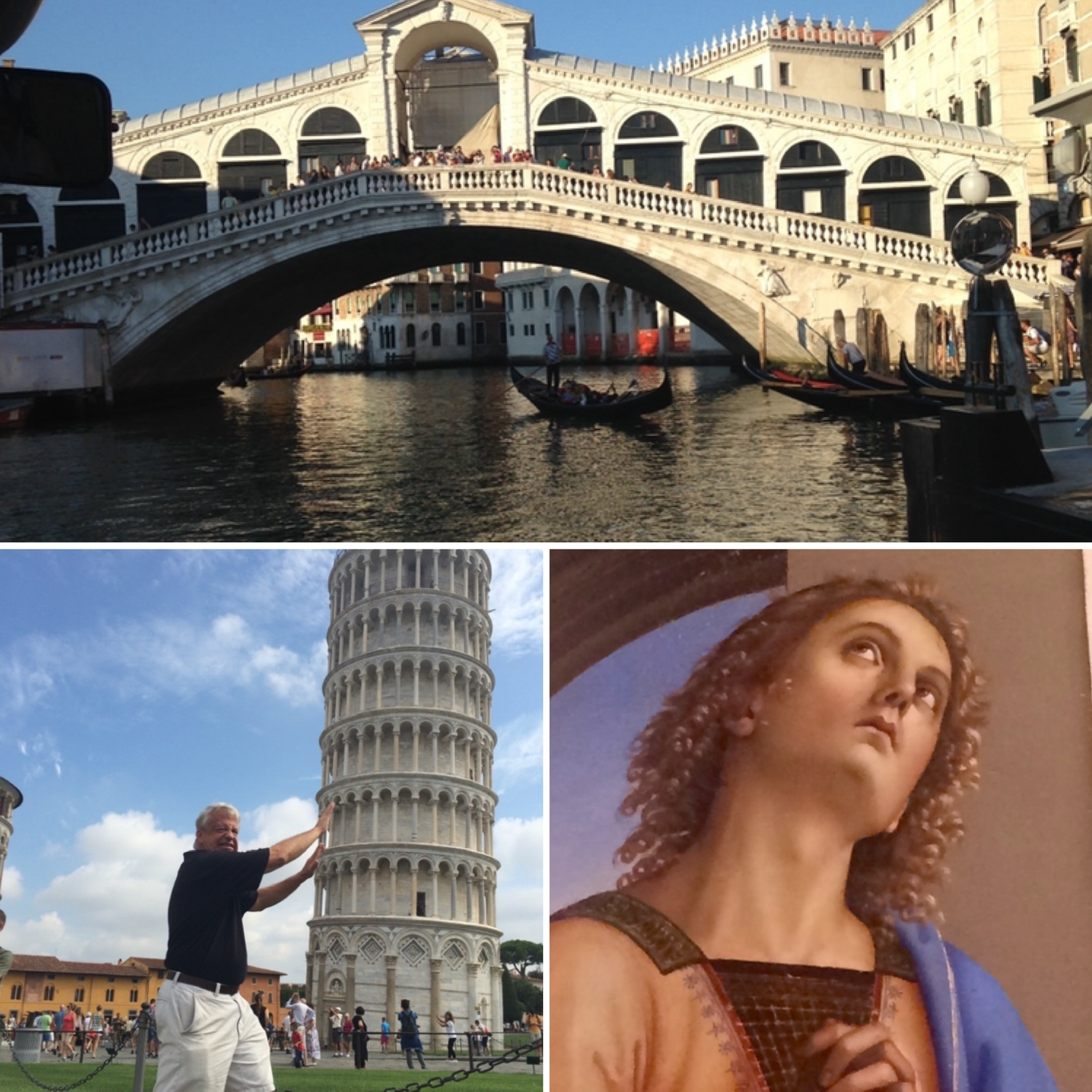
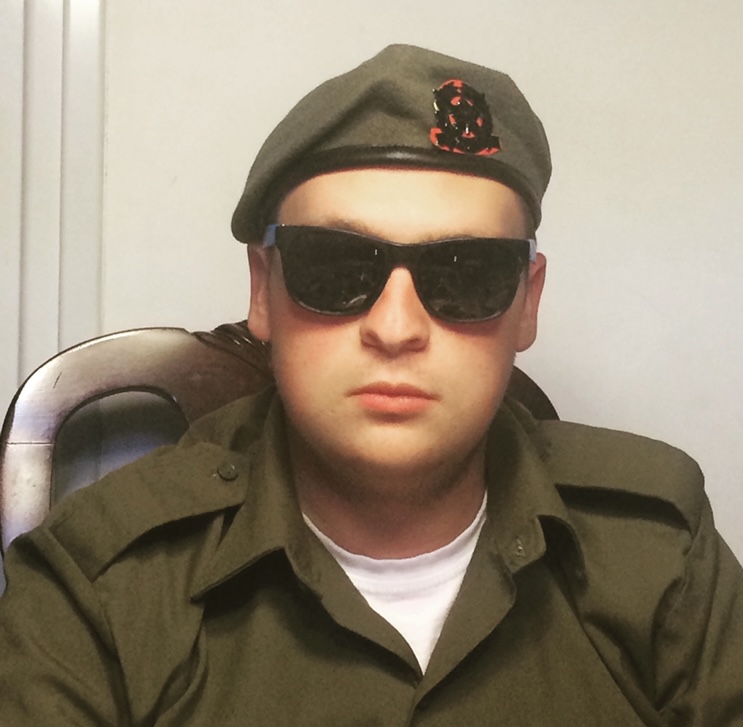
Before the days of lockdowns, we were able to travel fairly easily and inexpensively to Europe. A flight to Italy is only a couple hours. It takes about 4 1/2 hours to fly nonstop to the UK. John and I have finally been able to fulfill our lifelong dream of traveling. So far we’ve been able to visit Scotland, Amsterdam, France, Switzerland, Italy, Hungary and the Czech Republic (7 times now. Prague is amazing!) Israel is a great point of departure and there are many more places we wish to see. We’ve hosted many visitors from abroad and look forward to the days when we will be able to have more guests. One of the best parts of our moving abroad has been seeing how our son has grown and developed. When we came, Max was 16. He’s since mastered the language, gone through army service, made friends, and is doing incredibly well in university. It amazes me at how well he has adapted to life here.

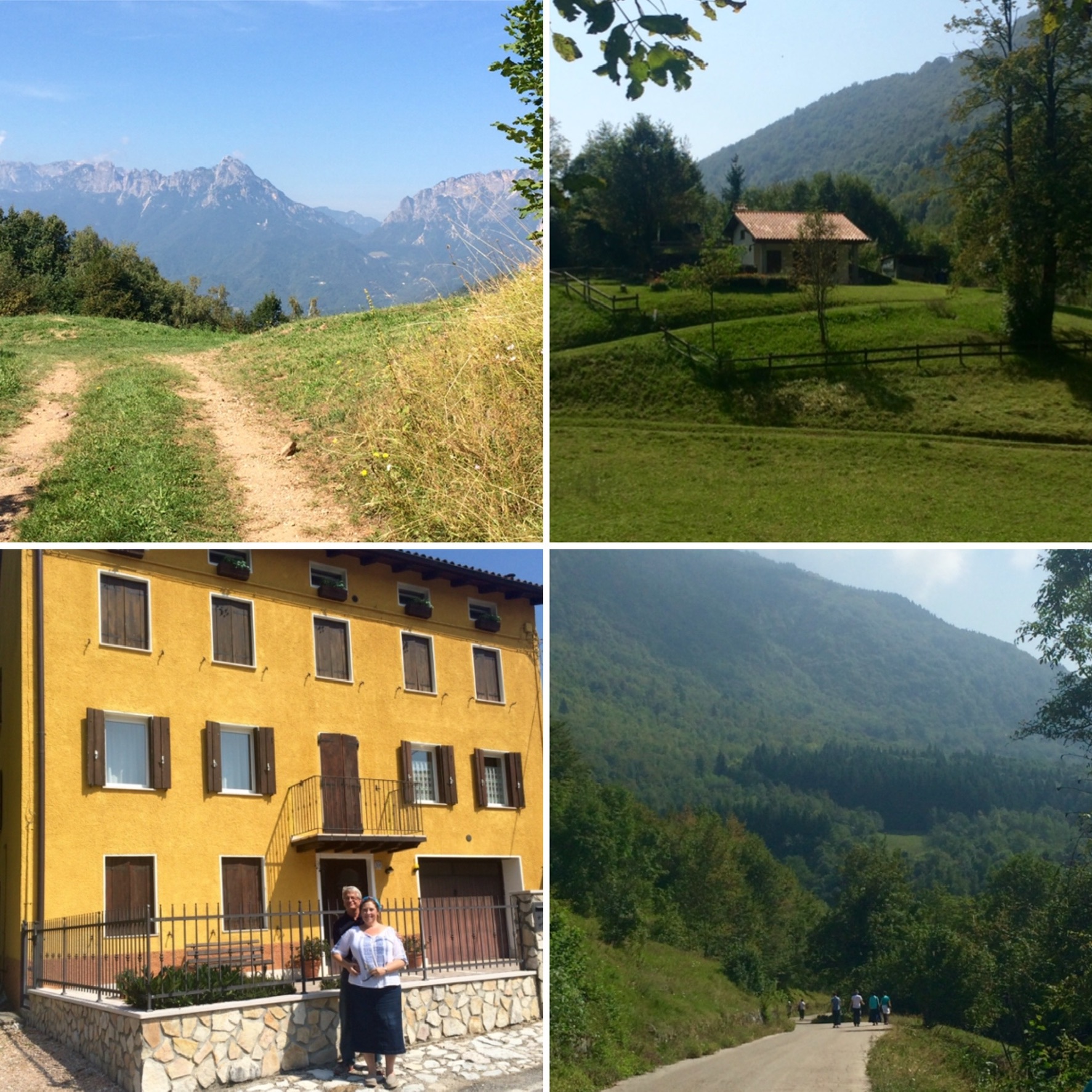


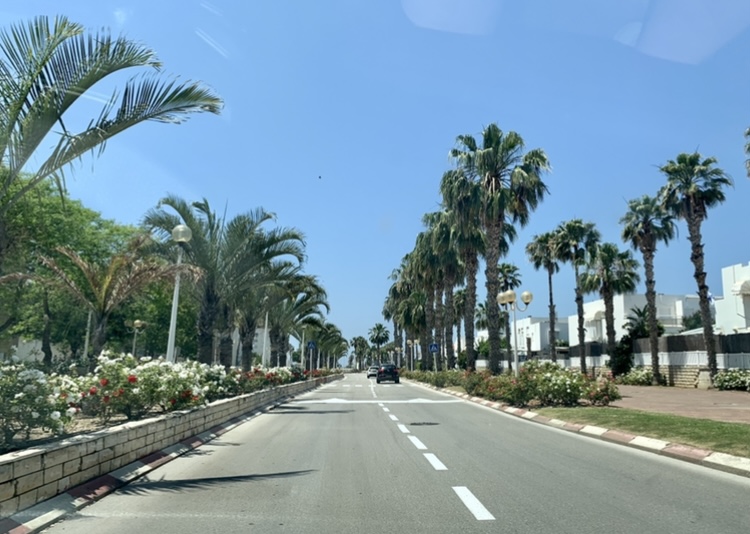
So after seven years, we are no longer considered new immigrants. We have settled in and have grown accustomed to the pace of life here. Where things run from Sunday morning to Friday afternoon, after which there is a complete shutdown for Shabbat. We know the year’s rhythms; we drive back roads, sometimes faster but always more scenic; we have learned to decipher and understand our new language; we have met and made friends with many different people from many different countries and cultures. Our prayers seem more relevant and intimate now. It is indeed holy land. I have returned to a Land my ancestors prayed about and dreamed of for generations. An ancient and ancestral homeland with many modern wonders and modern problems. A Land where the past bumps up against high rises and high tech. A Land surrounded by enemies who wish to see us nonexistent. Yet we stand up and defend ourselves. A Land bringing help and hope to the world. John and I are often asked when we are moving back to the States. Our answer: This is our home now.
A joyous and meaningful Pesach and Easter to all my readers! May we enjoy days of true peace soon.





 Israel Dreams
What a beautiful tribute to your 7th Aliyahversary! Love the recap and the photos. Chag Pesach Sameach!
LikeLike
Beautiful photo-tour of Eretz Israel. Hag Pesach Sameach!
LikeLike